Home Blog Page 9

How being ‘superficially black’ has caused a race-row within the Labour Party

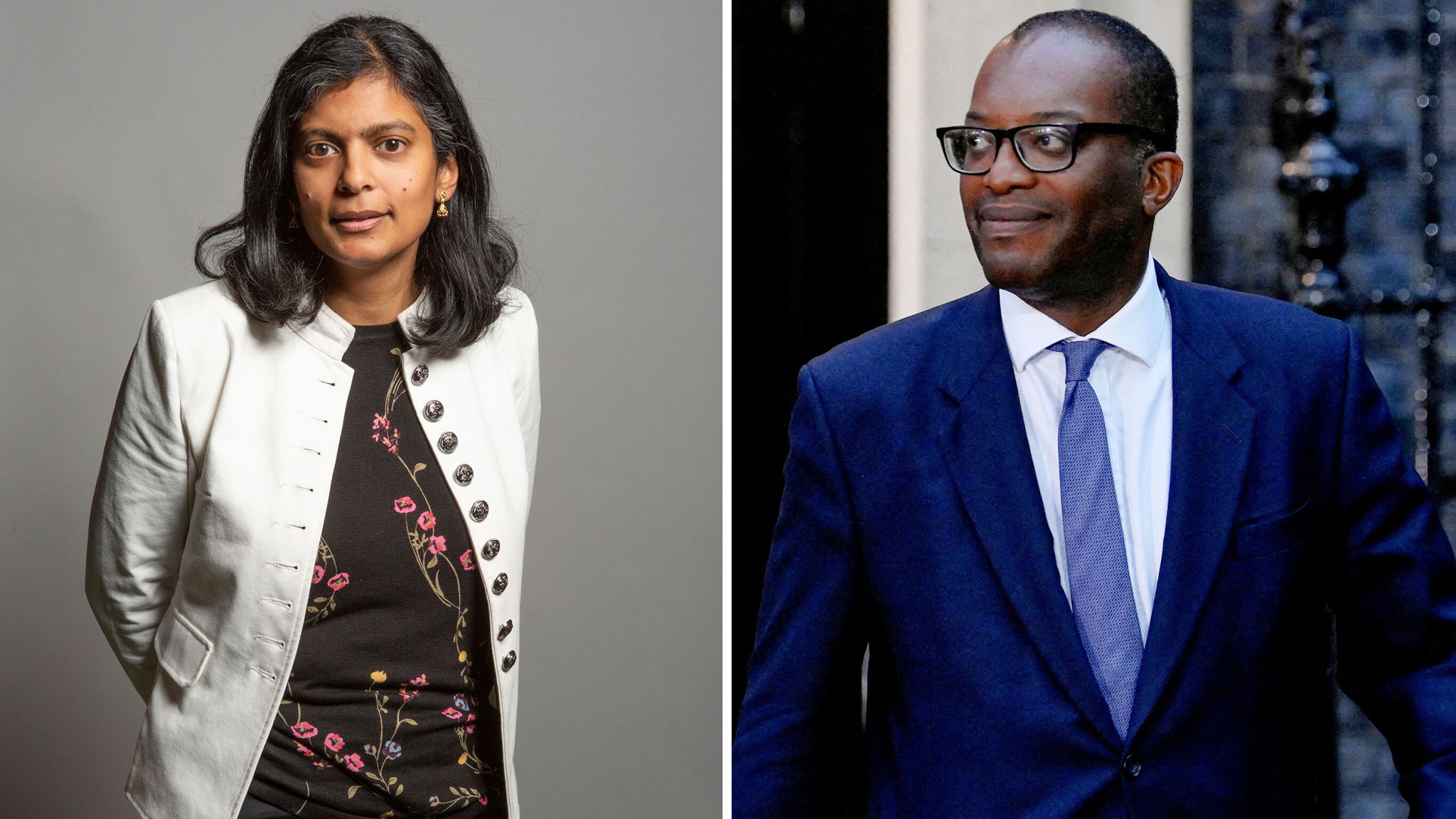
The Labour Party have suspended MP Rupa Huq, pending investigation, after she described the Chancellor of the Exchequer Kwasi Kwarteng as ‘superficially black’.

The Ealing Central and Acton MP’s comments were made at a fringe event titled, ‘What’s Next for Labour’s Agenda on Race?’, the audio was released by the Guido Fawkes website minutes before Sir Keir Starmer began his speech to the Labour Party Conference in Liverpool this week.

During a Q&A session, she said: “He’s superficially, he’s, a black man but again he’s got more in common…he went to Eton, he went to a very expensive prep school, all the way through top schools in the country.”

“If you hear him on the Today programme, you wouldn’t know he’s black.”

She has since apologised on Twitter to Kwarteng, but the damage was already done.

Labour MP Rupa Huq has apologised to Chancellor Kwarteng

Several politicians and public figures have reacted to the comments which emerged on Tuesday. Deputy Labour leader Angela Rayner said that Huq’s comments were ‘unacceptable’, whilst former Health secretary Sajid Javid said he was ‘appalled and disgusted’ by the audio.

Conservative MP Jake Berry, in an open letter to Sir Keir Starmer, invited him to “join [Berry] in unequivocally condemning these comments as nothing less than racist.” Starmer himself has called her remarks ‘racist’ and said he has taken ‘swift action’.
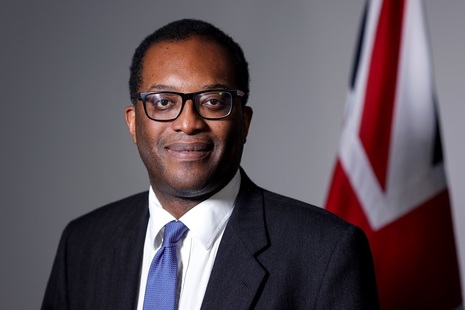
13/01/2021. London, United Kingdom. The new Business Secretary, Kwasi Kwarteng. Picture by Pippa Fowles / No 10 Downing Street

Kwasi Kwarteng is 47 years of age and is of Ghanaian descent. He became the first black Conservative cabinet minister in 2021 and holds a double first from Cambridge University and a PhD in economic history. He also enjoyed academic stints at Trinity College and Harvard University, as well as being part of the Cambridge team that won the BBC’s notoriously difficult University Challenge programme in 1995.

How does one be ‘black’?

It is unfathomable, unfortunate and regrettable that comments such as these are still being made in 2022. For a party that describes itself as ‘the party of equality’, it seems as if that tagline is only skin deep. Kwarteng is an accomplished individual in his own right, he won University Challenge and holds a PhD from Cambridge. Sure, he was privately educated, but that’s beside the point. Why does his private education, accomplishments or upbringing disqualify him from being black? Is there a sacrosanct, authentic way to ‘be black’ in itself?

Huq’s comments about Kwarteng has landed her in hot water

Labour’s views on race must be challenged

As abhorrent as Huq’s comments were, many will ask themselves if this was an isolated incident. She made the mistake of making such bigoted comments in the public arena, and was rightly scrutinised for it.

However, as a Labour MP, all of whom adhere to a certain political and philosophical narrative regarding race, it’s not unreasonable to question whether or not other MPs have similar perspectives. From a purely PR standpoint, this could potentially be a disaster for Labour who wish to rebuild themselves and rediscover their identity, simply put, there can be no room for error.

To their credit, the Party did well to suspend her, and it is reassuring that Labour MPs and Starmer himself were swift in condemning her words. However, many will wonder if she was suspended due to sincere disappointment and disapproval of the comments, or if it was to put out the PR fire that had been created.

Conservative MP Jake Berry pens an open letter to Labour leader Keir Starmer

The fact that Huq felt comfortable enough to make those comments in the first place, suggests that there could be a pre-existing mentality within a section of the Labour party that deems her remarks acceptable. If Labour wishes to regain power after 12 years of a Conservative government. These kinds of ideas and perspectives must be challenged without mercy, the swiftness of the condemnation could be a reflection of Labour’s attempted rebirth, and if so then it is welcomed.

What now?

Huq has been suspended, pending an investigation, despite her apology, universal disgust and condemnation from all political sides may prove to her undoing, it will be interesting to see how Labour react to this long term.

If Labour wishes to reinvent itself, then ideas such as Huq’s should make MPs question their own perspectives on race. It is clear that her comments were bigoted, so many should ask themselves if they agree with her and why?

Many MPs question should question whether or not their ideologies and/or perspectives align with Labour anymore, and in doing so question their future allegiance to them.

Cost-of-living crisis: how will it impact diversity in the arts?

A few weeks ago, I read an article on the crisis facing the arts which prompted me to think about what it might mean for diversity in our sector.

Once again, arts organisations are calling out for bailouts to support them through the ongoing energy crisis. But continuing with previous patterns of bailout will hinder long-term investment in the transition to a more innovative and diverse sector – a necessary transition if we are to weather future crises. 

A bailout which preserves the status quo simply makes the sector more vulnerable to future health, political and economic shocks. As with the Covid emergency funding, limited resources need to stretch to meet the needs of the whole sector and choices have to be made about how finite funds are to be distributed. 

Targeted support

Ursula von der Leyen (President of the European Commission) recently called for help to be given to the most vulnerable people in Europe. The UK has taken a less progressive approach, with plans for blanket bailouts and tax cuts which will leave the richest households with twice as much financial support as the poorest households. 

If this is repeated for companies, including arts organisations, this will leave the best-funded organisations far better off than medium and grassroots arts organisations.

Those with the largest incomes typically spend a smaller proportion of their budgets on energy. Or they are more able to mitigate any impacts of rising energy costs through having better financial reserves and access to alternative sources of funding or having greater organisational capacity.

And the same is true for arts organisations. For example, Glyndebourne invested £1m in a wind turbine that paid for itself in six years. It now generates revenue by selling back the energy to the main grid, reducing its net energy costs. 

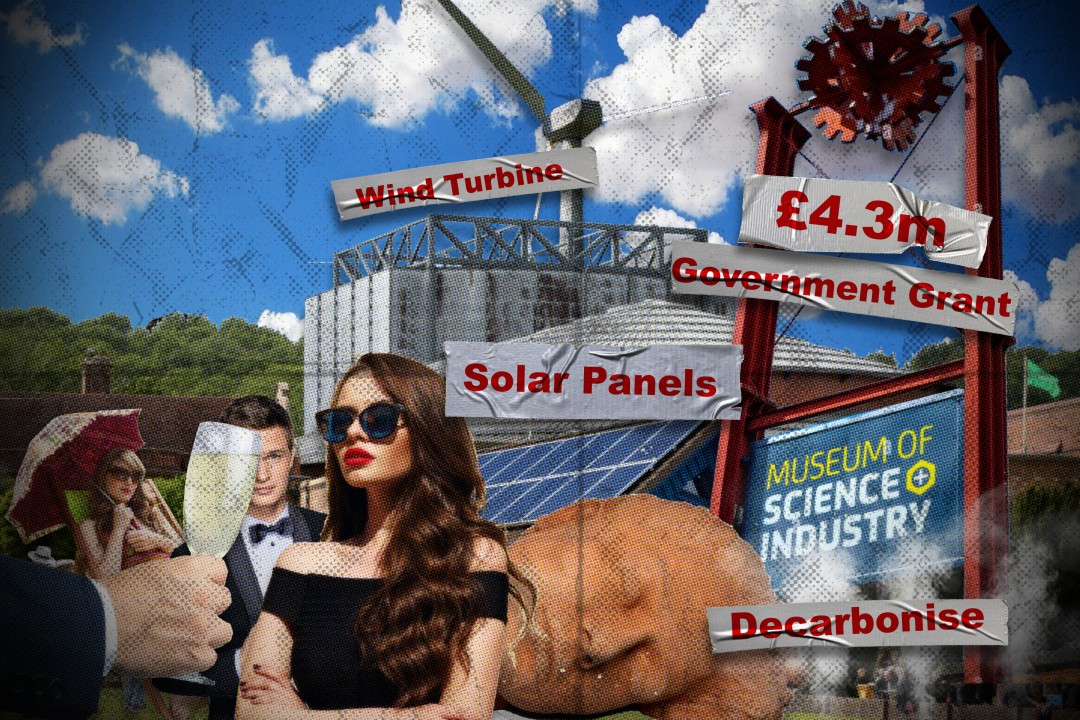
The Museum of Science and Industry in Manchester received a £4.3m government grant to help it decarbonise, including a water-source heat pump for its buildings and machinery. Hampshire Cultural Trust has used the same grant scheme to put solar panels on four of the museums it runs.

Size matters

Smaller organisations don’t usually have the fundraising capacity to apply for anything other than current necessities, much less think about fundraising to futureproof themselves against unforeseen energy hikes or contributing to reducing climate change. They also don’t usually own their buildings and so are vulnerable to the ripple effects of the energy crisis, like rent increases.

Desola Lanre-Ologun // Unsplash

As with personal households, the richest arts organisations can find the resources to adapt quickly and reap any economic benefits of early adaption. Without redistributive investment – rather than ‘preservative’ bailouts – the transition to a more ecologically friendly sector becomes an extension of the inbuilt biases of the current system. A further deepening of social inequality. 

No one will have it easy; the choices are stark. But the social, environmental and economic crises we face demand long-term solutions, not short-term fixes. We cannot continue to pile pressure on those least able to bear it to preserve a broken system. 

Black- and Brown-led organisations more at risk

What will it mean for the (already unrepresentative) racial diversity of the sector? What if Black- and Brown-led arts organisations, which are statistically underfunded and more at risk of closure, succumb to this new crisis?

In each new crisis, there is a failure to address the question of whether we can afford to keep the same number of large incumbent arts institutions, especially in London. There is a failure to address whether we can continue to bail out the bricks and mortar venues. Particularly at a time when audiences are in decline and the technology revolution means audiences can increasingly find ways to consume arts and culture virtually. 

Given finite funding, any energy or cost of living bailout for large arts institutions would be at the expense of diversity in almost all its aspects; fewer smaller venues, fewer Black- and Brown-led venues, fewer regional venues and less investment in online art platforms.

Growing the diversity of our sector (in all its dimensions), rather than preserving what is already there, we should be looking to what will make our sector thrive and be more resistant to future shocks like Covid, energy hikes and economic downturns. 

If we dare to look hard enough, we see that each crisis highlights underlying inequalities in our system. As such, each could be an opportunity to change the fundamentals, not to simply maintain existing structures, which ultimately are unsustainable. 

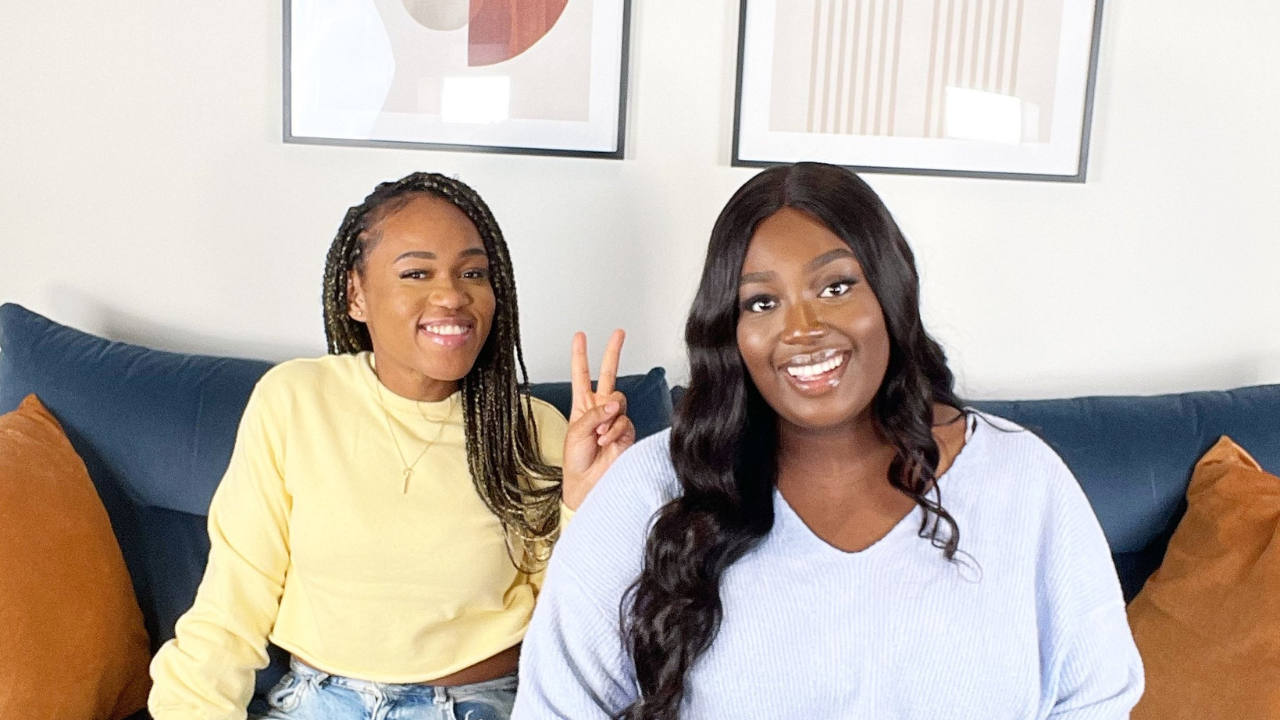
Meet Courtney & Renee – Two friends building a global community of women who grow and glow together.

Black women are often overlooked in mainstream media for their achievements. The mainstream women’s movement has historically lacked real inclusion in celebrating black women.

Rather than waiting for mainstream media to play catch-up, we want to use our platform to celebrate the diversity and excellence of black women.

So, keeping in line with our desire to “discover stories from across the political spectrum, local stories, stories that hold power to account, that uncover wrongdoing, that empower the forgotten and the unheard”, The Common Sense Network presents you with 5 phenomenal black women who are excelling in their various industries.

Let’s start with Courtney and Renee:

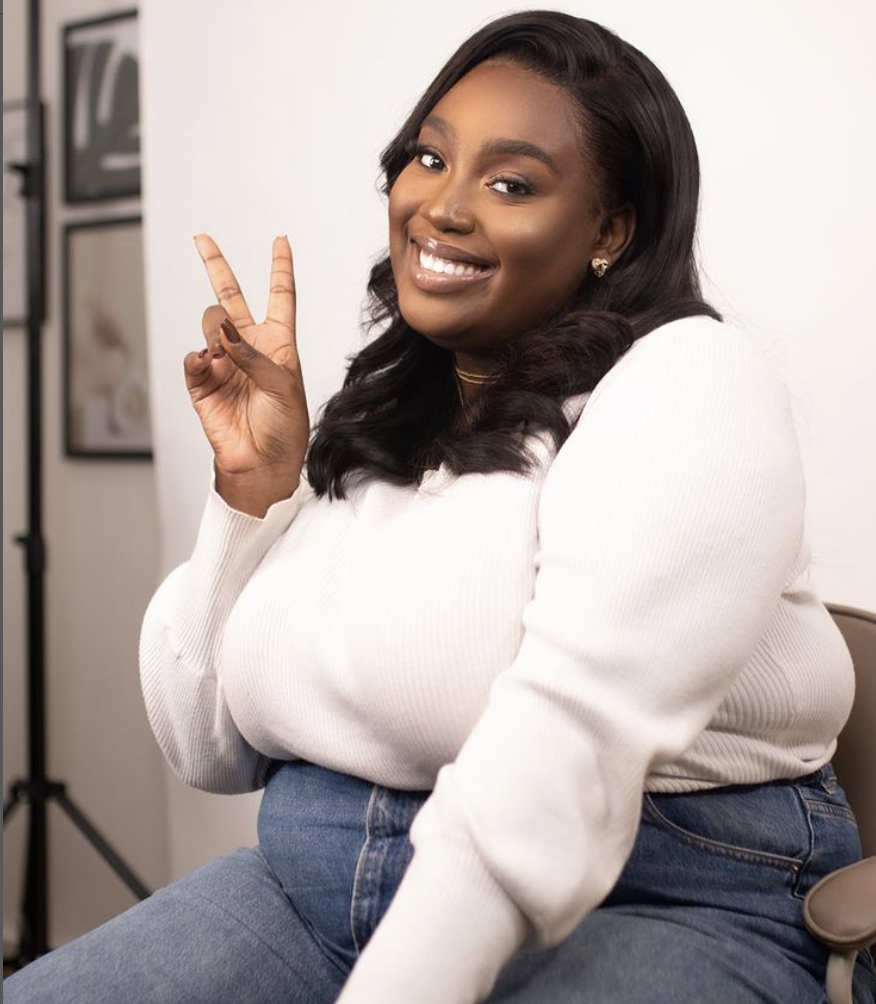
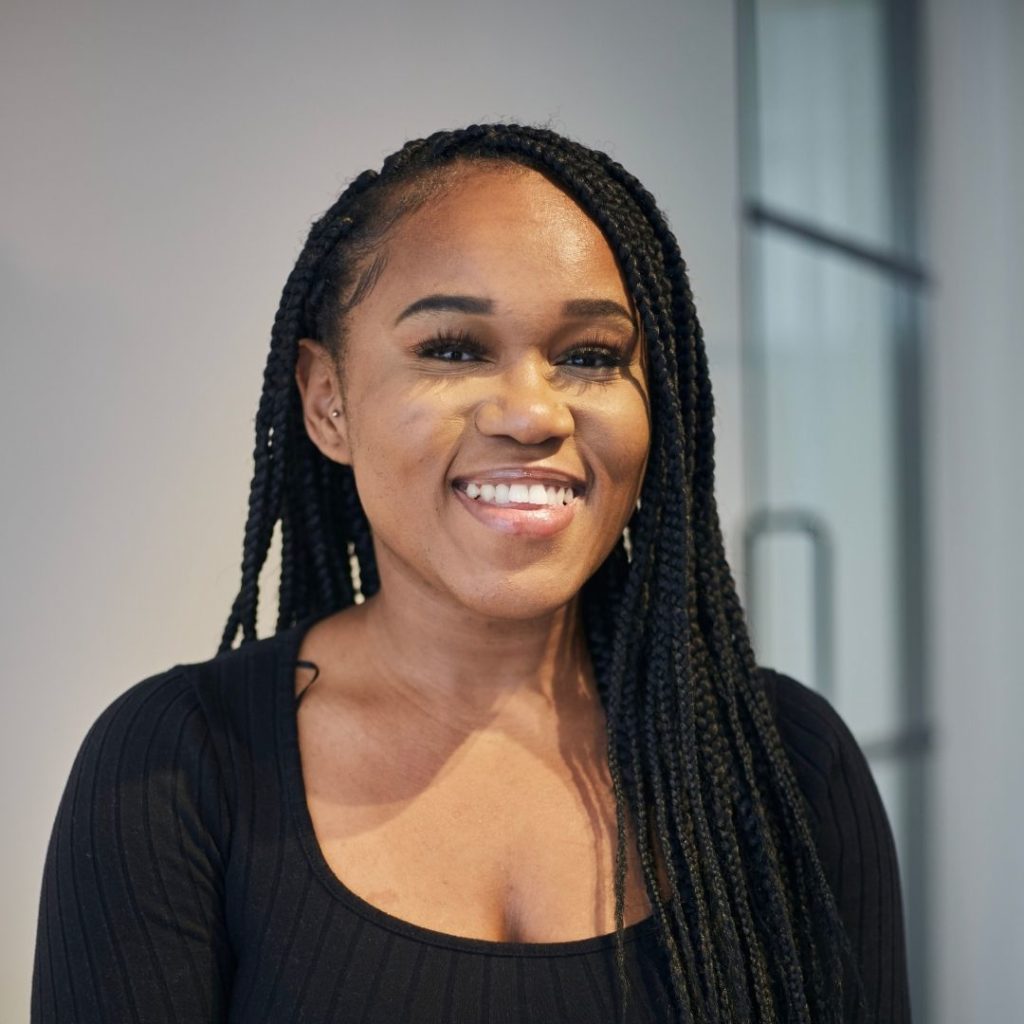
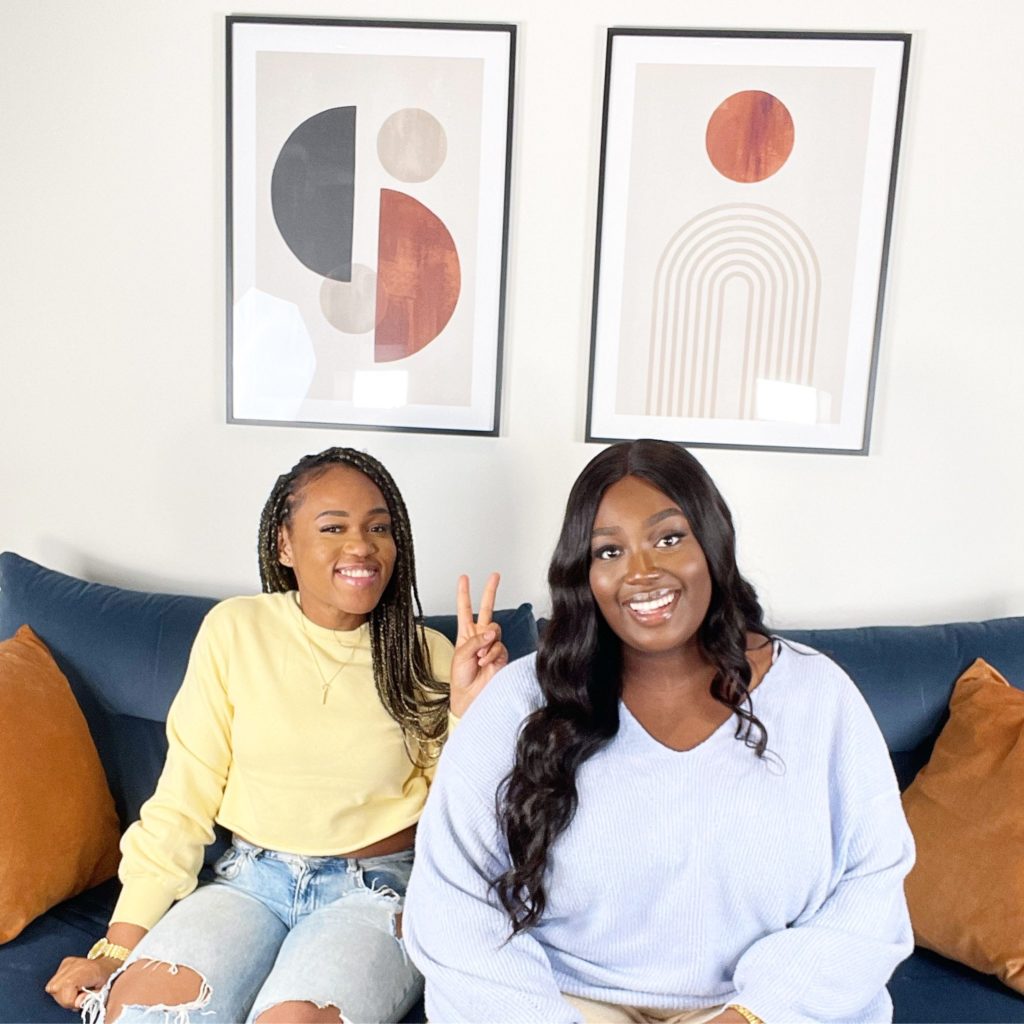
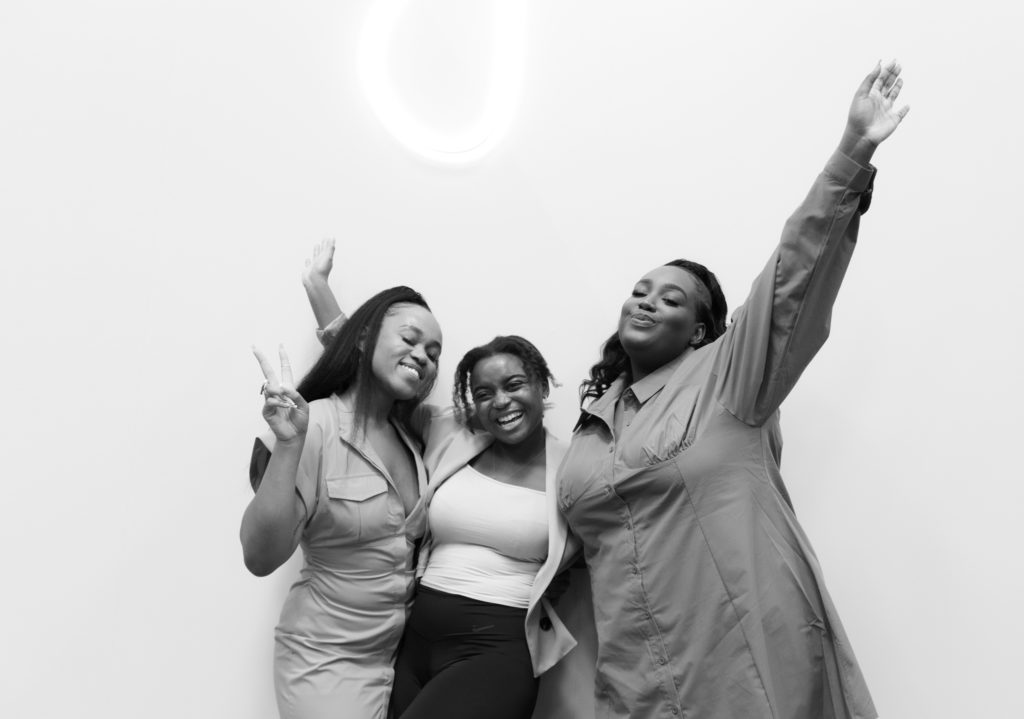
Courtney Daniella Boateng and Renee Apuku are the Co-founders of To My Sisters, a fast-growing digital community that supports women across the Globe. They provide Events, retreats, and resources, their podcast promotes wellness, growth, and development and has had over 2 million downloads since first launching in 2020.

In this series, Courtney and Renee speak to us about the importance of sisterhood for black women and how they use their platform to inspire women to grow and glow together.

Tell us about yourselves

Courtney Daniella Boateng | To My Sisters
Renee Kapuku | To My Sisters

We met each other during secondary school whilst both pursuing our applications to university. At the
time, we were the first from our state schools and families to attend Cambridge and Oxford
University. Courtney went on to graduate and become a distinguished content creator, beauty
entrepreneur with her own business, CDB London. Renee went on to complete her master’s degree at
Harvard Graduate school of Education, before returning to the UK to work in the technology industry
and impact investment. We have a friendship spanning over a decade, and as soppy as it is – we are
definitely each other’s keeper.

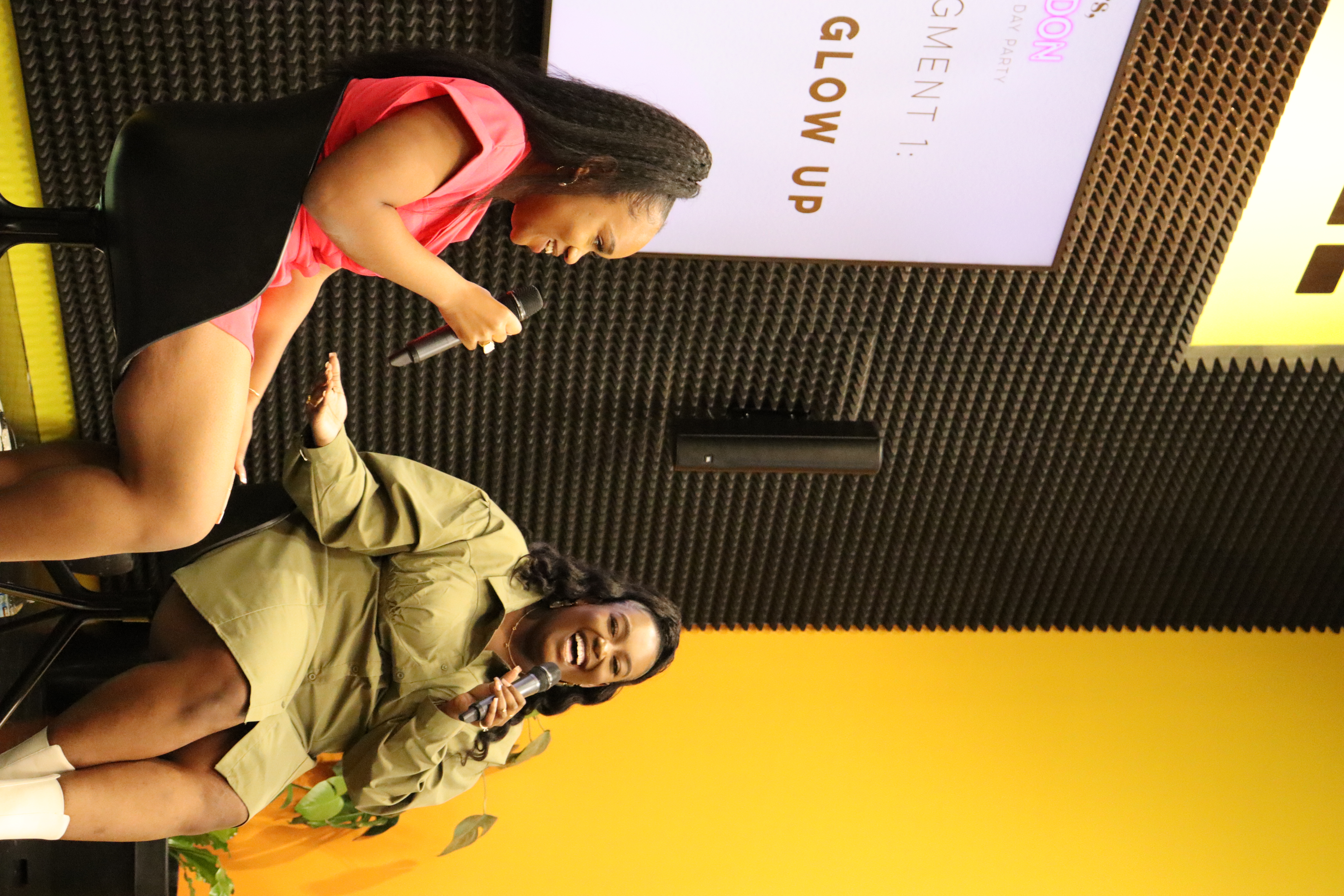
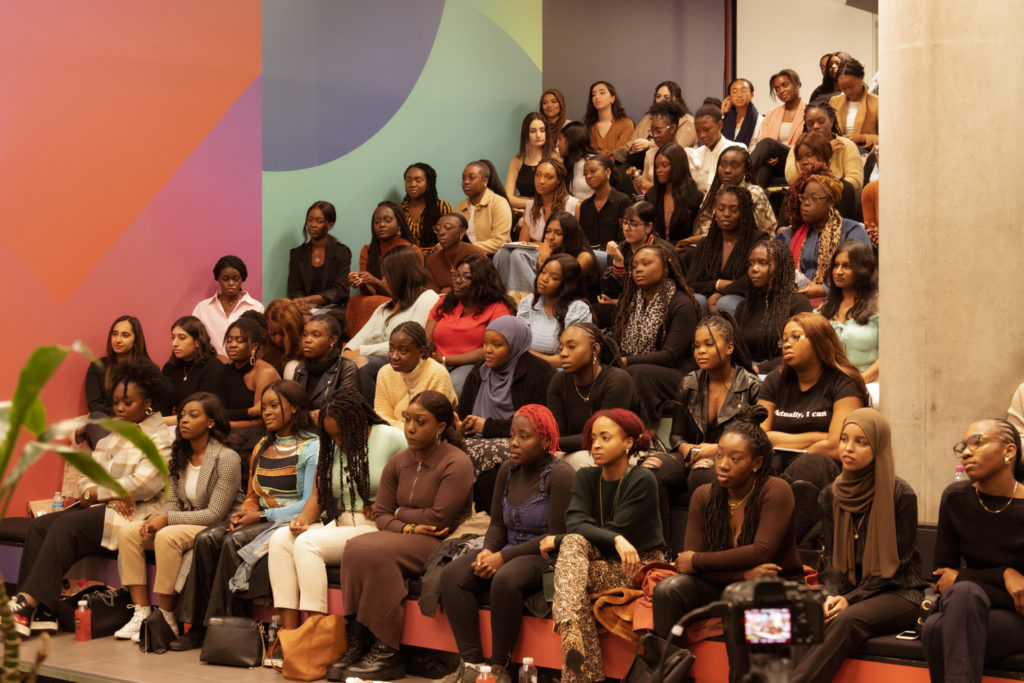
Courtney & Renee Speaking at To My Sisters Event

What inspired you to start To My Sisters Podcast and Community?

We both were incredibly passionate about creating content and working to build community but weren’t surely exactly what that engagement might look like. We had previously filmed joint youtube videos together, but the timing hadn’t felt right to pursue something consistent. To My Sister’s was
originally a Youtube series Courtney started on her personal Youtube channel, but it wasn’t the right fit or outlet at the time. After graduation and working in our respective industries for a few years, we started featuring in the same panels and conversations around women’s personal development.

It was this experience that inspired us to work together on TMS as a podcast, especially in the heat of the global pandemic when it felt like the world was on pause and we had much more time outside of our various commitments. TMS started as a passion project which would eventually grow to become a community. We were astounded at how quickly we gained traction after launching in November 2020.

What impact do you think TMS has on black women in the UK and globally?

A great impact, both in terms of breadth and depth. We’re currently averaging 170,000 downloads per
month, with 40,000 Youtube subscribers which is insane considering we started this 18 months ago.
But more specifically, for Black women, it feels as though the TMS provides the space to bring their
full selves, as well as provides the vocabulary to articulate their innermost experiences and feelings.
This is far beyond optical representation, but actually emotional and psychological representation too.
For many Black women, it can be challenging to have that holistic representation, and environments
where they can be given care – rather than being the educator, the caregiver, the nurturer. We wanted
TMS is a space where women could take off their responsibilities, reflect, and invest in themselves
using community as a source of strength.

Courtesy of To My Sisters

Why do you think sisterhood is essential for women/black women?

For women, sisterhood is necessary as it is the radical antithesis of a world which sometimes forces
women to buy into competing against other women. The preoccupation with romantic relationships,
and preparation for traditional patriarchal roles such as motherhood and wife-hood, can mean that
women don’t always feel as though they have the capacity to really explore the fullness of human
relationships. For black women in particular, sisterhood and female friendships can be a safe space,
and a source of comfort when dealing with the added pressures of navigating the world as a Black
woman.

How has TMS impacted you, Positively or Negatively?

Largely positively. We’ve been able to share our own journeys of wellbeing, healing and struggle.
We’ve been able to learn more from women across the globe about their experiences, and we’ve been
able to connect with them too – both in person and online/ We’ve had the opportunity to raise money
and resources for women’s issues, and we get to spend significant time working with the people we
love. We also managed to get a book deal from our work, and being able to share our story in such an
accessible format has been incredibly rewarding. It is extremely challenging managing our workload,
considering that we work and handle other responsibilities outside. We also are largely doing this
ourselves, as we haven’t yet started recruiting staff (which we will need too shortly!)
Overall, it’s been transformative!

What can we expect from TMS in the future?


A whole host of things! We’re really focused on being the holistic place for women’s wellness and
growth. Without giving too much away, think programmes, international retreats, merch and more
shows under the TMS umbrella!

To find out more about To My Sister’s digital community, click below!

Media Illiteracy is making young people unsafe

Media literacy plays an essential part in helping to reduce polarisation in a divided world through educational programmes. Putting educational initiatives in schools, colleges and universities can help to educate an impressionable Gen Z/X who needs to be media literate to help reduce the threat of polarisation which divides society. 

Real vs Fake news online

The increased consumption of news via social media is making it more difficult for young people to navigate a divided online world. Having knowledge and a critical understanding of the ‘fake vs real online’ debate is crucial for an impressionable generation. The Media use and attitudes report 2022 by Ofcom, states that,

The majority of 12-17s were confident that they could tell what is real and fake online, but only 11% correctly selected, in an interactive survey question showing a social media post, the components of the post which reflected that it was genuine.”

Why haven’t compulsory educational tools that help guide young people to navigate a polarising online landscape been added to the UK’s national curriculum?

The Centre for Media literacy says that media literacy, “provides a framework to access, analyse, evaluate, create, and participate with messages in a variety of forms—from print to video to the internet. Media literacy builds an understanding of the role of media in society as well as essential skills of inquiry and self-expression necessary for citizens of a democracy.” Basically meaning that it is the ability to apply critical thinking skills to different messages, signs and symbols transmitted through mass media.

Influence of Social Media

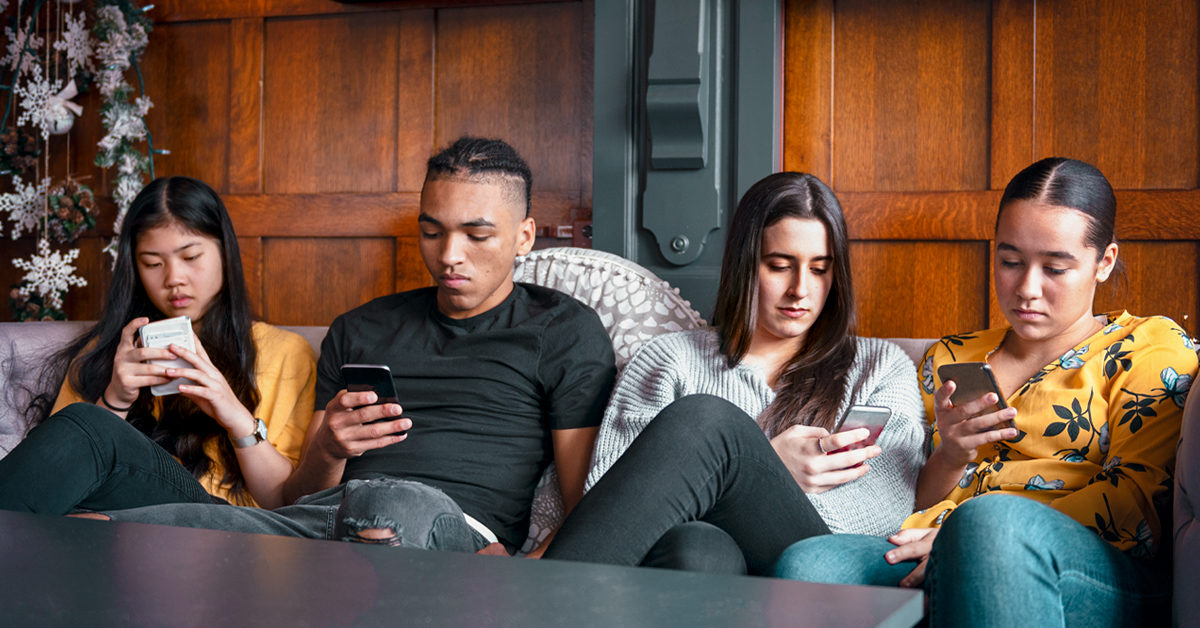
Source (Unsplash, 2022)

Young people are using social media more as a way to receive news, an increased demographic using platforms such as Instagram, TikTok, Twitter, and Youtube means that Gen-X/Z are more exposed to methods that are used to divide people online. The introduction to Deepfakes, photo and video manipulation are just some tools used to create the image of the truth.

This example of the Deepfake of the Canadian PM Justin Trudeau posted to YouTube this month is an example of how social media creates division. This example shows that if a world leader can be visually altered that resembles his genuine identity, what other tools are being used to manipulate the young people?

The Reuters Institute Digital News Report 2022, states that “the youngest cohort represents a more casual, less loyal news user. Social natives’ reliance on social media and weak connection with brands make it harder for media organisations to attract and engage them.’’

In the last two years, significant worldly events have affected people’s relationships with media outlets. Young people specifically are exposed to second-hand information, the source either being their family or close community or social media, events such as Covid-19 are prime examples of how fake news and division is being created online.

“Both news consumption and trust have dipped over the last year, partly reversing strong gains witnessed by many news brands during the COVID-19 crisis. Exhaustive news coverage of parties in Downing Street, held at a time of lockdown restrictions, heaped pressure on Prime Minister Boris Johnson, but the wall-to-wall attention may have alienated those outside the Westminster bubble. In our survey, almost half our sample (46%) say they avoid the news sometimes or often – almost twice the level seen in 2016.”

Combating polarisation with media literacy

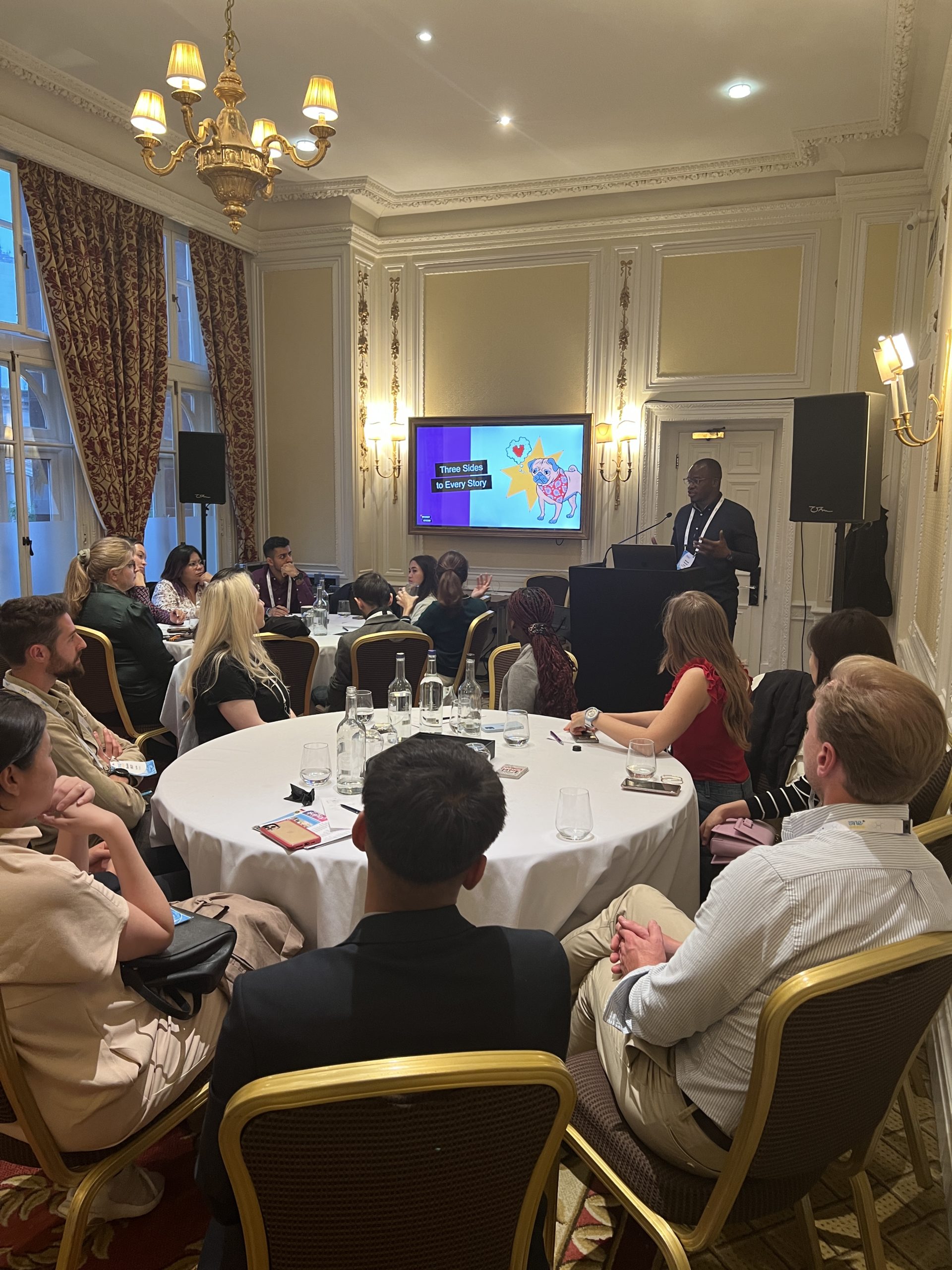
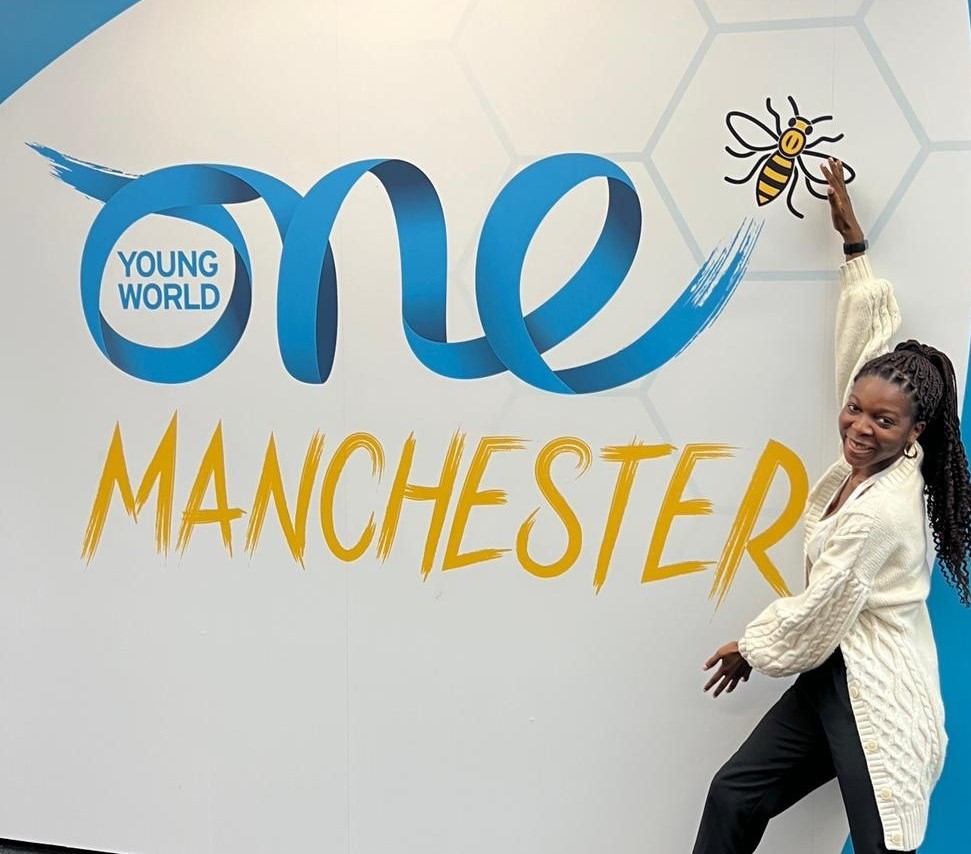
Last week at the One Young World conference in Manchester, The Common Sense Network led a workshop tackling the concept of fake news. 

The Common Sense Network’s CEO M.T Omoniyi leading a workshop tackling fake news at the One young World 2022 conference in Manchester last week. Source (Marcel Brown)

The workshop’s intentions were to inform and educate a group of 30 people about an introduction to fake news, why people post it and how to identify it. The sessions educated people and they learned how recognise different types of biases, there was also a discussion-led activity on echo chambers and filter bubbles, to teach how they can influence how we view the world.

The workshop was an example of how some organisations use their platform to promote media literacy and educate young people but are huge industry-leading media networks using their influence to shape positive change. Media outlets such as the BBC have had a Fake News section on their website since 2017 which looks at stories surrounding the topic. Although this is just one of the tools used to combat this issue, young people need media literacy tools In educational institutes to help them navigate the world.

Five Young Change-Makers at One Young World Manchester Summit

Last week, the annual One Young World Summit kicked off in Manchester, with many young delegates from around the world joining together to exchange ideas and inspire change.

Meghan Markle the Duchess of Sussex, opened the ceremony with a speech that was aimed to inspire the young people gathered at Bridgewater Hall:

“You are the future; you are also the present. You are the ones driving the positive and necessary change needed across the globe now in this very moment.

Your time is now.

The important work can’t wait for tomorrow. And this week, the world is watching as you cement your place in history by showcasing the good that you are doing today in the present moment.”

Following on from Meghan Markle’s speech, I would like to highlight five young change-makers impacting their communities worldwide. I had the opportunity to listen to their stories as they set to change the world.

Jamira Burley | AFROPUNK

Jamira Burley | Social Justice Advocate & Social Impact Consultant

Director of Social Impact Projects, Adidas | North America

“Every single moment in our history has been led by people just like you. Young people, poor people, everyday people have always been at the fore front of change – leading with your energy and your passion and your creativity. People who are not bound by the party lines of our politicians or the social constraints of our elders.”

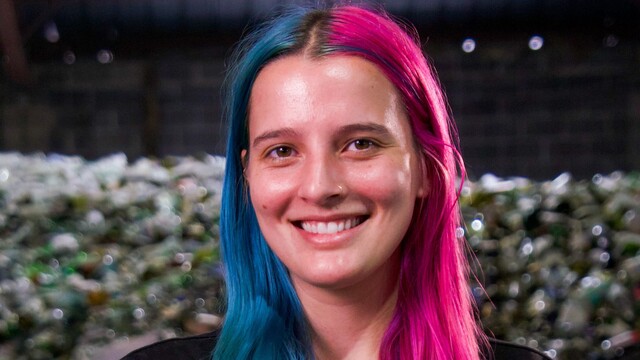
Franziska Trautmann | Delegate Speaker for the Oceans Plenary Challenge

Co-founder & CEO, Glass Half Full | Louisiana

“I create sand from recycled glass. Sand is the planets most exploited resource after water. We cannot keep mining and dredging the amount of sediment needed for coastal restoration projects. As a college senior I came up with a solution to divert glass from our landfills and turn it into a resource. It grows plants, reclaim lands and reduce waste.”

Franziska Trautmann | One Young World
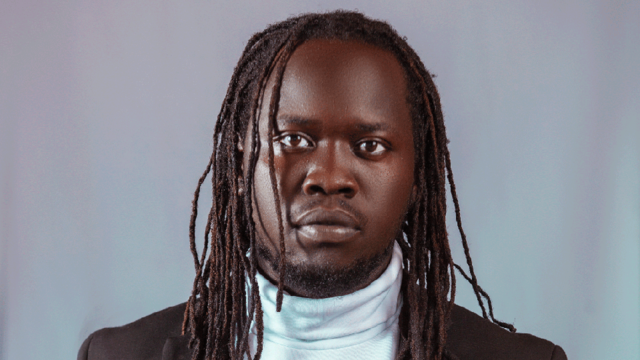
Jaiksana Soro | One Young World

Jaiksana Soro | Delegate Speaker for the Conflict Prevention Plenary Challenge

Founder, O Space Innovation Hub | South Sudan

“Global peace seems an increasingly elusive prospect, and part of the problem with disinformation online is that it’s disconnected from reality. It is easy to write and spread disinformation without feeling the consequences, but these consequences are real and they are tragic. We must deal with this urgently. We need disinformation and hate speech on the global agenda and off our screens forever.”

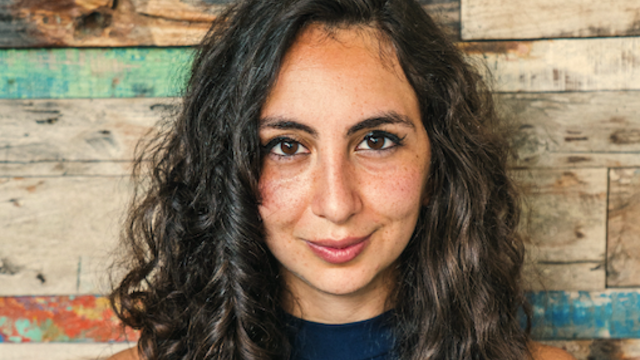
Soraya Fouladi | Delegate Speaker for the Gender Equality Plenary Challenge

Founder & CEO, Jara | San Francisco

“Only 39% of girls in low-income countries get a chance to complete their secondary education. And COVID 19 put 816 million children out of school. why? Because they live in areas with minimal electricity and near to no internet. Jara ensures children and teachers everywhere have access to e-learning and distant learning. The Jara Unit works as an interactive textbook, workbook, and digital personal tutor, many of which are normally inaccessible to these communities, especially at home.”

Soraya Fouladi | One Young World
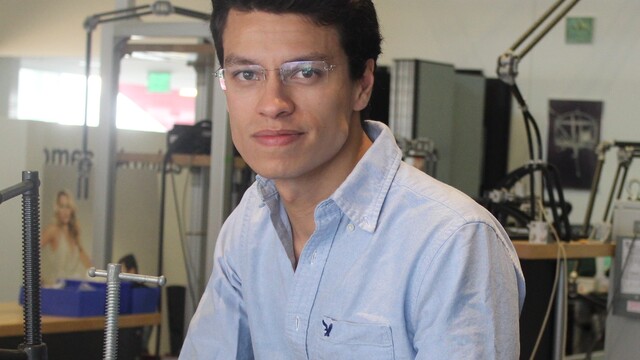
Guillermo Herrera-Arcos | One Young World

Guillermo Herrera-Arcos | Delegate Speaker for the Health Plenary Challenge

Founder, Prothesia | Mexico

“We have the technology and tools to rehabilitate millions of people with conditions like spinal cord injury, cerebral palsy, amputation or stroke. We just have to want it! I have created accessible medical devices by using technology that’s up to 50 times cheaper than what’s available globally. At a fraction of the cost, people are able to stand up and walk again. I couldn’t live in a world where basic health services were not available to everyone.”

The Queen was an example for the world’s next generation of young leaders

Queen Elizabeth left behind a strong example for the next generation of leaders to emulate.

Thursday 8th September 2022 was a pivotal moment for our country. As the world reacted to a defining moment in modern history, I was at the One Young World conference in Manchester: An annual summit celebrating impactful youth leadership globally. 

The 4-day event champions the influence of the next generation working presently within global institutions and businesses. With an emphasis on building intercontinental relationships and networks, it truly symbolises a bastion for change and brings young leaders to come together to tackle the most complicated issues facing our existence.

The Duchess of Sussex has been a One Young World ambassador since 2014. In her first public address in the UK in 2020, she described young people as 

“Driving the positive and necessary change needed across the globe now in this very moment.”

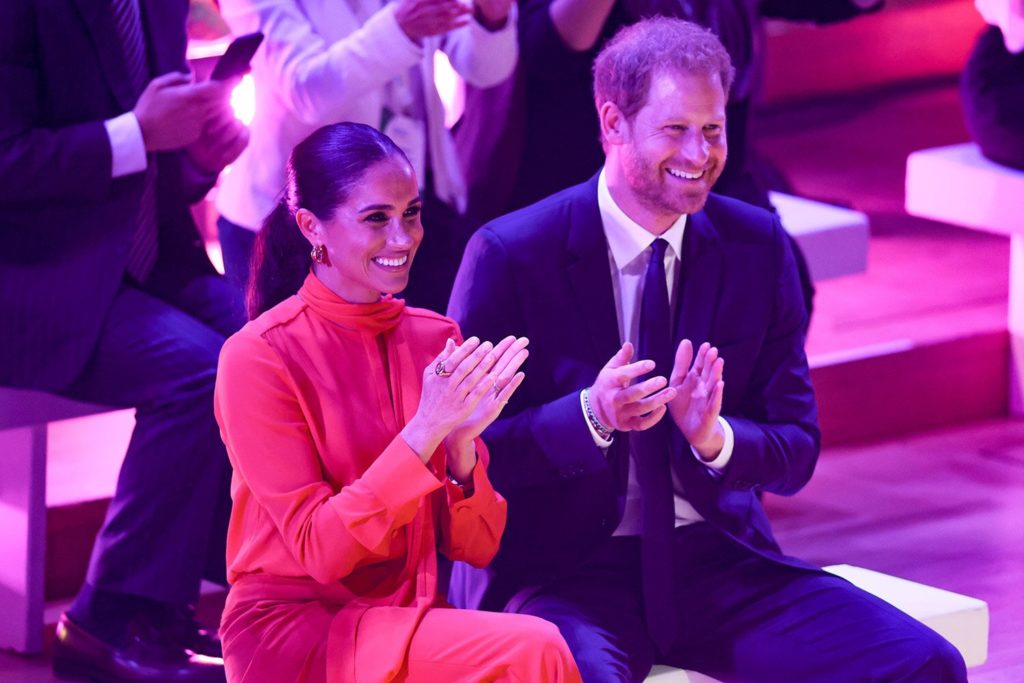
MANCHESTER, ENGLAND – SEPTEMBER 05: Meghan, Duchess of Sussex and Prince Harry, Duke of Sussex clapping during the Opening Ceremony of the One Young World Summit 2022 at The Bridgewater Hall on September 05, 2022 in Manchester, England. The annual One Young World Summit brings together more than two thousand of the brightest young leaders from every country and sector, working to accelerate social impact both in-person and digitally. Meghan is a counsellor for the organisation, alongside Justin Trudeau, Sir Richard Branson, and Jamie Oliver, among others. (Photo by Chris Jackson/Getty Images)

The news of Queen Elizabeth’s passing came during the closing ceremony of this landmark event. OYW founders Kate Robertson and David Jones took to the stage and announced that Queen Elizabeth had passed. The ceremony came to a swift end as 1800 young leaders were visibly struggling to process the information.

Being one of them, I had goosebumps when I heard the announcement. The journey of one of the most important figureheads in history had ended, however, it also felt like a ‘passing-of-the-torch’ moment pointing in the direction of a younger generation with bright futures’ who will eventually assume authority and responsibility to positively change the world for good.

Source (Twitter)

As a first-time attendee to the conference, I had a degree of scepticism about what the event may entail, I was overwhelmed by the amount of ambition on display and the number of young people stepping out and making a change.

From workshops, panels, keynotes, and interactive events, to being empowered, inspired and motivated by my fellow delegates, the event delivered on what it set out to achieve.

The impact of the Queen’s passing is hard to quantify, the duty she fulfilled and the service she was dedicated to for several decades is a reminder for young people to have pride in assuming responsibility, even if it is not sought out.

Whilst perspectives differ about the monarchy. The Queen is an example of true statesmanship and a reminder of how we can work towards social cohesion in times when the world faces a tide of polarisation.

It shouldn’t take a march to get justice for Chris Kaba

A Met Police officer who shot dead an unarmed black man has been suspended from duty, the force has confirmed. This decision is welcome, however, there is much more work the police must do.

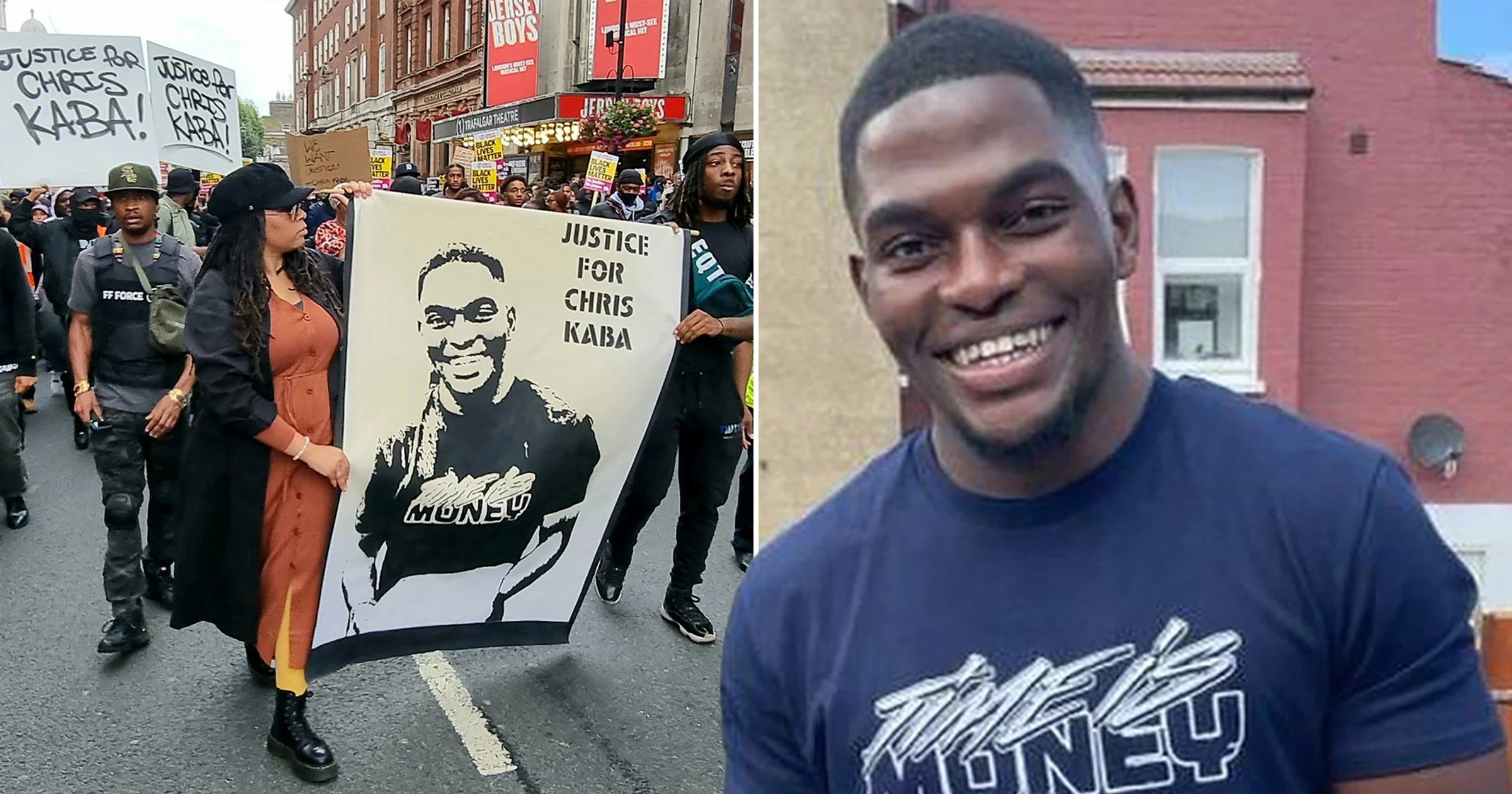
Chris Kaba, a 24-year-old rapper, died after a single shot was fired in Streatham Hill, south London, on 5 September.

Mr Kaba, who was due to become a father, was stopped by firearms officers when his car was flagged by a number plate recognition camera. The Independent Office for Police Conduct has opened a homicide inquiry.

Met Assistant Commissioner Amanda Pearson said: “Following the death of Chris Kaba, the firearms officer involved has been suspended from duty.

“This decision has been reached following careful consideration of a number of factors, including the significant impact on public confidence, and in light of the IOPC announcing a homicide investigation.

“Our thoughts and sympathies remain with Mr Kaba’s family and friends. We understand how concerned communities are, particularly black communities, and thank those who are working closely with our local officers.”

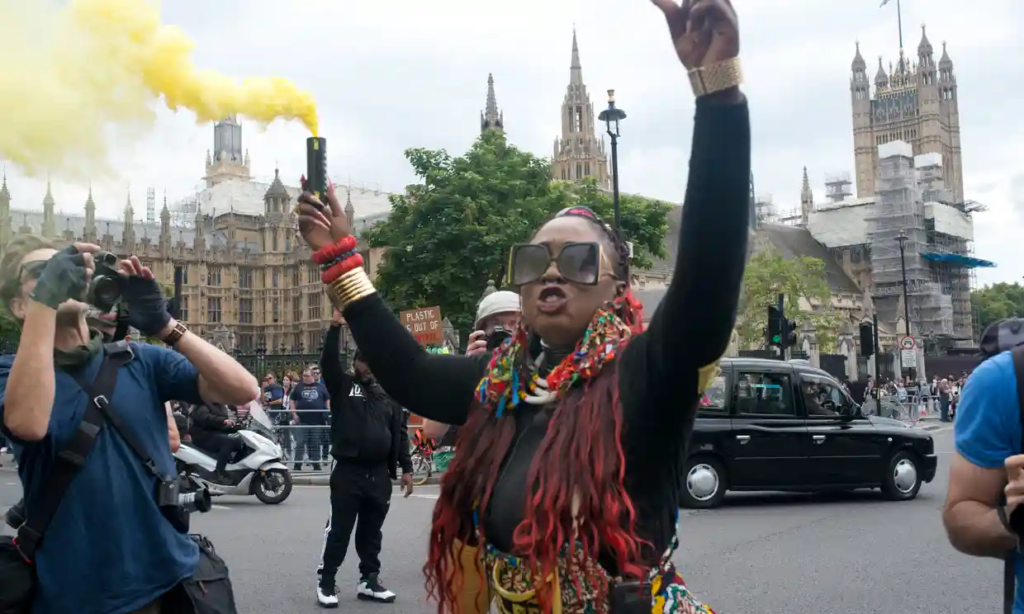
A protester marching on Whitehall. Photograph: Sophia Evans/The Observer

She added that the decision to suspend the officer “does not determine the outcome of the IOPC investigation”.

“Firearms officers serve to protect the public and know that on the rare occasions when they discharge their weapons, they will face intense scrutiny. I know this development will have a significant impact on the officer and colleagues.”

The mayor of London, Sadiq Khan, said he welcomed the decision and his “thoughts remain with Chris Kaba’s loved ones at this intensely difficult time”.

News of the suspension came as Chris Kaba’s family and friends joined members of the local community in a vigil marking a week since his death.


Whilst the decision to suspend the Met Police officer who shot and killed unarmed Chris Kaba is welcome, it shouldn’t have taken a march and a large social media campaign to get good practice from the London Met. The road to this decision was unnecessarily arduous for the family the Met is there to protect. So much stain was put on a family already dealing with grief a lot of us can only imagine. It’s unacceptable that it took the family parading their grief online to see this decision taken.

New Met Police commissioner, Sir Mark Rowley wants to reshape the image of the police, this is admirable. It is hard not to wonder if the decision to suspend the Met Police officer was taken because it was the right thing to do or whether he was forced to make this decision on his first day in office. It’s no secret that he is keen to rebuild trust between the police and Black communities. This will be an uphill battle because of so many years of scandal and bad behaviour from The Met.

A suspension may be the start but it is far from the end. A full investigation must reveal if this was a rogue police officer or whether this is further evidence of a systemic issue in how the police deal with black men. Trust is the lifeblood of community building so The Met will need to be honest and transparent if it’s serious about building this relationship.

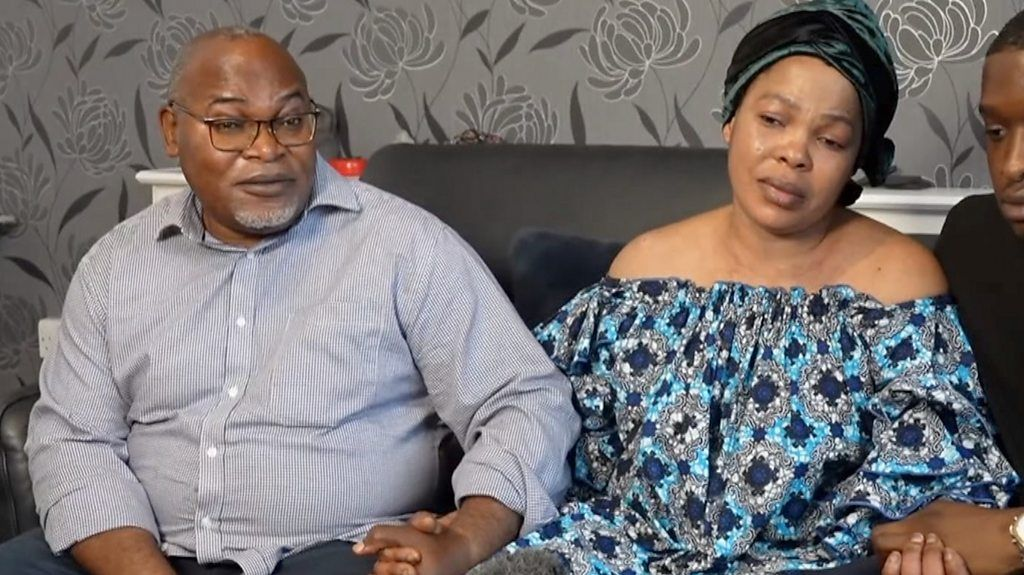
Chris Kaba’s mother: ‘My heart is broken’ Source: BBC

It is also important that Chris Kaba’s grief-stricken family’s demands are met in full. It’s simply what they deserve.

In a statement released before a demonstration, Kaba’s family asked the police watchdog to conclude its investigation within “weeks or months, not years”.

It added that restoring public confidence in the justice system required the IOPC to make decisions on “a timescale that delivers justice to all concerned”.

A statement read: “On being notified of the death of Chris Kaba, the IOPC should have immediately opened a homicide and disciplinary investigation. The family was shocked to learn on Wednesday 7 September that the IOPC had still not done so, and demanded a change of heart without delay.

“The family now await the outcome of that investigation but seek a charging decision in this case in weeks or a few months, not years. Public confidence in the police and our justice system requires the IOPC and CPS to find a way to make decisions in this case on a timescale that delivers justice to all concerned. Avoidable delay is unacceptable.

“In the meantime, the family demands that the commissioner of police of the metropolis immediately suspend the firearms officer, pending the outcome of the investigation.”

As in many cases like this, justice must be done and justice must be seen to be done. This is the only way to build a police service that works for everyone. Eyes will be firmly on the new commissioner.

Mourning and Condolence arrangements at the Royal Residences

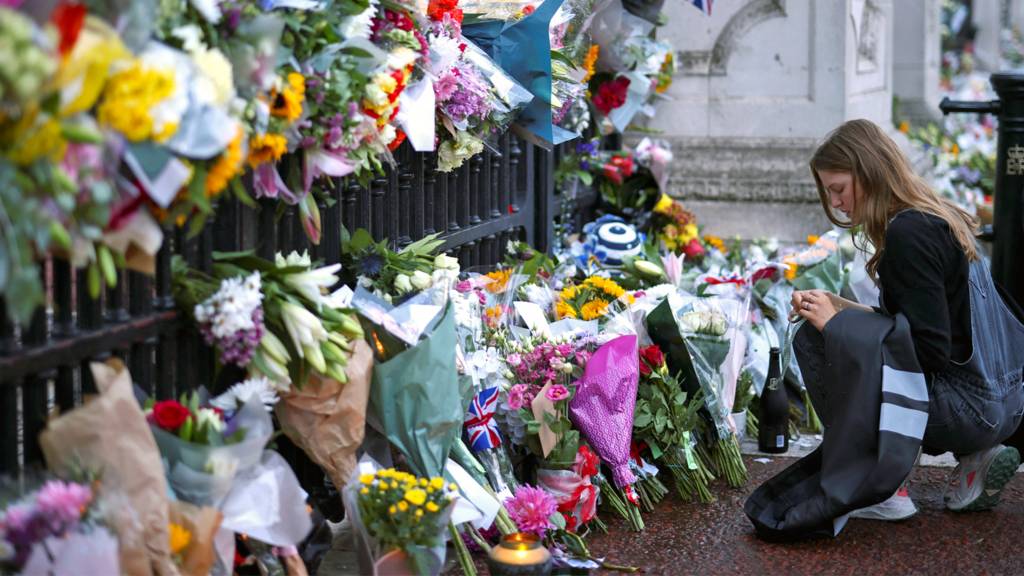
  • People are leaving flowers and personal tributes outside palaces and churches as the UK marks the death of Queen Elizabeth II
  • The UK’s longest-reigning monarch died peacefully at Balmoral Castle on Thursday afternoon at the age of 96
  • King Charles III, who became the new monarch immediately, is expected to address the nation today
  • He said his mother’s death was a moment of “greatest sadness for me and all members of my family”
  • The Queen steered the monarchy through turbulent times, as Britain’s Empire ended and its place in the world fundamentally changed
  • She was head of state of the UK and 14 other countries, including Australia, Canada and Jamaica
  • Prime Minister Liz Truss described her as “the rock upon which modern Britain was built”
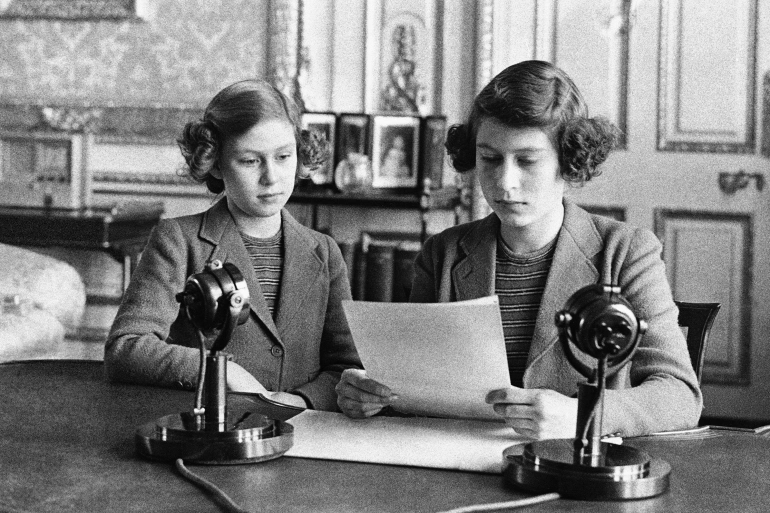
An October 13, 1940 photo showing Britain’s Princess Elizabeth (right) and Princess Margaret make their first radio broadcast, in London [File: AP Photo]

Royal Mourning

Following the death of Her Majesty The Queen, it is His Majesty The King’s wish that a period of Royal Mourning be observed from now until seven days after The Queen’s Funeral. The date of the Funeral will be confirmed in due course.

Royal Mourning will be observed by Members of the Royal Family, Royal Household staff and Representatives of the Royal Household on official duties, together with troops committed to Ceremonial Duties.

Flags at Royal Residences 

Flags at Royal Residences were half masted yesterday, Thursday 8th September, and will remain half-masted until 0800hrs on the morning after the final day of Royal Mourning.

The half-masting of flags at Royal Residences does not apply to the Royal Standard and the Royal Standard in Scotland when The King is in residence, as they are always flown at full mast.

Guidance on flags at other public buildings has been issued by the Department for Culture, Media and Sport.

Royal Gun Salute

Royal Salutes will be fired in London today at 1300hrs BST in Hyde Park by The King’s Troop Royal Horse Artillery and at the Tower of London by the Honourable Artillery Company. One round will be fired for each year of The Queen’s life.

Closure of the Royal Residences

Royal Residences will close until after The Queen’s Funeral. This includes The Queen’s Gallery and the Royal Mews at Buckingham Palace, and The Queen’s Gallery in Edinburgh. Balmoral Castle and Sandringham House, The Queen’s private estates, will also close for this period. In addition, Hillsborough Castle, The Sovereign’s official residence in Northern Ireland, will be closed.

Floral Tributes at the Royal Residences

Following the death of Her Majesty The Queen, the following guidance is given to members of the public who wish to leave floral tributes at Royal Residences:

  • At Buckingham Palace members of the public will be guided to lay floral tributes at dedicated sites in The Green Park or Hyde Park. Flowers left outside the gates of Buckingham Palace will be moved to The Green Park Floral Tribute Garden by The Royal Parks. Further guidance will be issued by The Royal Parks.
  • At Windsor Castle, floral tributes can be left at Cambridge Gate on the Long Walk. These flowers will be brought inside the Castle every evening, and placed on the Castle Chapter grass on the south side of St George’s Chapel and Cambridge Drive.
  • At the Sandringham Estate, members of the public are encouraged to leave floral tributes at the Norwich Gates.
  • At Balmoral Castle, floral tributes can be left at the Main Gate.
  • At the Palace of Holyroodhouse, members of the public are encouraged to give floral tributes to the Wardens at the entrance to The Queen’s Gallery. Those flowers will be laid on the Forecourt grass in front of the North Turret of the Palace.
  • At Hillsborough Castle, floral tributes may be laid on the Castle Forecourt, in front of the main gates.

Information on Floral Tributes at other public buildings and locations will be issued by the Cabinet Office.

Books of Condolence at the Royal Residences

There are no physical Books of Condolence at the Royal Residences.

An online Book of Condolence for those who wish to leave messages is available on the Royal website: https://www.royal.uk/send-message-condolence.

Notting Hill Carnival Should Not Be Scrapped

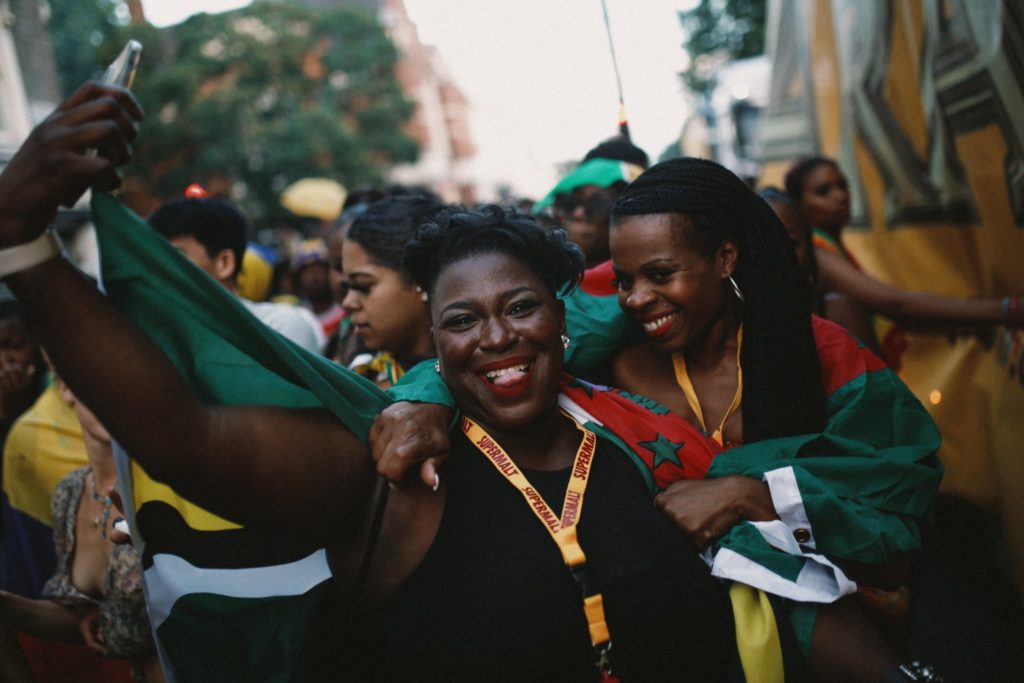
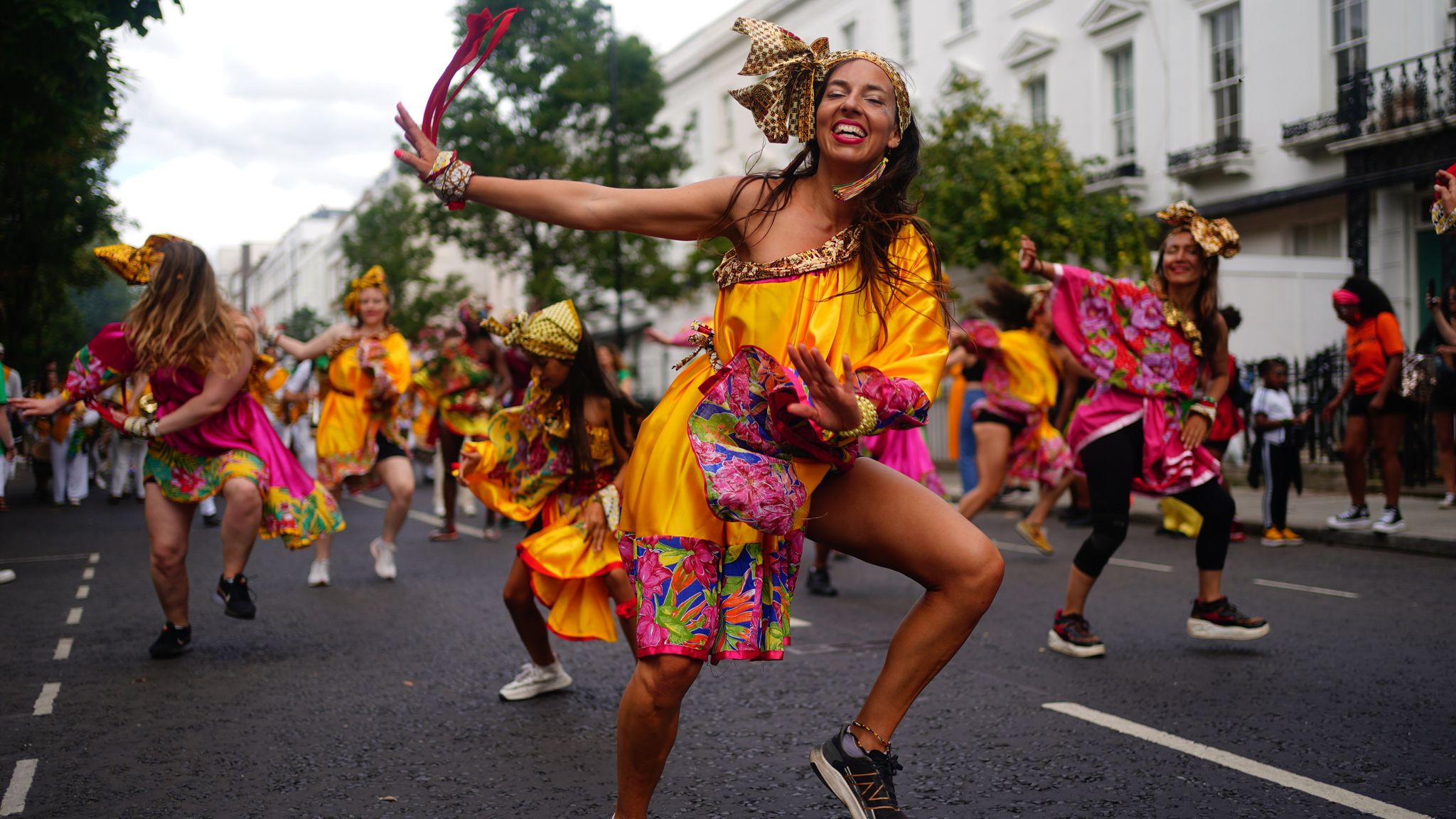
Europe’s largest street festival returned with a bang for the first time since 2019. According to unofficial figures, over two million people were out in force on the road over the bank holiday weekend to enjoy the celebrations over the three-and-a-half mile route.

For vendors, participants and attendees alike, it was widely viewed as a welcome relief to enjoy Notting Hill Carnival in the flesh once again.

Celebration of Caribbean Culture: Restored back to the streets

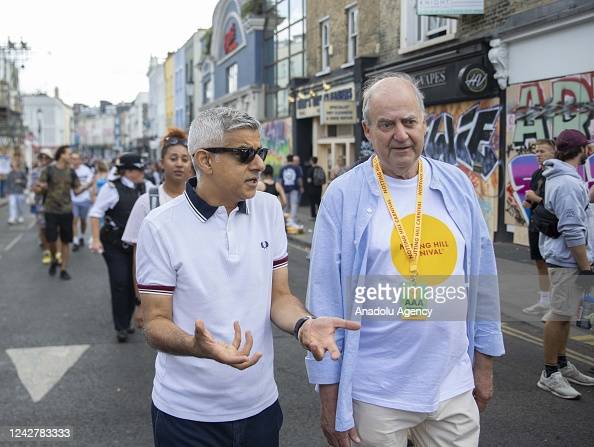
As echoed by the Mayor of London, the celebrations are deeply rooted into the culture of the capital, established more than six decades ago, the annual event is second to only Rio Carnival in terms of attendees.

LONDON, UNITED KINGDOM – AUGUST 28: Mayor of London Sadiq Khan (L) attends the Notting Hill Carnival which is one of the largest street carnival in Europe, in London, United Kingdom on 28 August 2022. Thousands of people attended the festival, which could not be held for 2 years due to the Covid-19 pandemic. (Photo by Rasid Necati Aslim/Anadolu Agency via Getty Images)

“This community-led celebration of Caribbean history and culture has become one of the world’s biggest street festivals and part of the very fabric of this city,”

Sadiq Khan, BBC (2022)

Despite a few incidents which attempted to mar the weekend, there can be no doubt that the return after the event that had been postponed two years prior was a major signal of the return to normality, especially for the Lead Member for Culture, Leisure and Community Safety, Cllr Emma Will, who said: “I’m so pleased to see how well Carnival has gone and everyone has worked so hard to ensure it ran smoothly.”

The August Bank holiday weekend saw footfall in excess of two million people (according to unofficial figures)

Biased media/police-driven narratives

With such a large gathering, it is unfortunate that there will be minute pockets of violence, as with all other major events that occur in this country.

There have even been calls from the Met Police to cease the existence of the carnival altogether due to the untoward activity that takes place and numerous arrests.


This was met (in majority) with backlash due to the perceived inconsistencies of placing violence under the microscope across other major festivals, including Reading & Leeds festival, which saw drug overdosing, tents set on fire, looting as well as numerous ejections with a much smaller crowd.

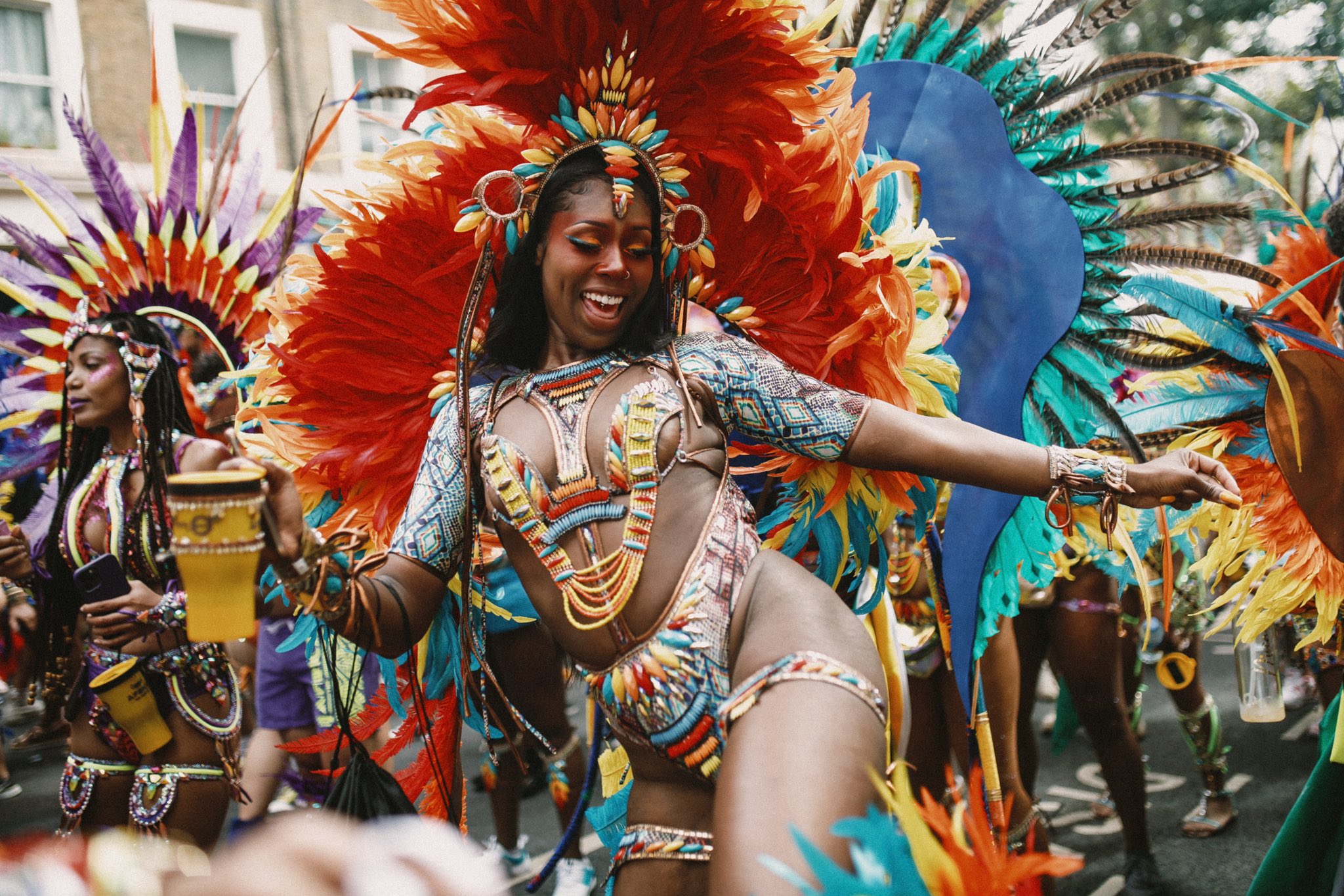
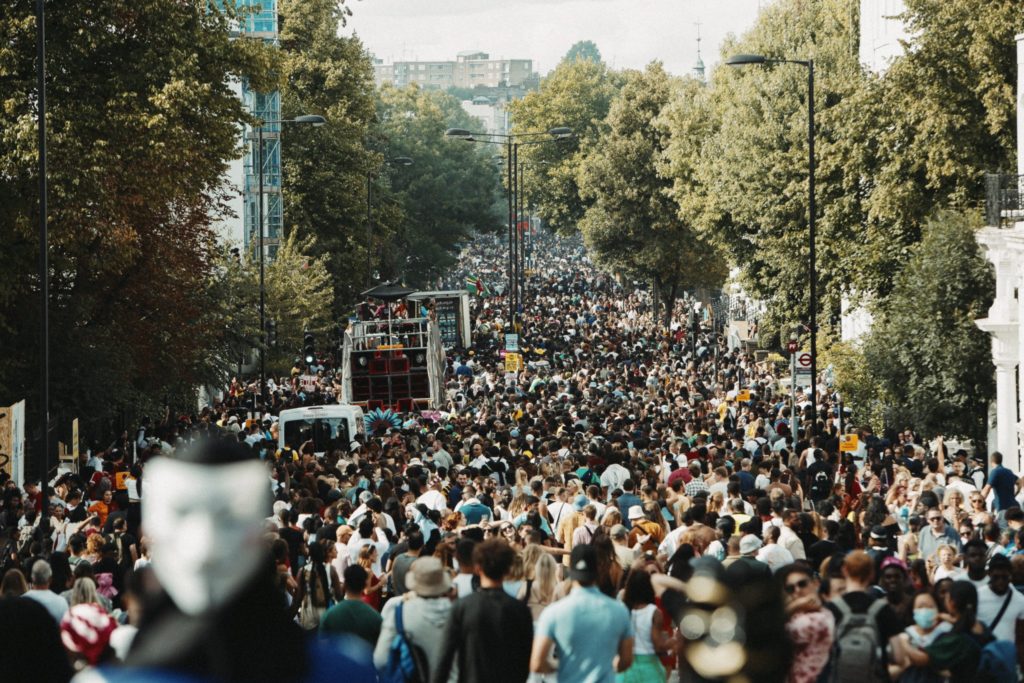
Europe’s largest street festival saw the streets of Kensington and Chelsea filled to its brim throughout the day

How can we keep it fun and safe?

Notting Hill Carnival started from humble beginnings, with a three-figure turnout for its first event, to seeing attendees fly in from across the world to attend, with a streaming audience in the tens of thousands.

The prospect of a million people in such an enclosed space, dwarfs Glastonbury’s attendance by a factor of 10, yet is not even held in an area three times as large.

The congestion on the roads across the entirety of the route clearly shows that it might be time to expand the route, possibly to include going through the Maida Vale/Hyde Park areas. The only other alternative (which would be met with vociferous opposition) is to place a cap on the number of attendees, by possibly making it a ticketed event.

All images used are courtesy of Sama Kai (Twitter: @OfficialSamaKai)

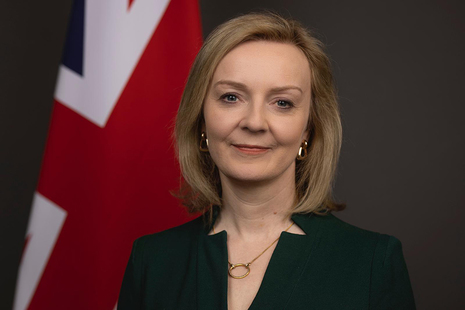
Who is Liz Truss: Our new PM

After weeks of the Tory mudslinging over 15 leadership hustings, The United Kingdom has a new Prime Minister but who is Lizz Truss and what might her premiership hold?

Age: 47 

Place of birth: Oxford 

Home: London and Norfolk

Education: Roundhay School in Leeds, Oxford University

Family: Married to account Hugh O’Leary with two teenage daughters.

Parliamentary constituency: South-West Norfolk.

At the age of seven, Liz Truss played the role of Margaret Thatcher in her school’s mock general election.

But unlike the prime minister, who won a huge majority in 1983, she did not prove a success.

Many years later, Ms Truss recalled: “I jumped at the chance and gave a heartfelt speech at the hustings, but ended up with zero votes. I didn’t even vote for myself.”

Thirty-nine years on, she has become Britians third female Prime minister following in the Iron Lady’s lead for real.

Education and early years

Truss had a state secondary school education at Roundhay in Leeds, she then went on to read Philosophy, Politics, and economics, at Oxford University.

She was active in student politics, initially for the Lib Dems, but at Oxford, she switched to the Conservative party. Outside of her work in Politics, she worked as a management accountant.

She also worked in the energy and telecommunications industry for a decade as an economics director and commercial manager. 

After multiple political setbacks in the 2001 and 2005 general elections, Ms Truss was elected as a councillor in Greenwich, SE London in 2006, from 2008, she was the Deputy Director for the right-of-centre Reform think tank.

Backed by then Conservative leader David Cameron, she was put on his priority list of candidates for the 2010 election.

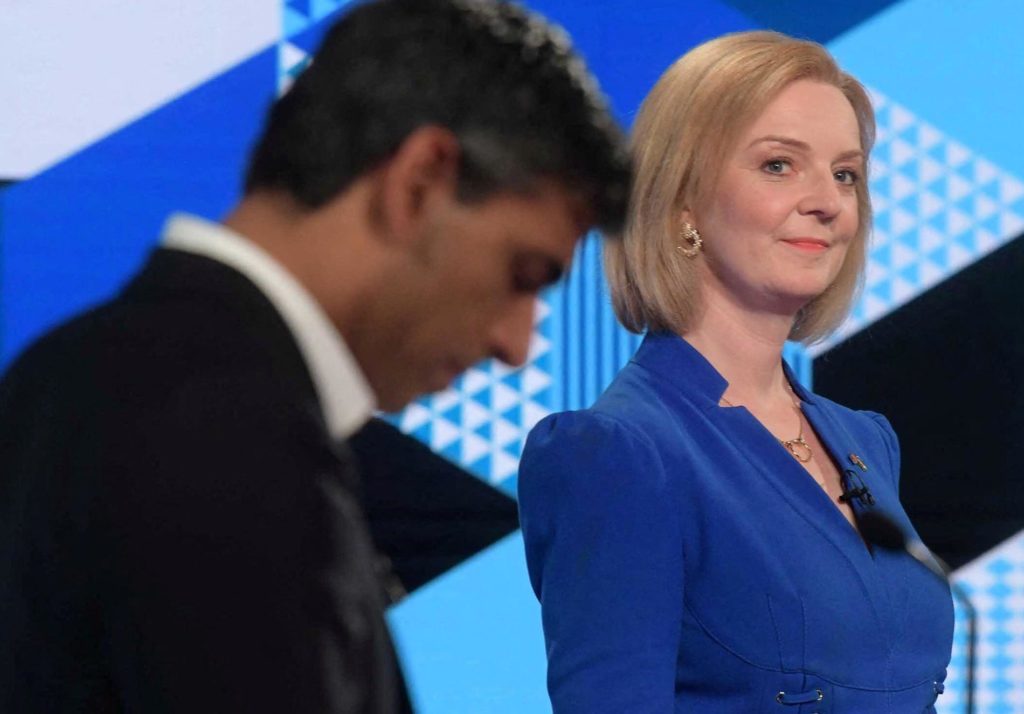
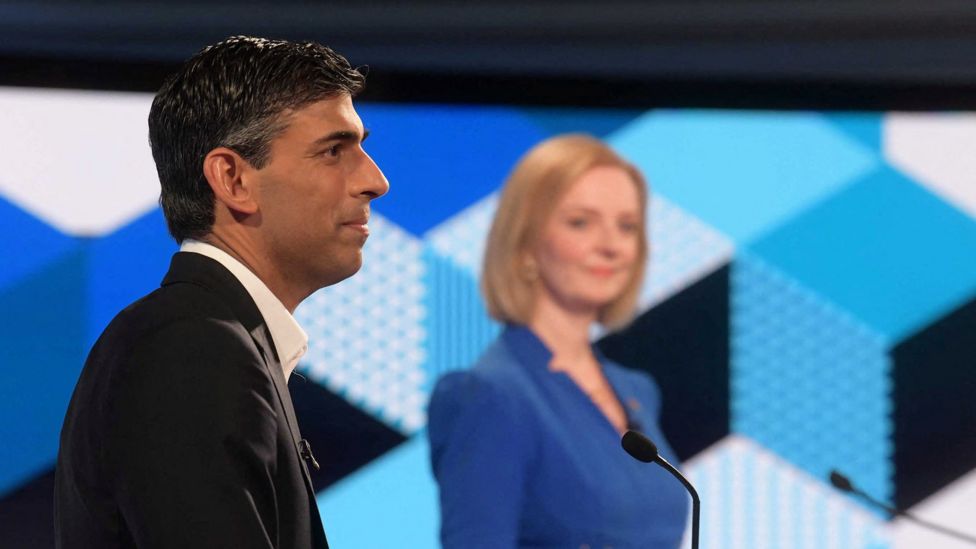
Liz Truss, Rishi Sunak during Conservative leadership debates- Byline Times

Although an effort to de-select her by the constituency Tory group failed, she then went on to win the seat with a 13,000-vote lead.

After co-authoring a book, Britannia Unchained, a collaborative effort with four other conservative members, she worked as an education minister within Government and in 2014 was promoted to environment secretary until 2016.

What happened Post-Brexit?

After arguably the most important political event of this generation, The EU referendum, Ms Truss supported and advocated for the Remain campaign. Once the Leave campaign had won, she argued that Brexit was an opportunity to “shake up the way things work.”

Moving on, under Theresa May’s tenure ship, she worked as the justice secretary before becoming the chief secretary to the Treasury.

From 2019 onwards. After Boris Johnson became PM she moved to the international trade secretary, A role where she met global political and business leaders to promote UK PLC.

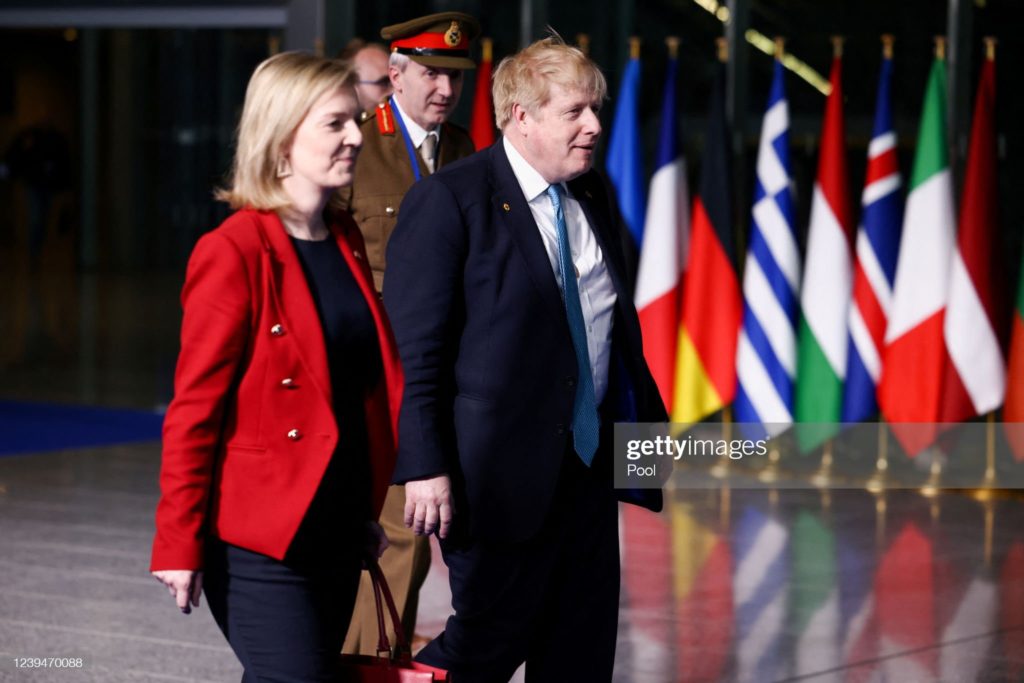
BRUSSELS, BELGIUM – MARCH 24: British Prime Minister Boris Johnson, Foreign Secretary Liz Truss and military representative to NATO Ben Bathurst leave NATO Headquarters following a NATO summit on Russia’s invasion of Ukraine, at the alliance’s headquarters in Brussels, on March 24, 2022 in Brussels, Belgium. Heads of State and Government take part in the North Atlantic Council (NAC) Summit. They will discuss the consequences of President Putin’s invasion of Ukraine and the role of China in the crisis. Then decide on the next steps to strengthen NATO’s deterrence and defence. (Photo Henry Nicholls – Pool/Getty Images)

Two years later, she succeeded Domonic Raab in one of the most senior roles in Government as Foreign Secretary. Within that role, she pursued to solve the complicated problem of the Northern Ireland Protocol, by removing parts of a post-Brexit EU-UK deal, a move that was heavily scrutinised by the EU.

Also, during her time, she secured the release of two British-Iranian nationals who had both been arrested and detained.

What will a Liz Truss government look like?

Ms Truss’ leadership campaign has not been free from controversy. After being pressed on how she would deal with the cost-of-living crisis issue, she offered that she would be ‘’lowering tax burden, not giving out handouts.’’

The next British prime minister takes office at a moment of desperate anxiety for the UK, with gas shortages triggered by the war in Ukraine sending inflation to rates that haven’t been seen for a generation. With millions of families struggling to cover their bills, dockers, railworkers and even lawyers have held strikes to demand higher pay while teachers and nurses may follow in the fall. 

The British public have been souring on the governing Conservatives after Boris Johnson was forced from office in July follow a string of scandals and the party is running about 10 percentage points behind the opposition Labour Party, with an election due in 2024. Truss’s policies have struck a chord with the Tory party members whose votes will decide the next prime minister when the result of their ballot is announced on Monday, but MPs are concerned about whether she will also be able to address the problems facing the country as a whole.

Some other ministers from the Johnson administration may remain in top government jobs, but Sunak supporters such as Dominic Raab, Michael Gove and Oliver Dowden, are expected to leave government and join the ranks of backbench MPs, who played a role in toppling three of the last four Tory prime ministers. (David Cameron was the exception. He quit after losing the Brexit referendum in 2016.)

In that respect, Truss would start in a more vulnerable position than her predecessors.

Most prime ministers derive their authority from a core support of MPs, but there are few Truss diehards in parliament. She only scraped into the runoff contest against Sunak and it’s her popularity with the rank-and-file that is likely to see her into Downing Street.

Fast Fashion brands aren’t serving black women

Kelly Parker is a doctoral student and research teaching associate at Falmouth University. Alongside these roles, Kelly guest lectures in BIPOC media representation and stereotyping, and is an online tutor in Post-Digital Content. The views in this article are the author’s own.

On May 25th, 2020, African American George Floyd died at the hands of four police officers. His death triggered protests and riots, which saw people worldwide acknowledge the structural racism and inequities experienced by Black people globally.

Big brands and organisations spoke out in support of the Black Lives Matter Movement (BLM) following the death of George Floyd.

Brand Activism, which consists of taking “a stand on social, environmental, or political issues”, has become a key to appealing to younger consumers.

However, according to Simon Lucey, the founder and managing director of Hype Collective, a student marketing agency:  “Inauthentic brand activism and support for social causes can be damaging in the long run. If public support for causes is not backed by significant actions, it’s meaningless.”

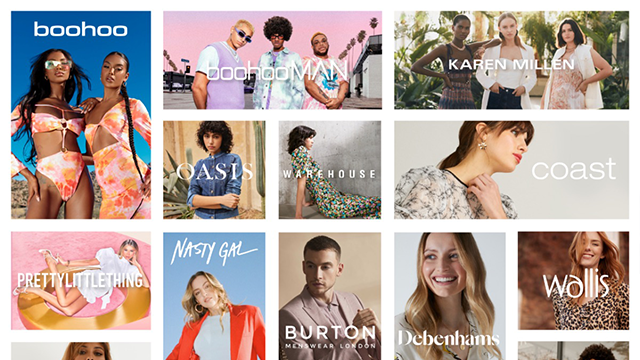
Boohoo Group PLC, the house of brands who own Boohoo, Pretty Little Thing, Nasty Gal and Misspap (to name a few) are one such company that showed support for BLM.

In a statement released following the death of George Floyd, Boohoo stated: “At Boohoo we will no longer just be doing our thing. We will be doing better. We see you, we hear you and we, throughout all of this and beyond will stand with you. We are louder together. Say their names. #BLACKLIVESMATTER.”

It’s been interesting to witness how Fast Fashion advertising responds to such world events and the varying degrees of authenticity behind their public demonstrations of support.

Boohoo Group PLC has a track record of banned adverts or drawing controversy from over-sexualised imagery.

Considering their pledge of support to BLM, the question is, are the Boohoo Group still perpetuating outdated racial stereotypes such as the Jezebel? And does this suggest their messages of support are hollow?

What is the Jezebel Stereotype?

Boohoo Group often promote adverts that feature black and white models. However, there are subtle yet significant differences in how the models are portrayed.

Significantly, the over-sexualisation of Black women has a different effect from that of white women due to historical connotations.

The hyper-sexualisation of black women can be linked to slavery in the 17th century, with the Jezebel label among the most common stereotypes projected on them. Jezebels are characterised as hyper-sexual and deviant – they are considered highly immoral and promiscuous with an insatiable desire for sex.

The stereotype is often associated with black fair-skinned, longer hair, curvy women who fit the European beauty ideals.

This stereotype was created as a construct to discharge accountability among enslavers for systematically sexually abusing enslaved Black women.

The offence of this stereotype was its use to justify inequality, slavery and sexual violence toward Black women.

However, not much has changed regarding how black women are portrayed within mainstream media – especially in the fashion industry

Below, we are going to explore how the Boohoo Group, despite their pledge for change during the BLM protest have continued to promote outdated stereotypes such as The Jezebel.

Pretty Little Thing

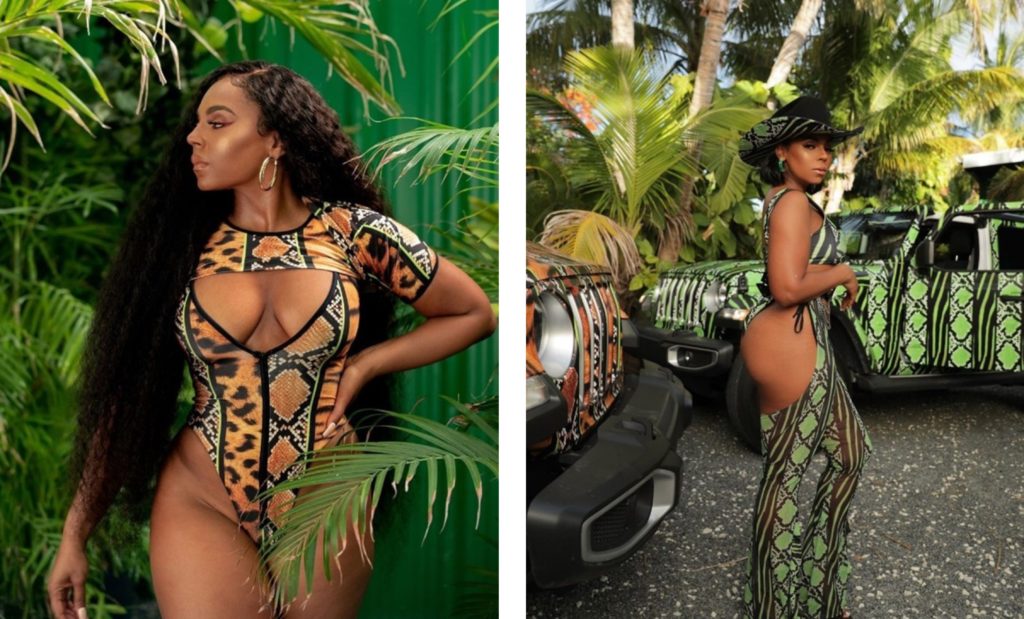
Afro B & Ashanti Campaign For PrettyLittleThing by Glam Africa
Jezebel, Jezebel Image Galleries | Ferris State University

Singer and influencer Ashanti’s 2019 advert with Pretty Little Thing was published the year before George Floyd’s death.

Similar to the Jezebel stereotype, with over-sexualised and objectified presentation with a heavy emphasis on her buttocks and cleavage; she is dressed in animal print design and situated in what seems like a jungle synonymous with the habitat of the animals whose print have been used.

Historically, it’s been common to associate Jezebels with animal print; these portrayals in advertising and print are not new. Ashanti wearing animal print in a jungle-esque habitat creates a subliminal inference of an animal. Snake print could connote corruption, deviousness and cunning, much like the Jezebel stereotype suggests.

MISSPAP

Summer 2020 | MISSPAP

Misspap’s Summer 2020 campaign came out within weeks of the George Floyd tragedy, at a time when the BLM movement gained significant traction.

The models used in this campaign, bear a close likeness to the Jezebel stereotype. Fair skinned women of colour, with long hair and a curvaceous physique; they are scantily dressed, maintaining a sexually suggestive position, inviting viewers to gaze upon them.

A similar depiction of the Jezebel stereotype, featured in the Ferris State University’s gallery of Jezebel images provides a comparative image that again demonstrates the harmful nature of the stereotype.

Jezebel, Jezebel Image Galleries, Ferris State University

NASTY GAL

NASTY GAL | “Love Me Do” | Valentines 2021
Jezebel, Jezebel Image Galleries, Ferris State University

Lastly, Nasty Gal’s Valentine’s Day 2021 advert depicts a model that follows the markers Jezebel stereotypes and their depiction of the enslaved female: primarily used for sexual purposes, yet remaining enslaved and expected to undertake whatever tasks were demanded.

She is later pictured leaving the house in only underwear and a jacket. The brand name positioned across her serves to compound this inference of sexual promiscuity. The point is cemented with the #nastygalsdoitbetter, which infers the sexual proficiency of the pictured model. This image bares striking similarities to the historical Jezebel images featured at Ferris State University.

Not much has changed, it seems, before, during and after the Black Lives Matter movement, within Boohoo Group’s advertising. Despite their social media pledge, their adverts certainly continue to perpetuate this stereotype of Black women, suggesting they are sexually available to any that desire them, while masking the appalling history behind it all.

Kelly Parker is a doctoral student and research teaching associate at Falmouth University. Alongside these roles, Kelly guest lectures in BIPOC media representation and stereotyping, and is an online tutor in Post-Digital Content. The views in this article are the author’s own.

Is it time to ban Notting Hill Carnival?

There have been calls for Notting Hill Carnival to be moved to a private venue, or cancelled altogether, after this year’s celebrations saw two female police officers sexually assaulted, among other acts of lawlessness.

One of the officers was ‘grabbed around the neck and kissed on the face without her consent’, whilst the other was ‘surrounded by a group of men who danced and grinded against her’, the Met Police said.

Speaking to LBC’s Nick Ferrari, chairman of the Met Police Federation Ken Marsh said: “Sexually assaulted by numerous males during the carnival… my thoughts go out to that individual right now.”

“There were so many of my colleagues injured, assaulted etc, members of the public seriously assaulted.”

“It [NHC] should be in a private area, Hyde Park etc, where it can be fenced off, people can be controlled. We don’t have the resources to deal with it. This is tens of millions of pounds of public money that is spent on policing this.”

A carnival-goer ‘grinds’ on a female police officer without consent.

He added that “98% of people” who attend the carnival are “law-abiding and want to enjoy themselves”, but “there is an element” who go to “cause harm to others”.

It comes after seven stabbings were reported to the police during the two-day event, with one of them unfortunately turning out to be fatal.

21-year-old father-to-be Takayo Nembhard was found with stab wounds on Ladbroke Grove on Monday evening. The rapper, known as TKorStretch, later died in hospital despite treatment from emergency services.

Sky News reported that over the course of the carnival, 209 arrests were made, 33 of which were related to possession of an offensive weapon.

Five were made for criminal damage, 36 for drug possession and 46 for assault.

Something must be done

Whilst it is quite drastic to ban Notting Hill Carnival, something must be done and quickly.

It seems as if old habits die hard. One would be forgiven for thinking that this edition of the carnival, after two years of absence, would result in more of an appreciation for the event and there would be less of a hostile environment, but this doesn’t seem to be the case.

It’s not the first time that NHC has seen lawlessness. The Met Police reported that there were 463 arrests back in the 2019 edition – the last pre-pandemic edition – with over 209 arrests were made for drug offences alone.

It would, however, be harsh to cancel the event altogether. NHC is a culturally significant event and it would be unjust for the event itself to cease to exist due to the unlawful actions of a few troublemakers.

It is the nature of large events like NHC that these things are unfortunately inevitable.

Perhaps the key difference between NHC and events such as Glastonbury is regulation.

Glastonbury is a ticketed event which averages over 200,000 people a year. It’s a private event – albeit a large one – but a private event nonetheless.

Carnival-goers damage a bus stop.

This means organisation is essential and key to how the event unfolds. It’s not an event where people can just turn up to.

With Glastonbury, the approximate amount of tickets sold means not only can the police have more control over the event due to it being in a fixed area, it would also give an idea as to how many officers are needed in order to budget appropriately.

In contrast, NHC is a public event, which means there are no legal limits to how many people can attend. This means anything can happen and therefore an increase in crime is likely.

People are also concerned with the portrayal of NHC compared to other festivals, due to possible racist stereotypes. Many feel the carnival is seen as more violent due to it being a Black space, in comparison to majority White spaces such as Glastonbury.

Depending on how it’s reported, and by whom, a person could be led to believe that NHC is either the most violent event in the UK or that it’s overpoliced compared to White festivals.

However, it’s almost impossible to directly compare NHC’s issues to other festivals. There are so many variables to consider such as numbers of attendees, area space, types of crime etc.

Arrest rates are not the same as crime rates.

What now?

Many believe the writing is on the wall for NHC. Several figures from the police have already called for the event to be more regulated, but some want the event to be cancelled altogether.

Therefore many would argue that the very soul of the event is at stake.

NHC attracts, on average, 2.5 million people over the course of the event across a two-day period. All are expected to fit into a small area of West London.

It is inevitable that safety concerns will be a priority going forward.

It would be unjust to cancel such a culturally significant event for the majority of festival-goers for the sins of a few troublemakers, but to not take serious action now would be irresponsible of the police and local councils.

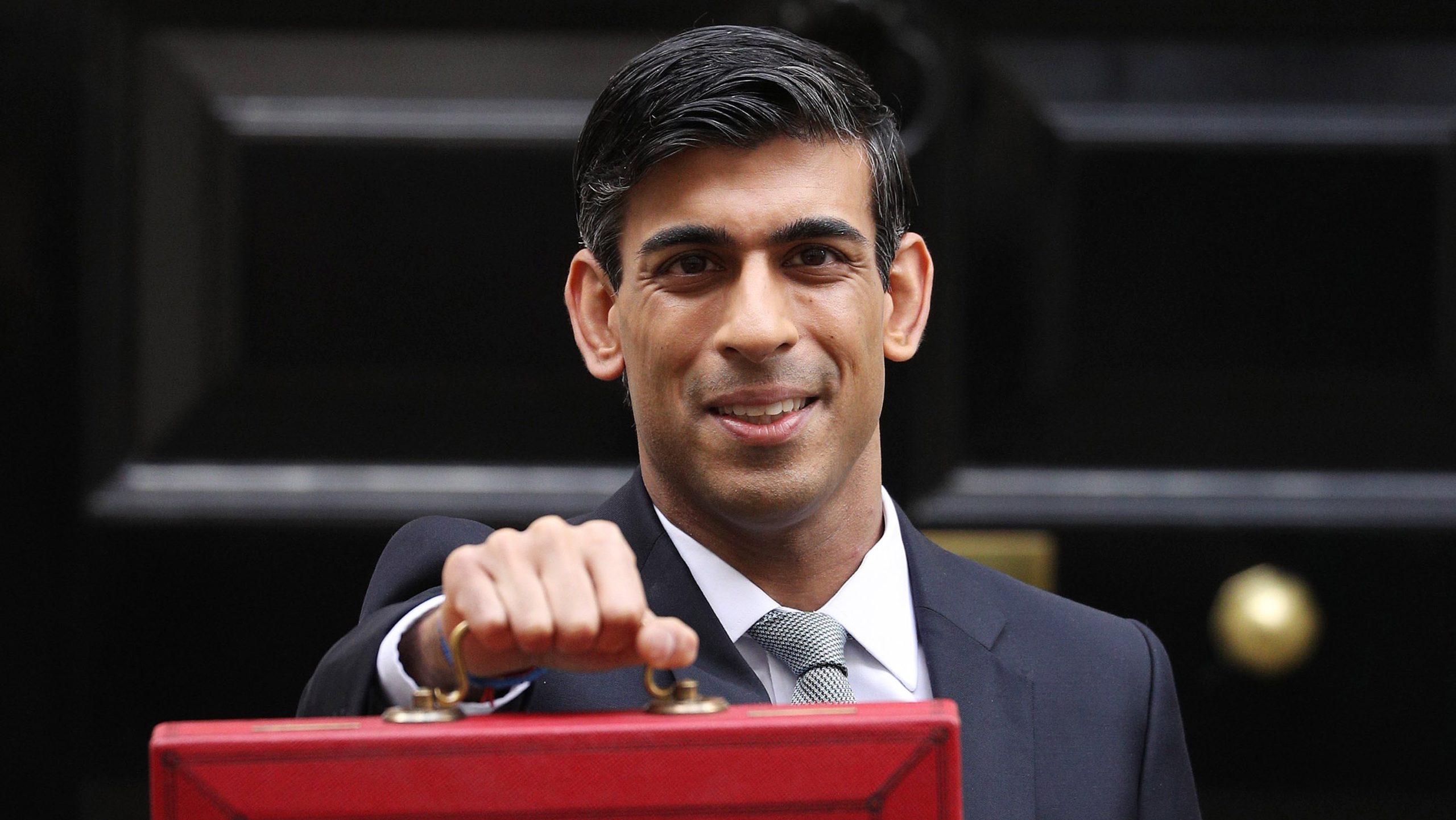
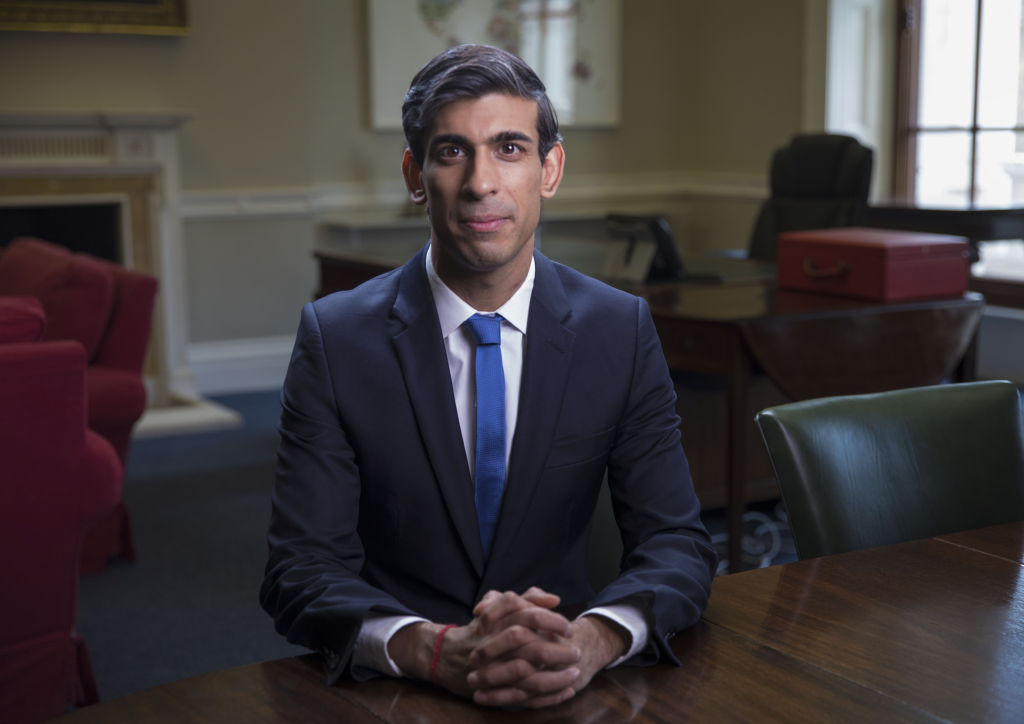
Rishi Sunak Cannot Be PM Because He Is A Hypocrite

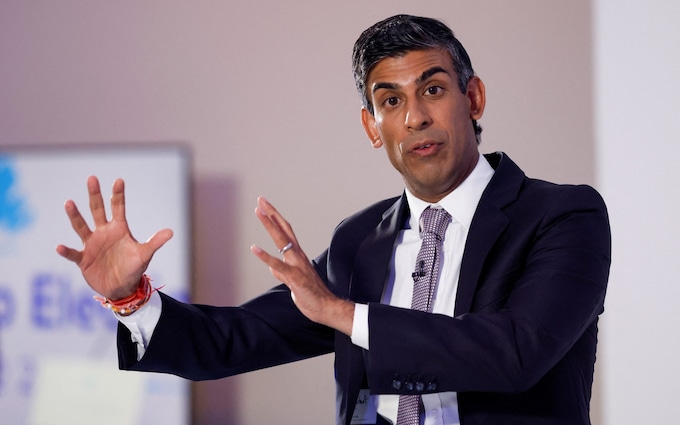
Rishi Sunak has been criticised after he claimed that he ‘was gagged’ from discussing the harmful effects of lockdown during the Covid pandemic.

The former Chancellor savaged the Scientific Advisory Group for Emergencies (SAGE) whilst speaking to the Spectator, saying that the organisation had too much influence over emergency legislation during the crisis.

“Whoever wrote the minutes for the SAGE meetings – condensing its discussions into guidance for government – would set the policy of the nation,” Sunak said to the Spectator.

“We didn’t talk at all about missed [doctor’s] appointments or the backlog building in the NHS in a massive way. That was never part of it.”

“We shouldn’t have empowered the scientists in the way we did.”

A key criticism of lockdown was that scientists came to conclusions about the ‘worst-case scenarios’ without obligation to show their calculations.

As a result, many felt scientists were effectively running the country, dictating public policy and shaping the world in their image using the government as enforcement, at the expense of civil liberties and humanity itself.

However, scientists have claimed that they were simply doing their jobs, and it was ultimately the government that had the final say.

Lee Cain, former director of communications at No. 10, tweeted that it would have been ‘morally irresponsible’ to have not implemented lockdown in spring 2020, due to the unnecessary deaths that would have occured and the NHS being overwhelmed.

Hindsight is a terrible thing

It is about time that the UK government is held accountable for the terrible legacy of lockdown.

It is correct to say that it would have been irresponsible not to go into lockdown during the height of the pandemic in 2020, but there’s no denying that it overstayed its welcome.

Scientists were also right to say that ‘they were just doing their jobs, but most suspect that they had their own interests at heart, whether political or financial, but that is a different story.

Ultimately, amongst other members of the Cabinet, Sunak was one of the main decision-makers. The buck stopped with them.

Not only did their decisions result in some of the most inhumane scenes in modern history, but it also gave the West a taste of unchecked power and what happens when a group of people are given the authority to shape the world in their image.

It also demonstrated how states can weaponise fear against their own citizens, and how people are all too willing to forgo civil liberties in order ‘to feel safe.’

Under this government, people were forced to visit loved ones through windows or digital means in care homes and attend funerals via Zoom calls.

Also, journalists were threatened with arrest for exercising their right to a free press by photographing anti-lockdown demonstrators.

It is, therefore, to many, extremely hypocritical and coincidental by Sunak to make his remarks above.

As a candidate for Prime Minister, he needs all the support he can get. Therefore, it would be in his best interest to tell people what they want to hear; and nobody enjoyed their liberties being taken away.

What are the odds that Sunak is now speaking about the importance of civil liberties, at a time when he is running for Prime Minister and not at the time when civil liberties were actually at stake?

That’s not a coincidence.

What now?

Of course, the Conservatives need to re-invent themselves after Covid and all the subsequent scandals, so there may be an element of truth to what Sunak has said.

There is the possibility that he is indeed telling the truth, and that there was pressure for him to not say anything, in case he was seen to be willing to risk public health or risk the public questioning the unity of the Conservative party itself.

Unfortunately, his credibility and motives will always be questioned due to his actions during the pandemic.

His comments – and the timing of them – will always be scrutinised, and many will fear what their experience would be like if he ever took office should a crisis such as Covid ever happen again.

Sunak, to many, has a conflict of interest. He showed his true colours during the pandemic. For that reason alone, many would vote for Liz Truss instead.

White Working Class Boys Are Falling Behind Everyone Else

A new study has found that white working-class boys are even less likely to be accepted into university, as the push from universities to promote diversity intensifies.

White male pupils from working-class backgrounds have already appeared to be systematically disadvantaged in the UK education system, yet The Times reports that they are more likely to fall behind their peers in A-Level results.

Social mobility expert Lee Elliot Major says that boys should not be perceived as the dominant gender due to girls’ domination in the education sector, particularly if they come from poorer backgrounds.

The pandemic and the cost of living crisis have impacted the working class, which appears to have exacerbated the gap between them and more affluent families.

“We need to recognise that white working-class boys now suffer some of the lowest university participation rates compared with any other groups,” Major said to The Times.

“A particular vulnerability for white working-class pupils appears to be poor reading early in secondary [high] school which stymies subsequent learning.”

Many feel that the push from universities to meet diversity quotas is responsible for this.

Whilst working-class white boys had been the least likely to make it to university since 2007, they also became the least likely to attend the UK’s most elite universities.

This is compared to 10.7 per cent of black students, 13.4 per cent of mixed race students, 15.6 per cent of Asian students, and 40.7 per cent of Chinese students.

The Education Select Committee has heard that children from white working class deficits are suffering from a ‘status deficit’ (Photo: DANIEL LEAL-OLIVAS / AFP)

The study comes after a report found that RAF recruiters had been told to favour women and ethnic minority applicants over white applicants, as part of a drive to meet a diversity quota, causing a senior figure to resign in protest.

According to a study by the Guardian, British military recruiters explicitly target’ working-class people to join their ranks, the majority of whom accept offers.

Currently, the UK is the only country in Europe to recruit soldiers at the age of 16.

Former brigadier Justin Maciejewski has warned that the drive for diversity could lead to army recruiters struggling to recruit soldiers.

Maciejewski, who served in Iraq, said that while diversity was important, ‘working class families’ historically made up the majority of the army.

‘I think that in this period where diversity and inclusion have become such an important priority that has also spilt over into recruiting,’ he told the Daily Mail.

‘I think this is obviously important, you know everyone wants to have a diverse and inclusive workforce but sometimes if you lose sight of your core constituency in that process you will also struggle to find the numbers.’

An uncomfortable truth

So what caused this? It is clear that something has gone wrong here.

It may not be the most trendy thing to discuss, but the facts and data don’t lie. The white working-class boy is behind.

It’s unlikely that there is a simple answer to this issue. There are several factors involved that make the situation so nuanced, that it’s impossible to pin it on one single issue.

Things such as varying cultural attitudes towards education, lifestyle choices and personal ambition all come into play.

Despite certain cliché narratives that would suggest ethnic minorities that are in the most need of help, the evidence of the native population being as much at risk of hardship (if not more) is shocking to some and uncomfortable to others.

In society’s push for equality and equity, we inevitably create a hierarchy of problems where some are considered ‘more important than others.

This, in turn, will result in certain people being neglected – both financially and culturally – which can lead to resentment and significant backlash.

The UK government reports that since 2007 white students at state schools have been the least likely to get into university, compared with Asian and Black students.

There has been a rapid growth of ethnic minority students being offered a place on a degree course; particularly Chinese students, who have consistently held the record for the highest number of entry rates.

Between 2007 to date, Black entry rates have had the highest rate of growth, having risen from 23.1 percent to 48.6 percent. Asian entry rates have risen from 34.6 percent to 54.9 percent.

Chinese entry rates have risen from 53.6 percent to a staggering 72.1 percent.

White students represented the least amount of growth, from 21.8% to a mere 33.3%.

We ignore this at our peril

Many would point to two major factors that are seen as the most to blame for this issue: a racial element (which many would argue is the reason for ‘positive discrimination’ in hiring processes) and a socioeconomic element.

From a racial perspective, the issue seems more clear cut. Although positive discrimination is prohibited under the Equality Act 2010, many employers and universities have tried to circumvent it under the guise of equality.

They argue that, due to previous systemic discrimination against ethnic minority communities, positive discrimination is justified and seen as ‘righting previous wrongs.’

It also makes the assumption that, due to white people being the majority in the UK, they as a whole are less in need of affirmative action than minority communities.

Many take issue with this because, in practice, it is seen as ‘anti-white’ as opposed to ‘pro-diversity’. It’s one thing to encourage ethnic minorities to take certain roles, it’s another thing to exclude the ethnic majority to accommodate them.

Former brigadier Justin Maciejewski says working-class families make up most of the army. Photo credit: The British Army

It also reduces people to simple numbers and statistics. Many will feel they’re only in a certain job because their employers are required to meet certain quotas, and not because they have the skills and qualifications in their own right to perform their roles.

Add to the mix that many perceive white people as a whole as better off, whilst ignoring the actual data that demonstrates systemic failings of the white working class, and you have a lethal combination.

It’s trendy to repeat phrases such as ‘institutional racism’, and how it needs to be rectified, yet when evidence is presented about actual institutional failures, there is silence.

One would be forgiven for questioning the legitimacy of positive discrimination. There’s a fine line between inclusion and exclusion. The idea of equality is that people are not supposed to be treated differently due to the colour of their skin. And yet, that’s exactly what’s happening.

The RAF scandal proves this point. Many working-class white men join the army for both financial and holistic reasons; it gets them off the streets and into an environment of discipline, whilst being paid for their services.

Now it seems as if not even that is available to them.
If state-backed institutions are entertaining the idea of positive discrimination, is it any wonder why other public sector employers and private employers feel emboldened to do the same?

As a society, we ignore this at our peril. It has the potential to cause resentment between communities, and jeopardise and undermine actual progress being made in our quest for a truly equal society.

Conservative MP Ben Bradley talks to Parliament about the issue. Video credit: Ben Bradley

How to solve this

To intentionally exclude others in favour of others due to skin colour is the very definition of racism.
If society wishes to solve this issue, then it needs to abandon this blatant act of discrimination and adopt a more meritocratic approach.
Perhaps more resources could be targeted towards those who are less well off, with more vocational opportunities being made available. The government has already pledged £14 billion over 3 years to help tackle the issue.

It’s not a simple issue that can be solved with a ‘band-aid’ solution. It’s a multi-layered, nuanced dilemma that requires care and sensitivity.

A conversation must be had about allocation of resources, geography, generational engagement from parents, attitudes towards education itself and other factors which contribute to the issue.

There are, however, no excuses for blatant discrimination.