Home Blog Page 10

White Working Class Boys Are Falling Behind Everyone Else

A new study has found that white working-class boys are even less likely to be accepted into university, as the push from universities to promote diversity intensifies.

White male pupils from working-class backgrounds have already appeared to be systematically disadvantaged in the UK education system, yet The Times reports that they are more likely to fall behind their peers in A-Level results.

Social mobility expert Lee Elliot Major says that boys should not be perceived as the dominant gender due to girls’ domination in the education sector, particularly if they come from poorer backgrounds.

The pandemic and the cost of living crisis have impacted the working class, which appears to have exacerbated the gap between them and more affluent families.

“We need to recognise that white working-class boys now suffer some of the lowest university participation rates compared with any other groups,” Major said to The Times.

“A particular vulnerability for white working-class pupils appears to be poor reading early in secondary [high] school which stymies subsequent learning.”

Many feel that the push from universities to meet diversity quotas is responsible for this.

Whilst working-class white boys had been the least likely to make it to university since 2007, they also became the least likely to attend the UK’s most elite universities.

This is compared to 10.7 per cent of black students, 13.4 per cent of mixed race students, 15.6 per cent of Asian students, and 40.7 per cent of Chinese students.
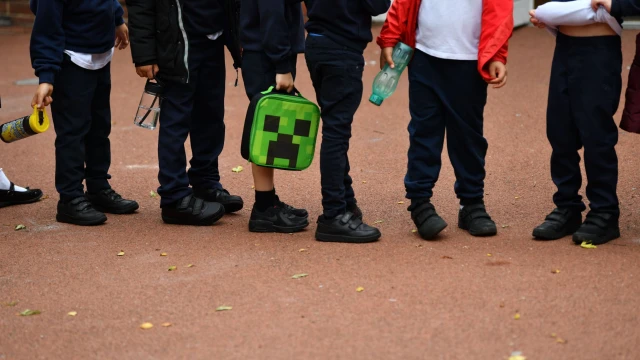
The Education Select Committee has heard that children from white working class deficits are suffering from a ‘status deficit’ (Photo: DANIEL LEAL-OLIVAS / AFP)

The study comes after a report found that RAF recruiters had been told to favour women and ethnic minority applicants over white applicants, as part of a drive to meet a diversity quota, causing a senior figure to resign in protest.

According to a study by the Guardian, British military recruiters explicitly target’ working-class people to join their ranks, the majority of whom accept offers.

Currently, the UK is the only country in Europe to recruit soldiers at the age of 16.

Former brigadier Justin Maciejewski has warned that the drive for diversity could lead to army recruiters struggling to recruit soldiers.

Maciejewski, who served in Iraq, said that while diversity was important, ‘working class families’ historically made up the majority of the army.

‘I think that in this period where diversity and inclusion have become such an important priority that has also spilt over into recruiting,’ he told the Daily Mail.

‘I think this is obviously important, you know everyone wants to have a diverse and inclusive workforce but sometimes if you lose sight of your core constituency in that process you will also struggle to find the numbers.’

An uncomfortable truth

So what caused this? It is clear that something has gone wrong here.

It may not be the most trendy thing to discuss, but the facts and data don’t lie. The white working-class boy is behind.

It’s unlikely that there is a simple answer to this issue. There are several factors involved that make the situation so nuanced, that it’s impossible to pin it on one single issue.

Things such as varying cultural attitudes towards education, lifestyle choices and personal ambition all come into play.

Despite certain cliché narratives that would suggest ethnic minorities that are in the most need of help, the evidence of the native population being as much at risk of hardship (if not more) is shocking to some and uncomfortable to others.

In society’s push for equality and equity, we inevitably create a hierarchy of problems where some are considered ‘more important than others.

This, in turn, will result in certain people being neglected – both financially and culturally – which can lead to resentment and significant backlash.

The UK government reports that since 2007 white students at state schools have been the least likely to get into university, compared with Asian and Black students.

There has been a rapid growth of ethnic minority students being offered a place on a degree course; particularly Chinese students, who have consistently held the record for the highest number of entry rates.

Between 2007 to date, Black entry rates have had the highest rate of growth, having risen from 23.1 percent to 48.6 percent. Asian entry rates have risen from 34.6 percent to 54.9 percent.

Chinese entry rates have risen from 53.6 percent to a staggering 72.1 percent.

White students represented the least amount of growth, from 21.8% to a mere 33.3%.

We ignore this at our peril

Many would point to two major factors that are seen as the most to blame for this issue: a racial element (which many would argue is the reason for ‘positive discrimination’ in hiring processes) and a socioeconomic element.

From a racial perspective, the issue seems more clear cut. Although positive discrimination is prohibited under the Equality Act 2010, many employers and universities have tried to circumvent it under the guise of equality.

They argue that, due to previous systemic discrimination against ethnic minority communities, positive discrimination is justified and seen as ‘righting previous wrongs.’

It also makes the assumption that, due to white people being the majority in the UK, they as a whole are less in need of affirmative action than minority communities.

Many take issue with this because, in practice, it is seen as ‘anti-white’ as opposed to ‘pro-diversity’. It’s one thing to encourage ethnic minorities to take certain roles, it’s another thing to exclude the ethnic majority to accommodate them.

Former brigadier Justin Maciejewski says working-class families make up most of the army. Photo credit: The British Army

It also reduces people to simple numbers and statistics. Many will feel they’re only in a certain job because their employers are required to meet certain quotas, and not because they have the skills and qualifications in their own right to perform their roles.

Add to the mix that many perceive white people as a whole as better off, whilst ignoring the actual data that demonstrates systemic failings of the white working class, and you have a lethal combination.

It’s trendy to repeat phrases such as ‘institutional racism’, and how it needs to be rectified, yet when evidence is presented about actual institutional failures, there is silence.

One would be forgiven for questioning the legitimacy of positive discrimination. There’s a fine line between inclusion and exclusion. The idea of equality is that people are not supposed to be treated differently due to the colour of their skin. And yet, that’s exactly what’s happening.

The RAF scandal proves this point. Many working-class white men join the army for both financial and holistic reasons; it gets them off the streets and into an environment of discipline, whilst being paid for their services.

Now it seems as if not even that is available to them.

If state-backed institutions are entertaining the idea of positive discrimination, is it any wonder why other public sector employers and private employers feel emboldened to do the same?

As a society, we ignore this at our peril. It has the potential to cause resentment between communities, and jeopardise and undermine actual progress being made in our quest for a truly equal society.

Conservative MP Ben Bradley talks to Parliament about the issue. Video credit: Ben Bradley

How to solve this

To intentionally exclude others in favour of others due to skin colour is the very definition of racism.

If society wishes to solve this issue, then it needs to abandon this blatant act of discrimination and adopt a more meritocratic approach.

Perhaps more resources could be targeted towards those who are less well off, with more vocational opportunities being made available. The government has already pledged £14 billion over 3 years to help tackle the issue.

It’s not a simple issue that can be solved with a ‘band-aid’ solution. It’s a multi-layered, nuanced dilemma that requires care and sensitivity.

A conversation must be had about allocation of resources, geography, generational engagement from parents, attitudes towards education itself and other factors which contribute to the issue.

There are, however, no excuses for blatant discrimination.

Outrage as Scotland appoints male period dignity officer.

Scotland’s Period Product Acts which was implemented on Monday was celebrated online by women all over England. However, the appointment of a male period dignity officer has sparked outrage as many agree that the position should have gone to ‘people who menstruate.’

On Monday, Scotland became the first country in the World to implement a new law allowing free menstruation products to be made available for girls and women.

This Period Products Act, which was proposed by MP Monica Lennon, is meant to tackle Period Poverty.

Period Poverty is defined as ‘when someone who needs period products a reality.’

The bill means that local councils, schools, and other providers must make period products available at any time.

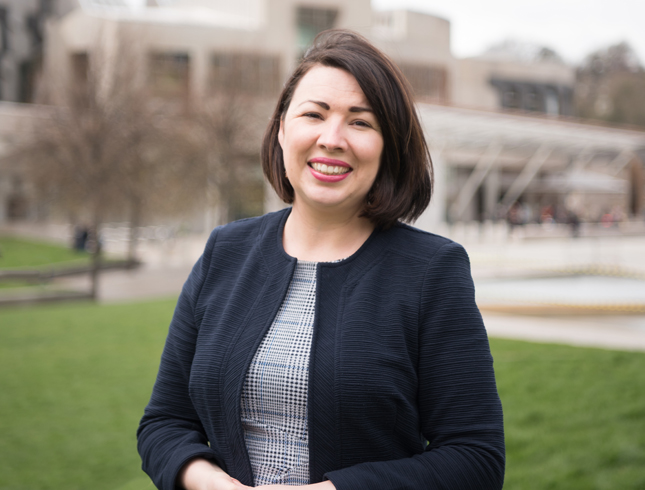
Monica Lennon (Source monicalennonmsp.org)

Ms Lennon said: “Local authorities and partner organisations have worked hard to make the legal right to access free period products a reality.

“This is another big milestone for period dignity campaigners and grassroots movements which shows the difference that progressive and bold political choices can make,

She added: “As the cost-of-living crisis takes hold, the Period Products Act is a beacon of hope which shows what can be achieved when politicians come together for the good of the people we serve.”

Mr Grant will be involved with working with the area’s period dignity group to roll out the legal right to free period products in public.

He will be expected to lead a regional campaign across schools, colleges and wider communities to ensure that Scottish government funding is allocated appropriately.

However, a group in Tayside has caused a stir on social media for appointing a man as a period dignity officer.

Jason Grant’s hiring has sparked online debates with many critics saying that the job should have gone to a woman.

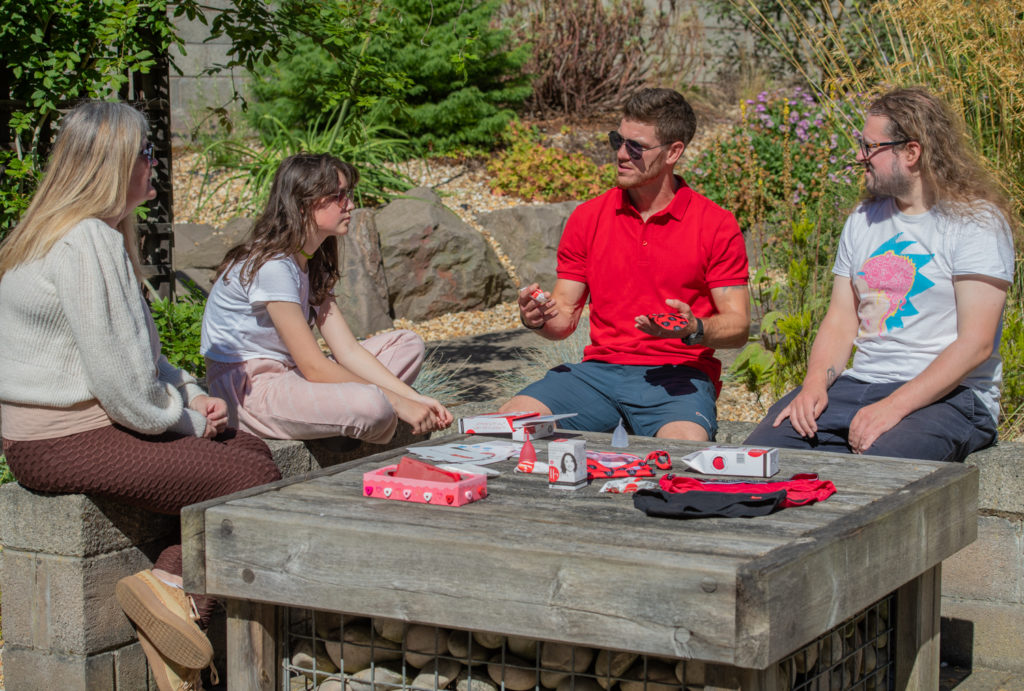
Jason Grant (Source Grainger PR)

He will be having discussions on free access to periods and menopause.

“It’s about making people aware of the availability of period products for anyone, of any gender, whenever they need it,” Grant told the Daily Mail.

“I think being a man will help me to break down barriers, reduce stigma, and encourage more open discussions. Although affecting women directly, periods are an issue for everyone.”

News of his appointment has sparked criticism on social media and elsewhere, with many calling his appointment ‘absurd’.

“Have we ever tried to explain to men how to shave, or how to take care of their prostate, or whatever?” Wimbledon star Martina Navratilova tweeted in reaction to the news of his appointment. “This is absurd.”

Author Susan Dalgety called it nothing more than “institutionalized mansplaining.”

“I don’t disagree that boys should be taught more about menstruation, but appointing a bloke as the first period dignity officer is institutionalised mansplaining.”

We All Should Be Defending Salman Rushdie

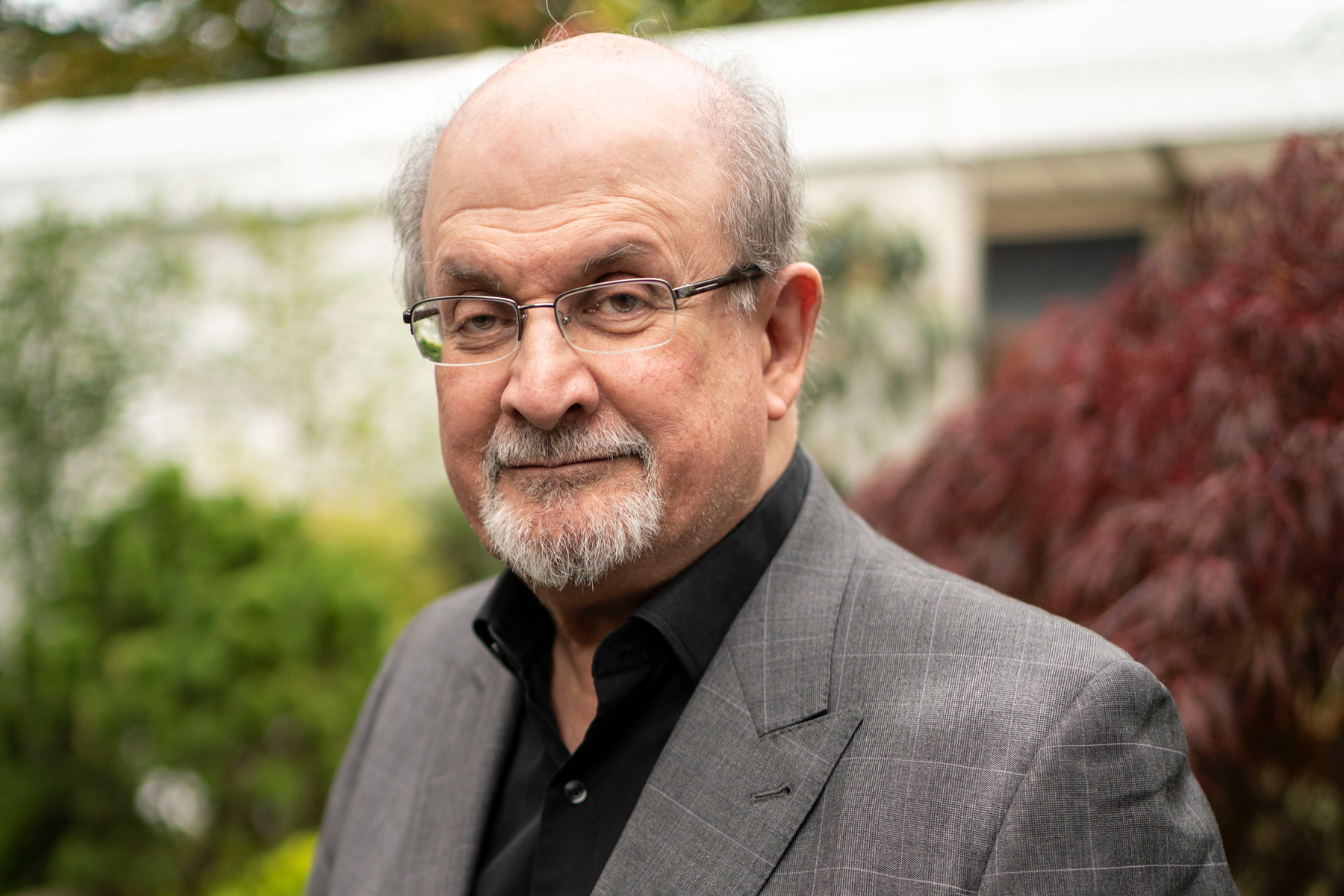
Controversial author Salman Rushdie was stabbed multiple times during a lecture about free speech in New York, prompting fresh concerns about the legal and cultural protections of free speech in the modern West.

The 75-year-old Indian-born British-American author, known mainly for his novel The Satanic Verses, was stabbed in the abdomen and the neck.

Rushdie was rushed to the hospital and placed on a ventilator, unconscious and unable to speak. Doctors said he could, unfortunately, lose an eye, as well as suffer possible liver damage and multiple severed nerves in his arm.

The local district attorney also confirmed that he had been stabbed once in the chest and three times in his right thigh.

Rushdie’s novel The Satanic Verses, which was inspired by Prophet Muhammad and features three pagan Meccan goddesses, sparked controversy across the world upon its release in 1988.

It raised debate as to where the line was drawn between free speech and religious intolerance. On a cultural level, many Muslims were divided between Western ideals regarding free speech and conservative Islamic theology which forbids criticism and/or ridicule of the Prophet Muhammad.

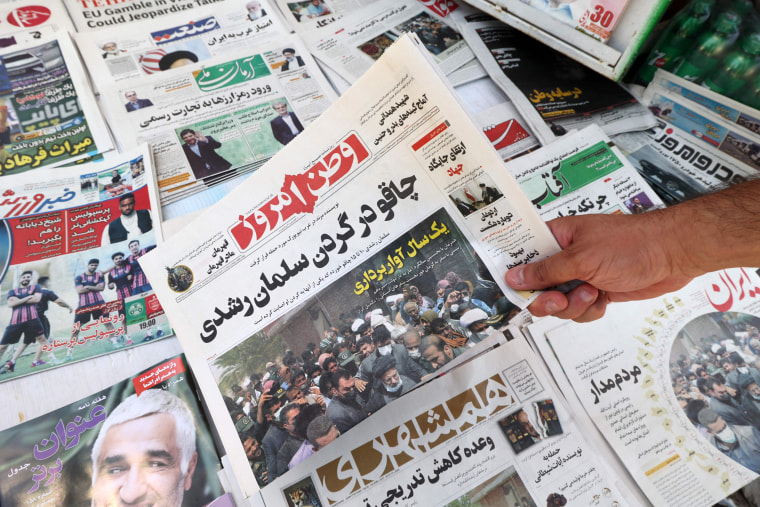
Image: IRAN-US-BRITAIN-CRIME-RUSHDIEIranian newspaper Vatan-e Emrooz on Saturday, with the front-page title reading in Farsi: “Knife in the neck of Salman Rushdie.”Atta Kenare / AFP – Getty Images

Then-Supreme Leader of Iran, Ayotollah Khomeini, issued a fatwa against Rushdie, compelling Muslims to kill him, and the novel was banned in several countries for fear of civil unrest.

After the arrest of Rushdie’s attacker, named Hadi Matar, police investigations found that he was a staunch supporter of Ayotollah Khomeini and openly showed support for the Islamic Revolutionary Guard Corps (a branch of the Iranian armed forces).

J.K Rowling, the author of the Harry Potter novels, openly supported Rushdie on Twitter before receiving a death threat which simply read ‘Don’t worry, you are next’.

We are running out of time

Make no mistake about it; society will be forced to choose between free speech and authoritarian censorship at some point. At the risk of undermining liberal, Western values, we as a society must stand up to censorship and intolerance in all its forms.

There are many reasons why a person should not say something. Perhaps their thoughts are so absurd that they’d do well not to speak in a public arena, at the risk of ridicule.

Or, perhaps they choose not to say something so as to not seem unnecessarily cruel or antagonistic. There is a time and a place for everything, and social norms often compel people to act and speak in a certain way, depending on the situation at hand.

Words, like actions, have consequences. However, that statement in itself is so vague and ambiguous, that it can be used to justify the silencing of those deemed to be ‘problematic’, ‘blasphemous’ or ‘offensive’.

It depends purely on the consequences of your words, and the context in which they are used. There is a fine line between conforming to certain social norms (which usually have a moral and ethical framework supporting them), and being forced to conform due to outright fear of being hurt in some way.

If a person makes a decision to say or not say something due to factors such as social norms or legal requirements, then that’s a wise decision.

If that same person feels compelled to say or not say something because of other consequences – such as fear of violent repercussions or ‘cancelling’ – then we have a problem.

Censorship has taken many forms across the world throughout history. Rushdie’s case is just the latest incident of religious intolerance, where people of different faiths concluded that their religion and its figures are sacrosanct, to the extent that even people who aren’t part of the faith are obligated to adhere to its rules.


“If freedom of speech is taken away, then dumb and silent we may be led, like sheep to the slaughter.”

George Washington, 1st US President

The idea is that their religious beliefs supersede Western laws and liberal values. In fact, Matar pleaded not guilty when charged with the attempted murder of Rushdie, most likely believing himself to be justified due to Rushdie’s controversial novel making a mockery of certain figures in Islamic theology.

A similar case to this was Charlie Hebdo, where 11 cartoonists of the satirical magazine were slaughtered for daring to depict the Prophet Muhammad in an ‘offensive’ manner.

Remarkably, many people born and raised in Western society also have similar ways of thinking. What they find to be sacred – and therefore untouchable – may be different from religious zealots, but the way of thinking is the same.

It’s based on the premise that a religion, idea, philosophy or identity is sacrosanct and therefore immune from criticism, satire and ridicule.

This way of thinking, by large portions of Western society, is perhaps why the response to Rushdie hasn’t been as vigorous as it should be.

An example of this is comedian Dave Chappelle, who has come under fire in recent years for making jokes about the LGBT community.

Whilst on stage at the ‘Netflix is a Joke’ festival, Chappelle was attacked by 23-year-old Isaiah Lee. Police found a replica handgun on his person upon his arrest. When asked about his motive, Lee said, “I identify as bisexual … and I wanted him to know what he said was triggering.”

“I wanted him to know that next time, he should consider first running his material by people it could affect.”

Comedian Dave Chappelle attacked on stage. Video credit: Sky News Australia

A stark choice must be made, and soon

Whatever flavour of censorship and intolerance rears its ugly head – whether it be religious, criminal or identity-based – fundamentally, at its core, it’s still censorship. It’s time to call a spade a spade.

If a person can be killed, injured or otherwise hurt for daring to ‘blaspheme’ against a so-called sacrosanct idea, religious belief or identity, then we are in the realm of authoritarianism.

Does the West wish to continue down this path? Do Western citizens want their right to speak limited and dictated by an individual or community? Do we want to continue having dissenting perspectives silenced under the guise of ‘offence’ and ‘sensibilities’?

Do we wish for literary and academic freedom to cease to be? Do we, fundamentally, value free speech? If we aren’t prepared to defend free speech, then we shouldn’t be shocked when attempted murders (and actual murders) become commonplace in society; neither do we have the right to be angry about it, as we know the consequences of not defending the principle itself.

It’s cause and effect. If speech isn’t free to all, it’s free to nobody. We are at a crossroads and have a stark choice to make Either we re-embrace the principles of free speech in its entirety, or we become a ‘soft’ authoritarian state. That is the bottom line.

Globe Theatre “Violating History” with Non-Binary Joan of Arc Production

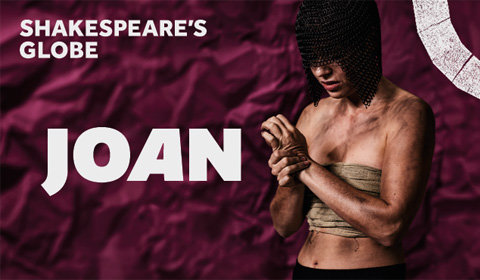
Shakespeare’s Globe Theatre’s Joan of Arc will use ‘they’them’ pronouns in the new production “I, Joan.” Many have accused the theatre of trying to change history, whilst others are celebrating the creation of a new ‘non-binary’ hero.

The Globe Theatre has been accused of ‘violating history’ with its new production of the life of Joan of Arc; the historical French heroine will be made into a non-binary character. This version of Joan would be “rebelling against the world’s expectations, questioning the gender binary.”

According to a statement released by Shakespeare’s Globe, Joan will use the pronouns ‘they/them’.

“For centuries, Joan has been a cultural icon portrayed in countless plays, books, films etc. History has provided countless and wonderful examples of Joan portrayed as a woman. This production is simply offering the possibility of another point of view. That is the role of theatre: to simply ask the question ‘imagine if?”

The role of Joan will be played by Isobel Thom, who also uses the pronouns ‘they/them’.

In a separate post on the website ‘Who was Joan of Arc?’ the author speaks of Joan using the ‘they/them’ pronouns: “Soldier or martyr, patron saint or witch, hero or heretic – whoever Joan truly was, perhaps the most accurate descriptor for them is simply “icon” (italics added).

Medical News Today defines non-binary as a term that describes someone who does not identify exclusively as a man or a woman.

History.com documented that ‘Joan referred to herself only as “Jehanne la Pucelle” (Joan the Maid).” The historical figure was a peasant girl who led the French army into victory over the English at Orleans in 1429. So, if we are to trust the historical facts, we know that Joan was a woman and identified as a woman.

Many have taken to their social media accounts to voice their outrage regarding this new change.

Sophie Walker tweeted: “When I was a little girl, Joan of Arc presented thrilling possibilities about what one young girl could do against massed ranks of men. Rewriting her as not female and presenting it as progress is a massive disappointment.”

Despite the outcries, others have jumped to the defence of the theatre, saying that they have created a hero for many non-binary children and that the theatre is known for bending genders.

I agree that theatres, plays, movies and any other form of arts and entertainment should have the creative license to shape and re-shape any story they are trying to produce. However, when you are trying to re-interpret history as they have done in their statements and articles –that’s where people have an issue.

Joan’s fight was not against “the gender binary of her time” but against the constraints placed on women of her time. The fact that she wore male clothes didn’t mean that she questioned her gender. History should not be changed to appease today’s cultural and political climate.

I, Joan is set to run from 25th of August to 22nd of October.

Serena Williams: “Between Tennis And Family, I Choose The Latter”

Serena Williams, one of the greatest tennis players of all time, the 23-time Grand Slam singles champion, and a sporting icon, has announced that she will retire to focus on ‘building her family.’

“I’m here to tell you that I’m evolving away from tennis, toward other things that are important to me. A few years ago I quietly started Serena Ventures, a venture capital firm. Soon after that, I started a family. I want to grow that family.”

This is a cross-road that many women, whether athletes or not, would have to face. Some may claim that women have to choose between having a career or a family. At the same time, others argue that it is perfectly okay to have a family and a great career – but can we really have both?

In her “Farewell to Tennis” article with Vogue Magazine, Williams expressed how unfair her decision felt: “Believe me, I never wanted to have to choose between tennis and a family. I don’t think it’s fair. If I were a guy, I wouldn’t be writing this because I’d be out there playing and winning while my wife was doing the physical labor of expanding our family.”

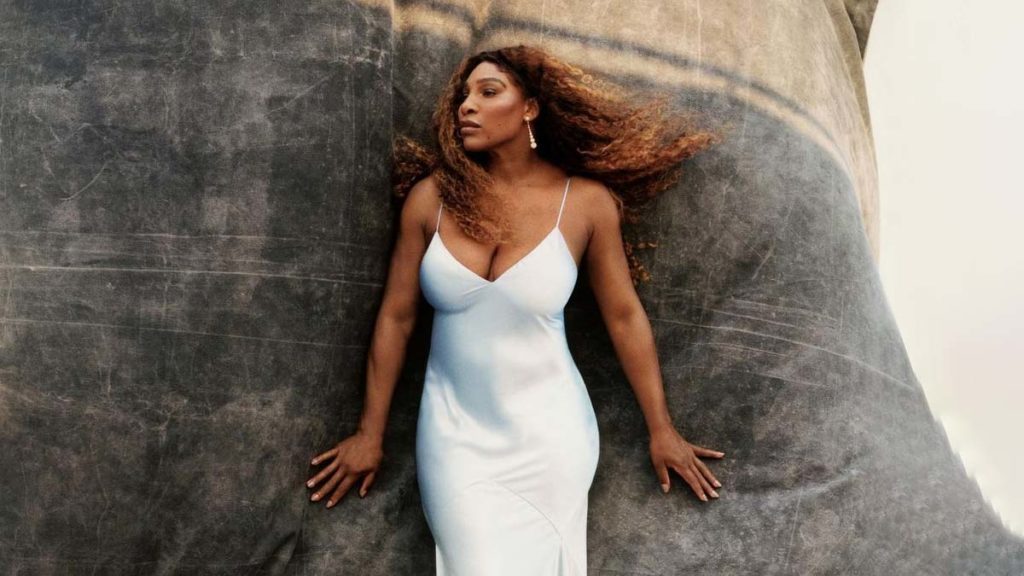
Sergio Hudson dress. Fernando Jorge earring. Fashion Editor: Gabriella Karefa-Johnson.

Raising a child requires time and effort, and juggling a career and a family might not be possible for most women – especially if they want to be hands-on and involved as Serena.

Unlike many great female athletes that have retired at a time that they felt was good for them, Serena would likely leave feeling like she had not accomplished all she had set to do. However, after the complicated pregnancy of her daughter Olympia – which almost claimed her life, it is understandable that she wouldn’t want to be pregnant whilst being an athlete.

So, her choice was made.

Most women would like the opportunity to be fully invested in their careers and equally invest time in raising their children. However, it’s not always the case sometimes; these two worlds overlap, and difficult decisions are made.

Despite explaining her reasons for moving on from the sport, Serena did not explicitly state when she would retire. “My goodness do I enjoy tennis,” she wrote. “But now, the countdown has begun. I have to focus on being a mom, my spiritual goals and finally discovering a different, but just exciting Serena. I’m gonna relish these next few weeks.”

Jennette McCurdy: Mother’s Unfulfilled Dreams Led To Abuse

Nickelodeon star memoir “I’m Glad My Mum Died”, details abuse as her mother lived vicariously through her.

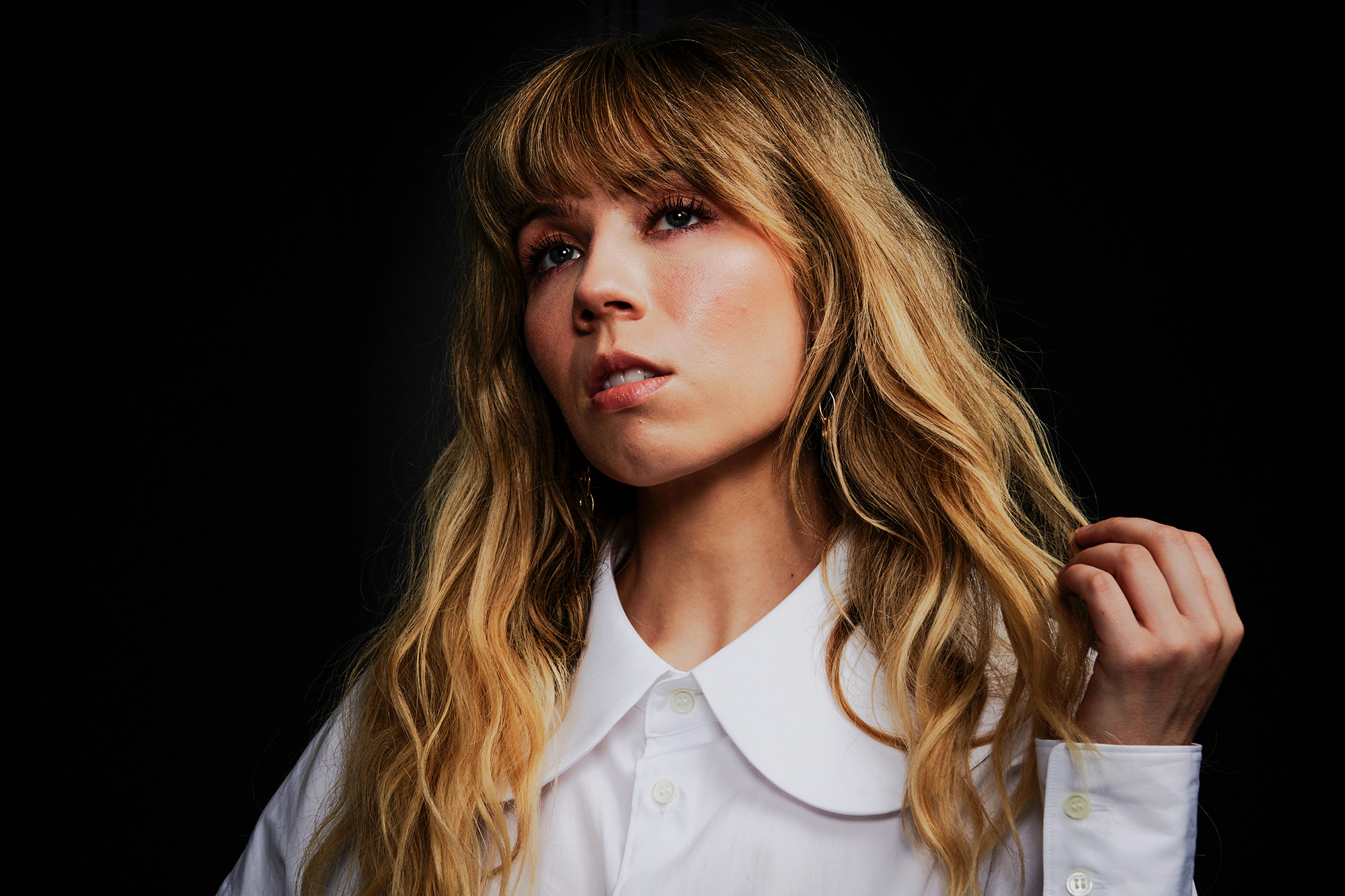
Child actress Jennette McCurdy, who co-starred in Nickelodeon shows “iCarly” with Miranda Cosgrove and its spin-off “Sam & Cat” with Ariana Grande, has released her memoir “I’m Glad My Mum Died”. In the book, she details her experiences in Nickelodeon and the “emotional, mental and physical abuse” she received from her mother, Debra McCurdy.

McCurdy recounted a time she had told her mother that she wanted to quit acting: “We’re on the way home, in bumper-to-bumper traffic on the 101 South,” she writes in the excerpt shared by Entertainment Weekly. “I’m sitting in my booster seat since I’m still small enough to be required to sit in it.”

“‘I don’t want to act anymore,’ I say before I even realize I’ve said it. Mom looks at me in the rearview mirror. A mixture of shock and disappointment fills her eyes. I immediately regret saying anything.”

McCurdy’s mother reacts: “‘Don’t be silly, you love acting. It’s your favourite thing in the world,’ Mom says in a way that makes it sound like a threat.”

Though McCurdy defends her view, the child ultimately gives in to her mom’s opinion. “‘You can’t quit!” she sobs. ‘This was our chance! This was ouuuuur chaaaaance!'” McCurdy writes of her mother.

“She bangs on the steering wheel, accidentally hitting the horn. Mascara trickles down her cheeks. She’s hysterical, like I was in the Hollywood Homicide audition. Her hysteria frightens me and demands to be taken care of.”

So, McCurdy responds, “Nevermind.”

Jennette McCurdy and her mother Debbie. Photo by FREDERICK M BROWN/GETTY

Jennette never wanted to become an actress, but she wanted to please her mum. From the title of her book, many would have guessed that McCurdy’s mother is at the centre of her story.

Debra, who had been diagnosed with breast cancer when McCurdy was just two years old and died from battling the illness in 2013 when McCurdy was 21, always wanted to be an actress – in her failure to do so, she forced her unfulfilled dreams unto her daughter.

She controlled Jennette’s likes and dislikes well into her teenage years and insisted on giving her showers where she would perform breast and vaginal exams until she was 16 years old.

In her memoir, Jennette shared that she has suffered from obsessive-compulsive disorder, eating disorders and anxiety under the watchful eye of her mother. She stated that “distance from her mum was the only thing that got her healthy.”

My Thoughts

Life comes with its share of disappointments; for some, it is just a passing moment, but others try to deal with their disappointment by living their lives through their children.

Parenting culture differs depending on where you are from – as the daughter of two African parents, the way I was raised is very different from how my white friends were raised. However, we can all agree that parenting can be competitive, which takes a toll on the children as they grow. Being a parent can be exhausting and shame-inducing. Still, when you add this unhealthy desire to one-up everyone to a parent’s unrealised dreams – it is easy to see why most parents live vicariously through their children.

Some parents believe that they are doing what is in the best interest of their child, but it can be difficult for parents to differentiate between supportive and obsessive behaviours. I know most parents would encourage their children to do things they enjoy – and I don’t think that’s bad. There’s nothing wrong with taking your child to the book store if you love reading, or to a basketball game if you are a sports fan. The difference is ignoring your child’s needs and feelings to make them succeed at a particular activity.

Ignoring a child’s needs is harmful because it ignores their individuality and stops them from achieving their dreams – then the cycle repeats itself. Children and parents are different. They have different goals and interests, and even though some children may be interested in the same things their parents are – the way they go about getting to that interest might be different. Parents must be attentive and supportive of their child’s interests for them to become fully functioning adults.

Five Signs To Show That You Are Living Through Your Child:

  • Forcing children to do things they don’t want to do which offers no benefits
  • Predetermining your child’s life because of your disappointments
  • Ignoring your child’s interests and needs
  • Punishing your child for poor performance at school and extracurricular activities
  • Telling your child how to think and feel about certain hobbies and goals.

Young People Are The Real Victims Of The Recession

The bank of England has predicted a recession with interest rates rising to 1.75%. How are young people able to protect themselves in a global recession?

Interest rates have risen to 1.75% as the bank struggles to combat the soaring prices, as inflation hits over 13%. Soaring energy bills and the shortage of essential foodstuffs such as grain and cooking oil, driven by the war between Russia and Ukraine have been identified as the main reasons for the high inflation and low growth.

The bank has warned that an average home will pay almost £300 for its energy bill by October.

Andrew Bailey, the Governor of the Bank of England, said he had “huge sympathy and understanding for those who are struggling the most” with the cost of living.

“I know that they will feel, ‘Well, why have you raised interest rates today, doesn’t that make it worse from that perspective in terms of consumption?’, I’m afraid my answer to that is, it doesn’t because I’m afraid the alternative is even worse in terms of persistent inflation.”

The increase in interest rates will affect homeowners on a mortgage and charges on things like credit cards, bank cards, bank loans and car loans. The rise in interest rates is a deliberate way of controlling inflation as borrowing rates increases.

The recession is expected to be the longest since 2008 when the banking system faced collapse – placing a halt on lending. The recession is not meant to be as bad as 14 years ago, but it may last just as long.

Photo by Sigmund on Unsplash

How does recession affect younger people?

The UK has recently experienced two recessions during the 2008 financial crisis and in the first year of the pandemic. Both have affected young people the most. The hospitality industry, which contributed to 3% of the UK’s economic output, provided 2.53 million jobs in the UK in 2019 – primarily for ‘younger workers, foreign-born workers, part-time workers and workers from minority ethnic backgrounds.’

However, the pandemic and the restrictions meant that “one in seven people under 25 found themselves outside of work.” The 2008 recession affected younger people more than the pandemic as “the UK unemployment rate rose to 8% generally but was twice as high for under-25s” – primarily due to cutbacks on graduate recruitment schemes.

Unfortunately, when it comes to the recession, young people are the victims. Research indicates that ‘nearly a quarter of young people are forced to take on an additional new job to make ends meet’.

The increase in inflation would also cause student loan interest rates to increase – this means that graduates will have to pay even more money to Student Finance. Young people are more likely to rent their homes than own it. So, with the increase in inflation, there will also be an increase in rent and less disposable income for renters.

How Can You Protect Yourself From A Recession?

Pay off your debt

Try to clear off any credit card debts that you may have or any other costly debts. According to Jonquil Lowe, Senior Lecturer in Economics and Personal Finance at the open University: “Don’t overpay your student loan if you have one – unlike other debts, these repayments automatically stop if your income falls below the repayment threshold (currently £27,295 for many graduates).”

Build up your Savings

Try and build a ‘buffer’ savings account that you are able to use if you are to be affected by the recession. The rule of thumb is to try and save up to three-to-six months of your income.

Multiple source of income

Look to get an additional source of income so that if you were to ve affected by the recession or lose your job, you will have something else to fall back on.

There are a lot of options online for advice on how young people are able to move forward during the recession. Young people should keep informed on how they are able to navigate the current and future changes.

Premier League: Taking The Knee Has Lost Its Significance

On Wednesday, 20 premier league captains confirmed that they intend to stop taking the knee before every match, instead, they will perform the ‘anti‑racism’ gesture at specific high‑profile moments during the season in the belief that less is more.

The club captains met last week to discuss whether to continue with the gesture that was introduced in 2020 during Project Restart to support the Black Lives Matter movement, which came to prominence after the death of George Floyd in the United States.

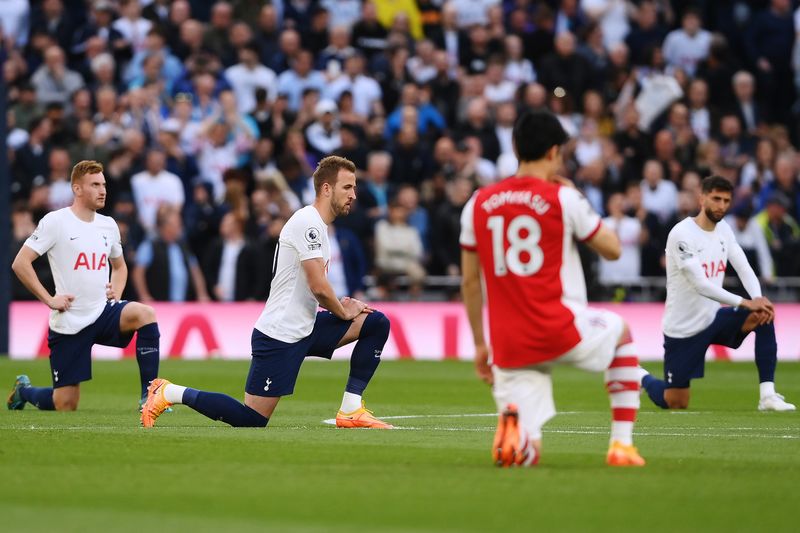
Harry Kane of Tottenham Hotspur takes a knee in support of the Black Lives Matter movement prior to the Premier League match between Tottenham Hotspur and Arsenal at Tottenham Hotspur Stadium in London, UK, on May 12.Photographer: Mike Hewitt/Getty Images

“virtue signalling.”?

This announcement has caused widespread debates on social media, with many calling the gesture “virtue signalling.”

Taking the knee began as a protest against the unfair treatment of African Americans and became more widespread after the death of George Floyd; it has since grown to become a globalized symbol for fighting racism.

The anti-racism protest first began when NFL play Colin Kaepernick took the knee during the national anthem before a match in 2016. Since then, premier league players started taking the knee to highlight the racism and inequality that has been in the English game for decades.

However, Premier League Captains announced yesterday that they have decided to stop taking the knee as some players believe it had lost its “gravitas.”

A statement released on behalf of the captains said: “We have decided to select significant moments to take the knee during the season to highlight our unity against all forms of racism and in so doing we continue to show solidarity for a common cause.

“We remain resolutely committed to eradicating racial prejudice, and to bring about an inclusive society with respect and equal opportunities for all.”

These significant moments will be the first and last matched of the 2022-23 campaigns, before Boxing Day fixtures, Cup finals and dedicated ‘No Room For Racism’ match-days.

The belief is that the anti-racism message will be amplified if it is used more sparingly.

The reaction to the announcement has been mixed on the social media platform Twitter. Some called out the gesture as “performative”, “divisive”, and “virtue signalling” – stating that the reason behind the decision has to do with England’s World Cup match against Qatar.

Racism hurts, in a real and fundamental way and that is something that we can not deny. Irrespective of what side of the debate you are on, everyone can agree that more needs to be done to address this issue nationally.

Ableism Goes Beyond Music Lyrics

Global superstar Beyoncé was in hot water over the use of an offensive term to describe people with cerebral palsy in her track “heated.”

Since the track’s release, fans and activists have spoken against the song. Beyoncé is re-recording the song and replacing the lyrics.

Lizzo was involved in a similar incident a few weeks ago with her song “Grrls”.

Beyond these two incidents, I argue that ableism is more prominent than you think.  


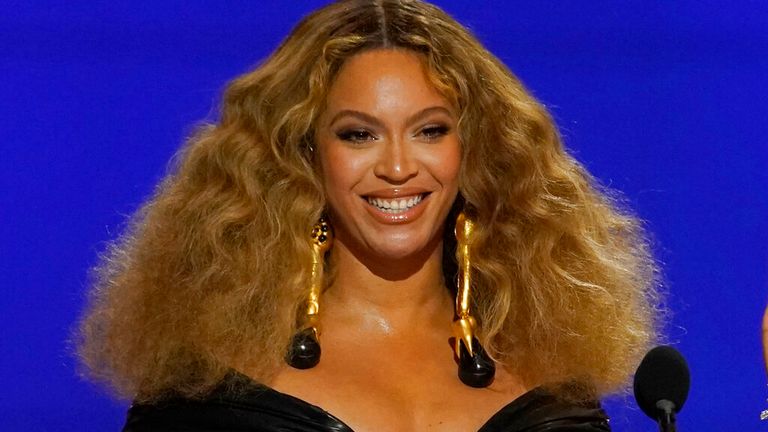
Global superstar Beyoncé was in hot water over the use of an offensive term to describe people with cerebral palsy in her track “heated.” Image credit: BBC.

The history of ableism

Ableism isn’t this new, fancy, revolutionary term that has suddenly come about through pop culture. It is a term with a lot of history and means to perpetuate itself. Ableism is discrimination against those who are disabled, and it is a way to portray a negative view of disability. The whispering of the term came about during the 1960s and 1970s. In this period, activists started to invest time in addressing issues relating to disability, like equal rights. Fast-forward to the 1980s, feminists in the United States defined ableism. These feminists emphasised that society viewed disability as a flaw, abnormality or inferiority to those without a disability. Such viewpoints on disability created an implicit bias within society, demonstrated by a study showing that 76% of people have an implicit bias in favour of people without disabilities. The study also found that ableism was among the most common and strongest forms of implicit and explicit bias. This was out of gender, race, weight, and sexuality, with ableism second to only ageism.     

The more you dive into ableism, you find out that this term manifests itself in multiple ways. On the institutional level, this term affects various establishments medically, politically and socially. Examples of such can be seen by the idea that disability needs fixing from a medical point of view, inaccessible infrastructure and seclusion of people with disabilities. Below this, ableism impacts interpersonal relationships that involve people with or without disabilities. You see this through people wanting to cure people with a disability, baby-talking to people with disabilities and calling people with disabilities inspirational, superheroes and thinking they deserve pity. Through institutional and interpersonal means of ableism, this has a knock-on effect on people with or without disabilities. This is called internalised ableism, which can include a person feeling that disability accommodations are a privilege, that a disability should be hidden and being ashamed of having a disability.

Combating ableism beyond Beyoncé’s and Lizzo’s lyrical saga    

What is for sure is that Beyoncé and Lizzo will not be the only ones to say something ableist. This concept has manifested itself within and out of music. These situations involving the two superstars have taught us that this concept is alive and kicking. We have seen progress with women’s, LGBTQ+, and racial issues, but when it comes to topics relating to disability, the disabled community is seen as an afterthought. This is despite the disabled community making up 15% of the world’s population. Ableist rhetoric can be seen in how 9% of houses in the United Kingdom have accessible features. 22% of the population in the United Kingdom comprises people with a disability, yet only 0.06% of adverts feature this community. Not only that, but one in three disabled people say there is a lot of prejudice against disabled people in Britain. 

Ableism is far beyond musical lyrics. It has been entrenched for far too long, and it is only when an offensive song lyric is used that we hear this community. That should not be the case, as disabled voices should be heard beyond a news story. It is especially the case when you see how the lives of those with a disability are affected in such negative ways daily. If that is through unemployment, loneliness or lack of access to services, this is just the tip of the iceberg regarding the lives of those who are disabled. They have been seen and treated as an afterthought for too long, and now is the damn time that the disabled community is in our thoughts before doing anything worthwhile. If that is making music, creating infrastructure or the conversations we have, the disabled community should be front and centre of our minds.               

UK’s Only Gender Identity Clinic “Not Safe” For Children

Puberty blockers have been made available to children as young as ten to hit the ‘pause button’ on puberty. However, evidence for the potential side effects on young children are ‘scarce’ and ‘inconclusive’.


Tavistock and Portman Trust of the NHS, the UK’s only gender identity clinic for children and young people, is to close after an investigation found it “not safe” for children.

Instead, the NHS is set to move patients who believe they are transgender into regional centres that provide a more “holistic” approach to treatments and look after the mental health and medical issues they may need.

Dr Hilary Cass, the consultant paediatrician who is leading the independent review, was commissioned by the NHS to ‘ensure that children and young people are able to access the best possible support from the NHS.’

The Crass Review found that the NHS felt pressured to “adopt an unquestioning affirmative approach” rather than going through “the standard process of clinical assessment and diagnosis that they are trained to undertake in all other clinical encounters.”

Earlier in the year, there was a rising concern that there was ‘scarce’ and ‘inconclusive’ evidence to support clinical decision making, which had children as young as ten years old given puberty blockers.

Photo by Sharon McCutcheon on Unsplash

Puberty blockers are prescribed to young transgender people who want to stunt the further development of sex hormones and delay the changes of puberty.

Many online articles promote this as a safe and reversible treatment for people struggling with gender dysphoria. Those taking puberty blockers have been told that they can stop whenever they want, and their natural puberty will simply return. However, little is known of the long-term side effects of taking the hormones or puberty blockers for children with gender dysphoria. So, this claim doesn’t seem to be based on actual scientific facts.

Ideologies should have no place in medicine but unfortunately they do. Clinicians are bringing their own biases and worldviews to treat children, who maybe having mental health issues or suffering from serious trauma.

Bernadette Wren, Consultant Clinical Psychologist at the GIDS until her retirement in 2020, writes in her book: Thinking postmodern and practising in the enlightenment: Managing uncertainty in the treatment of children and adolescents, Feminism & Psychology;

In particular, how do we justify supporting trans youngsters to move towards treatment involving irreversible physical change, while ascribing to a highly tentative and provisional account of how we come to identify and live as gendered? I conclude that the meaning of trans rests on no demonstrable foundational truths but is constantly being shaped and re-shaped in our social world.

According to the Guardian: “The NHS’s specialist Gender Identity Development Service (GIDS) takes a child’s express gender identity as the starting point of treatment.” Unlike many medical treatments, parental consent is not necessary for this life changing treatment, a child simply has to state that they are the opposite sex and treatment begins – no questions, no nothing.

Research has shown that 90 per cent of children on puberty blockers have gone to have cross sex hormones. These hormones come with high risk of irreversible changes to hair growth, impaired sexual functioning and potential infertility.

It is safe to say that more needs to be done to ensure that children, young adults (and adults) have accurate and exhaustive information available to them before they make life-altering decision such as taking puberty blockers.

Reality TV Has Made Dating Superficial

New dating shows are being promoted on TV to help their participants find true love, but with millions of viewers watching each day, how many of us are getting relationship advice from Reality TV?

Every time I turn on the TV, there is a new experimental dating show beginning with the goal of helping its participants to find real love – or something like that. While they claim to show genuine relationships, most reality shows display typical gender stereotypes and hyper-sexualized behaviours.

With Love Island coming to an end and the new experimental show “Are You The One?” starting next Monday, discussing how these dating shows affect our perceptions of relationships is essential.

Every relationship comes to a point when a couple discusses where they are heading: Are we dating exclusively? Do we have the same long-term goals? Are we dating to potentially get married? What’s the plan?

These are hard, uncomfortable questions that could make or break strong connections. Still, they are necessary to ensure that you are in the right, healthy, long-term relationship whilst avoiding potential heartbreak.

Dating shows are exciting, they show us the highs and the lows of people as they struggle to find love. There is someone or a situation we can all relate to that keeps us coming back for more. There is no denying that they are entertaining.

However, looking at the variety of reality dating shows on TV, the goals are anything but long-term healthy relationships. Rather than leaning into these level-headed and serious questions needed for healthy, thriving relationships – shows like “Love Island” promote toxicity, drama and hook-up culture,which could inadvertently affect your thoughts on relationships and dating.

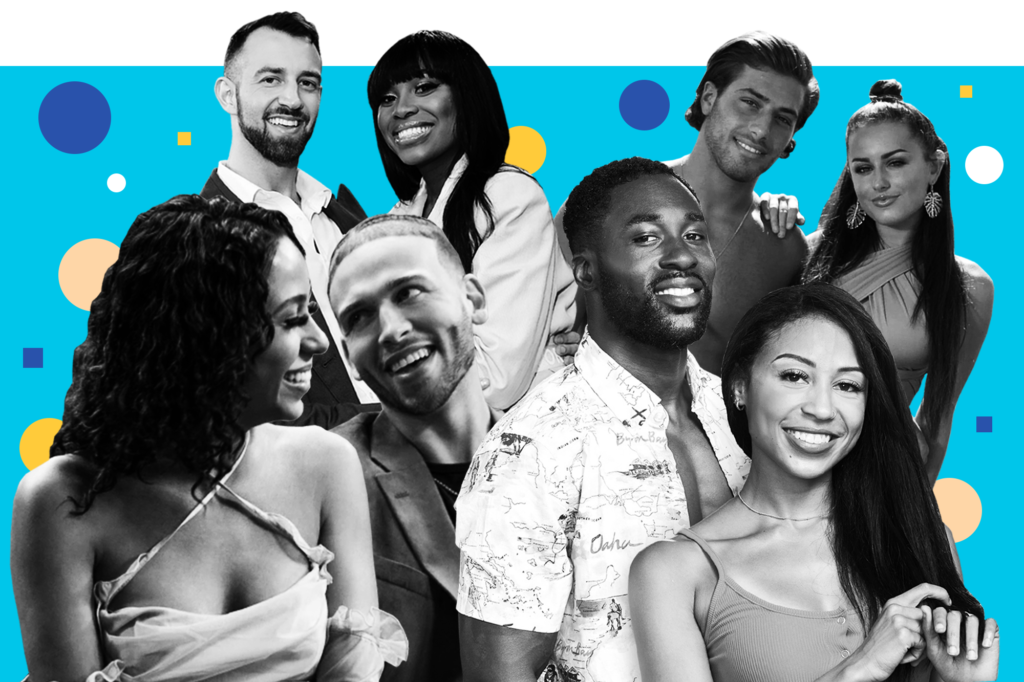
Illustration by Entertainment Weekly

Love is a topic that interests people, it doesn’t matter if a dating show repeats the same storyline or concept – we are fascinated by love.

Psychology Today cited research conducted on 249 undergraduate students between the ages of 18 and 24; it found that watching reality dating shows relates to ‘adversarial sexual beliefs, the endorsement of a double standard when it comes to sex and the belief that men are sex-driven and that appearance is important in dating.”

The research also found that “men used the shows to learn about dating more than women.”

According to Social Cognitive Theory, people are active agents “who can both influence and are influenced by their environment.” We learn by watching behaviours and repeating those that result in successful outcomes.

Everyone wants to emulate what they see on TV, they want to be able to find love within a week – the perfect man/woman with the perfect body, hair and         (fill in the blank).

It’s no wonder dating has become superficial.

So, should we watch reality TV?

The answer is up to you. However, it is important to be aware of the impact of being overly invested in these shows. Reality TV promotes gender stereotypes and problematic behaviours, and it is not real life. Whilst they are suitable for the entertainment value, they should not be seen or used as dating advice.

Women’s Euros 2022: A Breakthrough Moment For The Game

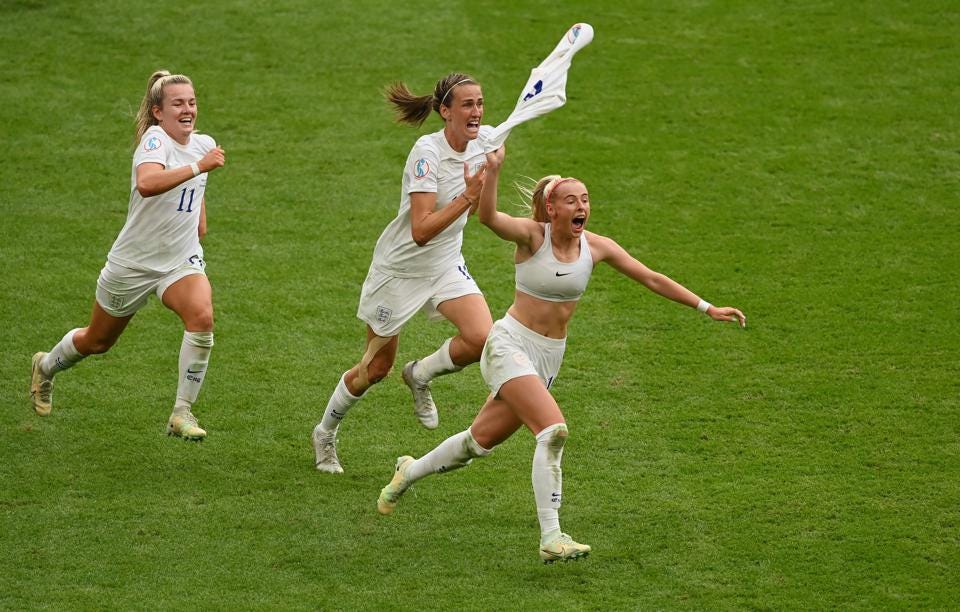
The final of the Women’s Euros was attended by 87,192 in a packed Wembley stadium, a record for both the women’s and men’s game.  

England won 2-1 over Germany, thanks to an extra-time winner. 

It’s England’s first major trophy in 56 years, with the tournament being a massive success story for the women’s game.  

I explore how this year’s Women’s Euros is a breakthrough moment.


How has the tournament done?

In the build-up to this tournament, there wasn’t much anticipation from the English public. The BBC asked the opinions of football fans about if they would watch the tournament. The responses showed an evident change from a lack of interest at the start of the tournament to  people fully invested in what was going on in the end. Larry Dickens, from Shropshire, said he never bothered to watch women’s football until the Euros. “It has been a breath of fresh air – tough, resilient and honest, superb footballers with excellent skills,” said Dickens. Tim Williamson is another women’s game converter, a 67-year-old Arsenal fan from north London. He said he never took women’s football seriously until the Euros competition. “To my wife’s anger, I found myself screaming and swearing at the set just like I do when Arsenal are playing,” said Williamson.

According to YouGov, 42% of people became interested in women’s sports after watching international events. Photo credit: Forbes.

In total, 574,875 people watched the tournament, more than twice the previous record. The attendance record was also broken at the opening game at Old Trafford, where 68,871 watched England beat Austria 1-0. Alex Scott, a pundit for BBC Sport and former Arsenal player, recalled when people said the women’s game couldn’t fill stadiums due to a lack of interest in the sport. “Back in 2018, we were begging people to host the Euros games in their stadiums. So many people said no. I hope they’re looking at themselves and thinking they weren’t brave enough.” The pundit continued to say that the women’s game is “gathering speed.” she said: “I’m not standing up at corporate events begging for them to get involved in the women’s game. If you’re not involved, you’ve missed the boat. You’ve missed the train, it’s finally left the station, it’s gathering speed.”

Shifting momentum for the women’s game 

This year’s women’s Euros had shifted the momentum for the game, which was gathering pace even before the tournament had begun. Year by year, turnouts to these games increased, television numbers rose, and issues surrounding the sport were broadcasted more and more. Many in the sport, like Uefa president Aleksander Ceferin, are labelling the Euros “a tournament for the ages.” The increased professionalism and participation are behind such a shift in attention, which was first sparked by the 2019 Women’s World cup in France. This tournament, in particular, allowed greater sponsorships, like broadcasting deals, which has enabled the sport to be broadcasted to audiences that would probably not encounter the women’s game. 

It is especially the case when you find out that 40% of sports fans report that a lack of media coverage is a crucial driver in not watching the women’s game. The good news is that there is a change in how we view the women’s game. According to YouGov, 42% of people became interested in women’s sports after watching international events. The main thing is to take this interest and generate this into long-term support for the game. It is about increasing investment into the game internationally, nationally, and locally. As Tracey Crouch has said, the game cannot endorse a “culture of dispensability and short-termism” and must look beyond the Euros. What is for sure is that this tournament has brought about a breakthrough moment, and it is time to use this breakthrough to generate long-term interest in the sport.                

Gen Z Leading The Sobriety Revolution

Reports suggest that Gen Z are more mindful of their lifestyle, going against the belief that young people like to live wild and free.

This mindfulness includes alcohol consumption, where Gen Z are the generation ditching booze and embracing sobriety.

In this article, I explore why and how this teetotal insurgence has occurred. 


Understanding the rise of sobriety in Gen Z

A report by Berenberg Research discovered that teens and those in their early 20s drank over 20% less per capita than millennials did at the same age. The same report also found that 64% of Gen Z were expected to drink less frequently when they grew older than other generations. Such statistics aren’t to show that Gen Z don’t like a drink or two, but it shows that there is a lot more mindfulness regarding the consumption of alcohol. Finding the core root to what is driving such sobriety is rather difficult. Many factors are involved in such a rise of teetotalism, including mindset changes to political, social and economic disturbances.  

Dr Nahid Dave from Thought Matters, a psychiatrist clinic, found that there has been this “awakening” from this generation to be healthier. She said: “they’re (Gen Z) realising that you don’t have to drink to face life’s ups and downs.” The days when millennials grew up with celebrities showcasing alcohol and going out has now been replaced by people speaking about mindfulness, gratitude journals and quoting “health is wealth.” It is especially the case when exploring the mindsets of Gen Z. A googlethink article discovered that 86% of Gen Z feel mental health is just as important a consideration as their physical health. It also found that 70% of the respondents consider binge drinking as a “very risky” activity, with 41% of them associating alcohol with “vulnerability,’ “anxiety,” and “abuse.”  

Data into the mindset of Gen Z has found that 70% of the respondents consider binge drinking as a “very risky” activity, with 41% of them associating alcohol with “vulnerability,’ “anxiety,” and “abuse.”  Image credit: Independent.  

Economic and political turbulences are worth noting, with rising inflation and living costs correlating with less spending on nights out. Not just that, but the dangers of drinking are more documented. These dangers include spiking and social media clips of drunken behaviour, which has, in turn, put off people from having a drink. Societal changes have occurred where the age of productivity is being prioritised over social outings. Research has found that 82% of young people said they would prioritise achieving higher grades or being successful in a career versus 68% of those who would prioritise being with friends. 

How will increasing sobriety affect the alcohol and hospitality industry?

This trend of abstinence from Gen Z has made the alcohol and hospitality industry rethink how they will promote their products and services. From 2006 to 2016, beer lost 10% of its market share to wine and hard liquor, indicating the need for such a rethink. Such a rethink of strategy by these alcohol companies can be seen by the emphasis on non-alcoholic drinks. Well-known beer companies have now spent 30% of their marketing budget on 0% beer, and this may likely stay the same or even increase in the coming years. It has also been promised that big alcohol brands will fill at least 20% of their global portfolio with non-alcoholic beer by 2025.

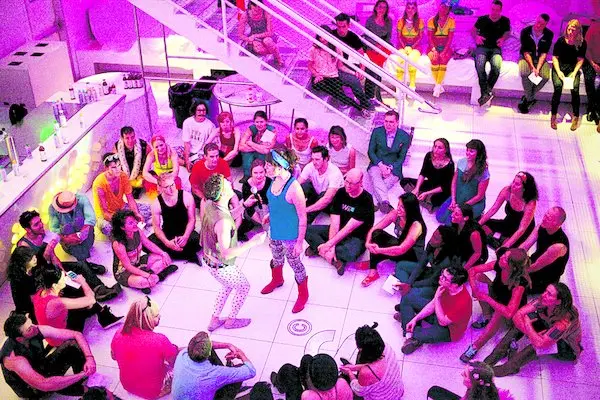
There is a rise in morning raves called Daybreakers, a morning dance community of 500,000+ members in 28 global cities that inspires humans to start their day by waking up and dancing in iconic spaces, sober, first thing in the morning. Image credit: The New York Times.

Bars and similar venues have also been impacted and have since tried to adapt. According to Buzztime Business, bars and pubs are offering fewer alcohol-themed activities and more unusual events due to such changes in drinking habits. These events include axe throwing, pub trivia, and DIY activities. A new movement called Daybreakers has also taken off. This recent activity is a morning dance community of 500,000+ members in 28 global cities that inspires humans to start their day by waking up and dancing in iconic spaces, sober, first thing in the morning. Mocktails are also rising in bars and pubs, and juice crawls are replacing pub crawls. 

The data and multiple studies show an evident change in young people’s drinking habits, especially Gen Z. 

This has impacted how society will operate regarding drinking and the respective industries involved in such a commodity. 

Where this sobriety revolution will take us will be fascinating for all observers involved. 

The Death of Instagram: How The App Is No Longer What It Was

Instagram has yet again released a new update, which many users have heavily scrutinised. One of its notable users, Kyle Jenner, has called on the media company to “make Instagram Instagram again.” Adam Mosseri, the head of the app, has defended the changes. Via a video statement, he said: “We’re going to continue to support photos, but I need to be honest: more and more of Instagram will become video over time.” From the constant updates and the app ditching its photo origins, Instagram is no longer what it was and is heading to the grave.

Why is Instagram changing?

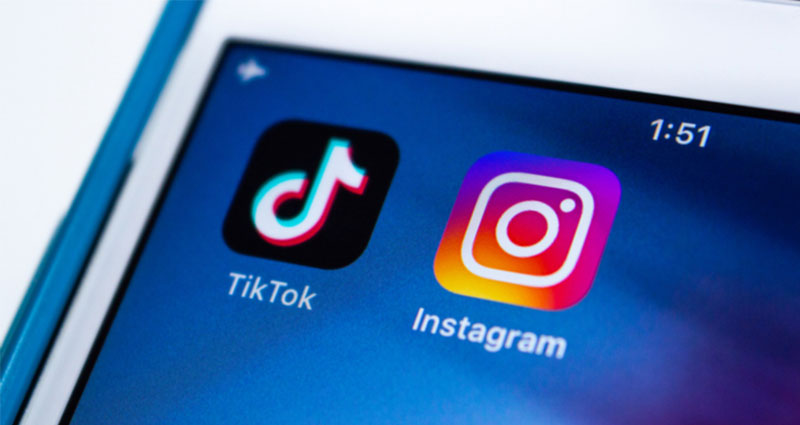
There is always a reason behind an app changing, and the main factor is the rise of TikTok. Although Instagram is the third most-visited social network in the UK, TikTok has taken the global number one spot in this category. The Chinese app has risen to fame due to its short-form video content, the virality of funny dances and its duet feature, which enables a video to be side by side with another creator on the app. Tik Tok is the fastest growing app in history and has shifted content from emphasising photos to short-form videos. Such growth from Tik Tok has made Instagram switch from a photo app to a more video-dominated app. Switches include algorithmic recommendations, allowing users to “remix” posts and promoting full-screen vertical video above photos. Instagram’s sister app Facebook has also changed to match Tik Tok by rebirthing the chronological feed and a newly algorithmic “home” tab.

Kylie Jenner, in her Instagram story, said: “Make Instagram Instagram again. (Stop trying to be TikTok I just want to see cute photos of my friends) sincerely, everyone.” Image credit: Influencer Matchmaker.

Such changes from such apps haven’t gone down well with their users. On her Instagram story, Jenner said: “Make Instagram Instagram again. (Stop trying to be TikTok I just want to see cute photos of my friends) sincerely, everyone.” It is not the first time the media personality has commented on a social media app. In 2018, she tweeted about if people use Snapchat anymore, which resulted in $1.3 billion being wiped off this app’s market cap. Could something similar happen with Instagram is still up in the air. Mossier has since defended Instagram’s direction change, including the platform’s “recommendations” feature. He said: “We’re going to need to evolve because the world is changing quickly, and we’re going to need to change with it.”

Competition has ruined social media apps!

Instagram has met its match through the emergence and the establishment of Tik Tok. The Chinese app has done wonders and has gripped many people away from other social media apps that we have used. From such a rise of this app, there was a clear decision to be made by Instagram: stay true to who they are or adapt to the times. Instagram chose the second option, which hasn’t worked well for them. A socioeconomic move called the race to the bottom, where you deregulate something to attract investment, helps create competition. More competition should equal entities trying to improve themselves. Yet, with Instagram, competition hasn’t done that. 

It shows that competition has done the opposite by ruining these social media apps to make them look like Russian dolls. The days when we could see a nice photo of your friend on holiday are no more. Instead, you get videos that lack originality and short dopamine rushes without remembering what you watched. It cheapens videos into something from Aldi rather than having videos that are Waitrose-like quality. This isn’t to bash companies that adapt to the time and want to innovate, as we should strive for that. Yet, it will never go down well when you innovate into something that is no longer what you are, who you are and where you came from. With Jenner making it clear where she stands, we might see Instagram rethinking what they are doing and switch to what it was: a photo app. We grew to love Instagram, but now we are growing to hate it.