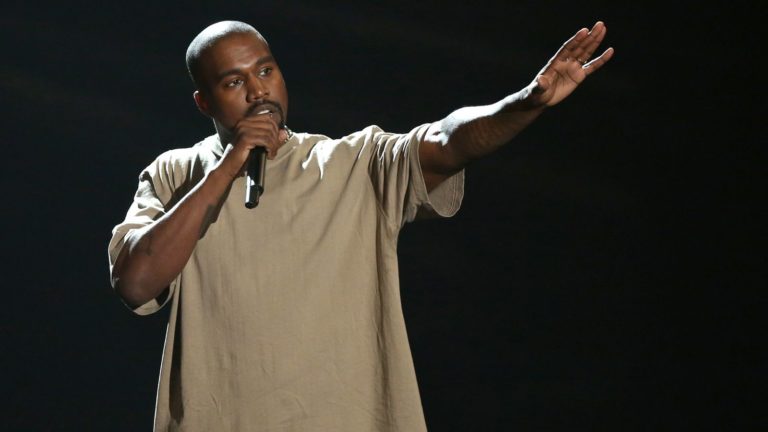
Kanye West became a certified billionaire a year ago – as did his soon-to-be ex-wife Kim Kardashian West.
Kanye West has become the richest black man in US history, with his net worth reported to have reached $6.6bn (£4.7bn).
The new total has been reported by Bloomberg and gives West a commanding lead over the likes of investor and businessman Robert F Smith and basketball legend Michael Jordan.
After claiming he was $53m (£38m) in debt just three years ago, the rapper and fashion tycoon became a certified billionaire last year with the help of his successful apparel and trainer brand, Yeezy, and a new multi-year contract with clothing retailer Gap.
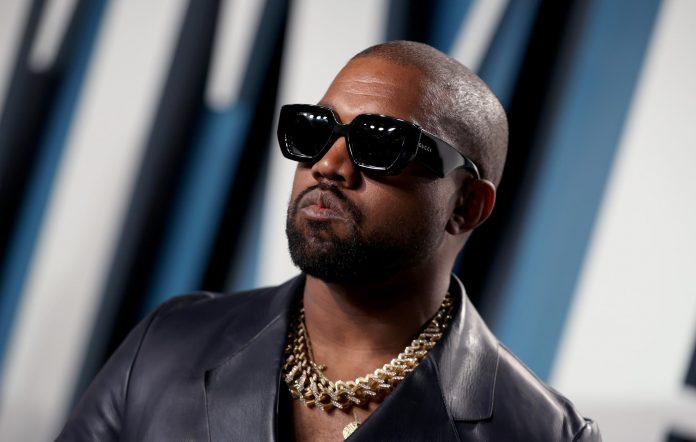
Kanye West is reportedly worth $6.6billion (Image: Getty Images for Fast Company)
The new number is a significant increase from the $1.3 billion Forbes reported that the Grammy award-winning rapper was worth back in April last year.
This is because his brand Yeezy has since signed a lucrative deal with Gap Inc and Adidas that’s set to be a huge profit for Kanye.
In fact, the value of the new Gap collaboration could be worth as much as $970 million, according to Bloomberg.
What’s more, Kanye has sole ownership and full creative control of Yeezy – something many designers and owners don’t have.
The final months before the Gap launch come amid a breakup with Kardashian, West’s spouse of six years, who filed for divorce in February. He’s now spending time between his Wyoming ranch and his atelier in Los Angeles, according to a person familiar with the matter. The Gap endeavor has already had its rocky moments, with West demanding a seat on the company’s board of directors and threatening to walk away from the deal in September.
Gap Chief Executive Officer Sonia Syngal said she spoke with West this month and assured analysts that he’s “very, very focused” on the new line. Few details have been released, though West has teased colorful hoodies and fleeces. Gap has described the collection as “modern, elevated basics.”
Under the terms of the agreement with Gap, West earns royalties on sales, and his rate increases as the business grows. Plus, he’ll get stock warrants as the line hits sales targets, with the highest set at $700 million, according to a securities filing.
Over the past week, social media has erupted with many discussions and solutions being proposed within the United Kingdom around gender violence since Sarah Everard’s death. The 33-year-old was kidnapped on her walk from Clapham to Brixton, and her body was found in Ashford Kent. Wayne Couzens, a Metropolitan police officer, has been arrested and charged in connection to the kidnapping and murder of Ms Everard and has already appeared in court.
The facts
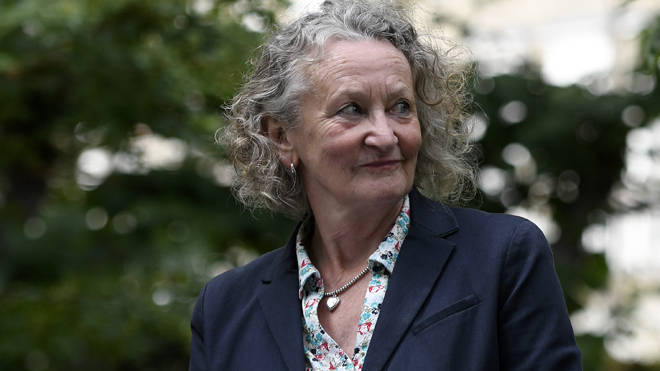
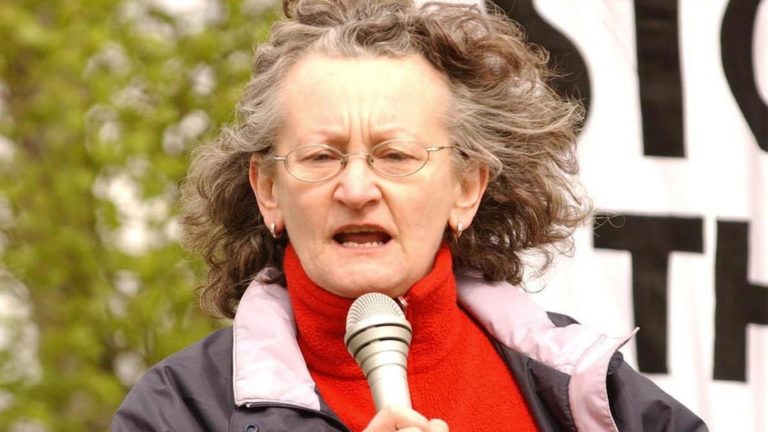
Since the tragic death of Sarah Everard, a 6 pm curfew for men was proposed by Baroness Jenny Jones in the House of Lords, and the proposal caused a massive stir within the country. The Green party member had to clarify that she was not serious about the request and had received dozens of misogynistic emails and tweets due to her proposal.
When she announced the proposal, the hashtag “Curfew For Men” started to trend on Twitter, and during that point, Television presenter, Davina McCall had an issue with the hashtag. The television presenter felt that the trend was excessive “fear-mongering”, and in her tweet, she said that “female abduction/murder is extremely rare”. She went on and suggested that “calling all men out as dangerous is bad for our sons, brothers, partners”. Since tweeting this post, she had to clarify her comments and felt that the “misinterpretation” of her post was “terrifying”.
Female abduction / murder is extremely rare. Yes we should all be vigilant when out alone. But this level of fear-mongering isn’t healthy. And men’s mental health is an issue as well. Calling all men out as dangerous is bad for our sons, brothers, partners.
To clarify.Any man that’s violent/coercive towards a woman is https://t.co/feKxTgfd22 for victim shaming.I am not.The misinterpretation of my post, by some,has been terrifying.Women should feel safe everywhere,all the time. Men should, and many do, help make this idea possible
Mark Deacon, a Tory councillor in Plymouth, was also another person who responded to the proposal and was against it. In response to the proposal, he posted a picture of himself dressed in women’s clothes on Facebook, and the post read: “If the Green Party and some Labour Party politicians get their way and impose this ridiculous 6 pm curfew on men, then I’m going to wear my dress more often.” Since the post, he has been ridiculed by many on social media has now been suspended over this post. He has also deleted the post and has apologised for his actions.
Hanna Bardell, an SNP Westminster frontbencher, was not against the proposal as many others had been. When speaking to the Sunday Times about this idea, she said that “we need to discuss all the options, even the ones that sound a bit wacky”. The First minster of Wales, Mark Drakeford, had not ruled the possibility of implementing such a curfew initially. However, days later, he backtracked on the proposal saying that the government would not be considering such a plan.
The 6 pm curfew has sparked a conversation around addressing violence towards women, and that is for sure.
We have seen many agreeing and disagreeing with Jenny’s proposal, but the question is, how helpful or beneficial has this conversation been?
Let’s see what our journalists think.
"If it's okay for women, then why isn't it okay for men?"
It is safe to say that the 6 pm curfew proposal has caused a commotion, but it was needed. For far too long, violence against women and women’s experiences, in general, have been brushed under the carpet. The reaction to the 6 pm proposal was as if people in this country had cold water thrown at them, specifically by Jenny Jones. Unsurprisingly, people were shocked that she would do or propose such a policy. But as wacky or as cold as this proposal may be, it has made us realise how serious this issue is and it has started a conversation, which we desperately needed.
Sometimes you need bold and divisive language to get a tough conversation going, and violence against women is one of those conversations. Of course, some people have misinterpreted the last few days, such as tweeting the hashtag NotAllMen and people furiously typing away on Twitter about their dismay over this proposal. Not only does this show a complete lack of self-awareness by these sets of people, but it also shows how far people are in understanding the issue.
Yet, we cannot rule out that a conversation has started, even if Jenny Jones was not serious about this proposal. One hopes that this wacky proposal can kickstart a change on this issue and for people to start realising that this is a severe issue. Women are not saying that all men are a danger to them, but a considerable number of men out there can be a threat to their lives. All of this is backed up by statistics, and for far too long, we have normalised these statistics. We, as a society, can only hope that this 6 pm proposal is the turning point in this discussion, rather than the detriment of it.
In a time where the news cycle moves at dizzying speed, cutting through the noise has become an art form. The proposal to ‘Ban All Men after 6 pm’ which Baroness Jenny Jones, has since defended on Jeremy Vine, seems like something from the playbook of infamous right-wing provocateur Milo Yannalpouls.
Long before this particular cultural moment, Mr Yannalpouls traded in absurdity and shock value. This strategy worked in part because it made him famous, however after the dust settles, the question we really have to contend with is whether this strategy helped the conversation and pushed the needle forward. Did it advance any credible solutions?
In the case of Yannalpouls, it’s a resounding no. He has become a pop-cultural figure of dissent, often caricatured but never really understood, a poster boy for the meme zeitgeist we find ourselves in. A generation obsessed with slogans instead of solutions, and Giffs rather than engaging with the nuance.
The proposal by Baroness Jenny Jones may indeed succeed in getting more people talking. However, this is a very low bar. Bad weather gets people in the UK Talking. The question must be asked about the nature of the conversations we are having. Is it helpful in generating solutions and possible policy? It is a disservice to women when we make the issue of their safety a partisan debate with men arguing from fear too.
The proposal coalesces people on different sides. It encourages people to dig their heels further into their ideological trenches. Rather than simple and shallow, ‘men vs women’ debates, we need all people pulling in the same direction. We need solutions, ideas and we need nuance.
Content Warning: This article contains reference to sexual violence and the murder of Sarah Everard
Green Party member Baroness Jenny Jones argued last week in the House of Lords that introducing a curfew for men would “make women a lot safer”.
“In the week that Sarah Everard was abducted and, we suppose, killed—because remains have been found in a woodland in Kent—I argue that, at the next opportunity for any Bill that is appropriate, I might put in an amendment to create a curfew for men on the streets after 6pm.I feel this would make women a lot safer, and discrimination of all kinds would be lessened.”
This was following the then suspected kidnapping and now confirmed murder of Sarah Everard. The disappearance of the 33-year-old as she walked home in South London last week opened up conversations around women’s safety. While some people gave out advice to women which had undertones of victim blaming, thousands of women took to social media to describe how sexual harassment from men happened on a daily basis.
what are we supposed to do? never leave our houses? A woman living her life and walking from A to B vanishes and your first thought is that she shouldn't be in a public space. I really hope she is found safe soon.
The suggestion of a curfew drew mixed responses with Nigel Farage describing the idea of a curfew as a left being ‘deranged’. The Welsh first Minister confirmed that the curfew was NOT something that was being discussed let alone being implemented.
We are NOT introducing a curfew for men in Wales – or even considering it. This is misleading and deliberately misses the real issue.
It’s a sad distraction when what’s needed is a proper discussion about women’s safety and why a woman is killed every 3 days by a man in the UK.
While I understand the sentiment behind imposing a curfew on men, I do not agree with it. In a society where a woman is killed by a man every three days and many other women are made to feel uncomfortable on the streets, to some it feels like there is no other option but to impose a curfew. When talking about (sexual) violence against women, conversations often centre the responsibility of women – why didn’t she walk on the main road, why was she wearing that, why was she out so late? Many women have set their own personal curfew already and they’re not responsible for the actions of men so surely it should be the main perpetrators who deal with restrictions instead.
Despite understanding the sentiment behind this, I think it is unfair to limit men with good intentions from being out after 6pm. Not all men should be punished for the actions of a few. For me, the presence of lots of people on the streets when it is late is a comfort. Having no men at all would reduce how safe I felt.
I also question how effective a curfew would be. Practically it is very difficult to enforce and if a man wants to break the curfew to commit a crime against a woman – he will. Plenty of crimes against women have been committed in broad daylight so I do not think a curfew is the answer.
Generally, I there needs to be a whole rewiring of society and the way people think. We need to get rid of the ‘boys will be boys’ mentality and call-out behaviours such as cat-calling and whistling. Some men are so entitled to do these things and often get away with it, leading them to do more serious things. For this shift in mentality to occur, there definitely needs to be education in school about these issues and women need men as allies to condone the bad behaviours of other men.
The anger at a suggestion that there should be a curfew for men should also be directed at those that tell women not to leave the house at night. The fact of the matter is that women have been self-imposing curfews, checking on each other, carrying make-shift weapons when walking alone for decades. When Baroness Jones was asked if a curfew for men would be imposing on men what women have to face she replied: “That’s my exact point, in fact nobody makes a fuss when, for example, the police suggest women stay home. But when I suggest it, men are up in arms.”
My argument for a curfew however, isn’t based on tit-for-tat. It is simple. If men cannot be responsible with their bodies, if they cannot control themselves, if they continue to insist on invading women’s space, respect and bodies then a curfew is the next logical step. I fully understand that it is not every man, but rape culture and misogyny (which are part of the same problem here) are perpetuated by most men. Rape culture is men allowing and laughing at rape jokes, rape culture is men catcalling women or not saying anything when their friends do, rape culture is not just about rape, but about the culture that allows men (not only men and not all men) to think its ok to sexually harrass or assault women. Instead of men being angry at the potential idea of a curfew, perhaps men should be angry at the men that sexually harass and assault, perhaps they should step in more when they see a woman being harassed, or call their friends in when rape jokes are being made.
I don’t know if a curfew will actually work, its not like the law has sopped women from being assaulted or killed on the streets by men. I don’t think men being at home will make women any safer, we already know that women are far more likely to be killed by a partner than a stranger with one in three women in the UK experiencing domestic abuse in her lifetime. What I do know is that nothing else is working.
Until men call other men in to stop them from harassing and assaulting women, women will continually be in danger from them. If a curfew is the only other option, then a curfew it is.
Debate was sparked in recent weeks about whether or not European football is at risk of losing some of their best players to other national teams.
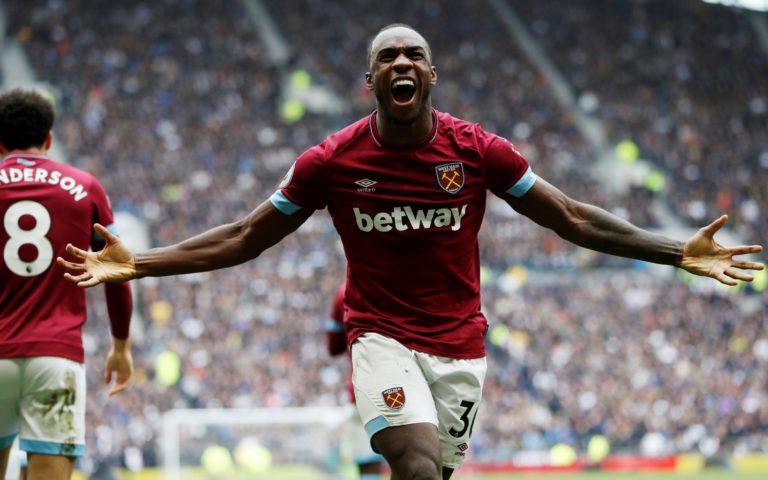
It comes after West Ham manager David Moyes commented on striker Michail Antonio, urging him to “not give up hope” of an England call-up, amidst the Jamaican national team being interested in his services.
Moyes, 57, said, “I am still holding out he has a chance to get picked for England. I wouldn’t say no to Jamaica but I haven’t spoken to him about it.
“If Mick can score another half dozen before the end of the season in the big games and help West Ham finish near the top of the league it is not to say that Gareth won’t look at him and say ‘hey he could give us something different in the Euros.”
🗣 "I'm still holding out he'll continue playing for England, may have a chance of getting selected."
David Moyes on Michail Antonio potentially deciding to play for Jamaica over England pic.twitter.com/0Ll61S6L7M
David Moyes wants Michail Antonio to play for England.
Antonio, 30, is one of many high profile players who is reportedly in the process of obtaining a Jamaican passport.
The list of players who are considering switching allegiances from England to Jamaica to help them qualify for the 2022 World Cup includes, Everton’s Mason Holgate, Southampton’s Nathan Redmond, Bayer Leverkusen’s Demarai Gray and more.
Elsewhere, Manchester United’s starting right back Aaron Wan-Bissaka is toying with the idea of playing for his native DR Congo.
Everton forward Alex Iwobi has already chose to represent Nigeria at international level.
He made his debut with the Super Eagles in October 2015, and travelled with them to the 2018 World Cup (scoring against Zambia in the qualifiers) and two editions of the Africa Cup of Nations.
Alex Iwobi scores for Nigeria against England in a 2-1 loss for the Super Eagles. (goal at 5:35) (Video credit: England national team)
Many people think this is a question of race and ethnicity. As society becomes more egalitarian, many people who are of an ethnic minority are trying to get back to their roots and relate to their country of origin.
Several conversations and debates about race and ethnicity are being had in recent times, amidst an ever-growing political tension in regards to the topic. However, it is entirely possible that players simply see national teams as ‘clubs’, but on an international stage.
The competition for international places is as fierce and unforgiving. If a player feels as if they aren’t wanted or needed for a country, then it would be in the best interest of their careers to look elsewhere.
Uruguay’s Luis Suarez single-handedly destroyed Ghana’s dream of becoming the first-ever African team to reach the semi-finals of the World Cup. Video credit: FIFATV
It’s simply a business move in some cases, and not due to any sort of personal feelings towards or against a particular country. Why spend time waiting to make a name for yourself at international level with one country when another would be happy to have you?
‘Smaller’ countries could use this as an opportunity to try and pry eligible players away from Europe. It would certainly improve the quality of the game, as so-called ‘bigger’ countries would no longer have a monopoly on the best talent and therefore would not be able to take them for granted.
The leverage that certain countries currently have would slowly disappear. This would be interesting to see, as the neglected countries would gradually provide more legitimate competition for the more established countries, as well as improve the quality of their own continental tournaments.
It would be unthinkable in today’s game, but exciting to dream about. Jamaica vs Portugal. Senegal vs England. Ukraine vs France. North Macedonia vs Portugal. Ghana vs Argentina.
A dream today, a reality tomorrow.
In short, yes and long may it continue. Too often European nations like England and France have benefited from their colonial connections back to Africa and the Caribbean, which does not just have political implications, but sport-related too.
For many years Europe has appeared as the holy grail to the creme of the crop for young talents trying to make it from the likes of Senegal or Ivory Coast trying to make it to Clairefontaine.
One of the many reasons why France’s 2018 win was dubbed as ‘Africa’s World Cup’ by some journalists outside of Africa and was supported by other known figures including Trevor Noah, despite it being in jest a lot of French people took offence to it.
Where are we now?
Fast forward to today, we see multiple players having Jamaican citizenship acquired for them including Mikhail Antonio, more young English players moving abroad for game time and youngsters like Jamal Musiala rejecting England.
Less than three months away from the Euros opening, Gareth Southgate had an additional year to mull over decisions.
But equally, more players have been able to stake their claim, including Phil Foden, Mason Mount and maybe even Jadon Sancho all but cementing their places.
However, with few standout players and the selection dilemma ahead of next year, stalwarts like Kyle Walker risk losing out.
The Three Lions have a huge number of potential players who will miss out on both tournaments. If we’re being honest as well, the way English caps have been rendered meaningless over the past decade based on the players who have gained them over the years.
The future
What I’d love to see, is more players who are eligible for African and Caribbean nations, declaring for said teams, building those football-mad countries up, which post-retirement could lead to them taking on more executive roles.
In the long-term leading to a game of global competitiveness, not just a European/South American divide as has been since the inception of the World Cup.
Here’s to a globally competitive game and the ending of the European/South American duopoly…
Non-fungible tokens, known as NFTs, are the new investment craze. They have recently dominated the cryptocurrency and blockchain conversations. It remains to be seen whether they are a passing fad or if they will stand the test of time.
The Facts
While they are not a new concept – having been around for 10 years or so – NFTs have taken centre stage in the cryptocurrency conversations.
Described by Bloombergas: “a unique, irreplaceable identifier created by an algorithm: A distinct barcode for a digital piece of art or collectible. It’s a solution of sorts to a problem that’s long faced digital artists: how to create scarcity for an item that can be infinitely reproduced.”
The NFT craze has taken a new turn following the sale of a piece of digital art – by Christies for a whooping $69 million – a first. The art piece – Everydays: the first 5,000 Days – was created by artist Beeple, while the buyer has been kept anonymous.
While NFTs seem to be gaining legitimacy, there are questions around whether they’re merely part of “bubble” or will remain for the long term.
With Christie’s offering NFT digital art and the Beeple piece “Everyday: The First 5,000 Days” going for $69 million, this brings to mind the California Estate sold for $1.6 million or 2,739 Bitcoins in 2014. At the time of writing, these coins are now worth north of $160 million. At the time, three of Montenegro’s most luxurious apartments also sold for 420 Bitcoin – worth $3.2 million at the time. Whenever these kinds of transactions happen on such a prominent scale, we ought to realise we are in the middle of a paradigm shift.
I first noted NFTs with a cryptocurrency Po.et in 2017 that timestamped information about creative content on the blockchain to submit and verify claims. For example: we wouldn’t need to lose 8 years over whether Pharrell Williams broke Marvin Gaye’s Estate’s copyright over Blurred Lines (2013) IP theft. This drawn-out infringement case has stumped artists, stifling their creative work for fear of dispute for having similar ‘vibes’ to another song, i.e. all music builds on the past. The stalemate was obtrusive and NFTs or Nifty’s may hold the answer.
Verification of content ownership plagues creative and regular industries alike: pinterest images not attributed, domain names with registrar intermediaries like GoDaddy bulk buying expired names rising costs, high-end fashion with truckloads of fakes, game hacks where online assets later emerge untraceable, and so on.
From the Blockchain’s answer to medical record management, monitoring supply chains, to voter fraud; NFTs are the market’s answer to copyright and royalty protection, and may yet usher in a new era of innovation.
Source: PMF Research
Scannable garments from smartphone apps will become the norm in the high snobiety, relegating the wannabes and fake-it-til-you-make-it sorts. In this new order you could see what their outfit is actually worth, where it is from, and of course authenticity or otherwise. Given that the luxury goods market is worth some £200 billion, it will be a price worth paying.
I have been cynical about the implications for the online gaming world, until now. With Virtual Reality and Augmented Reality, people integrate the virtual into their real lives. Demand for a deeper more interactive experience requires a greater need to define and authenticate ownership in VR worlds because players will be more attached to their belongings. Online gaming currencies are nothing new, and with trends turning to fads, they fall out of fashion and value. In a future where millions if not billions play a “Ready Player One” online reality with a lottery sized cash prize, we could get there as soon as the technology is available to the multitudes.
From the Blockchain’s answer to medical record management, monitoring supply chains, to voter fraud; NFTs are the market’s answer to copyright and royalty protection, and may yet usher in a new era of innovation.
NFTs are the latest ground-breaking currency that will revolutionise how we own and trade assets in the digital space. This cryptographic token will create new revenue streams for users in various industries such as gaming. Currently, gamers cannot trade in-game items with other users and make money out of trading these items on popular gaming titles. But thanks to NFTs, gamers can exchange these items between different users more easily and if they wanted to make a living.
The benefits of NFTs are not just exclusive to the gaming industry. Digital content creators will not have to worry about copyright because NFTs makes sure there is no copyright infringements, theft or counterfeits of a particular asset. Plus, artists themselves can earn more money using NFTs over other traditional methods. These tokens remove the middle person trying to get more of the pie, providing many benefits to various online creators.
CNBC Report
However, with anything new, there are always question marks. These tokens are unique and are still a working process, and further to this, trying to build infrastructure to use these tokens can be very tricky and time-consuming. NFTs are also very complicated for those with zero experience in blockchain, and figuring out all of the different standards that NFTs use will get your head in a spin. Not only that, but those who want to make a quick buck using NFTs can make the market very unstable, meaning there is a higher chance of the market collapsing and for users to make a loss while trading with these tokens.
Yet, despite all of this, there is a genuine interest in these tokens from various people and companies.
The question is when we will be switching to these tokens? Not if.
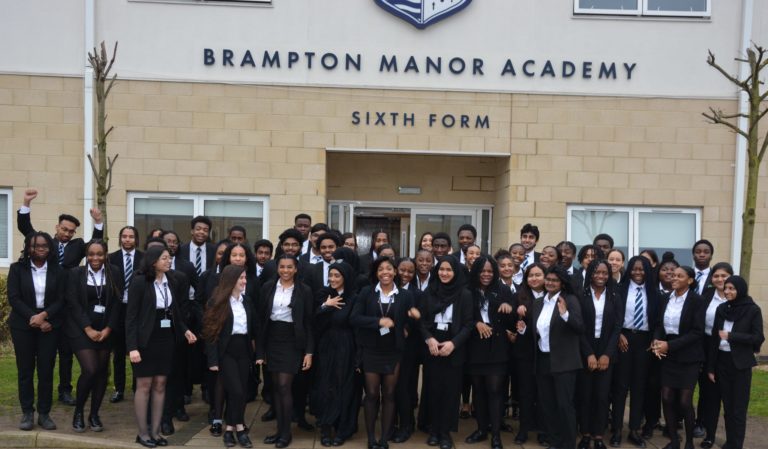
An outstanding east London state school, Brampton Manor has overtaken Eton College and other top private schools in the fierce competition for Oxbridge offers.
Brampton Manor, an academy in Newham, announced yesterday that 55 of its pupils had received conditional offers to study at Oxford and Cambridge.
Brampton Manor said on Twitter: ‘Despite the Covid pandemic, a record number of students have shown resilience and determination to secure offers from two of the most prestigious universities in the world.’
The Newham school set up its sixth form in 2012 in the hope of getting more disadvantaged pupils into leading institutions.
Delighted to announce that a record 55 students have received conditional offers to study at Oxford and Cambridge universities in Autumn 2021. Massive congrats to our highly motivated, ambitious and capable students. pic.twitter.com/MGpbdMKgvo
The Academy is well known for its social media posts as well as its academic success. Around results day, social media is flooded with positive images of the students holding their results and smiling. They have tons of posts on Twitter. Each of the posts celebrates their grades, what subject they will be studying at university and where. The students often gain places at a number of prestigious UK institutions, from Oxford and Cambridge to Imperial, Bristol and Durham.
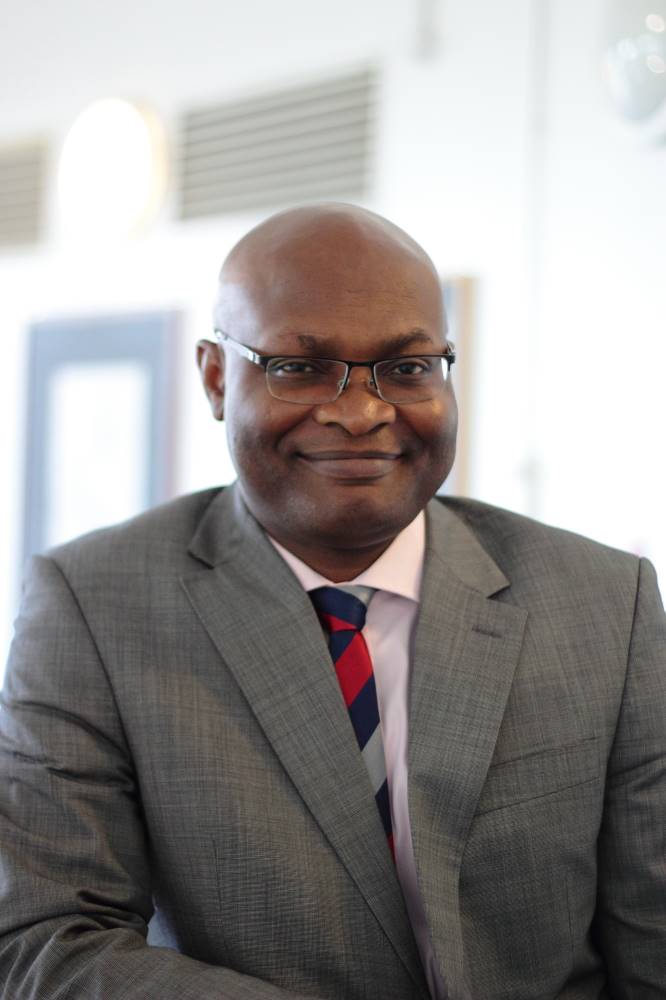
The school is based in East Ham and is headed up by executive principal Dr Dayo Olukoshi, who was awarded an OBE in 2015 for his services to education. Twice over, the school has been rated outstanding by Ofsted, achieving an outstanding in all areas both in 2015 and 2018.
From 2015 to this year, state school intake has gone up from 62.3 per cent to 70 per cent at Cambridge and from 55.6 per cent to 68.7 per cent at Oxford.
Meanwhile, Eton has been forced to defend its performance.
In a letter to disappointed parents, deputy head Tom Hawkins wrote: ‘Each year we see very strong Etonian applicants disappointed, and unfortunately there have been more boys in this position this year.’
Newham is one of the most deprived London boroughs with more than half of its children (52 per cent) deemed to be living in poverty, according to the charity Trust For London.
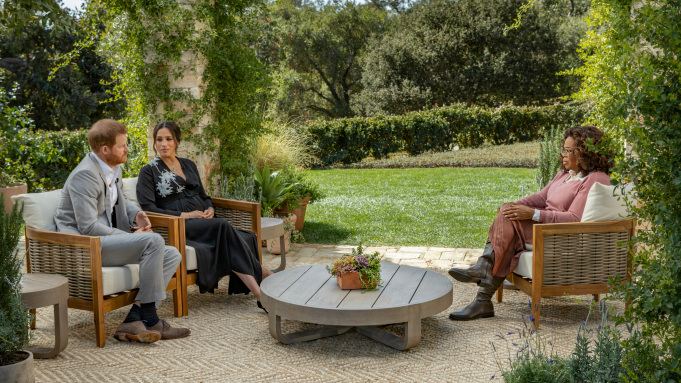
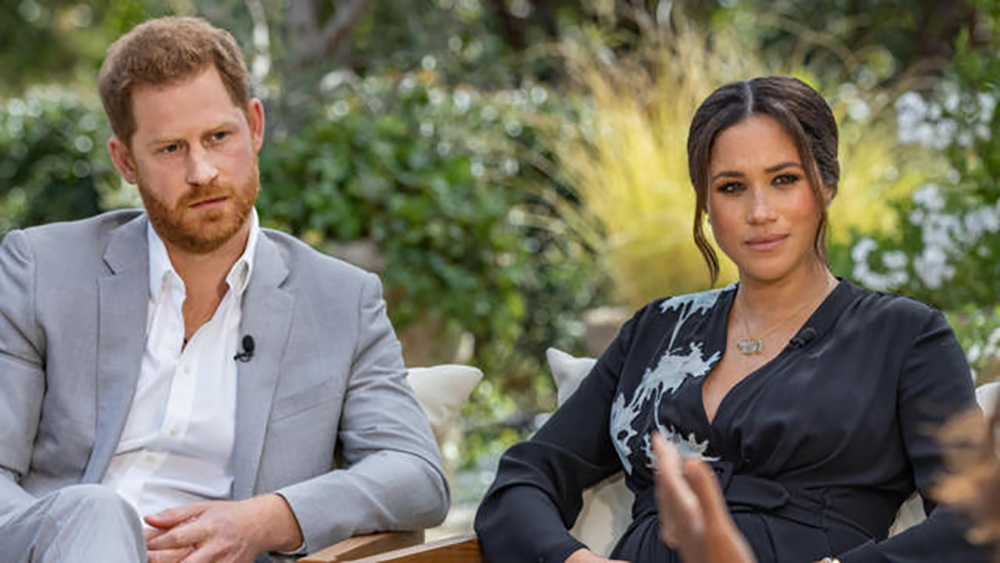
Prince Harry and Meghan Markle’s interview has been the talk globally since its debut Sunday. It was well anticipated and I think it’s safe to say it delivered. The interview did not say anything that many people in America did not already know. It might have been shocking to some people who thought of the Royal Family as this untouchable force in the Western World. Still, the interview revealed a lot without being too damaging towards the Institution as a whole. Here are some of the takeaways.
Never go into a situation naively
It would be an understatement that both Harry and Meghan went into the situation rather naively. Meghan, in the interview, mentioned that she did not do any research beforehand on her new family or, at the bare minimum, how the palace operated. Americans tend to live in a bubble. Yes, they know about things outside America, but truly live a sense of optimism that is not always displayed outside of America. One does not truly know how the Royal Institution operates. Nonetheless, one can get a sense of ideas from doing some background research independently, especially since her new life was a stark contrast from the life she had in America.
Moreover, Harry truly did not know about the life he was born into until he saw how it affected his wife. While he knew it would be difficult, he thought he would be protected at a minimum, but that was not at all the case. Once he drew his line, the Palace drew theres, and to say he was dumbfounded is an understatement. Harry thought he would be afforded the luxuries that came from being part of the palace and not be in the palace, which was quite eye-opening.
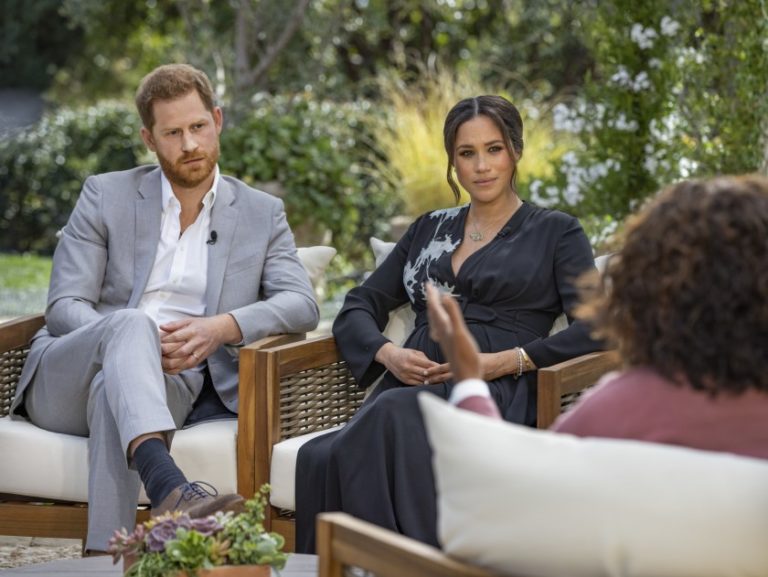
Courtesy of Harpo Productions/Joe Pugliese “Oprah with Meghan and Harry: A CBS Primetime Special” – Pictured: Prince Harry and Meghan, The Duke and Duchess of Sussex with Oprah Winfrey. Featuring Oprah Winfrey as she sits down with Prince Harry and Meghan, The Duke and Duchess of Sussex, will be broadcast as a two-hour exclusive primetime special on Sunday, March 7 from 8:00-10:00 PM, ET/PT on the CBS Television Network. Photo Credit: Harpo Productions/ Photographer: Joe Pugliese.
Nonverbals are Verbals
Rightfully, the two could not go into gritty details about the Royal Family and the overall Institution; however, it was the words you could not hear that made the interview more telling. It was apparent that Meghan and Harry were bothered by how the entire situation played out. There was great sorrow in their deposition. While they had each other to lean and support this decision, one could tell that they are also grieving this decision. They never wanted things to get this far, and Meghan genuinely feels sorry for how things played out. There was a sense of hesitation before answering certain questions, such as questions surrounding the darkness of Archie’s skin color or Meghan’s mental health. Their answers were truthful but carefully articulated so as to not totally decimate the Royal Family. Once Harry came on set, you can tell both of them felt more confident. They held hands tightly in support of one another. They did not have to tell their story alone, and you saw a sense of relief in that, despite the clear pain that showed in their face from telling their truth.
CBS
Women of Colour and the Standard
Society holds women of colour to a higher standard than it does anybody else. This bigger issue is even n bigger than Meghan Markle. It’s about how women of colour are portrayed in the media. It was evident that she was made public enemy number one while the tabloids were not nearly as brutal as they were to Kate. Yes, progress has been made regarding race. Nevertheless, women of colour are still depicted negatively in institutions and not protected at the same rate as white women. All Meghan asked for the same protections afforded to other royals, and she was not given that. They wanted Meghan to fail because she did not fit the standard of their Royalty, and when she did not fail, they sought to destroy her in another way.
The interview was more than two privileged ex-royals whining about their life and how they choose exile. They wanted to feel supported and loved by their family. The sense of wanting to feel protected from your family or the institution that one was born into is not asking too much. At the end of the day, they did what was best for their family and told their truth in their own way.
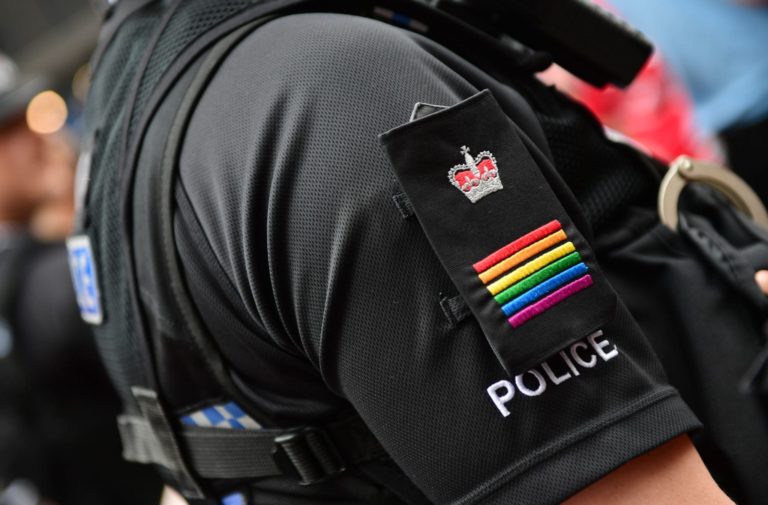
Pride in London, the organisation that heads up the yearly Pride Parade and wrap around activity has rejected the calls to ban the police from marching at the annual parade.
Following on from a twitter campaign highlighting the examples of institutional racism from and within the London Metropolitan Police, the board members had been considering preventing them from participating in the Pride in London events. The Black Lives Matter Protests in the summer of last year forced the organisation to speak out more against discrimination faced by ethnic minorities within the LGBT+ communities.
Pride in London has voted against a motion to ban the Metropolitan police from taking part in the procession at the annual parade following pleas from the commissioner to allow her officers to be able to march. Do you think police officers should take part in parades? #Politics
In the run up to the vote by the board Cressida Dick, Metropolitan Police Commissioner wrote:
“For us, Pride in London is something we have been proud to be at the centre of. It is a celebration of our own LGBTQ+ officers and staff, colleagues and friends, and an important moment in our calendar.
“I understand that much of the discussion you have had with my colleagues has been focused on the Met’s relationship with London’s black communities. As commissioner, I have two key priorities for the MPS: bearing down on violence, and increasing public confidence in the Met, particularly the confidence of black communities. These have been my core areas of focus since the start of my commissionership, and they remain so.”
History lesson! Many people have heard of the Stonewall riots, uprising, or rebellion. In response to a police raid, members of the LGBTQ+ community– led by trans women of color– rioted in the early hours of June 28, 1969. Sometimes, Stonewall is referred to as the first Pride.
Pride in London also spoke with the Greater London Authority and the Sadiq Khan’s office on the issue.
A spokesperson for Pride in London said: “The results of our discussions with communities were mixed. Many were clear that exclusion would be the best way to show solidarity. Others felt that exclusion of LGBT+ people from Pride did not align with the inclusive nature and values of Pride and also gives rightwing and racist groups an unwelcome platform, centring on the decision made and ‘Pride’s response’, rather than the lives and lived experiences of, in particular, Black people.
“We have concluded that, for now, it is better to work in an inclusive process with the MPS to bring the wider LGBT+ communities together, to raise, discuss, and address concerns and to work towards bringing about the institutional and systemic change that is required to ensure that policing in our great city is equitable.”
History lesson! Many people have heard of the Stonewall riots, uprising, or rebellion. In response to a police raid, members of the LGBTQ+ community– led by trans women of color– rioted in the early hours of June 28, 1969. Sometimes, Stonewall is referred to as the first Pride.
Many Pride organisations across the world have already banned uniformed police officers from taking part in parade, from Wisconsin, US, to Toronto, Canada. The behaviour of the police forces towards people of colour, trans people and even historic discrimination against LGBT people has often been cited as reasons for not allowing the institution to have a presence on the parade itself.
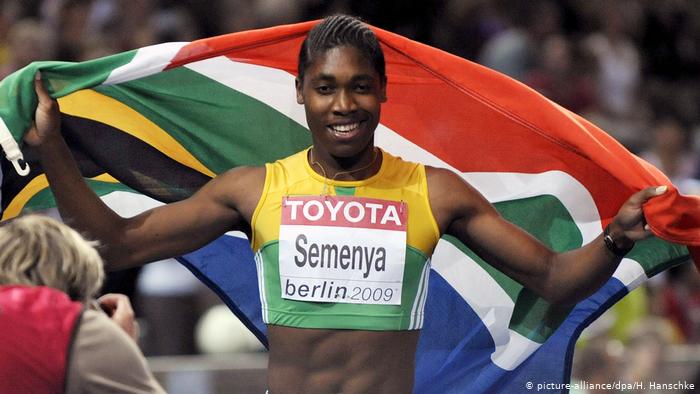
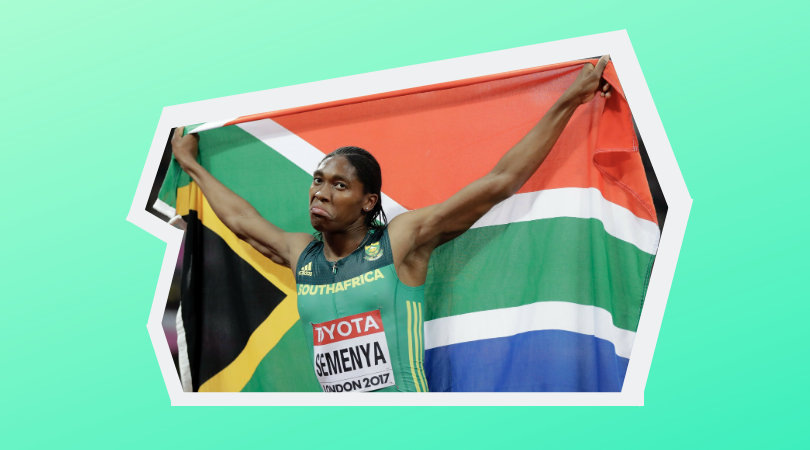
Olympic 800m champion Caster Semenya will appeal to the European Court of Human Rights against the restriction of testosterone levels in female runners.
Following a 2019 rule change by governing body World Athletics (formerly IAAF), Semenya is not allowed to compete in events between 400m and a mile without taking testosterone-reducing drugs.
last year in September she lost an appeal to Switzerland’s Federal Supreme Court.
The 30-year-old Athlete will launch the appeal with hopes of defending her Olympic title in Tokyo this year.
“All we ask is to be allowed to run free, for once and for all, as the strong and fearless women we are and have always been,” she said.
Her lawyers will argue Switzerland failed in its obligations to protect against the violation of her rights.
Athletics’ governing body brought in a rule that athletes with differences of sexual development (DSD) must either take medication in order to compete in track events from 400m to the mile, or change to another distance.
Athletes with DSD have higher levels of natural testosterone, which World Athletics believes gives them a competitive advantage.
The Swiss Supreme Court then temporarily suspended the ruling, before later reversing its decision.
When did it all begin?
If you’re asking yourself “what’s so sinister about this?” in regards to the ruling and Caster Semenya.
It only applies to athletes competing over the events between 400m and 1 mile, the South African athlete’s specialty.
Certain things that have not helped, especially in the 2016 Olympics where Lynsey Sharp was interviewed by Phil Jones and his articulation throughout his interview pushed the agenda of it being a two-tiered race due to the rules at the time which allowed Semenya to compete.
Semenya will appeal to the European Court of Human Rights against the restriction of testosterone levels in female runners
It has gotten so toxic now, you may as well change the meaning or IAAF from International Association of Athletics Federations to Intentional Assault on Athletes who are Female (fortunately for them, they had already rebranded to World Athletics).
A burgeoning career has been littered with legal battles, hormonal issues which has spanned over three separate decades now, is it really about competitive equity?
At this point, a spade has to be called a spade, this is harassment from the global governing body IAAF. From the South African bursting onto the scene in 2009, there have been constant attempts to change rules that would (whether they want to believe it or not) be discriminatory to the rising star of women’s middle-distance running.
Having failed in her attempt in the Court of Arbitration of Sport, the last chance she has of defending her title without hormonal modification is the European Court of Human Rights. But, should she even be here? Is she not female, why is she not being allowed to freely run?
Sexism at its finest
As with all agendas that are in the air, it has a long runway, but this one has been in the air for a while (12 years to be exact).
Biological anomalies are revered if they’re present with male athletes (insert Michael Phelps). Yet a female athlete will have their careers ravaged if they naturally develop a physical ‘edge’.
This has been so prevalent in sport that a report was produced with recommendations on how to address it due to the ‘sex’ tests turning into a human rights issue.
In essence, Caster is the latest in a list of athletes who over the years have been denied access to their chosen career path due to high testosterone levels.
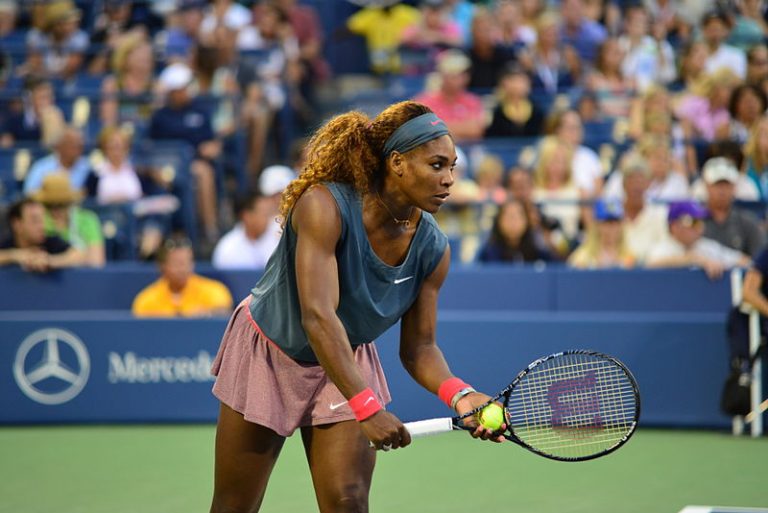
Williams holds the most Grand Slam titles in singles, doubles, and mixed doubles combined among active players.
Her 39 Grand Slam titles put her joint-third on the all-time list and second in the Open Era.
Despite not announcing her retirement, the word was on the lips or rather fingertips of fans and critics alike for Serena.
Many were ready to crown 23-year-old Naomi Osaka as the new Queen of the court and saw her latest bout with Williams as the proverbial passing of the torch.
Williams hasn’t indicated that she plans on slowing up any time soon, but the latest reaction to the press conference poses the question if she is given the respect her career deserves?
Like millions around the world, when Grand Slam season approaches, my twitter account doubles as a Williams’ super-fan account.
I, like many, grew up in an era where Serena Williams was as much a tennis player as she was a metaphor for sporting prowess, dominance, skill, tenacity and winning.
However despite this, there is still one record that eludes Serena. Grand slams won, which is still held by Margaret Court
It’s worth noting that, for many, Serena is already regarded as the best player of all time, defying critics as her incredibly successful career continues to flourish in its fourth decade (she turned pro in 1995).
Margaret Court, the woman who currently holds the record for Grand Slam titles, won most of them at the Australian Open (11) at a time when professional players rarely entered the draw.
Serena already holds more Grand Slam titles than any other player — including men — since the inception of the Open Era.
Many want Serena to break this final record because it would be the perfect way to end a history shattering career however during the Australian open, we were all forced to grapple with the sobering reality that this may not happen.
Naomi Osaka who went on to win the tournament outplayed Serena, doing something we have become accustomed to seeing Serena do to other women on the tour.
Williams lost to Naomi Osaka (pictured), 6-3, 6-4, in an Australian Open semifinal, committing 24 errors.
Sport analyst Stephen A. Smith has suggested that the young Japanese Naomi Osaka may be one of the reasons for Williams’ retirement.
During an interview he explained: “The bill came up altogether. She lost and the specter of retirement has become overwhelmed with physical problems and age. But there is always the side of the personality that says to try again, only one is missing.”
I hope this is happening to Serena. But I believe that the tears in the press conference after the lost semi-final are due to a wall that she sees in front of her.
This wall is called Naomi Osaka and it looks pretty immovable at the moment.
With a career spanning over twenty years and 23 Grand Slam titles, it is safe to say Serena Williams is one of the greatest athletes of all time.
However, she doesn’t get the respect that she deserves. To say that she gets valued as many other athletes is not true.
It can be argued that Naomi Osaka outplayed her and that much is true; however, the comparison between iconic athletes being outplayed is extremely different than when they talk about Serena’s skills.
For example, during the Australian Open, commentator Chris Evert counted Serena Williams out before the Open began. Williams made it to the Semi-Finals, which was a lot further than most people counted her. The commentators expected her to lose in the third round.
In other sports such as the NFL, they glorify players like Tom Brady. He is nicknamed the “G.O.A.T” in the sport even though his skills have declined immensely since he started the league, and rightfully so, he is not the spring chicken he used to be.
The difference in respect between these two aging players is seen when both players lose a match.
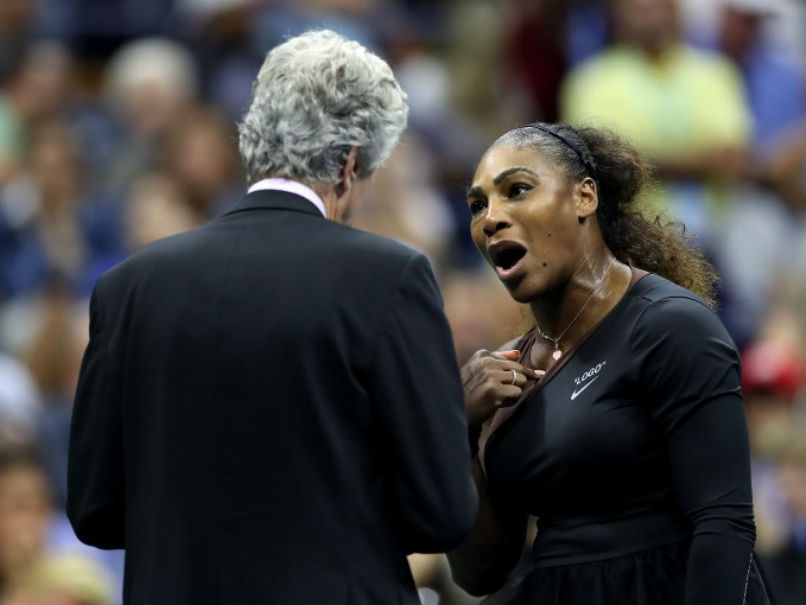
When Serena Williams loses or displays any emotion, she is spoiled, shows unsportsmanlike conduct, and suggestions are made that she should retire.
“When Serena Williams loses or displays any emotion, she is spoiled, shows unsportsmanlike conduct…”
When Tom Brady rushes off the field without talking to the opposing team after a loss, commentators pacify his behavior and call him passionate about the game. If Tom Brady doesn’t play the best, it is usually “oh, he is off his game, but it will get better next week.” It is unfair to call one player the G.O.A.T and hope for his return but say that it is time for Serena to hang it up.
Society treats black women differently than they do a white man. With more years and more titles than most popular male athletes, she deserves that respect and more.
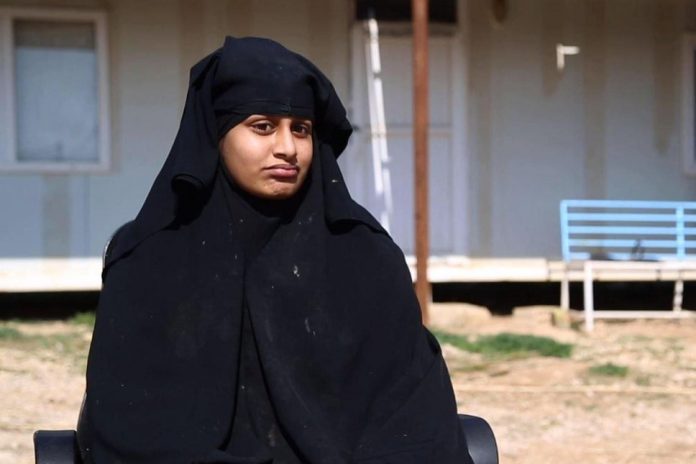
In February 2021, the Supreme Court unanimously ruled that Shamima Begum would not be permitted to return to the UK and fight her citizenship case.
Originally from Bethnal Green, east London, Ms Begum and two other schoolgirls left the UK and travelled to Syria to join Islamic State. Ten days after arriving in Syria, she married Dutch convicted terrorist Yago Riedijk. Whilst in Syria she gave birth to three children, all of whom died.
In 2019, then-Home Secretary Sajid Javid stripped Begum of her citizenship on grounds of national security. In July 2020, the Court of Appeal concluded that the only way for her to face a fair trial was to allow her back onto British soil, because she could not appeal the decision from the camp in Syria, where she lives.
The Home Office subsequently appealed to the Supreme Court, successfully, that to allow her back into the country would “create significant national security risks”.
The Supreme Court ruled said that “right to a fair hearing does not trump all other considerations, such as the safety of the public.”
It has raised debate about how states should deal with jihadists and those who choose to fly to countries to support and fight with Islamic State and other terrorist organisations.
The argument is mainly driven by the fundamental principle of of access to justice and the right to a fair trial, rather then simplifying it to issues of security or Begum’s individual testimony.
The Facts
In 2015, Shamima Begum travelled to Syria to join Islamic State at the age of just 15, along with two other schoolgirls. Referred to by the British press as ‘the Bethnal Green trio’, the girls flew via Turkey to join the Daesh.
Whilst in Syria, Begum was allegedly a part of enforcing ISIL’s ‘morality police’, and earned a reputation for being a strict enforcer of rules such as dress codes for women.
Begum married Dutch-born Muslim convert and convicted terrorist Yago Riedijk. She also gave birth to three children, two of whom died from malnutrition and one from a lung infection.
Begum was also known for her callous and inhumane attitudes and remarks towards acts of terrorism that ISIS has been responsible for. She commented that she had no regrets joining ISIL and was “unfazed” when she observed the head of a decapitated man because “he was an enemy of Islam”.
When asked about the 2017 Manchester bombings, in which 22 people were killed at an Ariana Grande concert, she said the killings were “justified”.
She commented, “It’s a two-way thing really because women and children are being killed in the Islamic State right now and it’s kind of retaliation. Their justification was that it’s retaliation so I thought OK that is a fair justification.”
Shamima Begum is informed that her British citizenship has been revoked. Video credit: The Telegraph
Despite this, Begum wishes to return to the UK to fight for her British citizenship after being stripped of it by then-Home Secretary Sajid Javid. It comes after ISIL’s grip on Syria and nearby Iraq had since crumbled, and years of hardship for Begum followed.
The UK government opted has revoked Begum’s citizenship and successfully appealed to the Supreme Court that Begum should not be allowed back to the UK to face trials for her crimes.
Debate has risen as to the morality and legality of the government’s actions. Some believe that she is being denied the right to due process, whilst others think she deserves all the bad luck she is receiving.
Some question whether it is moral or ethical to allow the government to treat returning jihadists in this manner, and would argue that it sets a dangerous precedent for those people with dual citizenship who may find themselves in similar positions. Would the government abandon them in the way they did with Begum?
On the other hand, people have expressed approval at the tough measures the government is taking to prevent her return. They feel it would set a bad precedent for potential jihadists who wish to travel to countries like Syria to fight for Islamic State, who would see that they could return to the UK whenever they wished simply by apologising.
Shamima Begum should stay exactly where she is; in Syria with Islamic State and Daesh. That is the life she chose, so that is the life she should keep.
It’s important to recognise that this was the life she chose for herself. Nobody forced her to travel to Syria. This was entirely of her own making. Many people will argue that she made a mistake, as some teenagers do, which is a fraudulent and dishonest understatement.
A mistake is getting caught drinking alcohol, smoking cigarettes or taking recreational drugs at the age of fifteen, not fly across the world to join a terrorist organisation.
There is a certain irony, if not pure disrespect, of Begum wanting to return to British shores. She left, of her own free will, to a murderous caliphate that hates the Western way of life. Then, when ISIS turned out to no longer be the ideal lifestyle she wanted, she now begs for mercy to return to the UK.
If the UK is such a terrible place to live, why does she beg to return? It’s as if she wants to have her cake and eat it. The testicular fortitude that the Home Office has shown in this case is commendable.
The Good Morning Britain panel discuss Begum’s case. Video credit: Good Morning Britain
What example would be set for potential future terrorists? If Begum is allowed to return to the UK, then the moral and legal floodgates would be open.
It would send a message that the UK is happy to welcome back jihadists (who have most likely committed unspeakable atrocities) as long as they apologise, shed tears and show enough remorse. That would make a mockery of the justice system.
A problem with the system is that many jihadists have returned to the UK, gone on trial and had to be let go due to lack of evidence of crimes in Syria. Most likely crimes were committed, but without proof, it means nothing.
Therefore, why would the Home Office spend resources on court cases which they’ll most likely lose? If they can avoid a court case altogether, whilst protecting the lives of British citizens, are they not within their rights to do so? Two birds, one stone.
This was a life Shamima Begum chose for herself. Actions have consequences.
Shamima Begum is a terrible person, and it is difficult to argue against that. Her involvement with the Islamic State should be accounted for, and there is universal agreement on this. But in the United Kingdom, a country that prides itself on the right to a fair trial, there is no agreement on if Ms Begum can return to the country and appeal against her citizenship being revoked. Despite what she has done, Ms Begum was born and raised in this country, and those that support the right to a fair trial should support her appeal.
A right to a fair trial should be a universally agreed statement, even if it applies to someone like Ms Begum. We cannot choose who has a fair trial and who does not; otherwise, we cannot label ourselves a liberal democracy. A fair trial applies to everyone, meaning you either give the right to a fair trial to everyone regardless of if they are Ms Begum or your average day joe, or no one has this right. Those in the United Kingdom would choose the first option.
Between 2000 to 2015, Parliament passed a series of terrorist acts to tackle this problem and the Supreme Court’s decision not to allow Ms Begum into the country echoes these times. We see the government using “national security” once again to bolster its power and to do whatever it wants, to the extent of taking away the right to free trial. If you genuinely support the right to a fair trial, then you cannot allow this government and its institutions to get away with what it is doing.
To echo the words of Rosie Brighouse, the Supreme court’s decision “sets an extremely dangerous precedent” and that as a liberal democracy, we should not be ok with that.
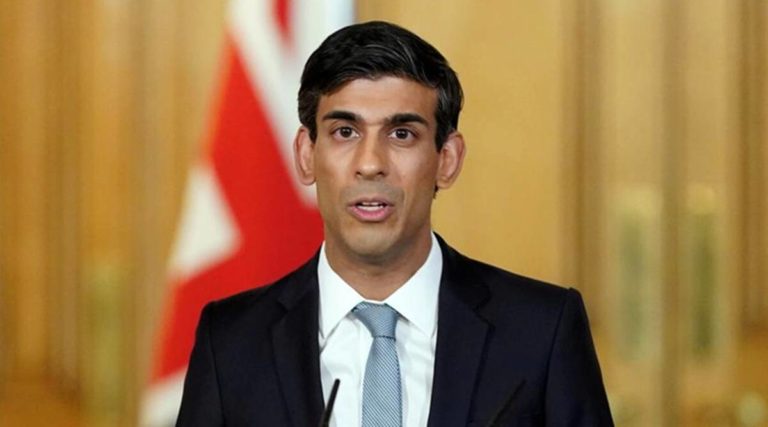
Chancellor Rishi Sunak has unveiled the contents of his Budget in the House of Commons.
Setting out the government’s tax and spending plans for the year ahead, he announced new measures to help business and jobs through the pandemic and to support the UK’s long-term economic recovery and a series of tax-raising plans to help rebalance the public finances.
Here is a summary of the main points.
Freezing personal tax thresholds and lowering VAT to 5% for hospitality for 6 months, 12.5% further 6 months and 20% by April 2022. Pensions Lifetime Allowance same, CGT annual exemption same. VAT threshold staying at £85,000. Basic allowance rise to £12,570, as planned, but then stay fixed at that level until 2026.
Corporation tax increase to 25% by April 2023. Tapered so only companies with profits exceeding £250,000 will pay the full 25%. Below £50,000 get the current 19% rate.
Super-deduction tax-break for firms that invest reduce tax bill by 130% of what is spent on investment. Current rule will give £2.68m reducer on £10 million equipment spend, under this plan will be £13m. Untried and unproven, but OBR thinks we get 20% boost in investment. This should take us from 30TH in OECD to 1ST for business investment, an unprecedented move anticipated to be worth £25 billion during the two years in place.
Green Britain – new green infrastructure bank in Leeds, capitalisation £12bn, with £40bn investment. Offshore wind projects Teeside and Humber. A Sovereign Green Bond for savers.
£150 milllion for local communities to support sports clubs and pubs.
Stamp Duty Holiday until 30TH September. £500,000 Nil Rate Band now until June 30TH, then £250,000 to end September and back to normal £125,000 by October 1ST.
95% mortgages
Eight Freeports: East Midlands Airport, Liverpool, Felixstowe, Humber, Plymouth, Thames, Teeside, Solent. Special Economic Zones with simple planning regulations, infrastructure incentives, tax breaks and favourable duties to stimulate growth and trade.
Unsponsored point-only VISAs to attract highly-skilled migrants in Sciences, and R&D and Enterprise Management Incentives to improve productivity and translational research.
Regional Development Funds and levelling up : £410m Northern Ireland, £1.2bn Scotland, £740m Wales.
To ensure the recovery sustains itself, Sunak is not raising taxes now. He is letting the deficit grow big enough to look after itself – through business investment and workers consuming the extra money in their pockets creating growth and in turn, generating higher tax revenues.
Nothing for the NHS, nothing for pensioners, nothing for the #ExcludedUK small business owners which if half fail then that equates to £18.45bn a year lost in Treasury revenues. They now have poor credit ratings so only those who accessed the Business Bounce Back Loans can access the new business support measures.
The NHS backlog will be formidable, especially for electives. The 19p rise in minimum wage to £8.91 is unlikely to offset the demand-pull inflation from delayed consumption resumes amid fewer places to spend.
Whether these measures will offset the combined impact of post-Brexit and Covid-19 transition back to normal economic affairs is uncertain. To recover, tens of thousands of small businesses will have to be created to replace those that go bankrupt. This budget doesn’t look good for them, the #ExcludedUK. Personal debt will be high. Many will be (or should be) on benefits. Government coffers will be very low. This will mean the freezes on income tax and NICs may not spur the necessary growth we need to pay down our annual deficit. The concept of Freeports is a bold step, much like the super-deduction tax break, but there are risks they become crime harbours facilitating money laundering and allow companies to avoid paying their share of tax. Liverpool was one until 2012 and has seen more activity since leaving that status. The regional funds to level-up the Union will placate them for a while, but as reopening bites expect further calls for greater devolution and independence. Grand measures, now for the execution.
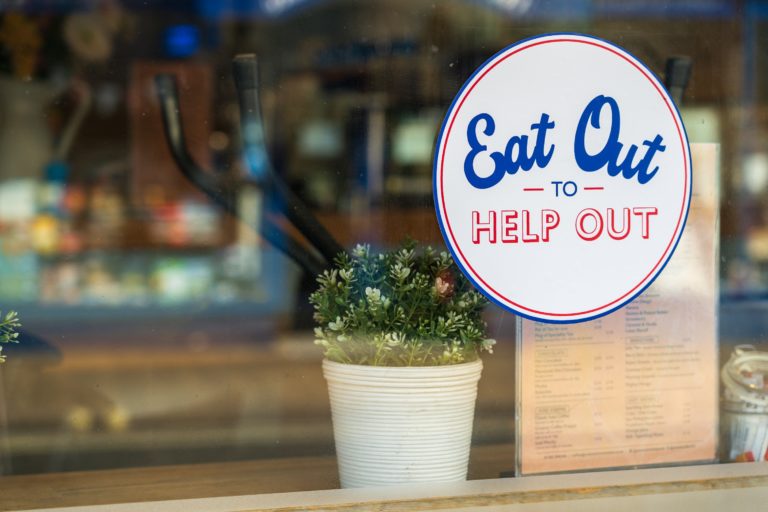
Chancellor Rishi Sunak is planning on revealing the budget for the United Kingdom this week, with many analysts indicating that the chancellor is thinking about bringing back the Eat Out to Help Out scheme.
The scheme ran from the beginning of August to the end of August last year, which allowed customers to have a 50% discount on food and non-alcoholic drinks up to a maximum of £10 per person every Monday, Tuesday and Wednesday. Restaurants who signed to the scheme were then able to claim the discounts back from HM Revenue & Customs (HMRC). At the time, the scheme’s main aim was to help protect the 1.8million jobs of the hospitality industry and to encourage people to return to restaurants in a safe manner.
When the scheme was launched, major outlets took part in the scheme and other individual pubs and restaurants. In the first week of the scheme, 10.5 million meals were claimed and then 35 million in the second. By the end of August, more than 64 million meals were subsided by the programme. OpenTable, an online booking site, found a 53% increase in reservations in August 2020, compared to the previous year.
With outdoor dining for pubs, restaurants and cafes set to open from 12th April, if cases of Covid-19 keep going down, the Eat Out to Help Out scheme could be used once again to help the hospitality sector. In 2020, nearly 30,000 restaurant jobs were lost, and hospitality firms’ branch closures increased by 75.8%, showcasing how badly the pandemic affected this industry. Deliveroo and 300 restaurant groups are calling on the government to reintroduce this scheme, with companies expressing in a letter to the government that continued government support will be “critical” for this industry after the lockdown. There are also rumours of pints of alcohol being cut, and according to the Social Market Foundation, changes to alcohol duty could lift pub sales by 100 million pints a year.
However, despite an increase of support for this sector because of the Eat Out to Help Out scheme, there are reports this scheme led to increased Covid-19 cases. Thiemo Fetzer, an economist at the University of Warwick, found that the scheme was closely linked to increased cases over the summer. He suggested that the scheme may be responsible for around 8-17% of all new detected Covid-19 clusters. The scheme also cost the taxpayer £522 million, which is another potential drawback for this scheme. Observers have already seen the government paying out vast sums of money to help address this pandemic. The Eat Out to Help out scheme could bring another cost to the government and the taxpayer that it may not need.
The hospitality industry has been affected by this pandemic, and the statistics show this reality. Loss of jobs, loss of incomes, and restaurants collapsing is this reality, and we all need to support this industry in a safe way. However, The Eat Out to Help Out scheme is not the answer to this struggling industry. Worse, the Eat Out to Help out scheme will be the demise of this industry, especially for the independent and local outlets.
The scheme brought huge demand to this sector, with restaurants experiencing a surge in bookings. Yet, this was all short-lived, and before you knew it, we were back in our homes and back in lockdown. We were back eating takeaways, and we were back doing zoom birthdays, rather than being out and about and enjoying the atmospheres of pubs, restaurants and cafes. The government wants to be cautious when leaving this terrible lockdown, which is admirable, but they will go against this message if they implement this scheme once again. While the Murdoch owned media wanted to claim that this scheme was a big win for the government, using cringe-worthy tag lines like “Rishi Dishes”, stories of hospitality workers unable to cope came through as well.
The flow of people from this scheme was unbearable for those working in this sector, and the number of staff working could not match the demand. It created unfavourable conditions for waiters and servers, and it increased the chances of cases and deaths from this virus, which the Warwick study can prove. The Eat Out to Help out scheme is a disaster waiting to happen.
The government should not keep the scheme in the fridge and use it for leftovers. It deserves to be in the bin and out of the government’s mind.
So this begs the question, when making films about historic political figures, is it time Hollywood focused more on their politics and its impact rather than the person?
Hollywood movies and entertainers have affected national politics, influenced the societal construct of American identity, and impacted social change. Local, state, federal, and international politics have been shaped by the industry.
Hollywood has been a powerful tool to express problems and political turmoil happening global wide. The stories told on the big screen have reached billions of people: citizens and politicians alike.
In addition to the entertainment movies provide, Hollywood can persuade and educate the masses on a particular event. This power begins in the very beginning, long before the film reaches theatres.
Directors, writers, and producers share this power with how they tell the movie. It is in that responsibility that picking the right cast members is essential.
It is not too much to ask to look at both the person and the politics for films of historical political figures. Both are needed to drive the film’s grit and heart.
Suppose the right person or politics do not adequately align with the political story. In that case, it will be difficult for the movie to convey the point behind the story.
People are not likely to blacklist Hollywood actors, actresses, directors, producers, etc., based on politics alone. The public or Hollywood should not have to choose between politics or the person when it comes to the story’s substance.
To convey a compelling political story, both of these need to be the same. If a Liberal actor plays a conservative dictator role, it might not read well on screen. We live in an era that one cannot hide from politics. Politics are a part of an individual. Political perspectives and the person need to be respected.
Even though we might disagree with their point of view, those two crucial things must align for an excellent political story to reach the masses.
It is very hard to separate politics from people. What comes to mind when you think of prominent historical figures such as Martin Luther King, Nelson Mandela or even Margaret Thatcher? Mostly, you will remember what they campaigned or stood for, and what they believed in.
This is the essence of a person’s politics, although this has arguably become more skewed and complicated over the years. Politics – decision making, reasoning and governance – all stem from individual ideas and people before the collective.
Therefore, a person’s political beliefs, whatever they are, cannot be ignored when history is retold by figureheads such as Hollywood.
There is, of course, the element of entertainment, and you cannot capture everything that a historical person believed in just over two hours. However, Hollywood should not gloss over politics in order to maintain an entertainment factor or reshape a narrative.
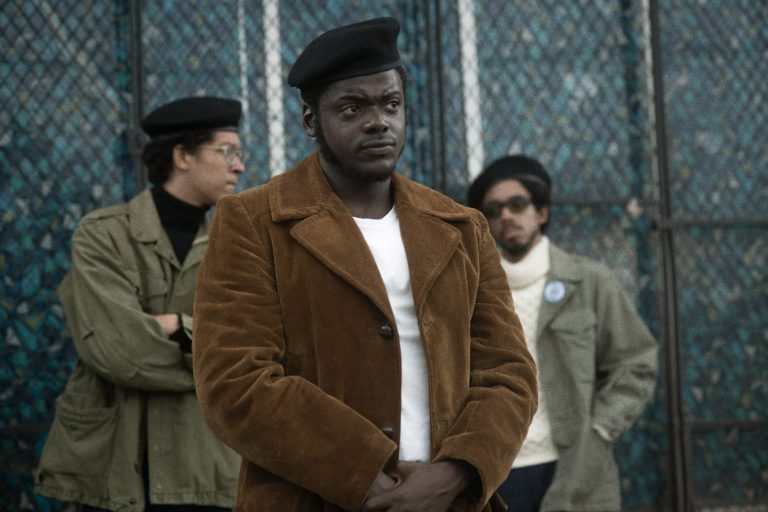
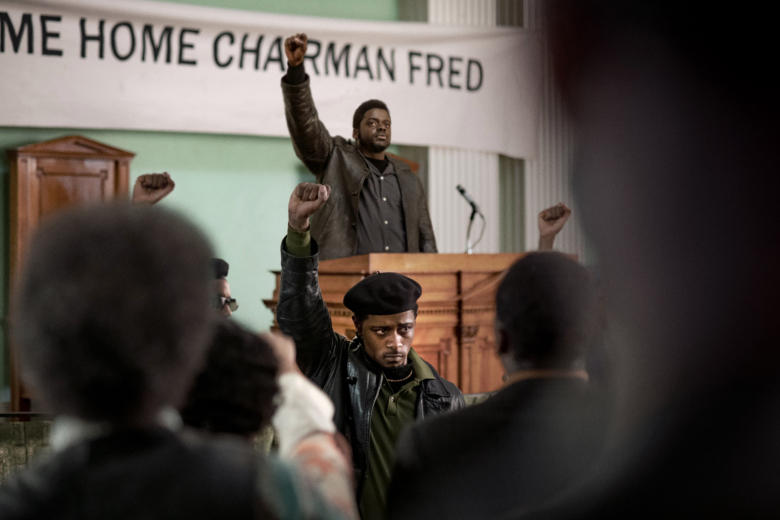
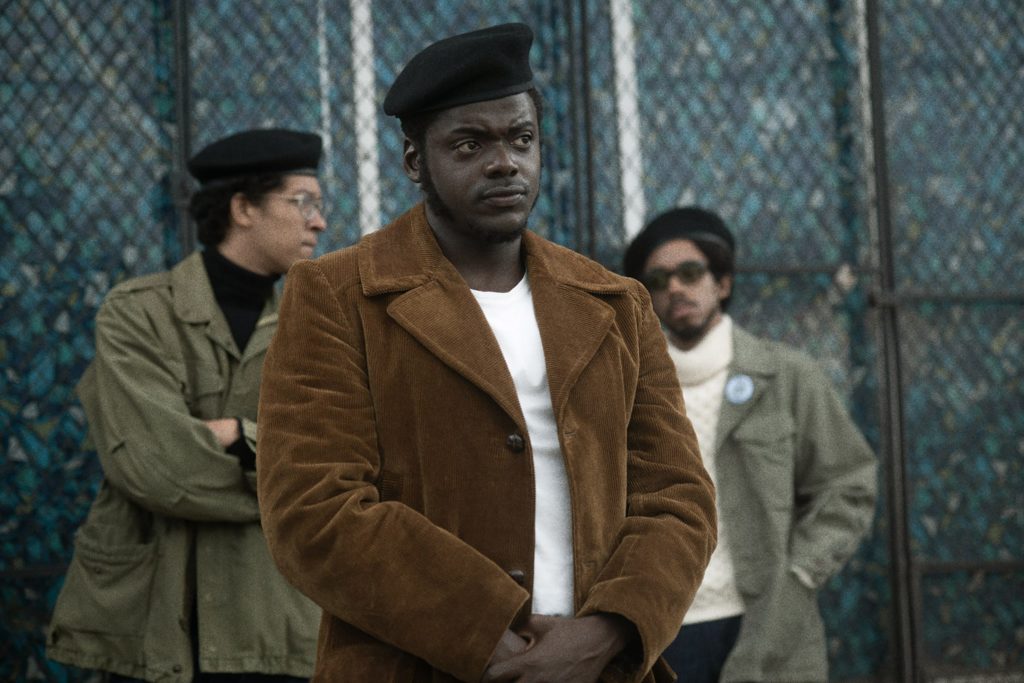
Daniel Kaluuya as Chairman Fred Hampton
However, it can also be argued that whilst a person’s politics are important – they are not their complete identity or even their identity in some cases. People’s memories should not just be bound to what they believed in politically – their complete history should be told.
Political figures are people, and their complete stories are worthy of being told. The Hollywood industry’s focus is on art – telling stories creatively through films and TV mediums – it is not simply a history archive. The entertainment factor is an important one and Hollywood films provide audiences an opportunity to get to know historical figures and learn key insights.
Any film that aims to depict historical political figures should do so as thoroughly as they can – they are labelled as political figures for a reason and they are there to be explored, critiqued, and studied. However, politics vs people is not an ‘either or’ choice – both can be depicted skilfully.