
Pride in London, the organisation that heads up the yearly Pride Parade and wrap around activity has rejected the calls to ban the police from marching at the annual parade.
Following on from a twitter campaign highlighting the examples of institutional racism from and within the London Metropolitan Police, the board members had been considering preventing them from participating in the Pride in London events. The Black Lives Matter Protests in the summer of last year forced the organisation to speak out more against discrimination faced by ethnic minorities within the LGBT+ communities.
Pride in London has voted against a motion to ban the Metropolitan police from taking part in the procession at the annual parade following pleas from the commissioner to allow her officers to be able to march. Do you think police officers should take part in parades? #Politics
— Politics Polls (@PoliticsPollss) March 5, 2021
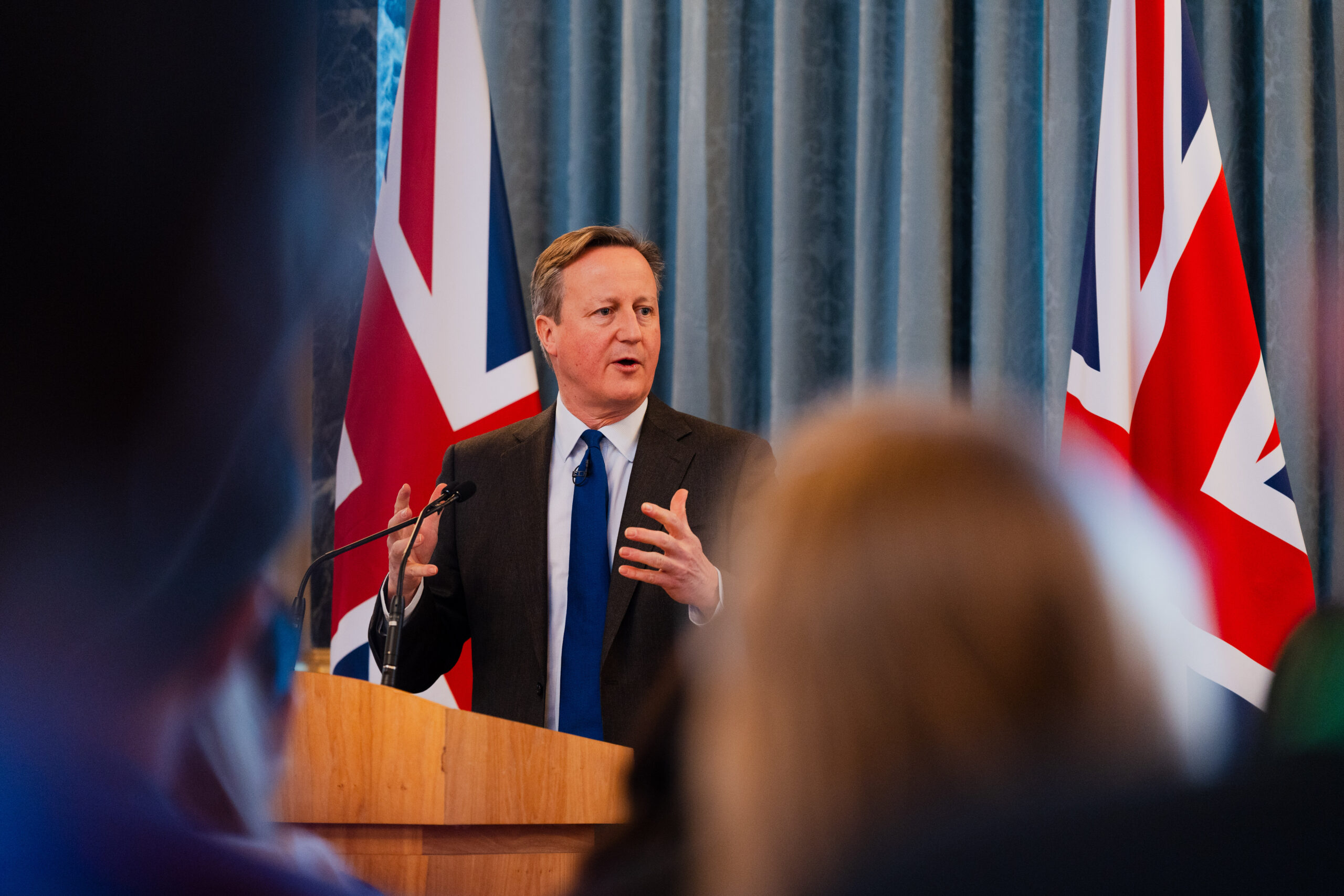
In the run up to the vote by the board Cressida Dick, Metropolitan Police Commissioner wrote:
“For us, Pride in London is something we have been proud to be at the centre of. It is a celebration of our own LGBTQ+ officers and staff, colleagues and friends, and an important moment in our calendar.
“I understand that much of the discussion you have had with my colleagues has been focused on the Met’s relationship with London’s black communities. As commissioner, I have two key priorities for the MPS: bearing down on violence, and increasing public confidence in the Met, particularly the confidence of black communities. These have been my core areas of focus since the start of my commissionership, and they remain so.”
History lesson! Many people have heard of the Stonewall riots, uprising, or rebellion. In response to a police raid, members of the LGBTQ+ community– led by trans women of color– rioted in the early hours of June 28, 1969. Sometimes, Stonewall is referred to as the first Pride.
— GHS DA (@ghsdalliance) September 6, 2020
Pride in London also spoke with the Greater London Authority and the Sadiq Khan’s office on the issue.
A spokesperson for Pride in London said: “The results of our discussions with communities were mixed. Many were clear that exclusion would be the best way to show solidarity. Others felt that exclusion of LGBT+ people from Pride did not align with the inclusive nature and values of Pride and also gives rightwing and racist groups an unwelcome platform, centring on the decision made and ‘Pride’s response’, rather than the lives and lived experiences of, in particular, Black people.
“We have concluded that, for now, it is better to work in an inclusive process with the MPS to bring the wider LGBT+ communities together, to raise, discuss, and address concerns and to work towards bringing about the institutional and systemic change that is required to ensure that policing in our great city is equitable.”
History lesson! Many people have heard of the Stonewall riots, uprising, or rebellion. In response to a police raid, members of the LGBTQ+ community– led by trans women of color– rioted in the early hours of June 28, 1969. Sometimes, Stonewall is referred to as the first Pride.
— GHS DA (@ghsdalliance) September 6, 2020
Many Pride organisations across the world have already banned uniformed police officers from taking part in parade, from Wisconsin, US, to Toronto, Canada. The behaviour of the police forces towards people of colour, trans people and even historic discrimination against LGBT people has often been cited as reasons for not allowing the institution to have a presence on the parade itself.

Afshan D'souza-Lodhi
Afshan D'souza-Lodhi is a scriptwriter and poet based in Manchester.