Home Blog Page 12

We Should Learn From Our Past, Rather than Censoring History

Michelle Rapoport is a Policy Fellow of The Pinsker Centre, a campus-based think tank that facilitates discussion on global affairs and free speech. The views in this article are the author’s own

The summer of 2020 was an explosion of political demonstrations, from anti-lockdown riots, pro-Palestine marches, to the George Floyd rallies.  In the wake of pandemic protesting emerged a sub-stream of grassroot activism inciting the removal of Confederate and colonialist statues

On June 2020, some 1,000 demonstrators gathered in Oxford’s high street to peacefully protest the statue of Cecil Rhodes outside Oriel College. The effort was ignited after slave trader Edward Colston’s statue was torn down by protestors in Bristol, and an online petition with 150,000 signatures calling for Rhodes’ removal rapidly gained traction.

A year later, the college’s governing body decided that they would not be taking down the statue due to ‘regulatory and financial changes,’ a verdict that was applauded by the then-Secretary of State for Education, Gavin Williamson, who tweeted:
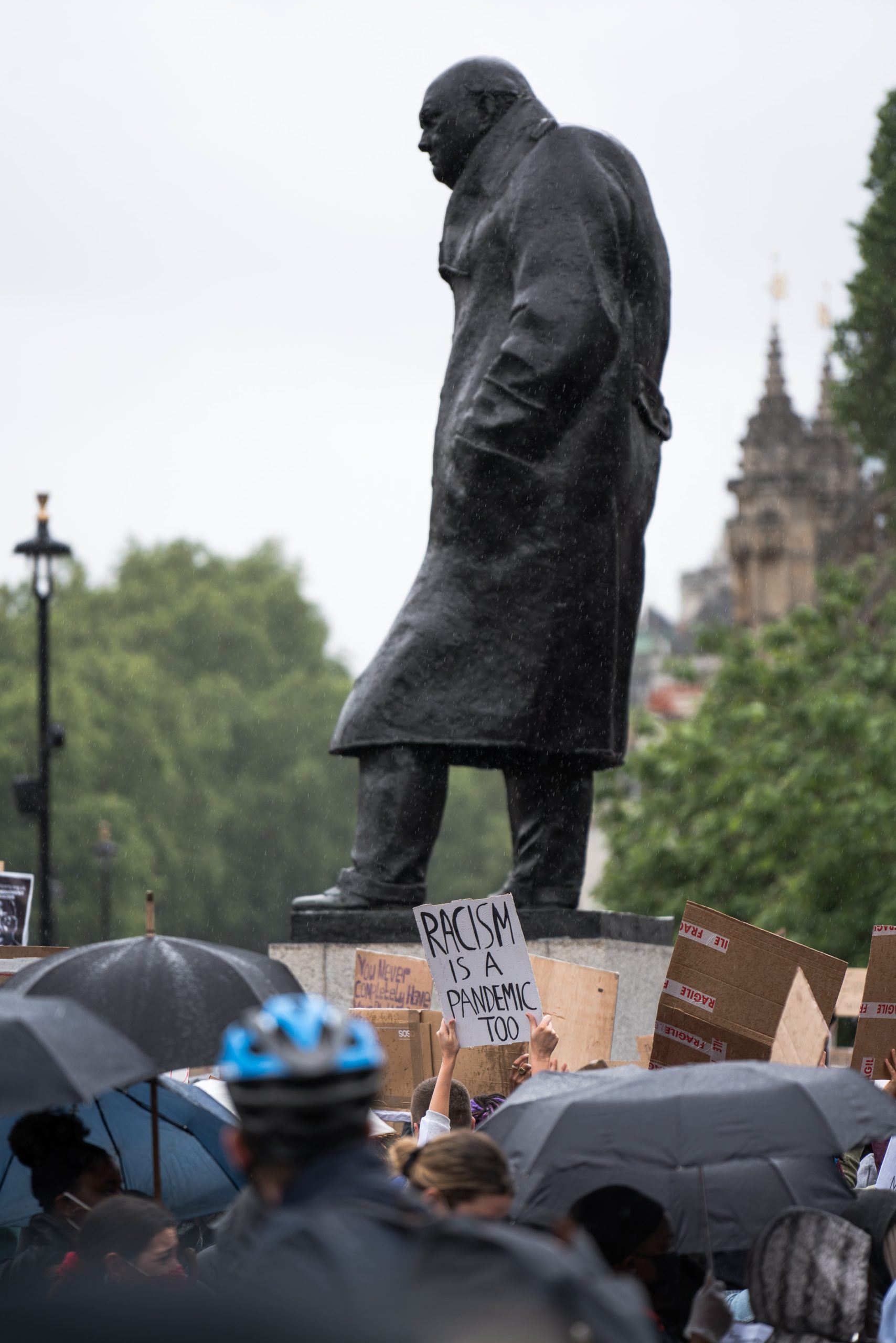
Black Lives Matter London Protest, 6th June 2020. Source James Eades

We should learn from our past, rather than censoring history, and continue focusing on reducing inequality.

The attitude of the Education Secretary can be reflected in our own history textbooks. The national curriculum for history is committed to educating pupils on infamous conflicts and their perpetrators, with the primary aim of preserving the historical narratives for future generations.

Yet, the textbook education that most of us receive from primary school, differs substantially from the one-dimensional glorification conveyed by grand memorials.  Scattered around cities in Britain are imposing statues portraying bygone figures, immortalising Britain’s history, literally, into stone.

While ‘eye candy’ for the enthusiastic tourist, these statues also represent a moral quandary. Which historical figures should we memorialise, and what are the implications of doing so?

The Rhodes Must Fall movement is a symptom of this quandary. The movement answers it by arguing that certain historical personalities epitomise racial supremacy, misogyny, and other values of European colonialism that have no place in the twenty-first century.  A Rhodes scholar himself, Joshua Nott, likened a statue of Rhodes in Cape Town to ‘a swastika in Jerusalem.’   Ergo, the primary goal of removal campaigns is to obliterate these offensive ideals.
However, in modern times, it can reasonably be argued that most people in one society follow a similar moral compass, regardless of where they fall on the political spectrum. Hence, varying views about statue removal rarely pertain to the ‘ethical score’ of a bygone colonialist, but rather the medium of preservation in our society by way of elaborate monuments.

As summarised by Vice President for Graduates at Oriel College, Neil Misra, the administrative response to the 2020 protests was:

 ‘a signal of Oriel College’s willingness to adapt to the times and listen to the demands of the students…to help make the college and university more welcoming for [BME] students.’

Misra’s comment has aged poorly – a report published by Oxford University indicated a majority of BME students feeling indifferent about the removal of the Rhodes statue, citing that it would not affect their personal experience at the university, thereby undermining a core tenet of the Rhodes Must Fall movement. 

More significantly, indifference to a statue’s presence is reflected across other campaigns prompting its removal, suggesting that there may be more fruitful ways to improve campus life than the removal of a statue.

Yet, protesters continue to argue that to consign colonial views to the past and to prevent damage being done to the personal and academic experiences of BME university students, it is imperative to wholly remove such figures from public view.

Crucially, statues of colonial figures symbolise more that just that individual’s own views. They represent Britain’s past mistakes, which paved the road for Britain’s contemporary society. Cambridge scholar Mary Beard developed this rationale by proposing a solution to ‘[not] pretend that those people didn’t exist’ but rather to ‘empower [students] to look up at Rhodes with a cheery and self-confident sense of unbatterability.’

To achieve this sense of empowerment, the physical markers of British errors should become educational tools, akin to the introductory texts of primary school history. In order to achieve this, former UK Culture Secretary Oliver Dowden argued that we should simply ‘explain’ monuments because ‘[we] must defend our culture and history from the noisy minority of activists constantly trying to do Britain down.’  

In January 2021, the Government affirmed this approach in the announcement of new laws to ‘retain and explain’ historic monuments.  Contextualising offensive ideals -through education – would far more effectively eradicate the effects of glorification that removal campaigners – albeit rightly object to.  In turn, this would promote the honourable virtue of safeguarding history.

In short, the biggest danger posed by problematic statues – veneration of dangerous ideals – lies in their extravagant medium. But can we reconcile our efforts to ‘explain’ monuments with the blatant splendour of marble and stone? To remove statues is essentially to censor and whitewash history. Although we cannot erase the past, we can certainly judge it, and pass our lessons on to the next generation.

Ultimately, if we burn the books, we have no context with which to measure achievements and reflect upon mistakes. We must endeavour to harness the power of marble and stone for education and to inculcate the lessons of our nation’s past.

Michelle Rapoport is a Policy Fellow of The Pinsker Centre, a campus-based think tank that facilitates discussion on global affairs and free speech. The views in this article are the author’s own
It’s No Longer About Boris: It’s About The Conservatives

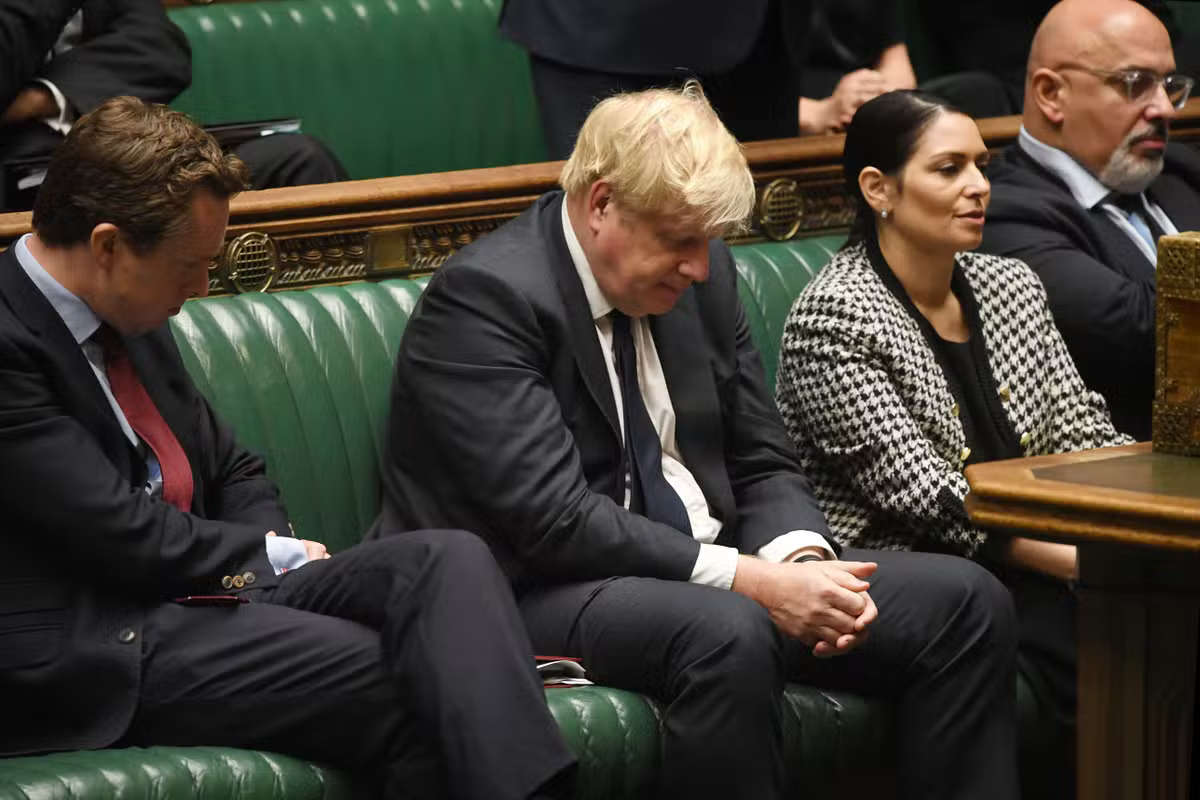
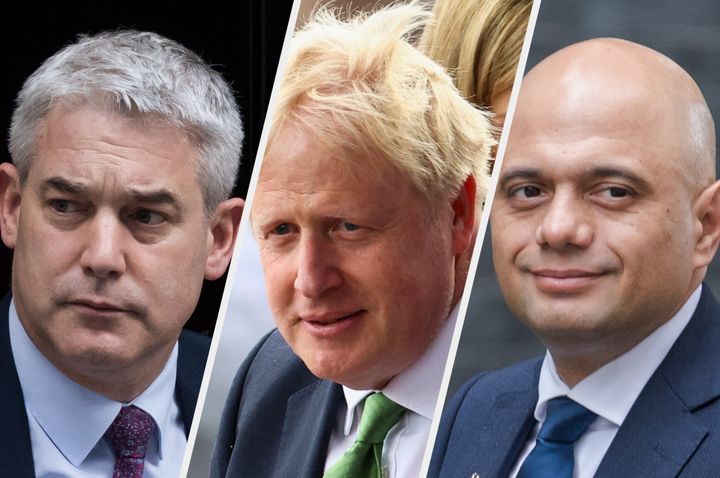
Minutes after the Prime Minister apologised for appointing Chris Pincher – an MP accused of groping two men – a bombshell was dropped that could possibly see the end of his tenure.

Within 15 minutes of each other, former Secretary of State for Health and Social Care Savid Javid, and former Chancellor of the Exchequer Rishi Sunak, resigned from the Conservative Cabinet. The next 24 hours would have similar events, as several other MPs resigned, calling on Boris to resign as Prime Minister.

As of 7th July 2022, a total of 50 MPs have tendered their resignations, likely with more to follow.

Sajid Javid, addressing the Prime Minister in the House of Commons, said that he could no longer go on giving No. 10 the “benefit of the doubt” after Partygate and the more recent Pincher scandal.

He said, ‘Treading the tightrope between loyalty and integrity has become impossible in recent months. I will never risk losing my integrity.”

“…we have reason to question the truth and integrity of what we’ve all been told. And at some point, we have to conclude that enough is enough. I believe that point is now.”

Conservative identity crisis

The nation has collectively questioned the integrity of Boris Johnson for a long time, and it seems as if many Conservative MPs have left not necessarily because they wanted to, but simply to protect their own reputations and the reputation of the Conservative Party itself.

Partygate was the point of no return for many MPs and their constituents, but the Pincher scandal seems to have been the straw that broke the camel’s back.

This is no longer about Boris Johnson himself as a party member; this is about where the Conservatives’ loyalties lie.

They are faced with a stark choice; continue to back Boris at the expense of the Party’s (and their own) reputation, or recognise who they are, what their values are and ultimately who they represent; the citizens of the United Kingdom.

Javid, in a public letter, said, ‘…the country needs a strong and principled Conservative Party, and the Party is bigger than any one individual.’

‘I served you loyally and as a friend, but we all serve the country first. When made to choose between those loyalties there can only be one answer.’

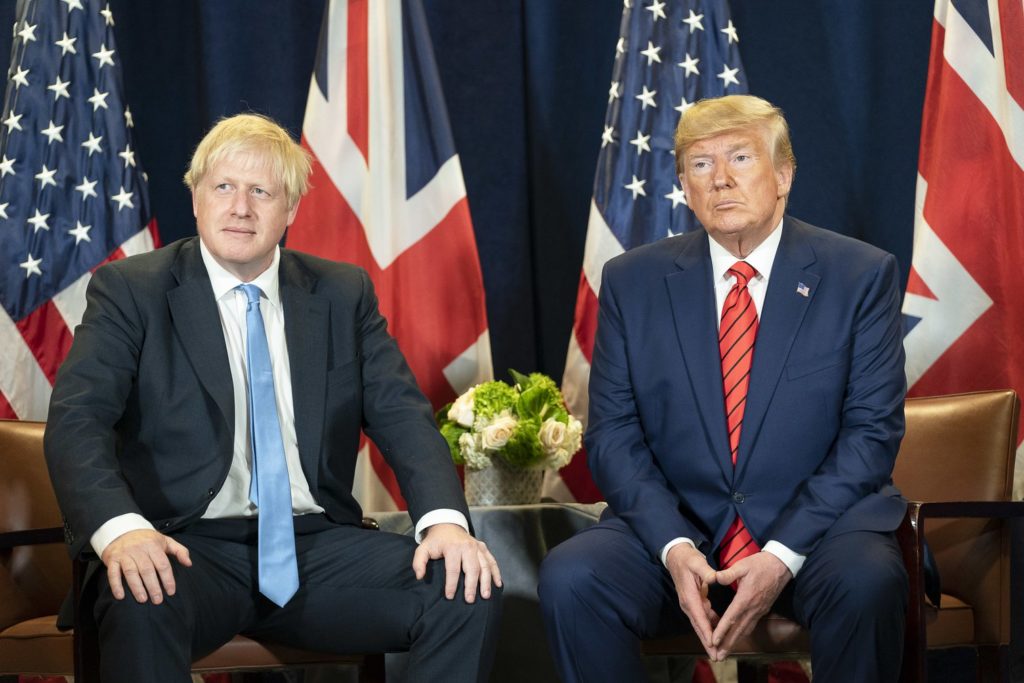
Boris Johnson and Donald Trump | Image: The White House

A fundamental reason why the Conservatives defeated Labour by such a huge margin was their united front, and their appeal to voters largely came from a clear understanding as to who they were, what they stood for and what their intentions were.

The same could not be said about Labour, as it battled accusations of anti-Semitism, a power struggle between Labour Party members and ‘Corbynites’, and a reluctance (and in some cases, outright refusal) to deliver Brexit.

For the most part, the Conservatives have delivered on their promises; the UK has left the EU and concerns regarding immigration and crime are now being addressed proactively.

However, the Party now finds itself in a similar position to Labour’s Corbyn era; to not act now would be to effectively become the very thing they sought to destroy back in 2019.

At the risk of not morphing into Labour, by being blindly loyal to an individual as a cult-like Messianic figure, the Conservatives would do well to put the country before the party; if that means resigning and calling for Boris’ resignation, then so be it.

An identity crisis faces the Conservative Party. In the words of Sajid Javid, ‘enough is enough.

Boris Johnson Has To Resign: There Is No Way Out

Boris Johnson is battling to stay in office, amid a growing wave of resignations from his government in protest at his leadership.

Johnson has vowed to cling on to power, however, quickly appointing two replacements after the Chancellor of the Exchequer, Rishi Sunak, and the Health Secretary, Sajid Javid, announced their resignations from his government on Tuesday. But a string of further resignations on today has left the already vulnerable prime minister hanging onto power by a thread, with some lawmakers in his own Conservative Party even suggesting that the rules would have to be changed in order to remove him from office.

A long time coming

Controversy has long followed Johnson during his time in office. In recent months, the scandal over “Partygate” and the number of illegal gatherings held at Number 10 Downing Street and other government residences while the country was under lockdown throughout 2020 brought his premiership under the microscope.

Johnson himself was issued a fine by the Metropolitan Police for attending a birthday gathering held in his honour, at a time when indoor mixing was illegal to stem the spread of COVID-19, becoming the first prime minister in British history to have been found to have broken the law while in office. He then survived a “no-confidence vote” brought forward by disgruntled lawmakers in his Conservative Party, which left him wounded politically but still in charge.

Surviving the vote meant he was immune from facing a similar challenge for at least a year.

However, the latest scandal to arise concerns the personal conduct of a minister in his government, one of his appointees, the Conservative lawmaker Chris Pincher.

Last week, Pincher offered his resignation from the Conservative Party whips’ office after he was accused of drunkenness and sexual misconduct at a bar in the presence of colleagues. News then emerged in the British media that Pincher had previously faced complaints, which were upheld, about similar conduct, but Downing Street denied Johnson was aware of the complaints.

This, however, turned out to be false, as further information came out that Johnson had been briefed about Pincher’s conduct in 2019, before he was rehired.

In a raucous House of Commons today, Johnson defended his record in government amidst the crisis which threatens to end his premiership admits more calls for him to go.

David Davis at PMQs

How could Boris Johnson go?

In reality, there aren’t many routes out for the Prime Minister. Here are the ways he could go

  • If party bosses change the one-year rule on leadership challenges, rebel Tory MPs could try again to oust him later this summer, or in the autumn
  • If Mr Johnson lost a vote of no confidence in Parliament, he would have to resign or call an election
  • Otherwise, he would have to resign himself – possibly in the face of cabinet pressure, like Margaret Thatcher – or after a fresh wave of ministerial resignations

He may last a day, a week or even a month. But his reign is over.

Johnson has been prime minister for 1077 days – bringing him almost level with Neville Chamberlain’s 1078 days in office.

It’s a comparison he would not take kindly to, although one backbench MP recently referenced the wartime leader when calling on Johnson to quit by repeating the lines Tory MP Leo Amery once said to Chamberlain.

“You have sat too long here for any good you have been doing,” former trade secretary David Davis said, himself quoting Cromwell. “Depart, I say, and let us have done with you. In the name of God, go.”

Too much of Johnson’s past year has been engulfed in a bonfire of sleaze, blame-shifting, lies and deception.

The final straw for his now-former chancellor Rishi Sunak and health secretary Sajid Javid – the prime minister’s deceit over the promotion of a man he knew had a history of drunken sexual harassment to deputy chief whip – was ultimately part of a wider pattern.

Confronted with a problem that appeared to reflect badly on his judgment, once again Johnson sought to cover up and conceal in an attempt to avoid confronting the situation.

All Johnson’s missteps have basically been the same offence: a complete disregard for the ethics that come with his office.

Amber Heard’s Verdict Does Not Set All Women Back

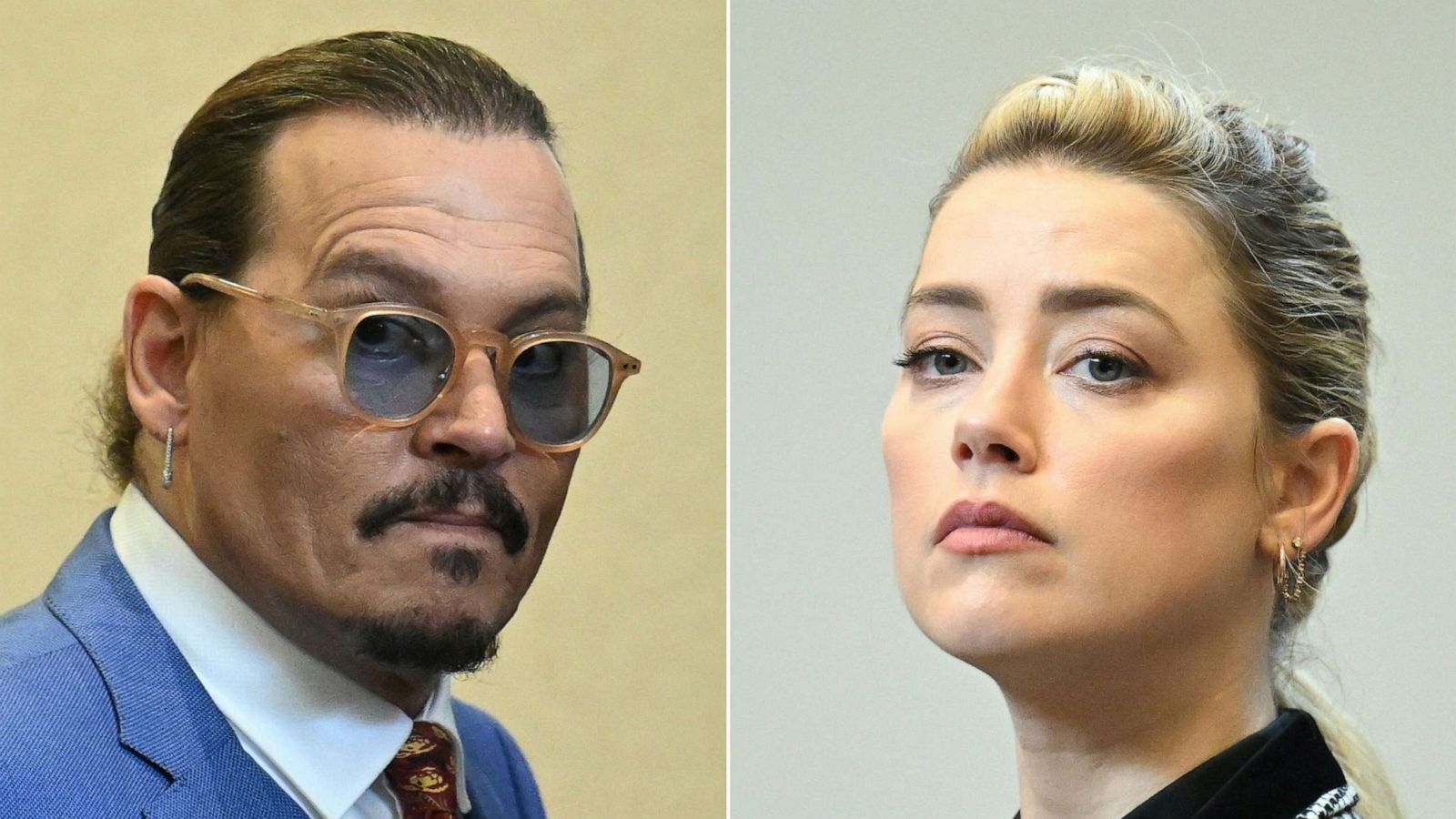
After six weeks of the high-profile defamation trial of Amber Heard and Johnny Depp, a court has ruled in favour of Depp’s claim of defamation on three counts – awarding the actor $15m.

In response to this win, Amber Heard issued a statement on social media expressing her ‘disappointment’ and fears of what this trial could mean for female victims of domestic violence.

“The disappointment I feel today is beyond words. “I am heartbroken that the mountain of evidence still was not enough to stand up to the disproportionate power, influence, and sway of my ex-husband.”

“I’m even more disappointed with what this verdict means for other women. It is a setback. It sets back the clock to a time when a woman who spoke up and spoke out could be publicly shamed and humiliated. It sets back the idea that violence against women is to be taken seriously.”

Depp sued Heard over a Washington Post op-ed she wrote in which she described herself as a victim of domestic violence.

Despite the trial’s outcome proving that Ms. Heard was a dual perpetrator of abuse in her relationship with Depp, some media outlets such as the HuffPost have continued to write articles claiming that this case affected all women and actual victims of domestic violence.

In the article titled: The Decision In The Amber Heard And Johnny Depp Case Will Silence Survivors, the author suggests women would find it more challenging to come out as victims of gender-based violence due to the backlash that Amber Heard faced from the public.

Another article written by Glamour titled: The Johnny Depp and Amber Heard trail was used as an excuse to discredit women and tout misogyny; the author stated, “During the trial, and even more so now it’s over, the case is being used as a proverbial stick to bear women who talk out against domestic violence and sexual abuse. Amber Heard has been officially crowned as the top trump card to play whenever women talk about systemic male violence or abuse.”

Many more similar articles from the media seem to have missed the entire point of this trial but would instead turn blind eyes and deaf ears to the evidence present. They are trying to paint a false narrative and instill fear into the minds of actual victims.

The truth that Heard is not a powerless victim of domestic violence but a dual perpetrator of abuse seems irrelevant. The term dual perpetrator is used because Johnny Depp isn’t entirely innocent of the charges against him, as the court evidence showed. These are two very flawed people that inflicted abuse on each other. The difference is that the jury decided that one of them was trying to manipulate the situation.

However, this does not affect other victims of domestic violence; this case is unique to the individual and not to women as a collective. Victims should be encouraged to have their day in court regardless of gender.

The fact remains that Amber’s allegations regarding domestic violence were taken seriously. When she wrote that op-ed, the world believed her during the rise of the #MeToo movement. It took six weeks, a mountain of evidence, and 13 hours of deliberation for the world to find out that she lied.

Actual abuse victims should see this case as an example that we will listen and take them seriously when they break their silence. They will have the opportunity to speak the truth about their experience and allow justice to take its course.

You’re Not Celebrating Pride; You’re Rainbow Washing

  • We are now halfway through 2022, and it is the time of year to celebrate pride. 
  • It is a month to recognise the impact that lesbian, gay, bisexual and transgender individuals have had on history locally, nationally, and internationally. 
  • Yet, this month has an intersection with a term linked with gesture politics, performative allyship and tokenism, something we have unfortunately seen a lot of. 
  • If that is the black squares or the clapping of the National Health Service (NHS), rainbow washing is part of the same bracket. 

What is rainbow washing?

Before addressing why brands putting a bunch of colours on their logos is so problematic, let’s address what we mean by rainbow washing. In simple terms, it is when a business uses the rainbow pride colours to suggest to consumers that they support the LGBTQI+ community without having to put in the effort to help those in this community. You can see such examples of rainbow washing when seeing brands change their logo colours just for a month, brands pushing products with the colours of pride or using team members who identify as LGBTQI+ as props. What’s worse is that we have gotten used to brands doing these kinds of empty gestures year by year, and the question is, why do they keep doing it. 

It’s simple: slapping anything rainbow onto your brand or products makes you money in June. According to LGBT Capital, LGBTQI+ adults have the buying power of $3.7 trillion. Because of such a large amount of buying power, companies have lured this demographic or consumers into buying their products.

They place rainbow colours in everything they do just for one month to capitalise on this amount of purchasing power. Somehow, even though we have seen this happen year by year, this strategy works for companies. This is especially when you find out that 70% of people admit to being positively influenced by ads that contain gay and lesbian imagery. When our minds see such imaginary, we are tricked into believing that these brands or companies support this community or care about issues relating to these communities. In reality, they don’t care, and they just want your money. 

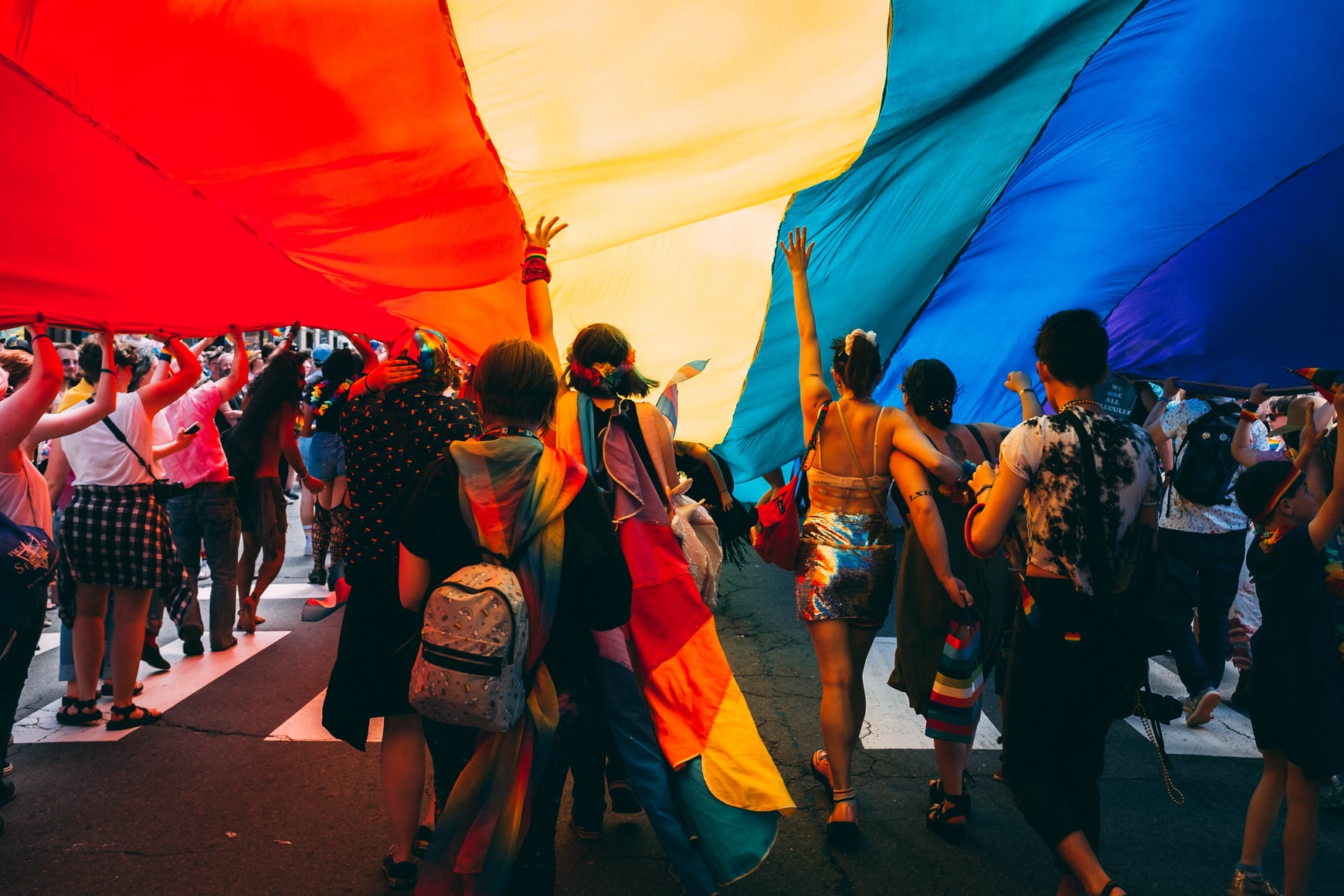
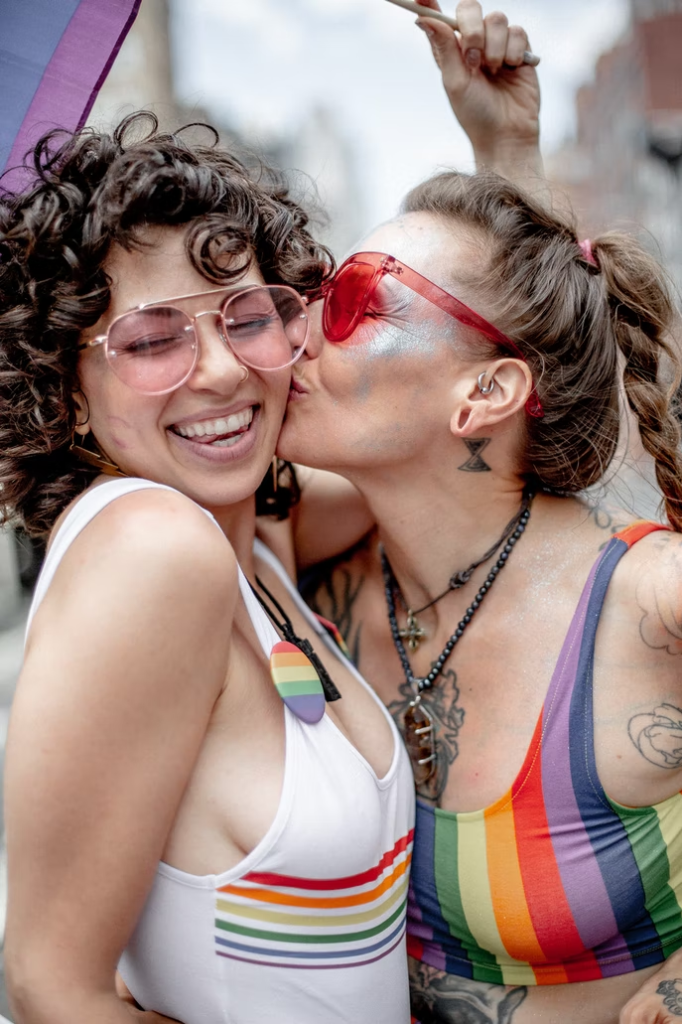
Pride 2019 in New York (UNSPLASH)

One of my main issues with rainbow washing is the fakery of it all. I am always curious about the employees of let’s say for example a popular supermarket who have turned the logo into a rainbow and have pride flags around the shop. How many of those employees actually support pride? How many of them would genuinely support me? 9 times out of 10, I genuinely don’t believe that the majority would.

Luke Severn, a content writer and journalist from London who is openly gay.

Why is rainbow washing problematic?

You may wonder what is wrong with companies wanting to make money in June. There is nothing wrong; just don’t use a social cause like pride month that doesn’t belong to you to promote yourselves and your brand. It turns a social cause into consuming goods and services, which is not what pride is about. Pride month, as we have said before, is about celebrating this community whilst also highlighting the issues that this community faces. It is about celebrating this community’s contributions to our society and creating more acceptance. What brands do by putting rainbow colours on their logos for a month is water down this month into some meaningless capitalistic spurge. They lure people into thinking that they are helping those part of this community, whereas they are doing the opposite. By being brainwashed by rainbow washing, you are filing the pockets of business owners while neglecting this community.

Without being too much of a pessimist, I can see why brands do it. I understand that it is good for a brand to show support but it just feels intrusive. However, I also do enjoy seeing my community be represented on a large scale, even if that moment does come around once a year. I think that my mixed feelings come from the idea of pride month itself – I think it can draw the wrong sort of attention, the same with rainbow washing.
Walking down the street to see various pride flags hanging in windows and above shop doors is great – but what happens when the month ends? What happens when the flags come down?

Luke Severn, a content writer and journalist from London who is openly gay.

Buying an Apple watch that showcases rainbow colours does not help the one in five LGBTQI+ people who have experienced a hate crime. Brands that showcase LGBTQI+ influencers do not address the one in five who are discriminated against at work due to their sexual orientation. Wearing a rainbow colour armband while playing sport doesn’t address the homophobic sporting culture that 80% of people believe exists. We have become used to this cycle of companies, organisations or individuals showcasing the rainbow flag year by year, without much change in the issues that this community faces. 

Now is the time to break this cycle of rainbow washing. Do organisations support LGBTQI+ people all year round? Is their support transparent and measurable for this community? Do they speak out against anti-LGBTQI+ policies and legislation? These are the questions that need to be asked. If all of these actors fail on these questions, their intentions don’t lie with these communities. Their intentions lie in their wallets. 

How Many More Children Must Die Before Things Change In America

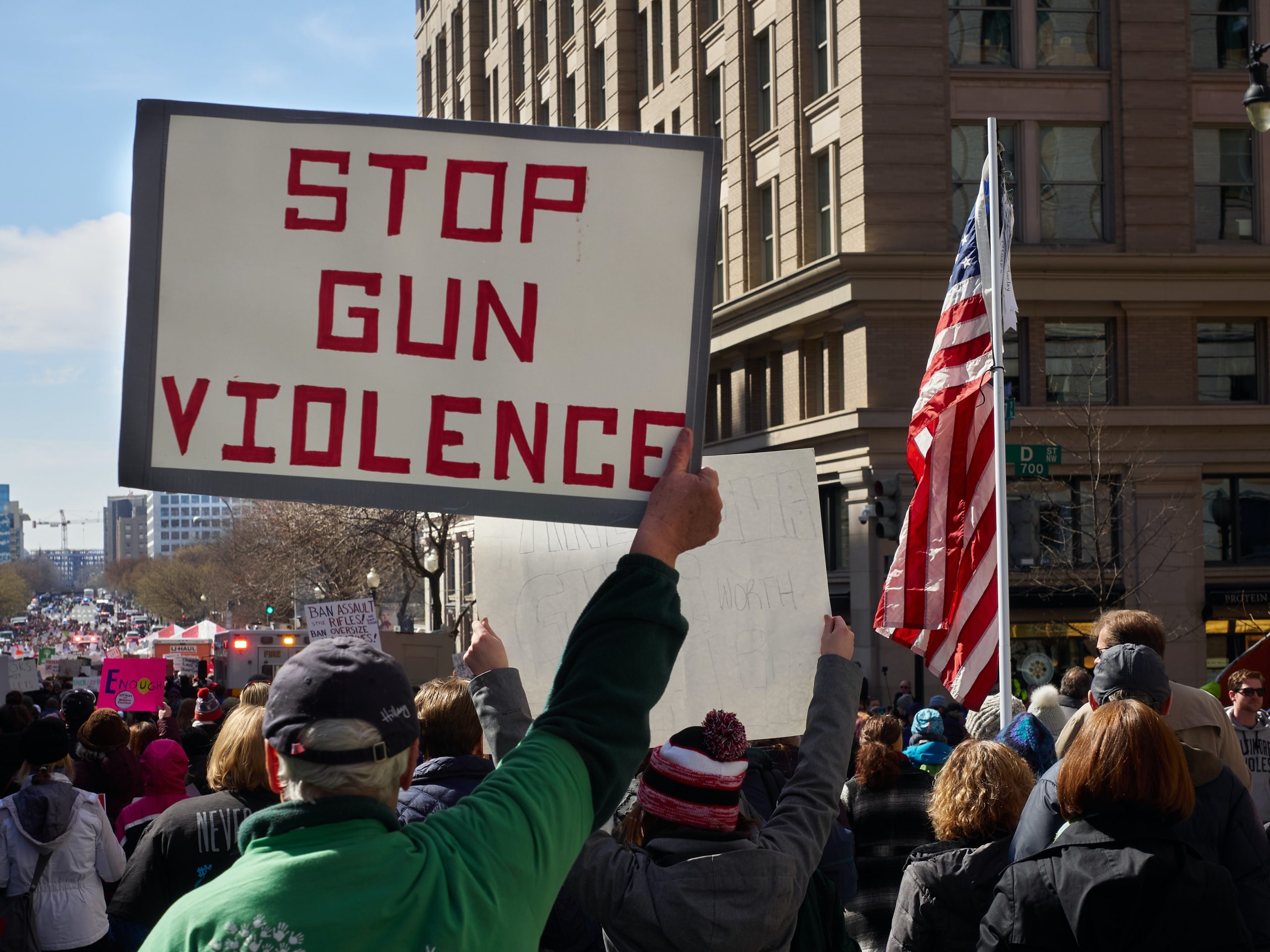
Countries around the world have traditions, both good and bad. In the United States, one of its traditions has turned its ugly head once more, with the media frenzy, the pro and against arguments for gun control and thoughts and prays commencing.

The latest mass shooting in America has taken the lives of 19 children and two adults in Uvalde, Texas, after the gunman purchased two AR-15 style assault rifles. There have been emotional outpours for the lives taken, speeches by members of Congress demanding change and the National Rifle Association (NRA) reappearing in conversations. Yet, we have been here before. We see the same old conversations, the same amount of media buzz around a town and the same old arguments on social media platforms. 

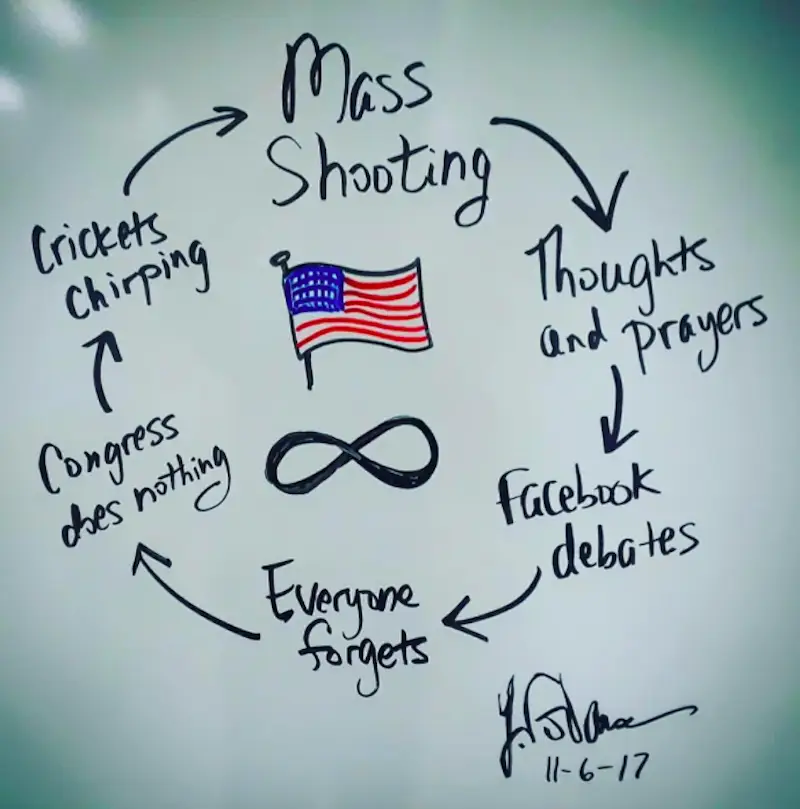
All of this is best summarized by the mass shooting flow chart, which goes as follows: mass shooting, thoughts and prayers, facebook debates, everyone forgets, congress does nothing, crickets chirping and then back again to a mass shooting. This year alone, this cycle has been played 214 times, with more than 17,300 people becoming victims of this horrendous cycle. But despite the jaw-dropping numbers, inaction occurs. It is as if those within the system of decisions are stuck in quicksand unable to move an inch when it comes to guns. When will this change is a question that has come to the mind when seeing the devastating images across the pond and into the state of Texas.

Mass shooting flow chart (Business Insider)

The constitution

The feeling of hopelessness comes, not just from outside of the so-called land of the free, but within the arbiters of power that should protect people’s liberties yet diminishes them. The main source of reducing such freedoms is a single piece of paper known as the constitution.  

Those who hold this piece of paper hold it like a firstborn baby, and even with a slight nudge to this paper, all hell breaks loose. Yet, those who hold close to this piece of people will be offended by what has to be said. In its current form, this paper is outdated, is no longer fit for purpose and doesn’t reflect the views of Americans.

This is especially true when almost half of Americans want Congress to implement stricter gun laws. But that isn’t the only thing that is outdated. When you have an organisation like the NRA that spends about $3m per year to influence gun policy, how can you expect this debate to change in favour of more regulation and simply for lives to be protected? Yet, as the NRA always says: more guns mean a safer America, despite 79% of murders happening by guns in the United States in 2020, compared to Canada at 37%, Australia at 13%, and the United Kingdom at 4%, all of which have strict gun laws. 

When will the gun debate change in the United States?

And so back to the question that I ask myself after the tragic shooting in Ulvade: when will this gun debate change in the United States? No overnight change will occur even if another speech goes viral about this issue from someone of power. But what the United States has got to do is wake up and realise that there is a clear cycle of mass shootings, one that I have pictured in your mind. Australia, Canada and the United Kingdom have broken those cycles after tragic events, and it is now time for the United States to do the same.  

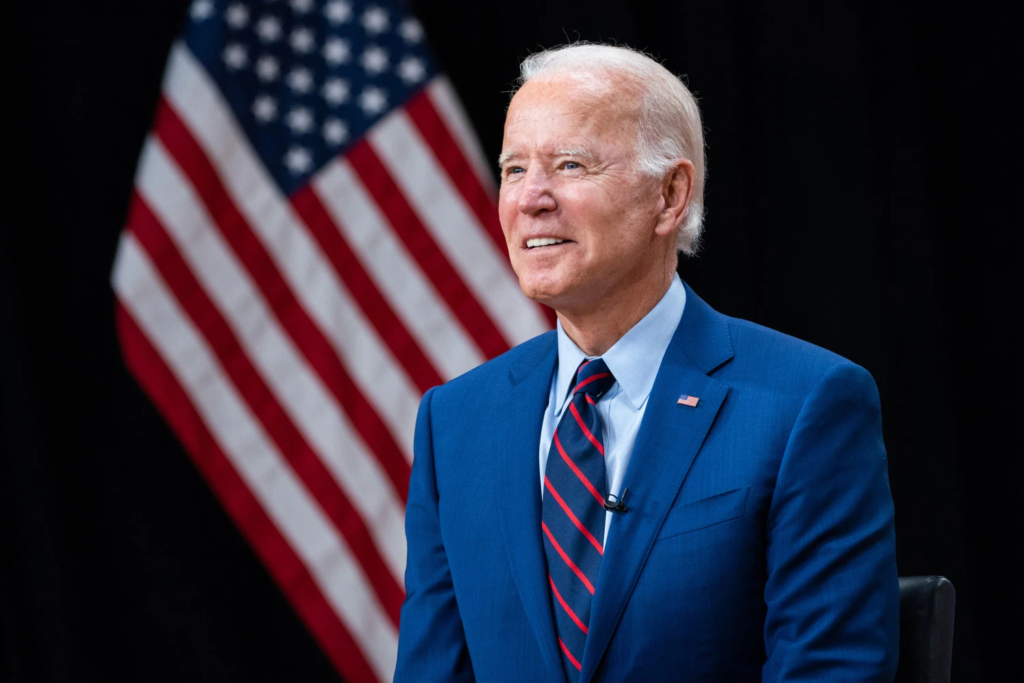
President Joe Biden has asked when we are going to stand up to the gun lobby. It’s a question all of us want to know the answer to but is wrapped up in the dirty handling of lobbying that has placed the political system of this land in quicksand.

Joe Biden (Source): The White House

Will Biden risk losing votes to address the gun lobby’s toxicity is something that he has to contemplate. But if the United States is going to loosen itself from this state of inaction on this issue, it must address its core: the constitution, congress, the senate, lobbying and its views on guns.

No one law will change this debate, but the hope is that this mass shooting loop will stop repeating itself after another tragic shooting. The question is, are people within the parameters of power willing to avoid the toxicity of the gun lobby so that no more kids or adults die in the hands of another gunman. That is something I am not too sure about.          

Rishi Sunak: Tax On Energy Companies And £400 for Households To Tackle Cost Of Living Crisis

The Chancellor said the government would provide ‘significant support for the British people’ as he set out a £15bn package of support

Chancellor Rishi Sunak has announced a windfall tax on energy companies and £15billion of extra support for households in a statement in the Commons on the cost of living crisis.

The Chancellor said the government would provide “significant support for the British people”, with inflation rocketing and energy bills set to rise by another £800 in the autumn for millions.

It comes after two Tory MPs called on Boris Johnson to quit as pressure grows on the prime minister following the publication of the damning Sue Gray partygate report.

John Baron, Tory MP for Basildon and Billericay said, on Thursday morning, he could no longer give the the prime minister “the benefit of the doubt”.

He said: “The most serious charge against the prime minister is that of knowingly misleading parliament. Given the scale of rule-breaking in No 10, I can not accept that the prime minister was unaware.”

‘Sensible middle ground’

Making a statement in the Commons, the chancellor said the inflation faced by the UK was causing “acute distress for the people of this country” and he knew people were worried.

But, Mr Sunak added: “This government will never stop trying to help people, to fix problems where we can, to do what is right – as we did during the pandemic.”

He confirmed the government would introduce a “temporary targeted energy profits levy” charged at a rate of 25% on profits of oil and gas companies to fund “significant support for the British people”.

However, he said his “sensible middle ground” plan included a new investment allowance, so “for every pound a company invests they will get back 90% in tax relief – the more the company invests the less tax they will pay”.

The chancellor added: “We should not be ideological about this, we should be pragmatic

“It is possible to both tax extraordinary profits fairly and incentivise investments.”

Mr Sunak said the tax would then be removed when energy prices returned to normal levels.

Read Sue Gray’s full report into Downing Street parties

Below is the full report into illegal gatherings at Downing Street during Covid lockdowns. Compiled by senior civil servant Sue Gray, its initial publication was delayed by the Met Police inquiry which led to 126 fines being issued, including one each to the prime minister and the chancellor.

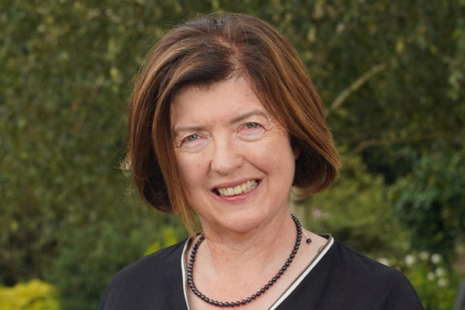
Who is Sue Gray?

In May 2021 Sue returned to the Cabinet Office to take up the role of Second Permanent Secretary with responsibility for the Union and Constitution Directorate.

Prior to that from 2018 to 2021 Sue served as the Permanent Secretary of the Department of Finance, NI Executive on secondment from the Cabinet Office.

Sue first joined the Cabinet Office in the late 1990s.

Summary

  • Sue Gray’s final report into parties in and around Downing Street during the pandemic has been published
  • She says many of the events “should not have been allowed to happen” and that staff who raised concerns were not treated with respect
  • Senior leadership at Downing St “must bear responsibility for this culture”, she adds
  • Boris Johnson tells the Commons he takes full responsibility for everything that happened on his watch but asks MPs to “move on”
  • Labour’s Keir Starmer responds by saying the Gray report shows how No 10 treated the sacrifices of the public with contempt
  • WhatsApp messages reveal Martin Reynolds, a key aide to the PM, was warned of “comms risks” around some events
  • He also suggested in a different message that officials had “got away with” a large event in the No 10 garden on 20 May
  • A gathering in the No 10 flat after it was announced Dominic Cummings would leave government was never fully investigated by Gray, report reveals

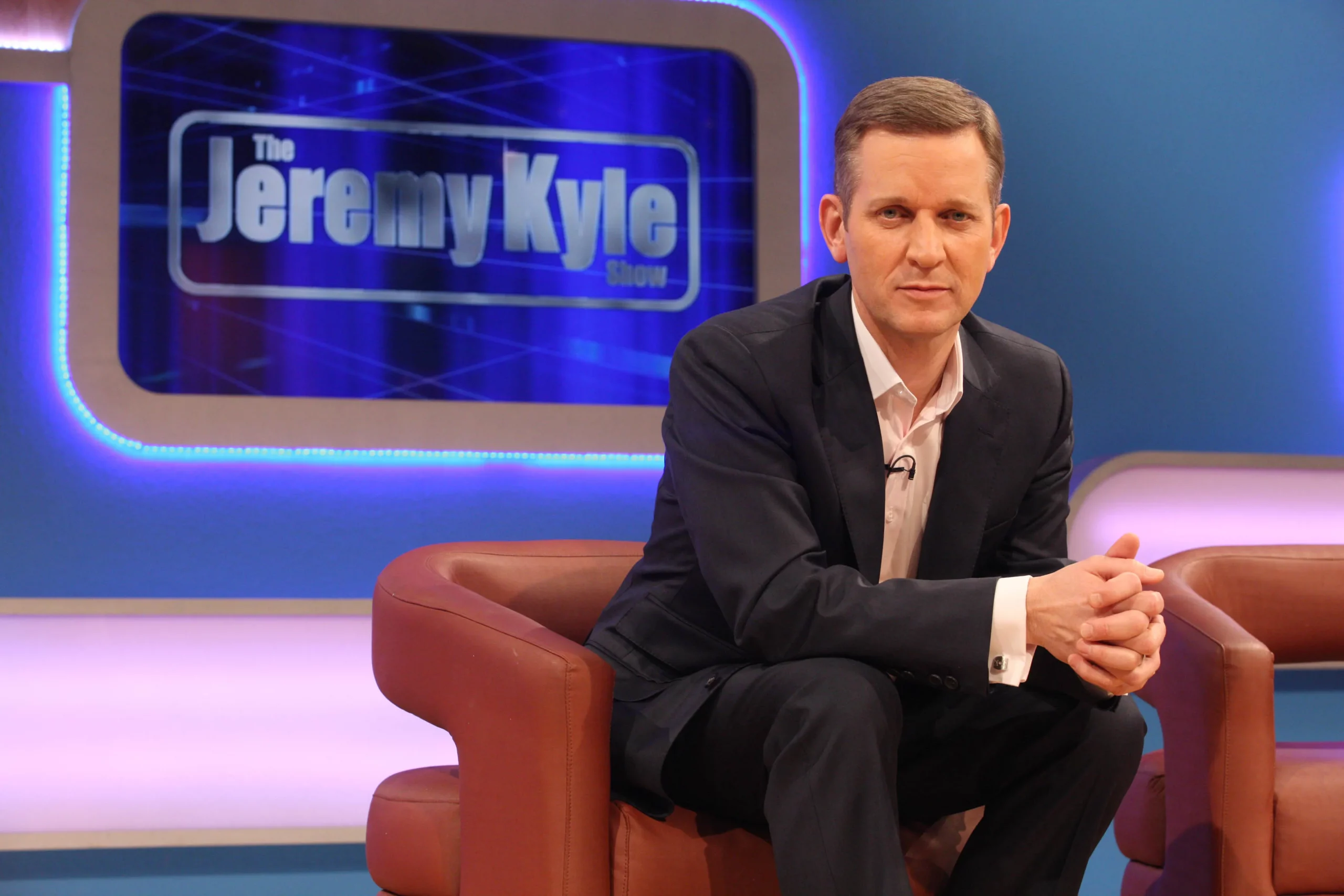
Jeremy Kyle: Trash TV With A Dark Twist

Channel 4 has released a damning documentary about the rise and fall of the controversial tabloid talk show ‘The Jeremy Kyle Show’ after its cancellation in 2019.

Jeremy Kyle: Death on Daytime‘ aired on television in March 2022, which gave a behind-the-scenes look at the show’s production.

Its findings were that guests were manipulated and exploited for the public’s entertainment. Many of the show’s producers were too scared to speak out (for fear of losing their job) or did not see anything wrong with the show’s existence.

ITV canceled The Jeremy Kyle Show after 63-year-old Steve Dymond took his own life one week after failing a polygraph test on the show, despite pleading his innocence to his partner.

Jeremy Kyle portrayed himself as akin to a cult leader, treating many people disrespectfully and commanding his ‘kingdom’ with an iron fist whilst convincing those he worked with that his methods were perfectly ethical.

There was also an exploration into the show’s origin and why it was popular in the UK. ITV wanted a UK equivalent of ‘trash TV’ shows such as Maury and Jerry Springer in the US.

They decided to use real people instead of staged actors like their American counterparts did.

The majority of the people who appeared on the show were white and lower class, whereas the people controlling and producing the show were mainly white middle class.

The show, therefore, was accused of ushering in a new era of demonisation of demographics of certain people. The show turned the lower class’s issues into a public spectacle.

Jeremy Kyle is currently hosting his own show on Talk TV, covering topical news and current affairs. Kyle said  he ‘couldn’t be more thrilled to be back in front of the camera’.

Channel 5 reports on the fall of the Jeremy Kyle Show. Video credit: 5 News

Dodging responsibility

Along with Jerry Springer, the Jeremy Kyle Show represented the worst that society had to offer; exploiting the trauma, emotions and issues of a certain class of people for money, ratings and public entertainment. The dangerous aspect to this, however, is a fundamental difference between Jerry Springer and Jeremy Kyle; real life.

Jerry Springer was entertaining, but ultimately that’s all the show was: entertainment. Nobody took it seriously. It was crafted for a niche demographic who simply enjoys viewing unhinged dysfunction without guilt.

Not wanting to be undermined, the UK decided to go one step further and target a particular class of people – one that was easy to slander and ridicule and didn’t have any financial or social capital to stop it – the white lower classes.

Indeed, the white lower classes were like lambs to the slaughter when appearing on the Jeremy Kyle Show. Issues that were once deeply personal and sacrosanct to the individual were now defiled and desecrated for public spectacle. The middle-class producers were having a field day, carefully manipulating those individuals silly – and sometimes desperate – enough to appear on the show, in order to increase ratings.

Testament to their lack of genuine care was an ITV TV executive’s ambiguous answer to the accuracy rate of the polygraph test. When challenged on the approximate accuracy rate of the test, his answer was ‘not 100%’.

It is understandable, therefore, why many feel this was deliberate as such an ambiguous answer could be used to deflect criticism and responsibility from the producer and ITV.

BBC short documentary about the white working class. Video credit: BBC Three

The white lower class has nowhere to run

But, amidst all this manipulation and dysfunction, why the white working class? Why them in particular? What made them particularly vulnerable to the sadism of the middle class?


In short, they are white and poor, a deadly combination in the contemporary political climate.
Characteristics such as race, gender, sex, sexuality, religious beliefs, and disability are all protected by society, both legally and socially. However, class is a much more subtle aspect of a person’s life, making it harder to tell if this is discrimination. Collectively, society has decided that to be white in itself is to be privileged.

Many of the reasons equality laws came to be are to right past wrongs where ethnic minorities have experienced discrimination. This narrative, consequently, made it acceptable for shows such as The Jeremy Kyle Show to use white and poor people almost exclusively on the programme.

Heated argument between the ‘stars’ of Benefits Street and public figures.

The Channel 4 show Benefits Street is a good example of this, which caused huge controversy as it portrayed benefits claimants as essential scroungers.

The show showed some benefits claimants committing crimes, including a demonstration of how to shoplift, and portrays a situation in which people are so comfortable living on benefits that they are not incentivised to seek work.

Subsequent programmes, similar in nature, such as Channel 5’s ‘Can’t Pay? We’ll Take It Away!’ have contributed to this. The Jeremy Kyle Show, therefore, has arguably pioneered a demand for poverty porn.

No cards to play

In summary, the Jeremy Kyle Show is an example of classism and an unpopular form of racism. It encouraged society to demonise and look down upon the lower classes, whilst also challenging the narrative that to be white is to have an advantage.

With programmes like Jeremy Kyle fuelling society’s disdain for this demographic, combined with a lack of capital and social lobbies for assistance, the white lower classes simply have no cards to play.

There is bigotry that comes with low expectations of certain demographics.

Will This New Show Revive Piers Morgan’s Career?

Piers Morgan is one of a kind in the broadcasting world. When you mix viral social media takes, a polarising personality, and someone always on the edge of controversy, you get something close to Piers Morgan. Every time his name trends on Twitter, you think, “oh no, what has he done now”, like a Jack Russell that has an addiction to scrapping with something or someone. But in recent months, Morgan has disappeared from our screens and has only been a figure on Twitter, until now.

Piers’ New Show

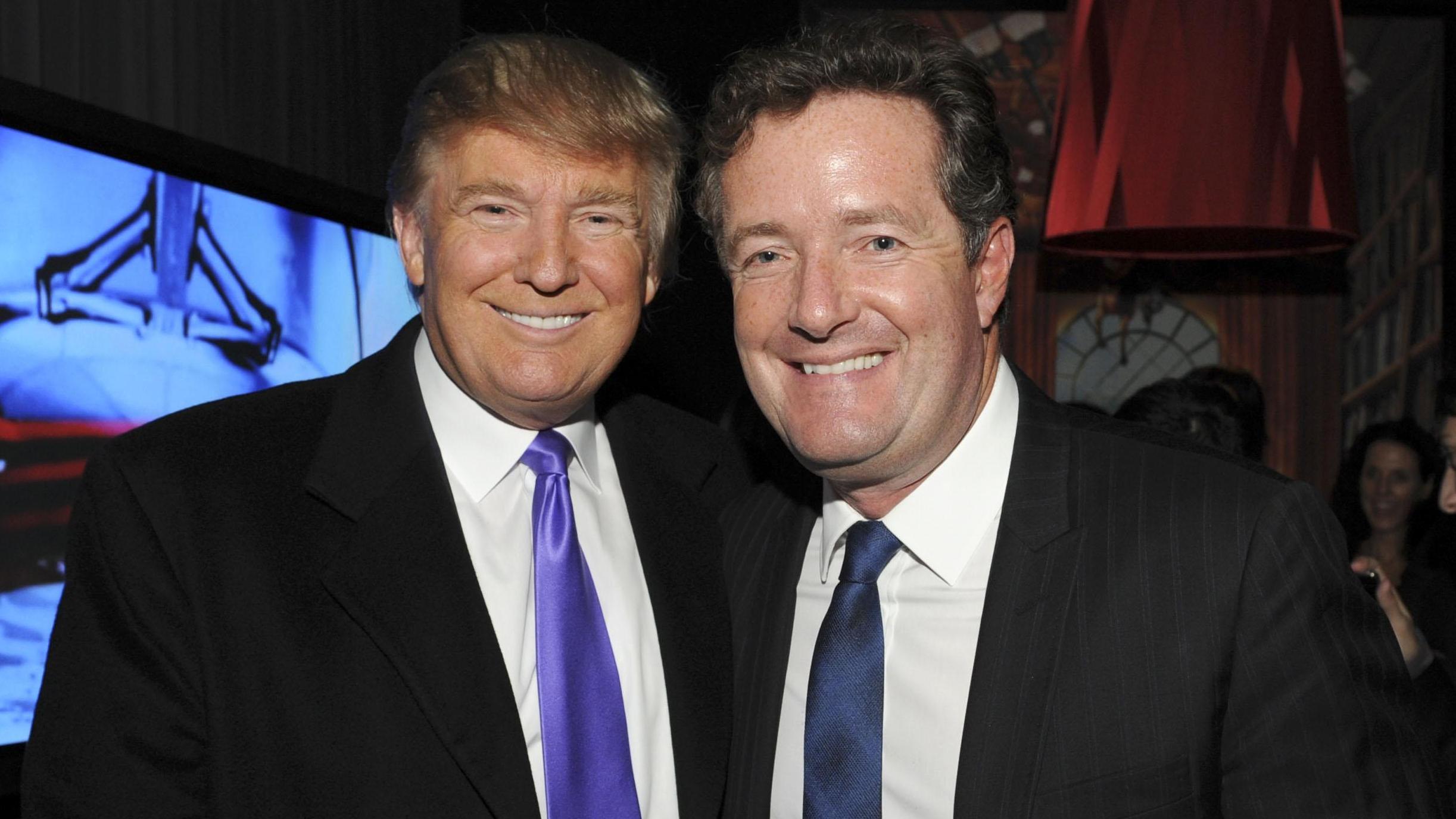
Teaser trailer of Piers Morgan’s interview with Donald Trump on Uncensored. Courtesy of Piers Morgan Uncensored

Uncensored is a live chat and debate show that the 57-year-old will be hosting on TalkTV, a new television station part of Rupert Murdoch’s News UK. Morgan has claimed that his show will “annoy all the right people,” with his first guest being the former United States President Donald Trump, which will probably do that. Dubbed “the most explosive interview of the year,” clips have emerged of Trump walking out of the interview, with it being claimed that the clip was “doctored”, according to the former president.

As people wait for this widely anticipated show hosted by the former Good Morning Britain host, we are now back into the cycle of hearing about Morgan on television after a brief silence. Twelve months after his stormy exit from GMB, it seemed that he was finished. It appeared he had lost his “un-cancellable” cloak, which had protected him for many years and that he had finally run out of the many lives he had. But with his new show Uncensored, will this revive his notorious, provocative, and infamous career, or will it do the opposite?

It is a question that has three possible paths. The first is that despite him saying that his show will be worth watching, it will not meet his oversaturated opinion. It may follow the same fate that his previous show, “Piers Morgan Live,” on CNN had faced: low ratings and ultimately being axed. If that doesn’t happen, then the second possibility is more likely. He will say something outlandish, be questioned for such a view, walk off and then quit his show on “his terms”, just like what happened with GMB. You then have the last possibility. If his show doesn’t meet his overly ambitious expectations or says something outlandish, it will continue to be aired due to high interest from people wanting to see Morgan red-faced in anger.

There is no clear answer to which path is more likely and what will end up being pure theory. The 57-year-old does have some control of what may or may not happen with his show, but looking at the clips of his interview with Trump, the broadcasting personality is still his polarising self.

He is using controversy as his fuel again, and he hasn’t changed in the last twelve months. At the same time, small viral clips don’t exactly tell the whole story, and as we see the long-form interviews, there might be a slight chance he has learnt a lesson from his previous mistakes. We might see his journalistic credentials if it still exists, or he provides an entirely different side that we may love or loath. Out of all the questions that Morgan will ask his guests, the question we want an answer to is the following: will Uncensored bring the best or worst out of the host? We will have that answer as the show develops.  

Is Banning Russia Today In The Uk The Start Of A Slippery Slope?

What Happened?

Russia has promised further crackdowns on British media outlets operating in the country, after UK media regulator Ofcom banned the Kremlin-backed television channel RT.

The Russian embassy in the UK said it was considering how to respond to the decision to remove RT’s broadcast licence: “The Russian side, therefore, reserves itself the right, as per normal international practice, to respond respectively with regard to the activity of British media in Russia.”

The BBC has been concerned that its operations in Russia could be severely curtailed as part of a tit-for-tat retribution move by the Russian state. The corporation has curtailed its Russian-language reporting from within the country but continues with English-language reporting led by Steve Rosenberg, its Russia editor.

RT vanished from British television screens two weeks ago as a result of EU sanctions but the UK media regulator’s decision makes it almost impossible for it to return to the country’s airwaves.

The decision does not stop RT, formerly known as Russia Today, publishing online output aimed at British audiences – which often reached larger audiences than the television channel – because Ofcom regulates only broadcast outlets.

RT has been removed from the airwaves in the UK and across the EU SOURCE: Getty Images

RT faced 29 investigations by Ofcom into specific breaches of British impartiality rules over its coverage of the war in Ukraine. The channel had portrayed the invasion as a peacekeeping mission to protect pro-Russia breakaway states.

But Ofcom said it instead made the unusually quick decision to revoke RT’s licence because of Russia’s introduction of laws that criminalised journalistic output that departed from the Russian state’s narrative, “, especially in relation to the invasion of Ukraine”.

“We consider that given these constraints it appears impossible for RT to comply with the due impartiality rules of our broadcasting code in the circumstances,” the regulator said.

The discussions these events prompt have two levels. The first level is about the situation: is this government intervention or is this a regulator trying to foster trust by offloading a propaganda machine? The second forces us to ask should the government have power over the regulator.

The first level is hard to prove, the government may have pressured. However, Russia Today has always maintained a level of plausible deniability. They fostered a Brexit following during the referendum as it furthered a Russian agenda. However, that was hard to call propaganda given the large amount of support found for Brexit. Now that Russian intentions are clearer, it is easier to prove. Ofcom tries to avoid taking channels off the air to protect freedom of expression. However, this was the point it seems Russia Today took it too far.

However, the second debate is more interesting. Should the government be able to say what we should and should not watch? Instinctually most would say no. In an era of social media and algorithms, it might be laughable that the government could choose what we see. But if the government can choose what we see, it damages our rights… Right? But in the United States, the land where freedom of expression beats out the love of guns, there is a wartime system that allows the government to seize control of communications. Zelensky did just this in Ukraine. It is to control information. In peacetime that is too much power, especially over time. However, in wartime, it is a necessity. The UK has a system too, and under the Broadcasting Act of 1980, the government still has the right to take control over radio and television in times of national emergency. Although, what qualifies is open to interpretation.

Russia Today is not the beginning of this government taking those steps, it would be far more immediate. But we are in an information war. It is something the world has not quite seen before and we should be prepared for more of the same.

I Guess It’s Her Black Life That Matters?

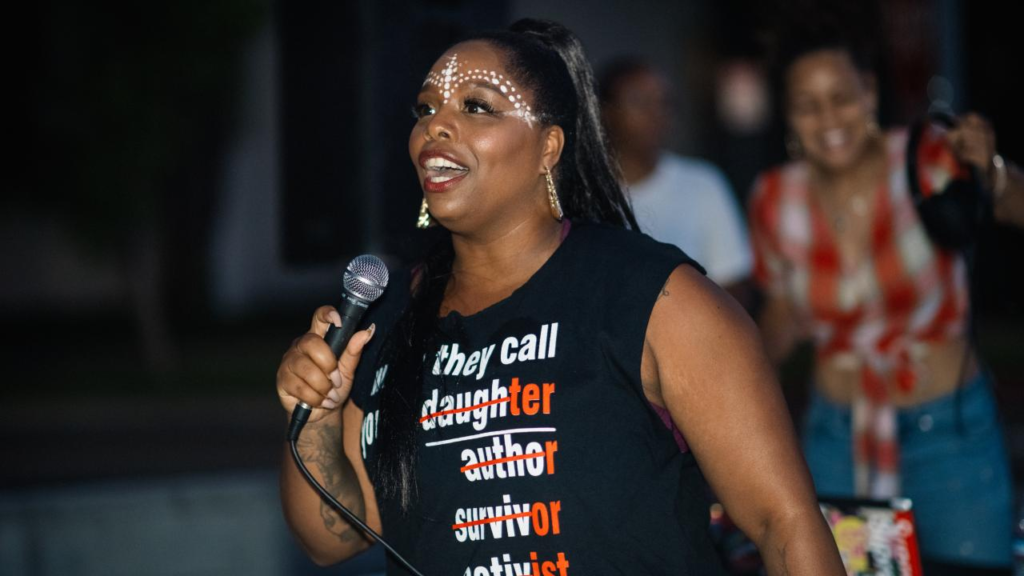
Black Lives Matter co-founder Patrisse Cullors has come under media storm once again for buying several million-dollar properties in California.

Cullors, 38, co-founded one of the biggest, and most world-renowned global protest movements in history.

In 2020, the Black Lives Matter foundation revealed it received more than $90 million in donations — in spite of an internal divide due to ongoing feuds about the lack of funding. As well as this, there were complaints about a lack of transparency regarding the gargantuan amount of money flowing into the hands of Black Lives Matter and people rightly wanted to know where their money was going.

Black Lives Matter-related causes received donations in 2020 were $10.6bn.

The Black Lives Matter Global Network Foundation disclosed its finances according to figures they released via an impact statement:

  • $8.4 million in expenses and $21.7 million committed to local chapters
  • the group ended 2020 with “an approximate balance of $60 million,”
  • This figure sits at £67m ($90m)

“We are no longer a small, scrappy movement. We are an institution,” they said.

Black Lives Matter

It had been reported by the Daily Signal publication that the Black Lives Matter movement has had a host of corporate donors such as Tinder, Microsoft, Amazon, Gatorade, and 23andme.

Develop Communities or the property portfolio?

Cullors, one of the founders of the movement has been called a hypocrite for amassing a property portfolio, which is diametrically opposed to her beliefs as a self-described “trained Marxist.” In direct response to these questions, she said: “Not just a character assassination campaign, but a campaign to actually get me assassinated.” — She is describing here the persistent questions she has been asked in the media. Her ascent from local community organiser to an international activist was unparalleled.

To bring an anchor to this murky water BLMGNF (Black Lives Matter Global Network Foundation) responded to criticism in November 2020, when ten chapters of the BLMGNF issued a public call for greater financial accountability.

According to the New York Post: ‘The organization replied to the criticism three months later by releasing, for the first time, some detailed information about its finances. BLMGNF said it had raised more than $90 million in 2020. It incurred $8.4 million in operating expenses, distributed $21.7 million in grants to more than 30 organizations, and retained some $60 million in its coffers.’

Where is the rest of the $60 million? We are in 2022.

An April 2021 article in the New York Post revealed Cullors purchased four homes for nearly $3 million. 

Patrisse Cullors purchased this home in the Topanga Canyon area of Los Angele for $1.4 million, Image credit: New York posthttps://nypost.com/2021/04/10/inside-blm-co-founder-patrisse-khan-cullors-real-estate-buying-binge/

One of the houses purchased for 6 million is as follows:’ more than 6,500 square feet, more than half a dozen bedrooms and bathrooms, several fireplaces, a soundstage, a pool and bungalow, and parking for more than 20 cars, according to real-estate listings. The California property was purchased for nearly $6 million in cash in October 2020 with money that had been donated to BLMGNF.’

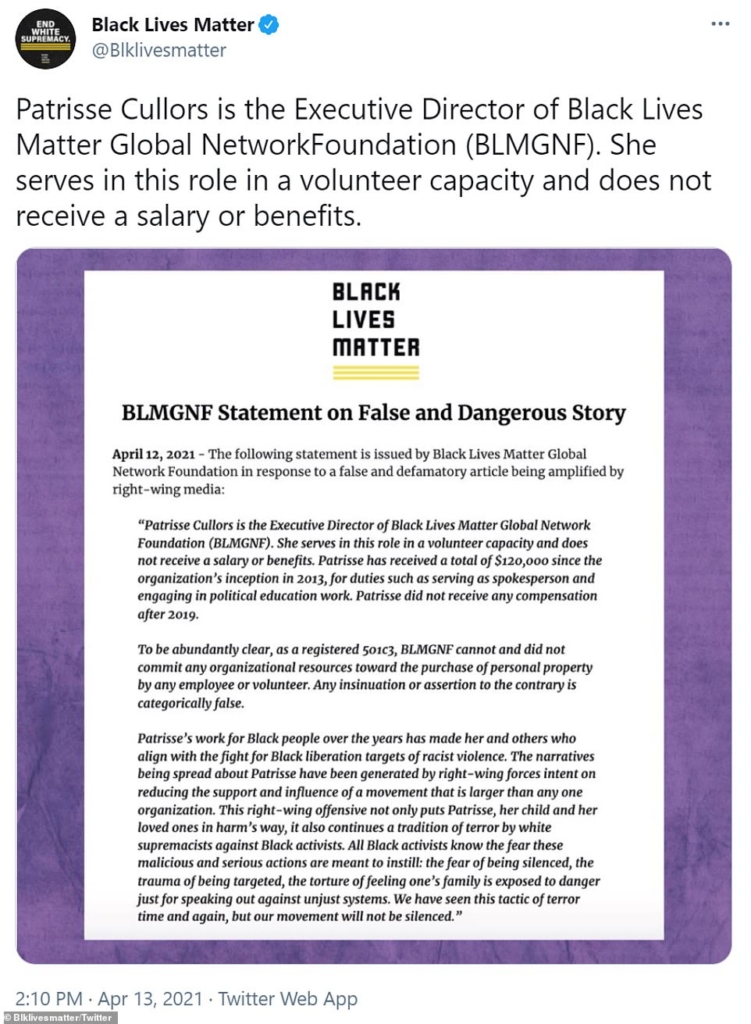
In 2021 BLMGNF, where Cullors was previously a director, after stepping down in May 2021 issued a statement stating that they had not paid for her house back in 2021.

It was claimed Cullors was paid $120,000 in total since 2013 when the organisation was founded, where she received compensation ‘for duties such as serving as a spokesperson and engaging in political education work.’ 

She has not been paid since 2019, the group said.  

Image credit: Twitter @Blklivesmatter

In an article from the guardian, Cullors spoke in detail about some of the criticism she has faced It seems the attacks are misdirected, she has become the person to attack simply because her finances have been traced, with no plausible link. Cullors has become the scapegoat.

A continuing confusion?

Black Lives Matter as a concept has had many organisations and charities working chapters that work under their namesake. These organisations and charities need a clearer distinction, as it continues to confuse individuals. There is no clear number that operates under the name of BLM. Organisations have been working under the banner of BLM, they need to be tracked and have their books checked.

Throughout the years ‘ there have been nonprofit and for-profit arms. The BLM Global Network Foundation is distinct from the dissolved BLM Global Network, which is distinct from the BLM Action Fund, BLM Grassroots, and the BLM Political Action Committee. Tides sponsored an effort called the BLM Global Network Project and replaced it with the BLM Support Fund. BuzzFeed News reported in 2020 that Apple, Google, Microsoft, and other corporations nearly donated $4 million to an entity called the Black Lives Matter Foundation before realizing it had no connection to the group started by Cullors.’

Interestingly BLM is a branch of the new liberal religion and politics that divides good people alongside politics you must not question anything, if you do you are cast astray to the depths of no longer being an ally. Being an ally means you question and not blindly support. In the circus it has created we are able to deal with facts, not personal agendas and not feelings.

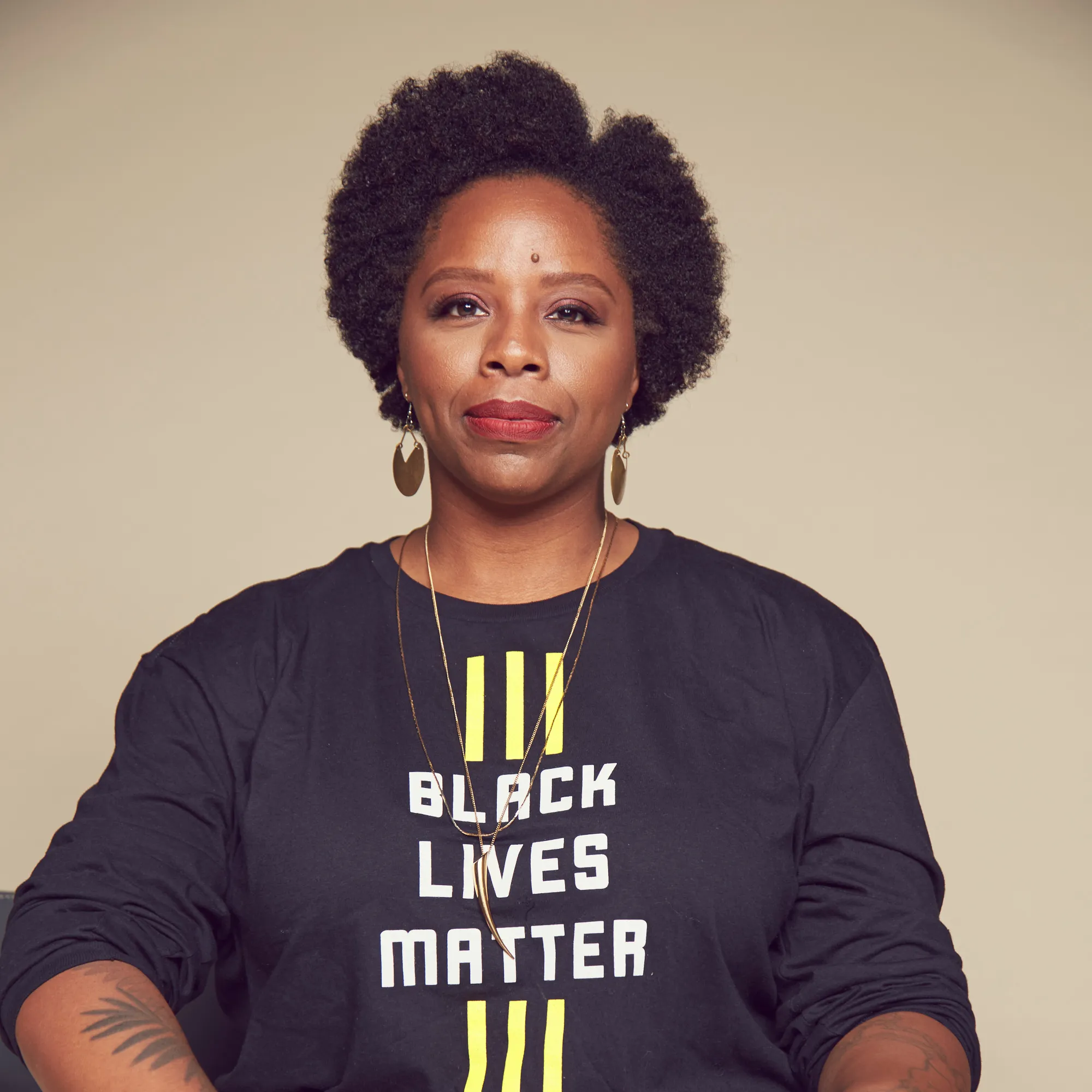
Image credit: Frieze https://www.frieze.com/tags/patrisse-cullors

Interestingly I do recognise many other leaders are not so heavily scrutinised with the same vigour as Patrice Cullors. Why? combined with the Covid-19 epidemic, the world was forced to sit down and listen as the media flooded the world with black trauma and pain. As a result of starting uncomfortable conversations about race, racism and other societal inequalities, never bite the hand that feeds you, instead, the media bite those they gave time and attention to through false discrediting, denigration and demonisation.

The magnitude of BLM is one of the largest in global history and will be forever remembered. Yet her followers do not benefit nearly as much as she has. Cullors stated previously. “I’ve worked multiple jobs across many organisations my entire life,”. “I’m also a published author, writer, producer, professor, public speaker and performance artist…”. Her wealth is seemingly also evidence from her body of work over the years, not directly from donations to BLM.

“As a self-proclaimed Marxist Cullor’s wealth is questionable and hypocritical but admirable as it goes against the very fabric of her political beliefs. It requires a special kind of person to say one thing, but do another. Cullors benefited from the very capitalist system she wishes to dismantle and destroy.

Shaun Flores

Leaders are thrust into the public spotlight and undoubtedly those we revere also have the threat of being crucified. Putting trust into a movement with a lack of transparency is never a good idea. Leadership is one thing, but ethical leadership is another. Ethical leaders are ‘individuals behave according to a set of principles and values that are recognized by the majority as a sound basis for the common good. These include integrity, respect, trust, fairness, transparency, and honesty. I feel in many black movements such as BLM, we lack this and they must be held to account before handing over money to help black people, but what is worse is not knowing where that money is going. Is we supported ethical leadership, we would not have this issue. We have many unethical individuals in leadership positions who reflect the people in namesake, not in moral grounding. Cullors is not the leader we asked for, she was self-anointed and self-appointed, but she is the leader we have, and ultimately she should practice what she preaches.

Three Reasons People Are Obsessed With Steven Bartlett

Steven Bartlett’s name has been plastered all over social media in the last couple of months, and he become a prominent figurehead within the business and podcasting world.

He is very much in the limelight, from being mentioned in the TV soap Coronation Street to receiving raving reviews for his Diary of a CEO live tour.   

But whilst being in this limelight, he has also received his fair share of reproach.  

With more articles being written about the 29-year-old entrepreneur, both supporting and condemning the individual, I want to explore three reasons why there might be an obsession with Steven Bartlett.

His roots

A reason that stands out to why there is such attention towards the entrepreneur starts with his upbringing. Son of a Nigerian mother and British father, Steven grew up in Plymouth within a predominately white area, and his family struggled financially. He was the only black kid in his school, faced racial abuse and was attacked due to his race. Steven often talks about how he struggled to fit in during his school years and how in a Sunday Times interview, he recalled trying to be “as white as possible.” The school system didn’t help him either, as he was expelled at 17 due to his lack of attendance. Despite going to university, he attended only one lecture and dropped out of the institution straight afterwards, with his parents disowning him because of that decision. Even if he didn’t do well in school, he still had talent, and as you explore further, you can tell he had an entrepreneurial spirit about him.  

“I was relaxing my hair so that it’s straight, trying to be as white as I possibly could at that age because I didn’t really understand what it was to be different.”

Steven Bartlett in an interview with Rosie Kinchen for The Times.

Steven’s early roots have had quite a significant impact on many people, especially those from a similar background to his. It’s the idea that even if you don’t exactly fit in within a structured system like education, it doesn’t mean you are a failure. Steven is an example that despite “failing” in one area of life, it doesn’t mean you will face the same fate in other areas of life. The beginning of Steven’s journey presents a typical underdog story that everyone loves and appreciates, which generates intrigue. His story is about going through immense challenges but coming out the other side to fame and achieving colossal success.

Rise to fame

From dropping out of university, his rise to fame is something out of Wolf of Wall Street, just without a star-studded actor. At 23, he became a millionaire through his social media market agency called Social Chain, which he built in his bedroom. He then left this company in 2020, worth £450 million and instead of resting on this success, he launched two other businesses called Thirdweb and Flight Story. Away from his business adventures, there was another element to his story that was growing, and that was his Diary of a CEO podcast, which he launched back in 2017.

Multi-millionaire Steve Bartlett describes how he built Social Chain, a social media marketing company, from scratch on Happy Hour.

Since that time, the podcast has become a number one hit challenging the likes of Joe Rogan’s podcast. It has guests that media outlets would dream about getting an interview with, like Matt Hancock, Mel Robbins and Jordon Peterson, and it is sponsored by big-name brands like Huel, Fiver and Myenergi. Diary of CEO has also expanded into a live show and is in the works of trying to create a clothing brand relating to the podcast. Not to mention his other achievement of writing a Sunday Times bestseller, many are trying to work out how he has achieved such success in a short period. This then creates the fascination we now see, and this includes the endless interviewers asking him questions about how he has done it. All of us are naturally curious about people and their lives, especially the lives of the successful. With Steven and what he has achieved in business and his podcast, that curiosity is at another level. But sometimes, this curiosity isn’t something as pleasant as what people may think. With any person who achieves success, people’s interest can soon turn into criticism, and there has been plenty of it with Steven.

He divide’s opinion

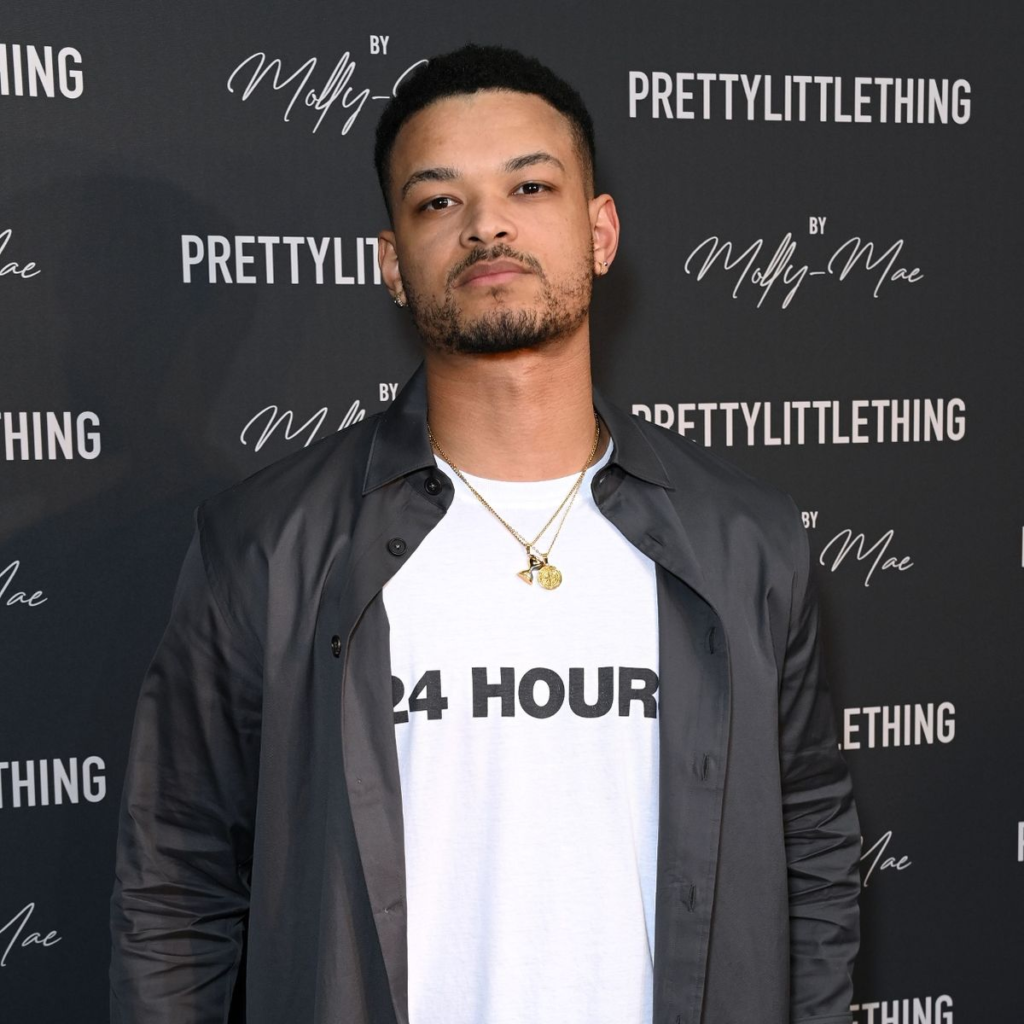
Steven wearing a “24 hours” top in reference to the saga involving Molly-Mae. Image credit: Plymouth Live

It was bound to happen that a person like Steve would receive criticism, especially the kind of person he represents. This criticism can be seen in the New Statesmen, whereby Sarah Manavis views him as “cocky and smarmy… more of a bluffer than a prodigy” and a hypocrite. As an entrepreneur worth £50 million, not everyone will like his ideas of meritocracy, being your boss and his motivational quotes on Instagram. His inspiring words, “you can do it if you work hard,” may be tone-deaf but could be seen as a deep philosophical thought. There is also this divide whereby people see his success as pure luck rather than preparation crossing opportunity, which is something that many successful people have had to endure. Plus, the way he speaks about his success creates intrigue about if he is being cocky or confident, something many of us find hard to distinguish. Then you have Steven’s non-filtered mind, as seen during the Molly-Mae controversy, which will rub people in all sorts of ways.

All in all, Steven displays marmite tenancies in how he presents himself. You have a columnist saying he is an overrated businessperson with an ego larger than the Eiffel tower versus another who is a former health secretary saying that he hosts “one of the most self-aware podcasts that I’ve listened to.” There is noise surrounding the entrepreneur, but what we don’t know is where this noise will head. That might be something that Steven Bartlett should worry about.    


Amnesty International Discusses ‘Israel’s Apartheid Against Palestinians’

Amnesty International discusses landmark report on Israeli Apartheid following International Day of Elimination of Racial Discrimination

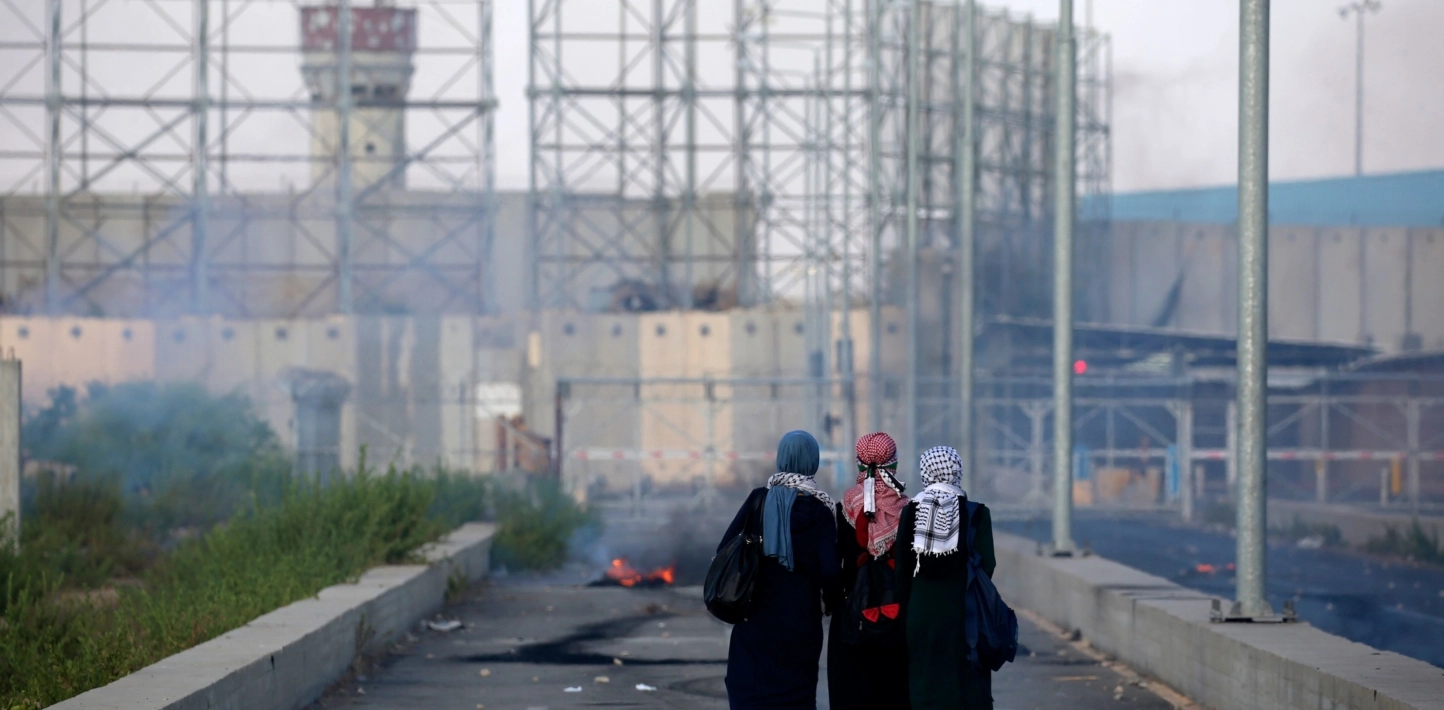
For The International Day of Elimination of Racial Discrimination, we sat down with Tom Guha, a campaigner from Amnesty International UK, to discuss Amnesty’s recent report “Israel’s Apartheid Against Palestinians: Cruel Sytems of Domination and Crime Against Humanity”.

This year’s theme focuses on VOICES FOR ACTION AGAINST RACISM, centred on strengthening meaningful and safe public participation in all areas of decision making, and reaffirming the importance of full respect for the rights to freedom of expression and freedom of assembly. The International Day for the Elimination of Racial Discrimination is observed annually, marked by the yearly anniversary of the killing of 69 people at a peaceful anti-apartheid demonstration in South Africa in 1960. A cornerstone development from this horrific event is the International Convention on the Elimination of Racial Discrimination. Despite the convention’s increasingly close universal ratification, communities and societies still suffer from the injustices and stigma racism and discriminatory policies bring. 

Israel blasts Amnesty UK for 'antisemitic' report accusing it of apartheid  | The Times of Israel
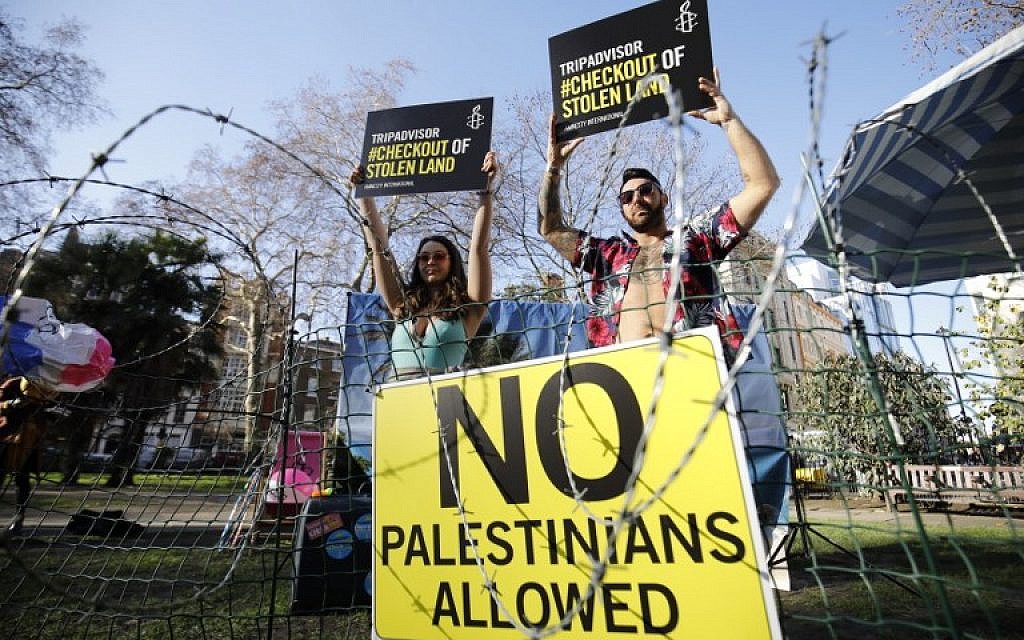
Rights group Amnesty stages a demonstration outside the UK headquarters of US travel company TripAdvisor in London on January 30, 2019. (Photo by Tolga AKMEN / AFP)

What impact does Amnesty hope this report will have?

Fundamentally, it was predictable that the report would attract controversy, but this is a really positive anti-racist campaign. Our end goal is the dismantling of Israeli Apartheid. Clearly a huge goal, and I’m not surprised in the slightest we’ve attracted a bit of controversy at the beginning. We (Amnesty) are committed to working on this campaign for a minimum of 10 years.

The first phase of the campaign is all about recognition, and once we’ve achieved widespread recognition that apartheid is actually being committed, then can we focus on concrete actions to dismantle the apartheid system. Central to the process over 3 stages is accountability, and we are right at the beginning of the recognition phase. In the immediate future, this means political activists, MPs across the political spectrum, and anyone influential in a political sense, becoming comfortable with using the word Apartheid to describe the Israeli government’s treatment of the Palestinian people. 

Regarding the criticism the report has faced, interestingly we’ve also attracted a lot of criticism from other organisations, namely asking why we’ve taken so long to reach this conclusion. Organisations such as Al-Haq (Palestinian Human Rights Group) and Israeli B’tselem (Israeli Information Center for Human Rights in The Occupied Territories) and Human Rights Watch have been using the language of Apartheid for quite some time. If anything, Amnesty is quite late to the game. Compared to other studies, our report does certainly go further. Other organisations have concluded that Apartheid is being committed only in the Occupied Territories, whereas Amnesty’s report concludes the Israeli state is committing the crime of Apartheid wherever it has control over Palestinian rights, including Gaza, the West Bank, and even the treatment of Palestinian refugees in Israel itself.

Can you talk a bit more about how Amnesty will be aiming to normalise the use of ‘Apartheid’ given the financial/lobbying/political resources the Israeli state is renowned for, particularly in Europe and America?

Central to this is convincing people that our research is credible, which I belive it is. I would encourage any skeptic to read the report and interrogate and engage with the evidence we have presented. Amnesty is a credible organisation, and this report is a result of 4 years on the ground research and legal analysis conducted by experts. 

The actual study and evidence gathering was conducted from 2017 to 2021, the reason being that Amnesty developed a legal framework on Apartheid in 2017, using international legal definitions (defined as “a crime against humanity committed when any inhumane acts are being committed within the context of a system that is designed to opress one racial group in order to benefit another”). The study itself involved a lot of field visits in Israel and the Occupied Territories itself, including with the organisations mentioned above (Al-Haq and B’tselem), interviews with Palestinians, and of course the necessary legal analysis into the laws, policies and practices that have been enacted by successive Israeli governments. Reading the study, a few things did stick out – water usage for example: 95% of people in the Gaza Strip, compared to 1% of Israelis, do not have access to clean and safe drinking water, alongside the use of live rounds by the Israeli Defense Force to disperse protests.

A major focus of the campaign is home demolitions, something we’ve campaigned on for a long time; policies that prohibit Palestinians from acquiring permits for the construction of property, meaning they have to build without permits and subsequently the homes are demolished by the Israeli state and replaced by Israeli settlements. Going back to what I said earlier, a good example of a concrete policy we want to achieve is the end of home demolitions and the provision of construction permits. A lot of this work includes working with Amnesty activists, ensuring that they feel comfortable talking about Israeli Apartheid in their communities, working with Parliamentarians, Members of Parliament, and ensuring the language is adopted by the mainstream, not just here in the UK, but internationally (this report was led by Amnesty International, not just Amnesty UK).

What is Amnesty’s view on Israel re-settling Ukrainian refugees in OPT (Occupied Palestinian Territories)?

All countries, Israel included, must take measures to enable refugees safe and swift exit from Ukraine and offer protection without discrimination. However, states must not tackle human rights violations by committing other human rights violations. Israel’s policy of settling people in the occupied West Bank contravenes international law. 

Is Amnesty calling for any sanctions against Israel?

 Amnesty is calling on the UN Security Council to impose targeted sanctions such as travel bans and asset freezes against Israeli officials most implicated in the crime of apartheid – that means people with command responsibility. We are also calling for a comprehensive arms embargo on Israel. The embargo should cover the direct and indirect supply, sale or transfer, including transit and trans-shipment of all weapons, munitions and other military and security equipment, including the provision of training and other military and security assistance. It is also crucial that states institute and enforce a ban on products from Israeli settlements in their markets and regulate companies domiciled in their jurisdiction in a manner to prohibit companies’ operation in settlements or trade-in settlements goods.