Home Blog Page 34

Does the UAE-Israel treaty finally mean peace for the Middle East?

On the 13th of August 2020, the Abraham Accords were signed. The historic agreement between the UAE and Israel, brokered by the US, paves the way for the normalisation of diplomatic relations between the two nations. We take a look at similar past alliances to gain a deeper understanding of the agreement’s impact in the region and attempt to answer the age-old question, will this presage peace in the Middle East?

Camp David Accords

September 17th, 1978 – Egypt’s then-President Anwar Sadat, facilitated by the US President at the time, Jimmy Carter, signed a formal peace treaty with Israeli Prime Minister Menachem Begin at Camp David, Maryland. After countless failed military endeavours such as the six-day war of 1967, which saw Israel annex Palestinian land and surrounding regions such as Egypt’s Sinai Peninsula, the Camp David Accords sought to develop a ‘framework of peace across the Middle East.’

However, when stripping back the semblance of righteous intent, a set of more commercially motivated conditions comprise the heart of this specific agreement. The Camp David Accords purported that Israel return the Sinai Peninsula to Egypt in exchange for unfettered use of the Suez Canal – a piece of infrastructure that allowed access to cargo from the West, thus providing key strategic advantages to its users.

Despite including some measures to ensure the ‘self-determination’ of the Palestinians, Egypt’s controversial political alliance poisoned social harmony in the Middle East during the 80s and subsequently led to Anwar Sadat’s assassination in 1981.
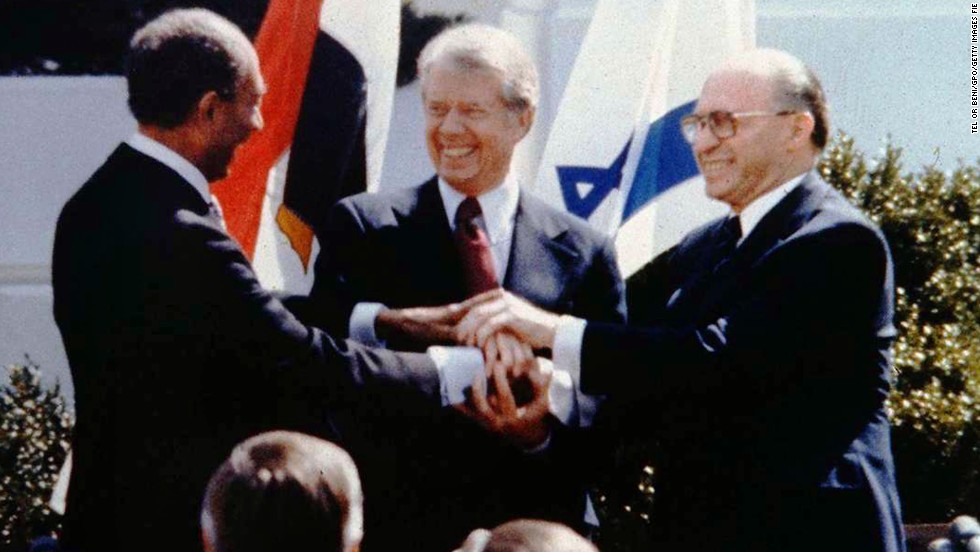
Anwar Sadat (pictured left), Jimmy Carter and Menachem Begin (pictured right) during the Camp David Accords. Source: CNN

The Jordan-Israel Peace Treaty

October 26th, 1994 – the Jordan-Israel Peace Treaty delineated that no proxy conflict would be permitted on the respective lands. It additionally resolved border and water disputes and allowed for there to be more cooperation in tourism and trade. The settlement later unlocked a swell of American financial aid and intelligence.

The treaty further stipulated that support be provided to Palestinian refugees expunged from their native communities. This involved the creation of a four-way committee that ensured adequate aid was provided, and re-settlement plans were followed.
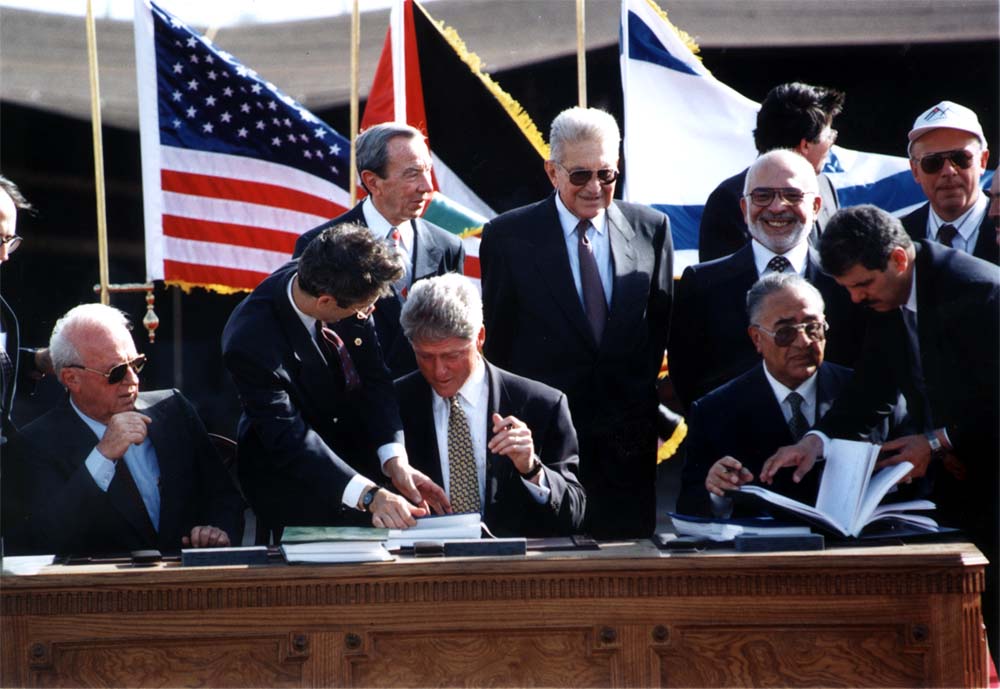
Defining moments of the Jordan-Israel treaty. Source: CNN

The current situation

It can be seen from the very onset that both these alliances have common features. An element of tactical logic underpins both settlements, the US is always laterally involved, and protectionary measures (albeit not always adequate or functional) are incorporated into the negotiations so as to safeguard the rights of the Palestinians. Furthermore, this triad of similarities can be seen to emerge, with varying significance, in the Abraham Accords signed last Thursday.

Although the agreement is prefaced as peace-inducing and aims to establish regular diplomatic relations, it also offers the UAE underlying economic leverage. After announcing that it will work with Israeli intelligence companies on Covid-19 related research earlier this month, a partnership with Israel could potentially allow commercial synergies to develop beyond this. The burgeoning friendship will enable the UAE to further cultivate bilateral trade with Israel and strengthen its economy.

Donald Trump’s involvement in brokering the deal is another example of America’s contribution to Middle Eastern affairs. When evaluating the deal from an American perspective, it can be argued that Trump’s involvement stems from the pressure of the incoming US elections. Being associated with a historical peace alliance could enhance his popularity at the polls in November.

The final leg of the deal and the most contentious aspect of the entire affair is the right to self-determination of the Palestinians living in the region. Although one of the terms of the Abraham Accords is postponing the annexation of the West Bank, many believe this is merely a phantom promise. If anything, it can be regarded as an intermittent solution that somewhat reintroduces the idea of a two-state solution. However, the two-state proposition in itself is endorsed by very few – the majority of Palestinian campaigners are seeking complete self-determination and control over a region they believe is rightfully theirs.

What is new?

Whilst the current agreement does somewhat emulate previous peace treaties, its overarching impact will be substantially different as political dynamics have since changed.

Although the UAE has received an onslaught of criticism from those who believe the country has shunned the issue of Palestine’s autonomy, the scale of the pushback is dwarfed in comparison to the mutinous attitudes expressed in 1978. The Camp David Accords came to fruition following three-centuries of conflict with Israel and subsequently led to Egypt being expelled from the Arab League – a political coalition of Arab states. Even though the Middle East is still mired in conflict, the reclamation of the Sinai Peninsula in 1978 continues to be looked upon by many as the most amoral political exchange at Palestine’s expense. The ensuing social discord and dissension formed the basis of a drawn-out period of volatility.

Summarises the effects of the Camp David Accords.

Despite receiving very similar criticisms, the Abraham Accords do not hold the same level of social meaning as the Camp David Accords or the Jordan-Israel treaty as the UAE is now the third country to formulate trade plans with the ideological state and accept it as an established country. For Palestinian campaigners, the steady yet repeated recognition of Israel, from its former allies, principally detracts from the sting of the initial negotiations.

Less condemnation from Arab states also indicates a reformation of regional associations. From its inception, Israel was historically considered the common enemy. Yet as countries in the region re-prioritise and embody new, more commercially motivated objectives over anachronistic unions, fresh spheres of influence begin to develop. The Abraham Accords, therefore, mark the dawn of a contemporary political era as power blocks across the continent are rearranged.

Notwithstanding the fact that it has long been preceded by similar deals, the recent UAE-Israel treaty is the first of its kind in over 25 years and will inevitably influence foreign policy in the Middle East. Whilst it espouses the key components of both the Camp David Accords and the Jordan-Israel Treaty, the predominant implications of the recent pact will go as far as transforming geopolitical relations throughout the world. The Abraham Accords can ultimately be considered a harbinger of changing times, however, the question of long-lasting peace in the region is dependant on whether the two states can honour the agreement and how future collective action will impact this new framework of relations.

Footballing heritage: Manchester United’s glaring problems

0

With the Premier League return hot on our heels, sports writer Jireh Antwi uses Manchester United’s last game to pros, cons and all things in between.

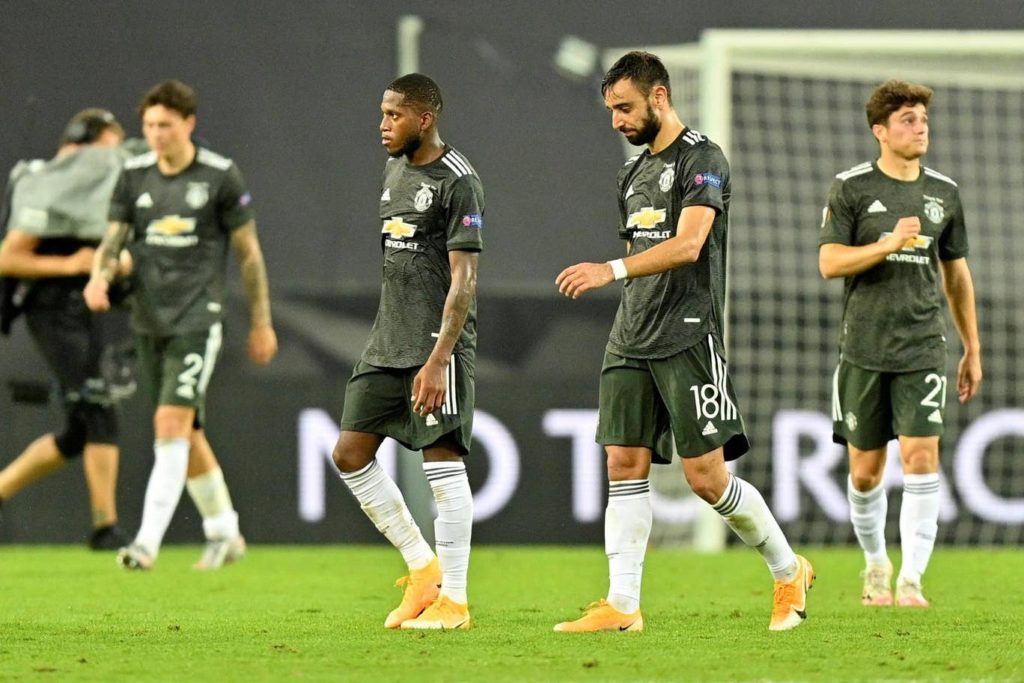
When Bruno Fernandes gave Manchester United the lead during the Europa League semi-final with his trademark hop skip penalty, the Reds looked to have booked themselves in the final.

At the end of the night they left Germany losers however, and Sevilla went on to clinch their sixth Europa League in the club’s history.

Beating Inter Milan 3-2 in a thrilling end to end spectacle.

Disastrous Sunday League defending from the back four consisting of £80 million captain Harry Maguire,Victor Lindelof, Aaron Wan-Bisaka and youngster Brandon Williams proved United’s downfall.

Maguire after the game reiterated that ‘losing at this club is unacceptable’.

United’s only goal coming from a penalty from their attacking midfielder tells the tale of a misfiring front three that night.

Despite Sevilla’s keeper putting in a superhero performance, Martial should have scored at least two goals more.

Rashford and Greenwood were both anonymous for large parts of the game with both displaying poor decision making on counterattacks.

Sevilla’s scorers Luke De Jong and Suso scored two very similar goals. A cross from wide and a simple tap in for the unmarked forwards, David De Gea helpless.

United had faced Sevilla in the Champions league a two years ago also losing 2-1 in their round of 16 second leg. A different stage, same score.

Fernandes, Fred, James looking dejected after a third semi final loss for the season – Source://Reuters

Jose Mourinho was at the helm and after the loss he heralded Sevilla for having football heritage and accused Manchester United for having none.

That was inevitably the beginning of the end for Mourinho.

Now with Ole Gunnar-Solksjaer at the wheel history has repeated itself.

United’s glaring problem isn’t underperforming star players but but the lack of tactical awareness and identity.

Ole at most times seems to be out of his depth, even though he has achieved a miracle finishing third in the premier league the performances have looked subpar.

Momentum can only get you so far and it won’t be long until his over reliance on the 4-2-1-3 formation and poor in game management takes it toll.

Ole after the game was insistent that United needed to strengthen. Whilst that may be true knowing what to do with what you have is equally important.

United need to improve their squad depth by a considerable margin. Not just marquee signings but players that can make a difference from the bench.

Whilst this loss might not solely be on his head this is an accumulation of weaknesses that were there before Ole arrived and are still there with him currently in charge.

With now three semi-final losses for Ole and the reds this season, those being the League Cup, Fa Cup and Europa League. If things pan out similarly next season, it won’t be long before there are calls for a new driver at the wheel.

Meet Joseph Okuboyejo – a man using fashion to change minds

The lives of black men in the UK have long been adversely affected by negative public perceptions. We are often turned away from jobs because we are not the “right fit”, while on the streets, we are regularly treated by police as dangerous suspects.

In a 2011 study, Media Representations & Impact on the Lives of Black Men and Boys, conducted by The Opportunity Agenda, negative mass media portrayals were strongly linked with lower life expectations among black men. These portrayals, constantly reinforced in print media, on television, the internet, fiction shows, print advertising and video games, shape public views of and attitudes toward men of colour.

Black male achievement is seldom celebrated in the UK mainstream media. Rather than waiting for things to change, we want to use our own framework to do this. It’s consistent with our desire at The Common Sense Network to ‘discover stories from across the political spectrum, local stories, stories that hold power to account, that uncover wrongdoing, that empower the forgotten and the unheard.’

In a wide range of ways, the overall presentation of black males in the media is distorted, exaggerating some dimensions while omitting others. The truth is there are many black men working hard to do a lot with a little, changing the world and playing on their own court. In this series, we want to introduce you to 10.

Chapter 5: Joseph Okuboyejo

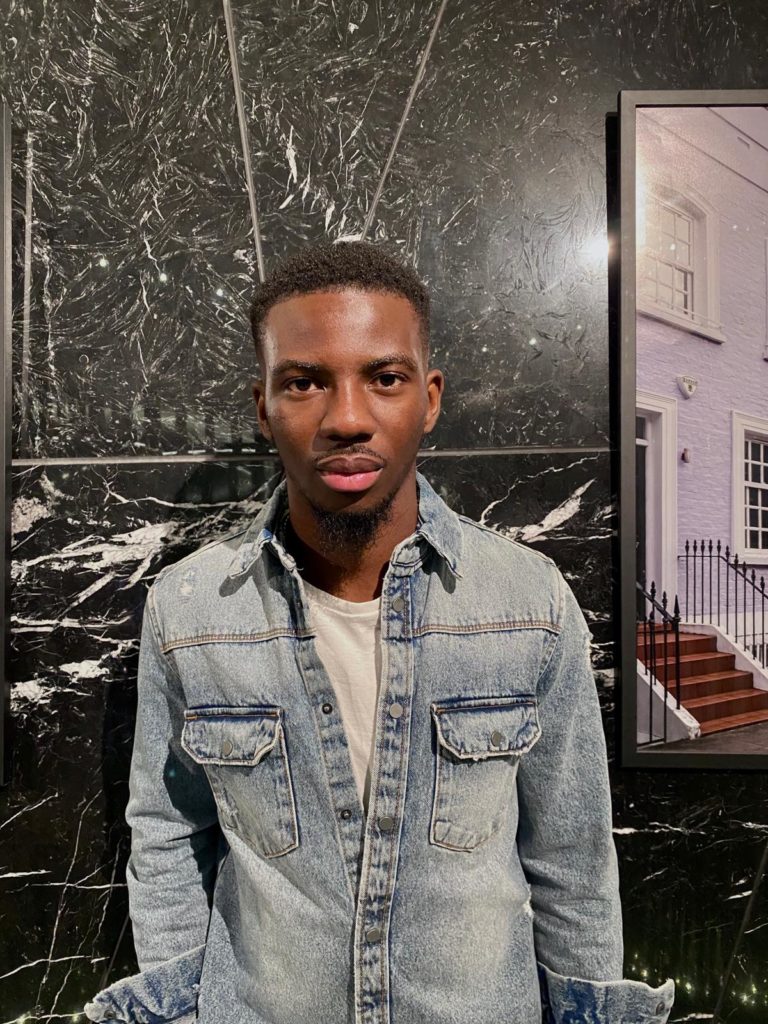
On the 23rd of July 2020, we sat down with Joseph Okuboyejo to find out more about his journey and mission. 

Strangers describe me as…

Calm cool and collected

Close friends would describe me as…

Ambitious 

Only I know that I am…

Extraordinary

How did this all begin?

This started from wanting to stand apart. Everyone around me wore typical brands but for me and my business partner at the time, we wanted to be different.

We started in 2017, that’s when we came up with the idea. I was in sixth form when we made a logo. We went to a local printing company and printed our logos on t-shirts. We would then wear the t-shirts to functions and parties and they would really draw attention and catch peoples eyes. People kept noticing and asking us how they could get it. That’s when we realised we were on to something. 

That began a back and forth; people kept asking for more and so we kept making more. That’s when we learned that this brand could go far. It was really motivating to see people loving it and asking for it. 

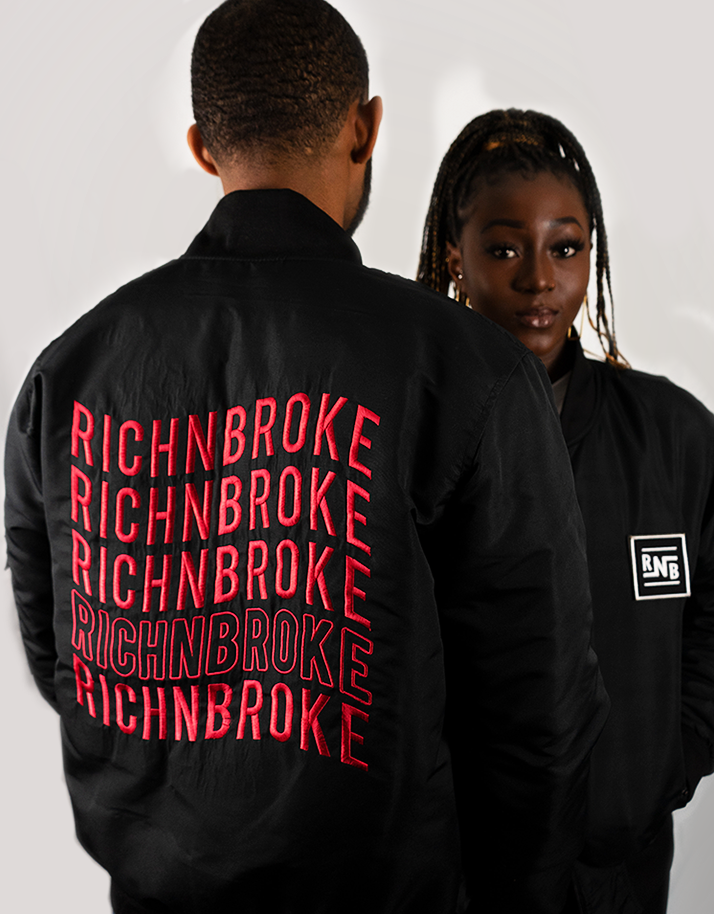
My personal journey is also intertwined with the business. Before I went to uni, I was forced to take a gap year. During this gap year, I was away from close friends and family which gave me the space to recalibrate my thoughts and purpose. I was really thinking about my purpose during this time. It was the time, I was really thinking about what “Rich” and “Broke” meant. During that year, I was also able to think about how to grow the brand and sell it to more people.  I was able to really drill down on the unique selling point of the business.

I was able to work out what the exact purpose of the brand and how we would stand about. 

How have things been since you started?

Things have been a rollercoaster. Running a brand is hard and we have stopped and started many times. I’m so grateful to people who have stuck with us throughout. Honestly, because we have received a lot support from friends, family and even strangers. 

We had challenges developing as a brand. Moving on from a logo on a t-shirt to a brand with a purpose. We faced challenges finding manufacturers that could understand our idea and turn it into a really good product. We have so many talented friends who are always willing to help and share the brand. I’m generally happy. Things haven’t been smooth but we came through. It shows me the potential we have as a brand. Going forward, the potential of the brand is big.

The fact that we are able to come through all the challenges shows me that the our brand is resilient and has great potential. 

What do you hope to achieve with this project?

My ambition is to change people’s mindset through fashion. With all our projects we hope to pass on a message. This message is that we shouldn’t chase the money and things like that but to instead be rich in the things you love. I also want us to be a leader in streetwear fashion by building a fashion brand that speaks not just making money.

What’s surprised you so far about your personal journey?

There is a lack of guidance within the industry. A lot of people hold their cards close to their chests, however, it goes to show that you need to be in the right circles if you want to actually make an impact. I’ve also been surprised by the physical distance you need to go to find the right materials that suit what you are trying to build/design.

What are some of the ways you’ve made an impact thus far?

We have made a really big impact in Kent University by taking part in different fashions shows. We have also been able to sponsor a Kent University Sports team. We have also been able to help countless people who tell us about the way their mindset has been changed after reading our blogs or buying our clothing. 

The interactions on our blog page are so reassuring for me because it shows me that people understand what we are doing and it is genuinely making their lives better. 

What have you found most personally challenging about leading on this project?

The amount of consistency needed to grow the brand. You have to constantly be creating and innovation and you cant really stop. There is so much competition out there, so we have had to work really hard to make sure we are standing out. Also in this industry, a lot of people just want to sell clothes and make money. We are trying to take a different route and so staying true to our core beliefs and mission has been challenging at times.

It’s all worth it though. When you see people touched by the brand or when you see a mindset change in people. It makes all the scarifies and hard work worth it

What does success look like to you?

Going out on a random street, asking 10 people what does Rich and Broke mean and hearing 9 people telling me something other than monetary value. 

arkisites: solving the diversity problem in a different way

We are at the beginning of a new industrial revolution that will not only fundamentally change how we live, work and relate to each other for the better, but also have a wide-reaching impact on the careers of many people. This Fourth Industrial Revolution dubbed by Professor Klaus Schwab, will bring change and innovation at an unprecedented rate.

Growing Concerns

Despite the excitement that Schwab and others have about the fourth industrial revolution, he is concerned that this new revolution may lead to an increase in economic and social inequality, especially in developed countries.

The lack of diversity in the tech sector has been a topic of conversation for a number of years now and the consequences of this are well documented. However, a lot of research has explored how corporations could lose out on creativity, efficiency and money by not having a diverse workforce. I am of the belief that there needs to be more research into how the fourth industrial revolution will only exacerbate salient societal and economic issues. Let’s take a look at some key statistics:

Some organisations are starting to investigate their own gender pay gaps and are working to close it (ISTOCKPHOTO.COM/HYEJIN KANG)

The statistics above become a whole lot more real when you consider these things: there is a widening skills gap and that minority ethnic communities do not have as much access to resources, opportunities and training material when compared to their white counterparts.

If organisations do not take an active role in supporting existing workforces by upskilling ethnic minorities; especially those who work in at-risk industries or in far to reach places, many individuals risk being displaced. In a winner takes all economy where high skilled workers get higher pay, it is critical that people from minority ethnic communities are being upskilled to prevent an undesirable lose-lose scenario where technological change is accompanied by talent shortages, mass unemployment and growing inequality.

arkisites

Last year I founded arkisites which is an organisation dedicated to bridging the access gap between minority ethnic groups, young people and the tech sector. In an increasingly technology-centric world, we’re working to create opportunities for young people to develop confidence, but more importantly, the skills they need for future employment in the digital tech sector. We do this by working with organisations to provide access to tools, resources and opportunities for individuals that are interested in pursuing a career in tech.

arkisites has a slack community of minority ethnic techies go to our website to get involved

We are focused on working on two symbiotic ills; access and displacement. Unlike the current diversity in tech space (which is doing incredible work) arkisites is not interested in helping just helping organisations meet quotas or any other type of vanity metric. arkisites is working closely with organisations to solve the diversity in tech problem to create valuable, meaningful and long-lasting impact in these communities.

If you want to find out more about arkisites or join our community then visit arkisites.co.uk

Will Kamala Harris’ wealth tax work?

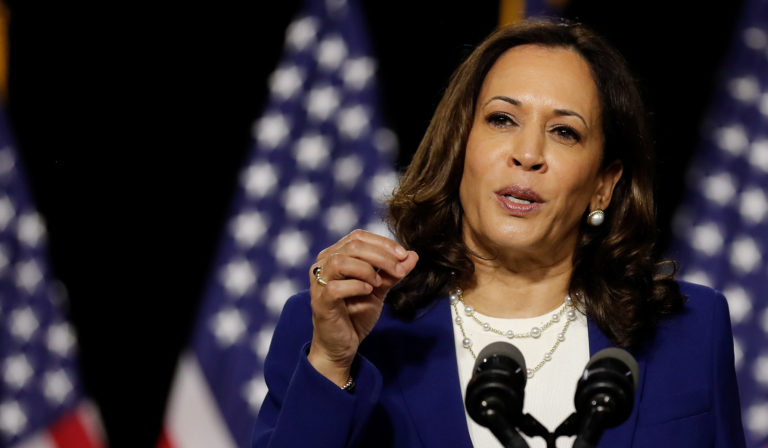
As elections loom, Biden’s new running mate Kamala Harris proposed a $2,000 COVID stimulus cheque and “lots more money” for Americans to get back on their feet. She, among many other leading Democrats, are proponents of wealth taxes to finance ambitious initiatives from poverty to climate change.

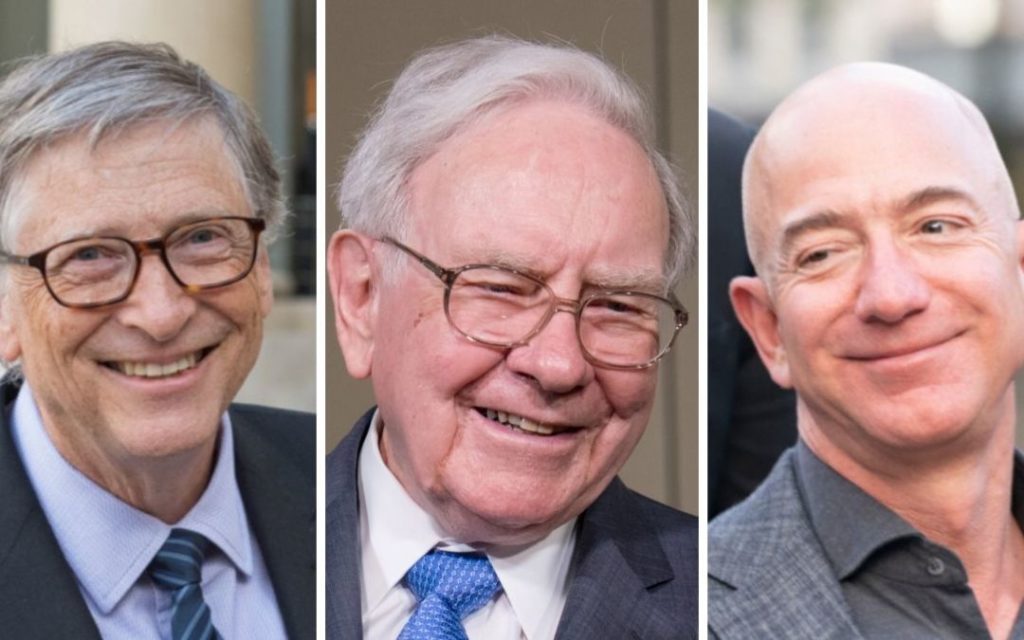
Most detailed was Elizabeth Warren’s plan outlining a 2% levy on $50 million fortunes and 3% on those over $1 billion. This was claimed to fall on 75,000 U.S. households (0.1%) and raise $2.75 trillion over 10 years. Given the top 40% of wage earners in America pay 106% of the taxes, and the bottom 40% pay negative 9 per cent because of tax credit transfers; the wealthiest 0.1% are not only the job creators, paying both the tab and tip for the table, but they number too few to finance the ambitious Democrat spending designs. America is by no means the first to dabble with the idea of wealth taxes. Europe’s experience with them has been counterproductive, so what makes America the exception?

Feasibility

With so much money at stake, the wealthy will have greater incentive to commission smart advisers to mitigate their liability, implementing tax planning that only highly paid lawyers and accountants can devise.

Questionable appraisals, valuation discounts for illiquidity and loss of controlling stake in business ventures or over assets; using trusts to divide assets among many family members while the founder retains substantial control; charitable devices offering significant income to the donor and their beneficiaries; inevitable, built-in backdoor loopholes in return for political donations; among other complex devices known only to sophisticated investors – all of which are but a few considerations any sensible bureaucrat should take note.

America’s billionaires, troublesome or necessary? // Alamy

Privately held businesses are notoriously difficult to value, meaning in effect, the Taxman would have to prove any given taxpayer’s valuation is unreasonably low. This could be because many of these 75,000 households own private companies not listed on the public markets, or it could be the challenges in accurately valuing even those listed companies.

Stock prices reflect the aggregation of what people think the net present value of the future cash flows of those companies are. Listed shares is only money on paper, not tangible mountains of gold sat in a lair guarded by dragons. Forced sales of shareholdings to appropriate that ‘wealth’ would cause price crashes on those stocks as speculators drive down the value of their holdings to take advantage of the new wealth tax. The taxpayer would not receive the same money as their ‘net worth’ would have had us believe.

What has been the experience of other countries?

By the early 1990s, a dozen European countries had wealth taxes. By 2018, that number had dropped to 3. All were dropped because they failed, sometimes costing twice that of the net revenue from levying them. Tax revenues were much lower than anticipated and frequently failed to meet their redistributive goals because of efficiency and administrative concerns.

France before the Wealth and Revenue Taxes, Nationalisation and Minimum Wage hikes: epitome of rising prosperity per capita / Riviera art & artifacts to the belle époque exhibition // musée Masséna

Switzerland

Switzerland has the largest wealth tax. A 2016 National Bureau of Economic Research report looked at the effects of wealth taxation on reported wealth in Switzerland and estimated that “a 0.1 percentage-point rise in wealth taxation lowers reported wealth by 3.5% in aggregate.” (Or that a 1% wealth tax lowers reported wealth by 34.5%.)

France

France began their wealth tax in 1981 during the radical 5TH Republic during which they increased minimum wages 10%, nationalised top companies and banks and began wealth taxes atop revenue taxes to answer the Petroleum Crisis of 1971 that ended their long period of prosperity: ’30 glorieuses’.

The results were terrible. Only 2 years later they started austerity and later lost by landslide rejection in 1986 elections.

Every radical economic decision was rolled back, except the ‘Wealth Tax’ because no government could be seen to be a “friend of the rich” til Macron bit the bullet and replaced it with Impôt de Solidarité sur la Fortune (ISF) 2018 on estates worth €1.3 million+. This was on revenue and on the estate, presenting an exclusively French dual tax neighbouring countries didn’t have. So what did the richest people do? They left.

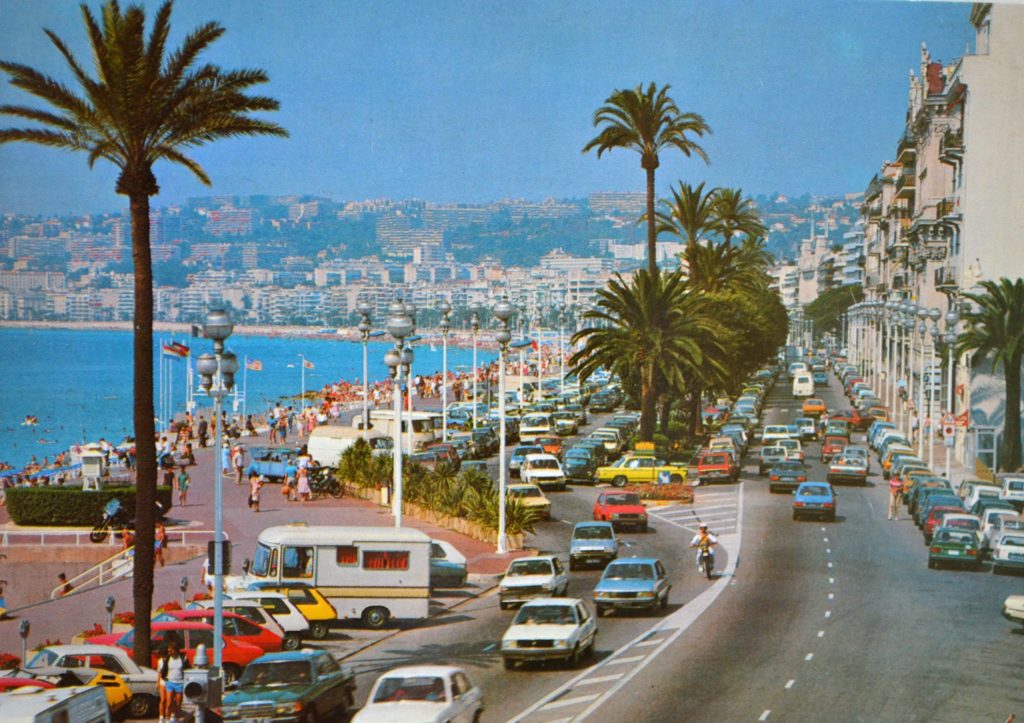
End of France’s golden era: 30 Glorieuses, Nice 1981 // Alamy

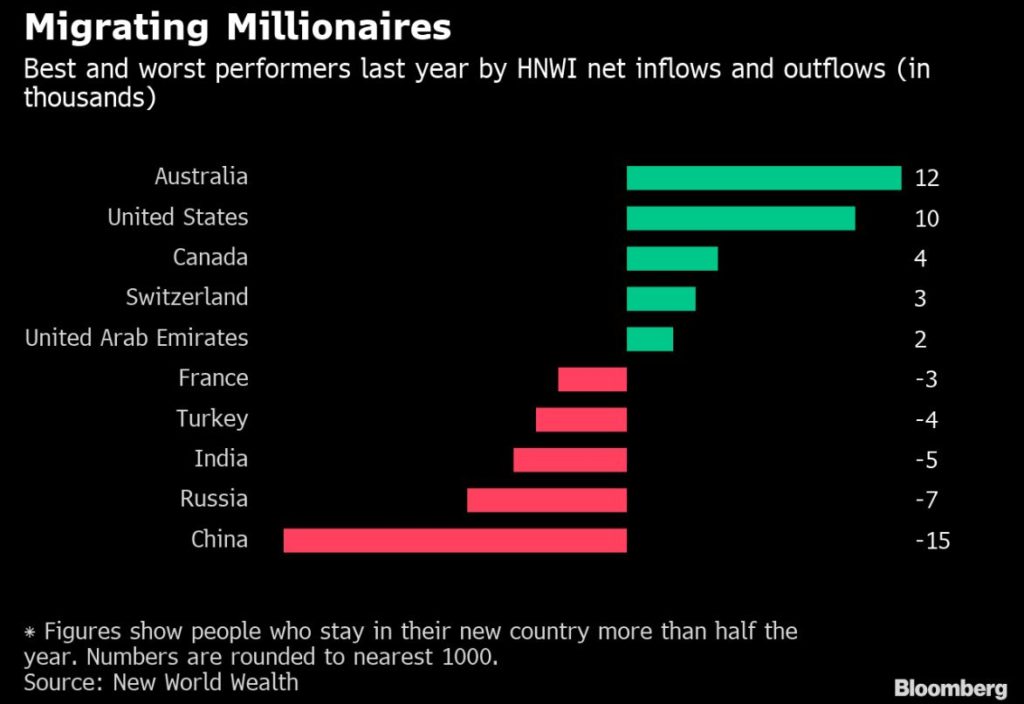
France lost all the taxes, investment, and the consumption they brought with. All France’s neighbours have benefitted from France’s Rich for nearly 40 years as tens of thousands of millionaires left every year.

The wealth tax brought in €4 billion (1% France’s total tax revenues) but costed far more. French economist Eric Pichet estimated that this ended up costing the French government almost twice as much revenue as the total yielded by the wealth tax

The unintended consequence of this tax was to disincentivise people to become rich in the first place. Why bother accumulating more since the government will take it all? Fewer people took entrepreneurial risks to create things, meaning less value and employment for France.

Lawyers always win

To limit the fallout, there were many tax loopholes created by the French government to try and retain or lure back the rich. This was hypocritical at best, inefficient and only really benefitted the tax lawyers with the French people footing the bill.

High Net Worth Income – France still falling behind Western peers / / Bloomberg

There are more efficient and subtle ways to part the Rich people with their money without them leaving the country and that’s what the US government should seek.

Alternative Perspective

America maybe the exception because it will pursue a no loopholes approach. Where European nations exempted art and antiquities on grounds of valuation creating incentives to allocate funds there, the US won’t be so lenient.

Warren’s proposal is also limited to the clearly super rich. A smaller group unable to organise effectively for exemptions.

Where Europe had freedom of travel, U.S. law taxes its citizens wherever they are. With the “exit tax,” which would confiscate 40 percent of all a person’s wealth over $50 million if they renounce their citizenship, it might just work….question is, when the dust settles, will we want it to?

Meet Jude Addo – A man on a mission to lift Africans out of poverty

The lives of black men in the UK have long been adversely affected by negative public perceptions. We are often turned away from jobs because we are not the “right fit”, while on the streets, we are regularly treated by police as dangerous suspects.

In a 2011 study, Media Representations & Impact on the Lives of Black Men and Boys, conducted by The Opportunity Agenda, negative mass media portrayals were strongly linked with lower life expectations among black men. These portrayals, constantly reinforced in print media, on television, the internet, fiction shows, print advertising and video games, shape public views of and attitudes toward men of colour.

Black male achievement is seldom celebrated in the UK mainstream media. Rather than waiting for things to change, we want to use our own framework to do this. It’s consistent with our desire at The Common Sense Network to ‘discover stories from across the political spectrum, local stories, stories that hold power to account, that uncover wrongdoing, that empower the forgotten and the unheard.’

In a wide range of ways, the overall presentation of black males in the media is distorted, exaggerating some dimensions while omitting others. The truth is there are many Black men working hard to do a lot of with a little, changing the world and playing on their own court. Through this series, we want to introduce you to 10.

Chapter 4: Jude Addo

On the 23rd of July 2020, we sat down with Jude Addo to find out more about his journey and mission. 

Strangers describe me as…

Ambitious

Close friends would describe me as…

Passionate

Only I know that I am…

Crazy

How did this all begin?

From a young age, I knew I wanted to be an entrepreneur. I’ve always had a desire to make a meaningful impact on the world through business and investments. As far back as I can remember, I’ve had one side hustle or the other.

In university, I developed quite a number of businesses, many failed but some did well. I recognised the need to hone my skills so I knew I had to get a job.

I looked at my sister who was working for Lehman Brothers at the time. I thought to myself ‘well she’s making decent money, let me get into Investment Banking’.  

I once got excited when I secured a summer internship with J.P. Morgan and was told over the phone that I’d be making £31k. I assumed that was the total figure for my three-month stint but the excitement quickly disappeared when I realised it was an annualised salary.

I started out in technology building software in J.P. Morgan’s Investment Bank, until I came to the realisation that I wanted to work with tech but not in tech. Very quickly, I understood that my strengths were in speaking and persuasion, so I chartered a path to move into a front-office role dealing directly with the Bank’s clients.

I made it clear I wanted to focus on Africa, and after five years I was headhunted by Standard Chartered Bank and joined as a Director of Sales and Origination in 2016. In this role, I partnered with European multinationals seeking working capital solutions in Emerging Markets, with a particular focus on complex cash management and supply chain finance in Africa and Asia.

Last year, I quit my job to build a multi-family wealth management practice focused on Africa.

The story of Cornerstone ties into this somewhat. We have this ambition to create wealth among the black community in the Diaspora and also back in Africa.

How have things been since you started? 

I chose an interesting time to quit my job so things have been challenging, but good.

Had I known we were approaching a pandemic, I probably would have stayed in my job.

However, the level of support I’ve received from clients, friends and mentors has been incredible.

The shock of going from a well-paying job to the volatility of a ‘eat what you kill’ type of business can be hard to absorb, especially if you don’t have the right safety net. I was quite fortunate because I was able to create a soft landing as the side hustle I was running before I quit my job had made some recurring revenue.

Cornerstone has been a truly remarkable story. From the outside, it may look like a linear progression.

However, Cornerstone’s meteoric rise has been as a result of the incredible hard work and sacrifice of the partners. These are people who already work full-time jobs and still have this desire to see more capital flow into the Black community. For anyone who earns £100k to give £50k over a three year period for a cause like this is truly remarkable. I tip my hat to my fellow partners.

We have also been blessed by the paradigm shift around the world campaigning to see more fairness and equity in the Venture Capital world.

That awareness has been partly fuelled by the Black Lives Matter movement and Black Pound Day.

https://www.instagram.com/p/B5OX2DwHNLC/

What do you hope to achieve?

I have this insatiable appetite to see economic justice in the world, to achieve a more equitable society.

I believe so many of the problems in the world are due to financial and economic inequities. I want to use the instrument of financial inclusion and empowerment to help solve some of these issues. I strongly subscribe to the adage of teaching people how to fish rather than giving them fish.

What I truly want to see is a stronger more balanced conversation between continents around the world. Selfishly, I want to see a stronger Africa and a world where our community controls our own narrative. Ultimately, the footprint I want to leave is this – someone who did all within his power to help people come out of poverty and create wealth within African nations.

What’s surprised you so far about your personal journey?

I knew I was ambitious, but I didn’t realise how crazy I was. Knowing what I know now regarding the pandemic and lockdown, had a friend told me that they were going to quit their job I would have probably advised them against it. 

What’s surprised me is how far I’m willing to go to see a vision come to fruition. I mean, for instance, going into entrepreneurship as an immigrant. I moved to this country in 2011 to work in the financial services industry. No safety net, no home. I couldn’t go back to my parent’s house in Ghana, I was determined not to. I now appreciate just how tenacious I can be and wholly devoted to the pursuit of success.

What are some of the ways you’ve made an impact thus far?

One thing that makes me really proud is when I’m able to guide others in the their careers and lives more broadly. I’ve mentored over 100 people in 20 countries around the world. I love speaking life into other peoples visions. If ever I wanted to measure my impact in one way, that’s how I would measure it.

What have you found most personally challenging?

Challenging conventional wisdom in terms of what I should be doing and how I should be doing it. I’m young and highly ambitious but I also listen to the wisdom of my mentors who anchor me. Balancing the guidance of elders looking for new ways to do things is always tricky. But I seem to thrive in this tension.

Delayed gratification is another thing I’ve found challenging. I’ve poured quite a bit of money into business and investments. I want to see lives impacted before I start thinking about my own personal interests or any other vanity metric.

What does success look like to you?

Personally, it’s about what I believe God wants me to be doing at any given time and how I measure against that mandate.

What can we look forward to from you?

What’s next? That’s anyone’s guess. I guess one can expect an expansion of Cornerstone and a natural move into statesmanship perhaps. If I was a gambling man, that is what I’d bet on. 

Stop calling Beirut the ‘Paris’ of the Middle East

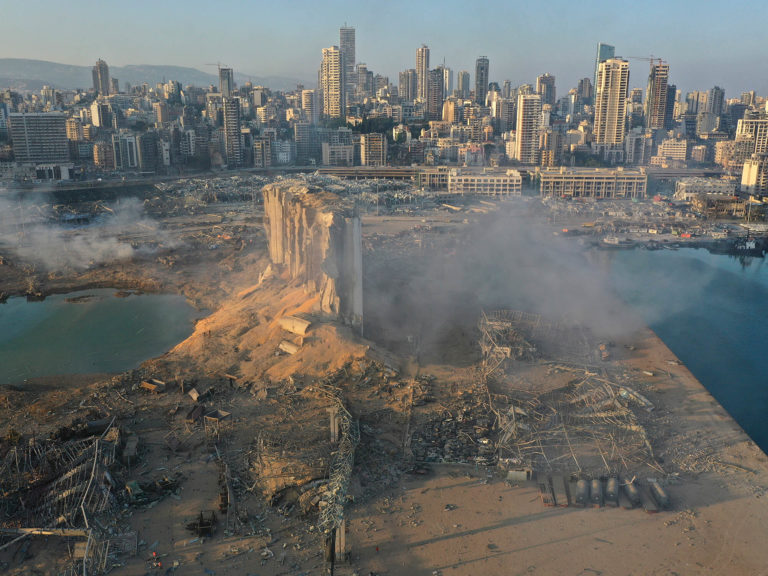
On the 6th August 2020 at 6.07 pm local time, the central district of Lebanon’s capital Beirut was struck by a gargantuan explosion. The blast caused over 135 deaths, 5000 casualties and was felt as far as 240 kilometres away in Cyprus – registering as a 3.3 magnitude earthquake. The tragedy has caused many to reflect on the country’s colonial past. We take a look at why equating Beirut to ‘Paris’, a city that has its own prevalent global influence, repackages a culturally lavish Arab nation into a more palatable western alternative.

Amid the critical discourse surrounding the incompetency and failures of Lebanon’s now former government, public responses to the Beirut disaster have also been under fire. In particular, the country being referred to as the ‘Paris of the Middle East’, has engendered extensive backlash from those who claim the statement is oversimplifying, reminiscent of colonial influence and supercilious in nature.

Before expounding on why this controversial analogy is causing unrest on social media, understanding where the comparison stems from is essential to grasping the crux of the wider debate.

One of the reasons why Lebanon is often compared to Paris is because of France’s mandate over the land from 1920 until the creation of the National Pact in 1943. After the 1916 Sykes-Picot agreement post World War I, Great Britain and France secretly demarcated their respective spheres of influence within the Arab lands formerly residing under Ottoman rule. Throughout the mandate, the French reformed education, public utilities and communication, however subsequent mismanagement and the influence of the Great Depression saw the Lebanese agriculture industry plunge into decline and the silk business begin to crumble.

Lebanon is also likened to Paris due to the cultural parallels between the two lands. As a result of being so widely romanticised in mainstream entertainment, books, social media, fashion and art, Parisian culture has become somewhat synonymous with beauty and allure. In the same vein, Lebanon has distinguished itself as a distinct and dynamic location. The charm of its culturally rich Arab heritage in conjunction with comparatively liberal social norms, has linked it to the capital of its former colonisers.

Oversimplifying?

But why is this such a contentious statement? For many, this is an oversimplification of Lebanon’s cultural legacy and diminishes its innate reputation as one of the most unique countries in the Middle East. Equating Lebanon to ‘Paris’, a city that has its own prevalent global influence, repackages a culturally lavish Arab nation into a more palatable western alternative. It can further be argued that this oversimplification is a means to fill a vast void of knowledge in the West. Reconfiguring Lebanon’s geopolitical identity to fit the expectations of a swathe of less informed Westerners is, in essence, eroding the country’s ‘sense of self.’

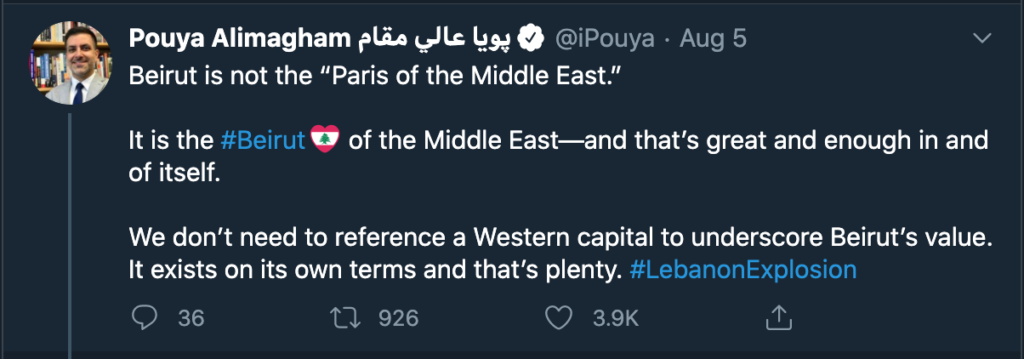
Historian, Pouya Alimagham, comments on how aligning Beirut with the likes of Paris, is a verbal tool used to give emphasis to Lebanon’s value in the midst of a tragedy. Source: Twitter.

Reminiscent of colonial influence?

To add to this erasure of ‘sense of self’, associating Lebanon with its former colonisers can also be considered reminiscent of the imperial forces that governed the land in 1920. Alluding to Lebanon as the ‘Paris of the Middle East’ undermines the independence it gained in 1943. After the French departed, the National Pact divided Lebanon’s governing system along sectarian lines and endowed corresponding executive influence upon all of its religious minorities (including Catholic, Orthodox and Maronite Christians, Shia and Suni Muslims, and the Druze and Jews). The pact delineated that the President of the nation would always be a Maronite Christian, the Prime minister a Sunni Muslim, and the speaker of Parliament a Shia Muslim. Seats in Parliament were also set to a ratio of 6 to 5 in favour of the Christians who made up the majority of the population at the time.

However, the proportionate representation of each religious demographic in the country has arguably formed the fault lines for the current political disarray. The segmented system is replete with corruption and has resulted in parliamentary deadlock, causing resentment amongst many Lebanese people who view the institutionalised divisions as the instrument of their downfall.

As civilians grow tired of the archaic systems that govern them, a more favourable outlook towards the French begins to develop. This may be a consequence of intense frustration regarding the local government’s defunct efforts to improve standards of living, or perhaps due to an internalised imperialism that exists within many previously colonised nations.

Illustrates how a tide of pro-colonial sentiment is beginning to cultivate in some Lebanese regions.

Condescending?

Lastly, referring to Lebanon as the ‘Paris of the Middle East’ can be considered problematic when contextualising the crisis as a whole. Drawing comparisons between what Lebanon used to be, and what it is now by affixing it to a European capital insinuates that it is only deserving of sympathy as it is imbued with significant European influences and thus does not conform to the ‘war-torn’ stereotype people associate with other typical Middle Eastern countries.

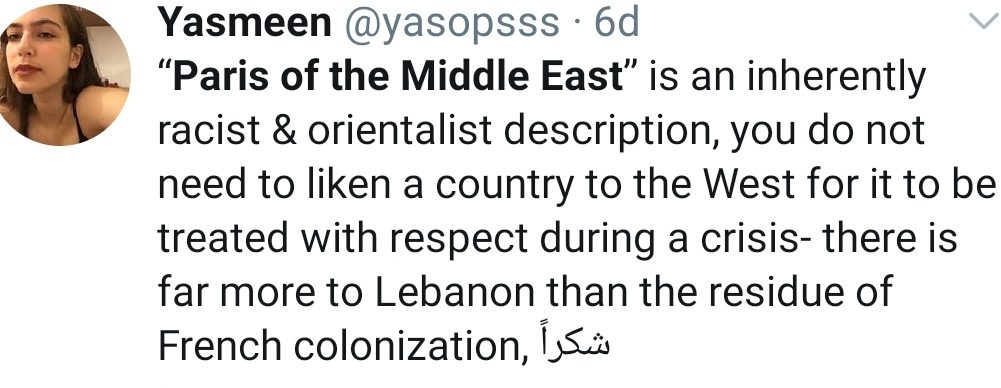
Twitter users continue to bemoan ‘racist and orientalist’ attitudes and portrayals. Source: Twitter.

Despite how the narratives surrounding the explosion have been framed, Lebanon is likely to descend further into economic decline as the main port was destroyed in the blast. Inevitably, this will cause a country that is largely dependent on imports to experience extreme food shortages in the near future, causing a surge of growing concern and anger.

An impending economic collapse, therefore, solicits further debate regarding how justified the influence of the French will be in providing humanitarian aid and financial support. Trenchant opinions and attitudes towards the tragedy on social media also beckon the question, is Lebanon valued because it is unlike other stereotypical Middle Eastern countries? As the discussion carries on, social media users continue to condemn associations with Paris and aim to spread awareness about the country’s individual identity.

Crimes Against Humanity: Statute of Limitations for the Last Nazis?

This week, in one of the last Nazi trials in history, a 93-year-old concentration camp guard, identified as Bruno D., was charged with 5,230 counts of accessory to murder while serving as an SS guard at the Stutthof concentration camp from 1944 to 1945.

He faced the Hamburg Youth Court because he was 17 years old at the time. 50 co-plaintiffs from various countries testified against the former guard, some 75 years after the atrocities in Europe finally reached closure. He was convicted of thousands of counts of accessory to murder and given a two-year suspended prison sentenced for his role in aiding and abetting some of the 65,000 people murdered during the Holocaust in the Stutthof concentration camp. While only able to sit 2 hours a session, due to his age and frailty, is this more a symbolic, rather than true justice for the survivors given that most perpetrators of the Holocaust remained unnamed.

Bruno D.

During the landmark trial of another former Sobibor SS guard John Demjanjuk in April 2019, he asserted that Bruno D. knowingly supported the “insidious and cruel killing” at Stutthof concentration camp. Prisoners were subject to Zyklon B gas, starved, denied medical treatment and shot in the neck.

Another 95-year-old man was charged July 14TH with war crimes in a German district court last week also, with 14 other cases under investigation.

Why the sudden surge in investigating Nazi crimes?

Renewed vigour in addressing past misgivings through movements such as the Black Lives Matter and the dwindling few surviving perpetrators of Nazi Crimes have prompted the latest string of inquests on the basis there should be no statute of limitations for crimes against humanity. In the case of the Holocaust and other similar events in the recent past, the more time that has elapsed since the event, the more diligently we should pursue alleged perpetrators.

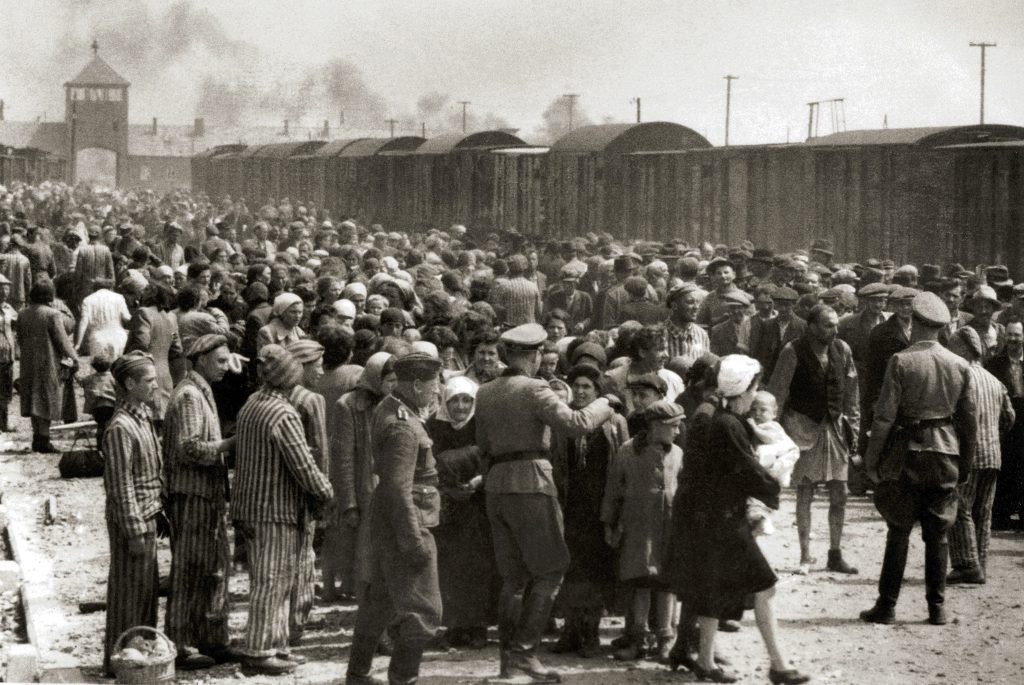
Auschwitz Birkenau 1944 selection at the ramp // Galerie Bilderwelt / Getty Images

The past is easily forgotten or diminished in the rear-view mirror of history, but the most important thing is to educate the world about the capacity for seemingly normal people to become party to the most horrific evil.

75 years Later

It is inexcusable to think persons who committed genocidal acts of the magnitude of the Holocaust should somehow be absolved of these crimes simply because of the passage of time. Millions of voiceless victims: Jews, gypsies, homosexuals, Catholics, intellectuals, political dissidents, handicapped and the list goes on; deprived of everything that untried war criminals took from them and enjoyed for the rest of their lives. No more family, food, music, health, freedom, even life itself.

Such gross injustice is marred yet further in the Holocaust denial movement. Each time a crime goes unprosecuted, it serves to put historical distance between ourselves and the events of World War II. Such disregard contributes to the forgetting of the Holocaust, bringing us one step closer to the next. We would be abusing the memory of the sacrifices made by our parents and grandparents in dismissing this unfortunate episode in our history.

Alternative Perspective

Pre-war Eastern Europe was a politically and culturally complex place. Divisions and allegiances were formed as circumstances prescribed. Some were bystanders, some were recruited or forced into service. Bruno D. and other survivors, who were teenagers at the time, are unlikely to have been orchestrators. What level of blame can we really attribute to them?

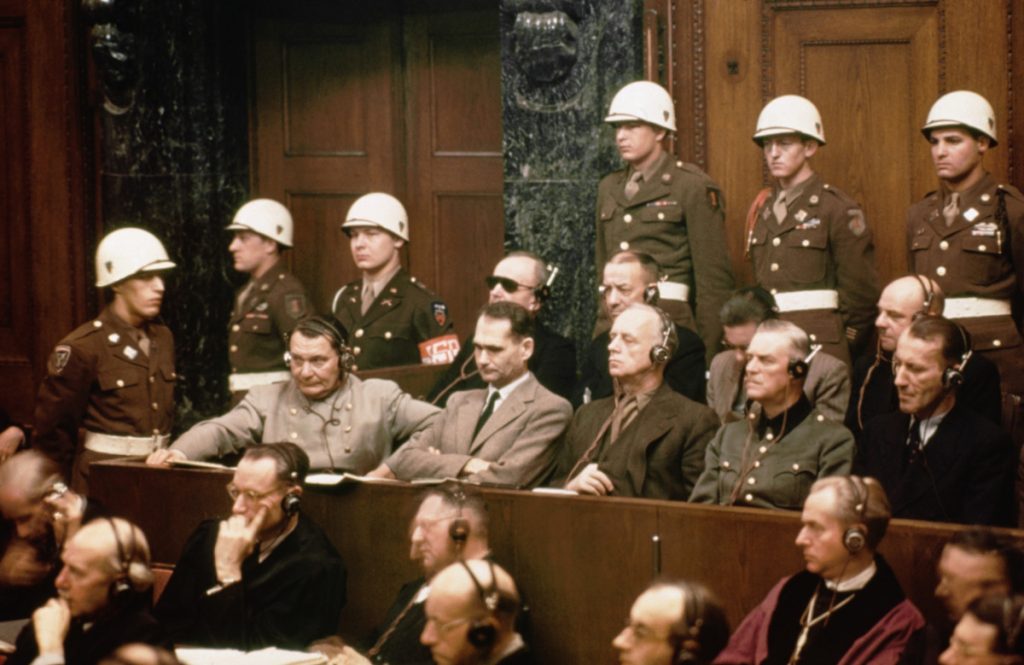
Nuremburg Trials 1945-46, military tribunals held after World War II by the Allied forces // Getty

 It is important to keep in mind that after 75 years, it may be impossible to establish guilt or the degree of responsibility without significant doubt, nor how voluntary their actions were. Ordinary people were sent out to do terrible things they had no desire to do, such actions they would have refused were it not at the cost of their own lives or those of their families. Many alive today, or in the decades after the War were part of the Nazi infrastructure in some way, shape or form.

Legacy

We need to remember that the reign of the Nazis occurred less than one lifetime ago. Many in Germany at the time did not see the writing on the wall and died due to their denial. The World and humanity are unpredictable, and anything is possible at any time.

We must always be mindful of that and remain vigilant. If the trial of Bruno D. marks anything, it may signify one of the last opportunities to publicly prosecute crimes from that era, commemorate the victims and reaffirm everyone’s position toward it. And perhaps, just stave off the next genocide that bit longer.

In the immortal words of German pastor Martin Niemöller criticising the cowardice of Germany’s intellectual and clerical authorities during the Nazis’ rise to power and subsequent incremental purging group by group, his words echo a theme of personal responsibility that should ripple through time:

“First they came for the Communists
And I did not speak out
Because I was not a Communist

Then they came for the Socialists
And I did not speak out
Because I was not a Socialist

Then they came for the trade unionists
And I did not speak out
Because I was not a trade unionist

Then they came for the Jews
And I did not speak out
Because I was not a Jew

Then they came for me
And there was no one left
To speak out for me”

Candidate Snapshot: Joe Biden

In his latest Presidential bid as the Democratic nominee in 2020, Joe Biden is hoping to restore balance to America. The American 2020 elections draw near and campaign season is in full effect. With a lot on the line when it comes to how history will look back on this period of time this election is the most important one to date.

Joe Biden Accomplishments: 

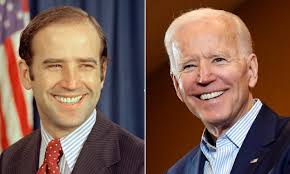
Biden as a young senator (left) vs Biden as a seasoned politician (right)

With almost 5 decades of political service, Biden’s resume is a lengthy one. With a political career that started in 1972 as a senator, this is not Biden’s first bid; he has run for the presidency twice, in 1988 and 2008. Hoping to make it third time’s a charm, the Former Vice President is honing 40 plus years of experience during his latest campaign trail. One of Biden’s biggest accomplishments is cosigning the Violence Against Women’s Act of 1994. While serving in the Senate, Biden has been on the Senate Foreign Relations Committee and the Senate Judiciary Committee as both the ranking member and chairman. 

Biden’s Views:

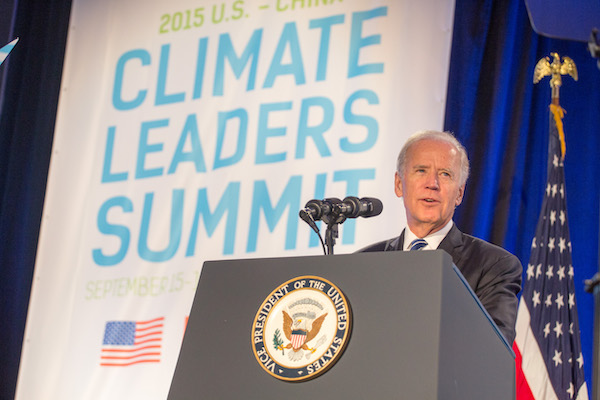
Vice President Joe Biden gives remarks at the U.S. – China Climate Leaders Summit, held at the JW Marriott hotel, in Los Angeles, California, Sept. 16, 2015. Also in attendance is Mayor Eric Garcetti of Los Angeles. (Official White House Photo by David Lienemann)

As the nation looks for leadership in these discouraging times, Joe Biden has been looking for ways to help voters picture him as commander in chief. During the Coronavirus pandemic, he has been formulating recommendations rooted in the advice of healthcare and economic experts.

He has spoken on making COVID-19 test accessible and free to the population, and no-out of pocket cost for patients who will receive a vaccine when one becomes available.

Additionally, Biden wants to create the image of normalcy in America by salvaging relationships with foreign allies, improving America’s healthcare system and restoring civil unrest in the nation

A Haunting Past…

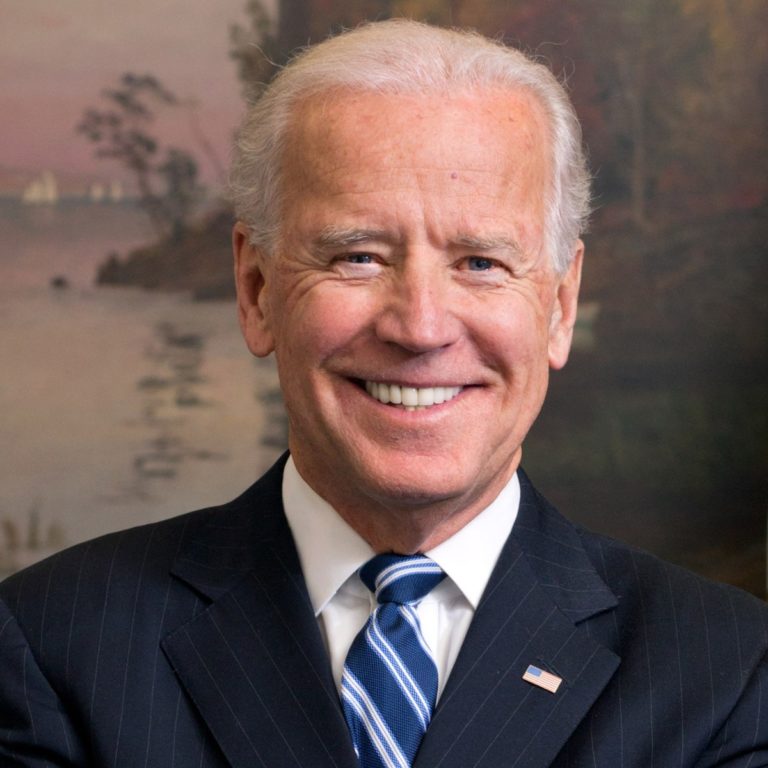
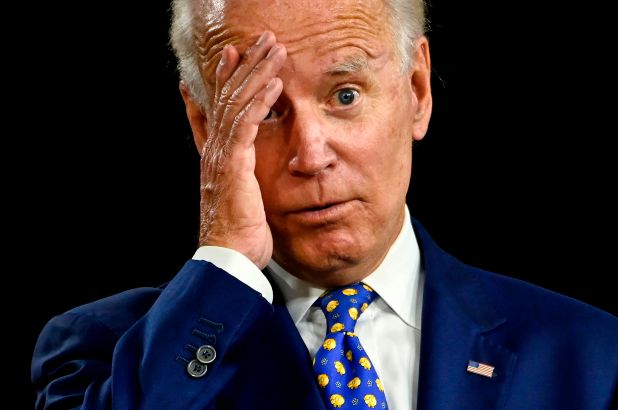
Joe Biden

However, Biden has made some questionable decisions during his political career.

In 1974, Biden did not agree with Roe v. Wade, and voted for a constitutional amendment allowing states to overturn the Court decision in 1981. While he has reversed his position in later years, it has been brought back in the spotlight during this campaign. His past views on abortions do not make for the greatest reading and one of the major pieces of legislation he wrote was the Comprehensive Crime Control Act in 1994.

Biden helped write the bill that helped put an overwhelming amount of Black men behind bars in the 90s and has haunted the nation’s criminal justice system today.

Although this is one of the things he has regretted in his career and he is trying to reverse on the campaign trail the fact still remains he helped aid in this era of social unrest

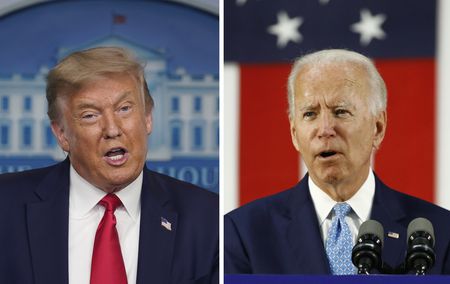
Trump (left) Biden (right)

Joe Biden has had some ups and downs throughout his career. The former Vice President is quick to point out the work he has done during the Obama era and is still answering for some of his decisions as a senator. Currently, Biden is leading his opponent, President Trump, in the polls by 52%.

During this time of uncertainty, many Americans are showing that they trust Biden more than Trump. Biden is hoping to take full advantage of the President’s shortcomings. But as we know, polls are not always correct and can change. The true test will be how the American people vote in less than 100 days.  

Candidate Snapshot: President Donald Trump

In 2016, Donald Trump entered the presidential race as the candidate with no political experience. It is 2020 and we are less than a 100 days away from another American election with Donald Trump as current President of The United States. The past four years have been an interesting one for America with President Trump as leader. As the incumbent in this presidential race, Trump faces a plethora of struggles as November vastly approaches. He is hoping his accomplishments during his first term gives the American people faith that he is the better candidate. 

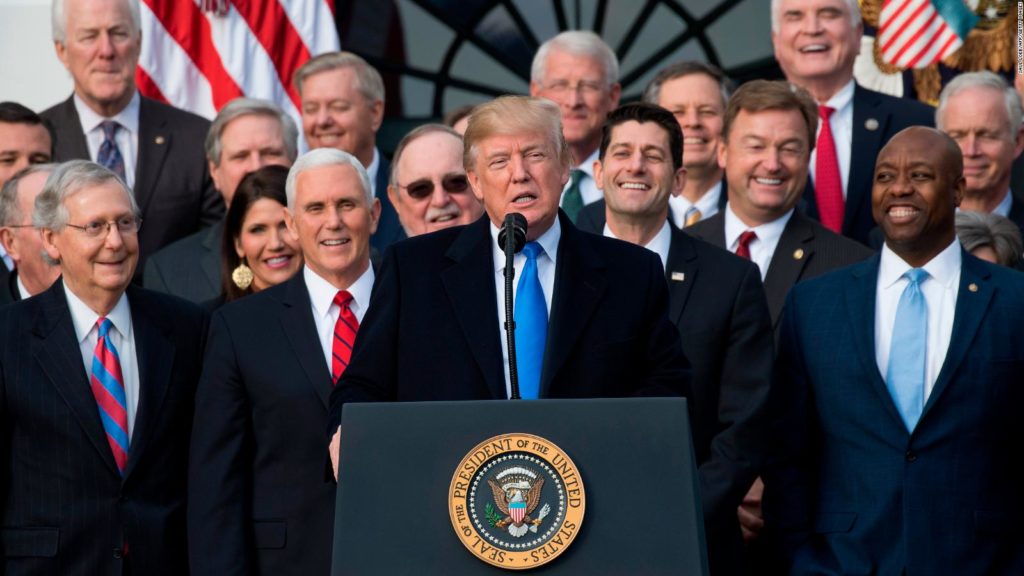
Trump speaking after the signing of the new tax reform law

One of the things the Trump era has done successfully is reshape and alter the American federal judicial system. He has installed two Supreme Court Justices and over 100 federal judges – all of which are lifetime appointments. Trump’s nominees make up 25% all U.S. Judges compared to the 50 judges his predecessor nominated in two terms. This matters because those judges have the final say to any law that is bestowed upon them. 

Moreover, he passed a significant piece of legislation that made drastic changes to the tax code in 2018. Supposedly, this law was to give major tax cuts to the middle class.  He signed the First Step Act towards the end of December making a major reform to the criminal justice system. He has been tougher immigration law, despite heavy opposition to the implementation of his new decree, he has fulfilled the campaign promise of stricter immigration laws. Something his last two predecessors did not do to the same magnitude. 

Trump’s Shortcomings:

Trump caricature on the New Yorker front page

Aside from outbursts against anyone who is against Trump on Twitter or saying anything but the truth when he speaks, Trump’s term has been riddled with controversy. His response to the deadly Neo-Nazi rally in Charlottesville left the nation divided, and that wasn’t the last time time his handling of racial relations in the US proved divisive. His response to the mass protest in May drew an even further wedge during a painful time across America.

To go further, President Trump has left America’s global image in shambles. In just three years, Trump has driven a wedge between America’s allies and put a smile on dictator’s faces. While Trump has been stricter with his Immigration, the methods of separating families and caging young children have violated human rights laws

Throughout his campaign he vowed to repeal the Affordable Care Act, and had done a pretty good job dismantling parts of the Law. Nevertheless, he hasn’t offered a replacement to the healthcare law, providing more uncertainty to America’s healthcare system. One of his biggest failures to date is his mishandling of the Coronavirus which ultimately affected the biggest thing he has bragged about throughout his entire presidency: the economy. 

President Trump has definitely made a lasting impact throughout his presidency. While he is hoping his accomplishments can sway the American people in November, America is starting to see some major concerns in their leader.

Trumps approval rating has hit an all-time low since being in office. Right now, Americans fear the outcome of COVID-19 and Trump has not exactly given the best solutions for the virus.  As new cases rise in the U.S.; racial conflict threatening to spill over and an unstable economy, the Trump administration has cast grave doubt on their ability to watch over the American people.

Meet Joseph Adeyemi – A man innovating natural and organic skincare

The lives of black men in the UK have long been adversely affected by negative public perceptions. We are often turned away from jobs because we are not the “right fit”, while on the streets, we are regularly treated by police as dangerous suspects.

In a 2011 study, Media Representations & Impact on the Lives of Black Men and Boys, conducted by The Opportunity Agenda, negative mass media portrayals were strongly linked with lower life expectations among black men. These portrayals, constantly reinforced in print media, on television, the internet, fiction shows, print advertising and video games, shape public views of and attitudes toward men of colour.

Black male achievement is seldom celebrated in the UK mainstream media. Rather than waiting for things to change, we want to use our own framework to do this. It’s consistent with our desire at The Common Sense Network to ‘discover stories from across the political spectrum, local stories, stories that hold power to account, that uncover wrongdoing, that empower the forgotten and the unheard.’

In a wide range of ways, the overall presentation of black males in the media is distorted, exaggerating some dimensions while omitting others. The truth is there are many black men working hard to do a lot with a little, changing the world and playing on their own court. In this series, we want to introduce you to 10.

Chapter 3: Joseph Adeyemi

On the 23rd of July 2020, we sat down with Joseph Adeyemi to find out more about his journey and mission. 

Strangers describe me as…

Upon initial interaction, most would perceive me as a cool dude, social and approachable. I love hearing/understanding people’s stories, so I find it easy to connect, then subsequently try to leave a positive mark where I can.

Close friends would describe me as…

Poetic. I have a way of viewing things, it is not always efficient but it will always evoke thought and/or a reaction. Other than that, I hope they regard me as a good friend and counsellor when necessary.

Only I know that I am…

A thinker. My natural state is closer to shy and reserved, it was in my mid-teens where I grew to overcome fears and assume the courage necessary to be an entrepreneur or hold a room – the shy boy will always be inside though.

How did this all begin?

I was born in Nigeria, June 1996. A few years after I was born my mum came to London in search of a better life for us, leaving me in Nigeria with my grandparents in my early life. In hindsight, that period shaped my very being. Surrounded by African wisdom, my affinity with values and principle is probably annoying to those around me but it also means I always see the long-term picture always as opposed to short-sighted living. 

My first experience of business, albeit informal, started in my south London secondary school. I was one of the famous snack sellers in the playground eventually getting to a place where younger students would sell my stock for their own wages. The first formal experience was a company called ‘Find your Space’ which I started with my friend and housemate, after noticing that students were constantly being exploited by the private housing market. We set out to mitigate this challenge and protect the students who were sometimes as young as 18 years old. We connected them to affordable student housing whilst also giving genuine agents, developers, and landlords much needed access to the student market. 

Fast forward to the present day, with a few ventures down the line, I currently run an organic skincare line with my fiancé. The brand has been built to deliver organic skincare solutions in simple and innovate ways. The skincare market is worth £2.3billion in the UK with 34% of consumers purchasing natural or organic skincare products monthly – that number has almost doubled during quarantine with both men and women having the time to monitor their skin, this is a habit that is predicted to continue. Where FERA differentiates itself is its simplicity, design, and innovative supply chain. All the products are well known, sell themselves, can be used alone or in conjunction with others, and the brand design very much fits a modern aesthetic.

How have things been since you started?

We have been officially launched for a few weeks having spent the best part of 18 months working on product testing and branding. The support has been immense, floods of people have supported the brand by buying, sharing and giving great feedback. The testimonials have been the biggest positive. Having a product that works and is solving problems is amazing. Having spent some time building, launching has presented different challenges, things such as constantly posting on social media, engaging with the community and trips to the post office take some getting used to!

What do you hope to achieve with this project?

I hope for the FERA brand to be a staple in natural skincare over the next 3-5 years, I see us as the new default option when looking for classic products i.e essential oils, shea butter. Our product offering, design, and innovative skin tech will allow us to achieve our goals.

What has surprised you so far about your personal journey?

The passion that my fiancé and I have developed for the skincare industry has been refreshing, we are all over everything skincare, from social media to articles to new products.

What are some of the ways you’ve made an impact thus far?

Impact for us is to make people feel happier and more confident in their skin, genuine positive feedback is the most rewarding part of this job.

What have you found most personally challenging about leading on this project?

Coming from a finance and economics background, the most challenging part has definitely been adapting to consumer goods. I now have to think like a consumer 24/7 – from social media posts, to sales funnels and customer service. It’s a whole new world but I am enjoying it.

What does success look like to you?

Bringing the vision to life, building the number one shop for natural skincare stocking in retail stores; Introducing our online skin consulting arm; and bringing FERA natural skin tech to the market. Having an engaged community of consumers and most importantly being the number one problem solver for skincare.

All support is appreciated. People can support either by purchasing from us or recommending our products. We are an innovation and customer-centric brand, we want all the feedback and all the collaboration. People can reach out to me personally, I am no expert but I am enthusiastic about doing amazing things, wherever we can collaborate, it is our duty to manifest.

What can we look forward to from you? 

On a personal level, FERA is the first of a few brands I hope to bring to market. I enjoy consumer storytelling, technology and culture, I see myself operating at the intersection of these spaces. The goal is to create a stable of authentic brands that fit into the modern world. My eye is always open for where we can leave our mark, let’s work!

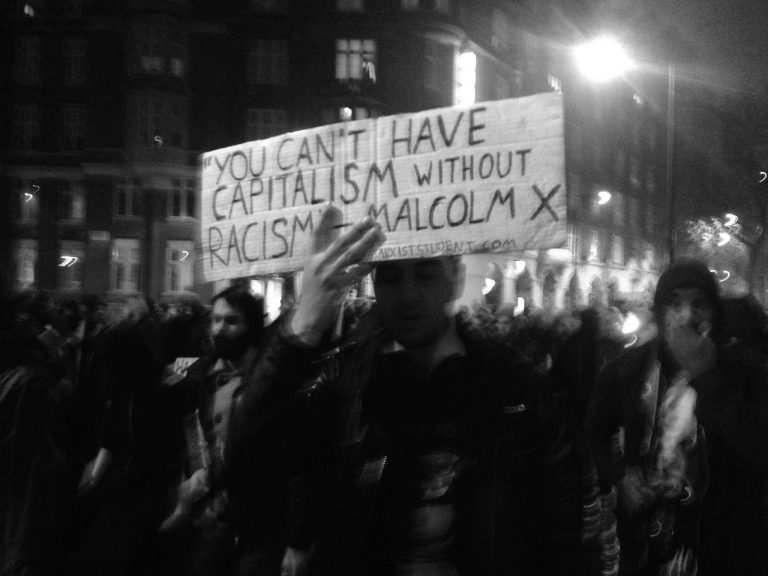
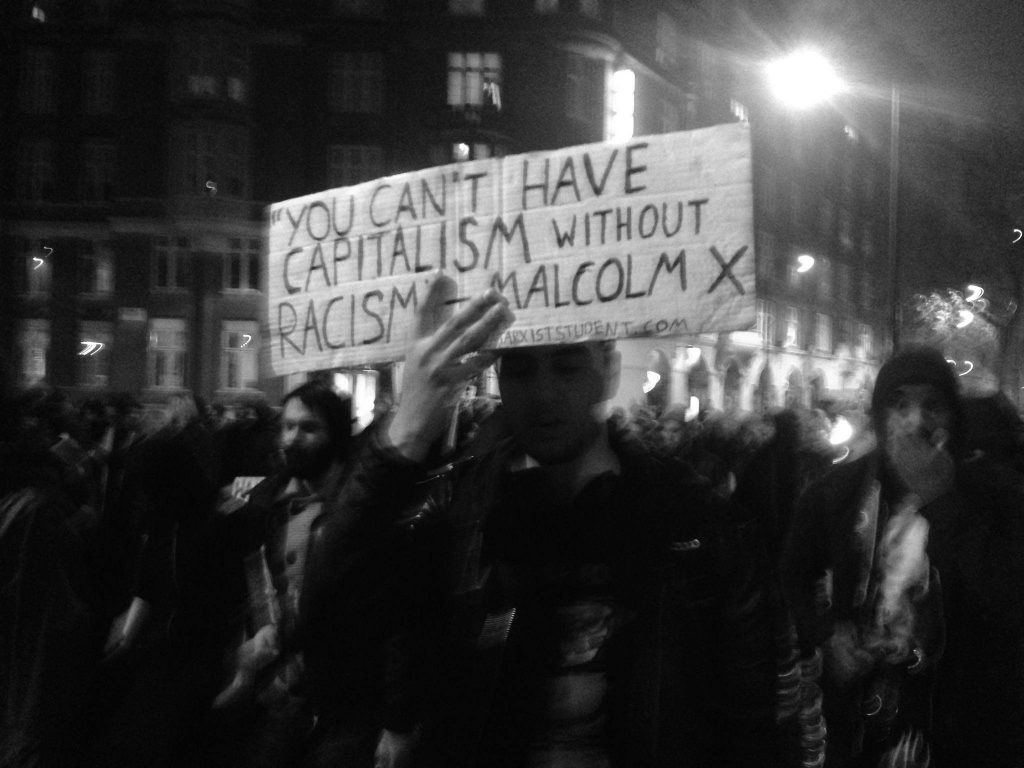
Is capitalism code for racism?

“Claims that anti-racism must be accompanied by a critique of capitalism may be ideologically convenient, but they are factually clumsy. Capitalism as a system is neither racist nor anti-racist, and capitalist economics do not claim to magically eliminate the racism of individuals.

Since its conception “Capitalism” has been a term used as a pejorative. The word itself was coined by nineteenth-century Marxists to define the system of free-market economics that shaped the Industrial Revolution, before assuring their followers that this structure would soon implode under the weight of its contradictions and lay the groundwork for their march toward collectivist utopia. Capitalist societies are characterised by an economic system based on the private ownership of the means of production and their operation for profit. Its central features include recognition of property rights, capital accumulation, wage labour, voluntary exchange, a price system and competitive markets.

Whatever system currently characterises western economies, it is not unfettered capitalism. Government subsidies and trading laws heavily regulate and limit the private sector. Huge social security programs fund pensions, housing, childcare and unemployment benefits. In the United Kingdom, industries such as healthcare and education are almost entirely nationalised, and tax-payer funded. Arguments for property rights and limited government have ebbed and flowed in their influence throughout western politics, and their ideological victories have contributed to western freedom and prosperity.

SOURCE: Marxists.ca

Although anti-capitalism has long been a feature of the radical Left, it has recently become fashionable to accuse “capitalism” of being inseparable from historical western racism. A June 2020 Youtube video posted by “Socialist Appeal” titled Capitalism is Racist framed a discussion on the Black Lives Matter movement in Britain. The same month, celebrated American activist and academic Angela Davis claimed in an interview with “Democracy Now!”: We can’t eradicate racism without eradicating capitalism.

Similar stances from National Association for the Advancement of Colored People (NAACP), the American Civil Liberties Union (ACLU), and other US civil rights organisations have left many people thoroughly misled about the roles of government and capitalism in regards to historic and contemporary racism.

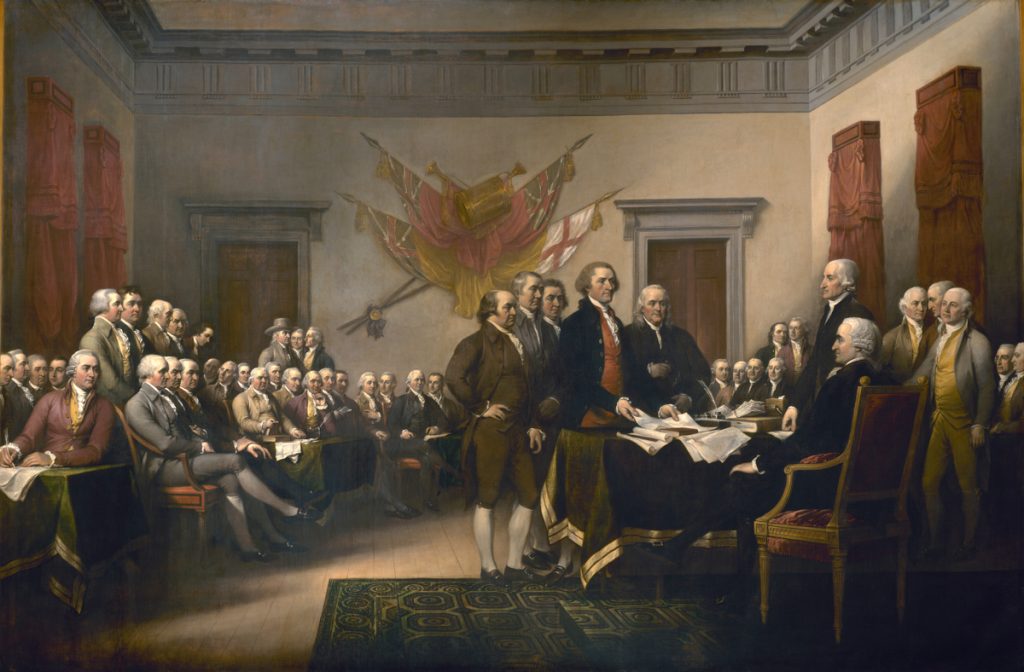
The American and British Enlightenments broadly endorsed social virtues and political liberty. The French Enlightenment tended toward a focus on Reason as an end in itself, which lay the groundwork for racialised hierarchies and systems based on the General Will of a population that sought to override the principle of individual rights apart from the state. SOURCE: Wikimedia Commons

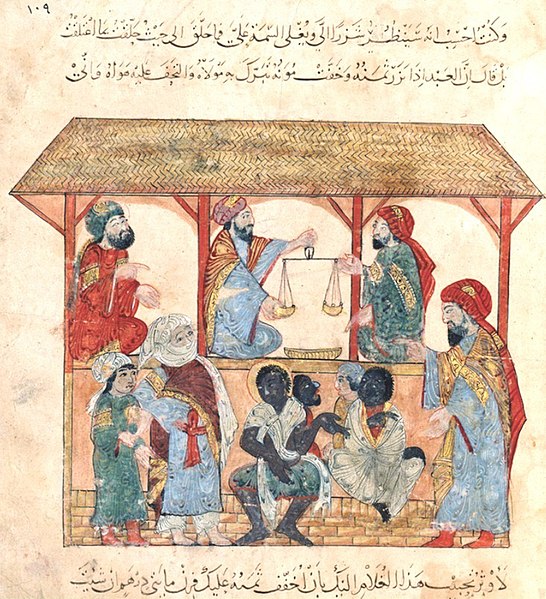
In a 2019 essay for the New York Times, “1619 Project”, Matthew Desmond described how the “brutality” and racism of capitalism was evident from the horrors of American slavery. Yet “capitalism” could not possibly be the “cause” of slavery because slavery long preceded capitalism as the dominant cross-cultural social order. Slavery was characteristic of the classical civilisations of Athens and Rome. Slavery was practised (often without regard to race) in Africa, Asia, Europe, and by Native Americans. Slavery and forced labour remain rife across many areas of the developing and developed world. Many historians have even argued that the northern states where slavery was no longer practised would eventually have outcompeted the Confederates without firing a single shot. American slavery may have in fact hampered the young nation’s economic growth.

Although there were powerful anti-slavery precedents in western thought, the eighteenth-century liberal principles of self-ownership, freedom to trade, voluntary contracts, and innate equality were particularly successful in targeting the concept of segregation and slavery. Enlightenment writers such as Locke, Smith, Franklin, Jefferson, Madison, and Montesquieu, clearly understood the universal application of their ideas and consequently abhorred slavery.

In England and the US, religious dissenters inspired by the Enlightenment’s emphasis on innate equality were at the forefront of the abolitionist movement, as were those figures who applied the American founding fathers’ proclamations of liberty, equality and property rights to their natural conclusion: their application to all humans.

A 13th manuscript describes the African Slave trade in Yemen SOURCE: Bibliothèque Nationale de France

The economic outlook of the European powers who participated in the Atlantic Slave Trade was overwhelmingly mercantilist until the early nineteenth century. Mercantilism is based on the principle that the world’s wealth is static, and consequently, many European colonial powers attempted to accumulate the largest possible share of that wealth by maximising their exports and by limiting their imports via tariffs. This system brushed directly against notions of capitalism by encouraging barriers to international trade. In the late eighteenth century, Adam Smith argued that free trade must be employed in place of mercantilism, so that businesses could be motivated to specialise in producing goods they manufacture most efficiently, leading to higher productivity and greater economic growth.

Attempts to bond the notions of capitalism and racism may be ideologically convenient, but they are clumsy at best. These arguments take the issue of ethnic prejudice, which has plagued almost every human society far before the theories of market economics were formulated and considers it as a product of the European enlightenment.

Moreover, these ideological missions erase the inconvenient truth that societies in which the “capitalist” principles of natural equality, property rights and voluntary association have thrived, have forged some of the most successful and least prejudiced communities on earth.

In summary, capitalism as a system is neither racist nor anti-racist, and capitalist economics do not claim to magically eliminate the racism of individuals. However, the cornerstones of capitalism: equality, liberty and property, have historically paved the way for the fight against racist systems of oppression.

What is happening to TikTok and why should we care?

Donald Trump has stated that TikTok will be banned in the United States unless an American firm successfully buys TikTok’s American operations by the 15th of September 2020. The Chinese-owned app (called ByteDance in China) was declared a national security risk by officials in the White House and is suspected of harvesting the data of its users.

ByteDance is under a lot of pressure to sell its American operations after Donald Trump threatened to ban the app. This is the latest story in the crackdown on Chinese tech companies saga. In the past, Donald Trump has cited similar security concerns regarding other Chinese companies like Huawei whose phones aren’t in the US despite being the number one phone maker in the world.

Double Standards?

Although this case is attracting all of the headlines, it is not the first time that US restrictions have been imposed on Chinese firms. There are a number of Chinese firms on economic blacklists, which stops these firms from being able to buy US technology without government approval. Some of the firms include:

  • Qihoo 360, a cyber-security firm
  • NetPosa Technologies, which makes video recording devices
  • CloudMinds, a provider of internet-based tools to control robots
  • iFlyTek, a provider of voice-recognition services
  • Megvii and Sensetime, two facial-recognition tool providers

Experts state that TikToks data collection practices are not rare and when compared to other social media companies they are more restricted. In fact, security research Robert Baptiste analysed the data it collected and sent to its own server and concluded that “TikTok doesn’t have suspicious behaviour and is not exfiltrating unusual data. Getting data about the user device is quite common in the mobile world and we would obtain similar results with Facebook, Snapchat, Instagram and others.”

TikTok has already been banned, not once, but twice, in India which was their biggest market. But what makes this case especially unique is that other rival social media platforms have warned of the potential risks surrounding TikTok. With all of this noise Instagram has secretly released their rival TikTok product “Reel” and Snapchat, Byte, Likee and YouTube have all tried to create a rival to TikTok.

A lifeline?

Microsoft has emerged as the front runner to acquire TikTok and this looks like a win-win situation for Microsoft. Firstly, if TikTok wants to operate it means that they will be forced to sell its US operations meaning that Microsoft could acquire TikTok at a discounted price. Additionally, TikTok may be forced to sell its operations in Canada, Australia and New Zealand; allowing Microsoft to set itself up as a competitor to YouTube and Facebook.

TikTok would give Microsoft a direct line to millions of youngsters to watch videos and create content (The Verge)

If all of the above sounds too good to be true, you’re correct. The China Daily described TikTok’s treatment as “theft” and said China “had plenty of ways to respond if the administration carries out its planned smash-and-grab”. Microsoft is one of the few tech giants to have a major presence in China and if it is seen to be benefitting from this “theft” China may retaliate by hurting Microsoft presence in their market.

We don’t know what to expect over the forty days or so; TikTok could cease to exist, go through an acquisition or operate the way it has done till now. However, it’s clear to see that the Trumps administrations dealing with the Chinese tech firm will lead to an increase in Sino-American tensions.

Why has the UK fallen out with China?

In recent years Britain has taken a warm approach to China, promoting trade and cooperation above everything else. Dubbed the ‘golden era’ of British and Chinese relations by Cameron’s government, recent months have revealed a multitude of issues which has led to worsening tensions between the two nations.

The Huawei Ban

Huawei is a leading Chinese technology firm that specialises in telecommunication.

In July 2020, Boris Johnson decided to make a U-turn on his decision to allow Huawei to participate in supplying 5G equipment.

The initial worry was that because all Chinese firms are required to “support, assist and cooperate with state intelligence work”, the Chinese government could force Huawei to spy on the west.

Huawei being the only company that can provide the 5G equipment Britain needs, gave the UK little choice. As a result, Johnson agreed to allow Huawei to provide the kit, on the condition that their share of the 5G market is limited to 35 per cent. Johnson also stressed that the company would not be allowed to supply the core elements of the networks.

Huawei UK HQ Source: Aljazeera News

The UK’s U-turn was prompted by more pressure from the US in the form of US sanctions against Huawei. It is important to note that the US and UK have a special relationship when it comes to intelligence sharing, thus if the UK continued to allow Huawei to be a part of its 5G infrastructure then the US could question our current security arrangements. This combined with the fact that post-Brexit US relations are critical, makes Huawei’s 5G technology too much of a price worth paying.

China responded to the UK’s banning of Huawei by saying that “China is evaluating the UK’s actions that have betrayed free trade principles and will take necessary measures to resolutely defend Chinese firms’ legal rights”. The details of the actions China will take remains unclear.

New Security Law In Hong Kong

In 1997 the UK handed control of Hong Kong back to China. In a treaty signed by the Chinese government, it was agreed that Hong Kong would enjoy 50 years of political and economic freedom, this is commonly dubbed as 1 country 2 systems.

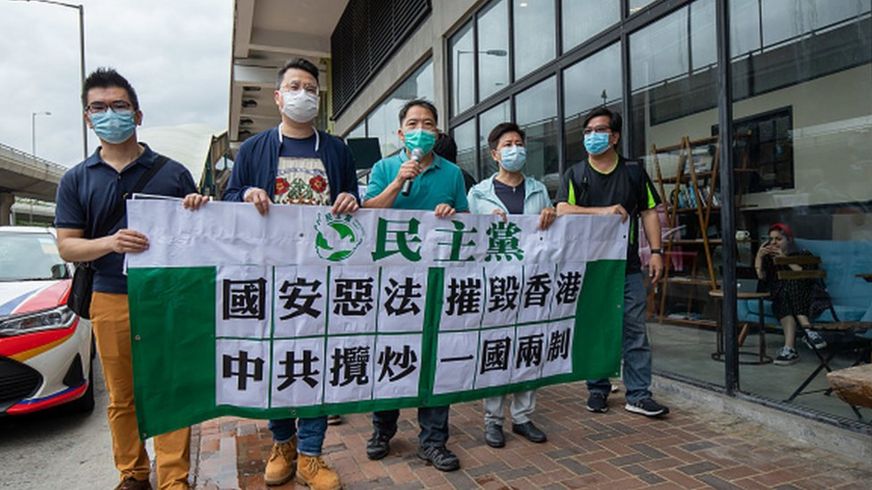
On the 23rd of June, a new security law that makes it easier for the Chinese government to extradite and punish Hong Kong protesters comes into force. The worry is that the new law will be used to round up anyone critical of the Chinese government, taking away the right of the people of Hong Kong to protest.

Hong Kong Protests Source BBC

Britain along with America condemned the new security law, claiming that it violated the commitment made by China to safeguard Hong Kong’s autonomy. To add on, Britain went a step further, introducing a new visa scheme for as many as 3 million Hong Kong citizens offering them a “path to citizenship”.

China was not amused, with the Chinese to UK ambassador, Liu Xiaoming saying that the visa scheme was a “gross interference” in Chinese internal affairs. The ambassador also made it clear that if Britain continues to ‘interfere’ in Chinese affairs China would have no choice but to retaliate.

China’s Human Right Abuses

The final point of contention between Britain and China is around human rights, in particular the treatment of the Uyghur Muslims. The Uyghur people are an ethnic group in China that predominantly found in the Xinjiang.

In 2019 leaked documents detailing China’s systematic brainwashing of hundreds of thousands of Muslims in high-security prison camps surfaced. Reports about the forced sterilisation of Uyghurs women have also come to light and, is backed up by the 84% reduction in Uyghurs population between 2015 and 2018.

uighur-1.jpg
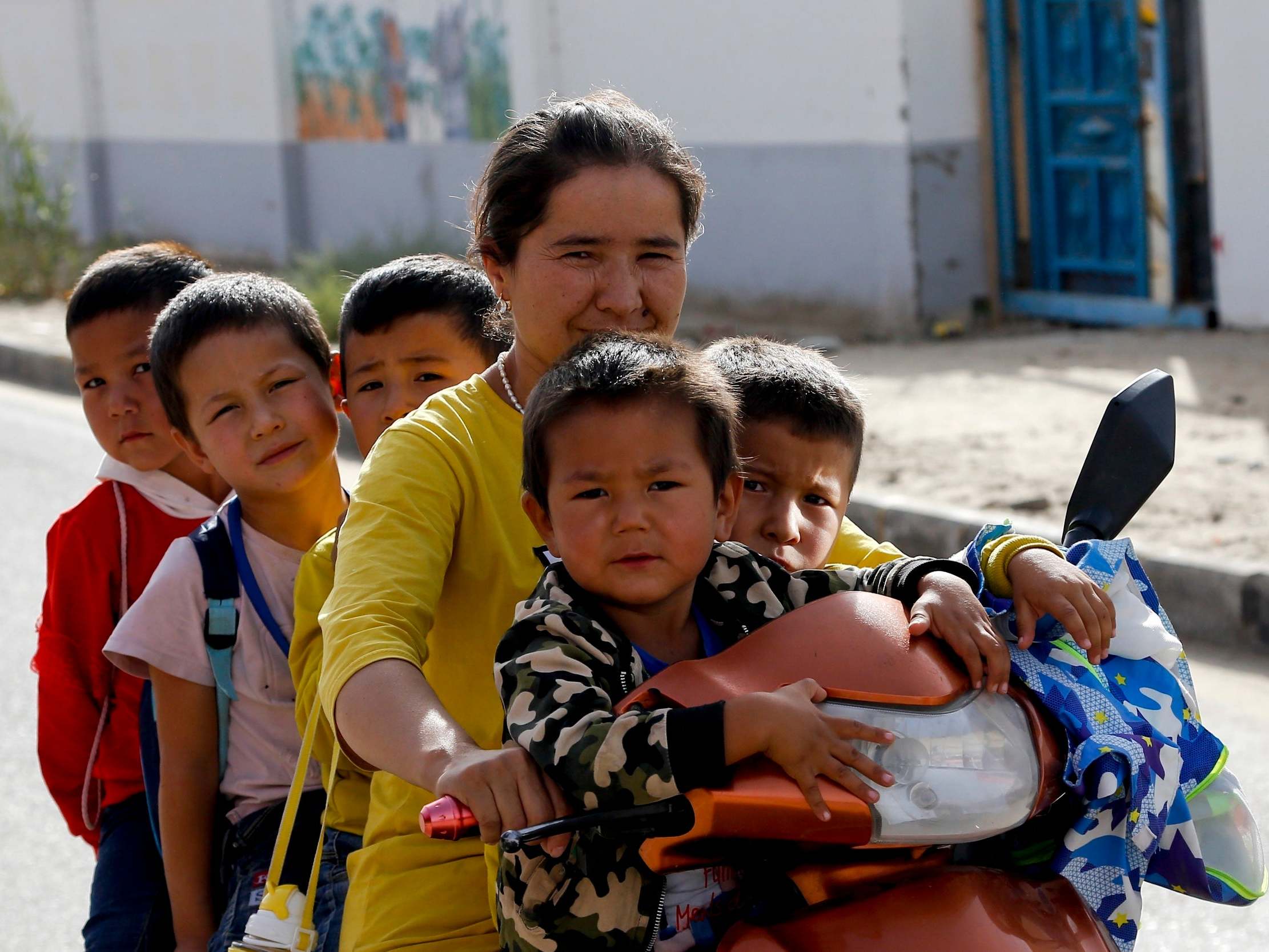
A Uyghur woman with her children at the Unity New Village in western China’s Xinjiang region Source Independent

These human right violations have put significant pressure on the UK government as many activists are calling for the UK to impose sanctions on China for its treatment of the Uyghurs people. The Chinese government maintains the position that the camps exist as voluntary education and training centres, and denies allegations that the government has forcibly sterilised women.

Looking Forward

Johnson’s government finds itself in a unique position because Britain has gotten into bed with China, it is almost impossible for both countries to go back holding hands.

Increasing Chinese economic dominance, and the UK’s pursuit of new relations post-Brexit means that both countries will need to work together for mutual benefit. However, like a lover’s tiff, Britain’s relatively short and recent close relationship with China has led to an atmosphere of betrayal and distrust that both sides will find difficult to move past.