Home Blog Page 15

Is The Criticism Towards Molly-Mae Justified?

The Facts

Steven Bartlett hosts a prominent business and self-help podcast called The Diary of A CEO. He invites guests from various industries, backgrounds and fields to speak about their journeys and how they have become successful in their lives.

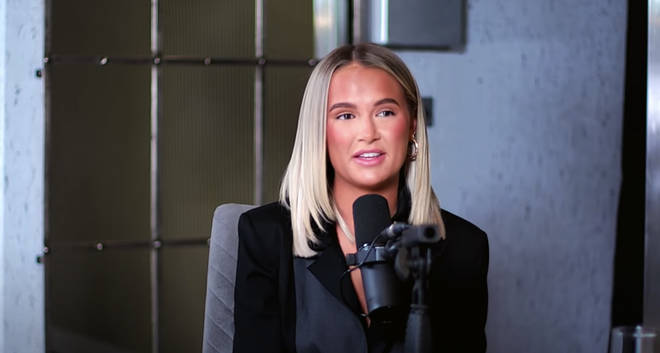
One of these guests was Molly-Mae Hague, a 22-year-old social media influencer and the creative director of Pretty Little Thing. In this interview, Molly spoke about how she rose to prominence after coming second in Love Island, a reality dating show, her upbringing, what had made her successful and speaking on the difficulties she faced when her home was broken into a few months back. However, the interview has gained a mixed reaction from many people due to her comments during the interview.

The 22-year-old shared on The Diary of A CEO that “if you want something enough, you can achieve it” and said that we all have “the same 24 hours in a day as Beyonce.” Some say that Molly was being toned deaf with her comments during the podcast and was coming across as privileged. Other people say that she was communicating how she has made her success and inspiring listeners to do the same. Since the interview has come out, Molly’s team issued a statement to the Metro.  

In the statement, she said: “Her opinion on if you want something enough you can work hard to achieve it is how she keeps determined with her own work to achieve more in her own life. Molly is not commenting on anyone else’s life or personal situation she can only speak of her own experience.”
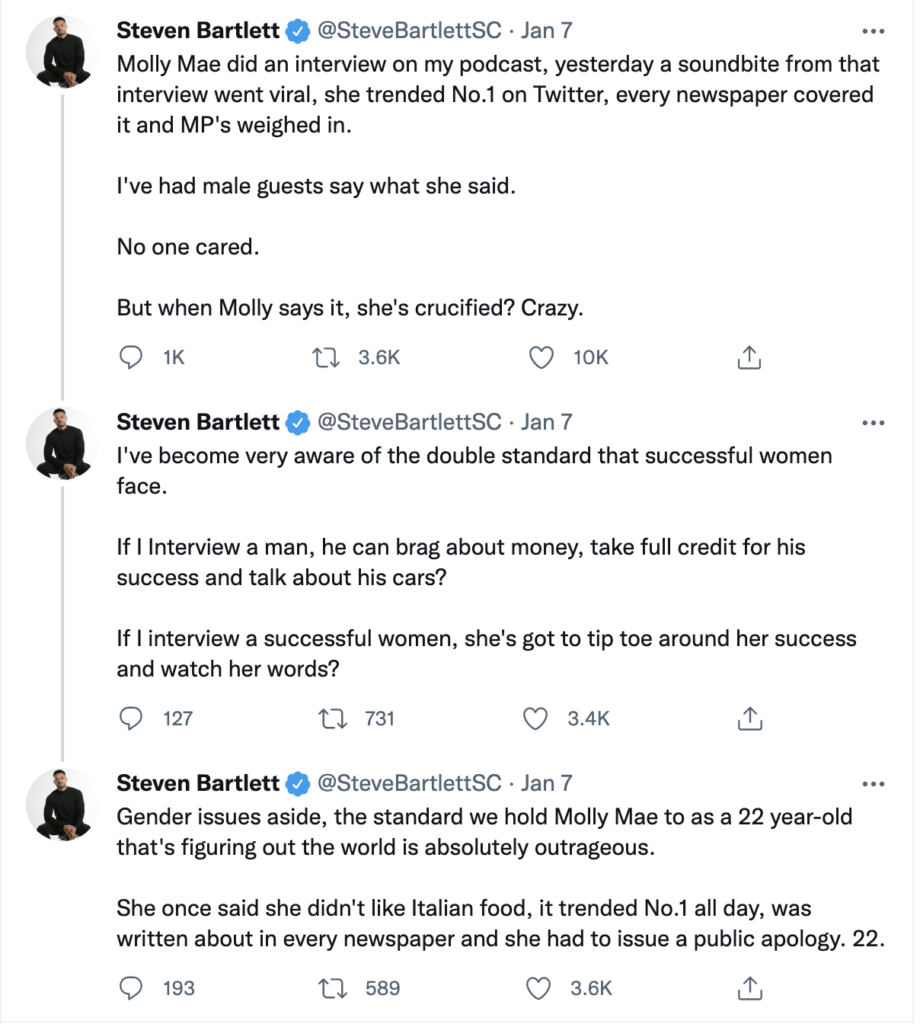
Steven Bartlett on Twitter in response to the backlash

“She acknowledges that everyone is raised in different ways and from different backgrounds but her comments here are in reference to timing, hard work and determination in her own life. If you listen to this interview, you can see the whole conversation was about her own personal circumstances, how she has grown up and this small clip in the conversation was talking about a quote that inspires her.”

Molly-Mae Hague has been one of the most successful people in this country and was invited onto Steven Bartlett’s podcast Diary of CEO to explain how she has done it.

She didn’t expect her success and comments on the podcast to trigger a rampage across the country and headlines being written about her.

Many see her comments as tone-deaf, yet others may see it as a case of a message missed in translation.

People have good intentions with what they do and what they say most of the time, and we should give people the benefit of the doubt. With Molly, we should do the same and that she was speaking on what has made her successful, whilst trying to be motivational, inspiring, and uplifting during a podcast that encourages such themes. There is nothing wrong with talking about your success or saying that despite the cards that we are dealt with in life, it doesn’t mean we should accept them.

In the most basic sense, we do have the same 24 hours numerically, and it is up to us to decide how to use these hours. Are we going to complain about how hard our life has been, or are we going to try and make something of ourselves? As someone who has had to work hard because of my learning difficulties, I side more with choosing to make something of yourself and found Molly’s words encouraging and motivational.

The problem is that it depends on who says these words of encouragement.

If someone else had said what Molly had said and wasn’t the head of a company that underpays workers and contributes to environmental deprivation, there wouldn’t be such outroar.

However, this saga involving Molly shouldn’t stop people from speaking about their success, offering words of encouragement and aspiring to be their higher selves.  

Molly Mae is an incredibly successful woman who unfortunately made a misstep in this Steven Bartlett interview. The comment Molly Mae made about us all having “the same 24 hours as Beyonce” negated the many structural inequalities that inhibit people from reaching the level of financial success that she has.

Molly Mae is an attractive white woman from a middle-class background from one of the richest countries in the world, and as an influencer, she has successfully capitalised on her beauty standards adhering aesthetic. However, despite her success being predicated on her essentially winning a genetic lottery, throughout the interview with Steven Bartlett there was no acknowledgement of her privilege. This was particularly egregious because she noted in the interview that she has received critique about this viewpoint before. However, instead of conceding to valid critique, Molly Mae has chosen to reaffirm that we live in a meritocracy.

While Molly is entitled to her opinion, as one of the biggest influencers in the UK, just like every other aspect of her public life it will be dissected as that is the social contract that she has capitalised on. Thus, I negate Steven Bartlett’s attempt to attribute the backlash she received to her gender, as it is rather a result of her proximity, as Molly Mae arguably more than anyone has consistently seen the great rewards and been confronted with the harsh realities of her parasocial relationship with her audience.  

Therefore, while I disagree with her, I also acknowledge that while there is a valid critique, the nature of social media dogpiling isn’t conducive to having a teachable moment as many that already dislike her use this opportunity to be hateful. Thus, as a fan of Molly Mae and her content, I empathise with her at this time and simultaneously hope she learns to better communicate the integral role of privilege in her success.
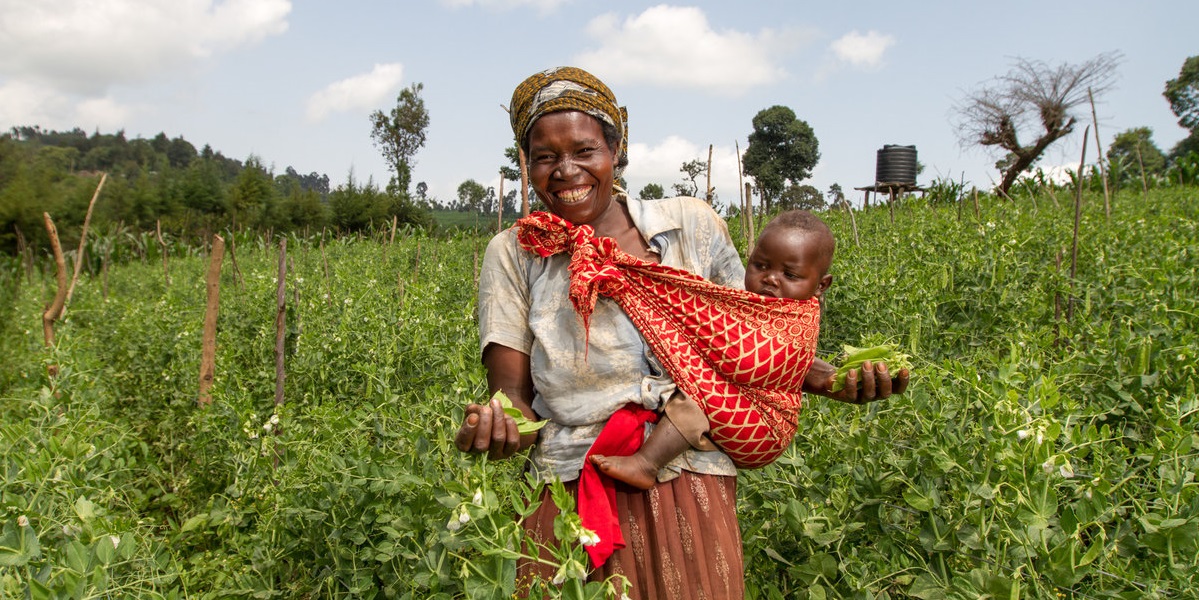

Dan Collison, CEO of Farm Africa Discusses The Truth Of Climate Justice

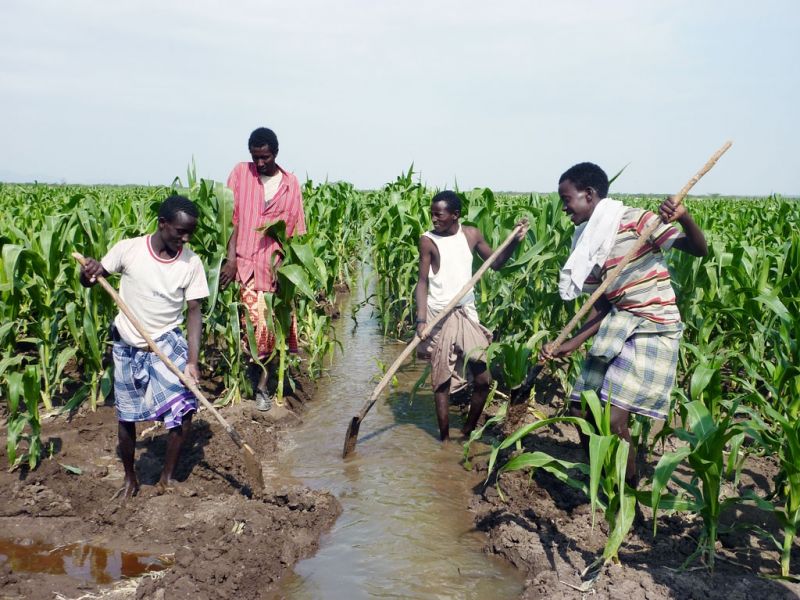
Dan Collison is the CEO of Farm Africa, an NGO dedicated to reducing the rates of extreme poverty in East Africa by helping farmers grow and sell more produce. Farm Africa plays an active role in communities across Ethiopia, Kenya, Tanzania, DR Congo and Uganda, driving a sustainability-focused approach to reducing poverty through forestry management and goat rearing, amongst other sustainable efforts. The organisation has been working on the continent for more than 30 years. More than half of the worlds extreme poor live in Sub-Saharan Africa, with the vast majority of those working in the agricultural sector; a single poor harvest can plunge the most vulnerable into the depths of poverty. 

What does economic justice look like to you?

The entire African continent has contributed just 2.8% of all emissions, in history, ever. Justice means ensuring that emissions remain low, but don’t compromise the social and economic development of African nations. That is not fair. For example, in Ethiopia, we lead goat rearing programmes designed to increase local resilience and decrease dependency on forestry, leading to higher and more diversified incomes and sources of nutrition. The effectiveness of this programme has been significantly hampered by the UK’s Aid Budget Cut earlier this year; that’s the opposite of climate justice. We’re asking those with the least to sacrifice the most. 

Farm Africa on Twitter: "In our latest #blog, Farm Africa's Chief Executive  @DanFarmAfrica looks back on his recent trip to #Kenya and #Tanzania, where  he was able to meet with colleagues and
Farm Africa’s Chief Executive @DanFarmAfrica looks back on his recent trip to #Kenya and #Tanzania, where he was able to meet with colleagues and partners and connect with our projects directly.

Climate injustice certainly makes it more difficult to lift people out of extreme poverty. For example, those in Sub-Saharan Africa (south of the Sahara) are disproportionately affected by climate change. The sizable cut to the UK aid budget, a decision I do not agree with, deeply hinders providing value and benefits to the hundreds of thousands of farmers we work with. Taking those resources away makes the needed sustainable adaptation much more difficult and certainly constitutes climate injustice. 

Do you find that grassroots community action led by local leaders is increasingly important to realising the ideals of climate justice?

Yes – Bale eco-region in Ethiopia is a brilliant example of community action and strengthening of our work in the participatory forestry community, which does 2 very important things. Firstly, preserving the forest environment by dramatically reducing rates of deforestation and secondly, diversifying and increasing the income of co-operative members towards more sustainable sources. For example, co-operatives are encouraged to use land-use agreements to develop alternative sources of income from sustainable forestry products (coffee beans) as opposed to chopping and selling wood. Reduced deforestation also produces carbon offsets/credit, which is fully verified. Forest co-operatives in Bale eco-region have generated 10m metric tonnes of carbon credits over the past 10 years which are sold internationally, and funnel the revenue back into local authorities and communities. Such examples are certainly successful due to the energy and commitment of local community-based groups. So yes, developing capacity/expectation/role of local civil society structures, forest co-operatives to diversity income and ensure forest protection, and therefore see benefits via carbon offsets, is a really good example of a sustainable approach to realising global climate justice.

Farm Africa - in pictures - Farm Africa US
Source: FarmAfrica.com

Do you believe the urgency of the climate justice movement should be expressed by groups such as XR (Extinction Rebellion)? What role can grass-roots groups play in the developed world?

I would not answer this in my capacity as CEO of Farm Africa. Direct action is perfectly legitimate, whether it’s suffragettes or apartheid, there is a long history of direct action which is very disruptive. There is certainly a part of me that admires those people, another part of me understands why those getting across Vauxhall bridge in an ambulance find that more than inconvenient. Crisis, whether XR, striking, recycling, there’s a range of stuff people are doing, and it all has to be done. Our role (Farm Africa’s) partly changes the support on the ground in the face of climate threats, our advocacy work (indirect) – about sharing our experience and evidence for what works. Ultimately, we’re about sharing evidence to influence policy, coming from a technical evidence-based background. 

Should wealthy individuals be pressured more than the average consumer?

Billionaires shouldn’t do out talking for us. There is an important role for those with resources and influence to be a spokesperson and to lead opinion. Gates is perhaps a good example, he’s spent a lot of money on climate action, education and development frontiers. It has triggered a wave of philanthropy, but you can also ask yourself the underlying motivations – big philanthropy does have an important role in tackling the climate problem (despite it being their obligation). The most powerful voices come from the communities directly affected and there are lots we can do to empower those, and no one wants to be lectured by a billionaire. 

Should young people be leading the charge for climate justice, for example, XR (Extinction Rebellion)? 

Young people have the most legitimate voice on the issue of climate injustice. My kids, both teenagers, are scared. Not just worried, but scared about what the world may look like in 50 years time. Young people must demand accountability from the system, whether by-elections or direct actions; those in positions of power must also actively listen to and make the changes that we need. 

The Rittenhouse Case Proves a Problem with The American Justice System

Kyle Rittenhouse was acquitted of all charges on November 19th, 2021.

On November 19th Kyle Rittenhouse was awaiting the jury’s decision. The events were never up for debate. He shot three people at a BLM protest on August 25th in Kenosha, Wisconsin. Two dead, one injured. Now he was being tried for first-degree intentional homicide, first-degree reckless homicide, attempted first-degree intentional homicide, and two counts of first-degree reckless endangerment of safety. The defence claimed self -defence.

The Response to the Rittenhouse Verdict

Pictures of Rittenhouse armed in Wisconsin.

There were many widely reported moments throughout the divisive case. These moments ranged from accusations of the judges’ bias to the prosecution’s witness backing the defense’s case under cross-examination. Media on all sides gave their versions of events and how their perspectives factored into the matter. However, in the end, the jury decided to acquit Rittenhouse.

The conservatives cheered and congratulated Rittenh; Trump even invited him to a (well publicised) meeting. The left was mortified, believing the case justified vigilante violence at protests. It brings in serious questions about the second amendment and its interaction with the right to protest peacefully. However, the backdrop of the whole affair was the BLM protests. It added another political dimension that meant the verdict would always be unacceptable to some. But the question is: was it the correct verdict?

The Prosecution Used the Wrong Argument

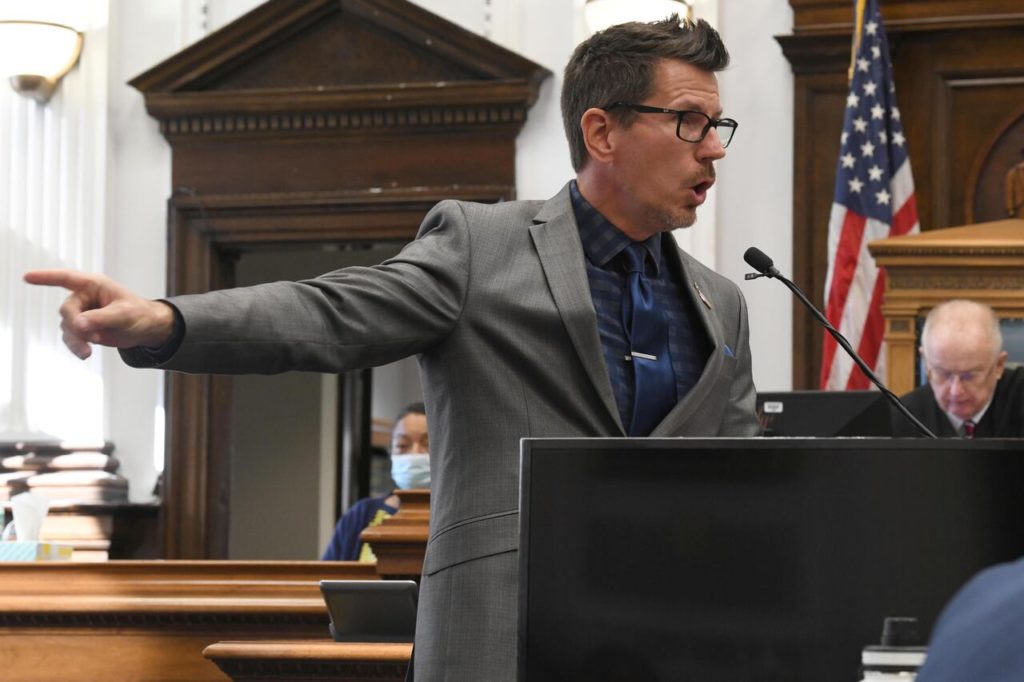
Assistant district attorney Thomas Binger points at Rittenhouse as he delivers his opening statement on Tuesday. (Mark Hertzberg/Reuters)

The jury was probably right. But this was both a miscarriage of justice and a failure of America’s legal system. That failure was primarily the prosecution’s fault. There were other charges the prosecution could have argued, such as Manslaughter. Instead, they went for first-degree murder, and the evidence presented by the prosecution didn’t back up their case. Their charges seem based on political forces, not the evidence they had.

Murder should have a high legal threshold. Although statistical evidence has proven the threshold is lowered for black citizens, it is not the standards of the legal system that should be lowered. They should be maintained equally, without prejudice. According to the witnesses and video evidence provided, Rittenhouse is not guilty of the charges presented to the jurors. It is unknown whether Rittenhouse’s verdict would have been different if he was black, but it would be a high chance.

Rittenhouse is guilty of being a dumb 17-year-old. His presence with a firearm caused others to act aggressively towards him, which made him act out in fear. If he were black, he would likely not be afforded the privilege to be a dumb 17-year-old or act in fear. The problem is with the disparity, not the verdict.

This case again shows the American judicial system needs fixing. The courts should not be a place for social or political agendas. They are plagued with doubt of their impartiality. The expectations that were set by politics did not back the evidence. That is why the disappointment is there. Republicans are carrying Rittenhouse held high. He has become a twisted political symbol. Emblematic of the deeper divides in an already polarised nation.

Privilege Decided the Verdict, not the Law

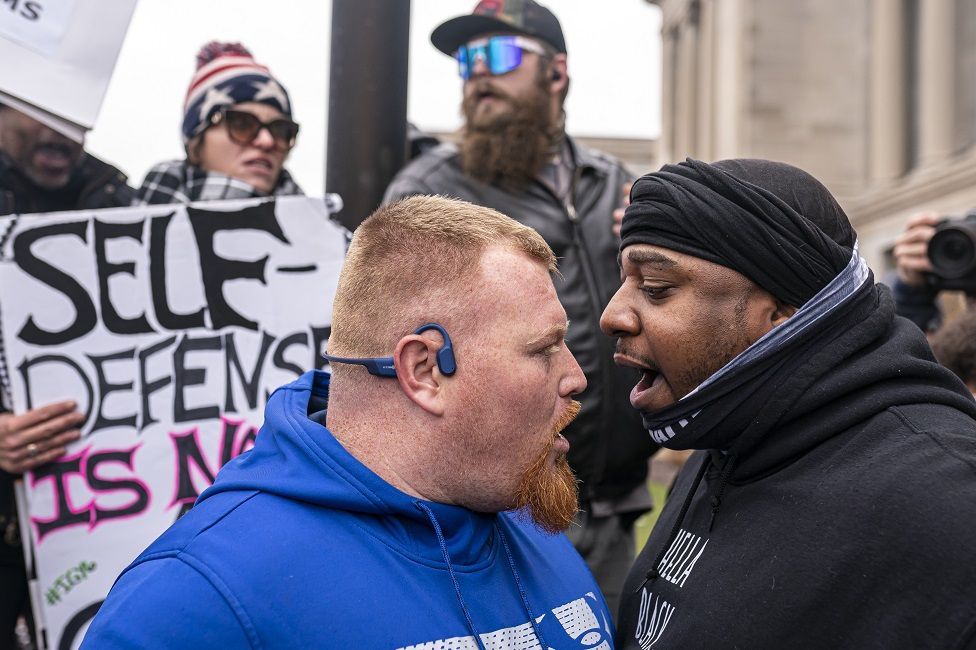
Arguments happen outside the courthouse during the Rittenhouse trial.

Critics can argue that race was not the main focal point in the Kyle Rittenhouse trial, and one would be correct. However, to say one could not insinuate racial undertones in the Kyle Rittenhouse verdict is highly naïve. White privilege still holds firmly in the court of law. Although the jury in the Rittenhouse trial heavily considered Wisconsin’s self-defense law, they did not consider the prior actions that led to him having to utilize “self-defense.” Rittenhouse had specific intentions to have his mother drive state lines with the motive to use his gun if needed. It would prove straightforward he came to the protest with an intent.

America’s criminal justice system is notorious for proving injustice towards Black Americans. Black Americans feel that if the shoe was on the other foot and Kyle was a 17-year-old Black boy, the jury would have found Kyle guilty, or worse, he would have been shot before discussions of a trial even took place. For example, Tamir Rice, a 12-year-old African American male, had a toy gun and was shot almost immediately by the police.

Or take Cyntonia Brown, who was 16 years old at the time, went to jail for 15 years for murder. If the exact “self-defense” definition applies, the jury should have acquitted Cyntonia Brown of the crime. Some would argue the situation was different because Cyntonia had intentions to rob her accuser, and Kyle tried to defend a community that had nothing to do with him. However, the result in both cases was murder, and the same standard applies to both.


The main problem here is when people pick and choose when the law applies to a particular situation. It is hard to believe that white privilege does not exist or Black people do not receive the same right in the court of law when cases like Kyle Rittenhouse and countless other Black individuals have different results. If we say that Rittenhouse was lawful, then apply the law equally and justly across the board and not when it is convenient for particular facts or situations.

There Have Been Over 74,000 Articles About Meghan Markle

Prince Harry and Meghan Markle, the Duke and Duchess of Sussex shocked the public when they announced on January 8 that they were leaving their position as senior members of the royal family. One of the most notable changes they’re making is to deny a group of British press outlets first access to their personal press releases after years of press coverage and editing decisions that they feel have been unfair, filled with favouritism, and aimed to turn public opinion against Meghan in particular.

Since the announcement, journalists unearthed some of the British media’s most snide and judgmental headlines about Meghan and put them next to what the same outlets—sometimes even the same authors—thought of similar situations when fellow Duchess of Cambridge Kate Middleton was involved.

Despite her absence, Meghan Markel is still the most talked-about royal in the UK. She seems to be the main character in everyone’s conversation, with over 74,000 articles published about her worldwide.

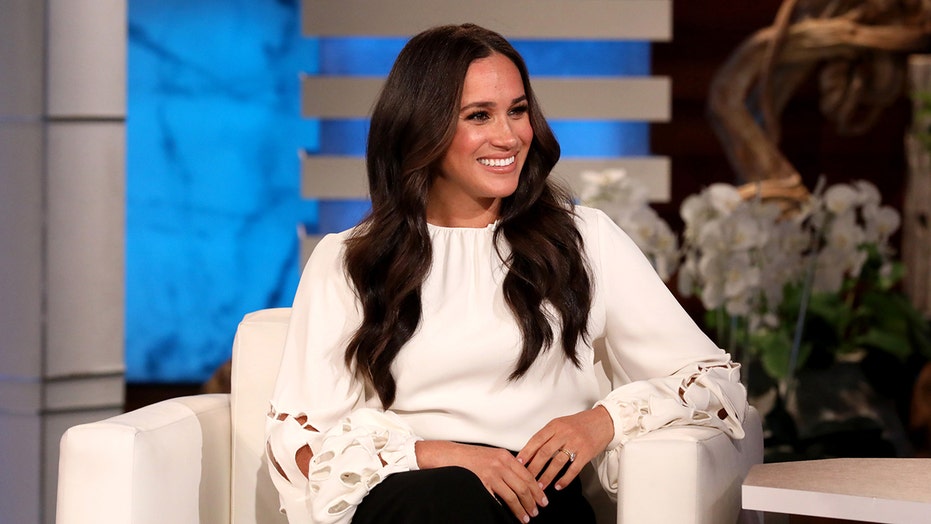
According to a Guardian analysis, 43% of the ‘ 843 articles in 14 print news papers’ published about Meghan between May 2018- Jan 2020 were negative and with her recent interview on ‘The Ellen DeGeneres Show’, there is still more to be said about the Duchess of Sussex.

Rumours, gossip, hate, bullying, racism; she has faced it all. The onslaught on her character, her family and her blackness has made headline news on major British publications and, let’s not forget, social media.

Since her rise to Royal status, Meghan has been exposed to extreme bullying by the Press, who have taken liberties with their freedom to report on public figures.

And as one person once asked: “Freedom for what?” Freedom of the Press is meant to hold those in authority accountable. It is a platform for a diversity of voices to be heard. However, how does this freedom relate to the onslaught against Megan Markle?

NEW YORK, NEW YORK - SEPTEMBER 23: Meghan, Duchess of Sussex, and Prince Harry, Duke of Sussex, visit One World Observatory on September 23, 2021 in New York City. (Photo by Taylor Hill/WireImage)
 (Photo: WireImage)

What is this freedom for?

Is it the freedom to bully? Freedom to leak private letters to the public – irrespective of recent claims? Is it the freedom to compare a woman’s child to an animal – to a monkey? Is it the freedom to run her out of the country? Is freedom to blame her for the decision to step back from Royal duties?

The British Press is well known for its aggressive nature and its lengths to get a story – we only have to think about Princess Diana.

So it is no surprise that Meghan would find herself in the middle of all this unwanted attention when she married Prince Harry. It is the bullying by the Press that caused the Sussexes to step back from their duties.

However, this revelation has only added more fuel to the hate and aggression aimed towards Meghan.

The relationship between Meghan and the Press is toxic at worst… It is a toxic period.

And with the way things are currently, It won’t get any better.

This article was amended on 03 December 2021. An earlier version had the incorrect figures for the articles about Meghan.

Why Is Saudi Arabia So Interested In UK Media System?

  • The Saudi Green Initiative and the London Evening Standard announced a week or two ago that they would be partnering together through articles and videos.
  • The initiative produced content that presented what the Saudi Arabian government was doing to tackle the climate and was published in The Optimist section of the London Evening Standard.
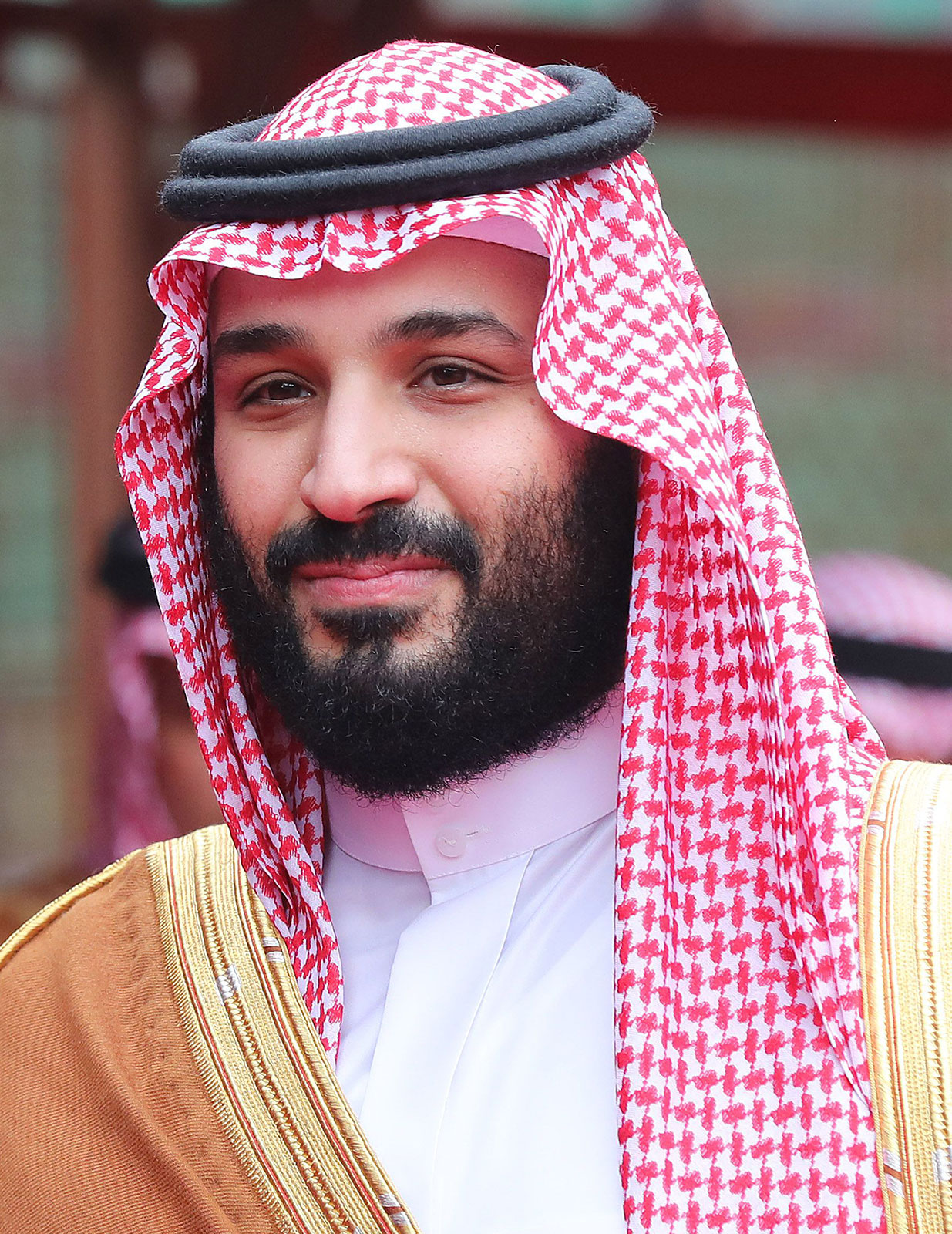
  • According to the Saudi Green Initiative: “Under the patronage of HRH Crown Prince Mohammed bin Salman, the Saudi Green Initiative will chart a path for the Kingdom in protecting the planet.”
  • Despite the intentions of this partnership between this initiative and the London Evening Standard, it restarts a conversation around Saudi Arabian involvement within the United Kingdom’s media system. 

This partnership with The Saudi Green Initiative and the London Evening Standard isn’t the first time we have heard of Saudi Arabian involvement within the United Kingdom’s media system. In 2018, a Guardian investigation found that British firms were earning millions of pounds from efforts to improve the image of the Saudi Arabian Kingdom. The investigation revealed how the London office of Vice was working on a series of films to promote Saudi Arabia. It also stated that a Saudi Arabian publishing company was donating to the Tony Blair Institute for Global Change in return for his advice to the country.  

Fast forward to 2019, and it was revealed that Evgeny Lebedev, who owns both the Independent and The London Evening Standard, sold 30% stakes in these news outlets to an offshore company belonging to a Saudi businessman Sultan Mohamed Aduljadayel in 2017 and 2018. The British government accused both news outlets of being part-owned by the Saudi Arabian state and how the gulf state could influence editorial authority over the news outlets. Yet, it was found by Ofcom, the media regulator of the United Kingdom, that the buying of shares of these companies didn’t impact the coverage of the publications.  

Hidden buyer of Evening Standard stake revealed as Saudi investor |  Financial Times
Evgeny Lebedev sold shares of The Independent and the London Evening Standard to a Saudi Arabian businessman in 2017 & 2018. Photo credit: Financial Times

The Saudi Arabian government has a notorious reputation for its human rights abuses, lack of press freedom, and lack of effort towards addressing climate change. Despite The Saudi Green Initiative claiming that the government will be heading towards cleaner energy, the nation still relies on fossil fuels. So much so, it could be argued that the articles and the videos produced by the initiative on the London Evening Standard could be an example of greenwashing and media washing by the regime. In that sense, the partnership and Saudi Arabia’s involvement within the media of the United Kingdom could be a way of shifting negative attitudes of the gulf regime. However, Saudi’s Public Investment Fund, chaired by Crown Prince Mohammed bin Salman, also plays a role in why we see so much involvement from this country within the United Kingdom’s press.  

Figures compiled by UK Declassified, an investigative journalism organisation, found that £60 billion was invested into the United Kingdom by Saudi Arabia’s Public Investment Fund. Most of this investment was down to how Saudi Arabia was pressuring the United Kingdom to have a free trade deal post-Brexit. Because of these pressures post-Brexit, the United Kingdom agreed to have a deal with Saudi Arabia, even if it meant they were less likely to be critical of the regime. Despite most of the investment from the Saudi Arabian government being financial, it also transferred into the media seen by the takeovers of The Independent and the London Evening Standard. Critics say that having such financial leverage in the United Kingdom means Saudi Arabia and other Gulf regimes are less likely to be criticised.

By giving Gulf countries the opportunity to invest in Britain despite their record on human rights, Britain becomes more dependent on these countries and less able to voice a critical opinion on their autocratic rule. Britain does not only sell arms to these countries but also shields them from criticism in international organisations. We all remember how Britain used its position in the UN and supported Saudi Arabia’s application to have a seat at the UN Human Rights Council”

Madawi al Rasheed, a Saudi analyst at LSE

Should we care about Saudi Arabian involvement in the press?

The sight of the partnership involving the Saudi Green Initiative and the London Evening Standard ring alarm bells for the media in the United Kingdom and its readers. Having a foreign government initiative trying to portray themselves as tackling the climate, whilst evidence contradicts such a claim, is a reason to be fearful. Propaganda is a strong word to use at times, but looking at this partnership, one could argue that this word best describes this partnership.

At the same time, we could also be overblowing this partnership and the United Kingdom’s media links with the Saudi Arabian regime. Ofcom came out a few years ago and said that the Independent and the London Evening Standard were not affected in their coverage after the involvement of a Saudi Arabian business owner. Potentially, this signals the end of such a matter. Three companies in the United Kingdom own 83% of the national newspaper market, and 80% of the online readership is owned by five companies based in the same country, showing that maybe there is concern elsewhere and not Saudi Arabia.  

However, the bottom line is that this partnership involving the Saudi Green Initiative and the Evening Standard has restarted a conversation around foreign involvement within the United Kingdom’s press. 

Should we care about this involvement is another question entirely.    

The Gloss Is Wearing Off Boris

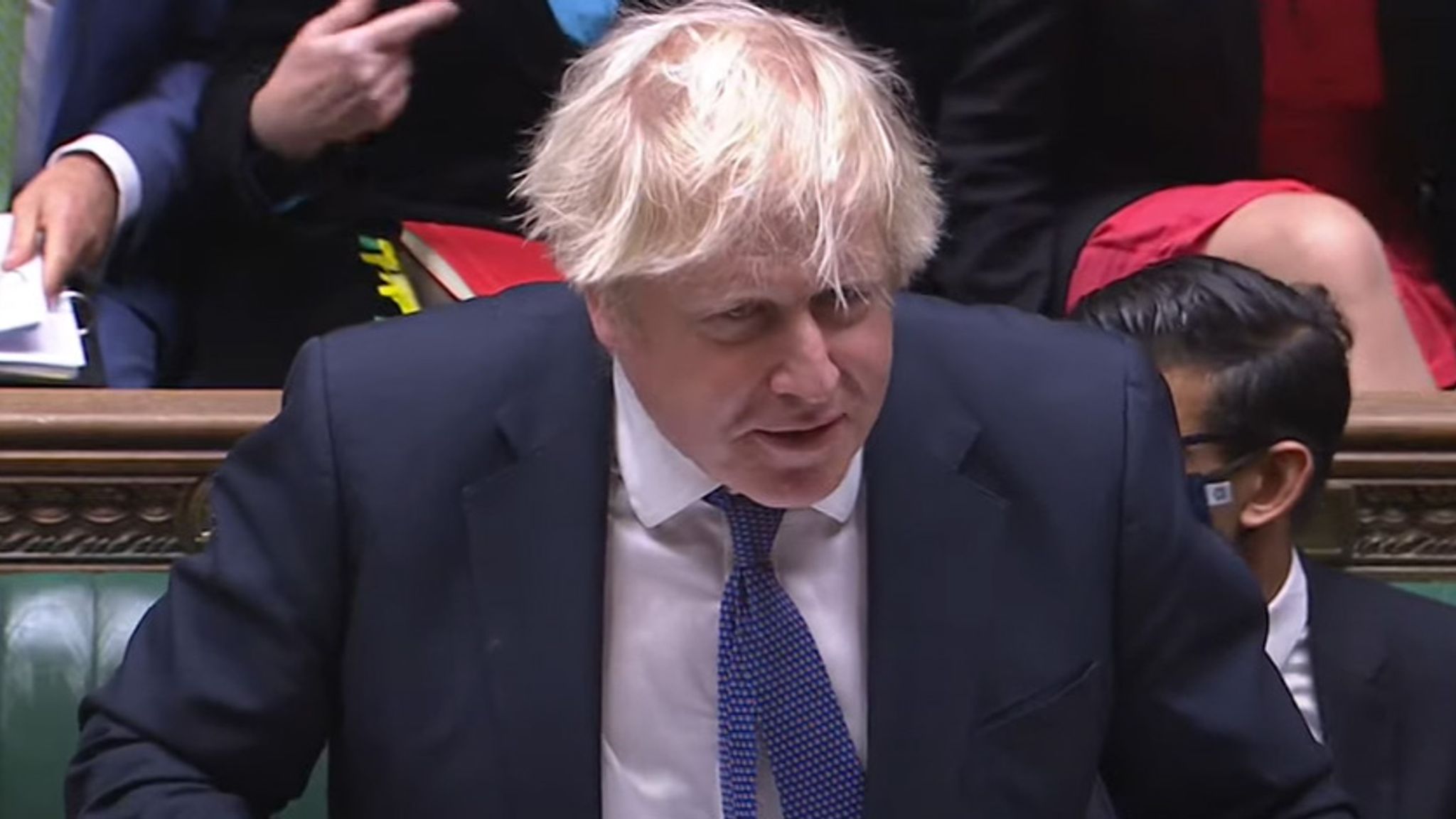
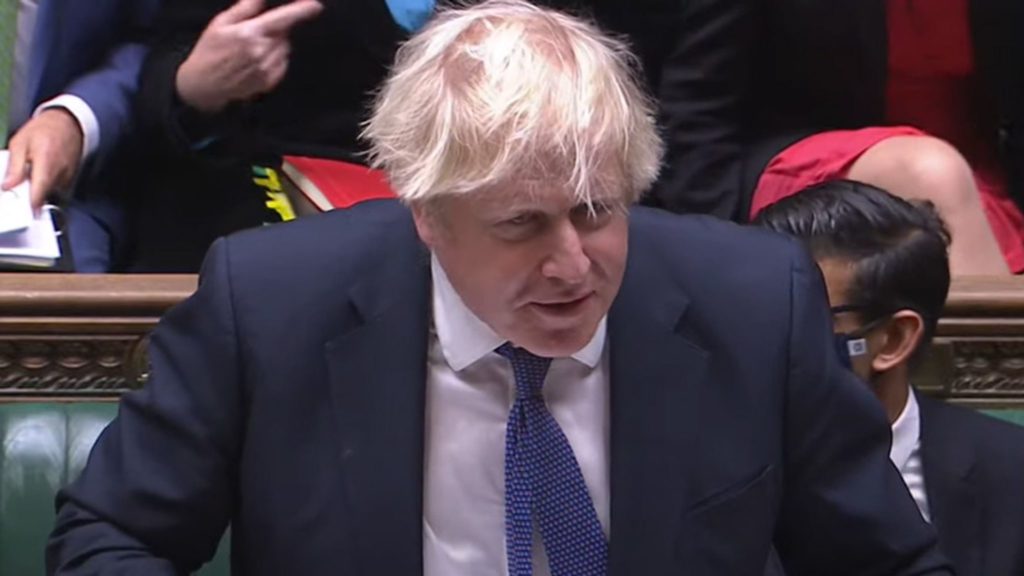
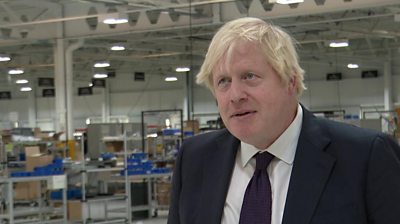
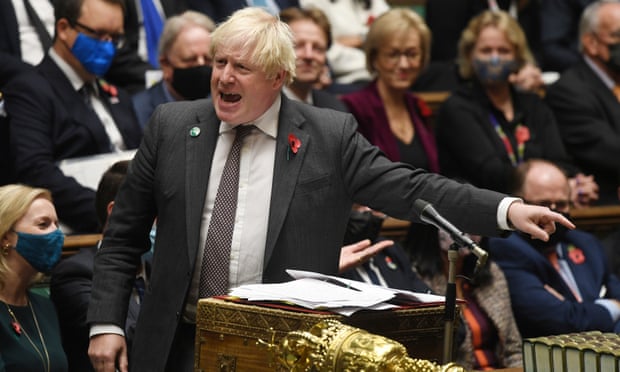
On the 17th of November, an uproar between MPs breaks out in the House of Commons. The Speaker of the House, Sir Lindsey Hoyle, reprimanding the Prime Minister, asks “…we play by the rules don’t we?” The Prime Minister, amid falling poll figures, shakes his head as Keir Starmer stands. Accusations of sleaze, betrayal and ineptitude are catching up with Boris Johnson.

Boris Johnson Answering Questions At PMQs. Photo Credit: Sky News

A month of controversies and sleeze. Is the gloss wearing of Boris Johnson

The Patterson March

A month of controversies and sleaze. Is the gloss wearing of Boris Johnson?

Johnson’s party sit behind him, still seething since being sent “marching up the hill” for “absolutely nothing”. Owen Patterson was supported by a three-line whip in the vote on the 3rd, votes like this are usually votes of conscience. A day later the government U-turned. Now Patterson has been left to resign; allegedly hearing about the U-turn at a supermarket.

The Conservative MPs were left scrambling and the ministers hung out to dry on the news. All the government gained was virulent accusations of corruption. What started with a simple 30-day suspension has suddenly become so much more. Pollsters suggested drop in support for Johnson after this mess. But this was only the start of this month’s controversies.

HS2: Plans Taken Off the Line

The PM couldn’t help but make a bad situation worse. He has attached his name to the HS2 project since the beginning of his premiership. He stated in 2019: “I want to be the prime minister who does with Northern Powerhouse Rail what we did for Crossrail in London”. This continued throughout his time in Downing Street. But mere days after the Patterson crisis, Johnson revealed his true plans for HS2.

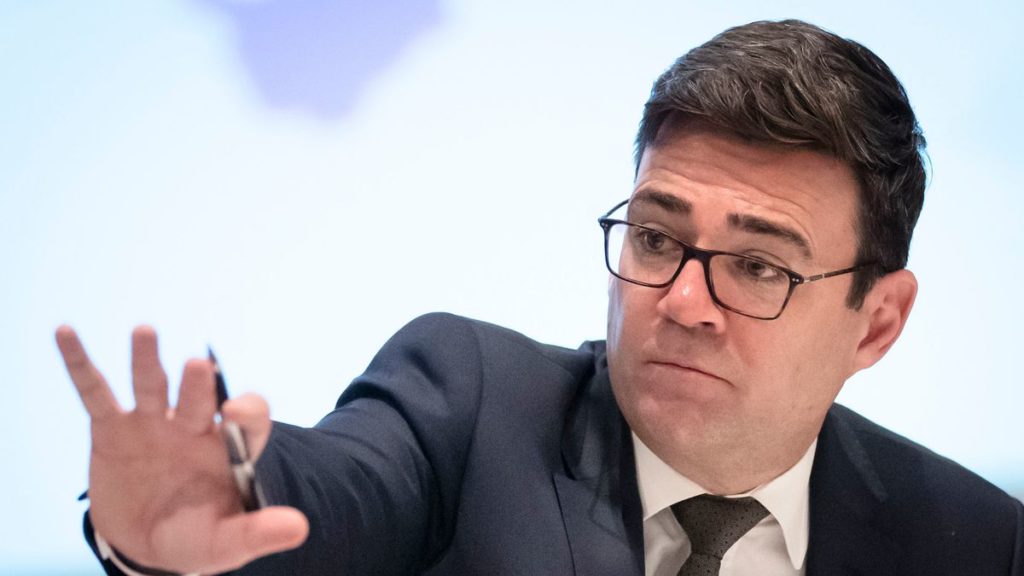
Andy Burnham called Downing Street’s Plans for HS2 “second class” in an interview with Sky News. Photo Credit: Mirror

Johnson’s government has walked back on a whole line between Leeds and East Midlands Parkway. Accusations began to fly that ‘if he was truly focussed the north, surely that wouldn’t have been scrapped’. In the ex-“red wall” constituencies this has not been received well. On November 22nd, YouGov reported that 66% of those in the north of England believe Boris Johnson is doing badly. Andy Burnham, Mayor of Greater Manchester, also hit out on Sky News against the plan. He cited a desire for the lauded “east-west” connectivity that was promised to the north. This has not been delivered in the new plan. He described HS2 as a “second class plan” from the government.

The Peppa Speech

The final major optic failure this month was Boris Johnson’s speech to the Confederation of British Industry (CBI). This speech was supposed to be a speech about how the government would support businesses to level up throughout the country. However, it left many confused. In another moment of leadership, Boris was seen, head down, searching his notes in 20 seconds of silence.

Labour’s shadow chancellor called the speech “shambolic”. She also stated that “no one was laughing, because the joke’s not funny anymore”, echoing her leader at prime minister’s questions the previous Wednesday. However, it wasn’t only the BBC that ran this story. The Telegraph wrote about his impression of a revving car. An ITV reporter asked if everything was “OK”, even the Daily Mail called the speech “bizarre”. Downing Street has also clarified that Boris Johnson is not “unwell”. The implication in the clarification is clear.

An ITV Reporter Asks Boris if “Everything is OK” following a “bizarre” speech about Peppa Pig World. Photo Credit: BBC News

Boris’s time is almost over

Boris’ time in number 10 is over. In the last month, he has alienated his party, the constituents that got him his majority and anyone who could defend his governance. The momentum has shifted firmly against him and there doesn’t appear to be a way to turn the tide.

It’s not as if this revelation is new to many, and not only from the opposition. Many Conservatives haven’t liked Johnson for some time. Accusations of Carrie controlling his political choices, cowardice (e.g. hiding in a fridge) and a central selfishness to his character all being criticisms levelled. The conservatives chose him as leader to ‘Get Brexit Done’. He has served that purpose and that time is over. It is very likely he doesn’t have the chance to cancel Christmas again.

The public has seen behind the curtain. Broken promises are broken promises wherever a constituent is. Many voters are starting to get a sense that there is no master plan behind the buffoonery. There is no earnest man behind the joke. No machinations behind the renovated curtains. Many have already known this. But never has his lack of focus and authenticity been so transparent.

This month has knocked any further faith in Boris, knocking faith in the party. This undermines faith in his MPs, undermining their faith in him. Conservative MPs have already handed in letters of no confidence. It appears that the joke really “isn’t funny anymore”, in Starmer’s words. However, one thing is for sure, he will have to be ousted. He won’t simply accept that the joke is over.

MPs Corruption – How Should Integrity Be Maintained?

Unpacking the recent accusations of MP sleaze can be a long and messy process. It’s entangled with confusing economic arrangements with big corps, concealed payments, lobbying, and loopholes in the system.
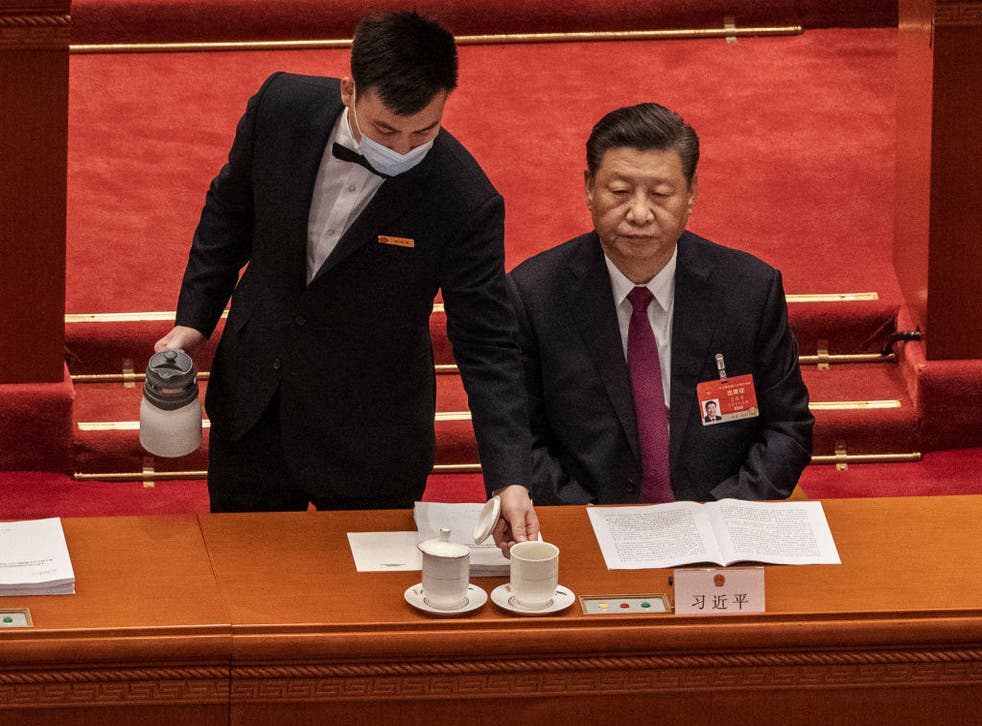
For most of us, it’s hard to get our heads around what is actually going on in the Houses of Parliament. This makes it unclear where to draw the line on the moral obligations we expect from our MPs and what constitutes corruption. For some, questionable behaviour by MP’s can be excused by the fact that they have not technically broken any laws by taking advantage of the loopholes. Others argue that it is a low bar to set for morality by saying they’re not breaking the law and that anytime where an MP’s personal interest conflicts with that of the public, constitutes corruption.

What’s been going on?

  • Tory MP, Owen Paterson has been found to have been lobbying on the behalf of two companies paying him over £100,000 a year
  • Cross-party groups of MPs have received hidden payments from drug companies in the pharmaceutical industry’s pursuit to gain advantages by policy making
  • It has been revealed that Tory MP, Geoffrey Cox has earned at least £6m from his second job since entering parliament, calling into question Cox’s commitment to his job as an MP
  • Jacob Rees-Mogg may have broken finanical rules for MPs by failing to declare that he got £6m in cheap loans from one of his companies

These cases have caused a row within Parliament over how MP’s integrity is maintained.

After a push from the opposition, PM, Boris Johnson has proposed to update the code of conduct for MPs for it to continue “to command the confidence of the public”. He proposes a ban on MPs acting as paid consultants or lobbyists, and also a censure on MPs who do not prioritise their constituents.

The whole point of being an MP is to represent the public’s interest over your own. An MP’s personal economic interests should be set aside when on the job in Parliament. MP’s using their position to enrich themselves is exploiting the system. Especially with the backdrop of rising inflation, energy costs and cuts in universal credit, a proportion of society is being squeezed, while it seems some in Parliament are milking the system.

Half of UK adults believe MPs should solely focus on their job. MPs having second jobs can undermine their role as representing their constituents and raising issues in the House on their behalf. An MP’s job is a full-time job, serving the public is complex and time-consuming enough, there should be little room for any other work.

The MPs code of conduct declares it is “strictly forbidden” to take payments for initiating parliamentary proceedings, voting, or approaching ministers and other members on the behalf of a third party. In Paterson’s case, his actions were described as an “egregious case of paid advocacy” in a report approved by a group of cross-party MPs on the standards committee. 

On top of this, another report has found pharmaceutical companies to have a hidden web of policy influence by making secretive payments to health-related all-party parliamentary groups (APPG). As MPs are in public office, their actions should be transparent. Taking “hidden” payments of course undermines their duty to be transparent with the public. The authors of the report highlight, APPG’s taking substantial income from pharmaceutical companies shows policymaking in the interests of public health to be at risk of being influenced by the interests of the pharmaceutical industry’s goal of maximising profits.

The public deserves to have the confidence that MPs are standing for their best interest and not that of private companies. MPs have a duty to keep their integrity by serving the public first in their job.

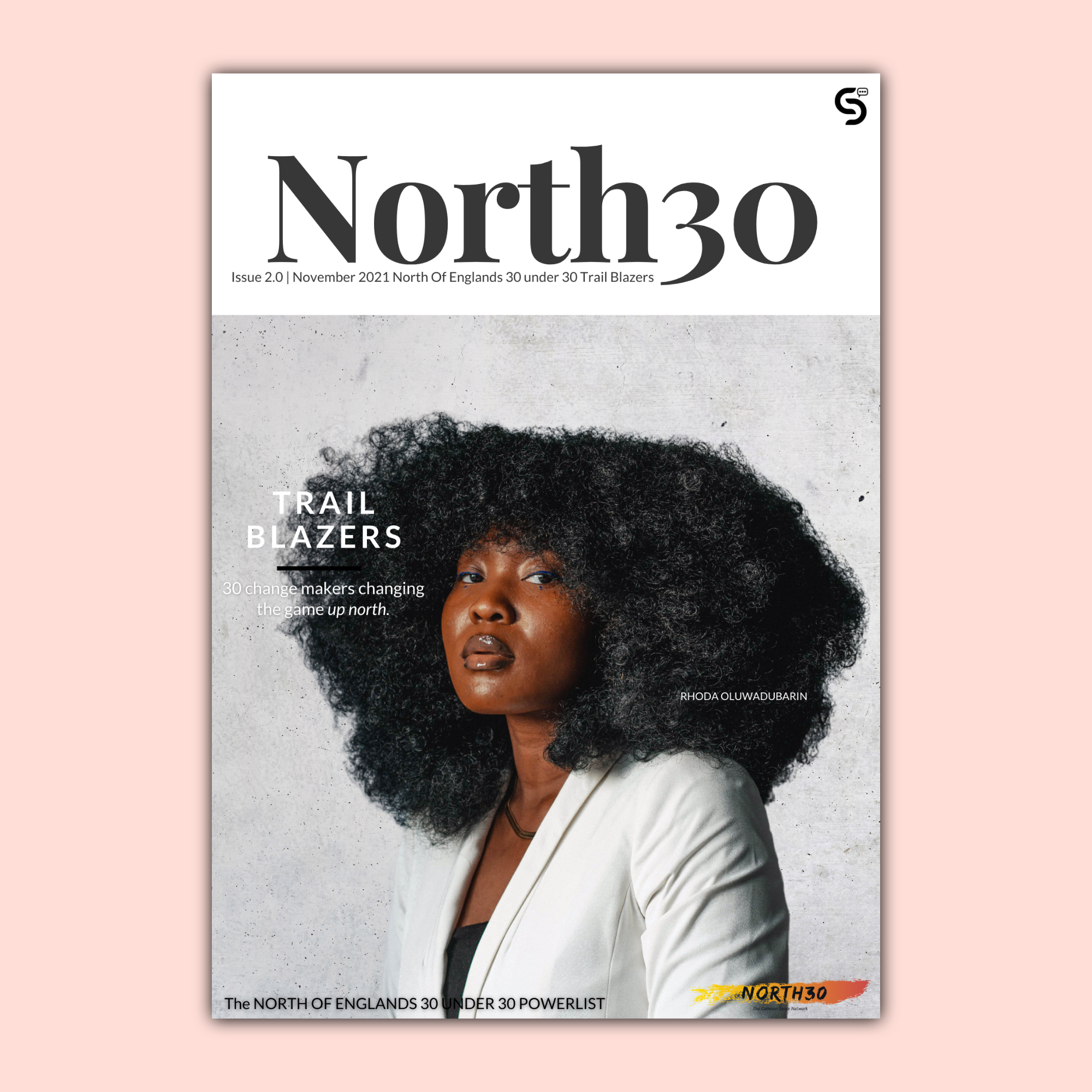
#NORTH30: Northern 30 Under 30 List Revealed 2022

Read Full List Here

Rifts between The North and The South are not new. London has swallowed most of the energy, resources and money to help it reach its global city status that dominates narratives about the UK. For some time now, research has been conducted on how wealth has been distributed between London and the rest of England. One study even showed that there was a £700 difference per head that was being spent in London compared to Birmingham on transport alone (£300 per head being spent on transport in Birmingham compared with £1000).

In fact, a third of ALL arts funding (research by Rebalancing our Cultural Capital) gets spent in London! In 2018 London received about £24 per person, compared to £8 elsewhere, (or just £3 per head for Cheshire and Warrington).

As companies move further and further up North, dramatic transformations are being made to the infrastructure that means that the North is becoming more and more attractive to businesses, influencers and moguls across the board. Businesses moving up North for greener pastures are causing a snowball effect – it attracts more investment.

In fact, some research suggests the investment in the northern tech industry is growing faster than anywhere else in Europe, at a rate of 619 per cent (between 2012 and 2017).

There are many young people (under 30) that have been part of this shift, that have created new infrastructure and made significant developments across industries within the North of England.

Now is the time for change

From footballers to social entrepreneurs, to financial moguls and creatives, The North of England is home to some of the most successful ‘up and coming’ millennials making an impact and trailblazing in a number of industries; yet attention is often focused on London.

With, #NORTH30, we are changing that. The Common Sense Network’s list of 30 trailblazers under 30 challenges the perception that success for young people only comes from moving to the capital.

#NORTH30 celebrates the achievements of outliers under the age of 30 who are changing the game in the North of England.

CLICK HERE TO DOWNLOAD FULL LIST

Big Business Must Tackle Climate Crisis Or Risk Irrelevance

COP26 finished on the 12th of November 2021. World leaders, diplomats and cultural influencers gathered in Glasgow for an event many hoped would usher in a renewed international response to the climate crisis. The end of COP26 means many things. The end of hope for stronger words. The beginning of hope for action. There was little innovation in talking points. And commitments were given no costs for failure. Only future actions will tell if the whole thing was (as Greta Thunberg suggested) just a PR stunt, or if it will create lasting change.

COP26 carried with it a backdrop of fear, dragging behind it like a toddler’s toy truck. ‘Avoid climate disaster’ was the central message. But people don’t tend to respond well to bad news. People panic in the face of dread. Ridiculous costumes to ‘flatten the curve’ and empty shelves in supermarkets are clear symptoms. However, there may be a counterbalance.

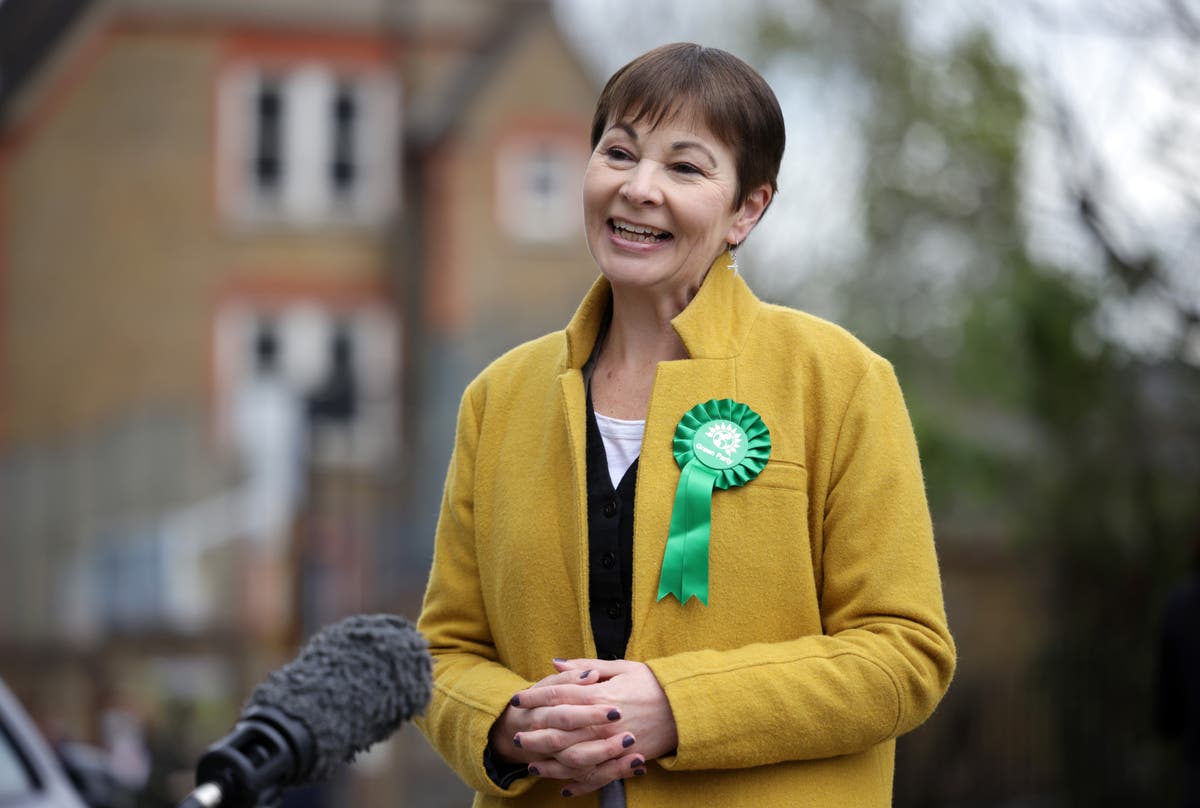
While COP26 was in full flow, Caroline Lucas was on BBC’s Question Time in Eastleigh, speaking about one of her favourite cartoons:

“[It] has a professor in front of a whiteboard, and on the whiteboard, they’ve listed all of the advantages of moving to a zero-carbon economy… and there’s a student with a speech bubble … saying: ‘but what if climate change is a hoax and we’ve created a better world for no reason?’…”

Ask Me Anything: Caroline Lucas answers your questions on the Cop26 climate  summit in Glasgow | The Independent
Caroline Lucas is a Green Party MP
(Getty Images)

Can that better world be built by big business? It begins with investment. While being a boring topic for many, it might be the only way the world is saved. Edelman’s Trust Barometer suggested that 67% of the public believe that businesses are responsible for tackling climate change. However, only 27% of the general population believe that businesses are doing enough. When 66% of those surveyed believe that “tackling climate change is more urgent now than ever before”, there must be a gap in the market.

This is the primary way big business can benefit. Building reputations as environmental stewards now means those firms could redefine themselves as pioneers. The writing is on the wall, consumers are turning their eyes to the environment. And consumers vote with their wallets. If companies invest now, they could gain a competitive advantage, to even a monopolistic degree. As consumers witness more climatic events these votes will become more one-sided. These businesses could be heroes by investing early, for all stakeholders, including shareholders.

On the other hand, if these companies do not invest, they will die. If left to the last second, they will no longer be competitive. Big business must invest to be future proof. Why not do it early? Investing late may literally cost the earth.

The Future is Now

Major fossil fuel companies have the capital to invest in the future. The usually high barriers to entry are nothing more than a garden fence. Indeed, fossil fuel companies are already investing in renewable energy. But they can do more. Many have accused fossil fuel companies of being similar to big tobacco of the mid-20th century. Their funding of climate denial a particular point of contention. But if they lead the charge to save the planet, their companies need not die with the end of this destructive era.

BP, previously British Petroleum, has now been renamed ‘Beyond Petroleum’. This is supposed to represent a shift in direction. Although, many also accuse BP of greenwashing. This seems like a fair criticism considering their history in the Gulf of Mexico. However, they have begun to liquidate their oil and gas assets to begin buying into renewables. One of the reasons cited is ‘stability’ of the market. The dramatic rise and fall of oil and gas prices in the last two years is worrying. The time for fossil fuels is over and they know it. BP are said to be taking a gamble on a quick switch to renewables. But if anything, there is a sense among many that it’s more of a gamble to keep the fossil fuel stations open. Eventually, the demand for fossil fuels will fall to the point where the price begins to fall, one last time. Then the old fossil fuel giants will begin to close their refinery doors rather than sell them on.

The fossil fuel companies are only those on the front line of this crisis. Plenty of other businesses can benefit from a similar approach. Looking to the future is no longer a distant point. It is tangibly here; the money has begun to flow. These generations will witness a paradigm shift.

Beyond, Beyond Petroleum

Big businesses can no longer coast around this topic. Nor can media groups bait their publics. Media companies will need to educate people as to how their lives will change. They will have to provide that public service again. There is a need to reinspire hope. Hope that humanity can stick to below 1.5 degrees. Hope that those who will suffer from the climate damage can be helped. Hope that it hasn’t been left too late. If the media achieves the uphill battle that is ‘inspiring hope’, they might regain trust from the public. The same Edelman Trust Barometer suggested that the media are the least trusted entity in public life. Only 31% of those surveyed said they trusted the media. Telling the truth, educating, and inspiring hope is how the media can hope to fill in this widening faultline.

So how does big business benefit from the climate crisis? The solution is to look at the climate crisis as an opportunity. Governments need to look at the incentives states can give big business. The most cynical members of the population would state that big business isn’t naturally an altruistic entity. Why not play into that? The climate is out of time, there is no time to change the economic system and save the world. It is time to prioritise. Trying both is arguably irresponsible and self-involved. Indeed, all economic and government systems need to look past ideology to achieve the same goals.
The trust in a western system should not be tied to humanity’s existence on the planet. Pragmatism suggests use of the resources available. Big business will only benefit if they make the right calls. Not for their shareholders, but for the community. They only benefit if the system itself survives. Without a system, there’s no one to buy their products.

Greta Thunberg Is Part of The Blah, Blah, Blah

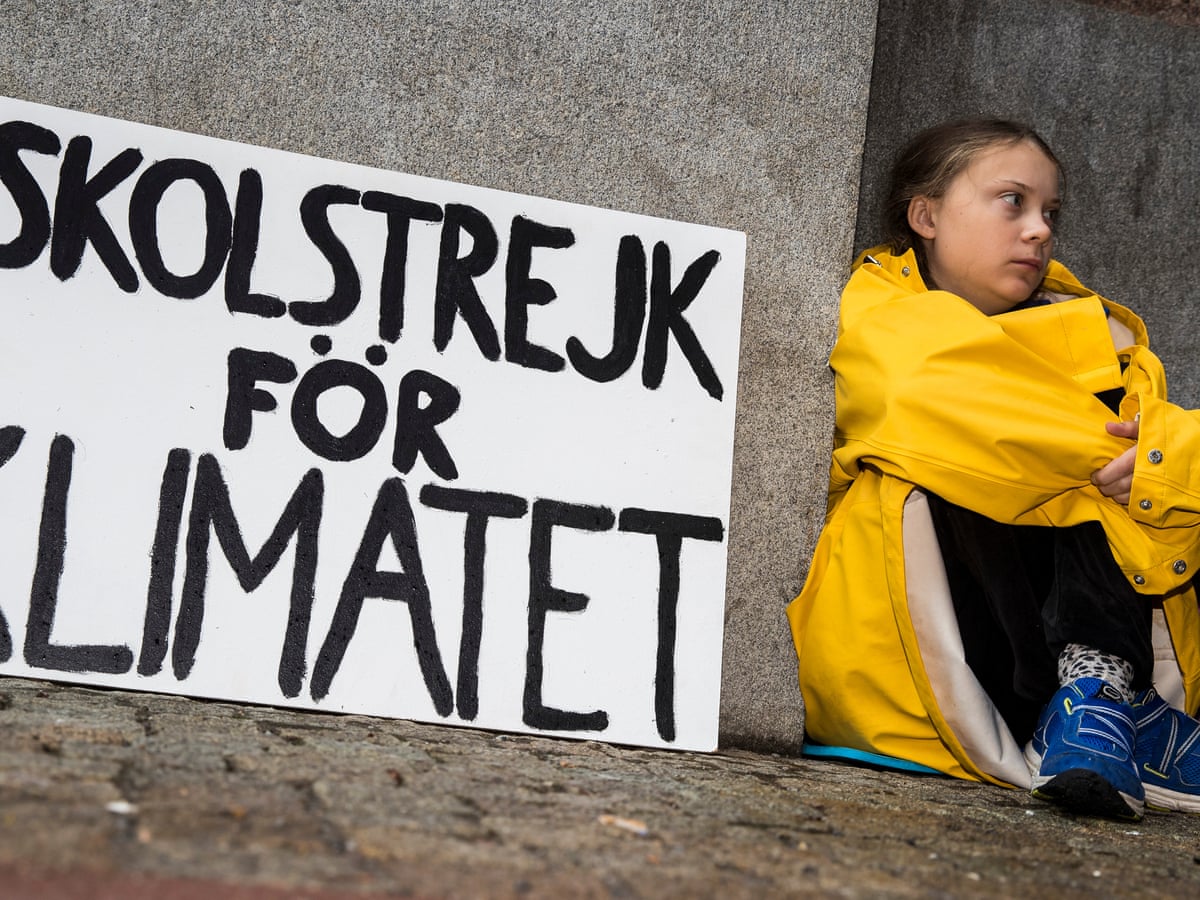
In August 2018, a young 15-year-old girl was standing outside the Swedish parliament holding up a sign stating “Skolstrejk för klimatet,” which translates to School Strike for Climate. All of this was to pressure the Swedish government to meet its carbon emissions target, which it wasn’t doing at the time. That 15-year-old girl standing outside of parliament was Greta Thunberg.    

Since this gesture, Greta has become heavily involved in the climate conversation by receiving many nominations for the Nobel Peace Prize, applause from political figures and being named Time Magazine’s Person of the Year in 2019. Undoubtedly, she has been an inspiration for many and a prominent figurehead for the climate movement.

With COP26 coming to an end, there was optimism for the summit to be a turning point in the climate conversation. Yet, it wasn’t met with such hopes by the young girl.

She branded the summit as a “failure,” a “PR exercise”, and more “blah, blah, blah,” with her saying that “the real work continues outside these halls.” But as much as global leaders have been doing too much blah blah blah when it comes to the climate, is she also part of the blah blah blah?   

She may have inspired a new generation of activists and change-makers, but Greta Thunberg has become part of the noise she hoped to tackle when she first entered the climate ring.

The Swedish 15-year-old who's cutting class to fight the climate crisis |  Climate science | The Guardian
Greta Thunberg outside the Swedish parliament in 2018 with her sign “Skolstrejk för klimatet,” which translates to School Strike for Climate. Photo credit: The Guardian.

Greta’s intangible plans

When it comes to Greta’s vision for the planet, she has four key ideas.

Christy Somos outlined these ideas in her CTV News article named “Greta Thunberg’s four simple steps to combat climate change.”

Her ideas of flying less or not at all, eating less meat or going vegan and voting for candidates that put climate change at the front of their campaigns sound good on paper.

Yet, when it comes down to the realities of the world and how likely these changes will be made, her plans become intangible, utopian and not that easy to implement.

Greta has made it very clear that she no longer uses air travel because it produces the most emissions compared to other types of travel. She famously attended a climate conference in the United States by boat to illustrate her desire not to impact the earth through travel. Nonetheless, as much as she may have the spare time to travel on a boat across the Atlantic Ocean, the everyday person doesn’t have that kind of time on their hands. Trying to fly less or not at all sounds realistic, but when you look at how our world is so interconnected and requires people to travel the world, the idea starts to lose its appeal. An easy fix to use less air travel would be to invest more into train links, especially for the United States, finding ways to make air travel less environmentally taxing or even to host global events online. But these suggestions haven’t come out of Greta’s mouth as she expects people not to fly at all, even if it is unrealistic.

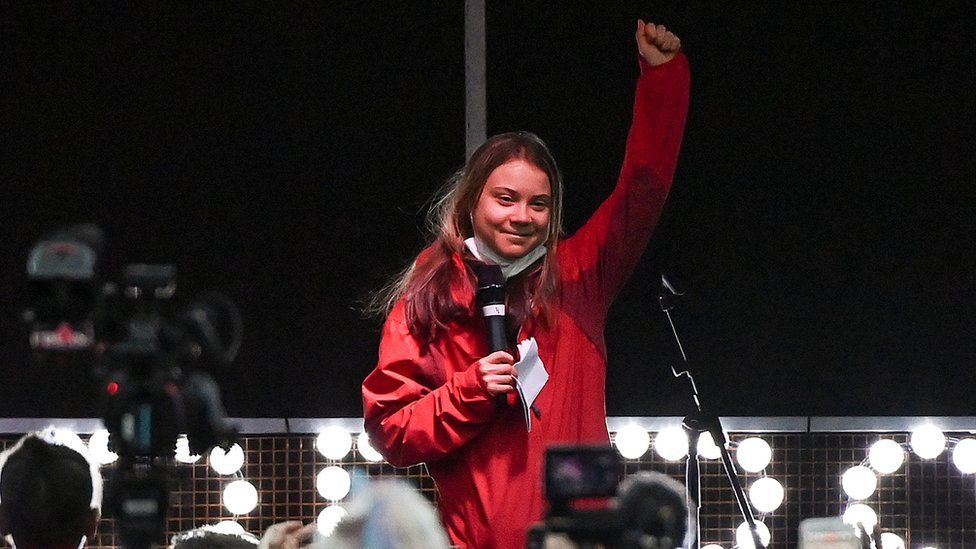
Greta Thunberg spoke at the Youth4climate summit, where she mocked global leaders. Credit: BBC News.

Eating less meat is another of Greta’s lofty proposals for all of us to save the planet. Meat consumption has radically declined in the past decade, with the United Kingdom seeing a 17% decrease in this kind of consumption. But, despite such reduction, what holds people back is the price of going meatless. Edwin Bark, CEO of Plant & Bean, found that 65% of consumers don’t eat plant-based meats due to cost, meaning it is not that easy as it sounds to go meatless for those with financial constraints. More investment is needed in this area so that people can make such a change, but, once again, Greta is quiet about how this can be done. It is as if she magically expects people to change their habits, even if it means harming their wallets.

Lastly, the loftiest of Greta’s proposals is to vote for candidates who put climate change at the front of their campaigns. People can start to pressure government officials to take climate change seriously through the ballot box, and that we are seeing this over the last few years. But for their votes to actually count, there needs to be a change in the voting system. The first past the post system has allowed a two-party system to dominate the politics of the United Kingdom and other robust democracies worldwide that impose a similar system. That has meant parties that support taking action against climate change have been frozen out of parliament and unable to make such a change. Therefore, there has to be a change towards a proportional representation system so that voices for the protection of the climate can be heard over those that are damaging the environment.

However, where is Greta mentioning such an idea.  

Blah blah blah to action

As much as they sound genuine and achievable, Greta’s proposals start to become intangible and utopian the more you dig deeper. Greta has been put on a pedestal because of the energy she brings to this climate conversation and how outspoken she has been. Yet, if people stopped worshipping the young Swede and spent more time thinking about what she is actually saying and what she plans for the environment, you start to see that she isn’t that remarkable. 

We need someone who has practical steps to address climate change and actions everyone can make, and at the moment, Greta isn’t that person. All levels of society must become involved in this issue, from big business to the everyday person. 

Greta is the one isolating these levels of society rather than bringing them together with her climate ‘doomerism’. The climate conversation has become noise, and that Greta Thunberg is adding to the noise with her blah blah blah.

Is Obama’s Optimism at COP26 Well Founded?

0

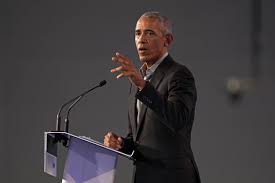
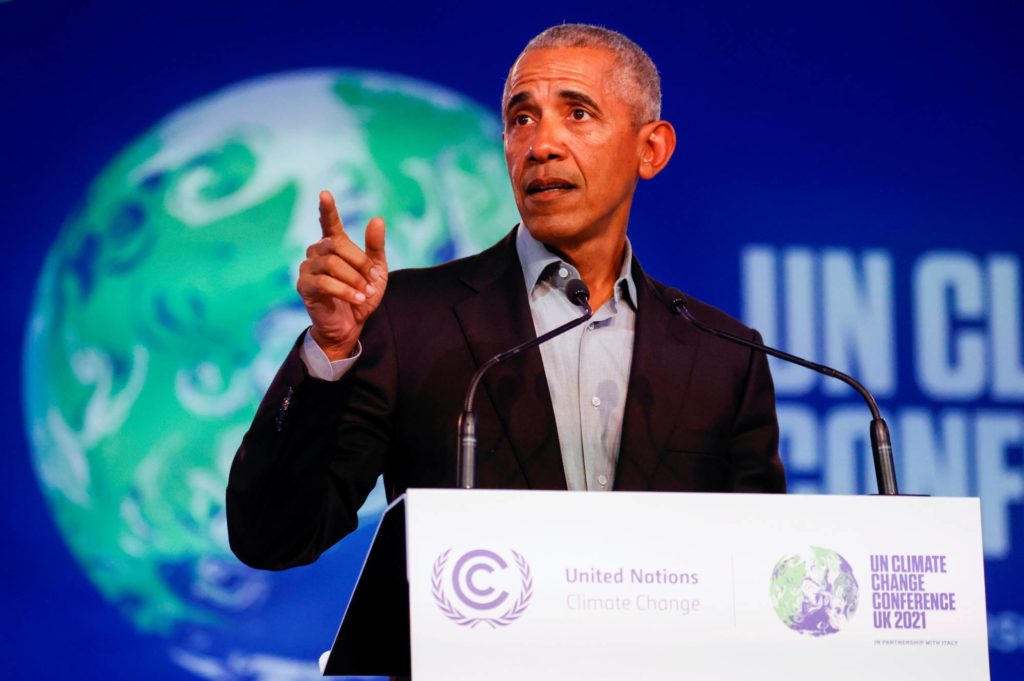
Last week, former President Barack Obama delivered a speech as part of the 2021 United Nations Climate Change Conference. In it, he calls for global cooperation, asking world leaders to think about the risks associated with climate change. He encourages them to lower emissions and push their governments and companies towards a “clean energy future”.

He spoke with urgency and criticized the nations, industries, and political parties that are slowing progress on that front.

Specifically calling out India, China, and Russia, he noted that “most nations have failed to be as ambitious as they need to be.” “The ratcheting up of ambition that we anticipated in Paris a few years ago has not universally been realized,” he continued.

Speaking directly to the younger generation, he said, “You’ve grown up watching many of the adults who are in positions to do something about it either act like the problem doesn’t exist or refuse to make the hard decisions necessary to address it… Folks in my generation have not done enough.”

While criticizing the deniers and obstructionists, he also expresses empathy for those who must still rely on fossil fuels or those who have more immediate concerns (ie. hunger, electricity, crisis) than a slowly warming globe. He mentioned the mother in rural India just looking to keep the lights on or the blue-collar worker who could never afford a Tesla. Both of these people, he said, are at risk of being ignored and left behind in the race to clean energy.

This is perhaps the most interesting insight in a speech that largely went as you would expect. The insight can be directly applied to current conversations around climate change in the United States. 

Alluding to this in his speech, Obama described America’s current conversation on climate change, saying, ”back in the US of course, some of our progress stalled when my successor decided to unilaterally pull out of the Paris climate agreement… I wasn’t too happy about that.”

U.S. former President Barack Obama delivers a speech during the UN Climate Change Conference (COP26), in Glasgow, Scotland, Britain, November 8, 2021. REUTERS/Phil Noble

With the US executive branch vocally against climate change policies from 2017-2021, much of the conversation was politicized during Trump’s administration. 

Remnants of this era resurfaced during negotiations to pass a recent $1.5 billion dollar infrastructure bill. While liberal Democrats like Alexandria Ocasio Cortez, Bernie Sanders, or Elizabeth Warren pushed for the slowdown of fossil fuels and rapid expansion of renewable energy, moderate Democrats like Joe Manchin insisted that industries like coal be protected. This led to weeks of infighting and scapegoating, painting liberals as a “threat to fossil fuels” and moderates as “climate obstructionists.”

These characterizations are unproductive, says Obama. He tells his listeners that global cooperation is essential if we are to mitigate the effects of a changing climate. Blame games like the one over the infrastructure bill cannot keep happening if we wish to be effective in saving the planet. 

Considering the gridlock over the issue in American politics, he encourages young people to “vote on the issue, as if your life depends on it… because it does.”

As the conference ended, headlines leaving the event included newer nations committing to lowering emissions goals (India), a pledge to share clean technology with developing nations, and the passing of the Glasgow Climate Pact, a deal meant to explicitly limit the use of coal. 

But will these pledges even make a difference?

Obama is optimistic that they will. 

“We need to celebrate these commitments, even as we demand the signatories of these commitments follow through,” he said to the room. 

“If we stay with it, we will get this done.”

Is There A Right Age To Learn Critical Race Theory?

Is “critical race theory” a way of understanding how American racism has shaped public policy, or a divisive discourse that pits people of colour against white people? Liberals and conservatives are in sharp disagreement.

The topic has exploded in the public arena this spring—especially in K-12, where numerous state legislatures are debating bills seeking to ban its use in the classroom.

In truth, the divides are not nearly as neat as they may seem. The events of the last decade have increased public awareness about things like housing segregation, the impacts of criminal justice policy in the 1990s, and the legacy of enslavement on Black Americans. But there is much less consensus on what the government’s role should be in right these past wrongs. Add children and schooling into the mix and the debate becomes especially volatile.

A key debate in upcoming races has been how much of a voice parents should have in their child’s school curriculum when it comes to subjects like sex education and critical race theory — the co-hosts and Condoleezza Rice discuss.

Just What Is Critical Race Theory Anyway?

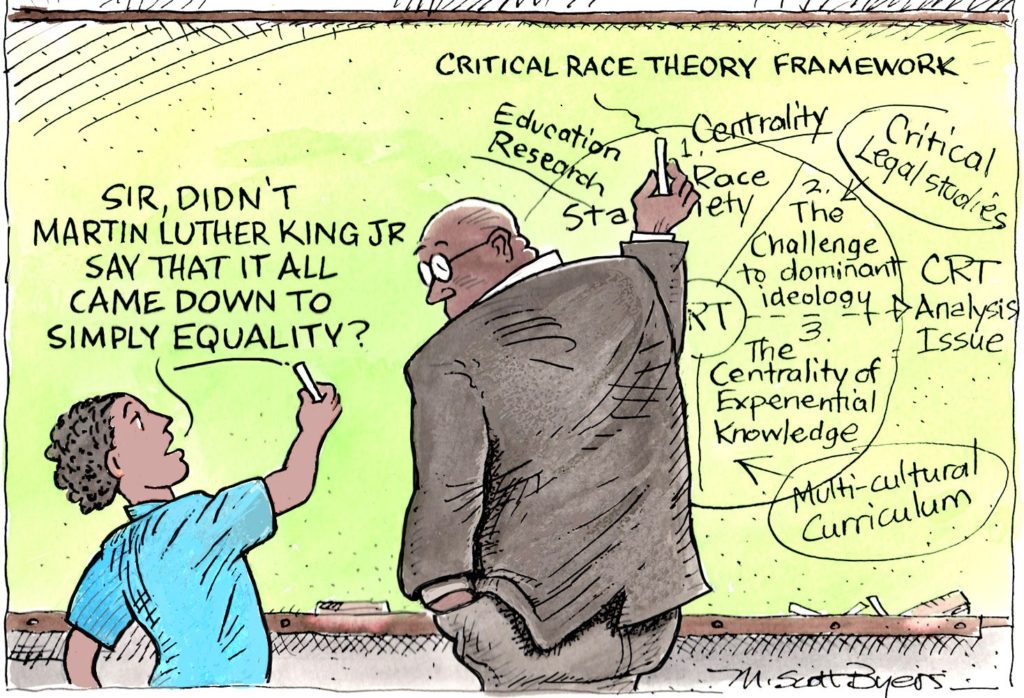
Critical race theory is an academic concept that is more than 40 years old. The core idea is that race is a social construct and that racism is not merely the product of individual bias or prejudice, but also something embedded in legal systems and policies.

The basic tenets of critical race theory, or CRT, emerged out of a framework for legal analysis in the late 1970s and early 1980s created by legal scholars Derrick Bell, Kimberlé Crenshaw, and Richard Delgado, among others.

A good example is when, in the 1930s, government officials literally drew lines around areas deemed poor financial risks, often explicitly due to the racial composition of inhabitants. Banks subsequently refused to offer mortgages to Black people in those areas.

We should teach Critical Race Theory in primary schools

In essence, Schools should introduce Critical Race Theory to kids as young as primary school. CRT is essentially a way to teach history. It is another method and portal to educate people on the issues of race in American society. Introducing that concept to young kids does not corrupt the mind but could educate and mould them into well-rounded adults that understand social construct and plights in the world. It is essential to understand issues that may not affect them directly but indirectly through friends, family members, co-workers, classmates, etc. If one takes away the concept of CRT in schools, kids will lack an understanding of race and topics such as sexism and LGBTQ+.

CRT has sparked debate nationwide.

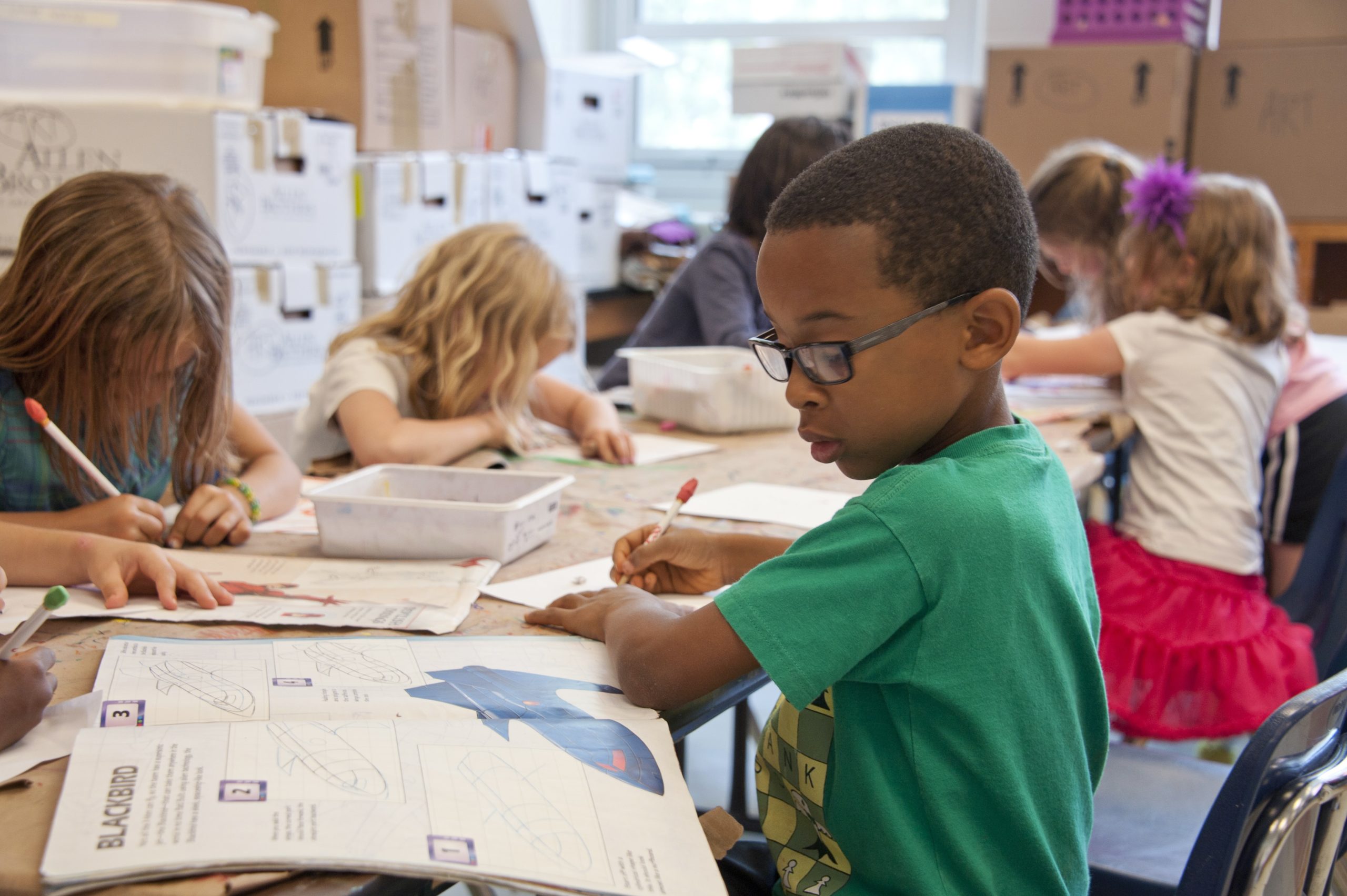
Although it is understandable for some parents of K-6th grade children to be concerned with the maturity of the content educational institutions teach their children daily, minority children often have those conversations at a young age. Most black and brown American children do not get the luxury of not having a conversation about race; it is their everyday world. Additionally, there are different levels in how educators can teach a subject. It would be counterproductive for a teacher to teach a high school curriculum to a 2nd-grade class. Not everything has to be a negative agenda or displayed negatively. Various training could show teachers how to implement CRT in their lessons without introducing mature content some children may not fully understand at that age.

If boys and girls can learn about Christopher Columbus and The Trail of Tears, then boys and girls can know that racism existed/exist well beyond the Civil Rights Movement. It is not fair to children growing up in today’s society to not learn about events of the past that affect events of the present. Suppressing history to soothe over the underlining truth of America is sad. It does nothing for the children of future generations and the reoccurring issues in present-day America. To truly heal and to change the future, one must understand the past.

Blow For Biden: 71% Say Nation Is On Wrong Track

The Facts

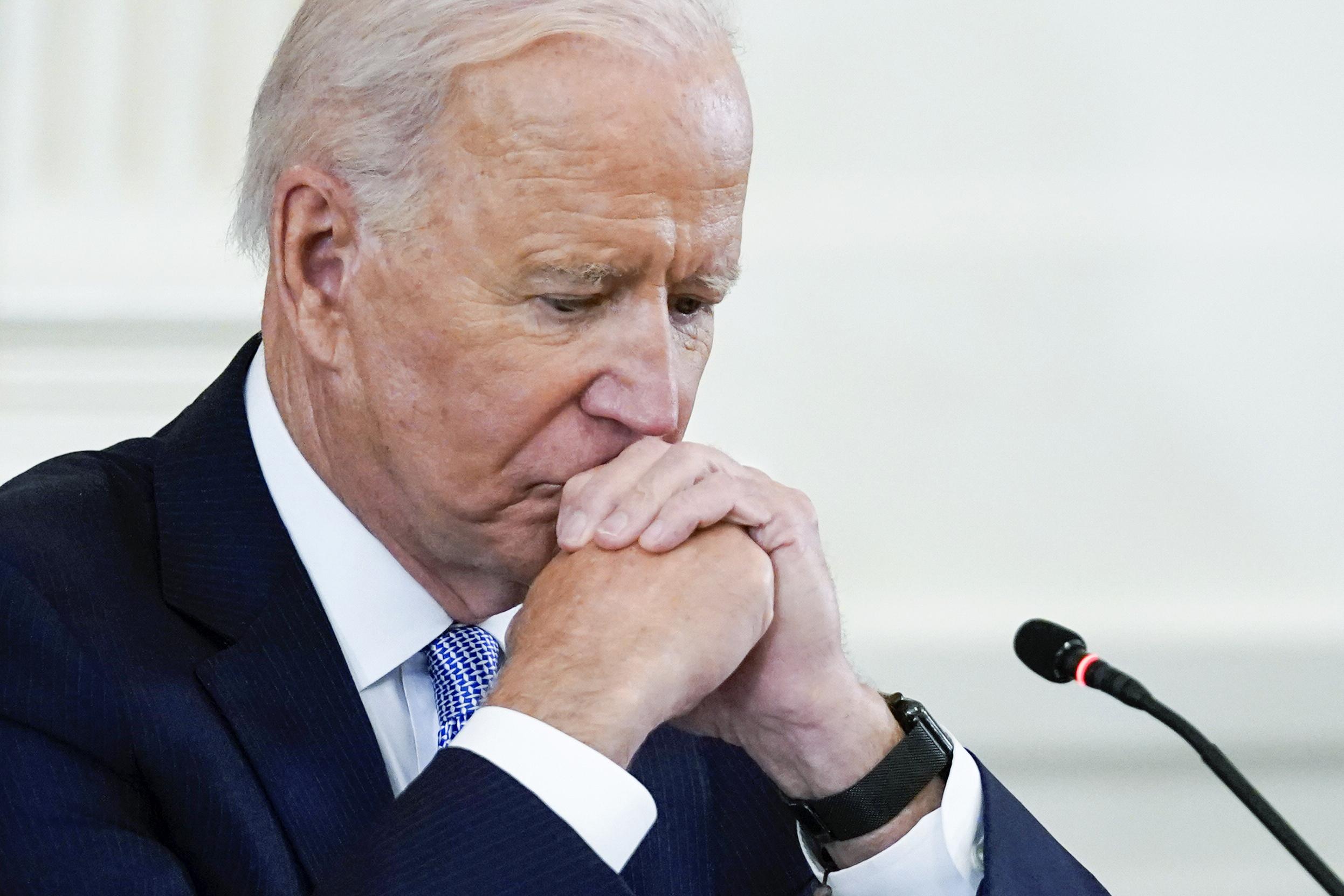
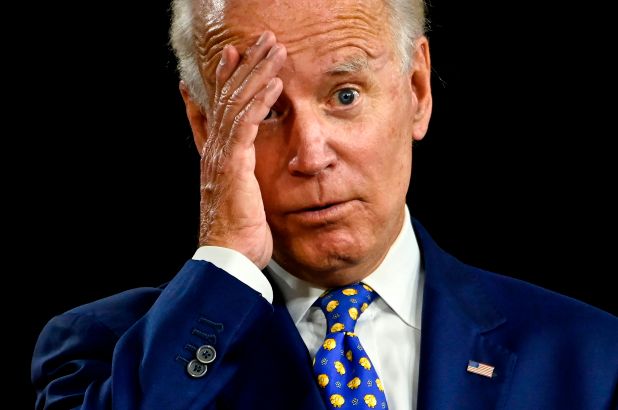
A majority of Americans now disapprove of President Joe Biden’s job performance, while half give him low marks for competence and uniting the country, according to results from the latest national NBC News poll.

What’s more, the survey finds that 7 in 10 adults, including almost half of Democrats, believe the nation is headed in the wrong direction, as well as nearly 60 per cent who view Biden’s stewardship of the economy negatively just nine months into his presidency.

Why Has Biden's Approval Rating Gotten So Low So Quickly? | FiveThirtyEight
Why Has Biden’s Approval Rating Gotten So Low So Quickly? | FiveThirtyEight

“Democrats face a country whose opinion of President Biden has turned sharply to the negative since April,” said Democratic pollster Jeff Horwitt of Hart Research Associates, who conducted the survey with Republican pollster Bill McInturff of Public Opinion Strategies.

“The promise of the Biden presidency — knowledge, competence and stability in tough times — have all been called into question,” Horwitt continued.

“What people voted for was stability and calm,” added fellow Democratic pollster Peter Hart. “And what they got was instability and chaos.”

President Joe Biden’s popularity has slumped after a slew of challenges at home and abroad in recent weeks.

71 percent say nation is on wrong track

Also in the NBC News poll, 71% of Americans say they believe the country is headed in the wrong direction, up 8 points since August. That includes 93% of Republicans, 70 independents and even 48% of Democrats.

“When you see a wrong track of 71%, it is a flashing red light,” said McInturff, the GOP pollster. “These folks are telling us that this is not going well.” Asked about the country’s future, just 41% of respondents in the poll say America’s best years are ahead, while 53% say its best years are behind.

Despite that pessimism, however, the survey does show signs of optimism about the coronavirus and the economy. A majority of respondents — 56 per cent — believe the worst is past when it comes to the coronavirus, which is up 18 points from August when the delta variant was beginning to surge across the country.

And 30% of Americans say they’re getting ahead when it comes to their financial situation, while 45% say they’re staying where they are. That’s compared with 24% who say they’re slipping behind or falling backward.

Let’s take a deeper look at why this might be happening.

To put it plainly, President Joe Biden is not utilizing his advantages well and is also disregarding what Americans want. Biden came into this presidency fairly popular and at a considerable advantage (Democrats controlled the House, and the Senate was tied with his Vice President possibly deciding the vote). However, his presidency makes him look useless and ineffective. Sadly, Biden has done nothing remarkable during his first year, and Americans are unimpressed.

One of the major problems that plagued Biden was not taking full advantage of Congress. The Democrats held the majority in the House and an even split in the Senate. If ever there was a time to push forward an agenda, it should be now. Instead, Biden is wasting time trying to cater to Republican politicians who disagreed with him being in office while isolating Progressive Democrats who could push forward his agenda.

Moreover, the bills Congress proposed on Biden’s behalf have nothing to do with vital American issues. For example, the infrastructure bill that recently passed the Senate for 1.4 trillion dollars was not a priority for Americans. Only 27% of Americans placed infrastructure as one of their top priorities. In addition to the new infrastructure bill, Biden wants to combat climate change with the “Build Back Better” plan, another piece of legislation Democrats are trying to pass through Congress. The problem with this is 35% of voters have expressed this as an essential concern of theirs.

In short, Biden is worried about the wrong issues that genuinely concern Americans. It feels as though Biden is isolating the main groups that helped elect him into office by not touching on the core issues. They care about Student Loan Forgiveness programs, economic and job security, programs that can progress the community, and other social problems that Biden has yet to touch. Although Biden still has time to turn things in his favour, one thing is clear: a change needs to happen before he suffers the same fate as his predecessor.

Biden says he doesn’t care

It’s important to note that President Biden said that he was not concerned about his low approval rating while speaking at the G20 Summit in Rome on Sunday, hours after an NBC poll reported that only 42% of registered voters approve of his performance in office, one of the lowest ratings since his presidency began. He may right not to pay too much attention to these polls “The polls are going to go up and down and down. They were high early and then they went medium and then they went back up and now they’re low. Look at every other president, the same thing has happened,” Biden told reporters.

I looked into this and he is right in this assertion. 37.8% was former President Trump’s approval rating at this time during his presidency. President Obama’s was 51.9%. Like Biden, both presidents suffered steady declines from the time they took office to this point.

On this occasion, two key factors seem to be contributing to Biden’s approval ratings. One is his administration’s response to the coronavirus pandemic and two is his new environmental and social framework he hopes to pass. The federal vaccine mandate Biden signed in September has been largely effective, though controversial. Federal contractors like airlines and colleges have been met with some outcry from employees who refuse to get the highly-politicized vaccine.

Last Friday, attorney generals from 10 states sued the Biden administration over the mandates. Last Thursday the president announced a slimmed-down version of his social and environmental policy framework, a spending package that originally cost $3.5 trillion and included several progressive programs. After months of negotiations, the framework is now budgeted at $1.5 trillion. Initiatives like paid medical and family leave, and two years of tuition-free community college were cut from the framework. 

By all assessments, this appears to be a bump in the road and not the silver bullet some commentators are asserting

25,000 CO2 Footprints As Talking Heads gather At Climate Talks

The World, or at least 25,000 of us, are descending on Glasgow in two weeks for COP-26 Climate Conference. An event whose success is being determined by attendance, or not, of powerful heads of state. Notably, China’s Xi Jinping will not be coming despite his nation owning the title of World’s Biggest Polluter. Russia and Saudi Arabia’s leaders have also voiced they may not be joining. Without the reinvigorated commitment of some of the world’s biggest economies, it is feared the talks will be yet another missed opportunity, amounting to little but more hot air, as the other participants are left wanting for these global authorities to lead the way.

Just as before, COP26 will lack impact because the targets aren’t legally-binding. Without enforcement, it will be an impassioned public sponsored jolly bringing a temporary boost to the local economy.

Polluters have deftly spread misinformation to shape public opinion toward fossil fuels, leading to widespread apathy and meaning that even now, denial exists. They shifted the blame to governments that understand pursuing unpopular or ‘radical’ issues would be political suicide.

Why isn’t China’s Premier attending?

For decades, China didn’t want to sacrifice its economic development for the environment. After all, the West developed and polluted as much as it liked; so why couldn’t they? Things changed, as water scarcity, desertification, smog and acid rain issues were nationally exposed by Chai Jing’s documentary ‘Under the Dome’, putting climate squarely on the agenda.

China's attendance at Cop26 in doubt, Alok Sharma says | The Independent

Setbacks have taken the form of competition with their rival, America, as the quest for global hegemony that had created deep-set tensions was exacerbated by Donald Trump. Joe Biden and John Kerry, his climate adviser, have been trying hard to patch the relationship since.

Why does it matter whether China comes?

We must work together or see our efforts negated by China’s impact. Their Belt and Road Initiative (BRI) alone will drive temperature increases of 2.7°C, significantly exceeding Paris 2015’s 1.5C maximum. We are decommissioning coal-fired plants while they finance and build hundreds globally in poorer nations, on-top of their 1,058 operational plants at home.

Xi knows we will see a 1-metre sea-level rise by 2100, leaving 43 million Chinese living on submerged land, and disastrous for the 6-billion who will have migrated from desertification to our coastal cities by then. The feedback loop of the current 1.25C Global warming has had a 3.5C heating on the Arctic region, risking disrupting global systems that we don’t really know which outcome we face.

Expedience or Guilt

The UK, Europe and USA are suffering natural gas shortages currently. When even the richest nations lack energy security so must revert to coal, it doesn’t bode well for the poorer nations’ contributions to sustainability. It may seem that centralised regimes like USSR and today, CCP, have little regard for the environment, with Western democracies having led the way. Australian PM, Scott Morrison, was reluctant to attend COP26 and have to make pledges that would harm his fossil-fuel dependent economy while China leads the way in nuclear energy – 17 are under construction.

25,000 attendees for a climate conference rather smack in the face of sending a good message to everyday folk trying their best to recycle, drive electricity and limit their environmental impact. Even the Queen and Prince William weighed in, demanding, ‘less talk, more doing’.

Regardless, the problem is Global and Glasgow will be a positive platform for voices to be heard, instead of muted screens across different time zones. Paris secured commitments from even China after the shared, lived experience of Climate Change (i.e. Pacific Islanders).

In the economic malaise, Coronavirus has left, many countries are yet to submit proposals, with less affluent nations needing yet more time to adapt. Global diplomacy is unhelpful for negotiations, with leaders committing last minute to attend these conferences to pressure other nations to concede more at their own expense.

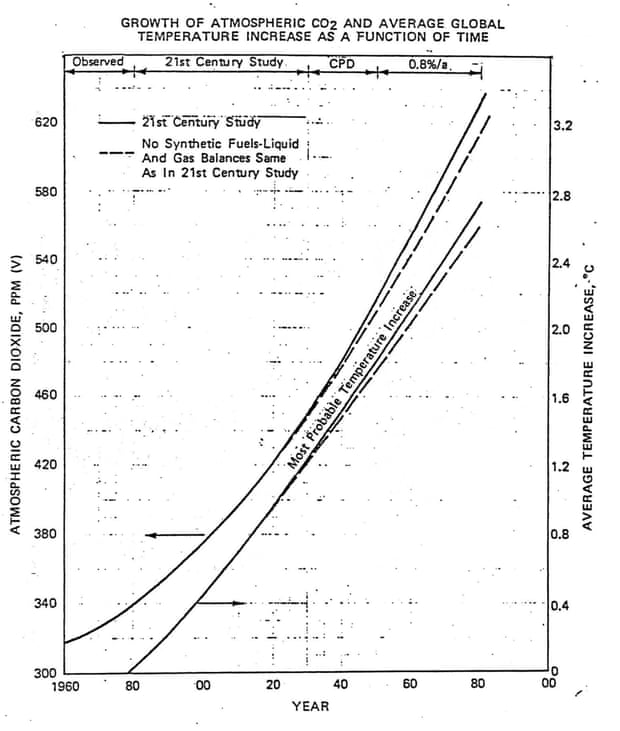
The environmental impact of fossil fuels has been known 50 years since the 1972 Report of the Club of Rome and Shell and Exxon studies in the 1980s which were kept under wraps, where they just wanted to know if they needed to build oil rigs higher with rising sea levels.

The UK is pinning its hopes on renewable energy, electric vehicles and projects like Drax bioenergy carbon capture and storage (BECCS), but without the bigger players like China stepping up, just leading the way isn’t enough against the impact of an emerging imperial power.

Exxon Mobil’s 1982 Report on CO2 impact on average global temperature – spot on 40 years later

We don’t have time for the majority to wake up. We aren’t going to deglobalize or degrowth our way to lower emissions without being faced with imminent catastrophe. Without getting bogged down in whether money as an abstract concept is a good social motivator for people behind desks that never see the real-world impact of this boundless greed; or whether degrowth by lower populations removes the youthful vibrancy crucial to innovation that will solve our challenges with creative solutions. Another human isn’t just another mouth to feed, but another set of hands and a brain to think. Our leaders would do well to invest their efforts in brilliant young minds that may just be our salvation.