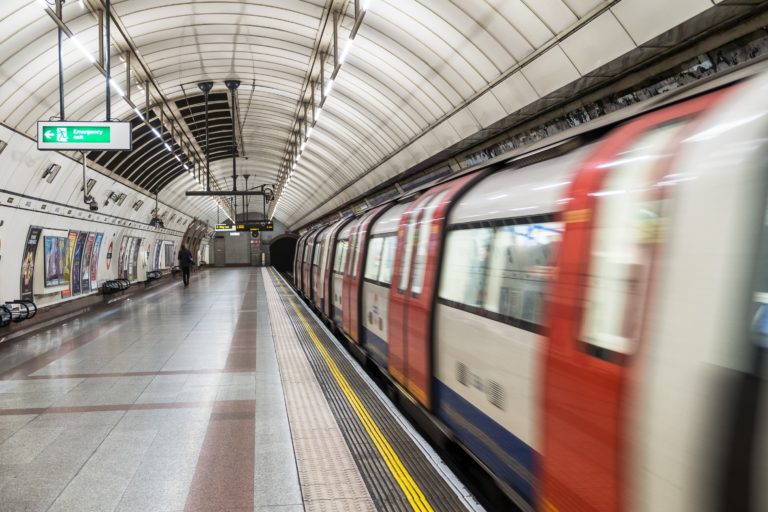
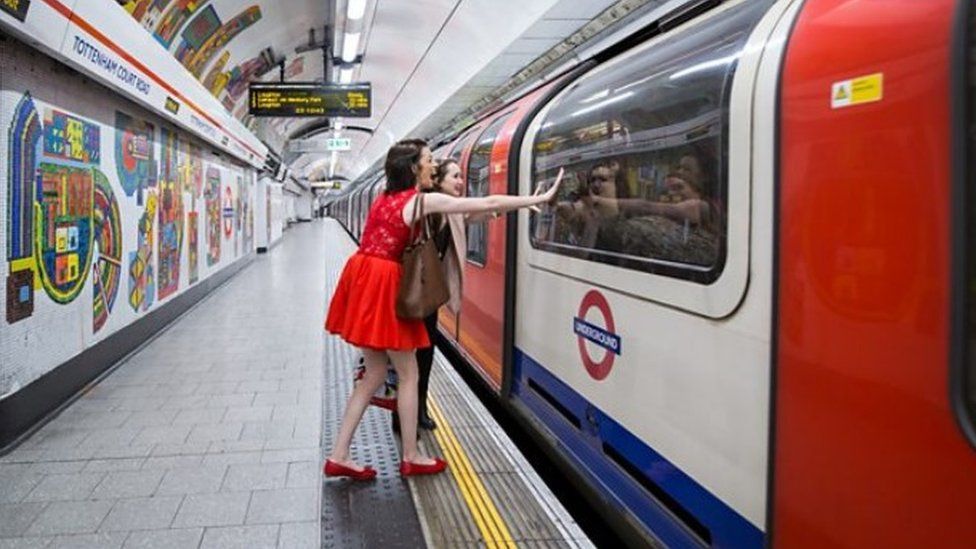
Since the London Mayor’s statement about the return of the Night Tube, Londoners have offered their thoughts and reactions to the service coming back.
In London Mayor’s Question Time this month, Sadiq Khan announced the return of the Night Tube, with Londoners having mixed feelings about the announcement.
The Night Tube service had been shut last year due to the Coronavirus pandemic.
But due to a petition last month that had tens of thousands of signatures, Khan decided to reopen the service for two lines: the Victoria and Central lines.
Those across the capital are either in support, against or want more lines reinstated on the service.
Femi Jayeola, who lives in East London and works in finance, said: “The Night Tube was really great when it first rolled out, and it enabled me to be out late at night and go home in a quick, cheap and safe manner.”
He continued and said: “it (the Night Tube) being reintroduced next month is wonderful news for myself and a lot of Londoners as it’ll give the city greater night-time transport options, a safer route home, and really bring back the pre-pandemic vibes which most people miss.”
More than 140,000 people signed a petition calling for the return of the Night Tube
But not everyone in the capital is that convinced by the return of the service.
Some are worried that it is too soon for this service to come back, as across the capital, there are still many cases of Coronavirus. Morgan Gordon-Thompson, a student in Enfield, is reluctant about the night service returning.
The student said: “I’m happy that the Night Tube is back on as it will allow London to slowly go back to the way things were, but I am still concerned with the number of cases we have of Covid and if we are really over this virus.”
Coronavirus hasn’t been the only issue that has affected the capital. Over the last few months, there have been two prominent murders of two women in the capital of Sarah Everard and Sabina Nessa. Campaigners have said that bringing back the Night Tube is the first step to secure a safe passage home for women on nights out.
Chloe May, who lives in West London and is a fitness instructor, appreciates the service returning but feels two Night Tube lines isn’t enough.
She said: “I appreciate the Night Tube is finally returning; however, two lines isn’t enough- ALL night tube lines should be reopened.” Chole continued and said: “With the many women being killed, taken away or mysteriously going missing in London today, the night tube won’t magically stop this from happening, but may save more life’s and allow everyone to get home safely and securely.
Chloe finished by saying: “Travelling home safely shouldn’t be a privilege… it is and should ALWAYS be a human right!”
Transport for London has given no time frame when other night tube lines will return but have said they are working to make sure they “can return as soon as possible.”
In an open letter to the Prime Minister, the campaign group said it would “suspend its campaign of civil resistance until Monday 25th October”.
They have asked that he uses the time to “signal” he believes what he says.
You can read the full letter below.
Dear Prime Minister,
“Owing to past neglect, in the face of the plainest of warnings, we have entered upon a period of danger. The era of procrastination, of half measures, of soothing baffling expedients, of delays is coming to its close. In its place, we are entering a period of consequence.” (Winston Churchill 1936)
Insulate Britain would like to take this opportunity to profoundly acknowledge the disruption caused over the past five weeks. We cannot imagine undertaking such acts in normal circumstances. But the dire reality of our situation has to be faced.
The facts are laid out by Sir David King, the former chief scientific advisor to the UK government, he said“We have to move quickly. What we do, I believe, in the next 3 to 4 years will determine the future of humanity”.
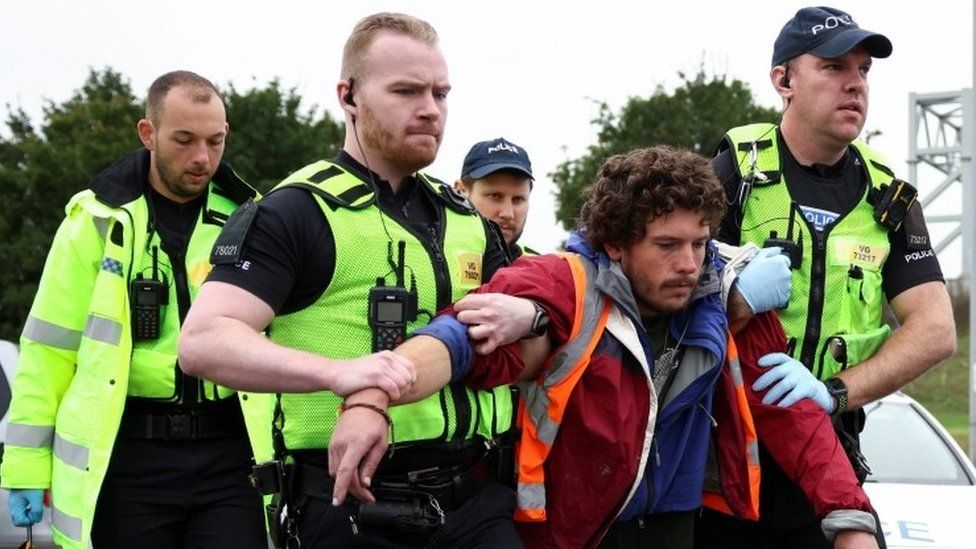
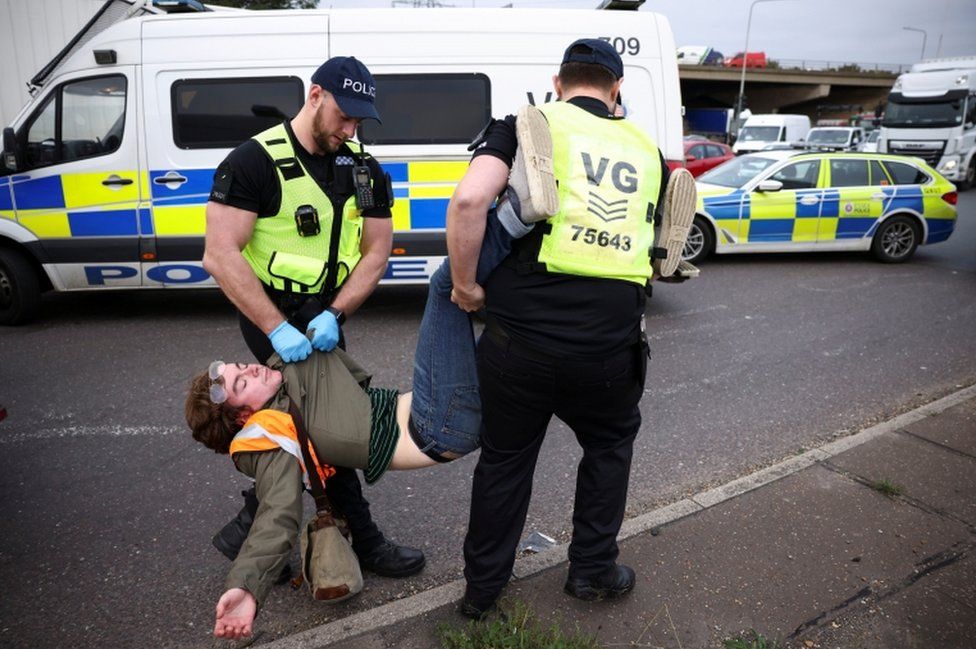
Essex Police removed the protesters and said all the affected roads had reopened by lunchtime Source: REUTERS
The collapse of the climate is happening around us. We face economic chaos and the breakdown of law and order in a matter of years. We will lose our incomes, pensions, and savings while passing on an appalling legacy to our children. They will be rightly furious. Around the world, thousands of millions of people will lose their lives through slaughter and starvation as crops fail and society collapses.
Ahead of COP26, Insulate Britain will suspend its campaign of civil resistance until Monday 25th October.In light of the speech you made (to the UN on the 22nd September) in which you recognised that “We are approaching that critical turning point – in less than two months – when we must show that we are capable of learning, and maturing, and finally taking responsibility for the destruction we are inflicting, not just upon our planet but ourselves”, we ask you to use this time to signal that you believe what you say.
We invite you to make a meaningful statement that we can trust, a statement that the country wants to hear: that your government will live up to its responsibilities to protect us, to defend law and order; that your government will take the lead needed to insulate and retrofit our homes; that it will ‘get on with the job’ so families can feed their children and keep their homes warm. We invite you to do the right thing, so we can be secure in the knowledge that our government did everything it could to protect and defend our country.
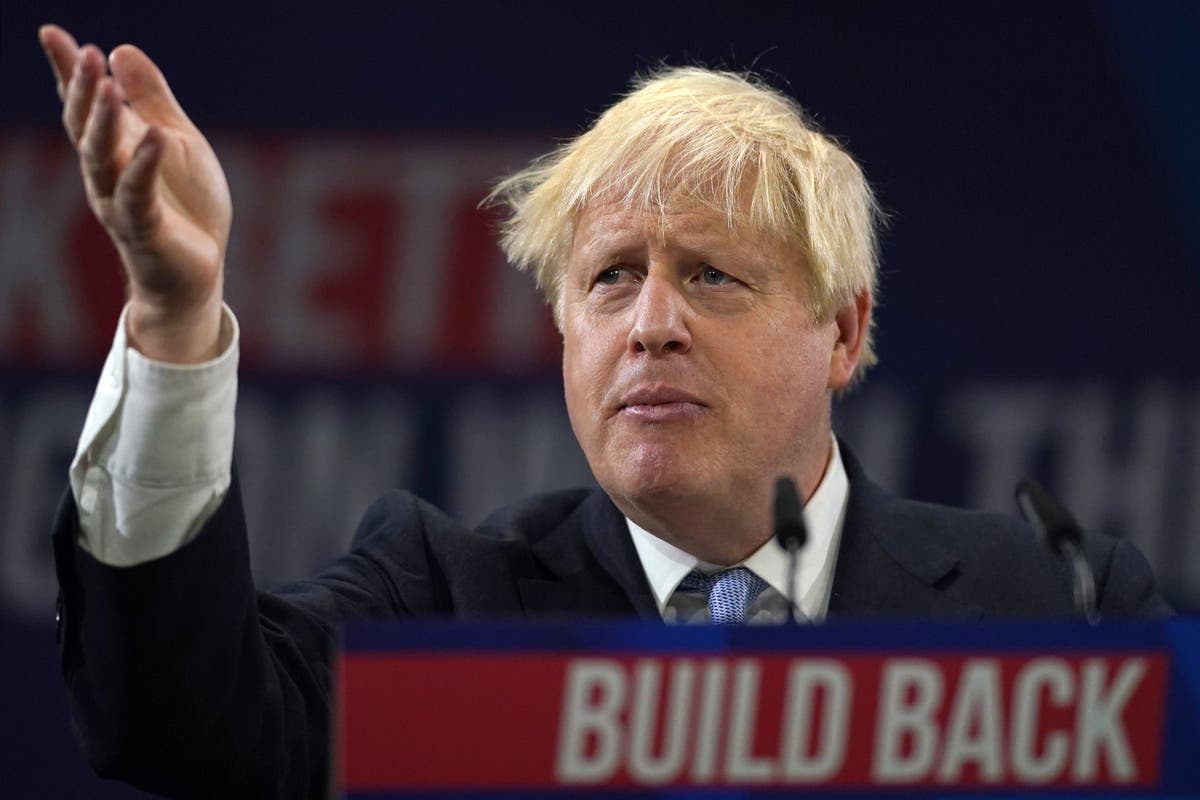
Boris Johnson delivered his speech at the annual Conservative party conference last week, where he outlined plans for Britain to build back better and level up the country
Plans to level up the country were part of the Conservative manifesto back in the 2019 general election and were one of the main themes within Johnson’s conference speech.
The prime minister pledged to reduce the inequality between places and regions within the United Kingdom and address the north and south divide.
He said that “levelling up works for the whole country, and is the right and responsible policy because it helps to take the pressure off parts of the overheating South East, while simultaneously offering hope and opportunity to those areas that have felt left behind.”
Boris Johnson’s full party conference speech. Credits: The Daily Telegraph
Johnson was adamant that he would have the guts to address and tackle problems that his predecessors ignored, like social care. He also mentioned the success of the vaccine rollout, where he suggested that because of the rollout, “the United Kingdom is the most open economy” and has had “the fastest growth in the G7.” The prime minister also attacked the Labour party by saying that “they dislike academic competition… decapitating the tall poppies and taxing the rich till the pips squeak.” He also called Keir Starmer “captain hindsight” and criticised cancel culture and those that were “rewriting history.” The prime minister ended the speech by saying how the United Kingdom has a unique spirit with praise towards the England football team, tennis star Emma Raducanu and the Olympic and Paralympics teams.
As party conference season ends, it is time to reflect on if Johnson’s conference speech was a success or not.
Specifically, if his levelling up pledge is genuine or not.
Let’s turn to our journalists and see what they think of Johnson’s conference speech.
Actions speak louder than slogans!
Many were excited for Boris Johnson and what he would deliver at the Conservative party conference. Despite this excitement, the prime minister failed to give optimism to the country, and those listening in heard repeated slogans, contradicting statements, and a new language is formed. By the end of his speech, we were laughing at the prime minister rather than with him. This speech should confirm that Johnson is all talk with little to no walk.
A quick google search, and you will find that he is leading a government that is levelling down the country, not up. Cutting universal credit by £20 a week, increasing taxes on working people and not increasing wages is the opposite of building back better and levelling up the country. Johnson thinks throwing slogans like a boomerang and repeating them will convince the country that he is up for the job as the leader of this country, but actions speak louder than slogans. The reality is that without the help of Dominic Cummings, the corporate media and the first past the post system, Johnson would be nowhere near the levers of power.
And to top it all off, Johnson blames the European Union, the public and the private sector for the mess he has caused. So much for individual responsibility that he and his party claim to be all about, whilst being the total opposite. Once people realise that Johnson and this government is all talk and no walk, have no guts and are unconservative, they will all be sent to orbit where they belong. And with Starmer delivering a solid message and a clear vision that will save lives, it will be clear that the Labour party are the ones going to level up the country, not the Conservatives.
Boris Johnson has been talking about “levelling up” since at least the 2019 election, but critics say he hasn’t sufficiently explained what it is.
His first in-person Tory conference speech on Wednesday was a major chance for the prime minister to put meat on the bones of the slogan he’s now been using for years.
The idea is yet to cut through: polling by Opinium in August 2021 found that just 1 in 5 people are clear what “levelling up” actually means.
Many will agree that Boris speech was low on policy. In fact, business leaders and think tanks described his party conference speech as “economically illiterate” hours after he finished. Whilst there appears to be broad consensus on this, it is debatable whether this actually matters. Boris is the king of optics and the optics of the Conservative party conference compared to the Labours’ matters
Labours conference, was dry, serious and uptight. These adjectives are also pejoratives frequently levelled at Labour leader Kier Starmer. Even though Starmer sought to hammer home that his premiership would be about work and the decency of work, the most salient moments of his speech came when he was putting downs hecklers. That was the most exciting part. It’s hard not to leave that conference with the takeaway that despite Starmer’s attempt to put a full stop next to Jeremy Corbyn, much labour in-fighting remains.
Boris on the other hand was boisterous and funny. You would be forgiven for not remembering the backdrop to this speech. The fact that the universal credit uplift program was being cut; a change in policy that would affect more than 5.8 million people and According to the Joseph Rowntree Foundation (JRF). They explained that the cut would plunge half a million more people into poverty, including 200,000 children. Johnson was able to circumnavigate this reality by making people feel good. Something he is an expert in doing. He spoke about many regions of the UK finally getting attention, structural investment and made jokes about Michael Gove’s dancing. He was in full display as a showman. This is a many that now sits above British politics, seemingly able to do no wrong.
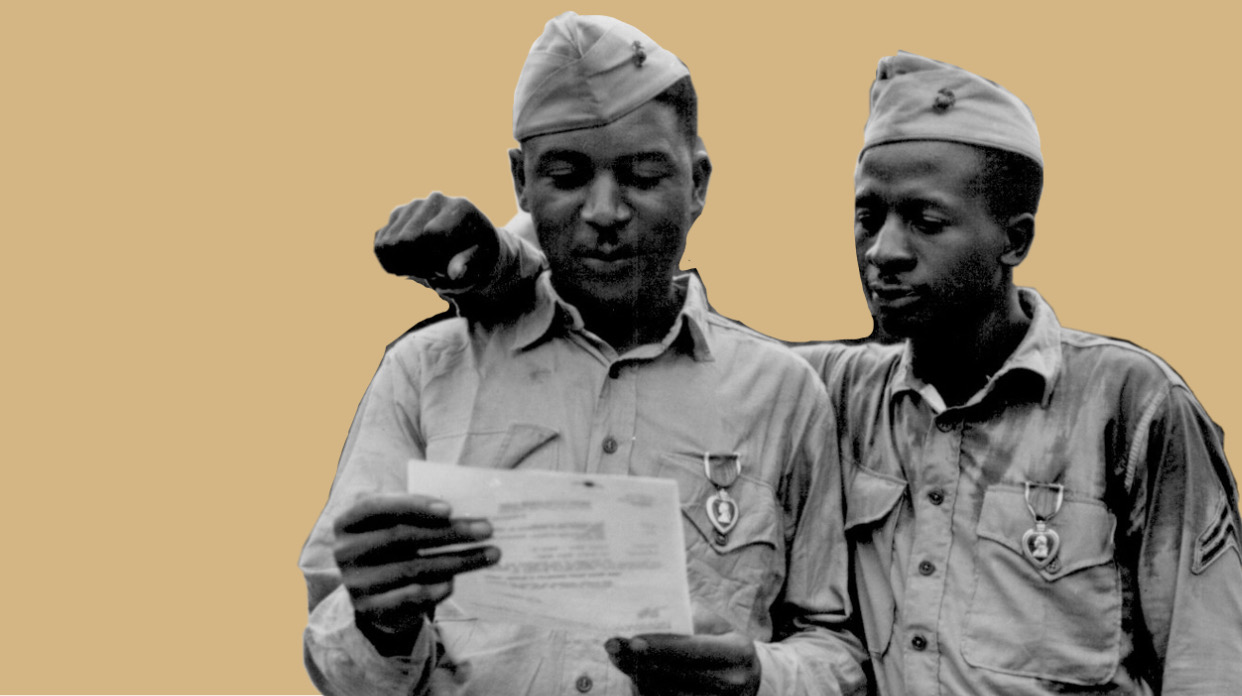
In Britain, October has been dedicated to commemorating Black history since 1987. The month helps broaden narratives about the contributions of black individuals in Western history. Generally, Black History Month has been celebrated by recognising the achievements of black Americans rather than Britons. Often the same names and stories are regurgitated each year, leading some to question the genuineness of the annual tradition.
Black History Month has played a part in creating narrow impressions of black progress, typically diminished into the disempowerment of black people in the West. Celebrating Black History Month has also been used as a token by schools and businesses when challenged about the inclusivity in their curriculums and work environment. This is why a growing number of critics have abandoned the tradition and have questioned its relevance in society today.
Welcome as Black History Month is it should be an integral part of all of our education. Bell puts the case so well. https://t.co/ZyZ6L08FF7
With teachers claiming black history as being “whitewashed” from the curriculum, Black History Month seems to still be more relevant than ever in Britain. For example, the curriculum still does not mention the thousands of soldiers from the Caribbean and West Africa who fought for this country in the World Wars. This month serves as a way to acknowledge and honour the contributions of black individuals that the curriculum has blotted out and ignored.
Most importantly, Black History Month raises the awareness that Black history is still understudied in the UK. This stimulates political discourse and in turn, increases the possibilities for funding and support into vital but currently under-researched projects on Black history. This process will make Black history more established and accessible to people in the long run.
In an ideal world, we wouldn’t need a Black History month, but unfortunately, we don’t live in one. History is distorted and the limelight is often only shed on those who privileged historians’ thought was important.
Black History Month is crucial as it offers the opportunity for history to be reclaimed by those who live it. Since there isn’t a legitimate way for Black people to learn and know their history, Black History Month cannot be abandoned yet. Though in the past it may have overrepresented a certain aspect of Black histories, today, Black History Month can be adapted to inspire people and institutions to seek to learn more about black accomplishments and not to just lament over black suffering.
Scots Nigerian rapper Bemz says he never experienced racism until he moved to Scotland and says he fears for the future treatment of his baby daughter. PIC: Andy Low.
Black History Month undoubtedly plays a huge role in highlighting racial prejudice throughout history. In that sense, the existence of Black History Month is essential in fostering an inclusive and self-aware nation.
However, when analysing how effectively Black History Month commemorates Black history and the achievements of key historical figures, we could argue that one month of the year is not enough to effectively draw attention to the racial struggle of the Black community in America and the UK. In order to generate real awareness, a far more long-term curriculum of information needs to be woven into British schools, colleges and universities.
Dedicating one month to this cause in some ways detracts from how vast Black history is in reality. Instead of using Black History Month to compensate for a ‘whitewashed’ historical curriculum, incorporating compulsory modules regarding key topics such as the ‘scramble for Africa’, ‘the slave trade’ and ‘Black history and English heritage’ would effectively plug these holes and solve the root of the issue.
Further, many argue that much like Pride Month Black History Month is not necessarily taken seriously due to how it has been commercialised and utilised by retailers and organisations to attract customers and build themselves a diverse image. Making Black history a permanent fixture in British education would add more weight to Black political discourse and whilst preventing businesses from capitalising off of this. In many ways, this could be more effective than Black History Month itself.
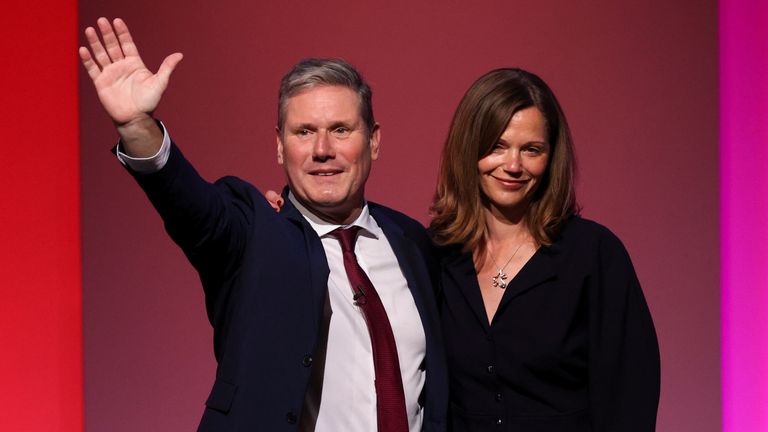
Keir Starmer delivered his first-ever in-person speech as Labour leader at the annual party conference in Brighton last week. During his 90-minute address to members and non-members of the party, he mentioned various ideas, personal experiences and a few jokes.
At the start of his speech, Starmer thanked his shadow cabinet and the voters voting for the party whilst also welcoming back members that had left the party like Louis Ellman. And to ease the nerves a little more, he mentioned Arsenal’s win against Tottenham, which received a few laughs and a few groans. After sending his thank you’s to those who supported the party, Starmer was critical of how Boris Johnson has handled the current fuel crisis.
Keir Starmer’s conference speech in Brighton 2021. Courtesy of the Labour Party’s Youtube channel
The Labour leader quoted the prime minister’s words at the United Nations, where he said that “someone else will clean up the mess we make.” In response to this, Starmer made a rallying call that the prime minister “either get a grip or get out of the way and let us clear up this mess,” which received a big round of applause. He continued and suggested that the United Kingdom was facing a “big moment” regarding the current fuel crisis and wanted to offer a path where Labour “addresses the chronic problems revealed by Covid, with the kindness and the togetherness that got us through.”
The speech from the Labour leader wasn’t all political, as he touched on a few personal experiences like his mum having Still’s disease and reflecting on his time as a barrister. But, it wasn’t all plain sailing for the leader of the party.
Starmer was heckled a few times during his speech, showcasing how not everyone is supportive of the current leadership. He responded to these heckles by saying that “at this time on a Wednesday, it’s normally the Tories that are heckling me, it doesn’t bother me then, and it doesn’t bother me now. After his speech, many people were divided over if Starmer’s speech was a roaring success or not. Owen Jones was quick to suggest that Starmer was dishonest, and that the party has no future under his leadership in a recent opinion piece for the Guardian. Meanwhile, Stephen Kinnock felt that Starmer’s speech had been a real turning point for the party.
The question is, what do our journalists at Common Sense think of Starmer’s conference speech?
Was it a roaring success, or did it fall flat?
Keir Starmer’s conference speech is Labour’s portfolio, and people should get behind it!
All eyes were on Keir Starmer and how he would deliver his plan of action to followers and non-followers of the Labour Party. Not everyone agrees with the former barrister and what he is doing, but Starmer did a decent job conducting himself throughout the conference and is clear on where he wants to take the party. He is now showing strength, integrity, and party leadership, which his predecessor lacked in all three categories.
During his speech, Starmer made a few jokes, was vulnerable about his mum, and finally showed that he wasn’t this dry robot. But Starmer did something even more crucial- show that he stood for something and wasn’t a person that sat on the fence. This includes having a plan to fight climate change, providing ways to address the social care crisis, and how he would restore the party’s worker ethos. Whatever you want to say about Starmer and how he acts, you cannot say that he is not standing for anything. He is now focusing on the bread-and-butter issues that Labour has forgotten about over the last few years, like crime, health and the economy.
As the dust settles in Brighton, this is the time for Starmer to play his cards right, keep up this momentum from the conference and use his speech as Labour’s portfolio for the public. Starmer might not be the ideal leader for everyone, but he has a plan of action that any voter would get behind, despite what the far left, the Corbynistas and the Guardian columnists are saying. Divided parties never win elections, and that is why people should stop jeering, stop writing ranty opinion pieces in the Guardian, and pull their boots straps and support Starmer. His speech should be met with roaring applause rather than awkward silence.
Keir Starmer says that a Labour government would
🌳Pass a pro-worker Green New Deal 👷♀️Manufacture new tech at home 👮♂️Fast track sex crime convictions 👩⚕️Hire 8,500 new mental health staff 🏡Make every home energy efficient 🏩Guarantee mental health treatment within a month
One would be forgiven for thinking that Starmer’s conference speech were full of empty words. It’s undeniable – and oddly refreshing – that he seems to have realised the issues regarding Labour’s increasing irrelevance in the political arena, and wants to renew the Labour Party for a 21st century Britain.
However, it did not always come across that way. It’s undeniable that the Labour Party is in the midst of a civil war to regain its identity, with Starmer seeming to be the light at the end of the tunnel. This fight in and of itself is enough of a challenge for the party, let alone trying to fight for power and political relevance. It still has the accusations of anti-Semitism to tend to and the purge of ‘Corbynistas’ is well underway.
It seems Labour is a party in denial. Even his pledge to ‘Make Brexit Work’ implies a sense of reluctance to accept the democratic result. It’s as if he – and Labour by extension – considers Brexit to be nothing more than a nuisance; a relegation from one of the most historic events in British history to a thorn in Labour’s side in their quest to regain power.
Yes, it is also a question of power. Starmer himself said that ‘winning the next election is more important than unity’. But how can a party that is so divided go toe-to-toe with the Conservatives? A house divided against itself cannot stand.
It cannot be denied that Starmer stands for something, but it seems as if it’s too little, too late for the Labour Party. The core issues that people are concerned about – immigration, crime and policing and the economy – are being acknowledged, but it will take a very, very long time to regain the trust that has been lost from its base.
If Starmer is the right man to take Labour forward – and that’s a very big if – he has a long way to go before he has any chance at the keys to No.10.
On September 19th, 2021, FBI agents and police officers found the remains of missing Gabby Petito in Grand Teton National Park, Wyoming. After her parents reported her missing on August 25th, she was found dead. Now, her parents are looking for answers on who murdered their daughter. Shortly after Gabby’s parents filed a missing person to the police, national media covered her disappearance/death. What happened to Gabby was horrible and is a family’s worse nightmare. While Gabby’s story is a tragedy and no one should overlook her story, people of colour do not get the same coverage and attention when they go missing. Black and brown Americans deserve the same level of attention as their white counterparts when they go missing.
The harsh statistics
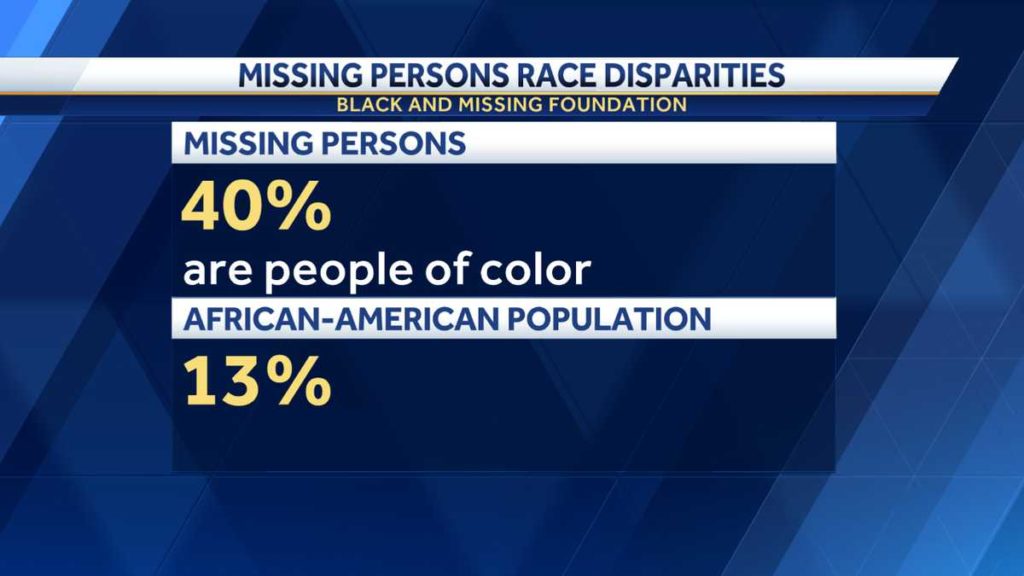
In the United States, thousands of people go reported missing every year, but not every case gets widespread media attention. In 2020, the National Crime Information Center reported over 500,000 missing person cases. According to the Black and Missing Foundation, the coverage of white and minority victims are disproportionate. Nearly 40% of missing persons are from minority groups, with black Americans making the majority. Yet, black Americans make up only 13% of the total population. The amount of missing black and brown males and females is alarming and should be given the same attention as white males and females.
Missing People of Color that Lacked Media Attention
Since Gabby Petito’s disappearance and death, many other missing persons of colour have emerged in the spotlight. Jelani Day, a 25-year-old grad student at Illinois State University, disappeared on August 25th in Bloomington, Illinois. His mother had reported him missing and notified officials with little follow-up from news and police. Unfortunately, on September 23rd, Bloomington Police found Day’s body near LaSalle County, Illinois. His case is still pending further investigation. Daniel Robinson, a 24-year-old geologist, went missing on June 23rd. His last whereabouts were at a well-site in a remote part of the Arizona desert. There have been no leads on his case, and it is still open.
Desheena Kylebody was found on Sam Tillery Road, Tennessee.
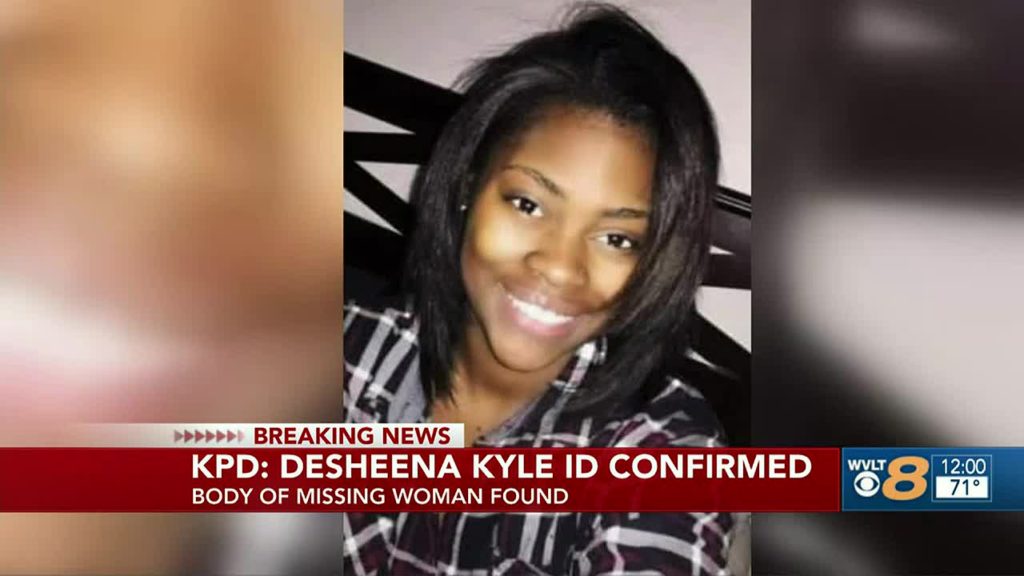
Desheena Kyle, a 27-year-old Knoxville, Tennessee resident, was reported missing on June 28th. On September 30th, Knoxville Police stated they found the body of Kyle. Officials have ruled Kyle’s cause of death a homicide and are still pending investigation. After seeing Gabby Petito’s coverage, these cases did not gain media coverage until their families complained about the lack of media coverage.
Why It Matters
All of these families deserve answers for their loved one’s disappearance and deaths. While we can blame police enforcement for not making it a priority to find these people, we can place significant blame on the media and news outlets for not covering the disappearance of missing black and brown persons. The family members of these groups deserve the same answers as white people who go missing. These cases involving people of colour are not taken seriously and should be
A missing person case is tragic to hear, no matter the gender or colour of their skin. They are human and loved by someone. These disparities show separation and a lack of awareness with society. Cases like Gabby’s are tragic, and the media should spotlight them, but so should the stories of Jelani, Daniel, Desheena, and countless others.
The United Kingdom is in a fuel and food shortage, as the country lacks heavy good vehicle (HGV) drivers.
News and political commentators suggest various factors as to why there is this shortage in fuel and food.
The United Kingdom leaving the European Union (EU) is being suggested to be the leading cause of these shortages.
But, some believe it is not as simple as this, with reports that the pandemic and the global labour shortage are playing a significant role in the scarcity.
The facts
Since last week, there have been mass queues outside petrol stations across the United Kingdom for several hours due to a shortage of HGV drivers.
This has caused petrol stations to have a lower than usual amount of petrol, and it is not the first time that the United Kingdom has experienced shortages of some kind.
In recent months, there has been less food on supermarket shelves, less beer in some pubs and even talk of fewer turkeys for Christmas this year.
In addition to the freedom of movement, the UK choosing to leave the single market – that means that the UK decided to rebuild, for the very first time, non-tariff barriers between the EU and the UK. It is a direct and mechanical consequence of Brexit.”
Michel Barnier commenting on the fuel and food shortages. Source: The Independent
Despite evidence that this shortage is happening because of the lack of HGV drivers, there is debate around why there is a lack of drivers in the first place. The EU’s former chief negotiator, Michel Barnier, says that petrol pumps running dry in the United Kingdom are a “direct consequence” of Brexit. Labour’s shadow chancellor Rachel Reeves noted this past week that Brexit is “obviously a contributory factor” to the lack of HGV drivers.
The opposition led by Sir Keir Starmer has been critical of how the government is dealing with these shortages and has been vocal about this during their conference this week in Brighton. Despite agreement that Brexit is somewhat involved in the current shortages, not everyone thinks it is as simple as Brexit being the leading and only cause. Grant Shapps, the transport secretary, suggests that the pandemic is why there is a lack of HGV drivers, with Maajid Nawaz, a radio host for LBC, also pointing this out.
Content warning: violent scenes. On Demand News reporting on fights breaking out in petrol stations due to the lack of fuel.
In response to these shortages, the army has been called in to help ease the pressure from petrol stations. According to The Department for Business, Energy and Industrial Strategy (BEIS), the department will draw on reserve fleets of 80 tankers that the government keeps for emergencies. There are also offers of temporary visas to 5,000 foreign lorry drivers in the run-up to Christmas, and the process of receiving an HGV driver licence is being sped up. Yet, critics argue that the government has been too slow in calling the army in and feel that the temporary visas to foreign lorry drivers are “insufficient.”
With so much noise and perspectives around why we see such shortages in the United Kingdom, let’s turn to our journalists at Common Sense and see what they think of the current scenes.
How have we gotten to the position that people are now bringing water bottles to fill up petrol for their vehicles? It is a desperate situation to be in and to see across our news headlines, with commentators pointing towards the pandemic, a global labour shortage, and the Insulate Britain protests for the cause of these scenes. But, to ignore Brexit as the foundation of why we are seeing what we are witnessing is outright fraudulent, even if government ministers, corporate media and the Brexit brigade don’t want to admit this. France’s European Affairs Minister, Clément Beaune, is correct in saying that “the intellectual fraud that was Brexit” is being exposed.
The Brexiters went on about taking back control of our borders, the infamous £350 million that was going to the NHS and for Britain to become stronger. But what they forgot to mention is that when you leave an institution that you rely so heavily on for decades for the sake of British patriotism, you will receive consequences like what we are witnessing. It doesn’t take a person with a political degree to realise what a terrible decision leaving the EU has been, especially as there has been no plan in place to deal with the consequences of leaving this institution.
And not to be all “I told you so”, but this was bound to happen, and thanks to Brexit, the United Kingdom lacks people in many sectors, has more paperwork to do, and is asking for help.
Where has the taking control part gone and was promised years ago?
But instead of bickering about our decision, we must deal with what is in front of us: these shortages.
Let’s say thank you to those who voted for Brexit grudgingly and deal with this issue one way or another.
People are blaming Britain’s fuel crisis on a few different factors. One of the most notable voices is that of the EU’s former chief negotiator Michel Barnier who said Britain’s mounting fuel crisis which has seen pumps run dry is a “direct consequence” of Brexit.
Mr Barnier, who is running for the French presidency, said the drastic shortage of lorry drivers and ongoing supply chain problems were down to the UK’s decision to quit the EU.
“Part of the answer is linked, effectively, to the consequences of the Brexit because the UK chose to end the freedom of movement [of people],” he said.
“And there is a clear link to the truck drivers,” Mr Barnier added.
“In addition to the freedom of movement, the UK choosing to leave the single market – that means that the UK decided to rebuild, for the very first time, non-tariff barriers between the EU and the UK. It is a direct and mechanical consequence of Brexit.”
Whilst it is naive to think the issue of a 400% increase in consumer demand for fuel over a weekend can solely be based on Brexit, it is also naive to argue that ‘freedom of movement’ which was a key pillar during our membership of the European Union wouldn’t cause problems when it was gone.
Some may reject the Brexit effect and instead point to chronic under investment in the Lorry driving industry over the years, the dire working conditions, the lack of attraction, the fact that drivers sometimes don’t see family for weeks.
Whilst these realities may have contributed to the crisis, its hard to ignore the fact that these factors have always been present however we didn’t have the crisis we have now. The only major change over the last three years is of course the B factor. The word Brexiteers are eager to forget and move away from. What has always been pattently clear is that as the fog of lockdown lifted, Britain would slowly begin to come to terms with what it really did at the Brexit ballot box.
Black men make up 74 per cent of players in the Nation Basketball Association and 69 per cent of players in the National Football League. Yet, they only make up 7% in Major League Baseball and less than 2% of the players in the National Hockey League. This disparity is also clear in the sport of tennis but why? Why are there such few black tennis players
The modern game of tennis traces back to a medieval game called jeu de paume, which began in 12th century France. Widely adopted by the nobility and aristocracy of the time, it slowly spread to the rest of Europe. Its popularity rose and waned throughout the proceeding centuries, but in 1877 a major milestone happened. In an effort to raise money, the England Croquet and Lawn Tennis Club hosted the first Wimbledon championship. What started as a gathering of about 200 people is today a globally renowned event, attracting millions of viewers and billions in annual revenue.
Today, tennis is played in the Olympics and is considered one of the five most popular sports worldwide. Yet, when compared to sports like soccer (or football), on global and national levels the diversity is lacking.
Tennis is dominated by white athletes. This is especially true in the United States.
So why aren’t there more Black tennis players? The reason is likely twofold.
Black people are not as exposed to tennis
Exposure is a key ingredient for the success of any sport. Sports like football, basketball, baseball, and soccer have a massive amount of exposure and penetration. This means many people know about them.
The sports are played in high schools, the equipment is sold in your nearest convenience store. Entire media networks are dedicated to coverage and their athletes are revered across generations.
The availability of these sports provides pathways and opportunities. Children dreaming of being the next Lebron James can go to a nearby basketball court. They can practice their skills and join a team early. If they hone their skills, they can make it on the high school team and if they dominate there, maybe they get a free ride to college. These pathways are available in some sports, but harder to find in others.
The child looking to play soccer can find a ball and a field, but where does he go to play tennis… who does she play with? Without exposure, not enough black young people pick up a tennis racquet.
Black Tennis History
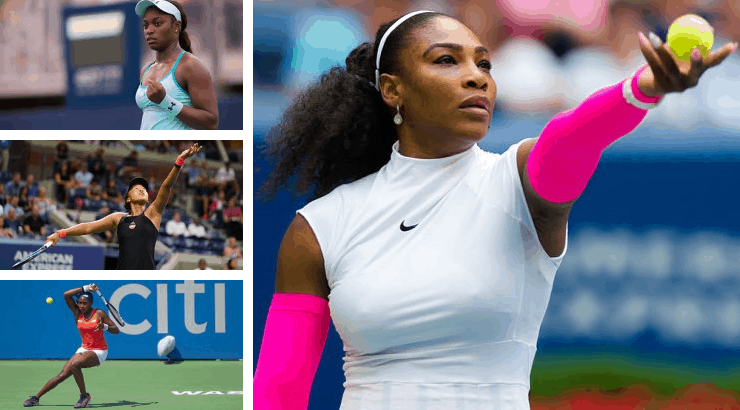
Serena Williams, Venus Williams, Naomi Osaka…
These athletes are well known in popular culture, names renowned for their competitiveness, their champions mindset, and distinctive style. But have you heard of Althea Gibson or Arthur Ashe?
The history of African-American tennis leagues dates back nearly a century. Unfortunately, the media often paints our new black stars as trailblazers, without mentioning those whose shoulders they stand on.
In 1956 Gibson became the first African-American to win a Grand Slam title. In 1968, Ashe became the first Black man to win the US Open. These accomplishments are over 50 years old!
While Black tennis stars have always had to contend with discrimination and racism in a predominantly white sport, the history of Black tennis is robust.
Without knowing that history, however, few people grow up with tennis stars as heroes. Many Black children growing up thinking tennis is not for them because they don’t see themselves represented.
With more exposure and teaching of the history of the sport, tennis can regain the popularity it once had globally.
United States Olympic gymnast Simone Biles blasted USA Gymnastics and the FBI for standing by while team doctor Larry Nassar assaulted her and hundreds of other athletes in the largest sexual abuse case in the history of American sports.
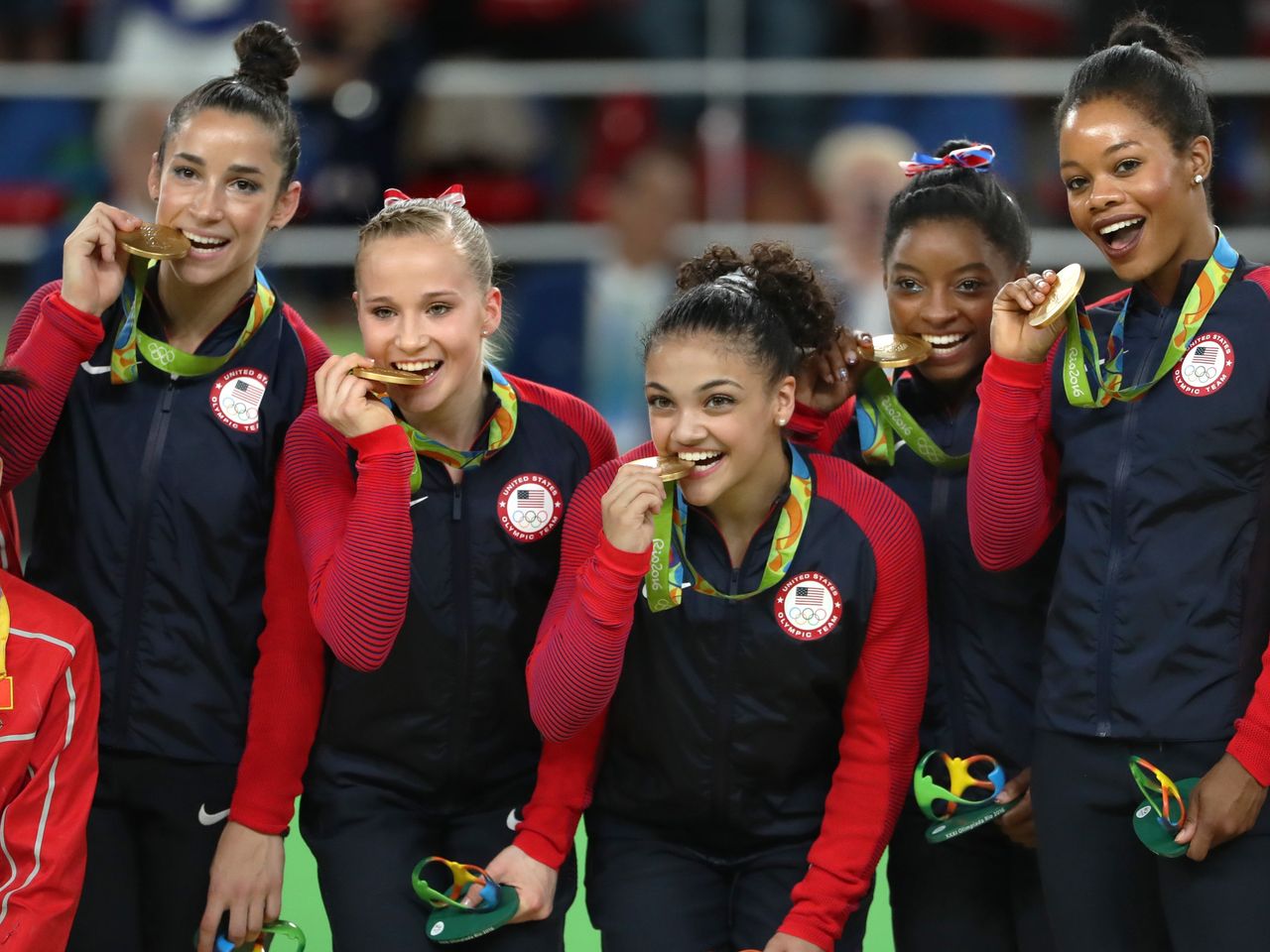
“We have been failed and we deserve answers,” Biles said in blunt and tearful testimony at a US Senate public hearing on Wednesday where she appeared with three other athletes, Aly Raisman, McKayla Maroney and Maggie Nichols.
Olympic gymnast Simone Biles testifies during a Senate hearing about the FBI’s mishandling of the Larry Nassar sexual abuse investigation [Saul Loeb/Pool via Reuters]
The FBI’s negligence when dealing with sexual assault claims against Larry Nasar will have two main effects.
Firstly, it significantly damages their reputation
US Gymnast McKayla Maroney said that FBI agents dismissed her complaints and went as far as falsifying them in the interest of protecting a well-respected and established Olympic doctor. Fellow gymnast Aly Raisman raised similar concerns to the senate panel stating that “the agent diminished the significance of [her] abuse.” These damning allegations greatly stain the FBI’s reputation and call into question the organisation’s integrity. Turning a blind eye to the sexual abuse of minors is arguably more than just neglect on the part of the FBI, it’s indicative of how women who are victims of sexual assault are not taken seriously in general. To have one of the most powerful national security organisations in the world write off such heinous criminal activity undoubtedly jeopardises the safety of women in America. If the FBI failed the most respected and celebrated athletes in the world, how can the organisation claim to provide regular women with the security they deserve?
Secondly, we need to consider what this means for the Olympic team and athletes in general.
American Olympic gymnasts are expected to represent the USA to the best of their ability. This responsibility includes training at facilities provided by USA gymnastics including the Karolyi Ranch – the conditions of which were described to be “disgusting” by various Olympic gymnasts including Aly Raisman. In return, USA gymnastics and the US Olympic Committee have a responsibility to nurture and care for their athletes. US gymnastics’ failure to safeguard the individuals placed under their care has some serious implications when it comes to continuing the USA’s dominance in the sport of gymnastics. The relationship between current athletes and the committee is riddled with mistrust. If athletes are not afforded the necessary protection needed to keep them safe and cultivate their talent and conditioning, significant problems lie ahead for those looking to compete and win at the Olympic level.
“You had one job” – Simone Biles emotional response to USA Gymnastics negligence and what this means for her career.
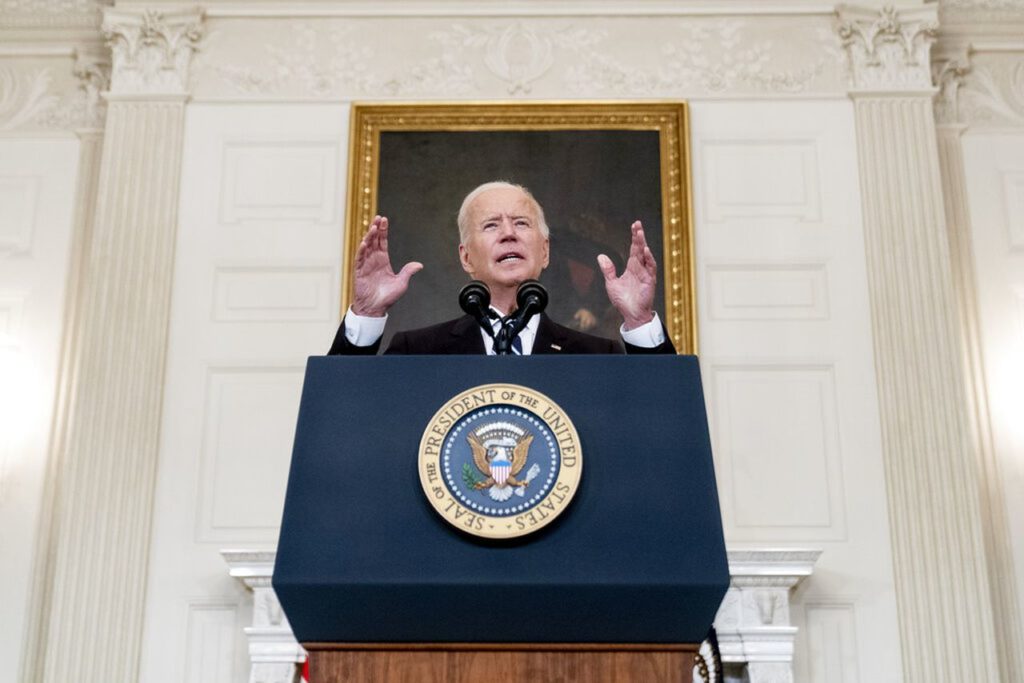
In his September 9th speech, President Joe Biden addressed the nation. He spoke about recent spikes in the Delta variant of Covid-19 and the responsibility of all Americans to get vaccinated. To that effect, he offered an Executive order, mandating that all federal employees receive vaccinations and ordering the Labor Department to issue mandatory vaccine rules for large companies.
This sweeping policy decision will directly affect about 80 million workers. With such contention over the issue, groups were fast to criticize this policy decision, calling it a violation of civil liberties and associating it with “Big Brother” government. Responding to criticisms, White House Press Secretary Jen Psaki described, “what you heard the President convey yesterday is the next steps that he is taking using every lever of government to reduce sicknesses, to reduce hospitalizations, to protect more people, and save more lives.”
Public Health Should Be the Top Priority
Most Americans (179.2 million people) are fully vaccinated. Nevertheless, America remains immersed in a political battle between civil liberties and public health. While both sides have merit to their arguments, protecting public health is (and should be) the clear priority of governments. The good health of a population is a precursor to all economic, social, and political development. Death is real and sickness has contributed to the demise of far more nations than war or corruption. In a democracy, laws are meant to strike a balance, rigid enough to maintain order while flexible enough to adjust to the times. While the argument around protecting civil liberties is logical, it is unreasonable when applied to the times.
Their rigid perception of civil liberties has not adjusted to the situation at hand.
In 2020, before the vaccine was distributed, the United States saw over 80 million cases and 375,000 Covid-19 related deaths. Millions were laid off while thousands of small businesses and mid-sized companies were shut down indefinitely. The nation was in crisis, vaccines were developed to stop all of that.
Vaccines were presented as the ultimate solution. And while that promise has not come to fruition, studies show vaccines to have 90%+ efficacy when it comes to protecting the vaccinated against severe cases of Covid-19. While it did not eliminate the risks completely, with the inclusion of the vaccine, rates of contraction, hospitalization and death have all decreased significantly. Vaccines do protect populations from contracting the virus.
Societies have short memories, but after witnessing the tragedy of last year, avoiding massive losses of life should remain the top priority. While individuals do have the right to make personal health decisions, it is the responsibility of the government to promote public health.
And when personal health decisions threaten public health, the government has a responsibility to intervene.
Vaccine Mandates Will be Hard to Enforce
Although vaccines are beneficial and necessary to combat a global pandemic, President Biden’s vaccine mandates will be hard to enforce. Yes, President Biden is well within his right to enforce the vaccine mandate as President of the United States. However, implementing a mask mandate has its struggles, let alone mandating citizens to inject themselves with a pretty new vaccine. In a recent Gallup Poll, over 100 million Americans were still unsure about the vaccine.
It takes time to get Americans to buy into these vaccines. History shows Americans are slow to get vaccines. Only about half of adults in America get the flu shot, despite decades of safety provisions and evidence that proves it is okay. To go further, Biden’s tactic of relying on the laws to force vaccination is how someone could remain unvaccinated.
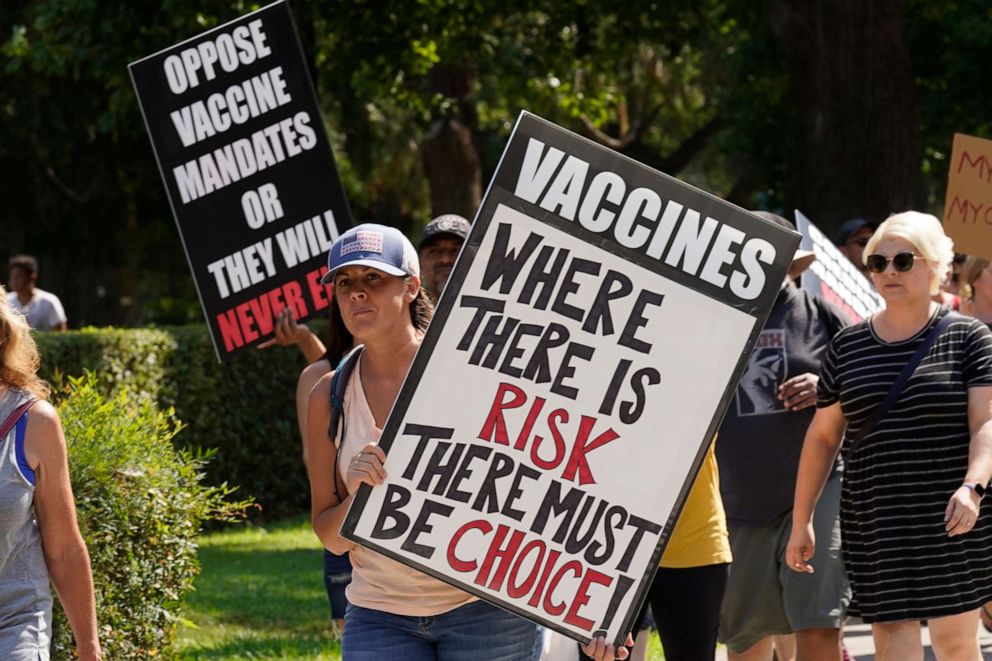
Protestors were outraged by President Biden’s new vaccine mandates.
According to the Civil Rights Act of 1964 and the Americans with Disabilities Act, an employee, student, etc., could be exempt from taking the vaccine under religious beliefs and disability status. In theory, Biden can mandate 73 million federal employees to get the vaccine; nevertheless, those same 73 million could fall under those categories and add complications to enforcing the vaccine mandate.
President Joe Biden speak on September 9th, 2021 about vaccinations.
President Biden’s new scare tactic by leveraging American’s job is a stretch and ironic. A president’s job is also to create jobs, not take them away. As the commander and chief, he has the right to dictate what he will and will not allow in positions under his branch. He also has a right to ensure that Americans stay employed.
In part, President Biden is desperate for solutions and will try anything to rid the virus that has plagued his nation. On the other hand, President Biden fails to understand why the majority of Americans are cautious. Vaccinations do not happen overnight. “Losing patience” over something relatively new is ludicrous when the vaccines first appeared less than one year ago. The fact that Biden was able to get a little under half of the population fully vaccinated in a matter of ten months is a small victory. As far as the other half of unvaccinated people, it will take time to understand it will not happen tomorrow.
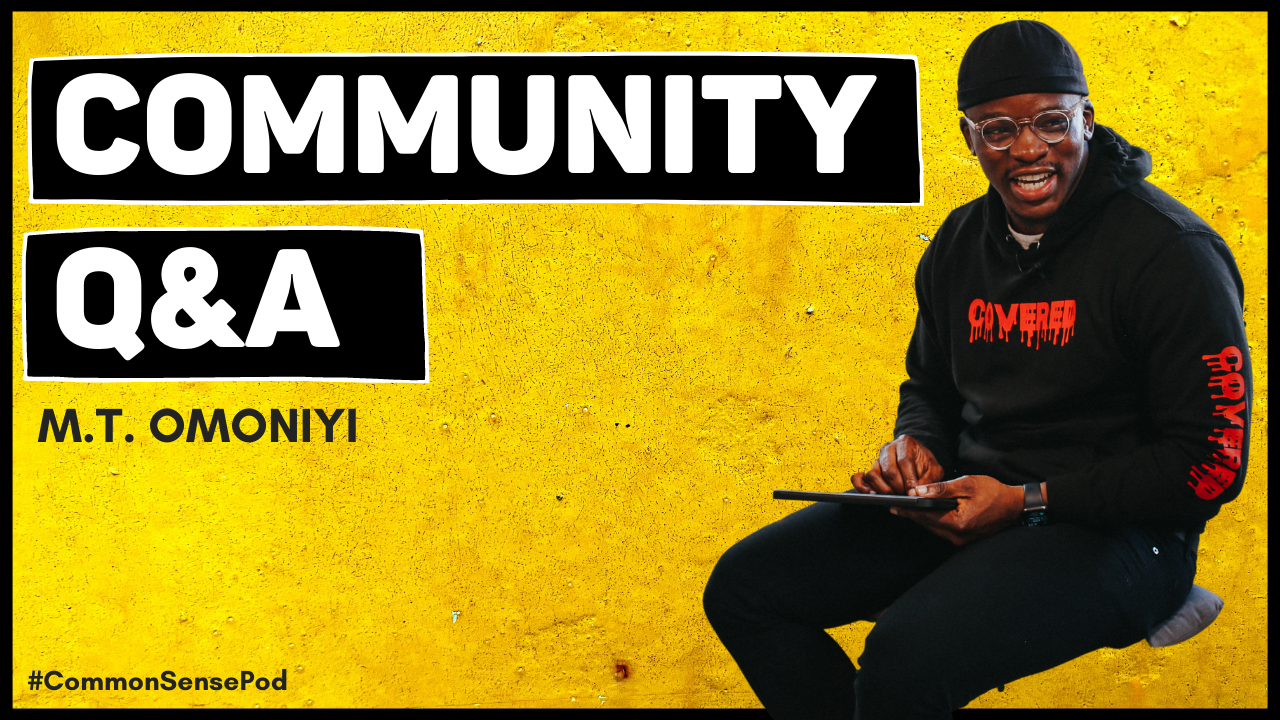
In this episode, Mike takes questions from our podcast community! Every few episodes we will have episodes like this. Michael will take your questions. If you would like your questions to be considered for the next Q&A episode then send them over to hello@tcsnetwork.co.uk
We are an independent news outlet. We were founded by 500+ ordinary people who saw a problem with the mainstream media and did something about it. This means we are not solely driven by profit margins or vested interests. We are a platform kept alive by our community who we exist to serve. In a digital age, where the news cycles moves at dizzying speeds, news has become noise. The Common Sense Network is a platform our readers visit to discover stories that matter. To discover stories from across the political spectrum, local stories, stories that hold power to account, that uncover wrongdoing, that empower the forgotten and the unheard. We are on a mission to build the broadest coalition of diverse commentators in the UK. Our articles are well researched, well written and straight-talking. We remain committed to providing multiple perspectives on issues because we believe, there are two sides to every story….
In this episode Mike and Zuby tackle politics, transgenderism in sport, music, racism and the queen and more. The conversation was wide-ranging. Like what you watched?
We are an independent news outlet. We were founded by 500+ ordinary people who saw a problem with the mainstream media and did something about it. This means we are not solely driven by profit margins or vested interests. We are a platform kept alive by our community who we exist to serve. In a digital age, where the news cycles moves at dizzying speeds, news has become noise. The Common Sense Network is a platform our readers visit to discover stories that matter. To discover stories from across the political spectrum, local stories, stories that hold power to account, that uncover wrongdoing, that empower the forgotten and the unheard. We are on a mission to build the broadest coalition of diverse commentators in the UK. Our articles are well researched, well written and straight-talking.
We remain committed to providing multiple perspectives on issues because we believe, there are two sides to every story….
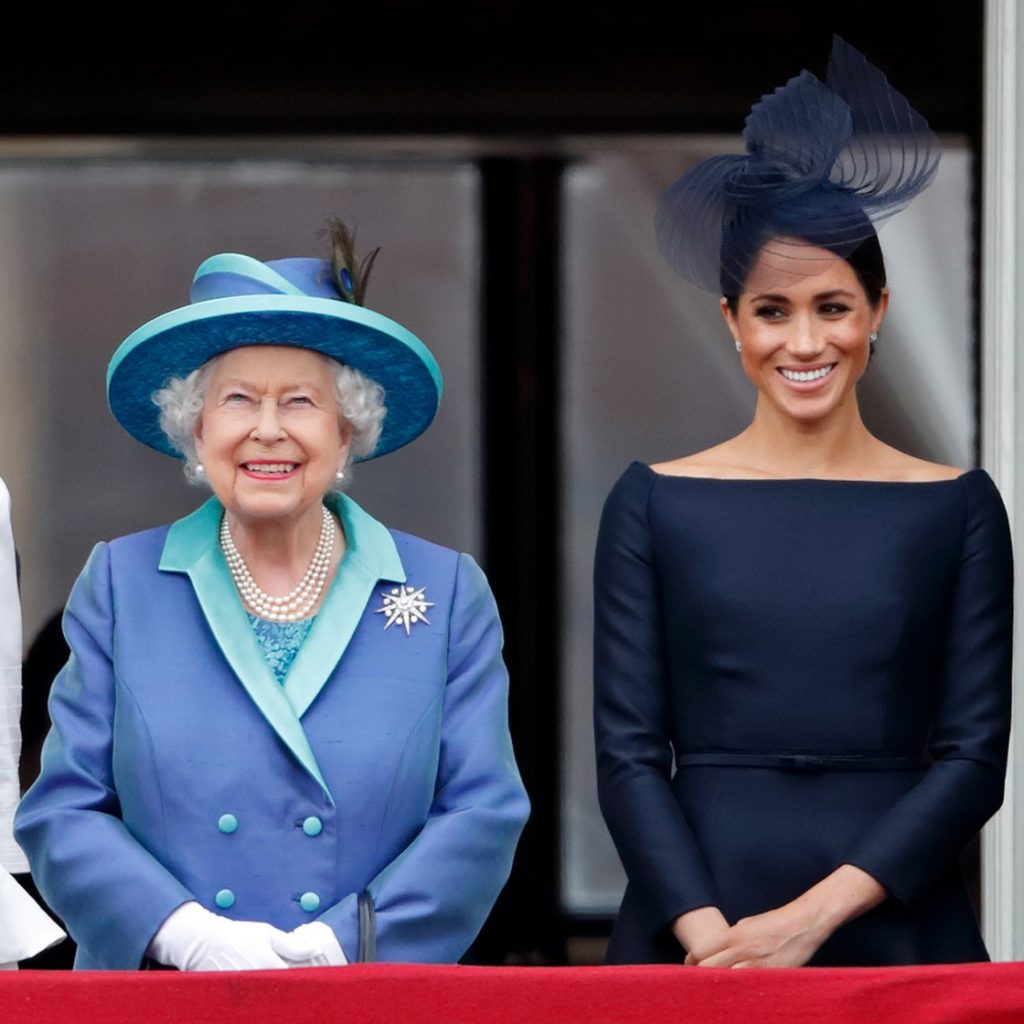
Speaking during an interview for Channel 4, Sir Ken Olisa, the first black Lord-Lieutenant for London said the “hot topic” of racism had been discussed between himself and members of the royal family since the death of George Floyd, who was killed by police in the US in May 2020, sparking a historical wave of anti-racism protests across the globe under the banner of Black Lives Matter.
He said that the family cares “passionately” about removing racial “barriers” in the UK.
The comments come after the Duke and Duchess of Sussex accused the royal family of racism in their Oprah Winfrey interview earlier this year.
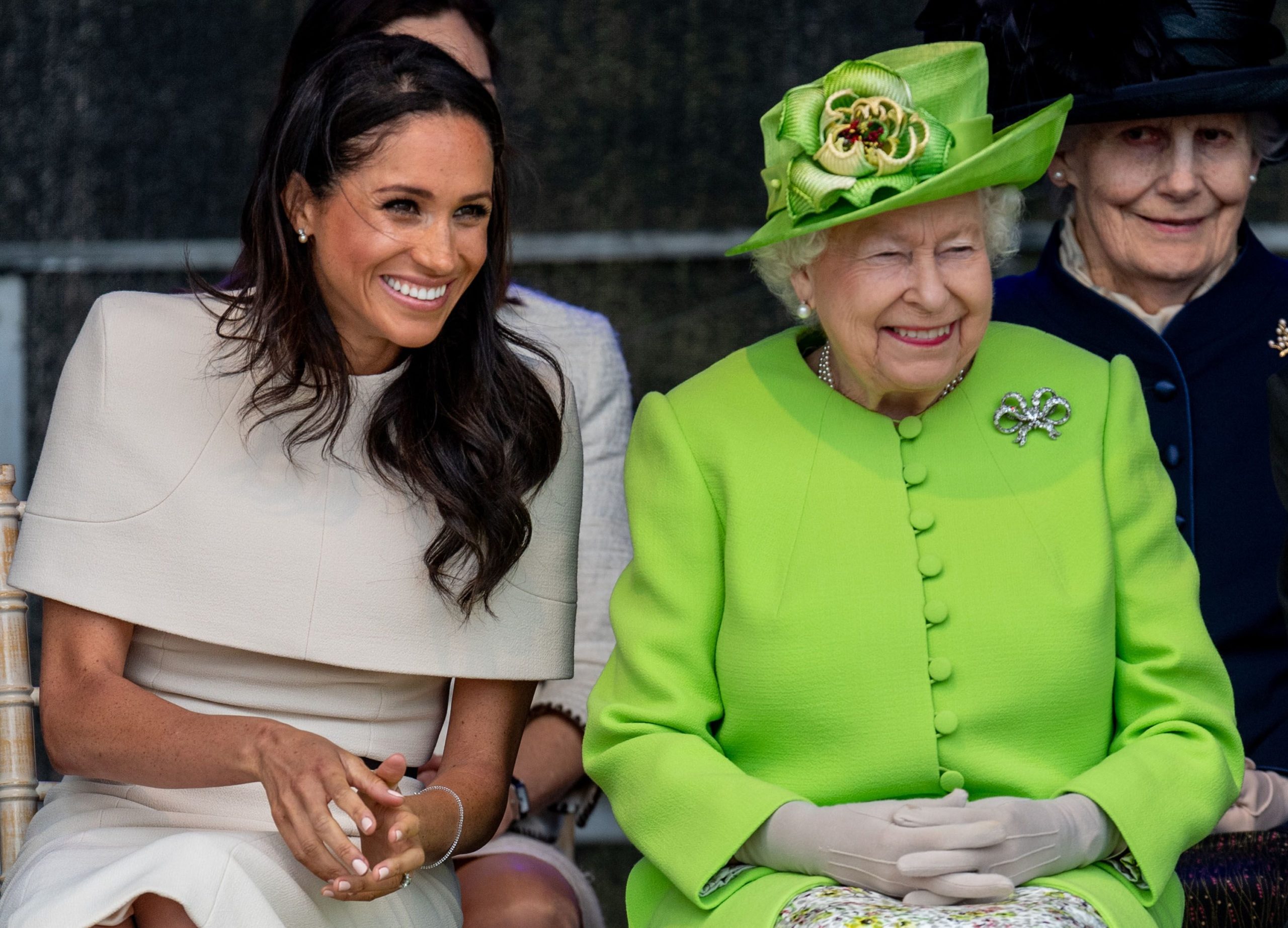
In the wake of the recent movement against racial injustice following George Floyd’s death last May, a senior palace aide has stated that the Queen and many other royals support the Black Lives Matter movement.
Kenneth Olisa, the first Black lord-lieutenant of London, spoke on how the race had become a “hot conversation topic” among the royal family, especially after George Floyd’s death. The issue was also touched on following Prince Harry and Meghan Markle’s explosive interview with Oprah Winfrey earlier this year. Olisa went on to say that “the question is what more can we do to bind society to remove these barriers. They [The royals] care passionately about making this one nation bound by the same values.”
When asked about whether the royal family supported the Black Lives Matter Movement, Olisa answered in the affirmative and was later supported by a Buckingham Palace spokesperson who told NBC that they had nothing to add to the comments. The statement comes as a shock to many especially since the Queen has stayed silent on such issues in the past. The question left to answer is: why does the Queen support Black Lives Matter and what does this mean for the monarchy?
Source: NBC.
The recent allegations of racism from Prince Harry and Meghan Markle have emboldened royal critics’ claims that the monarchy is outdated. Historically, the Queen has represented Britain, the Church of England, and the Commonwealth. It could be argued that the royal family continues to represent a version of Britain that no longer exists and therefore needs to adapt its image in line with more secular, ‘politically correct’ and united values in order to stay relevant.
The Queen’s support of Black Lives Matter can be seen as a way of reconfiguring the royal family’s image to mesh with modern-day values. Also, pledging support for a movement that claims to champion the rights of ‘black people across the globe’ could perhaps reverse the reputational damage caused by Harry and Meghan’s racism claims in the Oprah interview earlier this year.
For many, this may seem like a good step forward for the royal family. That being said, it is still a very random statement for the Queen’s aide to make. The royal family fails to realise that they cannot overturn decades of colonial history with a single statement. Although the intention seems to be positive and some may even go as far as saying that the monarchy understands the direction it needs to take in order to reform its image, the support still comes across as somewhat insincere and cursory in light of recent events with Prince Harry and Meghan Markle.
Black Lives Matter has also become heavily politicised. Supporting the organisation disrupts the monarchy’s politically neutral stance and potentially sets a new precedent for the royals to live up to when it comes to contentious issues like race and class, making it even more difficult to understand why the palace would endorse such a statement.
This has to be ‘tin can’ support
Adjoa, a spokesperson for BLM UK, said: “We were surprised to learn the Queen is a BLM supporter. But we welcome anyone that agrees with our goal of dismantling white supremacy. Of course, actions speak louder than words. The Queen sits on a throne made from colonial plunder. Until she gives back all the stolen gold and diamonds from the Commonwealth and pays reparations, these are nothing more than warm words.”
This is what many reading the story may be thinking. Perhaps the Queen was simply expressing her support for the statement ‘Black Lives Matter’ something, almost everyone would support. Support BLM, the organisation would require the queen to go a little further.
Patrick Vernon, a cultural historian and co-author of 100 Great Black Britons, said if the Queen truly embraced BLM “the next logical question would be what is she going to do about it, in terms of allyship, which is no different to conversations I’ve been having with people in the private sector when I’ve done talks on this issue in the last couple of years.
“What is she going to demonstrate through allyship around supporting black and brown people and also acknowledging her privilege? In many ways, she is the ultimate in privilege.”
He suggested several actions she could take, including:
Making an explicit statement supporting BLM.
Increasing the diversity of staff employed by Buckingham Palace.
Ending the Queen’s personal exemption from equality laws.
Acknowledging the Windrush scandal and supporting a proper compensation scheme for its victims.
In June, the palace said it “must do more” after publishing figures that revealed its proportion of ethnic minority employees stood at 8.5%, against a target of 10% by next year. It declined to comment on Olisa’s remarks.
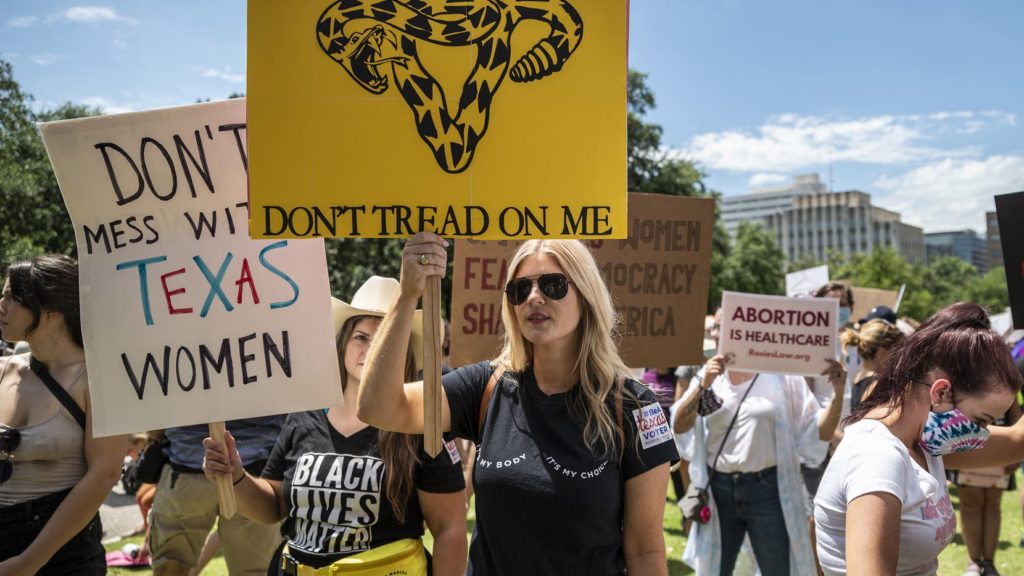
America and abortion have always been an issue that has divided its citizens, with recent figures showing 49% pro-choice and 47% anti-abortion. Since the decision in the controversial Supreme Court case Roe v. Wade, Conservative states in America have been trying to figure out a master plan to get the courts to repeal the law. Hope seemed to be lost until Donald Trump became president. One of Trump’s main campaign points was to overturn Roe. Once Trump nominated three conservative judges during his presidency, it gave the green light for conservative states to develop loopholes to get around the federal abortion law. Recently, Texas succeeded in its plans to slowly disseminate Roe v. Wade and change the rights of women’s bodies as we know it. The new Texas law sets a dangerous precedent for society, and it is only the beginning.
What is the Texas Abortion Law?
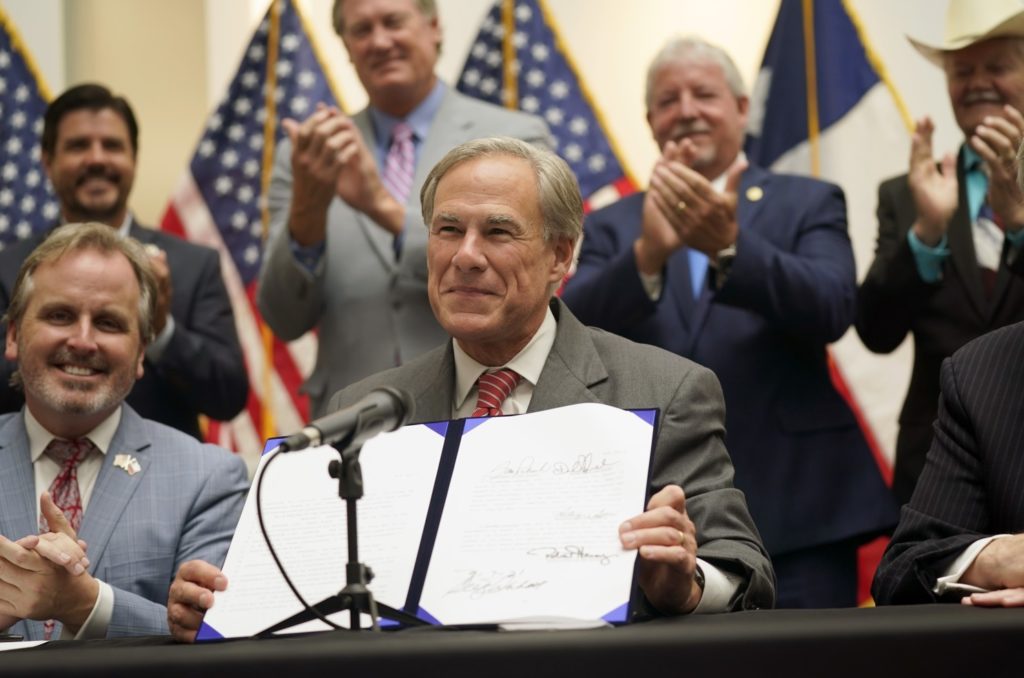
Texas Gov. Greg Abbott, shown displaying a voter suppression bill he signed Tuesday, also signed the state’s uniquely draconian antiabortion law. (Associated Press)
In short, the “Heartbeat Bill” bans abortion procedures after six weeks of pregnancy. At least eight types of similar heartbeat bills have passed in recent years but have faced court challenges that counter Roe v. Wade, the case that established the right to an abortion in 1973 America. The signing of Texas’ Heartbeat Bill opened up a new gateway in a battle over abortion restrictions.
The lawmakers in Texas were very strategic in how they wrote the bill. Rather than having state officials enforce the abortion ban, the law empowers private citizens by suing abortion entities, providers, and other citizens who aid in the abortion process. This particular provision makes it harder for abortion rights groups to sue state officials because they are not the ones who enforce the law.
Why does it Matter?
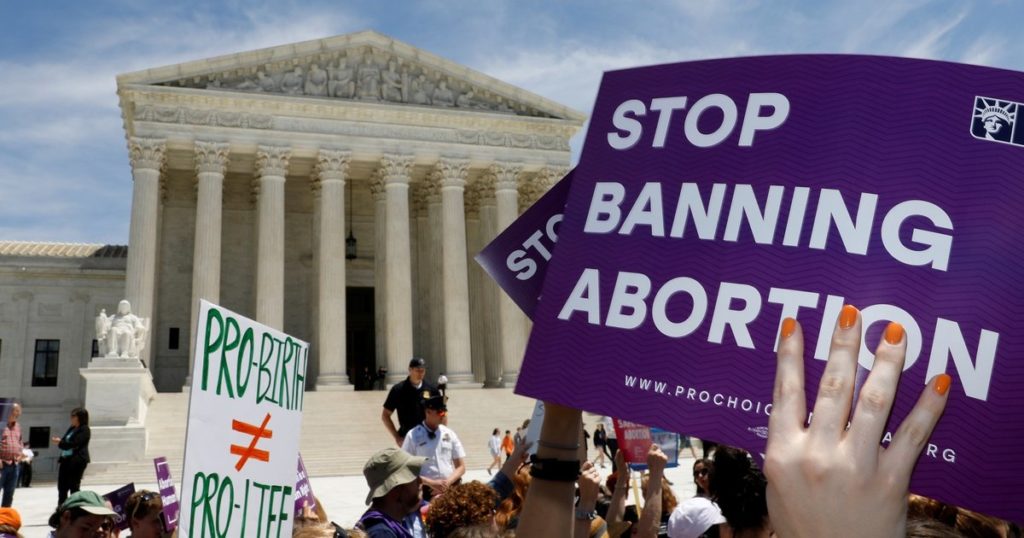
Abortion rights activists rallied outside the U.S. Supreme Court in Washington, D.C.
While the landmark case ultimately gave women the right to have full authority over their bodies, Texas’ Heartbeat Bill is just one step closer to overturning those rights. Most women do not know that they are pregnant before six weeks. This bill also opens the door for almost any private citizen to sue anyone for aiding in abortions. Simply put, a citizen can sue the Uber driver that takes the woman to the abortion procedure because they were involved in the process. By restricting abortion laws, any abortion will be denied, including rape and incest cases. The signing of this bill unleashes new restrictions that are the first of its kind, making it harder for the courts to block.
One Step Forward for Texas, Five Steps Back for society.
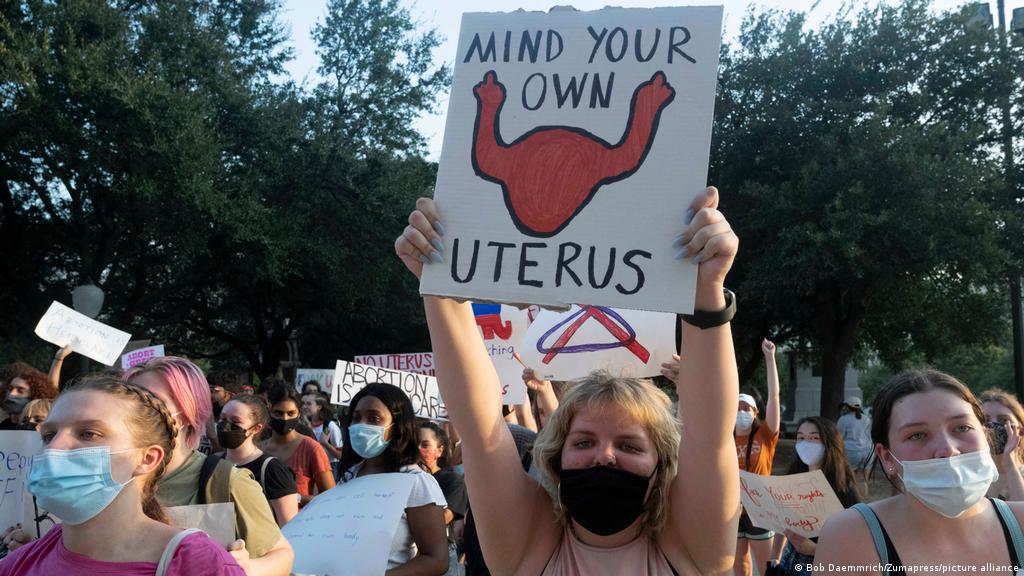
Various protests broke out against the new Heartbeat Bill.
Although this bill has received extensive criticism, earlier last week, the Supreme Court refused to hear the case allowing the ban to go into effect. The fact the highest Court of the land refuses to listen to the issues with this bill is genuinely frightening. This bill sets back women and their rights to determine what is best for their bodies. The bill restricting abortions on incest and rape forces women into an uncompromising position that no one should force upon them. Additionally, the law aids to help people turn against each other and play unnecessary rent- a- cops while having an odd economic incentive for doing so.
Texas set a dangerous precedent that other states will surely follow. There is nothing wrong with disagreeing on social issues and fighting for one’s beliefs; however, the fight should be fair and not observed with malice against thy fellow neighbour. The Heartbeat Bill blatantly disregards the right to privacy a woman has over her own body, and no one has the right, especially a private citizen, to tell her what is best for her.









![Olympic gymnast Simone Biles testifies during a Senate hearing about the FBI's mishandling of the Larry Nassar sexual abuse investigation [Saul Loeb/Pool via Reuters]](https://www.aljazeera.com/wp-content/uploads/2021/09/2021-09-15-GYMNASTICS-USA-NASSAR.jpg?resize=770%2C513)