Recently I was engaged in a heated debate on the TL, the main topic of which was the whole Black history/diversity conundrum. I was not surprised to be seeing that a lot of White people were agreeing with this sentiment, but what did not surprise me was the amount of non-Black – or should I say people of colour (POC) – who were also of the same opinion that a whole month should not be dedicated to one race’s achievements. “We don’t see the Asians calling for a Asian history month” was a phrase that was frequently used by both White and Asian commentators.
I am not going to go into a whole tirade on why such a sentiment is ludicrous and explain what Black British history month is really about. Benedicta Denteh’s Black history month article already does a great job of this. Instead my focus is on my dislike of the term People of Colour and the false allyship between Black people and POC.
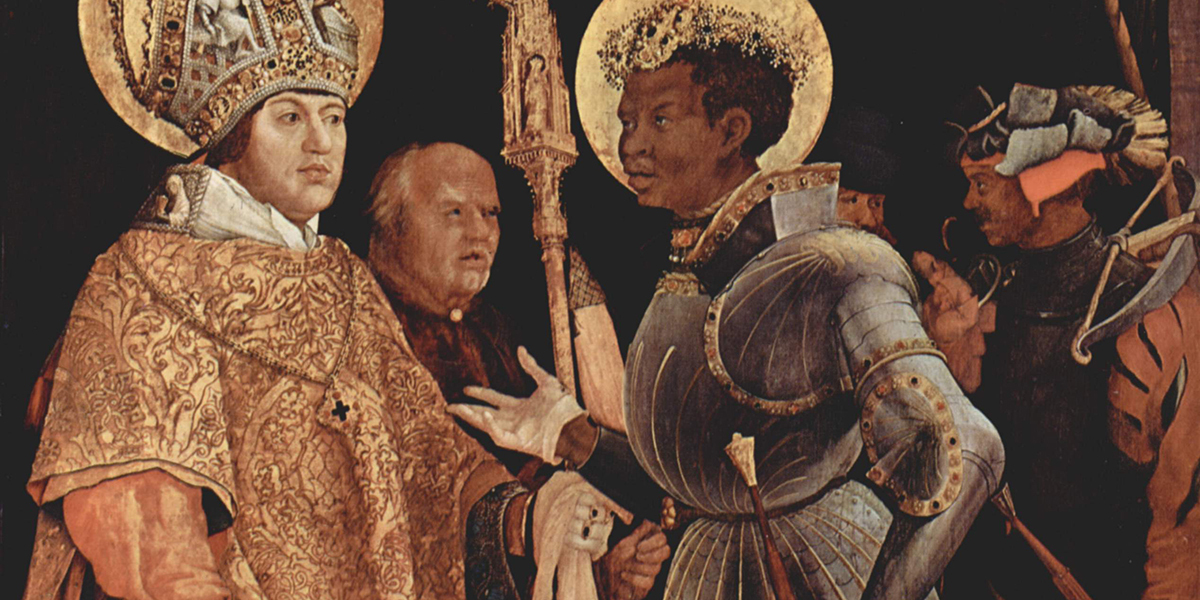
As a Black woman I despise the label “People of colour”, I am a black woman and like to be referred as one. The label was created to categorise everyone who is non-White and to create an agenda of “minority solidarity”. I applaud the idea behind the term but at the same time most note that it is a romanticised idea to believe in such a solidarity as that means we are denying the widespread anti-Blackness in non-Black communities of colour.
My first experience of receiving a racial slur was from an Asian woman in my local corner shop and I can assure you it was no less frightening to my 8-year-old self than if it had been a white person in a similar context.
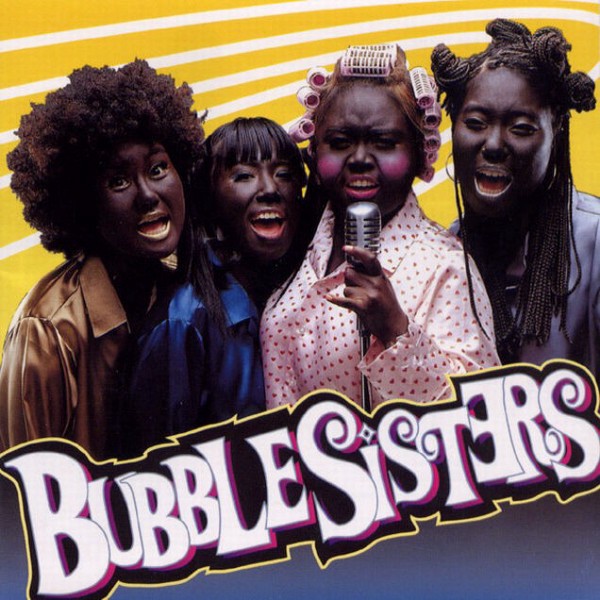
Kpop girl group Bubble Sisters donning black face on their CD cover
There is a racial hierarchy in this world where black people are at the bottom and white people are at the top and I am not going to ignore that POC benefit largely from this hierarchy. All ethnic groups face discrimination but my struggles and battles as a BLACK woman differs as this is an individual battle that only BLACK women will relate to. We are not one homogeneous group, I will never try to erase the the problems that other minorities face that are exclusive to them but time and time again Black peoples struggles are continuously minimised.
I am not denying the necessity of unity but in a world where I need to verbally make it known that Black Lives Matter, my identity lies solely in my blackness and I refuse to hide it under the lazy guise of “people of colour”.
With the Autumn Budget being brought forward to Monday 26th October to avoid clashing with the Brexit negotiations, rumours have circulated that the Chancellor Philip Hammond will target the £41 Billion (2016-17 HMRC) higher-rate pension tax relief to finance his £20 billion pledge to the NHS each year by 2023.
The Chancellor has said recently that Pension tax breaks
have become “eye wateringly expensive”.
This comment from a Chancellor who has to find £20 billion in funds for the NHS cannot be brushed aside.
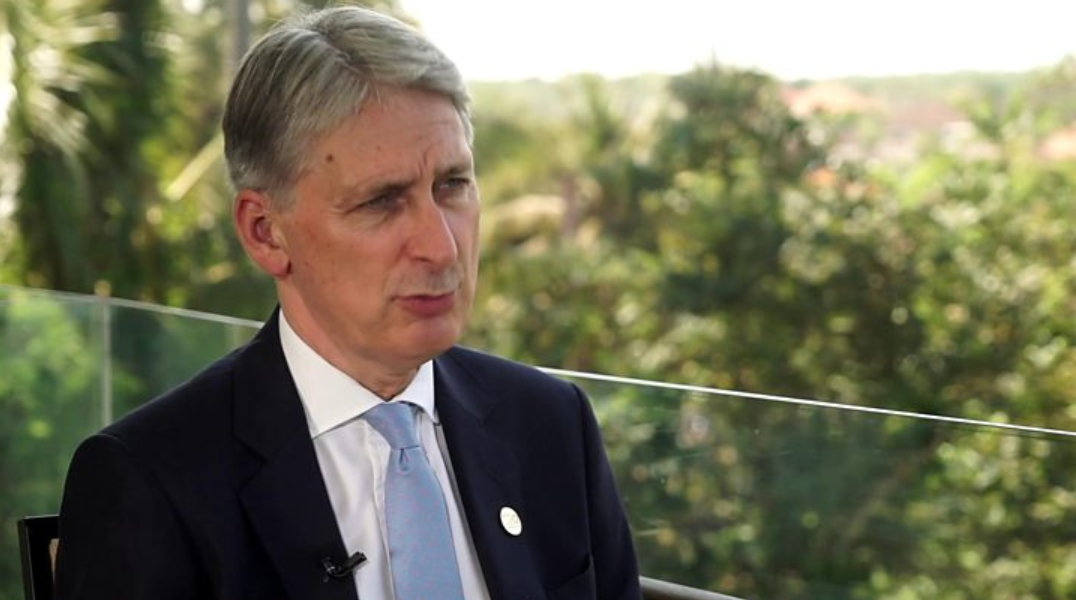
Hammond at the IMF Talks in Bali declaring pension reliefs “eye wateringly expense” // BBC
The easiest route of financing these commitments is a marked
reduction in the £40,000 pension annual allowance to say £20,000. At the same time,
he might reduce the carry forward to the same level or even remove carry
forward provisions entirely. This would
mean a potential contribution of up to £160,000 in contributions could be
reduced to £80,000. Still sounds a lot but for a number of people, especially self-employed,
the ability to pay more into their Pensions in the “good” years has been a
vital weapon in their Pensions armoury.
He would have to make the change immediate to prevent a rush
in contributions to claim their tax relief, not only defeating the purpose of
the policy but causing the Treasury losses not gains.
Flat-Rate in line with other tax legislation?
A more thorough move would be introducing a flat rate
pension tax relief. The previous Chancellor, George Osborne, stopped just short
of implementing changes, although the former Pensions Minister Steve Webb
pressed hard for the change.
Higher rate earners would lose their 40% tax relief on earnings
above £46,350 only seeing 20% instead of 40%.
Proponents of pension overhaul to address the savings
inequality, The Resolution Foundation think tank, declared a ‘flatter system at
18% for basic-rate and 28% for higher-rate payers, in line with capital gains
would help solve wealth inequality’.
While we are battling the European behemoth at the
negotiating table, the potential for such a sweeping reform is unlikely, yet
incremental adjustments are more probable. Steve Webb himself now says;
“I do not believe we will see a
flat rate of pension tax relief being introduced. It is such a big project and
there will be plenty of losers. I don’t think it is something a politically
weak government can introduce at this time.”
Why?
Potential to raise taxes through other means, such as income
taxes, would be comparable to political suicide. Fuel duty freeze is locked in,
NICs increase plans were scrapped, and other sources have already been pillaged
or strained to breaking point.
How to respond?
Higher-earners should be reviewing their pension tax relief
plans. We are once again reminded the nest eggs for retirement are the
low-hanging fruit for Chancellors unwilling to borrow more against Public
Sector Net Borrowing.
In the meantime, bringing forward pension contributions,
bearing in mind, if appropriate, the £1.03 million lifetime allowance is a
MUST!
The current market sell-off is a cumulation of world events. But this is not necessarily something to be concerned about for the long-term investor because ‘timing’ the market for entry and exit has proven largely futile, short-term blips are largely irrelevant in the grand-scheme of compounded interest and regular injections of capital.
A healthily diversified portfolio helps to iron out underperforming
asset classes and markets in the short run and provides measured smooth growth
over the long haul. For any investor on a ten-year upwards timescale, the current
market fluctuations are not worth the stress of fussing over.
Having said this, the causes shall be addressed and where we
see markets heading (Hint: Asia, UK, gold, corporate bonds over US equities on valuations
to assets, expected growth and long term, cyclically adjusted averages).
What’s the fuss about?
When America starts to dip, investors buckle up and start to
take notice. We are well seasoned into this bull run, having the last flutter
in February of this year, leading investors to question: ‘is this the end?’
Outside of the US, certain regions, notably Japanese markets have been in retreat for months. Trump’s poorly timed tax cuts bolstered the US economy with a hit of caffeine, with its effects now wearing off when the Central Bank starts to put the dampeners on the US economy with dialling back of easy money under Quantitative Easing and Trump’s accusations the ‘Fed has gone crazy’ with rate hikes. These shifts aren’t stirring great confidence that growth is here to stay, especially when trade wars and isolationism are dividing global cooperation and trade, starting to feed into higher costs for cash-strapped US consumers.
Closer to home, a disorderly Brexit adversely harms market sentiment.
As negotiations come to a climax, everything is being kept under wraps, leading
to unpredictability for businesses, consumers and investors apiece.
Predictability is a key requirement for businesses to be
sure their investments have a solid chance of paying off. A Britain potentially
both in and out of the common market forces preparations for both eventual
outcomes.
When it is unknown whether the EU will have the same
liquidity or free movement of capital come 2019 as the UK leaves and Hungary
and Sweden are poised to leave the common market, businesses delay their
purchases, deals and replenishing their inventories.
Meanwhile the UK possibility of Chequers being rejected in the Commons or the EU giving a No Deal Brexit or a leadership challenge before Christmas does little to settle nerves. Much now depends on how negotiations are perceived to be going.
Some investors are taking stock, consolidating the gains
made in 2018 to date as the effects of trade wars, rising interest rates and
poorly timed tax cuts are coming home to roost.
Headwinds of a Chinese slowdown, and tightened border
controls on luxury goods from abroad with Chinese market representing a third
of the global luxury market as phase 2 of China’s efforts to repatriate
consumer spending of its citizens, slowing global growth. Chinese devaluation
of their currency, and the strength of the US dollar from strong economic
performance with the ‘Trump dividend’ has led to emerging markets’ capital
flight to America. The Fed rates are a reactionary measure to cool the
inflation. Since the debts of emerging economies are largely in dollars, this
equates to a spike in their debts and a risk of contagion in capital flight abroad
to ‘safer havens’ – ie. American asset classes.
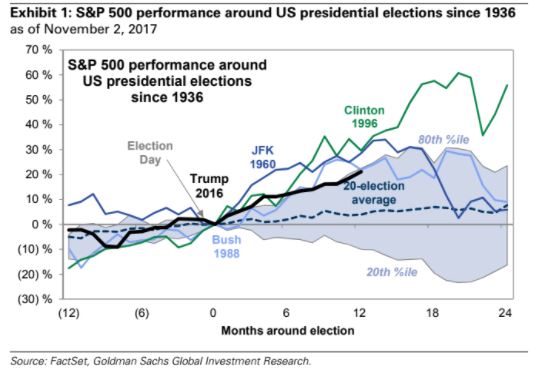
A comparison of different US presidents and their impact on the stock markets
What investors should take from this
What patient investors should concern themselves with is the
long-term performance’s ability to smooth out returns within diversified
portfolios to capture the better performing market trends over those periods
relative to the market benchmarks.
Watching each and every peak and trough during market
disarray with sensationalist vigour of Sky News or Investment Daily is not the
answer unless you are momentum trading, stockbroking or actively trying to time
the market for the next 15% drop in Tesla to purchase more shares.
There may be such thing as a straw that breaks the camel’s
back, but the correction in markets will be caused by many factors when it does
eventually come. This is not to say there is not opportunities out there, as certain
world markets look decidedly undervalued, especially Asian opportunities,
specific emerging markets and the UK economy, despite the global put. In other
words, the places everybody else is cowering away from.
It remains consistent that US equities remain significantly
overvalued above long-term averages, with valuations being allowed to sail past
reason, e.g. FAANG stocks and the tech sector generally.
The Fed is finally addressing the base rate zero lower bound
concerns surrounding a liquidity trap with their rate hikes. In spite of Trump’s
huffing and puffing postulations about a Fed ‘gone loco’, the rate rises have
long since been overdue, and a return to interest rate normalisation would hopefully
put a cap on inflationary spirals and better prepare for the next market crash.
While the trade war, tax cuts and rate increases in an
overheated economy have been precursors for the market retreat, Trump may well
be spot on about craziness, but perhaps not at which door he lays the blame.
As part of Manchester Literature Festival, Mohammed Hanif spoke to Steve Dearden about his writing and his third novel Red Birds. Dearden started the evening by asking Hanif about his “stretching of reality”, a resonating theme throughout his books, beginning with his debut novel of 2008 “A Case of Exploding Mangoes” – an alternative and fictitious take on the demise of the Pakistani military leader General Zia ul-Haq. Hanif responded to this apparent “stretching” by referring to the recent disappearance of the Saudi journalist, Jamal Khashoggi, from the Saudi Embassy in Istanbul.
“Is that pushing reality or is that our reality?”
Pinpointing the inherent strangeness of our times, Hanif’s background as a journalist, and previously head of the BBC’s Urdu Service, makes complete sense: Pakistan’s complicated history and present can in some ways only be captured by someone who is analysing these complicated events as they unfold. A Case of Exploding Mangoes won him breakout success, leading him to winning the Commonwealth Book Prize and being shortlisted for the Guardian First Book Award and the Man Booker Award. Alongside his established career as a novelist he has gained a regular opinion column in the New York Times and has also written for the Washing Post as well as the New Yorker. His is a fresh and critical voice which captures the thoughtful Pakistani intellectual and his opinion pieces have covered everything from India-Pak relations to the perils of making the perfectly round roti.
Whatever the subject matter, he is an authority on Pakistan, not by default of being Pakistani, but by commenting on realisms from an insider’s perspective and where appropriate layering it with comedic effect. And this is what Hanif represents as a writer, a dazzling story spinner from a precarious post-9/11 Pakistan touching on the strangeness of the stories around us. He spoke of the daily grind of journalism and his secretly held dream of becoming a writer. He tells the audience that his MA in writing at the University of East Anglia taught him that there was no shame in wanting to be a writer and it “it is not something you have to do in a closet.” Most of all he learned that nothing in his writing is sacred, and that one must engage with one’s own work by taking a red pen to it.
Hanif has many things to say about writing, Pakistan and the world. And so does Red Birds. Told from the point of view of a shot-down American pilot, a 14-year old boy living in a refugee camp and a dog. The novel maintains the comic element of the previous two books but directly addresses phenomena of the “camp” the humanitarian tragedy and the broader ineptitude of foreign and local intervention in curtailing the root causes of displacement.
One of the defining aspects of Red Birds, is that it is set nowhere. Hanif admits that with the first two novels firmly set in Pakistan he purposefully didn’t want to add local colour to the third novel but rather highlight the perception that somehow camps are not real places and the collusion we have with that. The book also infuses some of the personal and public tragedies Hanif was experiencing at the time which he sees as “seeping into the book”. Tragedies which include the dying and killing of close friends as well as reporting on forced disappearances; the kidnapping of young boys by the intelligence services and the families who stage protests with placards asking the state “What has happened to my boy?”
Now a regular at literature festivals, and especially in Pakistan, he has tried to brooch the subject with audiences but found it was met with apathy or upset and sometimes even outrage. And this is another dimension of Hanif which sets him apart from the other English-language Pakistani authors, his realism extends beyond the urban, English-speaking middle class. Hanif takes pride in his Punjabi background and now holds a bi-monthly Punjabi language current affairs vlog.
“I’ve been a journalist for around 25 years, in my family and village nobody had read anything I had written…but with this Punjabi blog…everybody has seen my journalism. By doing it there is no wall between my audience and me…I am quite thrilled…I feel smug about it.”
One can’t help feeling smug on behalf of Hanif, especially as his future projects consist of an opera based on the life and death of the late Benazir Bhutto. Lauded as one of the freshest voices coming from Pakistan, one also can’t help thinking if Hanif had continued to write with shame in a closet. The world and naya (new) Pakistan certainly needs an original and envelope-pushing voice to make sense of it. After all, story-telling is a basic need he tells the audience.
Homera Cheema is a writer based in Manchester. After some years working in aid in the UK and in field missions she is now undertaking an MA in Creative Writing at Manchester Writing School and writes reviews on author events, books as well as articles.
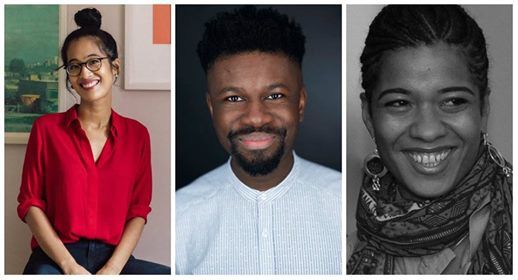
As part of Manchester Literature Festival, Naomi Frisby hosted a conversation with three strong writers at Waterstones Deansgate on 8 October: Elaine Castillo, Michael Donkor, and Olumide Popoola. The writers’ diverse backgrounds are as variable as the content of their novels and reasons for writing.
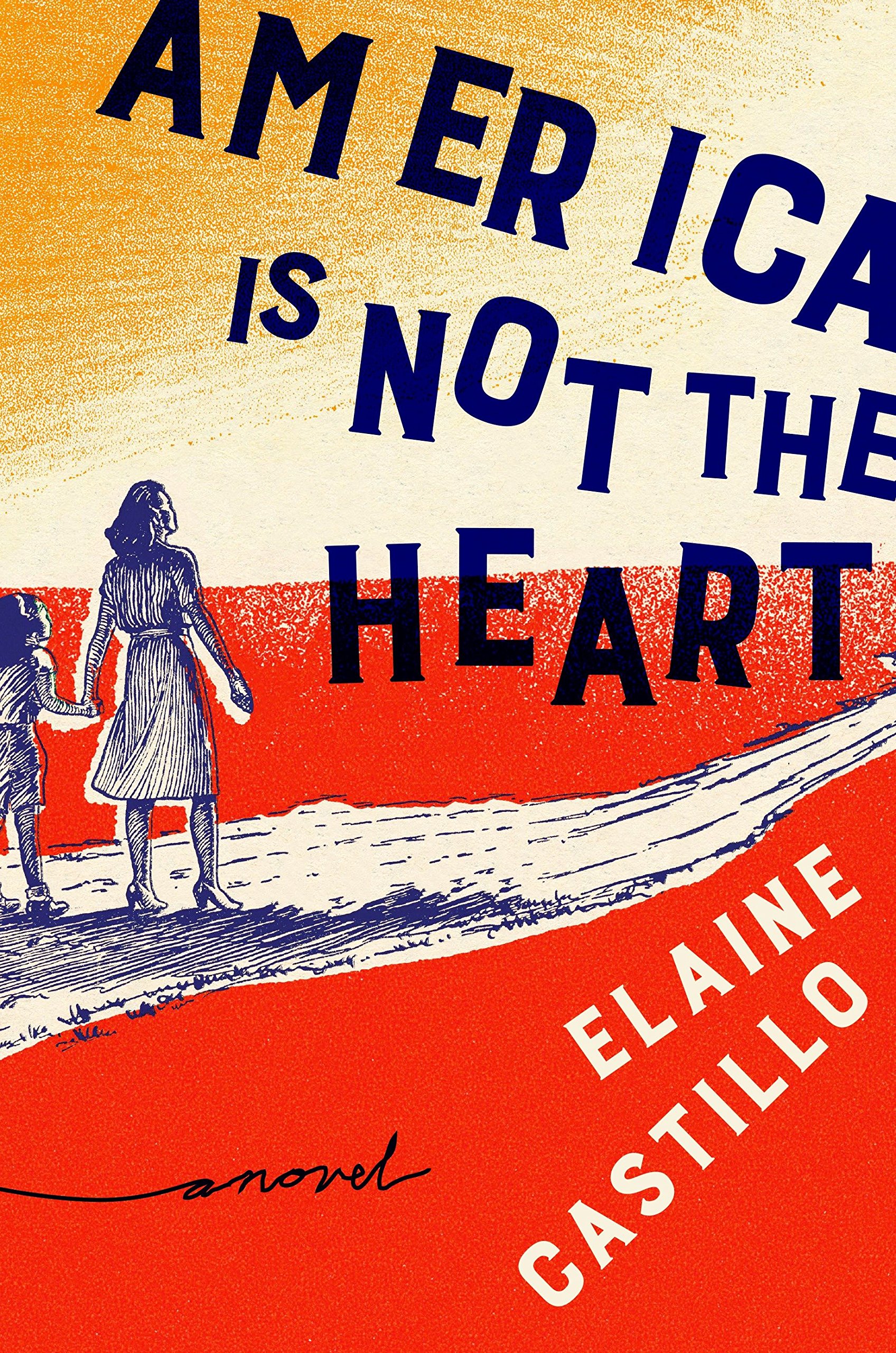
For starters, Castillo is a Filipina American whose debut novel, America Is Not the Heart, tells the story of Hero De Vera, a Filipina woman who, in her 30s, is already embarking on her third life in as many decades: as an undocumented migrant in the San Francisco Bay Area. Her prior two existences include being a comrade within the New People’s Army and being the daughter of upper-middle class parents in the Philippines. Hero attempts to grasp at the straws of home in her new Californian context when living with her uncle and aunt, surrounded as she is by the weight of history. Castillo’s description of the text and the issues it grapples with, as well as the tantalizing excerpt she read during the event, left audiences wanting a taste for more from this talented writer and effective speaker. Her desire to attend to the “interstitial tendernesses” of life contributed to a thought-provoking evening. America Is Not the Heart was longlisted for the 2018 Center for Fiction First Novel Award.
Alongside Castillo was Michael Donkor, born in London to Ghanaian parents. His debut novel, Hold, uses as its point of departure the experience of Ghanaian houseboys and housegirls who serve wealthy urban families. Donkor drew inspiration for the subject matter from his experience of spending childhood summers in Ghana, which he channels into a transnational novel that sees main character Belinda uprooted twice: once from her village to Kumasi, and then once again from Kumasi to London in an effort to serve as an example for once-exemplary-and-now-wayward teenager Amma. But in doing so, Belinda must leave behind her close friend Mary. Donkor’s writing effectively captures the fusion and confusion that is London in the early 2000s through Belinda’s excitedly observing eyes, intertwining her experience of that newness with the possibility of friendship. Donkor gave weight to every word that he set onto the page, so it’s no surprise that he is one of the Observer’s 2018 New Faces of Fiction.
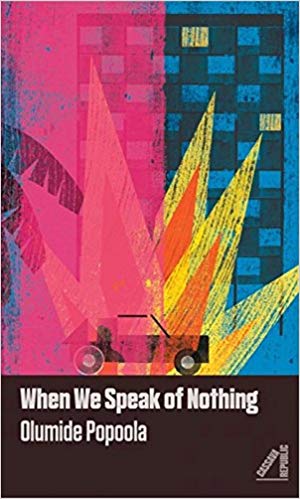
Last but certainly not least was Nigerian-German writer Olumide Popoola, whose debut novel When We Speak of Nothing was similarly transnational. At the center of the book is a friendship and relationship between Karl and Abu in London, one that is tested and deepened when Karl goes to Nigeria’s Port Harcourt to meet his father, a man he never knew. While there, he befriends Nakale, an environmental activist, and is welcomed by Nakale’s networks despite Karl’s transgender identity. Meanwhile, Abu finds himself in the midst of the 2011 riots triggered by the murder of Mark Duggan, requiring Karl to race home. Popoola’s weighty writing style that emphasizes silence and her interest in the tenderness with which young men often relate to one another means that her novel couches the complex intersection of blackness, queerness, and youth in clearly written and effectively articulated contemporary slang.
Frisby’s task — of finding common points of departure with which to usefully think through these diverse texts and authors — was unenviable. Yet she did so with aplomb, asking probing questions that linked the novels along lines of sexuality, home, friendship, and transnationality. Each of the authors were thoughtful with their responses, recognizing that their starting points were different and could not usefully be characterized as based on a coming-of-age motif, even if their novels’ main characters were all growing up in some way. All three authors constructed complex worlds that took to heart Castillo’s call for more work that emphasizes the banality of everyday life, over and above social categories and identity markers that characters may inhabit. The only drawback of the evening was the lack of time, for each one of these incredible writers could easily have been the subject of an event all on their own.
Asif Majid is a scholar-artist-educator who researches, teaches, performs, and makes work at the intersection of performance and politics. He is pursuing a practice-based PhD in Anthropology, Media, and Performance at The University of Manchester, earned an MA with Distinction in Conflict Resolution from Georgetown University, and graduated summa cum laude and Phi Beta Kappa with a self-designed BA in Interdisciplinary Studies from UMBC. Performance credits include work with The Stoop (US), the John F. Kennedy Center for the Performing Arts (US), Convergence Theatre (US), Royal Exchange Theatre (UK), Unity Theatre (UK), and Action Transport Theatre (UK). He is an inaugural Lab Fellow with The Laboratory for Global Performance and Politics, and can be found online at www.asifmajid.com.
Civil partnership is a term usually associated with same sex couples It was, until 2013, the only real option for same sex couples for legalising the status of their relationship. 2013 was when same sex marriage was legalised in the UK. Fast forward five years and something new has been brought onto the market. Civil Partnership is back, but this time for mixed couples too. Most instant reactions are questioning why. If civil partnerships have the same legal rights as a marriage, then what’s the point?
It could be that marriage can be seen to be religious. Whilst the UK is considered a Christian country, in this day and age we are in reality, in a melting pot of varying religions. Though 50 years ago, the majority of White Britain would have identified as committed Christians, now, there seems to be a growing number of atheists or at the very least non-practicing Christians.
Ms Steinfeld and Mr Keidan accidently become campaigners for the civil partnerships for mixed sex couples. Having had 130,000 people sign their petition after a four-year campaign, they tasted success when The Supreme Court ruled in their favour this year. The implementation of this will not come into action until 2019 in England and Wales, but for them it certainly is a step in the right direction.
To get a real understanding of why civil partnership has become available to mixed couples, we have to look at the legal differences between cohabitation, civil Partnership (for both mixed and same sex couples) and marriage in the UK.
What is a Marriage?
Marriage has varying definitions across the world and in different cultures. It is commonly seen as a social and ritualistic union between two people. It establishes obligations between the spouses and resulting children (whether biological or adoptive) and other extended relatives. When getting married you can choose between a civil or religious marriage. There are however some religious marriages that will not be recognised without a civil marriage. If you have a joint bank account, the money becomes joint property regardless of who puts money into the account, which becomes important on death of a spouse or on separation on the couple. Marriage also effects parental responsibility for example If you are the husband of child’s birth mother you automatically have parental responsibility.
What is a Civil Partnership?
Civil partnerships were introduced to give same-sex couples a way of obtaining similar legal and financial security, that marriage did. To my amazement this has only been a legislation since 2004, and in 2013 new legislation allowed the choice of marriage in England, Wales and Scotland. Unlike marriage, you cannot bring a civil partnership to an end until it has lasted for at least one year. Much like a marriage the same banking rules apply to civil partnerships. Civil partnerships also allow the exemption of inheritance tax.
Why Civil Partnership Over Marriage?
Religion was the main reason people were against marriage, and yes that is certainly true for many people are getting married outside of a church, minister or the traditional Christian values. But even then, religion couldn’t be the sole or even the most important reason to want civil partnership, surely. As I began to investigate it began clear people had issue not only with the religious link but the legacy of gender imbalance and roles which were routed with the traditions of marriage. Many women and men don’t like the idea of marriage because of the sense of ownership that comes with it.
When dissecting the rituals, it’s easy to see why people think this. Firstly, the suitor must ask for permission from the bride’s father for her hand in marriage and in many traditions a price for the bride is agreed upon; in my own culture this is called lobola. From the modern perspective the idea of transferring ownership from father to husband, certainly seems archaic. The bride as a prize makes it almost seem like the women is a commodity being purchased. This ideology of transfer of possession can be interpreted within wedding in the ceremony itself, when the father walks his daughter down the aisle “to give her away” to her future husband.
Within the marriage, historically, the husband is the head of the house and decision maker and the sentiment of a wife respecting her husband trickles down as friendly advice from mother to daughter and other female elders. An example of this sense of ownership is shown in the form of marital rape only coming into existence in recent years. Historically, as a woman you were obliged to provide your husband with sex, without consent from the other spouse being strictly needed. Currently, in modern laws, consent is essential and whether non-consensual sexual intercourse happens violently or non-violently it is considered marital rape. Whilst respect of one another is certainly good for a union, the emphasis on the woman in the marriage to uphold this rather than the man is an example of the gender inequality and imbalance which many modern couples see only civil partnership can resolve.
The Steinfeld-Keidan couple argued saying that “the legacy of marriage … treated women as property for centuries…we want to raise our children as equal partners and feel civil-partnership – a modern, symmetrical institution – sets the best example for them”
With this to consider, you would think just not getting married would be enough.
Wrong; whilst marriage may not be an option for many, simply living together isn’t either due to the lack of clarity of legal status cohabitation comes with.
Rights As Cohabiters
Living together with a partner sometimes referred to as cohabitation doesn’t actually have a legal definition. Many couples are disappointed on separation or death of partner to find they don’t have many if at all any legal, financial and parental rights. Civil partnership and marriage offers legal securities which cohabitation does not. At best a cohabitation contract can be formed outlining obligations and rights of each partner, but there isn’t clarity about whether this can be legally enforced. In terms of finances if you have separate accounts, neither has access to each other’s accounts. If you have joint accounts however, the money belongs to both of you. If only one of you however, has deposited money then it becomes difficult for the partner who hasn’t, to claim any of money – which differs to marriage and civil partnership where you are entitled regardless.
For me, I don’t necessarily see marriage the way many modern millennials do (perhaps I’m too much of a traditionalist). Some of the rituals dating back may very well be archaic for this time and age, but I choose which aspects of marriage I wish to celebrate and since there isn’t an exact set of rules, I see no problem in exchanging out of date traditions for ones that suit me. Nonetheless having the option for civil partnerships certainly makes sense and allows those not for marriage, an incredibly important thing; choice.
For more information on the differences between marriage, civil partnership and cohabitation then visit the citizens advice website
Tanyaradzwa Mwamuka is currently studying Biomedical Sciences at the University of Manchester and hopes to pursue a career science communication, media and African development. She is a lover of fashion, travelling and has a keen interest in racial- social issues. She enjoys learning languages, being fluent in two and is currently adding Spanish to her resume.
A Brexit deal could be secured within two weeks, the Irish prime minister has said, as negotiations over the backstop agreement intensify in the run-up to crucial European Council summit later this month.
EU negotiators echoed these same sentiments at a behind-closed-doors meeting to diplomats in Brussels last night, according to Reuters. It comes hours after Ireland’s Prime Minister Leo Varadkar raised hope of a breakthrough in the next fortnight – ahead of a crunch Brussels summit on October 17th.
It's a good day for Brexiteers: – Donald Tusk asks for a Canada +++ Brexit deal [but NI needs to be sorted] – Irish PM Leo Vardkar suggests a deal could be done in mid-November – Big Ben will heard tonight in Parliament Square for the first time in 15 months
Leo Varadkar, the Irish Taoiseach, said he wants to “get down to business” and resolve the Irish border impasse that has so far prevented Britain and the EU negotiators from reaching a final deal.
Speaking in Brussels on Thursday, Mr Varadkar said that he was “very keen” to see a deal reached by November, providing it works in the interests of all parties.
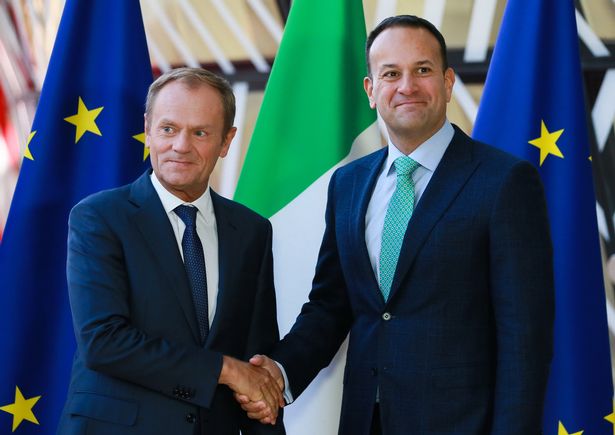
Leo Varadkar (right) raised hope of a breakthrough in the next fortnight – just as Donald Tusk (left) threw a spanner in the works (Image: REX/Shutterstock)
He said “I think we are entering a critical and decisive stage of these negotiations and there is a good opportunity to clinch a deal over the next couple of weeks,”
But Mr Varadkar warned it could take longer than the transition period to December 2020 to agree a final EU-UK trade deal. Today the Irish Government urged Mrs May to bring forward her proposals to break the deadlock over the Northern Ireland border.
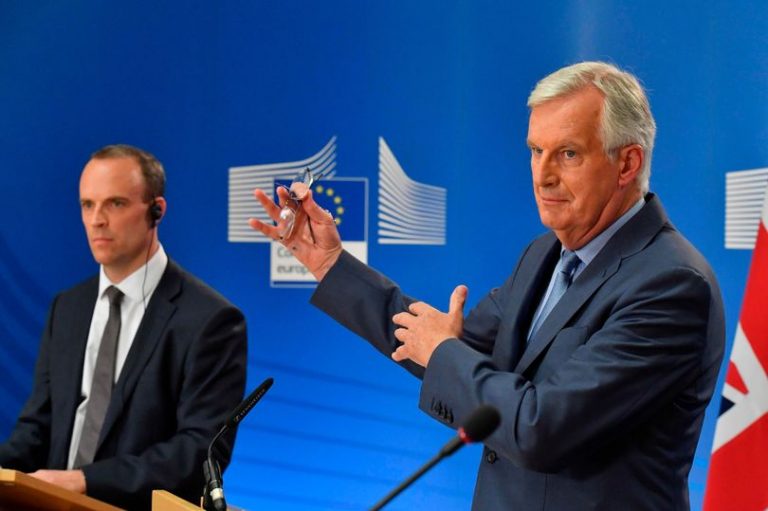
This comes just hours after European Council President Donald Tusk threw a spanner in the works by appearing to back a Brexiteers’ ‘Canada Plus’ plan – that critics say would not solve the border puzzle.Meanwhile the EU’s chief negotiator Michel Barnier meets the main parties in Northern Ireland in Brussels today in a bid to break a deadlock over the Northern Irish border.
What Is The Irish Border Issue?
There are two different but related elements to the deadlock in Brexit negotiations over the Irish border: the “backstop”, which is an insurance policy that Ireland wants to ensure the border remains completely open to trade, people, and services in the event of no deal; and the second set of negotiations on the future relationship between the UK and the EU and therefore Ireland.
Why Is There A Gridlock?
The UK and the EU agreed at the end of the first phase of Brexit negotiations in December that there would be regulatory alignment between both parts of the island of Ireland in the event of no deal.
That same December deal was struck and then undone after objections by the Democratic Unionist party (DUP), which had not been consulted. To placate their concerns that Northern Ireland would, post-Brexit, be treated differently, Theresa May also agreed there would be “no regulatory barriers” in the Irish sea. This immediately sowed the seeds for an insoluble problem unless the UK struck a deal which involved remaining in the single market and the customs union, both red lines for the prime minister.
What is the EU’s position?
The EU has proposed legal text that establishes “a common regulatory area” between Ireland and the UK in Northern Ireland, in other words a special deal for Northern Ireland.
What About The UK?
Theresa May is fully signed up to the need for a backstop and no infrastructure on the Irish border, but has pledged not to leave Northern Ireland in a different regulatory territory to Britain, something she says amounts to a physical border in the Irish sea which no Prime minister could accept.
Following the latest round of talks, the Irish Prime Minister revealed he was hopeful a deal on the Northern Ireland border can be done in two weeks.
Delighted to meet again w/ Taoiseach @campaignforleo. We are in the final stage of the #Brexit negotiations & working hand-in-hand w/ the Irish gov. To agree to any deal, we need to have a legally sound backstop solution for Ireland and Northern Ireland ???? pic.twitter.com/WloOJECcum
It's a good day for Brexiteers: – Donald Tusk asks for a Canada +++ Brexit deal [but NI needs to be sorted] – Irish PM Leo Vardkar suggests a deal could be done in mid-November – Big Ben will heard tonight in Parliament Square for the first time in 15 months
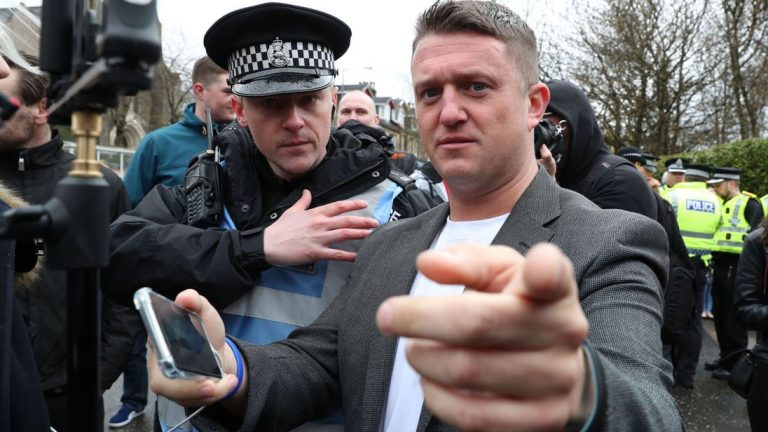
On the 28th of September 2018, known right-wing provocateur, Tommy Robinson was invited to appear on Sky TV, an international media channel to shine a biased and negative light on the one group he loves to hate; Muslims.
The Interview
https://youtu.be/iYA3Wyes6As
Tommy Robinson’s Interview with Sky News
Why Is This A Problem?
Robinson’s supporters will say that he is using his right to freedom of speech and expression, as set out under the Human Rights Act 1998. However, whilst this is true, he is also further sowing his agenda of hatred, division and islamophobia onto the British people against Muslims, something he doesn’t seem to care about.
During his
interview, Robinson made it clear that he does not care if his message ‘incited
fear’ of Muslims. Yet according to the Racial and Religious Act 2006, stirring
up hatred against an individual on the basis of his/her race or religious
background can land a person for up to seven years in prison. http://www.legislation.gov.uk/ukpga/2006/1/introduction
The words and
actions of Robinson is not the work of a delinquent or football hooligan but
can have a much deeper impact. For example, last year’s Finsbury Mosque attack
terrorist, Darren Osborne, appears to have been inspired by right-wing
material, including that of Tommy Robinson. With this in mind, why should we
not hold Robinson in the same ‘’esteem’’ as hate preachers like Anjem Choudary,
Abu Hamza, Abu Qatada and many others. Why he is not held in this regard and
why the media continues to provide him with a platform is beyond me? There is
no rational basis for such people to be allowed to negatively impact society.
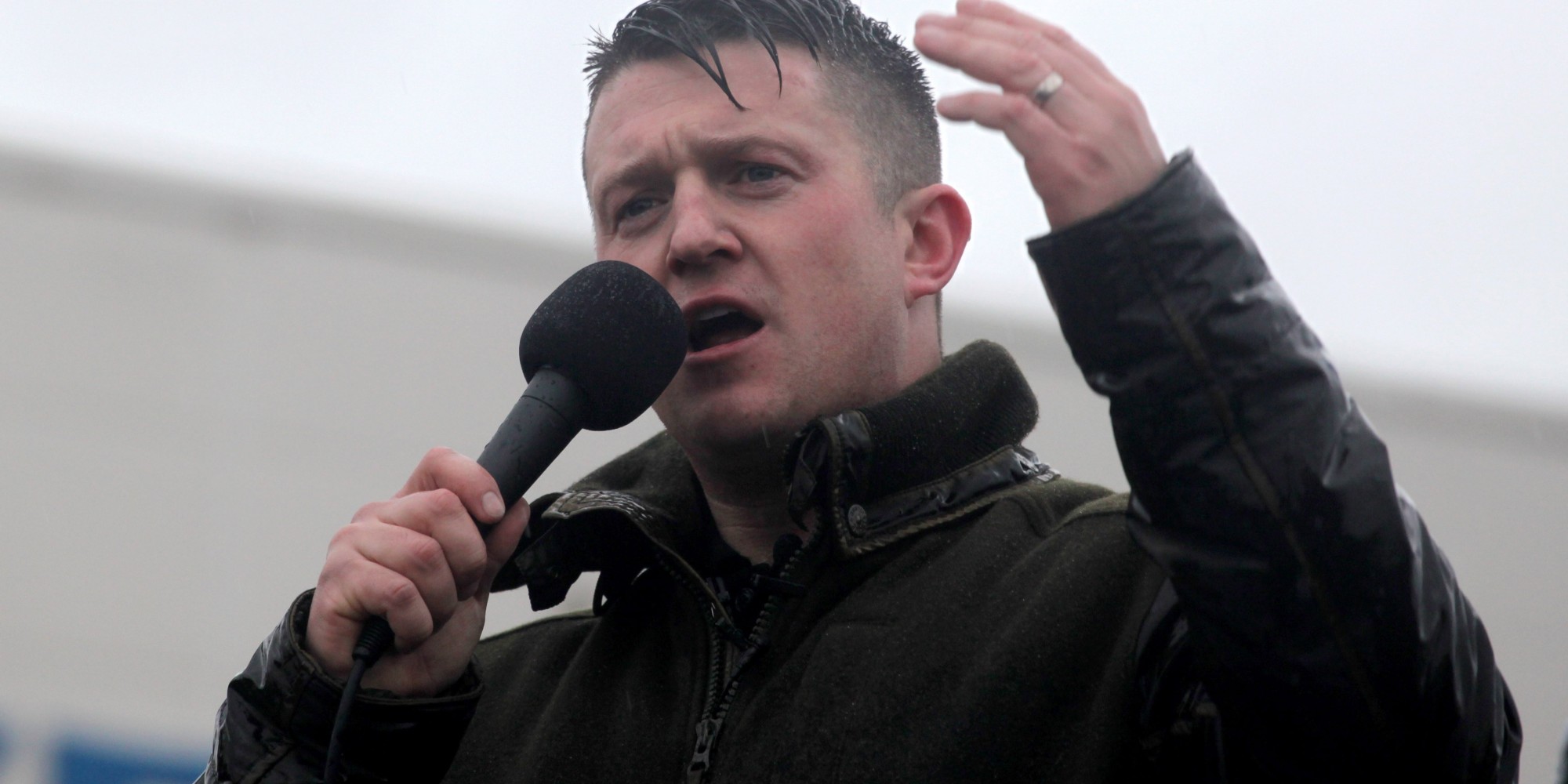
BIRGMINGHAM, UNITED KINGDOM – FEBRUARY 6: Tommy Robinson, former founder of the English Defence League, addresses the crowd during the ‘silent march’ organized by Pegida (Patriotic Europeans against the Islamisation of the West) UK supporters in Birmingham, England on February 6, 2016. (Photo by Lee Harper/Anadolu Agency/Getty Images)
Rising above the atmosphere of hate and division, is UK-based Hazrat Mirza Masroor Ahmad, the fifth Caliph of the Ahmadiyya Muslim Community. On the subject of the role of the media in fuelling hatred, he said ‘‘there is no doubt that the media plays a huge role in influencing public opinion and so the media should use this power responsibly – as a force for good and as a force for peace.’’ He further argues that ‘‘Publicity is the oxygen sustaining most terrorist or extremist groups’’
The media possess a vast amount of power and Tommy Robinson was, and will no doubt continue to be, given the opportunity to speak his mind and gain more support for his cause, by speaking on National media platforms, which indirectly legitimise his cause.
Through fair and ethical reporting, the media, unquestionably, has power to change the narrative and present the public with a more accurate lens through which it can view society. However, on this occasion, as we are increasingly seeing, large swathes of the mainstream media have sided with the far-right and fed into their propaganda by spreading their material on National television.
Umar Zeshan Bhatti is currently studying Law and is interested in Human Rights. He is trying to challenge the negative perception of Muslims in the media and he is part of the Ahmadiyya Muslim Youth Association. Follow him on Twitter @UmarZBhatti97
Lohan Tries To “save” Children From Being Trafficked
Have you ever wondered what you would do when faced with a serious moral dilemma? For example, what would you do if you thought you saw some children being kidnapped and you were certain that those children were about to be trafficked? Well, look no further because Lindsay Lohan has answered the question for us all.
Lindsay Lohan
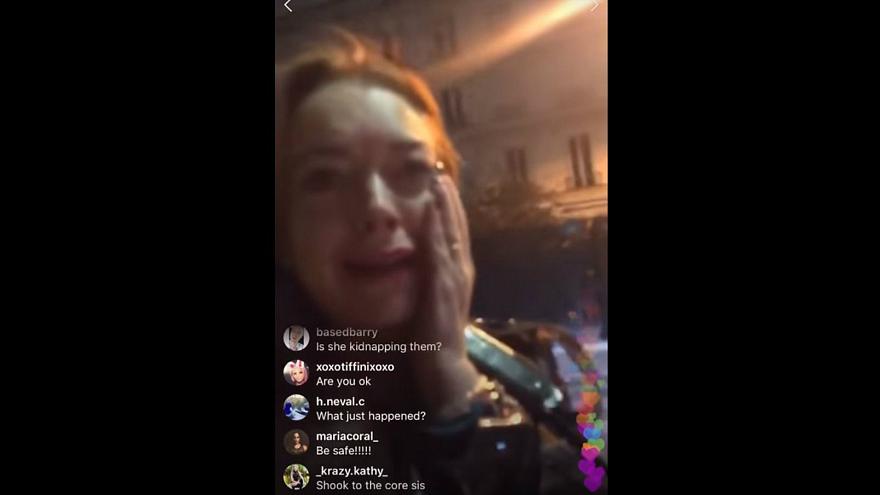
The 32-year-old actress was in Moscow when she took to Instagram Live to show people a family that she had met. In doing so, Lohan introduced them as a Syrian refugee family that she was concerned about. Whilst still on Instagram Live, Lohan started asking the children if they wanted to come with her and saying that she would put them in a hotel. Lohan went as far to say “Do you want to watch a movie? It would be so cool to watch a movie on a TV or a computer”.
The actress was still streaming so some of her fans were sending concerned messages whilst others were more concerned about the fact that Lohan seemed to have adopted a new accent whilst she spoke to the family. It seemed as if she was “attempting” to put on a Syrian accent, whilst speaking English.
Of course at this point, the parents of the children declined her offer and the conversation took a nasty turn. Suddenly Lohan decided that the mother had been mistreating the children. She told the mother “You should not have them on the floor. You should be a hard working woman and you should be doing what you can for your children so they have a better life”.
She went on to say that “if someone is offering them a home and a bed, which is me at the moment, give it to them. They will come back to you”. When it became clear that Lindsay would not leave the family alone, they decided to move from where they had been set up in order to get away from her.
Unfortunately, this didn’t deter Lohan and instead she followed the family shouting down the street that the parents were taking the children away in order to traffic them. She followed them, still recording her live video and was telling them that what they were doing was “ruining Arabic culture” and that “the whole world” was seeing what they were doing.
Eventually the mother appeared to have enough. The situation appeared to turn physical with it looking like Lohan was either slapped or pushed and then she turned the camera on herself whilst holding her face as she said “I’m in shock.”
Her long-time publicist Hunter Frederick is flying to Paris to check in on her as sources are speculating that Lohan’s sobriety may be in question.
Let us all learn a lesson from Lindsay Lohan and understand that whilst there is a time and a place to be a good Samaritan, there is also a time to mind your business.
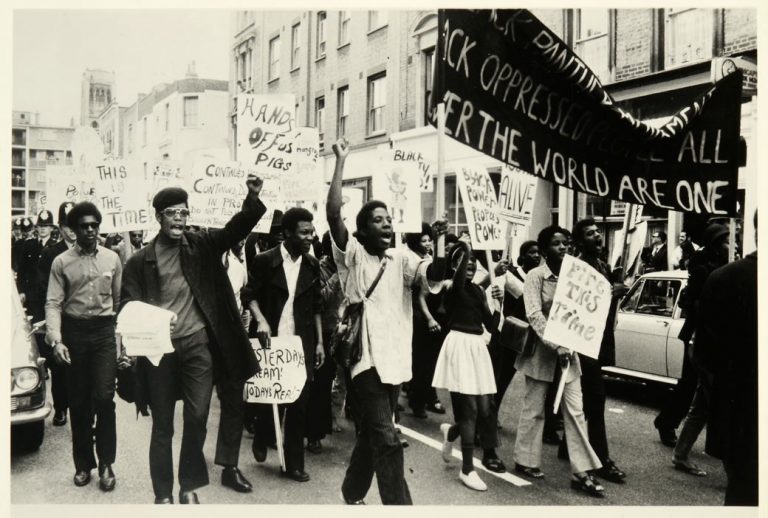
October is known as the month of autumn, the fall, whether that be of leaves falling from branches with weakening grips or possibly traditions of celebrating black history. Could the start of the end of summer also be the start of the end of a month celebrating the political, cultural, economic and social contributions black people have made to the United Kingdom?
Black History Month’s origins are planted in the US during the late 1960s to early 1970s. Carter G. Woodson, a student studying for his masters at the University of Chicago and at a PhD at Harvard University and during the course of his studies realised that black people were greatly underrepresented in the country. Shortly after this revelation, in 1969, him and his associate Jesse E. Moorland started the “Association for the study of Negro Life and History” (which is now called Association for the Study of African American Life and History).
As of recently, a rebranding of Black History Month becoming “diversity month” has been suggested and pushed by several councils and establishments. It is wrong to incorporate different cultures into a highly inclusive month of ethnic historical celebrations? Here’s why.
Black History is already large, diverse, multilateral and rich. One month is already not enough.
In schools in the United Kingdom it seems as though black history (and studies including black people at all) starts with slavery and ends with civil rights, sparing not much detail of many events in-between prior and post. Perhaps there will also be some extra research done on Windrush and migration into the country in the seventies/eighties. All in all the range of black history (in its entirety) taught in the national curriculum is sparse.
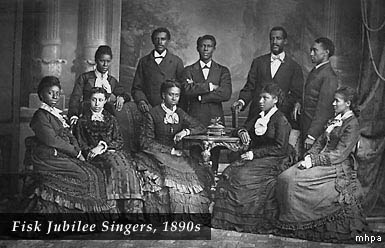
The current UK system fails to acknowledge the presence of black people in the country prior to World War One and very rarely addresses that African and Caribbean people have contributed to many aspects of our present through philosophy, music, architecture, literature, art, science, the list goes on and on.
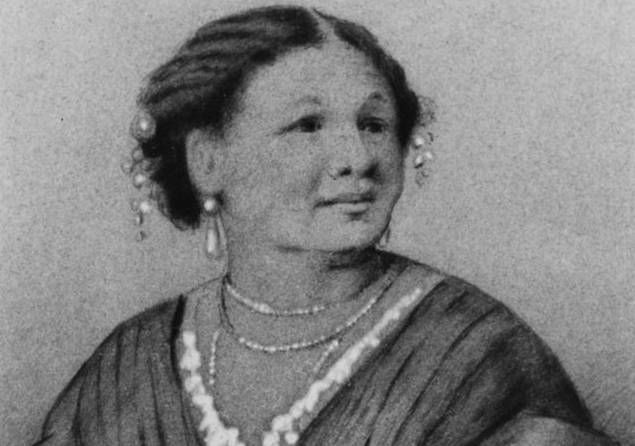
Black History month creates a space where black history can be discovered, observed and honoured in all its glory. Speaking from personal experience, I wouldn’t have known the importance (if it weren’t for the month) of Mary Seacole, a black Jamaican pioneering nurse who is known for her work in aiding the wondered during the Crimean War; Sarah Forbes Bonetta the adopted (or argued as the bought) blackgod daughter of Queen Victoria; Dido Elizabeth Belle a black British heiress in the 1700s and many, many more who display that black British presence precedes the 1900s and Windrush. Black history obviously expands past Britain and exists in other countries of Africa, Asia and almost every part of the world.
Mary Secole
Already black history is greatly varied, so to lessen the purposeful studies of the race in this month would be doing a great disservice.
What Is Diversity, Exactly?
Firstly, this supposed “diversity” month doesn’t acknowledge what diversity actually is. Is it just different races and cultures? What about people of different religions, classes, abilities, sexualities, genders the list goes on! So in order to create a true diversity month that is truly inclusive of the range of diverse people this country has to offer we would have to study and acknowledge each and every divergent group in the country in one month. Impossible? Absolutely.
However, let’s say the goal here is to just reduce this month into simply a month celebrating cultural diversity, those of different ethnic backgrounds. October, a month celebrating black people (African, Caribbean, African American, Afro-Latino, Black British, Afro-European… you may begin to see the point I’m making here) as well as Asian people (South and East), Middle Eastern and Arab people, and others from every other corner of the world’s achievements and history?
Instead of creating an all-inclusive history month, what the supposed “diversity month” does is lump different groups into a non-white subgroup, it’s non-white history month. The issue is that is purposely exclusive to people of colour instead of a black history month that is not only for black people to learn about their history but also a time where others can learn more about contributions of black people!
This is not to undermine the importance of other races in the world! Every culture should be celebrated, however as Dawn Butler MP of Brent Council puts it, there are eleven other months in the year that can be used to celebrate other interesting and greatly integral to our society histories’ of other ethnic groups. One doesn’t need to erase the celebrations of one group’s history to make space for another.
The Importance Of Representation
“If a race has no history, it has no worthwhile traditions, it becomes a negligible factor in thought of the world, and it stands in danger of being exterminated” ~ Carter G Woodson and Jesse E. Moorland
History is a bloodline, who you are, one’s identity. A tree with no roots falls, dies and withers away. Representation is important because without it, black presence is underrepresented, and underappreciated.
Shameful that the Prime Minister either doesn’t know or doesn’t care how many people from the Windrush generation lost their homes, their jobs, and were denied NHS treatment.@Theresa_May’s hostile environment policy is a disgrace and Labour will scrap it. #Marrpic.twitter.com/25AwBLuRBl
Earlier in the year the Windrush scandal plagued the news as Caribbeans who had been living here for the majority of their lives were stripped of their national identity and labelled illegal immigrants despite their great contributions to a post-World War Two Britain which was in dire need of their aid. Why? Because those who don’t know history, well, don’t understand how important Caribbeans have been to the country’s infrastructure and social development.
Music genres such as Rhythm and Blues, Jazz, Rock, Soul, Gospel etc. were all founded by black people but now is enjoyed but people of all different colours and ethnicities all around the globe!
A lot of the modern medicine and medicinal practises are thanks to the (non-voluntary) use of slave bodies used for practise surgeries, (without anaesthetics) so people training could study the human body. Even right now, where you are currently reading this article, the place might have been built by slaves or loosely based on similar structures built by ancient Egyptian slaves.
I could go on to talk of names and events by black people throughout history but really it is this month for you to be finding out more about black history, researching, exploring being inspired by the wealth of the past of les noirs.
So Who Exactly Is Opposing Black History Month?
Some local authorities are choosing not to mark Black History Month at all or prefer to call it Diversity Month. Reporter Valley Fontaine spoke to @DawnButlerBrent MP pic.twitter.com/4tGcNcK5yL
Several Councils such as Hillingdon Council in West London and Wansworth Council in South London have either decided to not participate, specifically, in Black History month or make it an all-inclusive “diversity month”. Statements have been made that they’d like to be more inclusive of all the cultures and ethnicities that represent the boroughs and have held events that aren’t restricted to one month like celebrating WW1 and 100 years of the royal air force (the latter paraphrased from Hillingdon and the former from Wandsworth). However, the irony is that the history celebrated is superbly white British-centric or in trying to be inclusive of all in one month they are minimising the very different achievements and histories by trying to squeeze so much culture and history into a twelfth of a year.
However, many people aren’t taking to this supposed black history month very well. Statements in retaliation are being made by people over twitter (i.e the general public), MPs such as Dawn Butler, and even well-known people such as Nikesh Shukla writer of “The One who wrote destiny” and editor of “the good immigrant”. This uproar is currently underway.
Also as it’s now October, it’s now Black History Month (not Diversity History Month or BAME History Month).
Of course, the goal in the future would be to have black history completely incorporated into the UK (and frankly every) national curriculum, for black history to be taught in schools, colleges and universities richly and densely so that Black History Month stands just as a remembrance of a time before black people were integrated into specifications and schools of study. But the UK is far from being a post-racial society and so Black History, just Black History (not colour month or let’s be inclusive of every single person in the world) Month stands as integral to the country for the foreseeable future.
Benedicta is currently studying Arabic and French at the University of Manchester and hopes to become a linguist and broadcast journalist in the future. In her free time, she enjoys learning about African development and issues to do with race, society and culture. Benedicta also takes pleasure in acting and travelling.
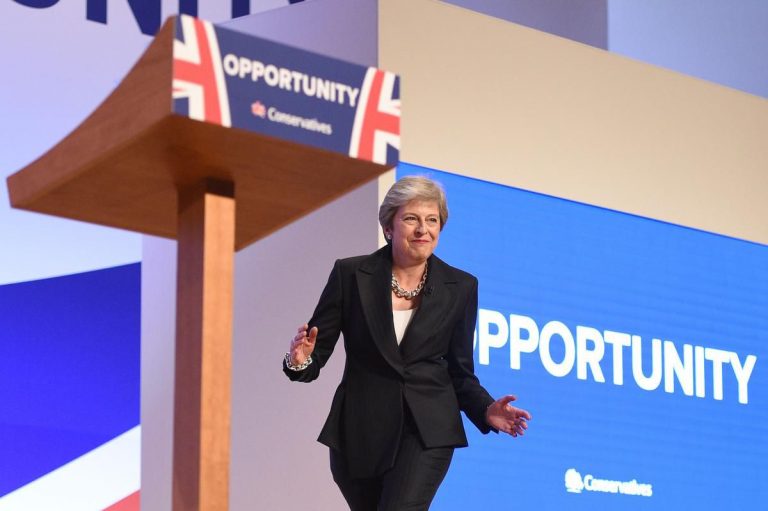
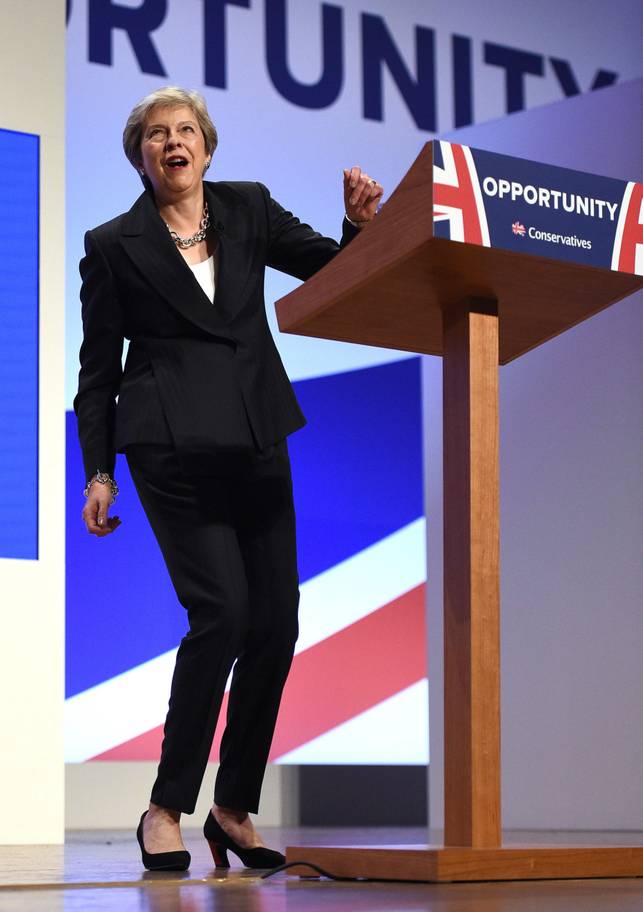
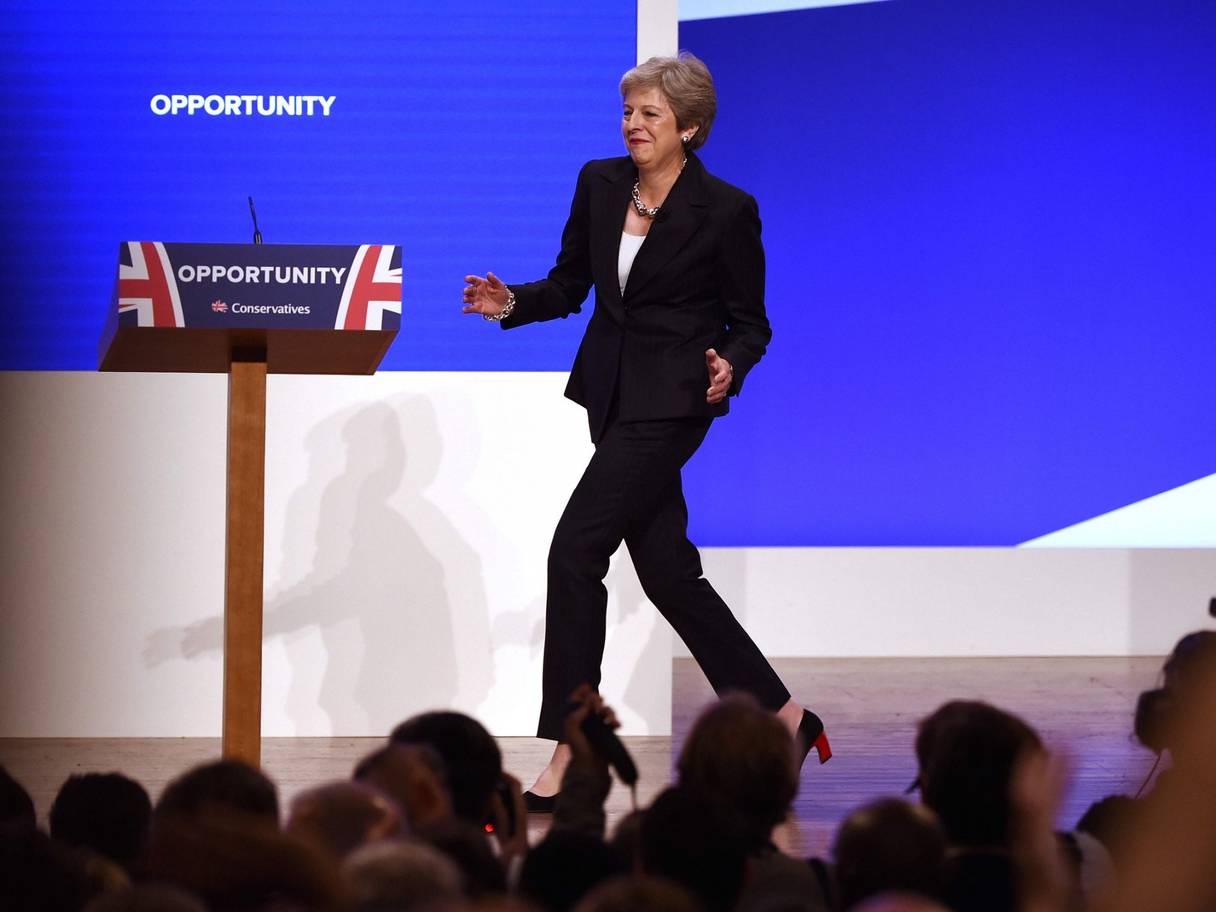
Today in her Conservative Party Conference speech, Theresa May announced a change in direction for the conservative government.
After a decade of contractionary fiscal policy on the back of the UK financial crisis, May explained today that the programme of austerity is “over”. She then said that after Brexit the government will boost investment in public services while continuing to reduce debt, a promise she has made before. May promised that “support for public services will go up” and called for the party to unite behind her Brexit plan.
She said people should know that “their hard work has paid off” and that the Conservatives would not allow “a return to uncontrolled borrowing” but that secure public finances “are not the limit of our ambition”.
The Times Are A’Changing
This announcement will be viewed by many as a major departure from conservative policy in recent years.
In a lengthy passage of her speech marked “end of austerity”, May told the conference in Birmingham: “We are not just a party to clean up a mess, we are the party to steer a course to a better future.
“Sound finances are essential, but they are not the limit of our ambition.”
“Because you made sacrifices, there are better days ahead.”
“So, when we’ve secured a good Brexit deal for Britain, at the Spending Review next year we will set out our approach for the future.”
She added: “Debt as a share of the economy will continue to go down, support for public services will go up.
“Because, a decade after the financial crash, people need to know that the austerity it led to is over and that their hard work has paid off.”
May warned “there must be no return to the uncontrolled borrowing of the past, no undoing all the progress of the last eight years” but added: “But the British people need to know that the end is in sight. And our message to them must be this: we get it.”
Two New Policies
She also used this speech to announce two new policies that will signal the end of austerity.
She said the government would scrap a legal cap that limits how much councils can borrow to build new homes – a move No the officials admitted would increase public sector debt.
May explained in her speech, “The last time Britain was building enough homes – half a century ago – local councils made a big contribution.”
“At last year’s conference I announced an additional £2 billion for affordable housing, but something is still holding many of them back.
“There is a government cap on how much they can borrow against their Housing Revenue Account assets to fund new developments. Solving the housing crisis is the biggest domestic policy challenge of our generation.
It doesn’t make sense to stop councils from playing their part in solving it, so today I can announce that we are scrapping that cap.
The prime minister also announced a new cancer strategy that will focus on early detection in a bid to improve survival rates.
It will be funded through the £20bn a year NHS cash boost that ministers announced earlier in the year. May said: “Through our Cancer Strategy, we will increase the early detection rate from one-in-two today, to-three-in four by 2028.
“We will do it by lowering the age at which we screen for bowel cancer from 60 to 50, by investing in the very latest scanners, and by building more Rapid Diagnostic Centres – one-stop-shops that help people get treatment quicker.
“This will be a step-change in how we diagnose cancer. It will mean that by 2028, 55,000 more people will be alive five years after their diagnosis compared to today.”
Labour said there would be no end to austerity as long as the Conservatives remained in power. Ian Lavery, chairman of the Labour Party, said: “While the country is crying out for real change, all Theresa May and her party offer are pinched ideas and tinkering around at the edges, relying on petty attacks to cover up their lack of vision.
“Austerity is not an economic necessity. It is a political choice made by the Conservatives to hack away at our public services and communities, leaving workers worse off while gifting huge tax cuts to big business. And as long as Britain has a Conservative Prime Minister, we’ll never see an end to austerity.”
In what has become characteristically common, Boris Johnson today renewed his attacks on the Prime Minister’s Brexit Strategy, the ‘Chequers Deal’ today. He ditched the newspaper columns and chose a much grander stage to make his case; The Conservative Party Conference in Birmingham.
What Happened?
Crowds packed into the auditorium to watch the speech delivered by former foreign secretary Boris Johnson at the Conservative Party conference in Birmingham. Some even queued hours before the event started. After weeks of attacks and dissent through newspaper columns, many expected Johnson’s speech to be the big peroration where he would confirm a future leadership challenge; they were not disappointed
Boris Johnson warned that Theresa May’s “cheat” Brexit plans would leave the UK in “manacles” and lead to the dominance of the far right and far left in British politics.
The ex-cabinet minister made the claims as he also launched a broader attack on the prime minister’s policies on Brexit, crime and taxation on the third day of Conservative conference in Birmingham. The speech in front of a packed-out hall of supporters has widely seen as a pitch for the support of Tory members, ahead of an expected leadership bid in the near future. His speech was wide-ranging, covering tax plans and house building goals however, the focus of the speech was Brexit where he more explicitly called for the government to ditch the Chequers plan that led to his resignation from the government in July.
He denounced the proposals – at one point suggesting the PM risked being prosecuted under a 14th century law saying that “no foreign court or government shall have jurisdiction in this country” – describing it as an “outrage”.
Big Blow
In his most stinging attack yet on Ms May’s plans for Brexit, he said: “What the Chequers proposals show is that the United Kingdom, for all its power and might and network of influences around the world, for all its venerable parliamentary history, was ultimately unable to take back control.
“And instead of reasserting our ability to make our own laws, the UK will be effectively paraded in manacles down the Rue de la Loi like Caractacus.”
Caractacus was a first-century British chieftan who led the resistance against the Roman Empire, but was ultimately defeated, captured and taken to Rome as a war prize.
The ex-foreign secretary went on to warn that Mschieftain May’s Brexit deal would embolden those who are campaigning for a second referendum and was a “recipe for further acrimony”.
He rejected as “total fantasy” the idea that it would be possible to “bodge” Brexit now and then negotiate a better deal after leaving in March 2019.
He said: “If we cheat the electorate – and Chequers is a cheat – we will escalate the sense of mistrust.
Mixed Reaction
Reception Even-though Johnson’s speech drew applause and favor from those in the room, It drew mixed responses from those outside the conference.
Here is some more comment on the Boris Johnson speech.
From the New Statesman’s Stephen Bush
Johnson’s speech was, from a technical perspective, v good I thought. But at-the the way he’s become a candidate perfectly-designed to win over Tory activists and no-one else: https://t.co/5d3sp59Xjw
From Sky’s Faisal Islam
An MP, Boris ally in 2016 asks me: “what was new in that speech??”. I say eg the words “constitutional outrage” re Chequers. He says Nothing. He carried that fringe room spectacularly – but it’s Tory MPs he needs to get him on any ballot.
From the Spectator’s James Forsyth
Fundamental problem for Boris, and those who agree with him, is what Bonar Law said almost a century ago: ‘The party elects a leader & that leader chooses the policy, & if the party does not like it, they have to get another leader’. But they don’t have the numbers to replace her
From Sky’s Adam Boulton
Boris Johnson’s #ConservativeConference fringe speech. PM style tour d’horizon packed with sly jabs at May (& Hammond) main purpose to undermine her Brexit Strategy. If it fails that’s his best chance to takeover
From the Observer’s Michael Savage
All things considered, that was on the tame end of the damage Boris could have inflicted. A repeat of Chucking Chequers, but an imminent leadership bid? Seems unlikely. More like prep work for an “I told you so” argument.
That was a very comprehensive speech and beginnings of a leadership bid from @BorisJohnson. Wide ranging with a clear case for conservatism, effective evisceration of Corbyn, lapped up by the crowd. His best speech in years. So if/when does the challenge to May emerge? #cpc18
From LBC’s Iain Dale
Just been to see the Boris speech. Utterly lacklustre. Nothing new. He just can’t make a good speech when he’s trying to be statesmanlike. Couple of good jokes, ritual ‘chuck Chequers’, but where was the beef? Still at the butcher’s shop… pic.twitter.com/mkJ2U8twK6
From HuffPost’s Paul Waugh
My take on Boris Johnson’s Big Speech. Be warned, includes a NSFW T-shirt slogan. https://t.co/yJqAaihp2m
The Uxbridge MP went on to warn that Ms May’s blueprint – which ties Britain to a common rulebook with the EU for trade in goods – would be “politically humiliating for a £2tn economy” and would prevent the UK from making its own laws and subject it to the directives of Brussels.
If 24 hours is a long time in politics, then 4 years may feel to some like a lifetime. Just think where we were in 2014. Donald Trump was most famous for being a television personality, while Jeremy Corbyn was an obscure backbench MP. ‘Brexit’, the single term that currently defines politics in the UK, would have held no literal or figurative meaning. Perhaps most eye-openingly of all, the Liberal Democrats were in government. Has it really only been 4 years?
The reason for this trip down memory lane is that in 2014 the main event on the political calendar was the Scottish independence referendum. Having been in power in Scotland for several years, the Scottish National Party (SNP) finally managed to force the government in Westminster to allow them an independence referendum. As with many other votes in recent years, the result was expected to be a foregone conclusion with Scotland likely to back remaining in the UK by a comfortable margin.
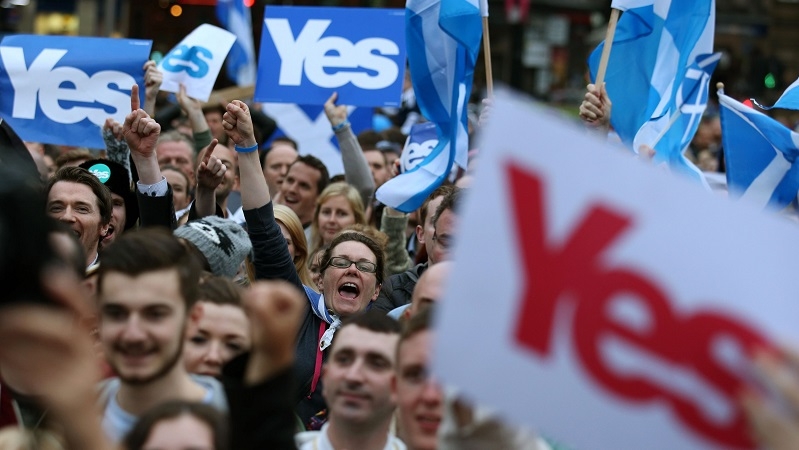
The ‘Yes’ campaign in favour of independence was ultimately unsuccessful, but not before it gave the UK government a genuine scare (Source: PA)
Though Scottish voters did opt against leaving, the margin of victory was only 55% to 45%, far closer than anyone expected. Despite defeat, the SNP had the wind in their sails as more and more people seemed to be won over to their cause. In the general election held the following year, they took 56 of the 59 seats available in Scotland. If all this was not enough, the Brexit vote seemed the perfect pretext for a renewed campaign for independence – the UK as a whole was dragging Scotland out of the EU against Scots’ own wishes. It appeared to many a potent illustration of Scotland’s unhappy subservience to the union as a whole. Another independence referendum seemed to be a matter of when, not if.
Fast forward a few years, however, and amidst the chaos of Brexit Scottish independence appears to have been put firmly on the backburner. The SNP, while still the biggest party in Scotland, has lost seats in both the Scottish and the UK Parliament, matching its declining share of the vote. Opinion polling is almost unanimous in showing Scots substantially opposing independence while plans for a second referendum have been shelved for the time being. Questions are being asked as to why, at such a key juncture, the SNP and its key issue are both losing momentum.
The answer to this strange case may lie, as politics often seems to at the moment, in the public’s ideas of elitism and anti-elitism. It is fair to say that a certain degree of Scottish identity (though certainly not all of it) stems from Scots’ perceived differences with the traditionally more powerful English south of the border, who historically have often tried to ride roughshod over Scottish interests. To their credit the SNP exploited these circumstances effectively, portraying themselves as the voice of the Scottish people, taking it upon themselves to stand up to an English ‘elite’ – in Westminster and elsewhere – unwilling to give Scotland its rightful say in how its own affairs are run.
This is all well and good, and is certainly among the reasons for the party’s success, but there is only so long any anti-elitist political grouping can remain in power before it begins to become an elite itself. After over a decade in power, the SNP seems, in the eyes of many Scots, to be turning into the kind of establishment party is has previously railed against. Indeed, throughout the recent years of political change in the UK, SNP leader and Scottish first minister Nicola Sturgeon remains one of the few familiar faces to have remained at the forefront of national politics, becoming a member of the establishment almost by default. In any democracy even the most formidable of political parties can only remain in power for so long before voters start to seriously consider the alternatives again.
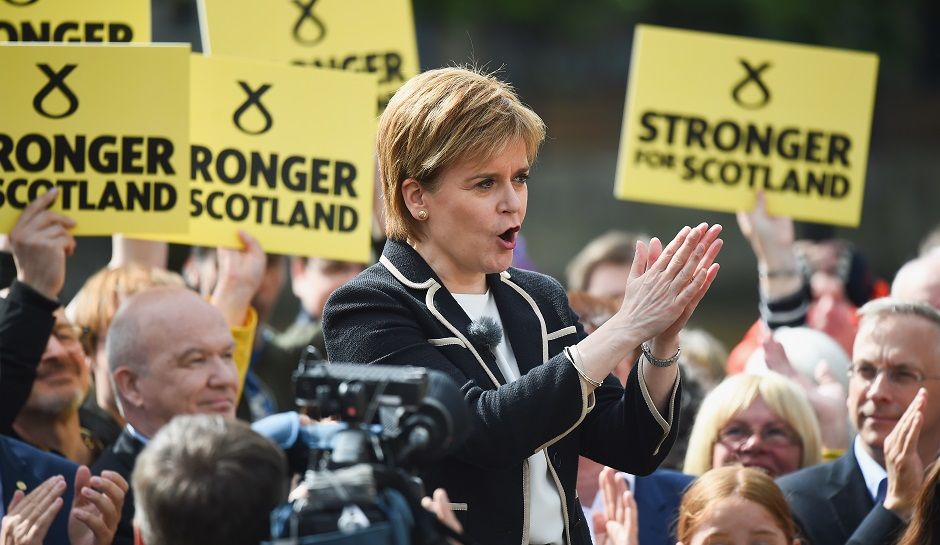
Nicola Sturgeon’s SNP suffered disappointing losses in last year’s general election (Source: Inquisitr)
At the same time, and partly as a consequence, the SNPs main competitors are gaining ground. Those backing an anti-establishment left-leaning party are increasingly being drawn back towards the Labour party, given its changing identity under the leadership of Jeremy Corbyn. Meanwhile, older voters who retain sympathy with the idea of remaining in the UK have turned towards the Conservatives, who have been given a new lease of life in Scotland largely thanks to their leader in the country, Ruth Davidson. The SNP is having its dominance eaten away at both sides.
Sturgeon and her party clearly need to find some way of revitalising the independence movement. Whether it be through a new leader or the introduction of more radical policies, the SNP have to find some way of reasserting what makes them so different from the other parties on offer. Otherwise, it could be a lot longer than four years until the next independence vote.
Everyone agrees on one thing; History was made yesterday at Supreme Court Nominee, Brett Kavanaugh’s conformation hearing. On the back of two allegations of sexual assault and a testimony by Dr Ford, the senate went to vote yesterday.
The Senate took its first step toward formally confirming Judge Brett Kavanaugh’s Supreme Court nomination on the floor of the US Senate on Friday evening.
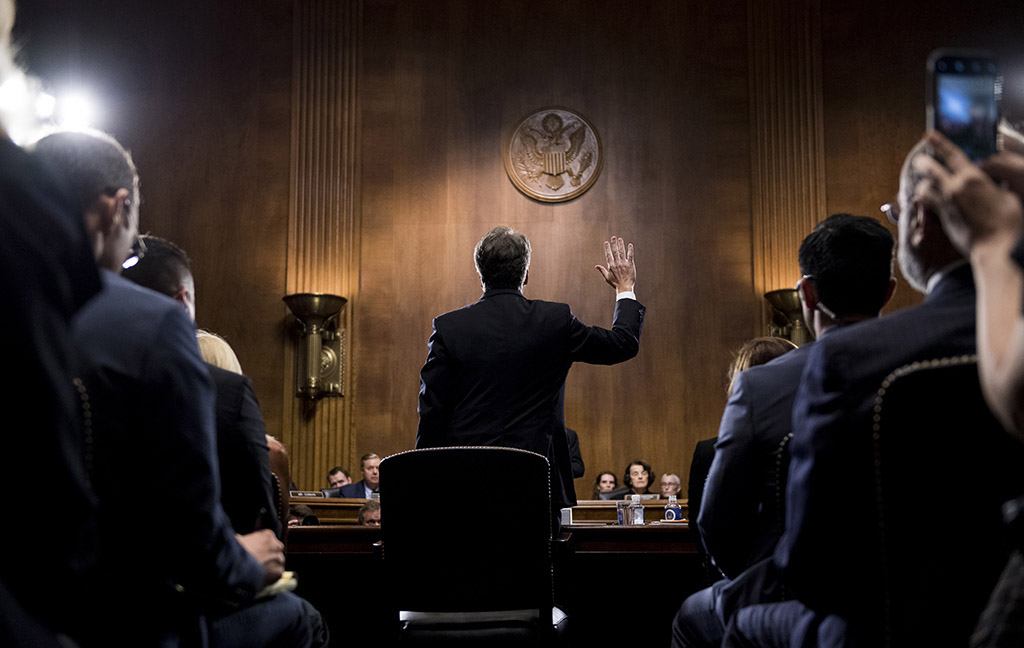
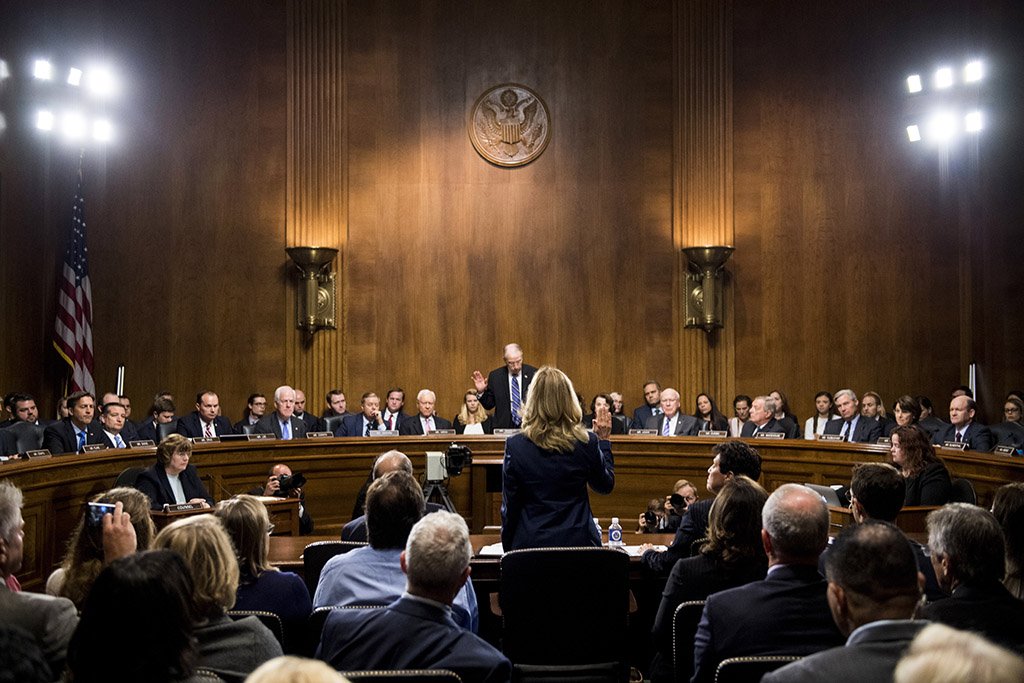
Supreme Court nominee Judge Brett Kavanaugh is sworn in before testifying during the Senate Judiciary Committee, Thursday, Sept. 27 on Capitol Hill in Washington. (AP)
In a voice vote, lawmakers passed the motion to proceed on Kavanaugh’s confirmation, meaning there would be no Saturday session (today), although the future of Kavanaugh’s nomination now lies in the hands of an FBI investigation.
How Did We Get Here?
You could cut the tension in the Senate Judiciary Committee yesterday as voting began.
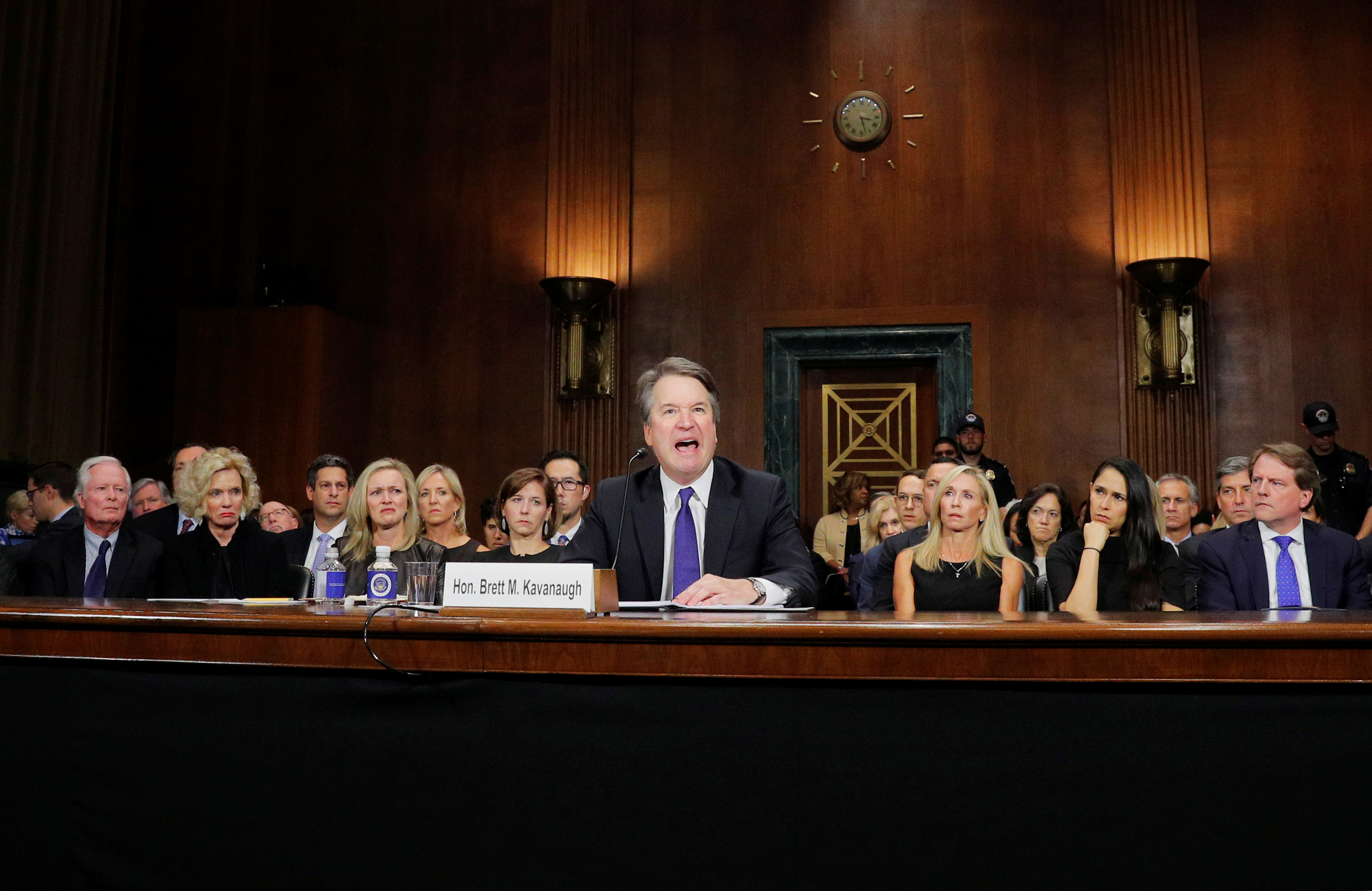
‘If looks could kill’ Bret Kavanaugh gives testimony to dismaying looks from women sat behind him. (AP)
Just as Republicans were on the verge of their 11-10 vote to favourably recommend the confirmation of Brett Kavanaugh to the Supreme Court, Arizona Sen. Jeff Flake had a change of heart.
Flake voted for Kavanaugh to move out of the committee. However, he also made clear that he would not vote for Kavanaugh on the Senate floor without an FBI investigation of the sexual assault allegation against him — an accusation that the nominee has vehemently denied.
Alone, this doesn’t mean much. If Republicans only lost Flake’s vote, they would have 50 votes in favour of Kavanaugh’s confirmation when the scheduled vote would happen on Tuesday. That would allow Vice President Mike Pence to break the tie, and Kavanaugh would be confirmed.
However, Flake as well as Minnesota Democratic Sen. Amy Klobuchar suggested in the moments before the 11-10 vote that there were other Republicans who felt the same as Flake. As in, they would not support Kavanaugh’s confirmation unless and until the FBI investigation happens. Those senators are, presumably, Susan Collins of Maine and Lisa Murkowski of Alaska.
None of what Flake did was binding until the White House and Senate Majority Leader Mitch McConnell weighed in. McConnell formally requested the White House to instruct the FBI to do supplemental background check, which “would be limited to current credible allegations against the nominee and must be completed no later than one week from today.
The Senate Judiciary Committee announcement means that McConnell, as expected, has bowed to the fact that he does not currently have the votes. Presumably, Flake would not have a) made the one-week FBI investigation request and then b) voted for Kavanaugh to move favorably out of committee unless c) he knew that he had Murkowski and/or Collins (or some other Republican) was with him. (Murkowski confirmed to reporters after the session that she supports Flake’s proposal.)
President Donald Trump conceded to the inevitable on Friday afternoon, ordering an FBI investigation.
Where Are We Now?
Brett Kavanaugh has cleared the first hurdle. It isn’t a win (unless he is innocent). Yesterdays vote means that his nomination moves to the next stage where the whole senate will vote.
The procedural motion means the Senate will officially be considering Kavanaugh’s nomination while the FBI investigates sexual assault allegations against the judge.
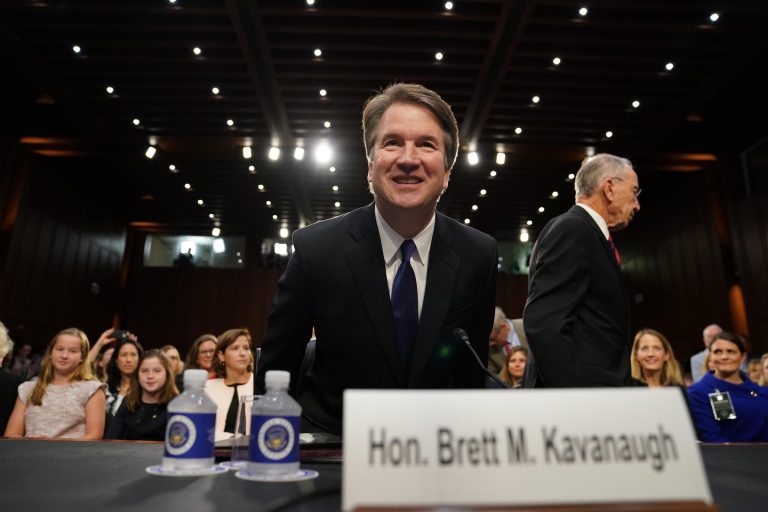
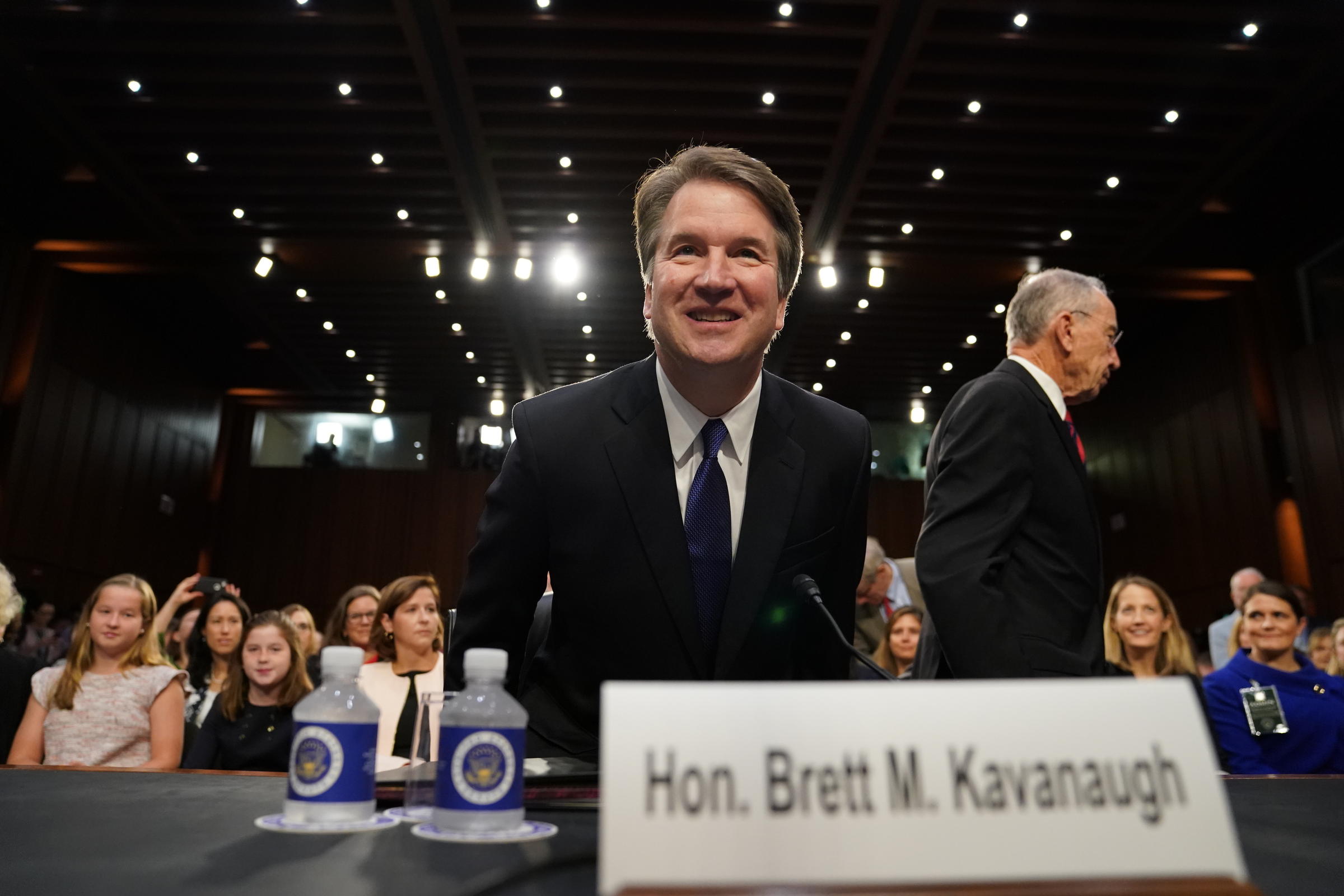
Supreme Court nominee Brett Kavanaugh arrives at the Senate Judiciary Committee on Capitol Hill, Tuesday, Sept. 4, 2018, in Washington, to begin his confirmation hearing to replace retired Justice Anthony Kennedy. (AP Photo/Andrew Harnik)
White House press secretary Sarah Sanders issued a statement from President Donald Trump in a tweet Friday afternoon, announcing that he had officially asked for the FBI to “conduct a supplemental investigation to update Judge Kavanaugh’s file.”
“I’ve ordered the FBI to conduct a supplemental investigation to update Judge Kavanaugh’s file. As the Senate has requested, this update must be limited in scope and completed in less than one week,” Trump said in the statement.
Are Women Finally Being Listened To?
It can be said that both sides of the debate got their preferred outcomes in yesterdays vote. Kavanaugh cleared the initial senate vote, something he seemed desperate for. However, the FBI investigation, demanded by some senators as well the American Bar Association, initially dismissed by republicans at large, is now taking centre stage in this hearing.
The move comes after a week of uncertainty surrounding Kavanaugh’s nomination as the nation watched both the judge and the woman who has accused him of sexual assault testify before the Senate Judiciary Committee on Thursday about the alleged incident.
Christine Blasey Ford is sworn in by Senate Judiciary Committee chairman Chuck Grassley, R-Iowa, to testify before the Senate Judiciary Committee on Capitol Hill in Washington, Thursday, Sept. 27. (AP)
Christine Blasey Ford had accused Kavanaugh of committing sexual assault against her more than three decades ago when both were at a party in their high school years. Kavanaugh has repeatedly denied the allegation.
“The supplemental FBI background investigation would be limited to current credible allegations against the nominee and must be completed no later than one week from today,” a Friday statement from the Senate Judiciary Committee said.
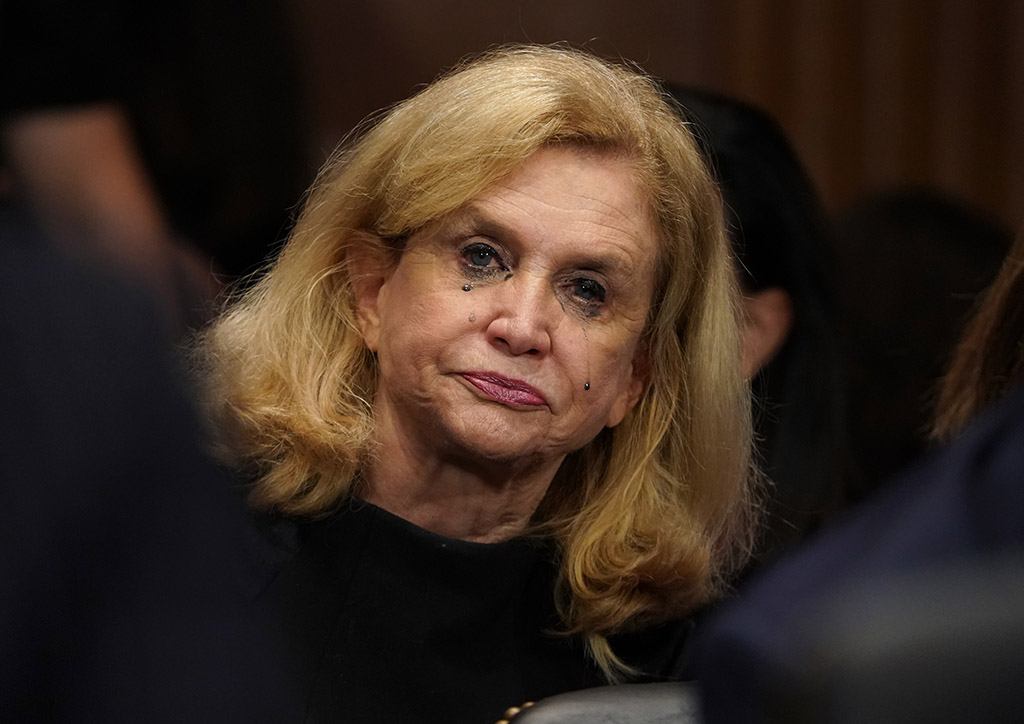
Rep. Carolyn Maloney, D-N.Y., cries as Christine Blasey Ford testifies before the Senate Judiciary Committee on Capitol Hill in Washington, Thursday, Sept. 27. (AP)
More Allegations To Come?
Rumours around Washington are that the impending FBI investigation will unearth many more accessions however that is to be seen. Two central allegations have shaped this investigation so far. These were on
September 16, 2018 – The Washington Post published an article about a California psychology professor who accuses Kavanaugh of attempting to rape her when they were both teenagers at a house party during the early 1980’s. Christine Blasey Ford says she initially sent a letter to Senator Dianne Feinstein about the incident when Kavanaugh’s name was included on a shortlist for the Supreme Court. Ford tells the newspaper she initially did not want to go public but she decided to talk on the record because her letter to Feinstein had been leaked to the media. Kavanaugh categorically denies that such an incident ever took place.
September 23, 2018 – The New Yorker published a report about a second allegation of sexual misconduct, prompting Feinstein to call for a postponement of confirmation proceedings. The magazine article centers on a college classmate from Yale, Deborah Ramirez who says Kavanaugh exposed himself to her while a group of students were drinking at a party in a dorm during the 1983-1984 academic year. Kavanaugh denies the allegation and a White House spokeswoman dismisses the claim as uncorroborated.
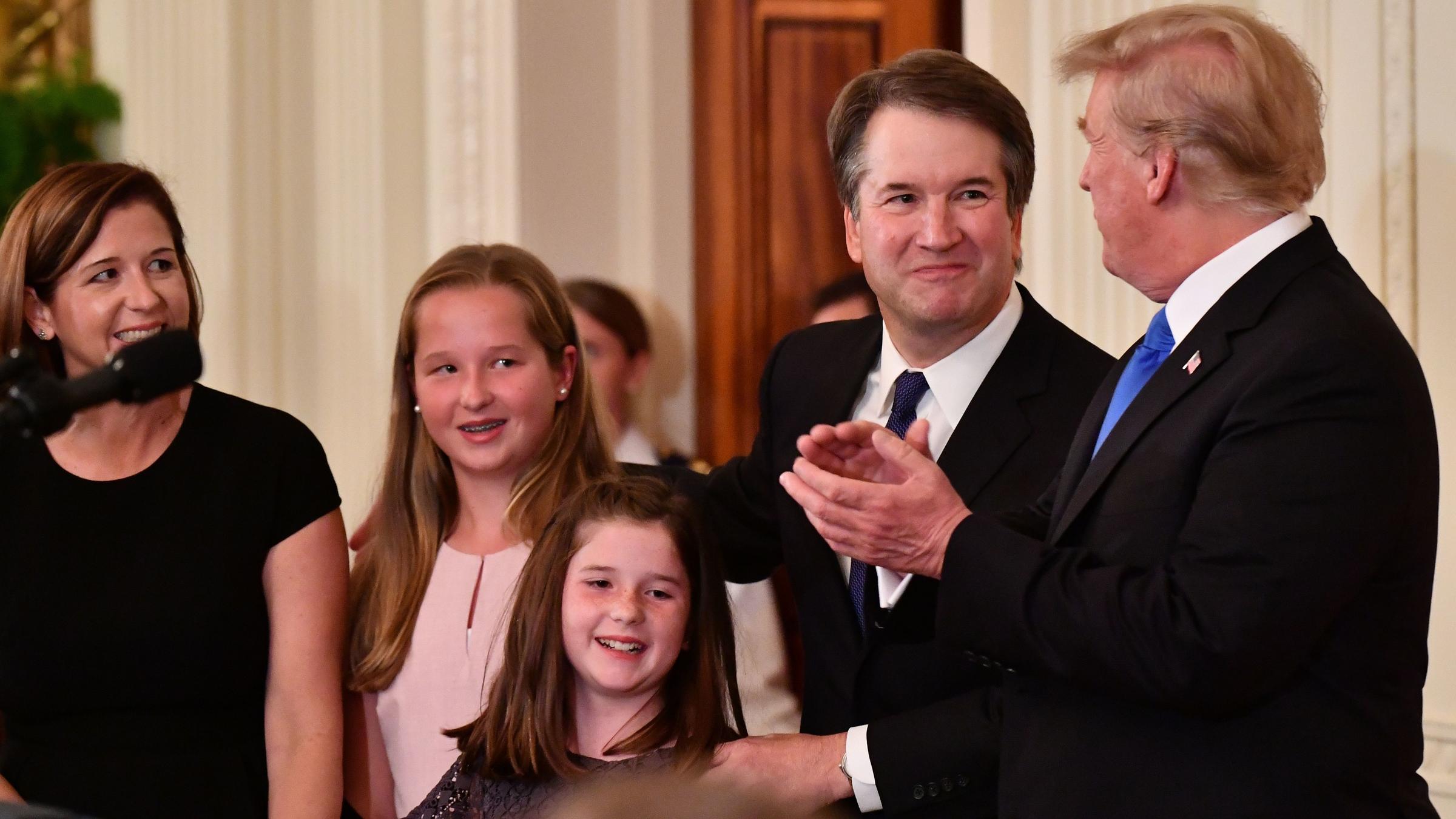
Supreme Court nominee Brett Kavanaugh, his wife, Ashley Estes Kavanaugh, and their daughters stand by President Trump after the president announced Kavanaugh’s nomination on Monday (Getty Images)
The Investigation Rages On
In her Senate appearance on Thursday, Ford spoke about her foggy memory but offered up a clue, an encounter with Judge at a supermarket he worked at, an estimated six to eight weeks after the alleged attack.
“It would be helpful with anyone’s resources if — to figure out when he worked there, if people are wanting more details from me about when the attack occurred,” Ford said.
Still, with 36 years between the night of the alleged attack and the forthcoming background investigation, the agents in this background check have their work cut out for them.
They are going to be dealing on fading memories which makes this case an uphill battle and a daunting task.