Home Blog Page 11

Rishi Sunak Vs Liz Truss; Is A Victory For Labour

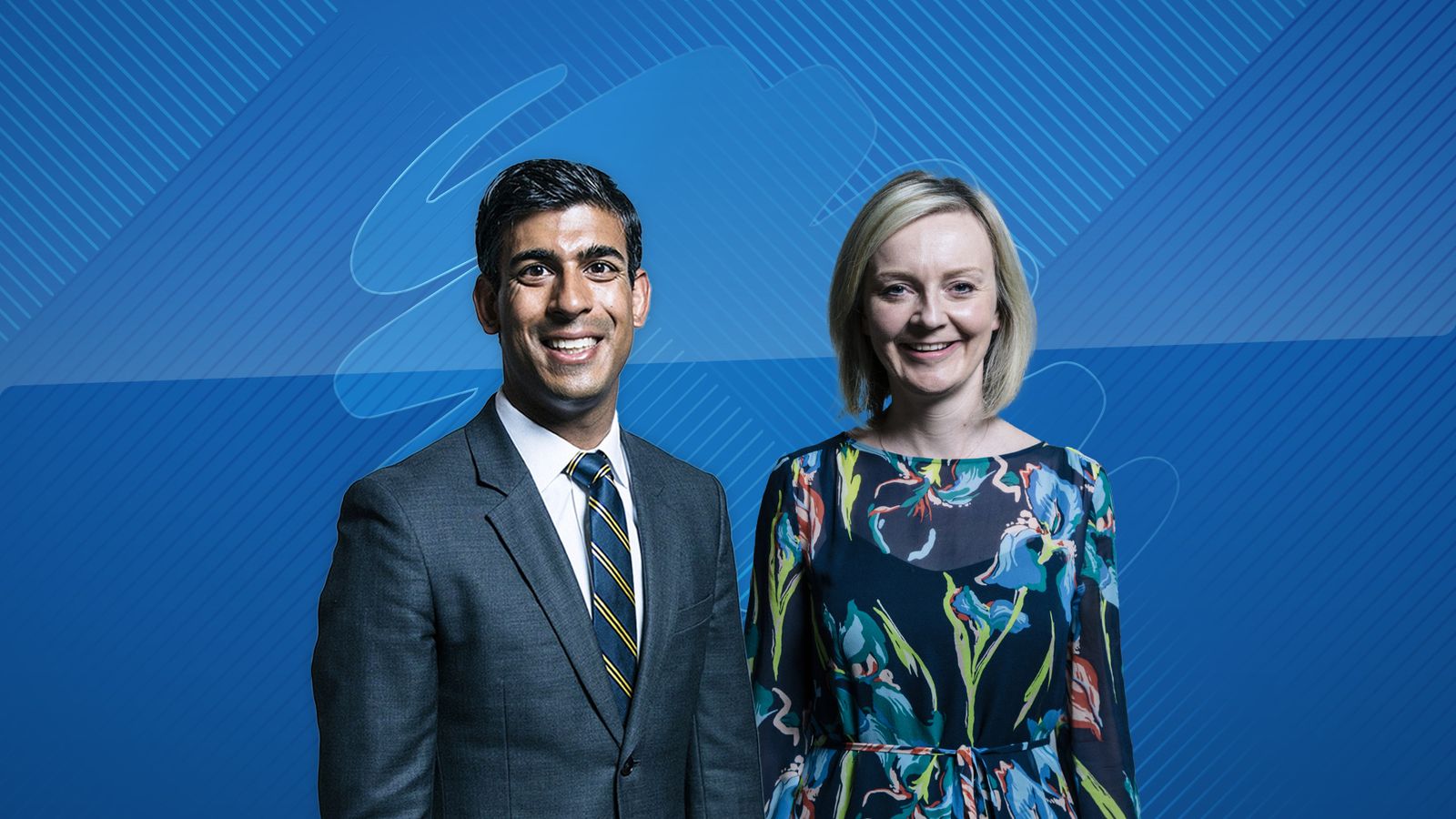
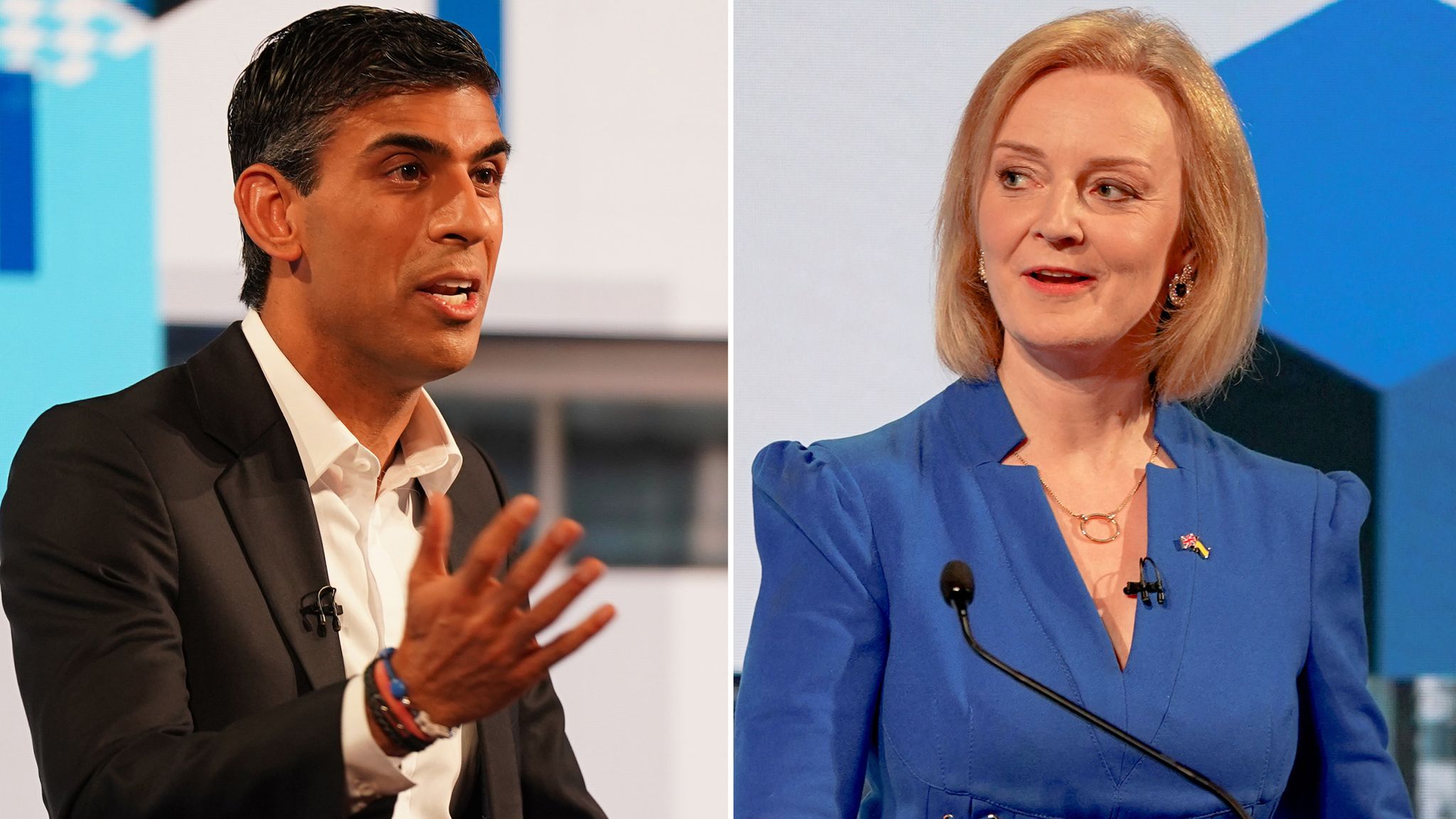
Rishi Sunak and Liz Truss went to blows in the first one-to-one live debate for the next leader of the Conservative Party. 

During the hour, various topics were covered by the two, including economic policy, china, and the environment.

After the hour and reflections on the performances by the two candidates, it was an encounter with a lot of bark but not much bite, which will help the Labour Party.  


What went down?

Answering who won or lost in this television debate is complex. It was constant back and forth and lots of locking heads. Both candidates are divided on the party’s future and, more importantly, the country’s. With Sunak, he is taking the realist approach by backing higher taxes and a more cautious economic strategy. On the other, you have Truss, who believes lower taxes is the way. You could see such opposites throughout the debate. Sunak accused Truss of risking a vast increase in interest rates, while she accused Sunak of “scaremongering” and  “Project Fear.”
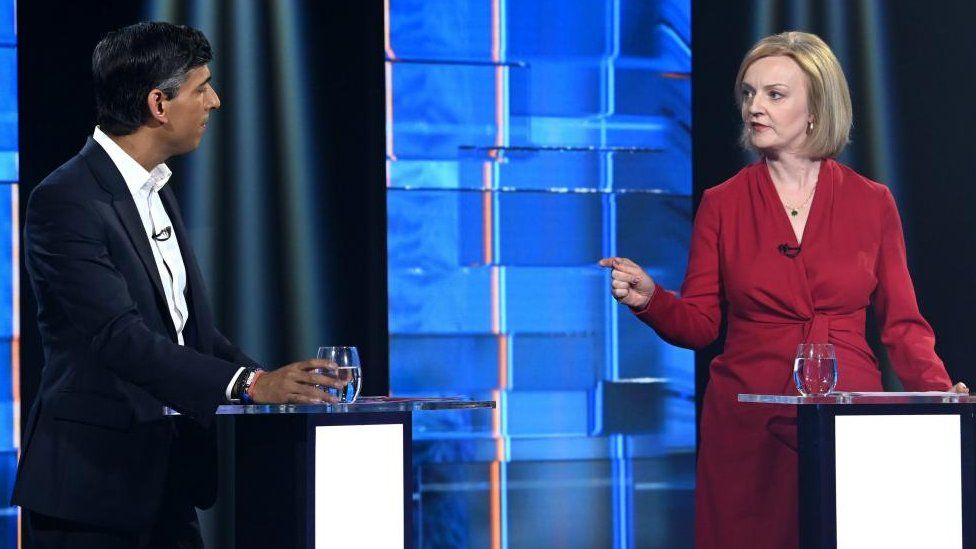
image of Rishi Sunak (on the right) and liz Truss (on the left) in action during the first live one-on-one debate. Image credit: BBC.

China’s relationship with the United Kingdom was also spoken about between the two candidates. Both warned of the threat from the Chinese state but were divided on who came to such a view first. Sunak wants a clampdown on Confucious Institutions in the country, while Truss wants a clampdown on Chinese-owned companies like TikTok. Away from the insults that they both threw at each other, this talking point lacked details and measures to combat China. The environment was mentioned briefly, with both candidates taking differing approaches. Sunak supports targets for cutting emissions by 2050, while Truss would suspend the “green levy”, a tax that will be part of people’s energy bills that helps pay for social and green projects. 

There were some pleasant exchanges between the two out of an overall toxic discussion. Both of them commented on each other’s dress senses. They also said they would have each other in their cabinets if they became the next leader. How true this is post-September is up for question. This is especially true when Truss’s team claimed Sunak had been “mansplaining” in the debate. A spokesman for Liz Truss said: “Rishi Sunak has tonight proven he is not fit for office. His aggressive mansplaining and shouty private school behaviour is desperate, unbecoming and is a gift to Labour.”

A hostile stalemate 
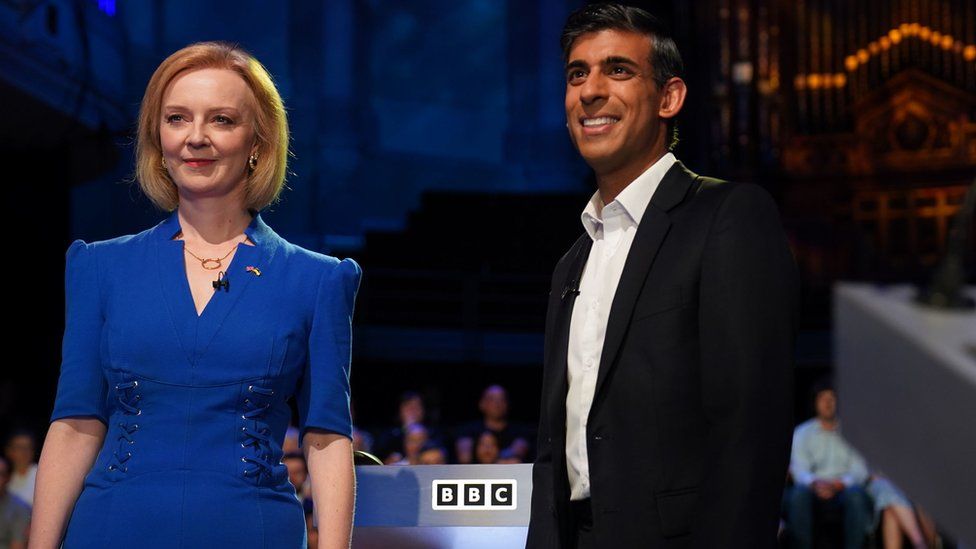
Post-reaction of the debate shows a mixed result about how won between the two candidates. Image credit: BBC News.

It was a contentious debate between Sunak and Truss, which was expected. Post-reaction of the discussion shows Sunak slightly ahead of Truss by 39-38, according to a poll of 1000 voters. A survey done by Opinium showed that Tory voters thought Truss did better by 47-38, while Labour voters thought Sunak had the better performance. There is a broader worry that the toxicity and the nastiness that this contest has become is favouring the Labour Party. Sir Keir Starmer will be licking his lips and rubbing his hands in joy over such a hostile stalemate that this debate was. None of the candidates brought anything new and exciting that was unexpected. Sunak showed that he is a very unrelatable private school child constantly needing attention by shouting over the top of someone else just to make a point. Truss is even worse. She portrays herself as this trustworthy, astute figure, but she is anything but that and is more of a car-boot-sell Margaret Thatcher. 

Who will win this contest is still in the balance. Sunak needs to do more to win back conservative voters, especially with how polls look. Winning back voters will be Sunak’s aim for the next debate in August. For Truss, she needs to come out of her shell a bit more. Even though she is right that actions speak louder than words, in debates, words and performance are the things that matter more. This debate was not for the history books as it lacked the cutting edge for viewers. Labour will look at this debate and the leadership contest as a stepping stone into number 10 Downing Street and a way to chuck out the Conservatives, who have outstayed their welcome.  
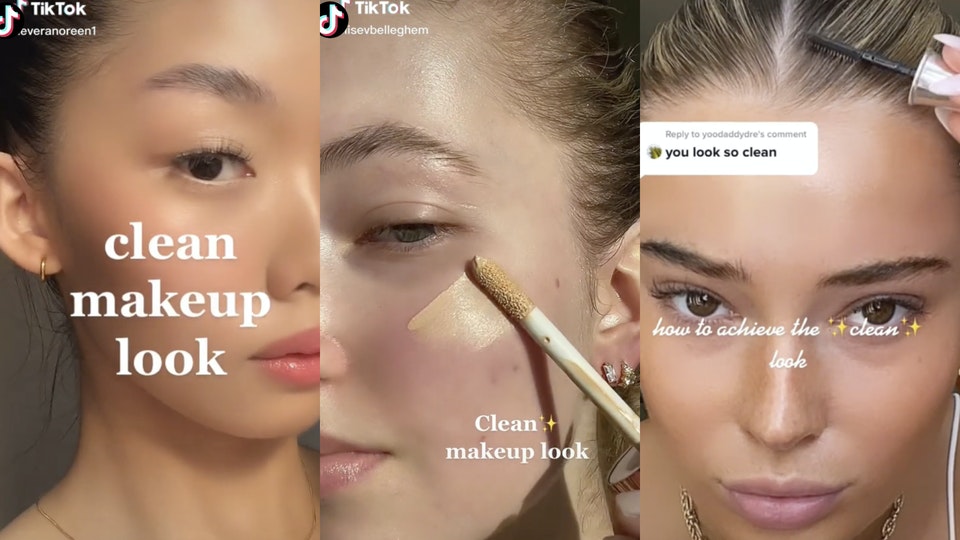
Are White Women Appropriating Black Women Through Clean Girl Aesthetic?

You may have seen the ‘clean girl’ aesthetic trending all over social media, but you’re probably not sure what it means or where it originated.

The aesthetic draws inspiration from the “no-makeup-makeup” and “model-off-duty looks”, which involved looking polished with minimal to no make-up.

Videos with the #cleangirlaesthetic have garnered millions of views and likes, and it seems like everyone is completely invested in the look and the lifestyle.

A debate about the non-exclusive standard of beauty has been made – many critics of the trend claim that the aesthetic is more toxic than other standards of beauty because of its lack of representation.

According to one tweet: “The issue with the clean girl aesthetic is that it only represents skinny, thin, loose curl textures desirable black women with no blemishes on their face. Implying that anyone outside of that aesthetic is dirty.”

However, the debate on whether the ‘ Clean Girl Aesthetic’ is a form of cultural appropriation is not one I have heard until recently.

For the past few days, Twitter has been buzzing with debates and discussions regarding the trend being a  form of cultural appropriation of Black and Brown women’s culture.

According to Impact, an online resource to learn about and support global issues, the clean girl aesthetic “overlooks the black and brown women who have pioneered and worn this look for years. Not crediting them neglects the barriers they broke in order to maintain this look.”

“The difference between appropriation and appreciation is credit.”

What is Cultural Appropriation and Cultural Appreciation?

VeryWellmind defines cultural appropriation as: the use of objects or elements of a non-dominant culture in a way that reinforces stereotypes or contributes to oppression and doesn’t respect their original meaning or give credit to their source. Whilst according to Healthline, cultural appreciating is “appreciating another culture involves an interest in learning about that culture.”

Why is the Clean girl aesthetic considered Cultural Appropriation?

The idea of the clean girl has been around for decades but has usually appeared on Black and Brown skin women – the slick-back hair, hoop earrings and clear lip gloss that has once been so prominent within the black and brown communities is now considered a trend that is pioneered by white women such as Bella Hadid, Gigi Hadid and Hailey Bieber.

For Black and Brown women, the slick hair and hooped earrings are part of a rite of passage. In the Latinx community, female girls get their ears pierced as early as six months old and they receive their first pair of small hoop earrings at a young age from their mothers or grandmothers. For the Latinx, this is not just a fashion trend; it is a vital part of their identity and connectedness.

The sentiment toward jewellery is equally felt within the black communities, as they are seen as a part of their cultural identity.

Fashion and beauty journalist Sha Ravine Spencer stated, “this iconic piece of jewelry has morphed and been passed through generations, it has upheld its symbolism of womanhood, empowerment, culture and pride.”

Norhan Zouak, a writer for Her Campus, stated, “Hoops showcased black women’s strength, femininity, and identity. The earrings became a signature of Josephine Baker, Angela Davis, Nina Simone, and plenty of other icons of the [Black Power] movement.”

However, it is something that both the Latinx and Black communities have been shamed. Society began to shame the Black, Latinx community as ‘uncivilised’, ‘barbaric’ and ‘ghetto’.

Yet, white women have never had to experience the shame that came with wearing these cultural pieces and flaunting their hypocrisy for all to see – seemingly without regard for the pain and shame experienced by those who are the originators of this. Instead, once they start to wear them, they are considered fashionable and trending without regard for their historical context.

When Will We Take Eating Disorders Seriously

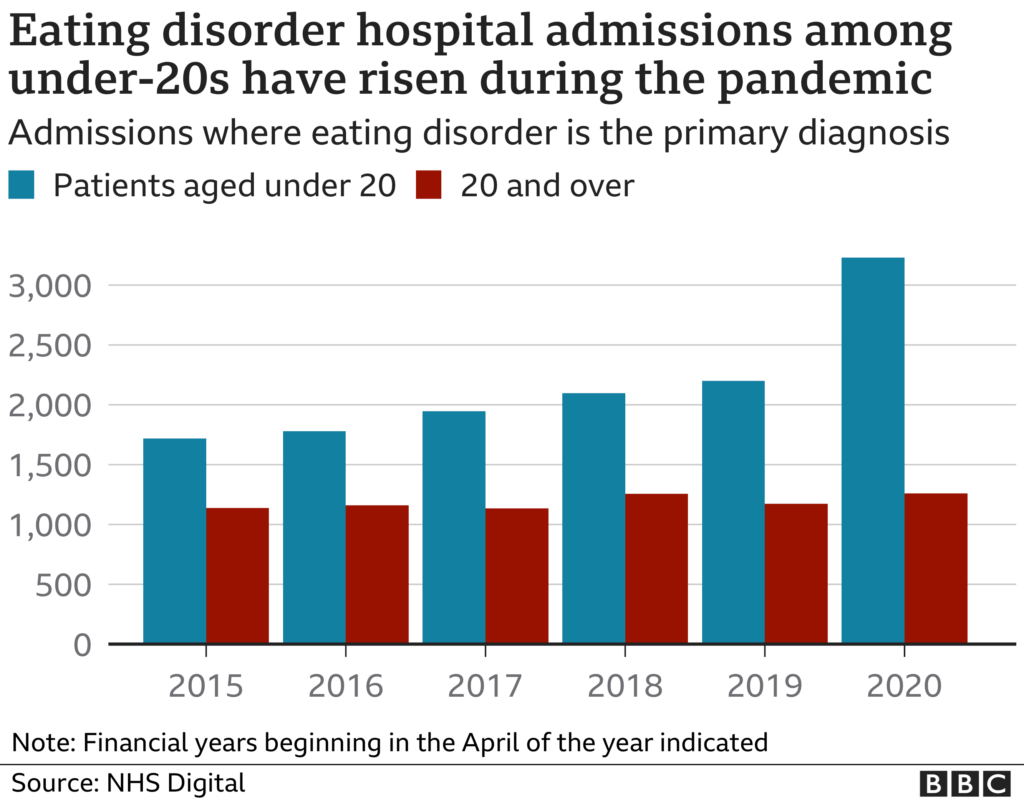
Analysis from the Royal College of Psychiatrists showed that hospital admissions for eating disorders had increased by 84% in the past five years. In the same period, the number of young people with such a condition rose by 90%, with boys and men showing a 128% rise in hospital admissions related to the issue. The NHS has announced that more young people than ever before are receiving treatment for such problems. The surges in such conditions require interrogation, in which this article hopes to answer what is behind the rise and what can be done to combat eating disorders. 

Behind the rise of eating disorders

Investigating this issue and you see that it is rather complicated why there is such a rise in this condition. According to Rethink, a mental health charity, they suggested that eating disorders can develop due to a mix of psychological, environmental and genetic factors. Psychological factors can include vulnerability to mental health problems, finding stress hard to manage and various other factors. The environment surrounding us can also significantly impact a person’s eating habits. These environments can include pressure at school, who we follow on social media, workplaces, and even family. Genetics play another crucial part in if someone is likely to develop an unhealthy relationship with eating as people have different hormone levels.    

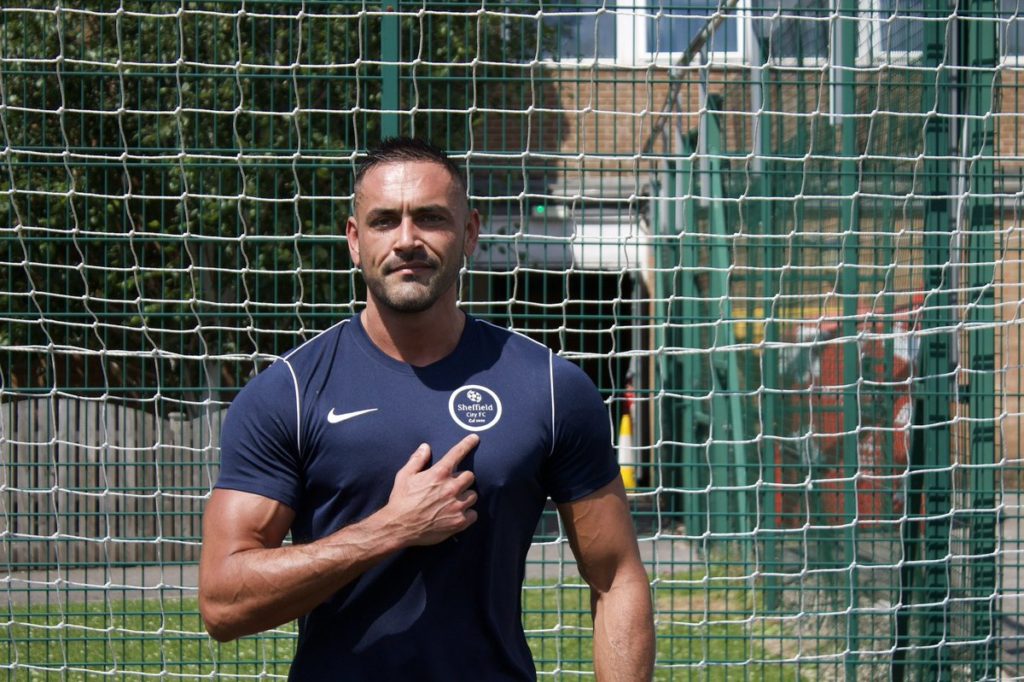
Speaking to James Roffey, who experienced an eating disorder for ten years and is trying to help others who have suffered from this condition through personal training, he outlined similar causes. He said: “There are a plethora of internal and external factors that can play a part and  from recent personal experience of helping other people suffering, reasons can include social media/filters, perfectionism, relationships with family and the impact of lockdown to why we see such a rise in this condition.” Dr Bijal Chheda-Varma, a practitioner psychologist based in London, suggested that the “breakdown in the system of socialising” impacted people’s eating habits and how they looked at themselves. She said this breakdown affected young people the most, triggering distress, boredom and obsession with body image. She said: “During the pandemic, people have been forced to sit with their vulnerabilities and become more preoccupied with their issues. Food was also the only, or biggest, source of comfort and stability, offering a quick dopamine boost when all else was taken away.”

Image of James Roffey, who had an eating disorder for ten years and is on a mission to help others who have experienced the condition. Image credit: James Roffey.

Tackling the rise 

With any multifaced issue, finding solutions are always tricky. The NHS plans to invest an additional £79 million into mental health services for children. Eating disorder services are backed with an additional £2.3billion every year in additional funding until 2023/24 to address the increased demand. As much as it is good to see that the government is increasing funding to handle such an unprecedented rise in eating disorders, those who work with such problems also need the proper training. Regarding what government could do to address eating disorders, Roffey said: “Investing in social workers specifically trained to deal with eating disorders is key in effectively tackling this issue in the long run. It is vital that people suffering from an eating disorder feel confident enough to be able to seek help.”

In the long term, more must be done than just increasing funding for services that try their best to address such a problem. One solution is education, if that is in schools or the media. We have a problem with eating disorders with many complex factors behind such a topic. Yet, we mustn’t have a single plaster solution to this problem but multiple bandages. Finding such a multifaceted solution while we see living costs increasing, public services cuts, and more of a toxic culture on social media will be difficult. The hope is that the more we bang on the door of those who can help address such a problem, the likelihood this door will open will increase. In doing so, we can see change and implement the solutions that will address eating disorders. 

James Roffey is offering his services to help those struggling with eating disorders. You can reach out to him on his Instagram (@jjroffey88) or here: https://www.liinks.co/jamesroffeyonlinept

‘Quidditch’ Is Changing Name Because Of Rowlings Trans Stance

The game of Quidditch, a wizardly sport made famous by the Harry Potter books, is switching its name and replacing it with Quadball. 

There are various reasons behind such a move, but news outlets are expressing that the sport is changing its name to distance itself from JK Rowling, the author of the books. 

According to the governing body of the sport, they are separating themselves from the author due to her anti-transgender comments.


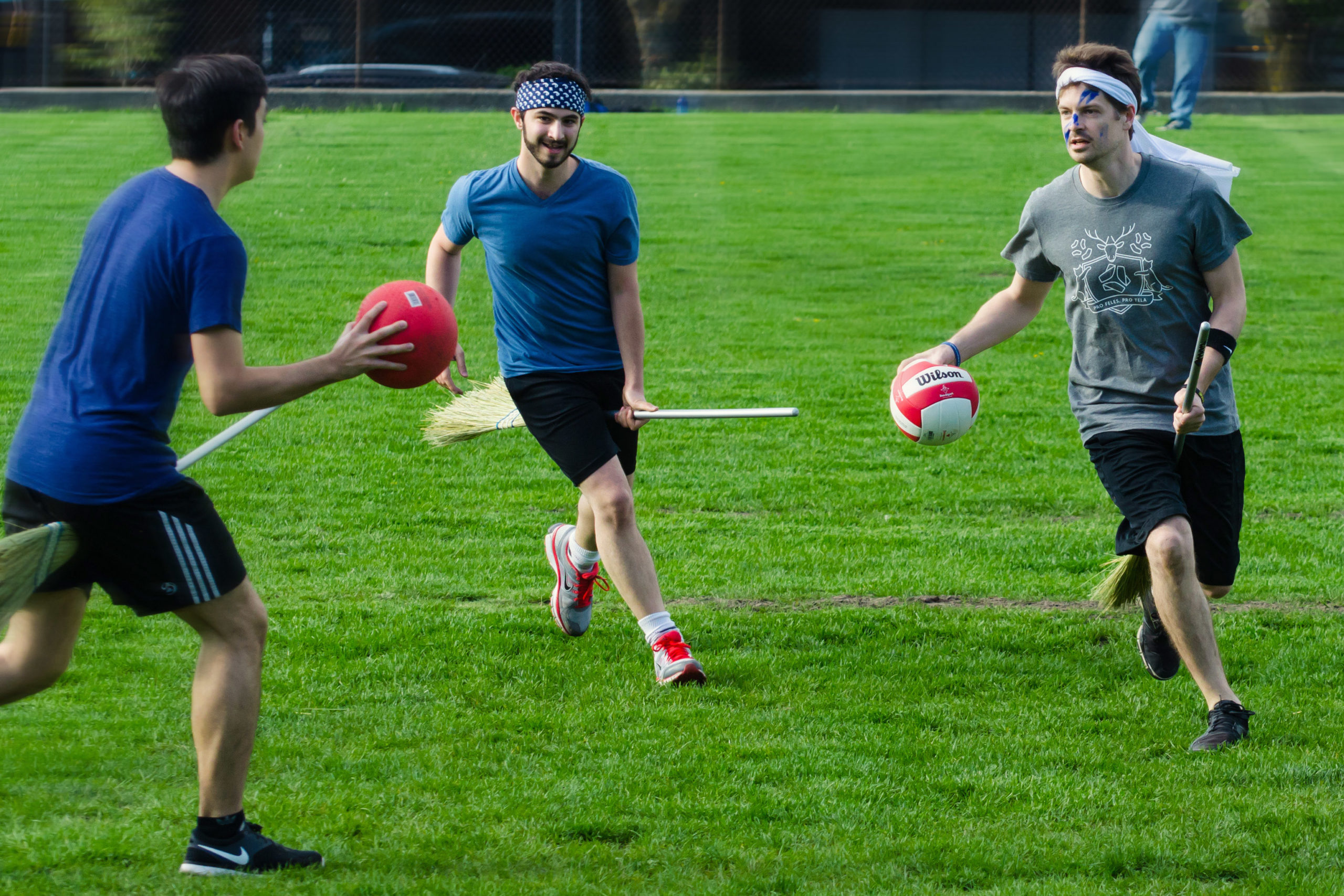
Major League Quidditch stated: “[The new name] opens unprecedented opportunities for growth, exposure and partnerships. It is a game changer, and we are looking to make the most of it.’ The governing body for US Quidditch, which is separate from Major League Quidditch, will change its name immediately. Meanwhile, Major League Quidditch said the name change would come into effect in August. Quidditch is a fictional sport in the books written by Rowling, which sees two teams fly on broomsticks and score points with four different types of balls. The game is won immediately if the Seeker captures the Golden Snitch. The real-life version has taken leaps and bounds. The sport has evolved from one team in 2005 at Middlebury College to now being played by nearly 600 teams in 40 countries. 

In the first book, Harry Potter and the Philosopher’s Stone, pupils at Hogwarts School of Witchcraft and Wizardry are taught about Quidditch which sees two teams fly on broomsticks and score points with four types of balls. Photo credit: Lousie Smith (Unsplash).

Reasons behind the name change do vary from outlet to outlet. Warner Bros has trademarked the name quidditch because they own the movie rights to the franchise. However, there are inklings that Rowling’s comments on gender issues played a role in the change. The author was in the spotlight over her views on this issue in June 2020, where she opposed the idea that menstruation should be considered gender neutral. Governing body QuidditchUK (QUK) said it was “happy” to change its name and has termed the move as “symbolically and practically significant”.

Exploring the change of name more deeply, one could argue that the sport hasn’t actually distanced itself from the disgraced Rowling. Instead, the change has put the sport and Rowling’s views on gender into the spotlight more in the short term. Of course, this may change. This is especially when the inevitable news cycle chucks this story out of the window as we move on to another cultural phenomenon that may or may not involve the world’s richest living author. Until that moment comes and we move away from the reasons behind the name change, the name switch does more harm than good for the sport. 

Quidditch inspires intrigue for people to join in, but Quadball sounds like a sport that you want to avoid in your secondary school PE days. It lacks the originality, creativity, and bombastic imagery that quidditch has. As Tom Fiske had said in an interview for the BBC, the name change could mean fewer people are interested in playing the sport. There is always a society at university with this sport, and such a name change could mean fewer people are interested in such a fascinating competitive sport. It also may take a long time for people to get used to saying Quadball, and it will be inevitable that people will incorrectly say Qudditich.

The sport can all be about changing its name and wanting to establish its own identity away from a person they disagree with. 

However, there is a concern that such a change could be deadly for the sport and a major cost. 

That cost would be for the sport to turn back into what it originally was: a sport based on fantasy, fiction and make-believe.    

Is Losing Weight ‘Fatphobic’?

There is an increasing social media trend to label weight loss as ‘fatphobic’. This has created a conversation around ‘if losing weight be considered ‘fatphobic’?

A brief history

The body positivity movement focuses on challenging societal standards on appearance. It started with accepting bodies regardless of their shape, size, skin tone, gender, and physical abilities.

The body positivity movement began in the 1960s with NAAFA (National Association to Aid Fat Americans – known today as the National Association to Advance Fat Acceptance), and it continues to change the way people talk about weight.

On the other side of the U.S, a group of feminists were angry about the treatment of fat people and believed that the NAAFA were not radical enough.

They formed the Fat Underground, where they released a Fat Liberation Manifesto demanding for “equal rights for fat people in all areas of life” and “reducing industries (i.e., the diet culture) and declaring them enemies.”  

In recent times, inclusivity has become a trend. The body positivity movement we know today really took off in the 2012 when the hashtag #bodypositivity started to promote fat acceptance to turn attention towards underprivileged bodies.

However, the body positivity movement has changed drastically.

Katherine McCabe / Gavel Media

TikTok and Toxicity

The promotion of positive body image is a good thing but there are many people who thinks it promotes unhealthy habits and obesity.

For example, in December 2021 – “a popular TikTok content creator Mark Gaetano shared his weight loss journey with his followers and was branded as ‘Fatphobic.’ Many claimed that he was promoting disordered eating and diet culture.”

Collins Dictionary describes Fatphobia as “irrational fear of, aversion to, or discrimination against obesity or people with obesity.”

But does losing weight make you Fatphobic?

The decision to lose weight is very personal; there is some healthy and unhealthy way to go about it. Diet culture has shaped how we view healthy and desirable bodies for decades, so I understand where the backlash regarding body size stems from.

However, I don’t think choosing lose weight for your personal health makes you fatphobic. I understand that the conversation around this topic is quite broad and fatphobia cannot simply be described as the hatred of fat people – it is more nuanced than that.

According to Medical News Today “all over the world, obesity is becoming an increasing concern…with an increase of 27.5% worldwide over the past 33 years.”

The Centers for Disease Control and Prevention (CDC)Trusted Source, states that obesity increases a person’s chance of getting “diabetes, high blood pressure, joint conditions, breathing problems, such as asthma and gallbladder disease”.

It seems like whilst promoting ‘body positivity’ is good, as it teaches many to become accepting of everybody – not just fat bodies. It also seems detrimental to those that want to improve their quality of life.

What do Prime Ministers Do Next After Resigning?

  • Boris Johnson had his final Prime Minister Questions (PMQs) this week, with him signing off with “hasta la vista baby”, meaning see you later, from the Terminator films. 
  • He offered advice to the next Prime Minister, which could be either Rishi Sunak or Lizz Truss in September. 
  • His advice was “to focus on the road ahead, but always remember to check the rear-view mirror and remember, above all, it’s not Twitter that counts, it’s the people who sent us here.”
  • With Johnson’s inevitable departure coming very soon, I explore what past Prime Ministers have done since leaving number 10 Downing Street. 

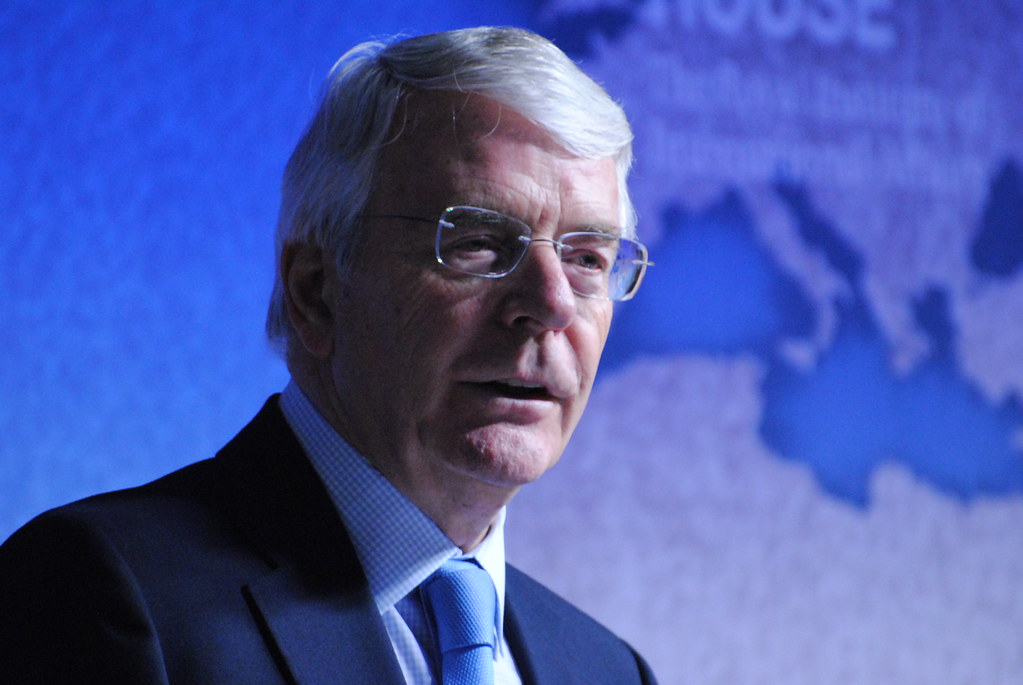
John Major: PM from 1990-1997

After Tony Blair’s landslide victory over the Conservatives in 1997, Major was replaced as the leader of the Conservative party. The 79-year-old remained part of Parliament by attending and contributing to debates until 2001. Since leaving office, he has been pretty quiet in the media but has published three books, including an autobiography in 1999. He has been involved in a lot of charity work, such as being President of Asthma UK, Patron of Prostate Cancer and many others.

He pursued business interests away from his charity work, such as taking the position of Senior Advisor to Credit Suisse. However, his relatively low profile was disrupted by the eruption of Edwina Currie’s revelation in 2002, where it was revealed that Major had a four-year affair with the woman from 1984 to 1988. 

Image of John Major. Photo credit Flickr.

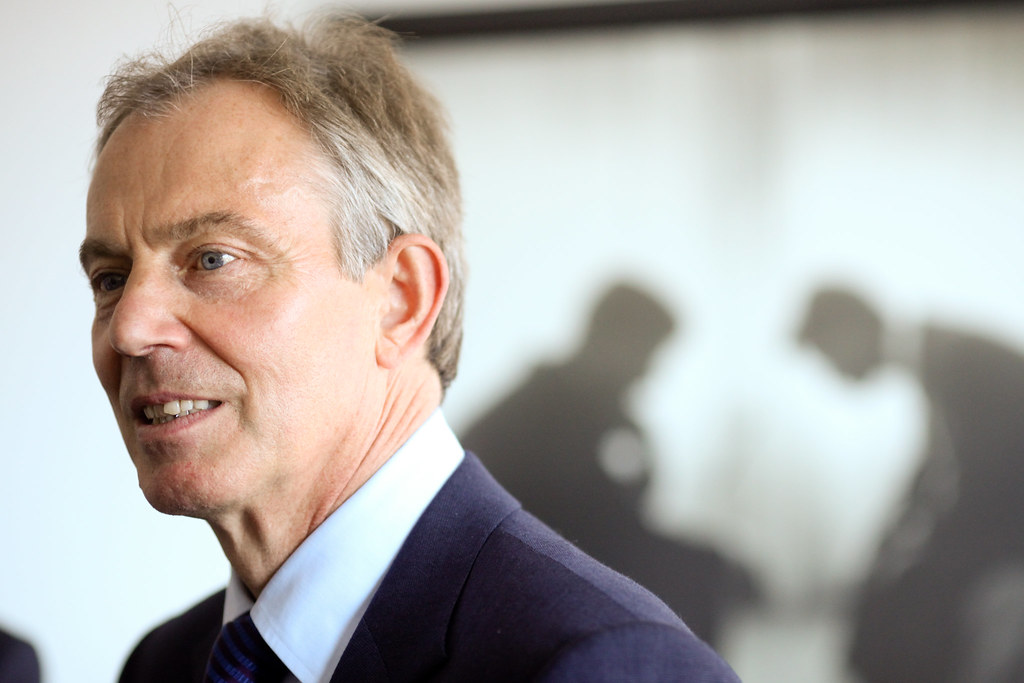
Tony Blair: PM from 1997-2007

Ten years in the hot seat of number 10, the former Labour Leader became part of the Middle East envoy for the United Nations, European Union, United States, and Russia. Within this role, he announced a new plan for peace and Palestinian rights, based heavily on the ideas of the Peace Valley plan. He also joined JP Morgan as a senior advisor and lectured to various audiences. In 2008, he said he was the highest-paid speaker in the world. Blair was also active within the non-profit world by launching two foundations: the Tony Blair Sports Foundation and Tony Blair Faith Foundation. Yet, his past as prime minister has still haunted him, with him being subjected to war crime accusations due to his actions in the Iraq war.   

Image of Tony Blair. Photo credit Flickr.

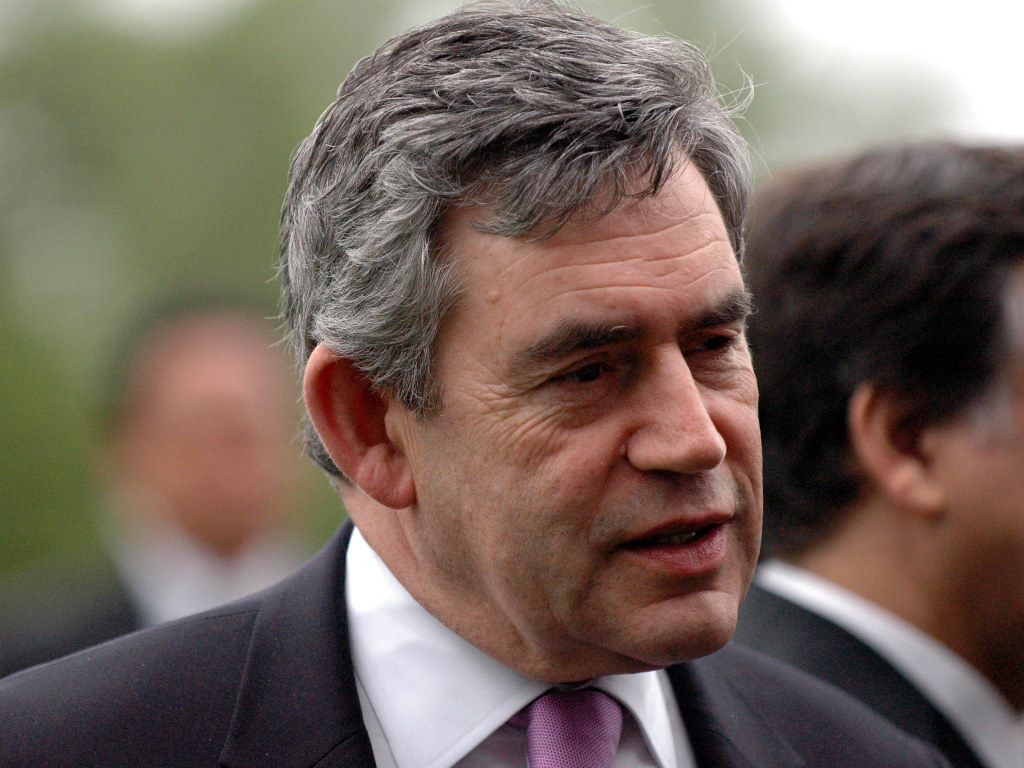
Gordon Brown: PM from 2007-2010

After a relatively short stay as prime minister, Brown become a backbencher from 2010 to 2015. The Scottsman played quite a role in the lead-up and aftermath of the 2014 Scottish independence referendum, where he wanted Scotland to remain in the Union. After his role as a backbencher, he was appointed as an unpaid advisor for the Economic Forum in 2011 but took a more prominent role as an advisor to PIMCO four years later. In the role as an advisor for PIMCO, the money he earned went to his and his wife’s foundation.   

Image of Gordon Brown. Image credit Flickr.

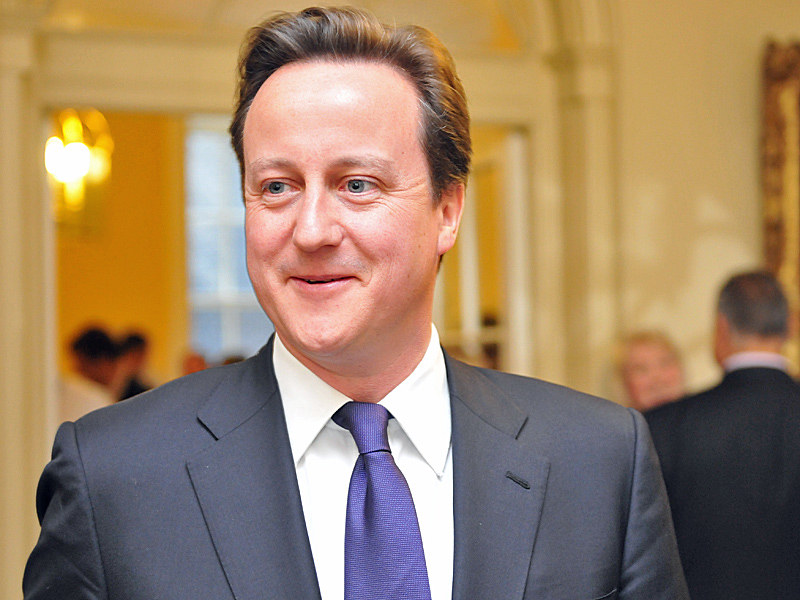
David Cameron: PM from 2010-2016

Resigning after the catastrophic defeat in the Brexit referendum in 2016, which according to Cameron, made him “hugely depressed”, he became chairman of the National Citizen Service Patrons. He also became the Alzheimer’s Research UK president to help with misconceptions around dementia and published a memoir in 2019. Out of him and Blair, he has had a hard time staying out of the media as he was caught in the Greensill scandal. The misconduct revealed that Cameron had used his former government links to gain access to contracts for Greensill as an advisor. An investigation revealed that Cameron earned around $10 million before tax for 30 months of part-time work as an advisor.  

Image of David Cameron. Image credit: Flickr.

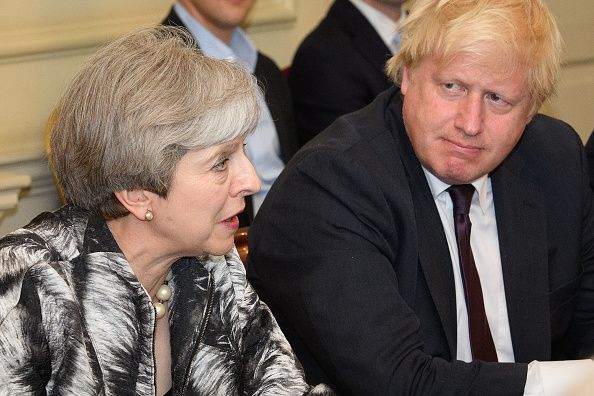
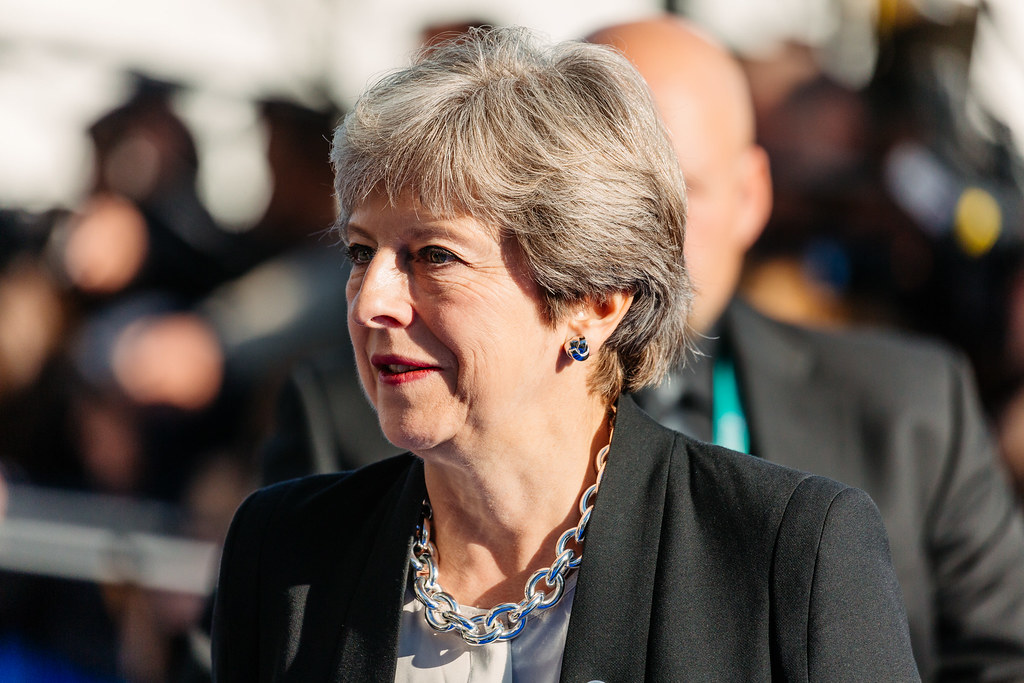
Theresa May: PM 2016-2019

May became a backbencher and has been there until now. She has been very critical of the outgoing Johnson over the publication of the Sue Gray report by suggesting that “either my right honourable friend had not read the rules or didn’t understand what they meant and others around him, or they didn’t think the rules applied to Number 10. Which was it?” May has been mentioned as a potential candidate to replace NATO Secretary-General Jens Stoltenberg, who will retire in 2023. Out of the former prime ministers, she has reminded within the political system and hasn’t looked into the private sector.  

Image of Theresa May. Photo credit Flickr.

What’s next for Boris Johnson?

Johnson has many paths to choose from this list of former prime ministers. Will he stay in politics, or will he come out of politics and into the private sector? Looking at what Johnson represents, it is more likely that he will dive into the private sector. This is especially when you see how he has already published books and was a journalist in the past. His political reputation has arguably been ruined due to the constant lying, breaking of rules and the lack of support from his party. Sunak and Truss have said they wouldn’t have Johnson in their cabinet, which  shows that he is going to the grave of political irrelevancy. From this, his next paycheck may be away from the fiery cauldron of politics and into the private sector. What is next for the blonde bombshell is anyone’s guess.    


Rishi Sunak or Liz Truss: Who will UK PM?

Rishi Sunak and Liz Truss to face off after Penny Mordaunt is voted out and party members prepare to pick PM

What happened?

Rishi Sunak and Liz Truss will go head-to-head to become the next leader of the Conservative Party – and prime minister of the UK – after Penny Mordaunt became the latest candidate to be knocked out of the contest.

In the fifth and final round of voting by Tory MPs, the leadership contenders received the following support:

  • Ms Mordaunt – 105 votes
  • Mr Sunak – 137 votes
  • Ms Truss – 113 votes

There were two spoiled ballots and one person did not vote.

Ms Mordaunt had been second in all previous rounds of voting, but a late surge by Ms Truss – who gained 27 votes in 24 hours – cost her a place on the ballot, with only eight votes separating the pair.

The leader of the race, former Chancellor Mr Sunak, gained 19 supporters, while Ms Mordaunt could only recruit an extra 13.

Now it will be down to the wider Conservative Party membership to decide on its next leader from the final two after a summer of hustings, with a result set to be announced on 5 September.

Who might win

Despite coming second among MPs, Truss is the favourite among Conservative party members, according to polling, with Sunak described as the underdog. About 160,000 fee-paying members – half aged over 60, 97% white and skewing male from southern England – will have the chance to vote next month to decide who will become prime minister in early September.

Pragmatic MPs seem to favour Rishi Sunak pointing to this his experience and polling with the country

MP Theresa Villiers is backing Rishi Sunak in the Tory leadership race. She told Talktv “Members will be looking at the candidate that is most likely to win the general election. They recognise a key principle of Thatcherism is responsible management of public finances.”

The Debate

Tory leadership candidates have agreed to take part in a head-to-head debate on Sky News.

The event – which will be in front of a live audience – will be on Thursday 4 August at 8pm and is to be hosted by Kay Burley.

John Ryley, head of Sky News, said: “There has never been a more important time to reinvigorate the trust of voters in the office of the prime minister.

“This live TV debate on Sky News gives the final two candidates a chance to reconnect with millions by debating the major issues facing Britain.

“It presents a unique opportunity to re-engage a disillusioned electorate.”

It will be broadcast live and for free on Sky News channel 501, across Sky News’ digital channels, streamed on YouTube, and simulcast to our IRN Commercial Radio partners.

Is Hybrid Working Causing More Loneliness?

Data indicates that millennials and Gen Zs are struggling with loneliness amidst the new hybrid world.

Loneliness is a normal part of life, and we will all have to experience it at some point. The feeling of loneliness cannot be measured by the number of friends you have or your age. Loneliness is most experienced when our desires for fulfilling relationships and social contact are not met.

Since the pandemic, it has become more common for people to experience loneliness. Before the lockdown, we had busy lives with filled schedules – we had the chance to meet up with friends for brunch, and most had a 9-5 job they went to every day. However, the pandemic brought us much closer to feeling lonely as connections with loved ones and friends were disrupted during the lockdowns. Despite being out of the lockdown, we must have a more open dialogue on loneliness.

Loneliness is not experienced the same way by everybody. People with long-term conditions, low income or from disadvantaged backgrounds are more likely to experience loneliness than most of the UK population. However, recent data suggests that loneliness mainly affects the younger generation.

Photo by Sussanna Marsiglia on Unsplash

Why is loneliness affecting younger people?

The pandemic has changed the way we live and work. Businesses faced a challenge they had never encountered before regarding how and where they can operate. According to the Office for national statistics (ONS) February 2022 data, workers have preferred hybrid working by 84% since the pandemic suggesting that mixed working has increased the productivity of some workers. However, those who are lonely or have been isolated for an extended period are at risk of experiencing loneliness.

“As humans, we’re social animals, we crave interaction. When you’re in the office – which is often referred to as the ‘palace of culture’ – you’re getting that social interaction, that joint sense of purpose.” said Gian Power, founder and CEO of workplace transformation company TLC Lions

Research gathered at the end of 2021 found that ‘two-thirds of workers aged 18-34 (67%) say that since working from home, they have found it hard to make friends and maintain relationships with colleagues. 54% say that prolonged working from home has caused them to drift from their workmates, and 70% of the younger generation fear that increased work from home frequency will cause them to miss out on socializing.’

What can we do?

A Poll conducted by the Nuffield Health of 8,000 adults in the UK, show that 66 per cent of employees are not comfortable sharing their mental health struggles with their employers. The pandemic has changed the way we detect well-being and mental health struggles, so it is important that employers create an environment where employees feel secure and supported. Training should also be provided for employers to be able to spot signs of loneliness such as ‘decrease in social interactions in the office, a decline in appearance and hygiene, or even in an individual’s work performance and output.’

If employers are unwilling to create the right environment for their employees to thrive, we may risk further isolating our youth.

Why Do Neurodiverse People Hide Their True Selves?

15-20% of people in the world are neurodiverse, a term describing how people have variations in how their brains operate. Yet, people who are neurodiverse often mask, hide or camouflage how they are in various settings. It is still not clear why neurodiverse people hide their true selves?

Unveiling neurodivergent masking

Masking is the best way to describe how neurodiverse people hide their true selves from others. Social psychologist Devon Price explains that the term ‘masking’ is as a way to “hide” a disability and is a coping mechanism for those who are neurodiverse.

Masking or camouflaging can be seen in multiple ways. Often, those who mask do so to “pass” as neurotypical. They do this by investing a lot of time copying social behaviours from various forms of media, observing social interactions and researching. Even though people who mask can participate in certain settings, there are long-term consequences of not being your true self in public settings.

In a 2016 study, women who used masking to satisfy neurotypical standards said they felt exhausted by the constant effort. Image credit: Nik Shuliahin (Unsplash).

2019 study found that stress and anxiety were higher in people who routinely masked autistic traits than those who used masking less often. The year before that, a study found those who reported masking their autistic traits had symptoms of depression and felt unaccepted by people in their social sphere. In an article by Lunaria Solutions, a person named Jane had crippling anxiety at work due to her masking at her workplace. She needed to pretend that she was ok, even though she needed help with tasks. Her masking led to her leaving the organisation she worked at due to this sense of not belonging. 

Why does actually masking happen?

There are some reasons why a person would hide their true selves to others, despite the negative consequences. It is often to avoid scrutiny, pity and harassment from others who lack understanding of how those with neurodiverse needs operate. All of this is wrapped up in trying to fit in within places that offer little support to those with neurodiverse abilities. This idea of fitting in can translate into various areas of life, from dating to work life. Lyric Holmans, who has a page called the Neurodivergent Rebel, suggested that she masked herself not to be an inconvenience to other people. She said: “I changed my reactions to being a version of myself that was less inconvenience to other people.” 

How can we address masking as a society?

Masking is challenging to address because society still favours neurotypical people rather than all needs. As Wanda Deschamps, founder and principal of Liberty Co, has said, it is all about increasing the awareness of such a topic. Price, who has a new book called Unmasking Autism: Discovering the New Faces of Neurodiversity, outlined various ways to unmask.

These include permitting neurodiverse people to be themselves and laying out workplaces in ways that suit neurodiverse people. Neurotypical people also have a part to play in addressing masking. They need to be welcoming in all types of situations and to communicate clearly to those with neurodiverse needs. It is about accepting behaviours that deviate from the norm and, as Price has said, “broadening our definition of what is socially acceptable.” However, to do such a thing, we need to see such a problem as not a ticking a box exercise but a genuine issue to address. 

As highlighted already, the cost of masking is deadly. 

This article has unveiled neurodivergent masking for all of you reading this.

Now is the time for neurodiverse people to be authentic and allow this to happen.  

Kemi Badenoch’s Leadership Run Is a Win For Black People

Kemi Badenoch was knocked out of the Conservative race for the next Prime Minister yesterday, however, her achievement should be acknowledged as a win for Black people in the UK.

Kemi Badenoch has been eliminated from the Tory leadership race, leaving Rishi Sunak, Penny Mordaunt, and Liz Truss contesting for a place to replace Boris Johnson.

The results for the fourth ballot, the Conservatives’ 1922 Committee, reveal that Sunak secured the most votes amongst the MPs with 118 backers. Mordaunt came in second place with 92 votes, with Truss coming in close with 86 votes. Kemi Badenoch was knocked out of the contest, with only 58 of her colleagues backing her political campaign.

Who is Kemi Badenoch?

Kemi Badenoch, of Nigerian descent, was once the Minister of Equalities before she resigned from Boris Johnson’s Cabinet.

According to Social Change UK, a youth-led group focused on educating and campaigning for important social issues and injustices in the UK, Badenoch has a stained history: “Despite labelling herself the ‘only change candidate left in the race’, her policies and ideology consistently place her on the far right of the political spectrum, with several scandals marring her career including racism, homophobia and transphobia.”

Badenoch has never been far from controversy during her time as Minister for Equalities, and especially during the Black Lives Matter protests when she took a different stance against the ideologies portrayed of black victimhood and white oppression. Her right-leaning political stance has not won her any favours with black people.

What is true Representation?

Many claimed that her ideologies are incompatible with being black and that she has in a way ‘betrayed her blackness.’ I believe that having such a harsh response to opposing views toward black people who don’t fit within the mainstream narrative is counter-productive to the representation we are trying so hard to promote. And what does ‘betray her blackness’ mean anyway?

Diversity in politics is important because representation matters; a variety of views and opinions is equally vital because everyone has a chance to be heard and represented – even if we don’t all disagree.

As black people, we should be free to take any political stance we choose without fearing that our identity would be questioned.

If we are truly fighting for representation, especially for ethnic minorities, we should seriously consider this because we are becoming very divided as a community.

Regardless of my thoughts on her political stance, having seen a black woman and a fellow Nigerian reach this far in a political race to become the next MP is a win for black people in the UK.

Love Island Called Out On Controlling Behaviour by Domestic Abuse Charity

  • Women’s Aid, a domestic abuse charity, has said it has been forced to act due to being tagged in multiple social media posts by viewers of Love Island. 
  • The charity suggested that producers in the show have missed “an understanding of controlling behaviour in relationships” in its inclusion training for contestants. 
  • The show’s contestants are given training around appropriate behaviours and sensitive topics, including disability and race, before entering the show. 

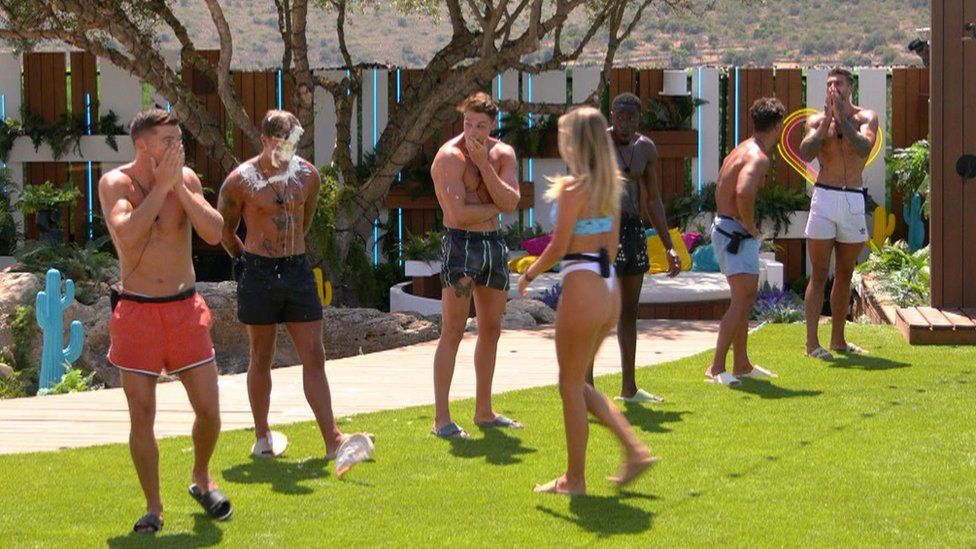
Image of contestants playing the game called snog, marry, pie, with Luca (second to the left) being pied. Image credit: BBC News.

Viewers have had some concerns over the past few days about how some of the islanders have treated other contestants, mainly aimed at the male participants. Former contestant Jacques was criticised for the way he treated his partner Paige before leaving the villa on mental health grounds. Luca, another participant on the show, was also condemned for accusing Gemma, his partner, of flirting with another contestant called Billy. Luca’s family released a statement about the incident suggesting that Luca would be “embarrassed and deeply apologetic” if he watched back the show. Women’s Aid communications chief Teresa Parker said that the charity has offered help with these concerns going forward with ITV and the producers of the show. 

Acknowledging these concerns, an ITV spokesperson has said: “We cannot stress highly enough how seriously we treat the emotional well-being of all of our islanders. Welfare is always our greatest concern, and we have dedicated welfare producers and psychological support on hand at all times, who monitor and regularly speak to all of the islanders in private and off-camera.”

Love Island: big on entertainment yet lacking in morals.

Love Island has been a show trending for many weeks now, bringing a lot of laughs, joy and downtime for its viewers. The more the show has gone on, these laughs and joy have turned into concerns and disturbances. The scenes projected on our screens are worth discussing, especially how the producers have allowed them to happen. Even before Luca accused Gemma of flirting with another contestant, he showed signs of questionable controlling tendencies. You could see the toxic way Jacques treated Paige from a mile off, yet the producers did nothing for the sake of “entertainment.”

What isn’t entertaining is seeing men or women put locks over someone else because they have deep insecurities that they haven’t addressed. Love Island has again moved past the entertainment line to something disturbing and traumatic for viewers who have experienced  controlling relationships. The show has a duty not only to its viewers but to society to call out when this line is crossed and condemn incidents over the past few days. The way Love Island has done nothing enables such manifestations of toxic relationships in society. A show can do as much training as possible, hire as many therapists and claim to value the safeguarding of contestants, but at the end of the day, it has done nothing to prevent such scenes that have become a toxic cycle year by year. 

The show has zero ability to provide entertainment whilst respecting the sensitivities that come with relationships.

Love Island is big on entertainment but lacks morals, and the past few days have shown why this holds true.    

Will this change is something I have no hope for. 

All Eyes On Kemi Badenoch Who Could Decide The Final Two Candidates Today

An unlikely king/queen maker has emerged in the Conservative party leadership race after she picked up votes on the third ballot on Monday night.

Mr Sunak was the winner on Monday extending his lead by taking 115 votes from Tory MPs, up by 14. If he reaches 120 votes in the final round he is guaranteed to progress.

Ms Mordaunt, the trade minister, got 82 votes, down one from Thursday’s second round ballot. The change may have reflected how she was perceived to have fared in the two TV debates since then.

Ms Truss, the Foreign Secretary, was still in third with 71 votes. That was an increase of seven votes, meaning she closed ground on Ms Mordaunt.

But the limited increase raised doubts about whether the 27 Tory MPs who voted for Suella Braverman, the Attorney General, when she was kicked out of the race followed her call to back Ms Truss.

Ms Badenoch received 58 votes, up by nine. Only Mr Sunak picked up more votes in the third round. However, she is most at risk of being knocked out during the next round of voting today.

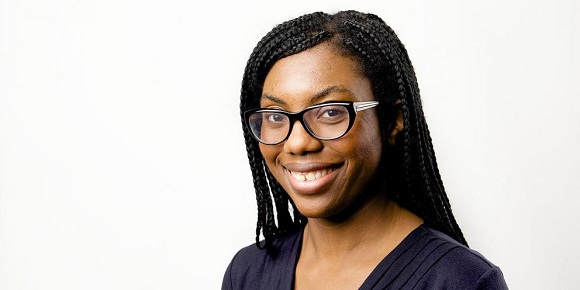
Kemi Badenoch / Daniel Hambury/Stella Pictures

Nobody saw this coming

Few pundits or Tory MPs predicted at the start of the contest that Ms Badenoch, who only became an MP in 2017 and has never been in the Cabinet, would make the last four.

Much has been made of the Mordaunt effect, however, the Kemi effect is arguably more fascinating.

Rishi Sunak, the former chancellor, gained the most support from fellow Tory MPs and is now on the brink of making the final two candidates, who will progress to a vote of party members.

But neither of the rivals best placed for the second slot surged, with Liz Truss not picking up as many votes as hoped and Penny Mordaunt actually losing a vote.

Backers of both Ms Truss and Ms Mordaunt were on Monday night already courting those who voted for Mrs Badenoch, who declared she would remain in the race and was “in it to win”.

MPs have ‘buyers remorse’ 

Michael Gove, the former communities secretary, claimed that Mrs Badenoch – whom he is backing – could even make the final two after MPs had “buyer’s remorse” for initially supporting other candidates.

Just four candidates in the race to replace Boris Johnson and become the next prime minister now remain.

The next stage of the race will be dramatic and interesting.

Sunak’s place in the Final 5 appears secure. He’s five off the magic 120 that guarantees him a summer of hustings. He should be home and dry tomorrow: it seems likely that most of the 31 backing Tom Tugendhat, eliminated yesterday will transfer to the former chancellor. That’s at least what rumours in parliament seem to confirm.

The odds of Mordaunt becoming Prime Minister are very slim because the combined vote of Truss and Badenoch is 129 – and that Brexit right-wing vote is likely to coalesce behind one of Truss and Badenoch, either through a formal deal between the two or through natural competition.

How Beijing’s Corruption Is Fueling America’s Opioid Crisis

Since the 1990s organised crime has soared across the world, with drug trafficking accounting for a key chunk of it. As China’s GDP has rocketed over the past three decades, so too has its role in the drug trade, namely that of opioids. 

While such activities can carry capital punishment on China itself, Chinese mafias are well on their way to dominating the global drug trade. Organised crime expert Alejandro Riera told Dialogo that it would not be “rare” for Chinese mafias to interact with Mexican cartels, emphasising that the CCP’s “shadow of corruption”, facilitates these murky deals.

Chinese nationals are routinely busted for facilitating operations for Latin American drug cartels. In 2018 El Tiempo revealed how Colombian authorities dismantled a complex money-laundering racket, involving Chinese citizens and the Mexican Sinaloa cartel. A minimum of 20 firms were subject to seizures with 88 million USD. 17 of the companies were Chinese-operated. Throughout this illicit system, Chinese brokers mostly supply the chemicals required to manufacture highly addictive opioids such as methamphetamine and fentanyl. The Mexican cartels then profit from distributing the finished drugs across North America and even further afield.

Members of Mexico’s growing Chinese diaspora handle the sourcing of drugs from mainland China and handle the transfers between the cartels and their suppliers, and launder money.

It is alleged that the Sinaloa and Jalisco New Generation cartels dominate Mexico’s fentanyl exchange, while the infamous Zheng mafia has heavy influence over shipping from China, in what researchers categorise as one of the “most sophisticated form[s] of money laundering that’s ever existed”

The gangs maximise profits by routinely inserting separate substances into their products. Just one kg of fentanyl can go for $2 million in the US, where 56,516 died of opioid-related overdoses in 2020.

Chinese operations are also gaining a hold on direct trafficking and money laundering on Mexican soil. In 2007 Mexico City police seized cash worth $205 million from a property owned by Chinese pharmaceutical mogul Zhenli Ye Gong. In 2018 Mainland Chinese, Hong Kong and Latin American authorities cracked down on a drug trafficking ring found to be smuggling US$51.6 million worth of cocaine in noodle-making machines. 

While China’s foreign ministry claims it is open to global cooperation, the ongoing drug trafficking crisis suggests otherwise. In a country where surveillance rules the public sphere, and the state maintains tight control over internal finances, does not add up with its failure to infiltrate spiralling drug crime, namely the monopoly its gangsters have on fentanyl being funnelled into the US’ most deadly drug epidemic.

That China’s corrupt elites turn a blind eye is hardly surprising. Aside from ist constriction to the already crisis-ridden culture of its key geopolitical rival, given that just 1 kg of Fentanyl or opioids can net dealers over $1.2 million USD, it is certain that profits continue to motivate these crimes. 

While Beijing vowed to clamp down on the trade in 2019, many groups have simply shifted toward funnelling raw ingredients to supplying cartels and US-based dealers.

The FBI’s Tennessee Director David Rausch says that these cartels distribute fentanyl-laced drugs throughout America and that Chinese gangs aid money laundering which Beijing is happy to turn a blind eye to.

Since Fentanyl is sold as medicine traffic is simple as doses are small and can be concealed in medicine. 

There is also the tricky question of relations between the Chinese drug lords, local politicians and criminal groups in Latin America. These connections have grown over the past few decades and can be difficult to target. In most Latin American countries suffering from these issues, the disciplinary actions of the drug enforcement agencies often change with the change in domestic leadership. It often solely depends upon the decision of the president or prime minister whether to act against drug dealers or not.

It is hard to comprehend what a blight on American communities opioids have become, causing over US 100,000 deaths in 2021, not to mention the chaos the trade inflicts on the Latin American societies they are transported through. As the trade risks tipping over into Europe, and Beijing continues to remain complicit, any serious solution seems a distant prospect.

The Eight People Battling Out To Be The Next Leader Of The Conservative Party

  • After the fall of Boris Johnson, the hunt for the next leader of this country is underway.
  • We will have to wait until the 5th of September to find out who will stand on the steps of number 10 Downing Street. 
  • In this article, we outline the eight people who may replace Johnson.  

Rishi Sunak

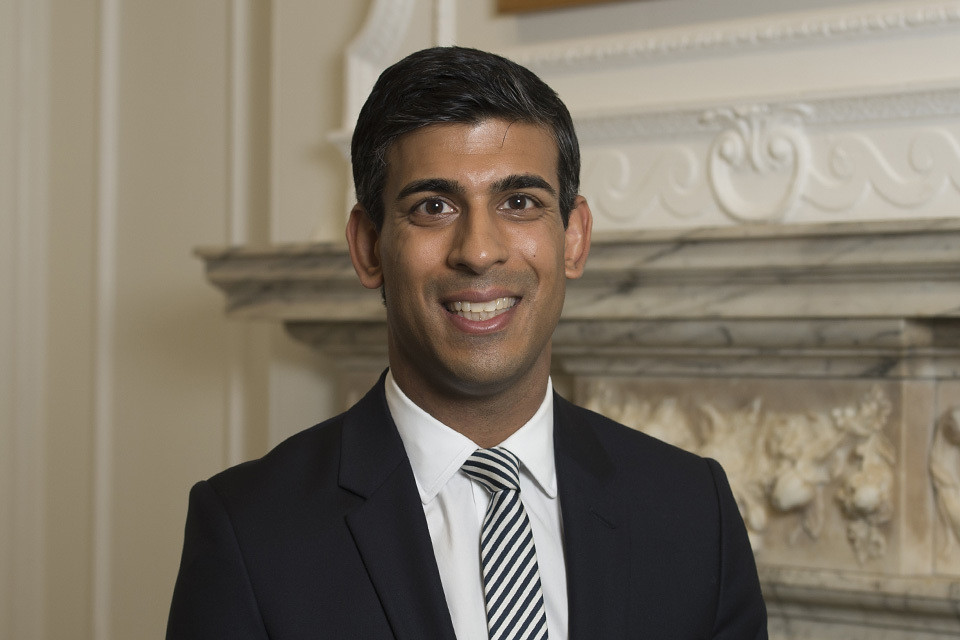
The former Chancellor is the bookies’ favourite to be the next leader of the Conservative party. Despite setbacks, including his wife’s tax affairs and arguably his poor management of the cost of living crisis, he is backed by many in the party. Supporters of Sunak include Grant Shapps, Dominic Raab and Theresa May. It seems he is focused on being the realist out of all the candidates by focusing on fiscal prudence than immediate tax cuts. However, he was a very close ally of Johnson, which could downplay his chances of being the next leader. 

Image of Rishi Sunak, who is seen as the frontrunner to replace Boris Johnson as party leader. Photo credit: Flicker.

Penny Mordaunt

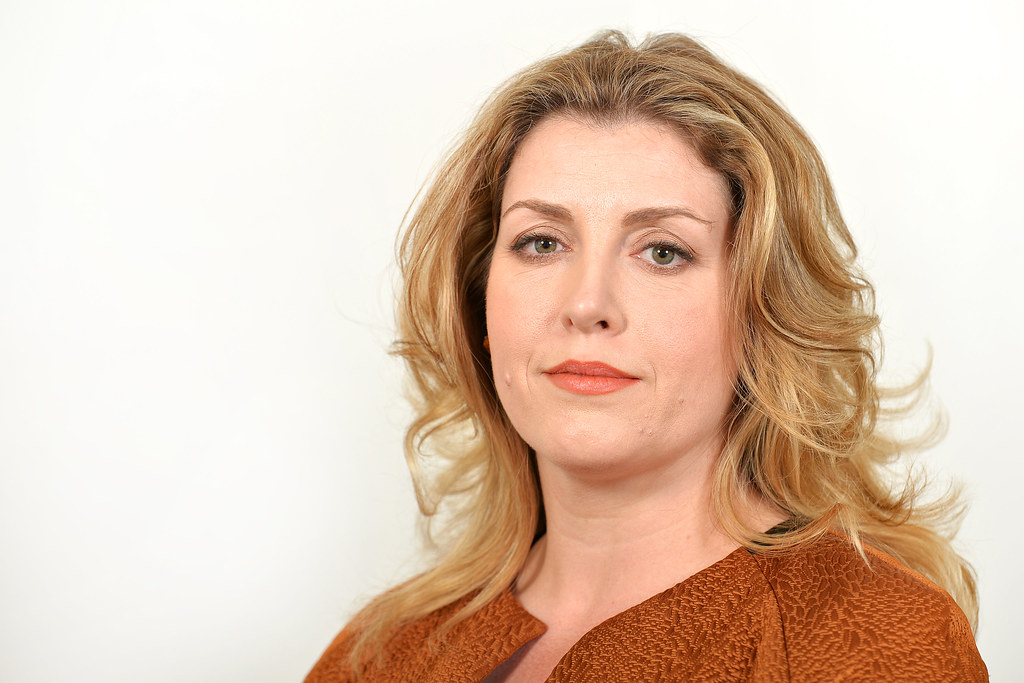
She is a relatively quiet candidate and is more known for participating in an ITV television show, Splash, than for her political prowess. However, after taking the Minister of International Trade role, she is seen as one of the frontrunners in this leadership contest. She has the support of former Commons leader Dame Andrea and Michael Fabricant. Out of all the candidates, she has expressed support for trans rights, which has preoccupied her. Yet, she said: “in the next few days, we’ll be able to discuss how we get our economy growing again and enable our citizens to live well.”

Image of Penny Mordaunt, Minister of International Trade. Image credit: Flicker.

Liz Truss 

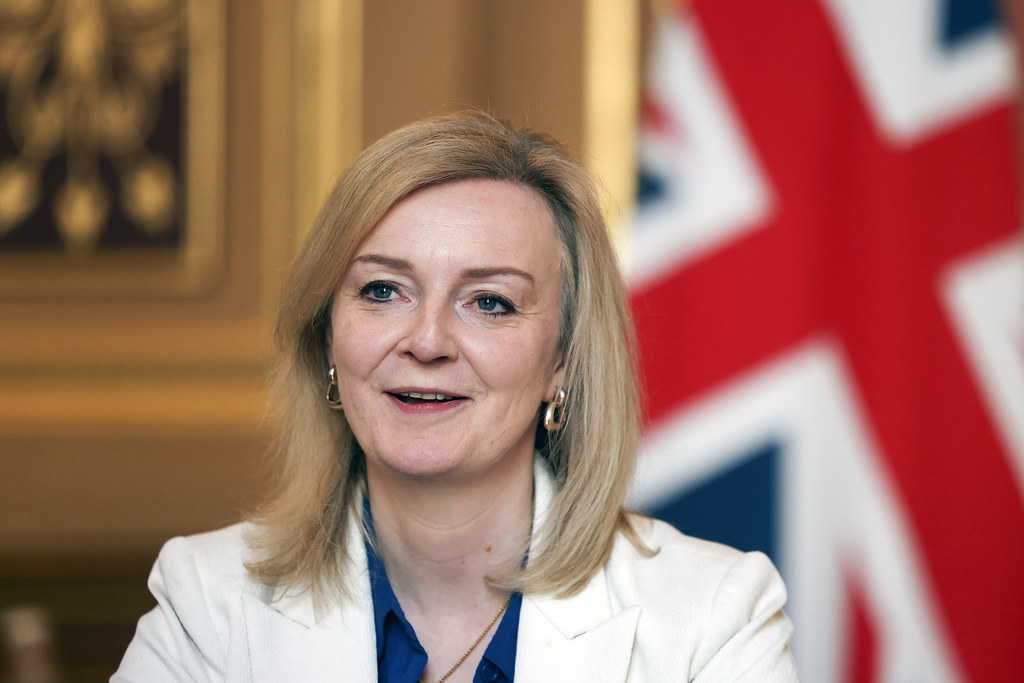
Like Sunak, the Foreign Secretary has been one of the leading successors for the outgoing Johnson. Being the longest-serving cabinet member out of everyone running could swing this race in her favour. She is also supported by prominent Conservative supporters, including Jacob Rees-Mogg and Nadine Dorries. It is argued that she is seen as a reincarnation of Margaret Thatcher with her low tax principles. She has labelled young people as a generation of “Uber-riding, Airbnb-ing, Deliveroo-eating freedom fighters.”

Image of Liz Truss, Foreign Secretary. Image credit: Flicker.

Jeremy Hunt

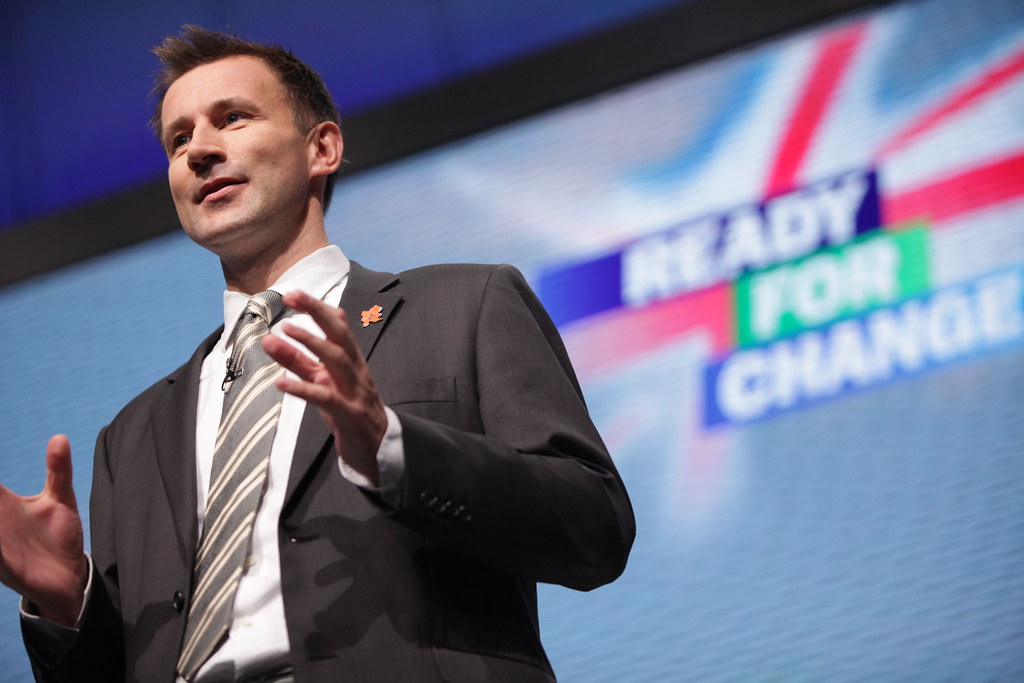
Know as the person who just lost out against Johnson in the last leadership race, Hunt hopes to do one better and become the leader of the party. He is seen as an outsider from the “Boris bubble” that has marinated many of the candidates in this race. Andrew Mitchell, Crispin Blunt and Esther McVey all back the former Health and Foreign Secretary. Hunt promises the lowest rate of business taxes in the western world, including pledging to cut business rates for five years “for the most in-need communities.” He is also relatively quiet regarding the culture war that has taken a lot of interest from some of the candidates. 

Image of Jeremy Hunt, former Health and Foreign Secretary. Photo credit: Flicker.

Suella Braverman

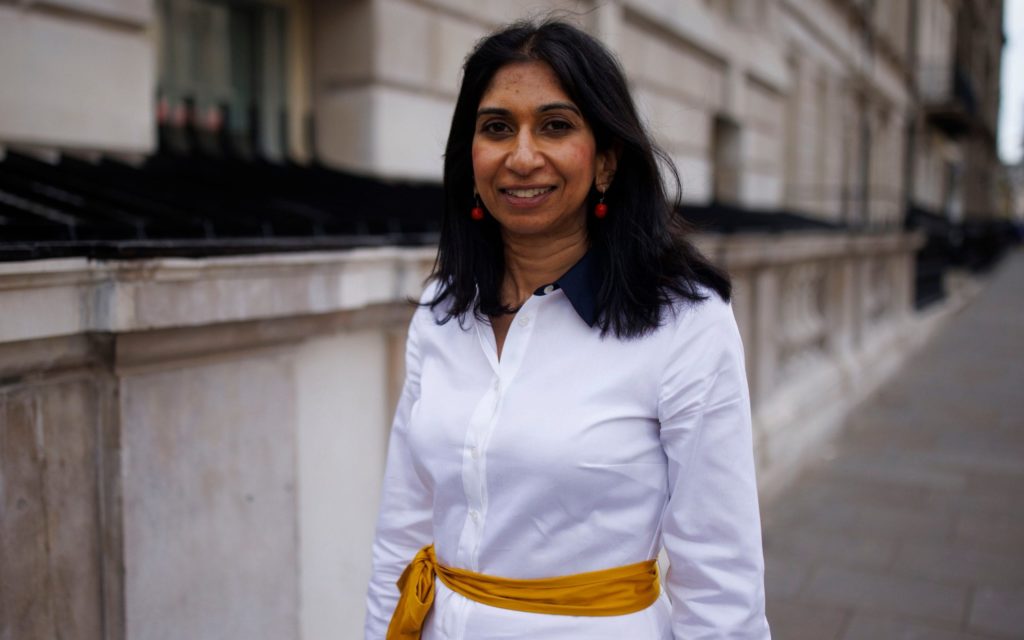
According to Steve Baker, who wrote for the Daily Telegraph about her role in Brexit, the Brexiteer Attorney General is seen to be one of the people helping to make Brexit happen. She is a loyal supporter of Johnson, similar to the other candidates running for the leadership role. Braverman has the support of Baker and Sir Desmond Swayne. Like Johnson, Braverman has already shaken the hands of controversy by saying that she will tackle “stubborn” working-age people who “refuse” to get jobs. She is taking the position of a low-tax state, believing that “if you want something done, you have to do it yourself.”

Image of Suella Braverman, Attorney General. Image credit: Daily Telegraph.

Kemi Badenoch         

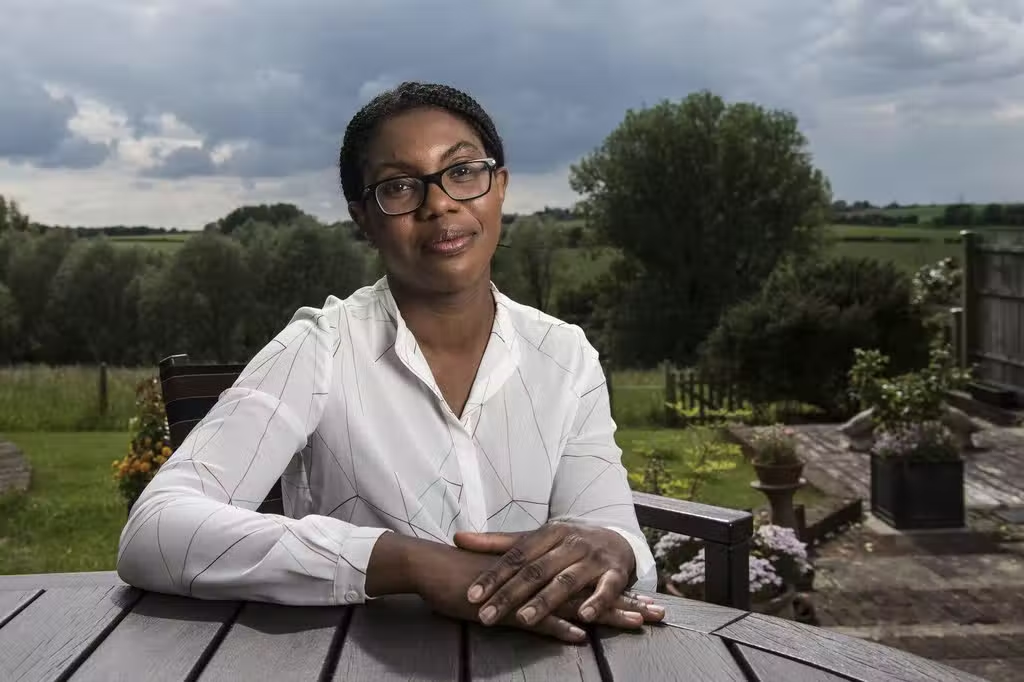
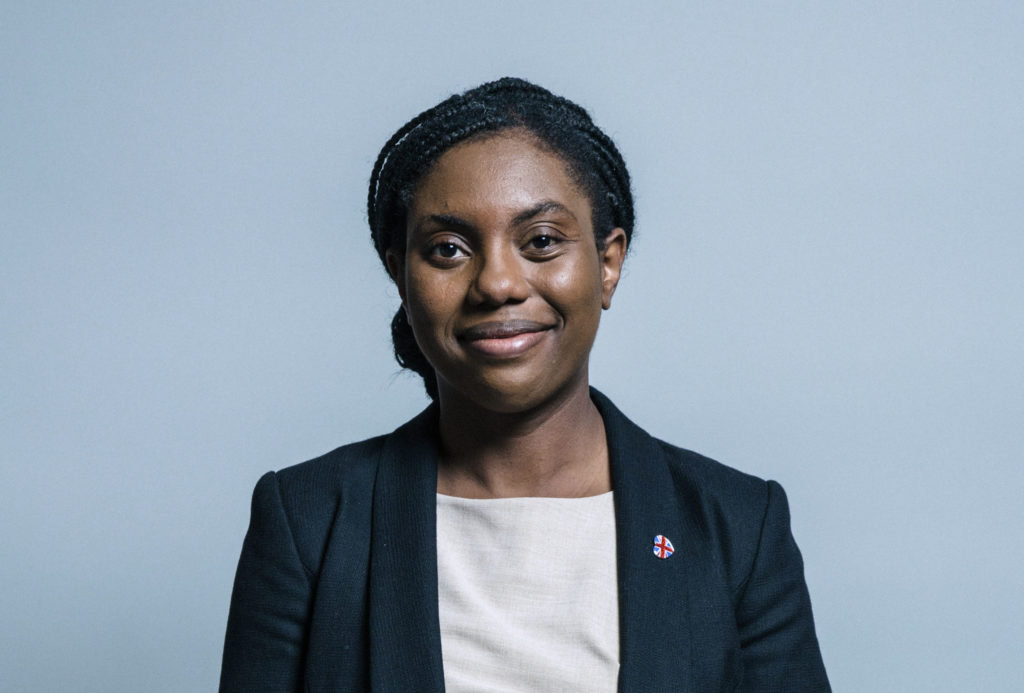
MP for Essex and former Levelling up and Equalities Minister Badenoch is portrayed as a lieutenant in the cultural war. Defender of the controversial Commission on Race and Ethnic Disparities (Cred) report, she hasn’t risen further into the spotlight, which could change depending on how she does in this race. With support from Michael Gove, Lee Anderson and Ben Bradley, she could be a dark horse in this leadership battle. She has promised low taxes to help boost growth and productivity and has compared “identity politics” to coercive control.

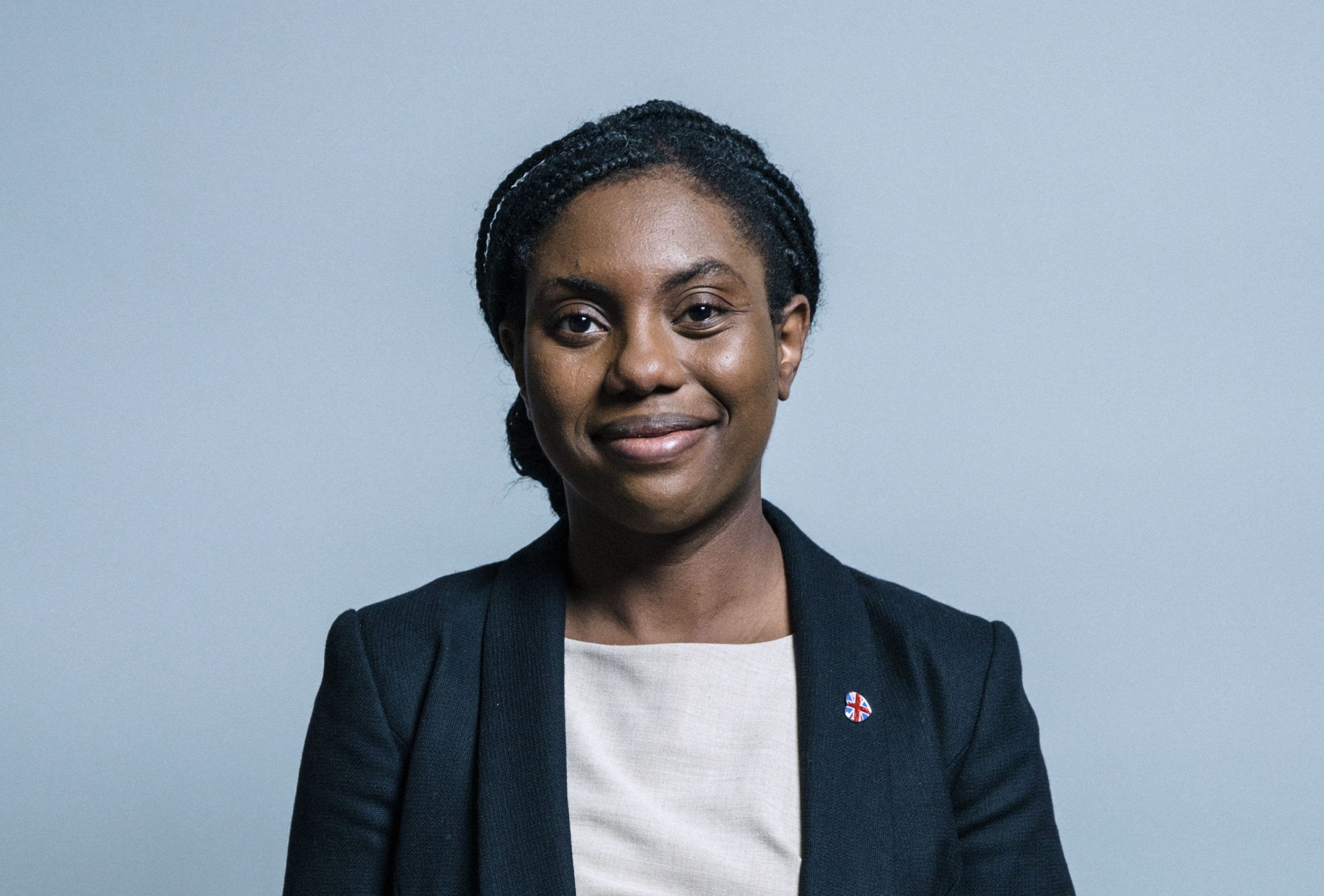
Image of Kemi Badenoch, MP for Essex and former Levelling up and Equalities Minister. Photo credit: Wikimedia Commons.

Nadhim Zahawi

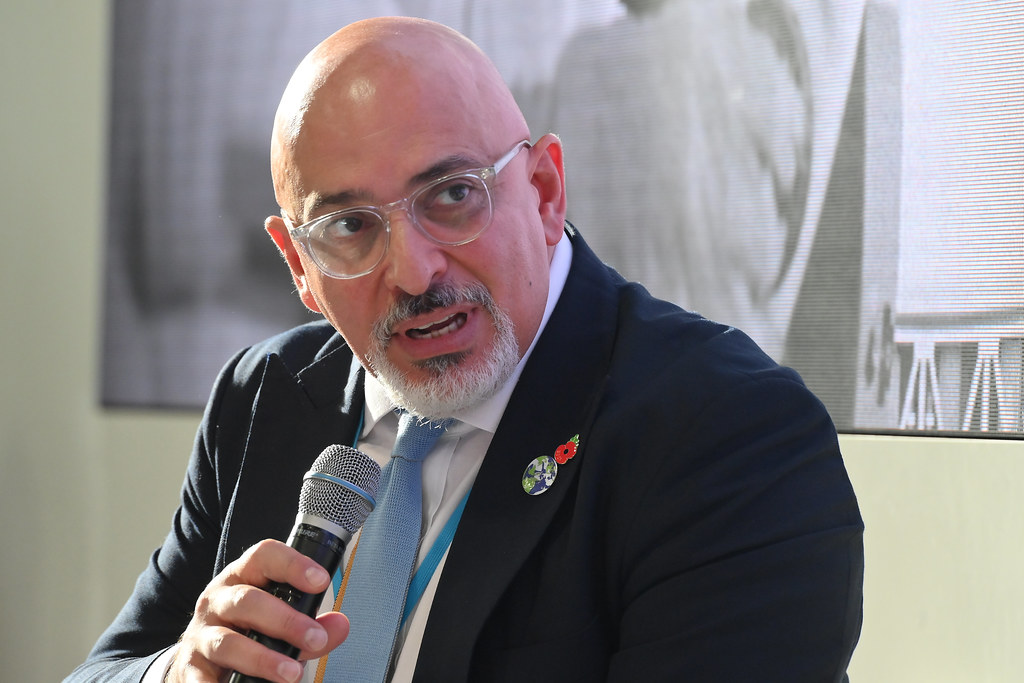
Former Vaccine Minister and now Chancellor has thrown his hat in the ring of leadership. He has support from Brandon Lewis, the ex-Northern Ireland Secretary and Michelle Donelan. Zahawi is coming across as the one to “steady the ship and to stabilise the economy” and wanting to take the opportunities that Brexit has provided. Less than 48 hours after becoming chancellor by Johnson, he published a letter calling for Johnson to resign, which didn’t go down well. One backbench stated: “He’s made himself look like a knob.” Will this haunt him is something that we will find out before or after September.

Image of Nadhim Zahawi, former Vaccines Minster. Image credit: Flicker.

Tom Tugendhat

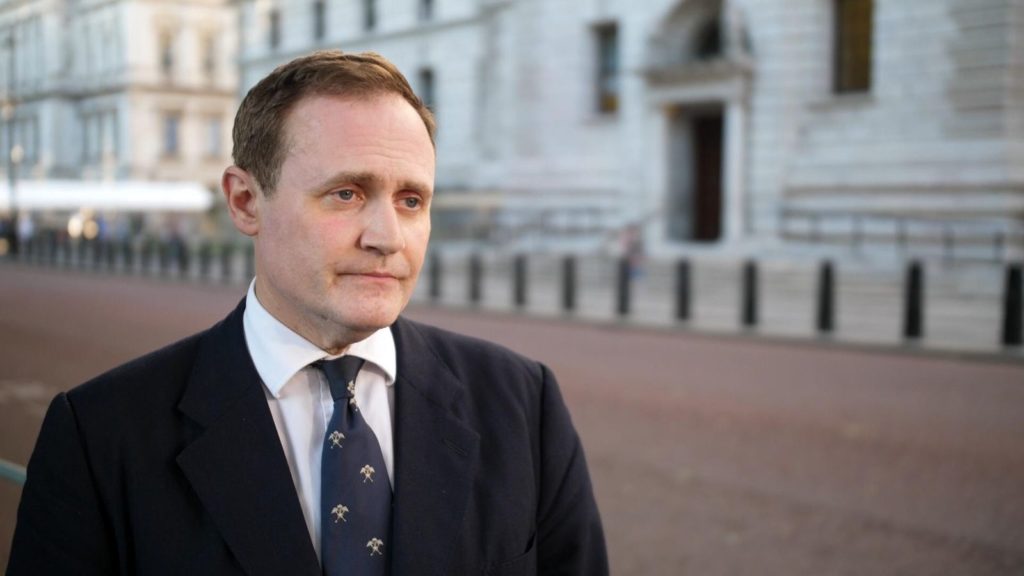
Tugendhat is popular among the candidates for party leader. He is best known for his speech that condemned the fall of Kabul to the Taliban last summer and has tried his best to separate himself from Johnson. International Trade Secretary Anne Marie Trevelyan backs him, and the former soldier is seen to be more on the party’s left side. He has reiterated the need for a “clean start for the country,” focusing on the cost of living crisis and supporting a drop in fuel tax. Like the other candidates, Tugendhat has taken a dig at the cultural war and is critical of so-called “victim culture.” 

image of Tom Tugendhat. Image credit: Sky News.