Relative to its closest neighbours Libya and Algeria, Tunisia is something of a bulwark of stability in North Africa. Almost a decade on from the “Arab Spring” wave of demonstrations and protests, conflicts that changed the face of the region forever, it has resumed tourism (notwithstanding pandemic restrictions), and its official government has a semblance of control over the small nation.
The role of social media in the revolutionary wave between 2010 and 2012, remains, like the movements themselves, a highly contested topic. However, it is clear that they played an important- if highly varied- role in facilitating change in many areas. Yet, the promising role of social media in information and democracy in the region, including in Tunisia, has largely diminished in recent years as from Beijing to Beirut, it has increasingly become clear that technology in the hands of oppressive state forces is just as likely to hamper societal flourishing as it is to facilitate it. No clearer is this fact than in Tunisia’s recent trajectory.
Earlier this month Wired.com published an exclusive report on how Tunisian police unions use Facebook to doxx, harass, and “out” LGBTQ people after a protest in January.
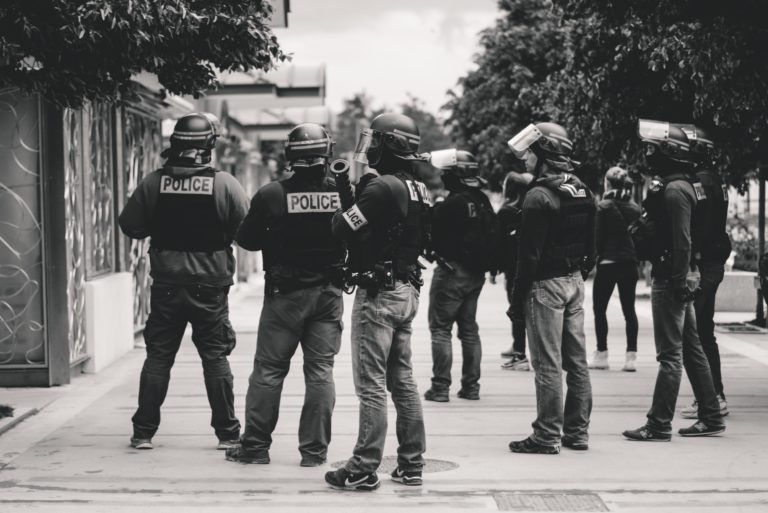
Tunisian riot police officers attend disinfection works at streets within precautions against coronavirus (COVID-19) in Tunis, Tunisia on March 28, 2020 [Yassine Gaidi – Anadolu Agency]
Journalist Layli Foroudi wrote: “Whereas their [Policing Union] pages used to be mainly centred on social and work-related demands – such as salaries and career progression – they’re now being used to attack critics. Analysis of 40 Facebook posts and messages show union pages being used to target protesters and human rights groups.”
A video of one protestor, Hamma, garnered hundreds of thousands of likes as a result of shares from such Policing Union pages, and resulted in a torrent of abuse being directed toward him. Many such people included in these hostile social media posts are routinely harassed in the street by police, and one woman was forced to quit her job in the fear that customers would recognise her.
Saif Ayadi, an activist with Tunisian Association for Justice and Equality (DAMJ) told Foroudi that “The unions are especially targeting activists from Tunisia’s LGBTQ movement…Along with football ultras, the LGBTQ community experiences the most police violence.” Ayadi himself has been arrested four times since October.
In October 2020 in which Tunisia’s Constituent Assembly drafted a law seeking to expand legal protections for domestic security forces and customs officers after being shelved back in 2015. These Tunisian policing unions were founded in April 2011 after Zine el Abidine Ben Ali was removed from power, but have hardly functioned as a safeguard for the general public. In March 2018, Amnesty International, along with 15 other Tunisian and international human rights organisations petitioned the Tunisian government to take action against police who are known to “threaten or blackmail judges into halting judicial proceedings opened against them.”
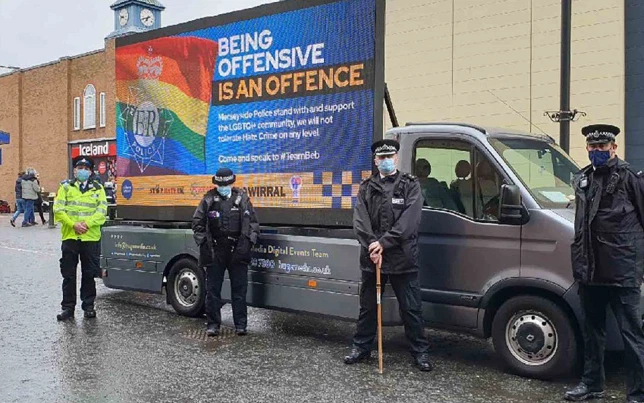
In February 2021, Merseyside Police shared an “incorrect” statement on social media. The message “being offensive is an offence” was shared on Twitter, displayed on a billboard on a van with police officers surrounding it.
The backlash was fierce and fast. Social media users accused the force of being “the thought police”. One Twitter user commented, “Utterly chilling. In a free society the right to be offensive is fundamental”.
In fact, such was the scale of the backlash that Merseyside Police was forced to apologise for the statement, and clarify that being offensive in itself was in fact, not an offence.
In a statement, superintendent Martin Earl said that the “well-intentioned” poster was part of a campaign designed to encourage people to report hate crimes, and apologised for “any confusion” it may have caused.
The situation has sparked debate about what being offensive is, who decides what offensive is and isn’t, whether or not it should be a crime to be offensive and where the boundaries are between hate speech and free speech (if any should exist at all).
The Facts
Merseyside Police were forced to apologise after a campaign described by some as “chilling” was launched in the Wirral area of Liverpool.
A digital advertisement was displayed on the side of a van, in apparent solidarity with the LGBT community, encouraging people to report hate crime to local police. The message read, “being offensive is an offence. Merseyside Police stand with and support the LGBTQ+ community, we will not tolerate Hate Crime on any level.”
It comes after it was reported that hate crime hit record levels in 2020, with over 105,000 hate crimes reported to the authorities, increasing 8% from the previous year.
The advert was intended as a show of support for the lesbian, gay, bisexual and transgender communities during LGBT History Month. However, it received fierce backlash from Twitter users who disagreed with the controversial statement.
Many people thought the police were overstepping their boundaries and attempting to legislate against free speech. Critics have hit out at the wording of the message, accusing the police of deliberately attempting to undermine free speech – which includes the right to offend – in the name of diversity and hate crime.
The Free Speech Union has written to the Chief Constable of Merseyside Police asking for an explanation of how his officers could be so ignorant of their legal obligation to safeguard freedom of expression. https://t.co/IoPRSGByuU
The Free Speech Union accuses Merseyside Police of being “ignorant of their legal obligation to safeguard freedom of expression”.
Superintendent Martin Earl, in a statement, said, “We would like to clarify that being offensive in itself is not an offence.”
“A message on an advan and social media this weekend by the Local Policing Team on the Wirral to encourage people to report hate crime, although well intentioned, was incorrect and we apologise for any confusion this may have caused.”
In a scathing public letter to Merseyside Police, the Free Speech Union addressed their concerns about the effects that this poster could bring, despite an apology and clarification by Merseyside Police.
They wrote, “As you will be aware, the potential mischief done by Merseyside Police here goes beyond getting the law wrong. The message, despite any good intentions behind it, ostensibly communicated an intent to investigate lawful speech and, as such, it was potentially unlawful.”
“It constituted a very large public statement by the force that it pays little heed to its legal obligation to safeguard freedom of expression.”
“It [is concerning], that the force’s internal processes, which include legal review, resulted in such a stark and public misstatement of basic law”.
There are two issues to deal with here. One is whether or not causing offence in itself should be an offence. The other is dealing with the reasons and motivation as to why Merseyside Police would publish such a fraudulent statement.
Firstly, as a basic and fundamental principle, being offensive in itself is NOT an offence. Whilst it’s important to note that freedom of speech has never been – and can never be – absolute, the basic freedoms of expression and speech are safeguarded under British law.
Freedom of expression is protected under the Human Rights Act 1998 which states, “Everyone has the right to freedom of expression. This right shall include freedom to hold opinions and to receive and impart information and ideas without interference by public authority and regardless of frontiers.”
This law is why Merseyside Police was so wrong to put up such a message. It symbolises a direct defiance of the current legislation, irrespective of their actual intent. This was, to some, an act of war against free speech.
Offence in itself is incredibly subjective, and therefore can be difficult (if not impossible) to legislate against. Once society decides that there is an objective way to determine ‘offensive’ speech, it then has to decide who is given the authority to do so. That is too much power for any individual or group to possess.
Scotland has attempted to impose controversial hate crime laws.
Secondly, it would be interesting to know why Merseyside Police felt the need to send such a message in the first place. There are ways to discourage hate crimes and encourage reports of such without blatantly disrespecting the rule of law.
It raises questions as to whether or not certain communities are pressuring law enforcement to bend the rules to fit their worldview.
The fact that the police put out such an unlawful message is testament to this, as it shows that they would be willing to cause controversy and disregard speech laws to suit certain communities.
According to a report by the Independent, nearly three-quarters of hate crimes reported in the 19/20 year were race-related. Why then, did the police decide to use an LGBT flag to send a message? Are they implying that LGBT people take precedence over other groups?
In any case, we should be concerned by this. Had there not been a backlash, it’s hard to speculate whether or not the billboard would have been removed.
It’s worrying that the police showed a disregard for the law, but also more worrying that certain groups are putting pressure on law enforcement to do so.
Greensill filed for insolvency during Covid in March 2020 after being valued at $7bn, a firm founded by an adviser to David Cameron’s government, leading to 440 job losses, and 3,000 more with Greensill-financed Liberty Steel, Britain’s third-largest steel producer.
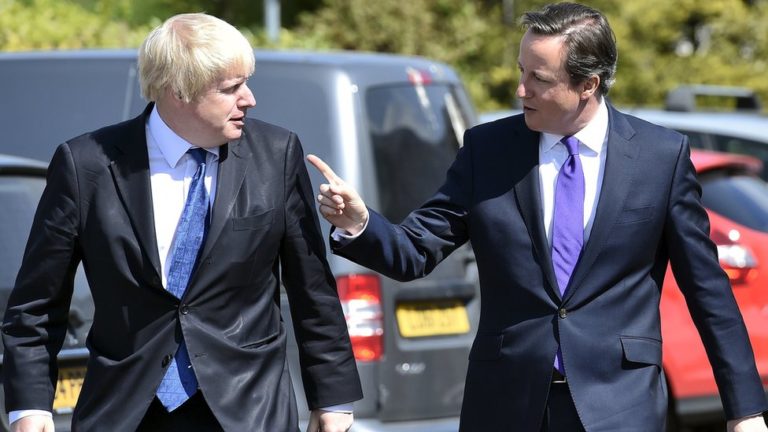
The former Prime Minister told friends he stood to make $60 million from the listing, although David Cameron denies these allegations. This has forced Boris Johnson to launch formal inquiries given the ongoing journalist crusade on Westminster cronyism.
Greensill
Lex Greensill worked with Jeremy Heywood, cabinet secretary 2011 as part of a Civil Service efficiency drive to improve supply chain SMEs access to low-cost credit.
David Cameron began working as Ambassador to win new business for Greensill in August 2018, soon as the 2 years lobbying ban ended after leaving government. Another individual, senior civil servant Bill Crothers worked for Greensill in 2015 while on civil service payroll.
Mr Cameron admitted to texting and ringing the Chancellor and going for a drink with the health secretary, Matt Hancock in 2019, as part of his work. It only took 3 weeks of headlines and journalistic pursuit for the former PM to step forward and admit poor judgement.
What the ex-PM did was within the rules, but something feels off regardless, especially considering the possible compensation involved.
Greensill collapsed after struggling since 2018, putting large dents in Credit Suisse, General Atlantic and Softbank Vision Fund (part-owned by Saudi Arabia’s Public Investment Fund) as the largest investor in Greensill.
Cameron tried his best to help Greensill access the Covid Corporate Financing Facility (CCFF), making representations to the Treasury when Covid struck.
While this may seem noble of Cameron as Greensill’s Earned pay product was designed for employees to get paid shift by shift, rather than resort to exploitative payday loans at the end of the month, it makes us question whether a former Minister, let alone PM, have the ability to access current government decision-makers and influence policy.
Various accusations have been levelled at Mr Cameron for not going through formal channels, but text message and email. This reeks of a too cosy-a-relationship between business and Westminster, as even Gordon Brown chipped into the foray declaring former PM’s “must never” lobby government for commercial purposes because it “brings public service into disrepute.”
Without transparency, there is a risk of misinterpretation. Who knows who else David Cameron was liaising with or what else is discussed over “private drinks” with current Cabinet members capable of leaning on lower rungs of civil service. Even Senior Conservative MP Sir Bernard Jenkin, Parliament’s Liaison Committee Chair, said such incidences revealed a “very casual” yet “corrosive” culture in top government and business relationship.
Gordon Brown wants the lobbying ban to stretch 5 years, however, it seems unfair to make laws stretch far into the future to bind people to previous employment, especially considering most politicians are not especially well paid for their capabilities.
Matt Hancock
If this were an isolated incident revealed to investigative journalists by Whitehall whistleblowers that might be one thing, but we also have current Health Secretary Matt Hancock declaring 15% ownership of Topwood Ltd March 2021, a supplier approved for NHS trusts England in 2019, a year after he took the role. He failed to mention his sister Emily Gilruth is a Topwood Director, involved since 2002.
Although Hancock has no involvement in the awarding of these contracts which were for Wales NHS, not England, meaning no conflict of interest arises, and he declared interest accordingly; it seems only fitting that Boris does take the June feedback from the inquiries appropriately as transparency and accountability are crucial for public confidence in our democratically elected officials.
The pandemic has affected everyone, and it has undoubtedly changed the way we live. One part of society that has been affected has been students, most notably those within education. From nursery up to university, each level of education has been dramatically affected. Despite some research suggesting that remote learning can be as good or even better than in-person learning, many reports highlight the mental and academic impacts for students in university
Several universities such as the University of the West of England and Nottingham Trent have reported many students wanting to repeat the year because of mental health and academic concerns. A poll found that 40% of students were seriously considering dropping out of university, with more than 80% saying that the pandemic has negatively impacted their education. Since March of this year, around half of university students are not eligible to return to campus and it is estimated that all students will be allowed to return by 17th May. However, this has disappointed many students and university leaders, due to most seminars and lectures finishing at that point. It is clear that from looking at these reports and speaking to students, they feel that their interests are not being taken seriously enough if that is by universities or the government itself. One of these students was Olivia Lever, who studies at Liverpool University.
During the pandemic, students have been negatively affected with many not receiving the mental, academic, or pastoral support they need. The government has buried their heads in the sand over universities ripping off students and not providing a quality that students are paying for. In my personal experience, a good majority of lecturers and other university staff have gone above and beyond for students and working to help in every way possible. However central university management have left mental health services and other vital services underfunded whilst Vice-Chancellors pocket fat-cat wages. The government should start taking action against universities and holding them accountable, making sure that students are receiving the full value of the education they are paying for and not being taken for granted.’
Olivia Lever, student at Liverpool University
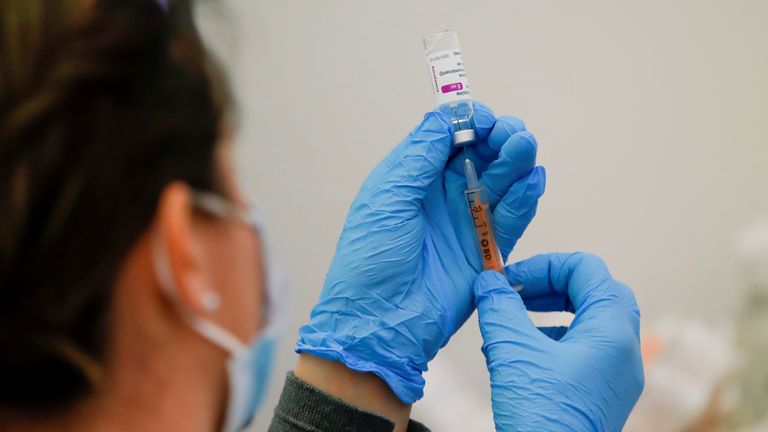
More than 33 million people have now had a first dose of a vaccine
Olivia isn’t the only one who has felt that their university experience has been affected by the pandemic. Oluwaseyi Sobogun, an architecture apprentice at the London South Bank University, felt that “there have been more negatives than positives” when studying her course during the pandemic. These negatives included the lack of access to the university and the facilities that she needed to “enhance/maximise” her architecture experience, such as “modelling equipment, a laser cutter, workshop and a large format printer.” Oluwaseyi did have one positive experience during the pandemic where she was the finalist for the BAME apprenticeship awards, despite the event being held virtually. She concluded and said that “by far, this final year has been more difficult than anticipated.”
There have been more negatives than positive to studying my course during this pandemic. One of the positive was being a finalist for the BAME apprenticeship awards, however the negative was missing the chance to physically attend the award evening, which happened in November, (during the second national lockdown). I would have loved the opportunity to meet fellow BAME apprentices in different fields from all over the UK. Although it was hosted virtually and a form of networking was included, it was not the same. More negatives, lack of productivity and access to the university which has the subsequent facilities required to enhance / maximise my architecture experience – such as modelling equipment, a laser cutter, workshop, large format printer etc. Most architecture schools are built on the concept of the studio – a shared space to formulate, discuss and share ideas. The studios have been closed and replaced with MS teams. I have not met or become properly acquainted with my course mates, and as an apprentice who only spends one day a week at university, I am missing that experience. There is a lot of working in isolation, with the occasional input from university tutors. Although as much has been done to communicate the support available and alleviate pressure on deadlines, it is stressful and isolated. By far, this final year has been more difficult than anticipated.”
Oluwaseyi Sobogun, architecture apprentice at the London South Bank University
Students have also graduated during this unprecedented time, with some students struggling to find a job. A survey conducted by Prospects found that many final year students last year seen their job offers either deferred or withdrawn because of the economic downturn caused by the pandemic. In this survey, it found that out of 1,202 students, 64.6% of them felt negative about their job prospects. A Kent University graduate, who wants to remain anonymous, feels that university hasn’t really finished for them, despite graduating a year ago.
A year on from graduating, in the most anti-climactic way possible, university doesn’t really feel finished for me. The struggles of finding a job and starting one working from home can be a lot to process internally, particularly when your external environment isn’t signalling a whole lot of change. For me I think of these as the early stages in a lifetime of successes. I won’t wait for a big graduation anymore to celebrate my wins, but all the little ones that prove I am capable and graduating in a COVID era doesn’t make me a failure.
University of Kent graduate
Those who are graduating this year are likely not to have a graduation ceremony this summer and those who graduated last year still don’t know when their in-person ceremony will happen.
Some universities have cancelled their ceremonies for the second year running, while some are trying to have in-person ones.
As students prepare to finish the term and for some to graduate and enter the world of work, it is clear that students have been affected a great deal by this pandemic.
The question remains about if these higher education institutions or the government will address the concerns of the likes of Olivia, Oluwaseyi and the thousands of other students in this country.
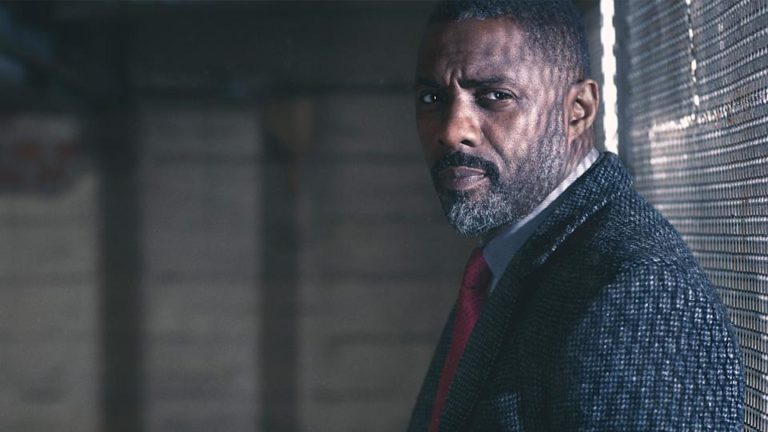
You may have watched the BBC’s hit crime drama Luther – featuring none other than Idris Elba. His character, who bears the name’s sake of the show, is a detective chief inspector who is passionate about solving crimes – but also intense and obsessive; he does not always stick to the rules.
The show is one of the first British prime time television dramas that stars a black actor in the lead title role, and it recently came into the spotlight again after the BBC’s head of diverse creativity Miranda Wayland commented on the authenticity of the detective.
Miranda Wayland has worked in the role since February 2020 – her position was created during a series of changes at the BBC, aiming to demonstrate the BBC’s commitment to on-air diversity.
She said: “When Luther first came out everybody loved the fact that Idris Elba was in there – a really strong, black character lead. We all fell in love with him. Who didn’t right?
But after you got into about the second series you got kind of like, okay, he doesn’t have any Black friends, he doesn’t eat any Caribbean food, this doesn’t feel authentic.”
This sparked a series of reactions, including writer Neil Cross, who created the character of Luther.
He said that Idris Elba only accepted the role due to the fact that race was not an integral part of the character on screen.
He also said: “I have no knowledge or expertise or right to try to tackle in some way the experience of being a Black man in modern Britain.
It would have been an act of tremendous arrogance for me to try to write a Black character. We would have ended up with a slightly embarrassed, ignorant, middle-class, white writer’s idea of a Black character.”
‘Luther’ does not have any noticeably cultural indicators or influences in his life – he does not have those elements that a fellow black British person may recognise and identify with. A huge part of the television experience for audiences, is identity and some find meaning in that. For others, having a character that ‘looks like them’ is enough.
On the other hand, being black or even black British is not a homogenous experience – Neil Cross highlights this by refusing to write from a place of assumption. Black people do not fit in a box -, being black is not only defined by the foods you eat, the music you listen to or the ethnicity of the friends you keep – even though these are important culturally defining factors. Furthermore, the story line of Luther focuses on crime, and his obsession with it – the lack of focus on his ‘blackness’ does not mean that it is being ignored or minimalised.
However, there is also no harm in consulting black voices when creating a character who is from culture different to your own. Everyone benefits when a range of voices are included, behind the scenes and on-air: this is important to remember as strides are made to increase diversity within television.
Knife crime has been an ongoing issue within the UK. The latest figures date back to 2019 – according to Statista, the number of knife crime offences recorded in the nation’s capital reached almost 15.6 thousand. It is to be noted that this trend in increasing knife crime has also been seen throughout England and Wales – not just within London. Behind each statistic is a story of personal pain.
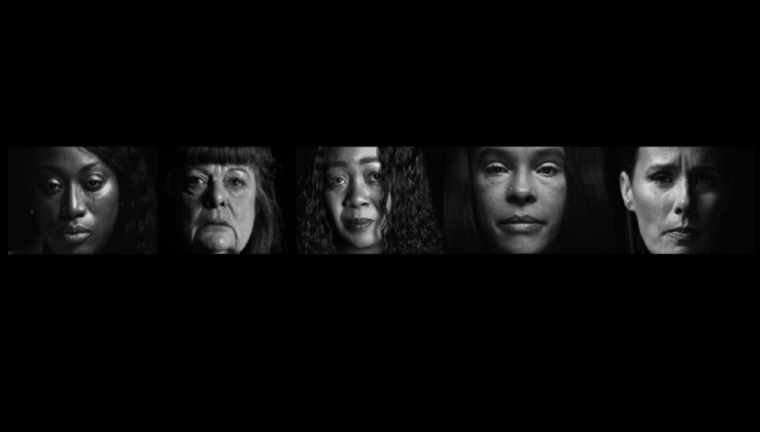
Five mothers have chosen to relive that pain, to raise awareness and to encourage people to report information. They shared their stories, and the calls they made after hearing of their sons’ deaths, as part of the ‘Hard Calls Save Lives’ campaign with the Metropolitan Police.
One mother spoke of how she called her son 10 times, after hearing that he had been killed.
The campaign, which has been running for almost a week, aims to inspire those who have close relatives who may be involved in knife crime, to call Crimestoppers anonymously and share information that could prevent further deaths.
Archie Beston was out with his friends in Kingston when he was stabbed to death in 2020. A van was deliberately driven towards the 19-year-old and another teenager, and Archie was stabbed by Tyrone Bryan, who was later convicted of manslaughter.
His mother Becky Beston is one of the mothers who are campaigning.
She said: “After my Archie was murdered, I had to call up about getting him embalmed. That should never be a sentence a mum should have to say.”
‘Hard Calls Saves Lives’ includes short films as well as advertisements online and on radio.
Commissioner Cressida Dick said: “This campaign would not have been possible without the strength and courage of these mothers, who have relived the traumatic calls they had to make in the hope that it will prevent other families suffering, as they have.
“We understand this is a difficult thing to ask – but you don’t have to name names and even a small piece of information could be vital. Making that one call could literally save the life of someone’s son or daughter.”
If you have any information regarding knife crime, you can contact Crimestoppers anonymously on 0800 555 111 or online at crimestoppers-uk.org.
The UK government has admitted that proving your Covid status is “likely to become a feature of our lives”, whilst restrictions continue to ease across the nation.
In an attempt to restart the economy, the UK is trying to make it easier for people to prove their vaccination status, so as to make it easier to reduce social distancing and allow international travel.
Whilst Boris Johnson has urged that the UK “must not be complacent”, the authorities are sticking to their roadmap for lifting lockdown in certain areas of the nation, including England, as ‘stage two’ will commence on 12 April.
Currently, when a person receives a Covid vaccination, they receive a vaccination card and the record of the jab is stored on their medical records.
Stages two and three will not involve Covid passports, according to Boris Johnson.
He said, “There is absolutely no question of people being asked to produce a certification or a Covid status report when they go to the shops or to the pub garden or to the hairdressers or whatever on Monday.”
“And indeed, we’re not planning that for step three, either.”
It will be legal, however, for businesses to ask customers for Covid statuses, provided they do not break existing equalities legislation.
The proposal for Covid passports has sparked controversy.
David Kurten, Heritage Party leader and London mayoral candidate, has urged people to ‘reject the new normal’ and described the idea of Covid passports as ‘medical fascism’.
Previously, Pimlico Plumbers boss Charlie Mullins said he was planning to draft new employment contracts for his staff, requiring them to have the jab.
Your Tory/Labour future: Daily Covid tests Twice yearly mRNA injections Covid passports Chinese-style 'social credit' 'No jab, no job' Travel ban Masks Small businesses destroyed No cash Quarantine camps
In order to answer the question, one must first ascertain what it means to be British in the first place.
Many would say it simply means to hold a British passport, whilst others would say that it means to hold a certain set of values, and the accompanying expectations and values.
Lucinda Platt, from the London School of Economics (LSE), comments that there are certain fundamental aspects of British values that are expected in all levels of society, and should be taught in schools.
These values include: “democracy; the rule of law; individual liberty; mutual respect for and tolerance of those with different faiths and beliefs”.
A key element of her analysis includes individual liberty. Whilst it’s reasonable for laws to be in place to prevent crime, it is clear that the UK should be as an egalitarian as possible, allowing for citizens to be free to make their own choices.
If an individual chooses not to have a vaccine for any reason (religious, philosophical, health-wise or otherwise), they should not be forced to for any reason.
The Good Morning Britain panel debates whether or not vaccine passports are necessary. Video credit: Good Morning Britain
The UK government has never proposed mandatory vaccinations by physical force, however, the proposed idea of Covid passports is enforced through the back door. Force does not have to necessarily take the form of physical means.
If a person feels coerced into taking a vaccine, then the illusion of ‘free choice’ is shattered. There is a fine line between cause and effect and coercion.
That coercion is based upon the premise that our freedoms have to be earned, as if citizens aren’t entitled to exercise their right to bodily autonomy.
Concepts such as Covid passports have the potential to fundamentally alter citizens’ relationship with the state.
A fundamental principle of UK culture and values is free choice and egalitarianism. Therefore, by definition, Covid passports cannot be British.
Vaccine passports protect the Great British community
The debate on vaccine passports is intense, but the community’s perspective should outweigh the position that so-called civil liberties are “under threat”. The public thinks so, with many Yougov polls showing support for vaccine passports. Vaccine passports are needed. Even if you think Britain is a country defined by its civil liberties, great nations are great because they are communities not full of purely individualistic people.
When we talk about Great Britain’s greatness, the community is needed way more than complete and utter freedom. There may be some in this country that wants absolute freedom, but that is unachievable. If we were given complete freedom, there would be no Great Britain! Speed limits are a pain to follow, but they save other people’s freedoms. Having a seatbelt on may restrict your freedom of choice not to wear a seat belt, but seatbelts protect lives.
Vaccine passports and vaccine themselves may seem like they are taking away rights, but they are protecting rights in reality. Most importantly, vaccine passports defend the rights of the great British community. Having these passports in place means as a community, we all know that when we go out to watch our favourite singers, performers, or football teams, we are safe, and there is less risk of a mass outbreak. It is the same logic when we talk about wearing a mask in stores. We are not just protecting ourselves, but we also protect everyone else when we wear a mask.
To suggest that freedom is all about the individual misses the goalpost. Real freedom is about the individual and the community. Vaccines are the way forward for protecting both the individual and, more importantly, the great British public. Great nations are built on communities, and vaccine passports allow that great legacy to flourish for longer.
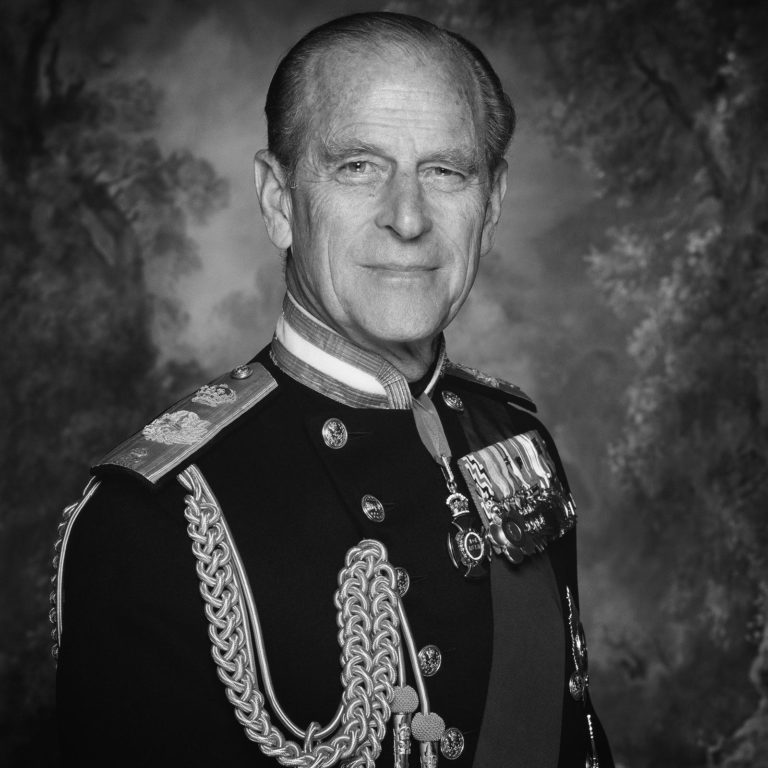
A sad detail about the death of Prince Philip, the Duke of Edinburgh, at the age of 99, was that he was two months short of his 100th birthday. Many tributes and condolences have been made by various people, from world leaders to everyday citizens. The United Kingdom now enters an eight-day mourning period and prepares itself for the funeral on Saturday, 17th April. It is fitting that we should understand what legacy the Duke of Edinburgh leaves to this land and the globe.
Of course, it is challenging to suggest that Prince Phillip has one underlining legacy.
The prince has a multi-layered legacy, which we can provide just a few of these layers in this article.
Speech paying tribute to Prince Phillip by PM Boris Johnson
Strong work ethic
Historians studying the Royal Family have always stressed his work ethic which played a crucial role within this family. This value was seen throughout his life, from his time in the Navy to his royal duties. To many observers, Prince Phillip was by the Queen’s side for most of her life, and the Queen often referred to Phillip as her “strength and stay.” It was clear that Phillip had these values of duty, self-sacrifice and loyalty to the country, all wrapped up within hard work.
Despite his elderly age, by August 2017, when he retired from royal duties, he completed 22,219 solo engagements and 5,493 speeches. For someone who started these engagements in 1952, that is a very notable achievement. He was the longest-serving consort of a reigning British monarch and the longest-lived male member of the royal family. Even at his age, he still tried to do his best to help the country and the Royal Family in any way possible. These include being a patron, president, or member of over 780 organisations and serving as the Duke of Edinburgh Award’s chairman.
But one of these things that often gets forgotten about is his role in reforming Buckingham Palace and the royal family.
Reforming the Royal Family and the Palace
According to his private secretary Mike Parker, he was “dragging some of the staff into the twentieth century” by creating his royal family role. One significant reform was allowing the royal family to embrace the modern media, such as encouraging the Queen to have a television. From there, she was able to screen her annual Christmas broadcast from 1957 till now, thanks to Phillip’s initiative of opening up the Royal Family. He fought to have telephones installed in 1952 and pushed for the Queen’s coronation in 1953 to be televised.
He was also the first royal to do a televised interview, which did cause some protocol issues. However, soon after his first interview, many royals started to engage more with the media, such as the Queen’s Christmas broadcast. He even brought computers into his office, which at the time was novel and was behind the informal palace lunches that had guests from various backgrounds attend. Charles Anson, who was the Queen’s press secretary from 1990 to 1997, said that Phillip “wanted to make the royal household and the monarchy less stuffy, not to have so much formality everywhere.”
Despite his ambitions clashing with traditionalists in the palace, what is undeniable is that Phillip brought in a massive change for the royal family. It is clear that without him, we wouldn’t have seen the Christmas broadcast or the royals conducting interviews. As much as there is still a debate around the Royal family, Phillip was the first person to open this institution to the media and the modern world that we see today.
He wanted to make the royal household and the monarchy less stuffy, not to have so much formality everywhere
Charles Anson, former Queen’s press secretary
The Duke of Edinburgh award
Although, without a doubt, Prince Phillip will be remembered for the Duke of Edinburgh Award (DofE) set up in 1956. For sixty years, millions of people between the ages of 14-25 have participated in this award scheme, encouraging young people to set goals and challenge themselves. It also helps with personal discovery, self-reliance, commitment, responsibility and service to the community. The scheme has three individual attainment levels, such as bronze, silver and gold, and each of these levels has an increasing degree of commitment. In the United Kingdom, more than three million awards have been achieved since 1956, and the programme has since expanded to 144 nations, showcasing how successful the program has been.
The prince has always been interested in young people and was inspired by his school days and organisations such as the National Playing Fields Association and the Outward Bound Trust. According to him, the DofE was here to help “countless young people on their sometimes-difficult path to adulthood”, and he refers to the scheme as “a do-it-yourself growing-up kit.”
There have been many success stories birthed because of the programme, including Hannah Cockroft, who said taking part in the award helped her start her Paralympic career. Lucy Aur was also another individual supported by the DofE, when she suffered from social anxiety. She became more confident by working her way through the bronze, silver and gold awards by teaching primary school children during her volunteer work. Sky News journalist Inzamam Rashid wrote about his experiences with the prince, such as when Rashid gave a speech at a DofE award event the prince helped with his tie.
Ruth Marvel, who is the CEO of the scheme, said that “The DofE has played a crucial role in supporting young people to survive and thrive despite the unprecedented challenges of the pandemic, and we will continue to build on his legacy.”
“You probably could say without the Duke of Edinburgh’s Award I wouldn’t be a Paralympic champion.
Hannah Cockroft, Wheelchair racer who won five Paralympic, 10 world and two European titles, in the 100m, 400m and 800m T34 races.
65 years ago, HRH Prince Philip established The Duke of Edinburgh’s Award, one of his most remarkable achievements.
What memories of working towards or achieving your #DofE do you have?
As much as Prince Phillip has provided a lot for the country and potentially to the world, he has also been very open with his thoughts, some of which have raised a few eyebrows.
At a Battle of Britain event, he was seen saying the f-word to a photographer after losing his patience over how long it took to take a picture of himself and a few others, such as with the Duke of Cambridge and the Earl and Countess of Wessex. He said Stoke on Trent was “ghastly” and said the same thing when touring China in 1986. During his visit to Papua New Guinea in 1998, he spoke to a British student and said, “you managed not to get eaten then?” He said “Damn fool question” at a BBC journalist named Caroline Wyatt at a banquet at the Elysée Palace after asking Queen Elizabeth if she was enjoying her stay in Paris in 2006.
In 1961 at the Scottish Women’s Institute, he suggested that “British women can’t cook.” One of his most famous comments brought up at the beginning of the current pandemic was the alleged joke he told to the media in Germany 30 years ago. He said that “in the event that I am reincarnated, I would like to return as a deadly virus, to contribute something to solving overpopulation.” As much as he has a legacy of outstanding achievements, there were times where he did make a few questionable comments, which have been picked up.
Remembering Prince Phillip
As the United Kingdom enters mourning, Prince Phillip’s legacy has been talked about and cannot be described simply in one word, one sentence or one perspective. He is an individual that has contributed to the royal family and the country in a variety of ways, if that is by his hard work, his reforms, his awards and his brutal honesty. He has brought many people much joy and has helped many people seen by the DofE award. He has even been remembered in meme culture, which some people question if that should be allowed.
Regardless of if people like or dislike the Royal Family, Prince Phillip has a legacy and its not any old legacy, rather a legacy full of layers.
Having recently declared his ambitious Job’s Plan, US President Joe Biden faces an uphill battle in winning over his Republican counterparts.
The Facts
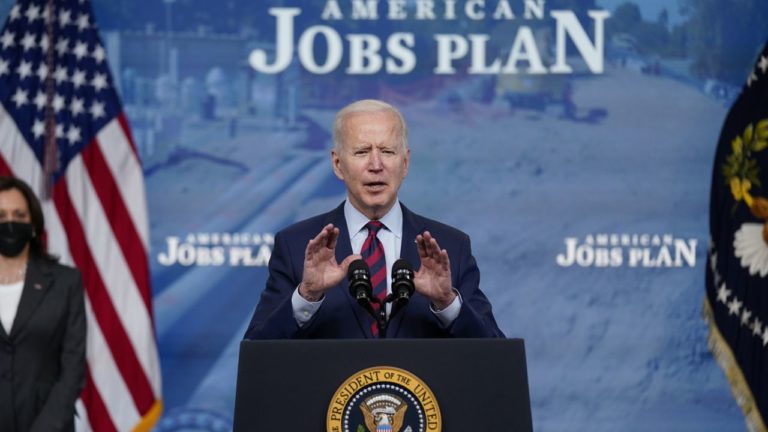
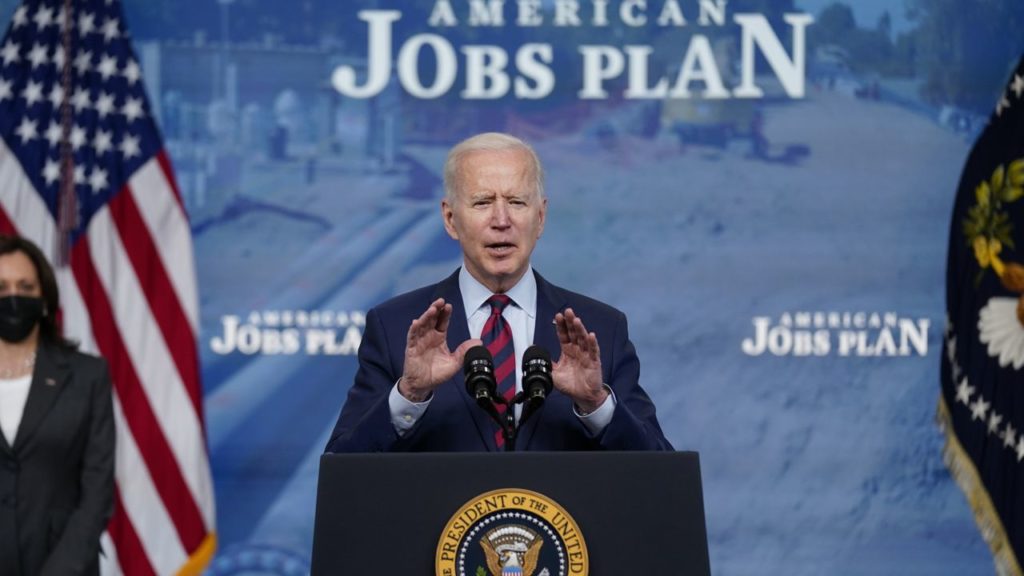
US President, Joe Biden recently announced The American Jobs Plan. According to the White House, the $2.25 trillion strategy will “invest in America in a way we have not invested since we built the interstate highways and won the Space Race.”
In his announcement, President Biden said his plan will:
2. Deliver clean drinking water, a renewed electric grid, and high-speed broadband to all Americans.
3. Build, preserve, and retrofit more than two million homes and commercial buildings, modernise our nation’s schools and child care facilities, and upgrade veterans’ hospitals and federal buildings.
4. Solidify the infrastructure of our care economy by creating jobs and raising wages and benefits for essential home care workers.
5. Revitalise manufacturing, secure U.S. supply chains, invest in R&D, and train Americans for the jobs of the future.
6. Create good-quality jobs that pay prevailing wages in safe and healthy workplaces while ensuring workers have a free and fair choice to organise, join a union, and bargain collectively with their employers.
Biden at a White House Press Conference discussing new job plan (AP Photo/Evan Vucci)
With new administrations come new policies, orders, rules, and outlooks on how to govern their citizens. President Joe Biden has made efforts to reverse this predecessor’s work in order to progress and account for citizens accordingly. Biden’s latest plan is to incentivise new jobs in the post pandemic American job market.
Key Details
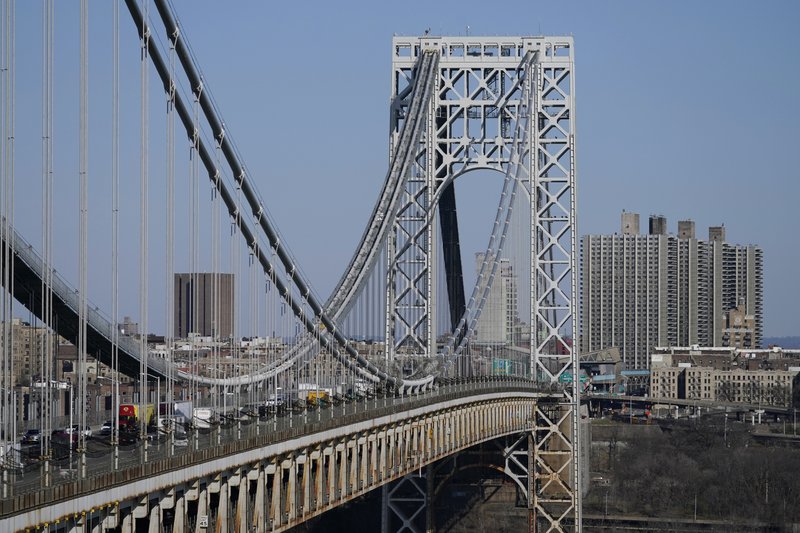
Over 20,000 miles of roads,buildings , and bridges will be redone with the new Job Plan (AP NEWS)
The multi trillion-dollar investment will be delivered over the next eight years. Biden intends to fund this policy through the newTax Reform Plan he hopes to pass through Congress. It is hoped this hoping this investment unlocks jobs in workforce development, manufacturing, and eldercare.
A raise in tax
The administration plans to fund this project by raising the corporate tax rate from 21% to 28%, ending specific tax breaks for corporations, and ramping up tax enforcement of U.S. corporations that avert or claim tax havens and other tax provisions on big corporations.
Pros & Cons
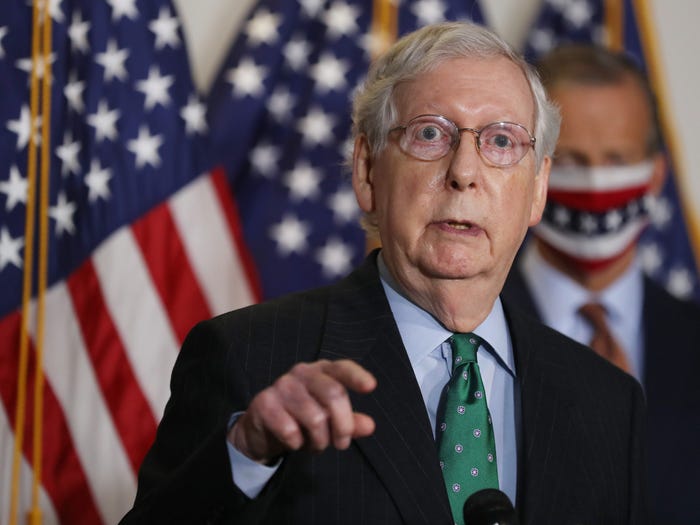
Senator Mitch McConnell and other GOP leaders are in opposition to the proposed plan (Chip Somodevilla/Getty Images)
The infrastructure in the United States needs some much-needed work having been neglected by past administrations . The plan includes clean-energy efforts to reduce emissions, boost climate research, and build climate-related resilience into infrastructure. Besides clean energy efforts, Biden has worked with his administration to invest in small businesses in rural communities, regional innovations to support community-led projects, and boost workforce development heavily concentrated in low-income and underserved communities. All things he promised during his campaign.
On the other hand, one of the biggest battles Biden will face is getting bipartisan buy-in. Senate Republican Leader Mitch McConnell has spoken out against the bill because of its “spending and excessive tax increase”. While Democrats hold control of both chambers in Congress, one of the goals the current government is to convey a unified front with both parties agreeing on the American people’s job plan. However, the truth of the matter is that fiscally conservative Republicans are expected to would vote against the bill. It remains to be seen if the Democrats will comprise on key aspects of the bill in an effort to appease their Republican counterparts.
Almost everybody agrees with the need for infrastructure investment. However, the social programs that could benefit impoverished communities would get the short end of the stick, which almost always happens. Incorporate long-lasting change for people in all communities is possible, even if some people may not be in total agreement with the decision. Politicians often overlook the communities that need the services most and appease the group that does not require the services. This job plan can help the overall job market and communities that have suffered for generations. Nevertheless, it will cause some politicians to hold their stances on issues that may not please their conservative colleagues.
The government’s recent race report has, at the very least, sparked controversy across the nation. Many people have questioned the accuracy and legitimacy of the study and accused it of having a bias due to the people who helped compile it.
The Commission on Race and Ethnic Disparites has reported to Government. I want to thank Dr Tony Sewell and each of the Commissioners, all experts in their fields, for their landmark examination of disparities across the entire population. Full report👇 https://t.co/loqNpiYQ64
Among those people is Dr. Tony Sewell, CBE. Sewell is an educational consultant and runs an educational charity called Generating Genius. Born in Brixton, south London, to Jamaican parents, Sewell grew up in Penge, Bromley and graduated from the University of Essex in 1981 with a degree in English Literature.
Tony Sewell, chair of the commission on race and ethnic disparities, whose recent report has been much criticised. Photograph: The Conservative Party
After teaching in Jamaica for a few years, he returned to the UK and received a doctorate from the University of Nottingham in Education. He has worked in a variety of roles in the educational sector.
In 2012, Sewell was appointed by then-Mayor of London, Boris Johnson, to take charge of an enquiry to challenges that primary and secondary schools in London face. His investigation resulted in a £26 million contribution from the government to improve teacher’s subject knowledge.
In October 2015, Sewell was appointed a member of the Youth Justice Board, a public body by the Crime and Disorder Act 1998 to oversee the youth justice system in England and Wales.
He was awarded a CBE for his work in education in 2016, and was made an honorary fellow of University College London in 2018.
Dr. Tony Sewell debates about the causes of gang violence. Video credit: 5 News
Sewell has attracted lots of controversy in his career, long before the recent race report. He has received lots of criticism for some of his views.
The Guardian reported that in 1990, in a column for The Voice, Sewell wrote,” We heteros are sick and tired of tortured queens playing hide and seek around their closets. Homosexuals are the greatest queer-bashers around. No other group of people are so preoccupied with making their own sexuality look dirty.”
In 2006, he said that young boys were being failed in schools because lessons “had become too feminized”; a statement that was mocked and criticised by John Dunford, then-General Secretary of the Association of School and College Leaders.
Prospect Magazine published a report written by Sewell in 2010, who argued that “much of the supposed evidence of institutional racism is flimsy”.
In 2020, he explained that whilst “racism exists in structures”, he believes that “I do think some of the disparities there may not have origins in race. They could be rooted in class, different geographies, or different powers”.
Dr. Tony Sewell talks about fatherlessness and gang culture. Video credit: Triggernometry
Cuba is a country known for many things. It is a country known for its beaches, its rum, its music and its cigars. However, what isn’t popularly known is the fact that Cuba has the largest biodiversity of snails in the world.
This island has the only painted snail in the world called the polymita. Many biologists regard the snail as one of the most beautiful invertebrates in the world. Its shell has a spiral of colours that include peach, lemon-lime, vermillion, blood orange, red ochre, and pink. It is no surprise why many biology enthusiasts highly regard the polymita.
However, the snail may not be in our world for long.
If they do depart our world, there are enormous consequences for Cuba and the rest of the world, which is why many feel attention should be drawn to this precious invertebrate.
#Polymita snails are another of #WildCuba's natural wonders – 6 species, all endemic to Cuba, & all of them endangered…
If traveling to Cuba, don't buy jewelry/crafts made from snail shells & do your bit to end the illegal trade that threatens these beautiful animals. pic.twitter.com/FTwpCfeiu9
This beautiful invertebrate is becoming critically endangered. According to Cuban wildlife researchers, the illegal wildlife trade has pushed the six species of the polymita to this point. Between 2012 and 2016, the Cuba customs department made 15 seizures totalling more than 23,000 painted snail shells going to the United States. Despite such a ban on trading these snail shells, it hasn’t stopped wildlife traders from selling these shells. Due to the polymita’s slow and inactiveness, it is why we see such an animal being exploited by the illegal wildlife trade.
Climate change has also played a part in why the snails are becoming more vulnerable within their surroundings. Because of warmer temperatures and droughts, it has made the vegetation that snails use to survive uninviting. One study alone found that climate change could eliminate two of the polymita species’ essential habitat by 2050.
An animal as small as a snail should be a worry for all of us, especially when you look at how this snail plays a prominent role for the island.
The polymita usually resides in the trees along the east coast of the country. These snails eat a lot of the moss and lichen within these trees, and these two minerals are the source of the polymita’s vibrant colours. The snail eating this vegetation helps keep the trees in this country healthy and for these plants not to die out. Specifically, snails eat trees which are on coffee farms, and this commodity, in particular, plays a considerable role in the Cuban economy. Keeping the trees healthy on these farms allows coffee to thrive for this country, thanks to the polymita. Not just that, but the role of the polymita can help coffee be exported to other countries in the world. These countries include Japan, France, Germany, Canada, New Zealand and even the United Kingdom. In that sense, the polymita plays a big part in Cuba’s agriculture and everyone else in the world.
These snails also play a role in the Cuban animal food chain. For example, the polymita feeds the endangered Cuban kite and other animals based on this island. If the polymita goes extinct, it can affect the Cuban farmers and the animal food chains. The polymita could play a role in tourism due to the snail only living on this island. Cuba has the opportunity to have a market on these snails regarding tourism, as wildlife enthusiasts would have to visit Cuba to see such a snail.
Despite its size, the polymita plays a pivotal role in Cuba and everywhere else in the world.
What is happening now?
Wildlife biologists on the island are trying to educate people on the importance of the polymita. These people include farmers, Cuban citizens and tourists visiting the country. Biologists are also hopeful of a breeding program for these snails to increase the population of these snails. Doing so will help these snails not become as exposed to poaching and climate change. The breeding program could also benefit farmers, animal food chains and tourism.
There are things about the polymita that are not even known to wildlife biologists, which is why by establishing a breeding program, they hope to discover things that they have not been found before. Biologists do not know how many polymitas are in Cuba or if biologists have discovered all of the polymitas. Those in nature that have bright colour displays typically have these to show toxicity or to attract males. Yet, the purpose behind why the polymita has a painted shell is unknown. Having a breading program could better understand this unique snail and why we should be interested in this invertebrate.
How does the polymita affect us?
The polymita proves that you do not have to be the biggest thing in the world to impact a particular country or even the world. Something as small as a snail can have that impact.
The polymita changes the way we view endangerment as we can no longer assume that endangerment applies to tigers, wolves, or giraffes. Endangerment applies to all animals, no matter their shape or size.
In the environmental context, as much as eating less meat, using less plastic and reducing carbon emissions play a part in reducing climate change, animals such as the polymita could be playing more of a role. Maybe the big and radical solutions are not the future, and instead, the more minor solutions are potentially the future.
While we ponder on these ideas, what is for sure is that now is time to protect things as small as snails at all costs.
In March 2021, a landmark report from The Commission on Race and Ethnic Disparities concluded that Britain “no longer” has a system that is rigged against people from ethnic minority origin.
Indeed, No.10 has reported that whilst racism in itself does exist, “too many people in the progressive and anti-racism movements seem reluctant to acknowledge their own past achievements”.
It said that “too often, racism is the catch-all explanation, and can be simply implicitly accepted rather than explicitly examined.”
The report covered a wide range of topics, from employment and education to crime and policing and health, and is over 200 pages in length.
It concluded that “a degree of optimism is justified” and that the reality of “institutional racism” is nuanced and not as binary as campaigners would have people believe.
The report also addressed and criticised campaigners directly, and accused “well-organised single-issue identity lobby groups” of reinforcing “pessimistic narratives about race” through over-emotive, non-data-based approaches to their work.
Shadow Home Secretary Nick Thomas-Symonds, of Labour, labelled the report “divisive and disappointing.” Spiked editor Brendan O’Neill described it as “a brilliant blow against the preposterous and divisive politics of identity.”
The report has sparked controversy across the nation and political spectrum. Many see the report as a direct refusal by the government to recognise and acknowledge racial disparities in modern Britain.
Others see it as definitive proof that Britain is not a racist country, which threatens the narratives of some campaign groups, such as Black Lives Matter, whose premise is based upon grievance.
BBC Newsnight discusses the report. Video credit: BBC News
This report should be a welcoming confirmation that Britain, as a whole, is not institutionally racist. However, this isn’t the case and as such, is mind-boggling.
It’s as if people are so desperate for grievances that they wilfully choose to ignore positive reports such as this so as to continue furthering narratives, many of which are based upon grievances of some kind.
It’s important to note that the report did not deny that racism existed; in fact it acknowledged that some communities continue to be “haunted” by historic racism, which leads to distrust and could be a stumbling block to success.
Boris Johnson himself has admitted that “there are very serious issues that our society faces to do with racism that we need to address.” It’s fraudulent to say that the government does not recognise the existence of racism.
However, the report is also so incredibly nuanced that to some it may seem as if their ideological world is collapsing. Nuance is an enemy to the ideologically possessed.
There is serious cognitive dissonance at play if complaining about a positive finding is more mainstream than agreeing with it.
Conservative MP Robert Jenrick disagrees with the idea that the UK is institutionally racist. Video credit: Daily Mail
Of course, this could be a reflection of parts of society. People are used to having something to fight against, so when it’s taken away from them they have existential crises.
In a way, victimhood and grievance defines certain groups, and therefore any attempts to remove said grievance is to remove their identity as individuals.
A criticism about the report, admittedly, is how unapologetic it is. Depending on your perspective, it can be either patronising and insulting or liberating and vindicating. Therefore, accusations of bias by the researchers cannot be ignored.
Nevertheless, there is no denying that it has huge ramifications in society’s current culture war. This report represents more than just petty point-scoring between the left and the right; it’s a piece of literature that threatens
The UK is no innocent party to racism historically and is by no means perfect, but this report at the very least shows progress.
This report made a fatal error…
It expected people to take the recommendations it made seriously even though many believe those recommendations came from a compromised commission.
The commission’s chairman Tony Sewell put it like this: “We no longer see a Britain where the system is deliberately rigged against ethnic minorities.
“The impediments and disparities do exist, they are varied, and ironically very few of them are directly to do with racism.”Too often ‘racism’ is the catch-all explanation, and can be simply implicitly accepted rather than explicitly examined.”
These statements cascaded one on top of each other, each one feeling a gut punch. The report represented a departure from what had been a broad consensus across political isles in the UK for over a decade.
The commission was set up by Munira Mirza, Mr Johnson’s policy chief, who had been the deputy mayor for education and culture when he was mayor of London. She had previously questioned the notion of institutional racism.
When Theresa May, as prime minister, set up a racial disparities audit, Ms Mirza was quoted as saying: “It reinforces this idea that ethnic minorities are being systematically oppressed, that there’s a sort of institutional problem, when in fact what we’ve seen in the last 20 years is a liberalisation, an opening up for many people.” She suggested the educationalist – and former teacher – Tony Sewell should chair the commission, and the prime minister formally asked him to do so.
Mr Sewell, too, had questioned the existence of systemic racism in the UK. He is well known in the media circuit as someone who didn’t believe in the idea on systemic racism. In fact, In a 2010 article for Prospect magazine, he suggested that “much of the supposed evidence of institutional racism is flimsy”.
One source told the BBC: “This was not an independent report as such. It was very much driven by Munira.” Another said: “This isn’t even the ‘Downing Street’ view. There are different views across No 10. “These views are those of a faction – Munira and her husband Dougie Smith in particular.
They wanted to turn the assumption of Theresa May’s disparities audit on its head.
Essentially, the government asked a group of partisan actors who don’t believe that institutional racism exists to try and find it. Are we shocked that they came back and didn’t?
What is code-switching, why do people do it and has the pandemic changed the ‘need’ for it?
Code-switching is when a person changes from one form of linguistic speech to another, depending on the social context or conversational setting. Most people have code-switched at some point in their lives, regardless of race, gender, religion, sexual orientation, and the like – it is natural to adapt to our social settings and this is not always a bad thing.
Annya, from Northampton, is the perfect example.
She said: “Different people respond to different language approaches. To be able to communicate effectively, you need to be able to adjust to different situations or to enable engagement.”
Code-switching is a skill that is needed in the right context. It is often popular amongst people who speak more than one language. Babel (The Language Magazine) writes, “At first sight, many people tend to explain code-switching as a sign that the speaker either does not know the relevant words or expressions in the other language or is too lazy to bother to search for them. But in fact, code-switching often occurs in speakers who are perfectly capable of speaking either language monolingually when necessary.”
However, what happens when code-switching progresses beyond being a ‘helpful’ skill?
Some people do so to try and protect themselves from being stereotyped or labelled.
For example, as the Harvard Business review highlights, code-switching has been a ‘strategy’ for black people, to ‘successfully navigate interracial interactions.’
This was the case with Bishop Claoin Grandison.
He said: “Code-switching began for me when I returned to live in the UK in 1990. My Jamaican lilt (sound) was now deep-seated after having spent the past decade there. As I restarted my career in one of the top banking establishments, it was not long before I clocked how uncomfortable ‘the others’ felt around me. Code-switching was not so much about effective communication – I needed to fit in.
I would overthink – going over every sentence in my head, somehow not wanting to be discovered as a fraud. With age I am learning to be more relaxed with how I sound, joyously conversing with strong Caribbean undertones – but still very annoyed that the English man, regardless of how long he lives in another country, never switches.”
Comedy Central’s sketch comedy duo Keegan-Michael Key and Jordan Peele have frequently referenced code-switching in their humor. Ian White/Comedy Central/AP
Here we see conscious and unconscious choices to resume a persona – it is about feeling safe and accepted. Harvard Business review picked up on this, stating that code-switching has ‘large implications for their (black people) well-being, economic advancement, and even physical survival.’
This is still the case, even though life, as we know it, has changed. Code-switching is still a need for many when it should be a choice. The pandemic has resulted in a high rate of unemployment amongst other pressures. The greater implications of code-switching on self-perception, mental health and other factors cannot be ignored.
We spoke to a young woman in her 20s who preferred to remain anonymous.
She said: “I visited Credit Suisse to meet someone I knew, and as they introduced me to the workers, I was so nervous. It was like we both knew I was out of place there. I put on this weird ‘posh’ accent and spoke very slowly. That visit stayed with me – I researched international banking to keep up with them, even though I knew I did not want to work in that field.”
Asher, professional DJ and sailing instructor, said: “I tend to do so when I am on the phone, answering and receiving formal calls.”
In 2021, the fight for true acceptance is ongoing. In the UK, we are still waiting to hear the findings of the Government’s Commission on Race and Ethnic Disparities.
I submit to you that whilst code-switching is not always a bad thing, it is especially vital for groups that are in the ‘minority (depending on where they live). No one, regardless of race, should have to carry the mental weight of constant code-switching out of necessity. If structural inequality of all types, remains unaddressed and/or is not tackled, the pressure to code-switching will never end. The pandemic is a perfect time to look at the way we operate as a society and make steps towards change.
Boris Johnson’s government has been accused of trying to downplay structural racism in the UK, after its review concluded that claims the country is institutionally racist are “not borne out by the evidence”.
The commission on race and ethnic disparities – set up by the prime minister in the wake of last year’s Black Lives Matter protests – has found the UK acts as “a model” for other white-majority countries when it comes to racial equality in education and the workplace.
Dr Tony Sewell CBE
Sewell’s appointment last year was met with dismay by campaigners, who pointed to Sewell’s past attempts to play down the effects of institutional racism and focus instead on placing responsibility on the black British community. He is well known on the media circuit for arguing fiercely for the idea that institutional and structural racism doesn’t exist in the UK
Sewell, who runs a charity called Generating Genius, which works with minority ethnic children to prepare them for careers in science and technology, carried out a review of London schools when Boris Johnson was the capital’s mayor.
Sewellalso had to apologise after the Guardian highlighted references he had made to “tortured queens playing hide and seek” in a newspaper column written after Justin Fashanu became the UK’s first openly gay footballer in 1990.
Dr Maggie Aderin-Pocock MBE
Aderin-Pocock is a leading space scientist and science communicator who presents the long-running astronomy show Sky at Night.
She holds a degree in Physics and a PhD in Mechanical Engineering from Imperial College. She is alsoa research fellow in the department of science and technology at University College London.
Alongside her academic work, Aderin-Pocock set up her own company, Science Innovation Ltd, that has engaged 350,000 schoolchildren, mainly in UK inner-city schools, on the wonders of space science.
Aftab Chughtai MBE
Chughtai is a businessman who owns and runs a department store in Birmingham, and has also been a member of the Greater Birmingham Chambers of Commerce. He received an MBE in 2016 in recognition of his services to business and community relations in Birmingham.
Fraser is a member of the government’s Youth Justice Board, and is also an adviser for the National Police Chiefs Council’s Digital Engagement Project for Young People.
Previously, Fraser worked as a superintendent and chief inspector in the West Midlands police.
Naureen Khalid
Khalid is an educational professional who works in school governance. She is the chair of two local governing bodies, one of a primary school within a multi-academy trust and another secondary school within a national system trust.
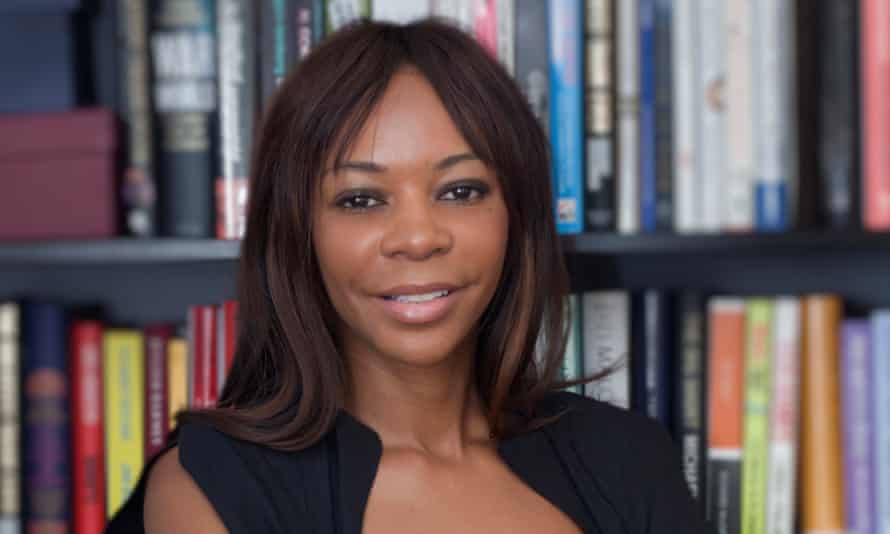
Dr Dambisa Moyo
Moyo is a Zambian economist who specialises in looking at international economic affairs. She studied at the University of Zambia before finishing her first degree at the American University in Washington DC. She also has a masters in public administration at Harvard University, as well as a PhD in economics from the University of Oxford.
Dr Dambisa Moyo is a Zambian economist who specialises in international economic affairs. Photograph: Helen Jones Photography
Her first book, Dead Aid: Why Aid Is Not Working and How There Is a Better Way for Africa, argued that foreign aid programmes caused more harm than good to African economies. The reception to the book was mixed, with Bill Gates stating that having read it, he thought that Moyo “didn’t know much about aid and what it was doing in Africa”, adding that “books like that are promoting evil”.
Mercy Muroki
Muroki is a columnist and social researcher, notably a senior researcher at the Centre for Social Justice, a right-leaning thinktank founded by Iain Duncan Smith. She has a BA in politics from Queen Mary, University of London, and is studying for a masters in comparative social policy at the University of Oxford.
Oliver is the chief executive and accounting officer of Outwood Grange Academy Trust (OGAT), which runs more than 30 schools across England. He began teaching in 1995, and joined OGAT in 2009 before becoming chief executive in 2016.
The academy trust he runs has faced public scrutiny on its disciplinary procedures and its exclusion rates.
Shah, who works across television and the arts, has been a trustee at the V&A and has been elected a fellow at the Royal Television Society. He is currently the head of Juniper, a radio and television production company, and in 2019 was awarded a CBE for his services to television and heritage.
Racism in this country "is diminishing", says Dr Samir Shah, who co-authored the report which finds the UK to be 'a model to the world' on diversity.

![Tunisian riot police officers attend disinfection works at streets within precautions against coronavirus (COVID-19) in Tunis, Tunisia on March 28, 2020 [Yassine Gaidi - Anadolu Agency]](https://i1.wp.com/www.middleeastmonitor.com/wp-content/uploads/2020/03/20200328_2_41603036_53455684.jpg?resize=1200%2C800&quality=85&strip=all&zoom=1&ssl=1)