Fallout from Vice President Harris Press Conference in Central America.
Immigration has been a hot-button topic in the U.S. for a while now. Before the Trump Administration, previous presidents have tried to walk the tightrope in regards to immigration policies. The Biden Administration’s goal is to make it easier for people to come to the country legally but to limit how many people go into the country at the same time. While President Joe Biden wants to be different than his predecessor, it appears he does not want to handle immigration directly. Instead, he has Vice President Kamala Harris, to do his dirty work. Her recent trip to Central America added to the notion that America does not know how to address immigration reform.
What Happened?
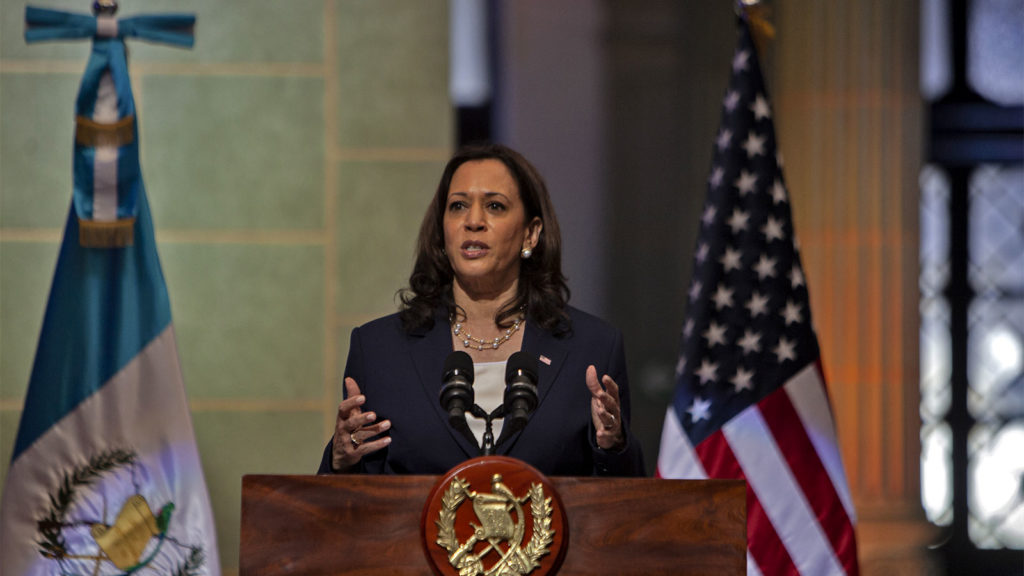
Kamala Harris at press conference telling migrant workers not to come.
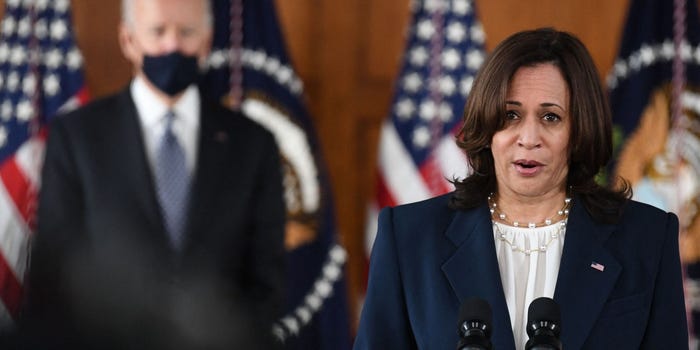
On her first foreign affairs trip, Vice President Harris went to Mexico and Central America to solve the migration issue. Since President Biden tasked her with spearheading immigration reform in March, she has yet to visit the southern border, garnering criticism from Republicans. During a press conference with Guatemalan leaders, she told migrants not to come to America. The statement met swift criticism from both Democrats and Progressives.
The Uproar
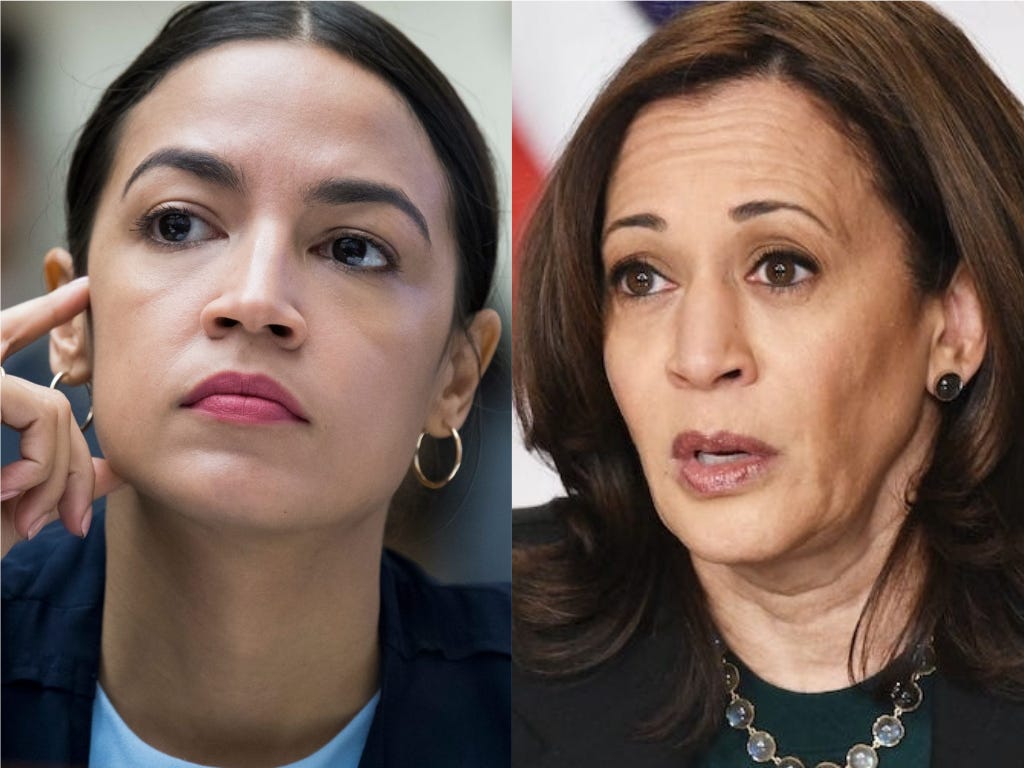
AOC Slams Harris for “Don’t Come” Statements
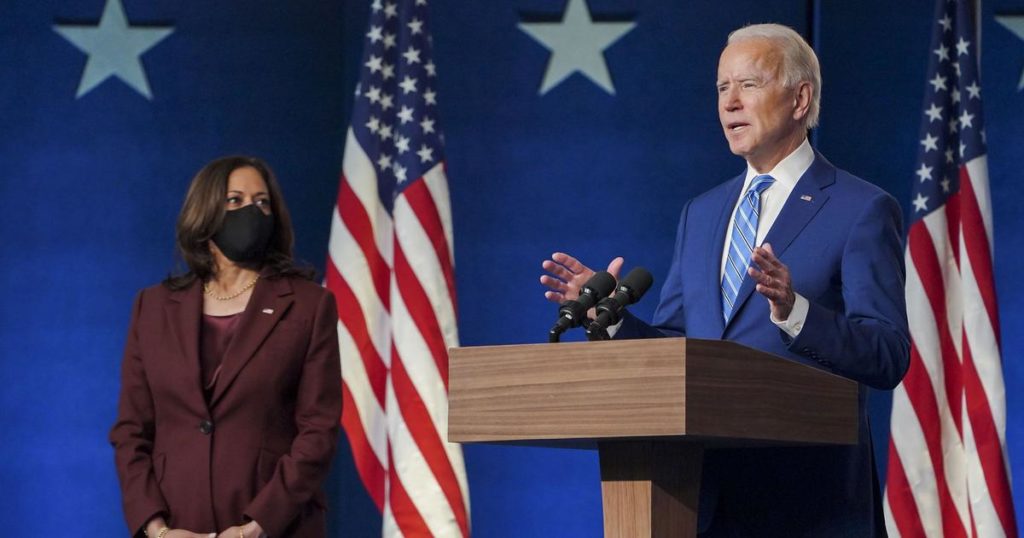
Critics of VP Harris’ statement found her at fault for such harsh rhetoric. Progressives such as Alexandria Ocasio-Cortez called the comment “Inhumane.” Other critics have stated that turning away asylum seekers is illegal. Harris’ press conference created confusion in the White House, where the Biden Administration has vocalized how they are trying to handle immigration as a whole. It clearly showed that there was some miscommunication between Harris and Biden. Harris’ comments and actions come across as disingenuous and further show how ill-equipped the government is in their handling of immigration reform.
The Real Issue
Clear miscommunication from Biden and Harris in regards to immigration policies
Vice President Harris’ was not exactly wrong in what she said, more so in how she said it. Country leaders’ first and foremost priority is to protect their country and their citizens. Limiting people in and out of the country is not wrong; every country has that right. However, the Biden Administration does not want to come across as inhumane in protecting the borders either. Kamala Harris’ statement and thus her approach to immigration seems inconsistent with that messaging. Thus, Harris seems to be doing a disservices to the administration’s immigration agenda .
It can not be negated that immigration reform is one of the most complex issues facing the government. The grave issue seems to be no one knows how to solve the decades-long problem. One law does not accommodate the entire immigration system or fix issues set in place by previous presidents. However, if the American government were upfront and found a bipartisan approach to immigration, there would not be this fallout from horrible press conferences, and chaos at the border.
America needs to recognise its part in why migrants come to America for Asylum. For decades, American leaders contributed to regime changes. They aided their reign, leaving these migrants to live in volatile and dangerous environments. Migrants come to America because they want to run away from their difficult predicament. American leaders need to recognise that the change comes from working with political leaders in Mexico and Central America to improve citizens’ lives, and thus address immigration from the root cause. Additionally, at the bare minimum, Biden needs to give Harris a clear uniform direction so she does not have another embarrassing press conference.
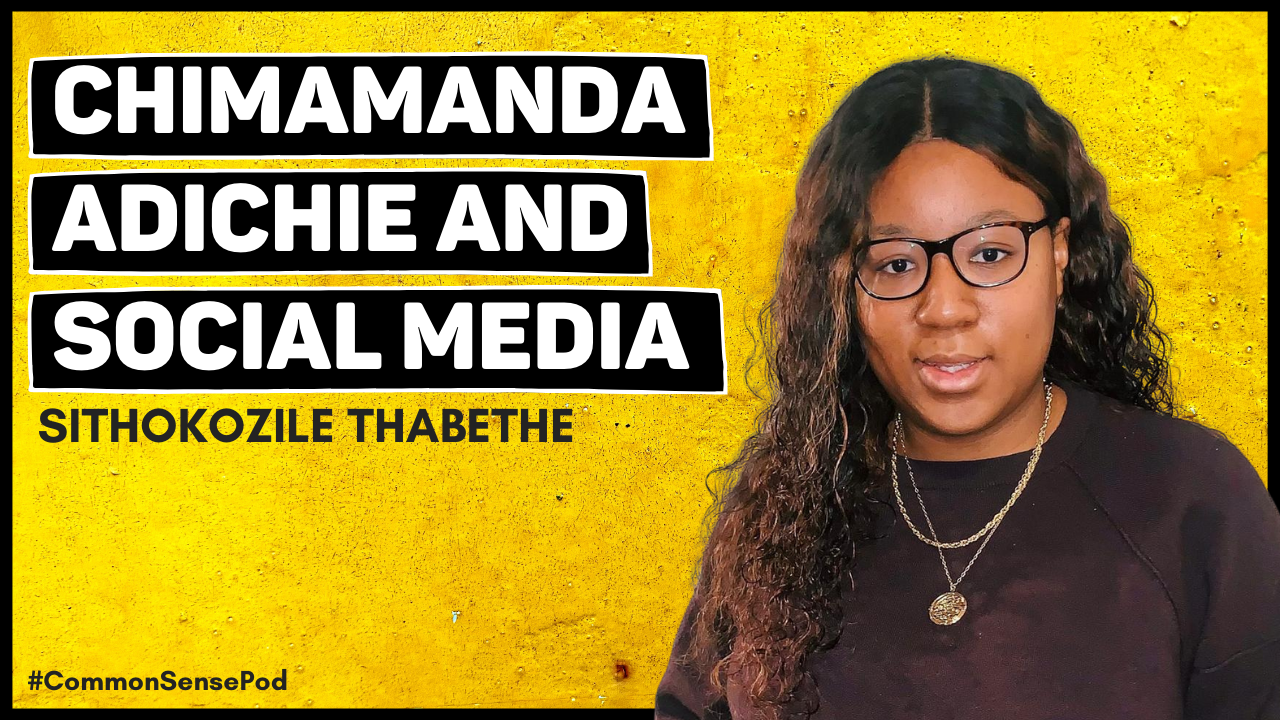
M.T. is joined by Common Sense Political editor Sithokozile Thabethe as they discuss Chimamanda Ngozi Adichie’s latest essay.
On Tuesday, June 15, Nigerian author Chimamanda Ngozi Adichie published a three-part essay on her website titled “It Is Obscene”. The essay started with personal anecdotes about two unnamed former students, who had criticised her openly for her comment on trans women in 2017, while also using her fame for their personal gain. It went on to address the larger lack of nuance and compassion in discourses on social media, an issue Adichie has spoken of before in her criticism of cancel culture. While many have lauded Adichie’s essay for an apt representation of “woke” culture on social media, the motivation for this essay was also largely personal. Specifically, it was a public acknowledgement of her controversy with ex-student Akwaeka Emezi, who has been critical of Adichie’s views on trans women.
In It Is Obscene, Adichie criticises two writers who attended her creative writing workshops in Lagos. She befriended both, she says, and helped them get published. But both, in her view, betrayed her friendship by targeting her on social media and spreading malicious falsehoods.
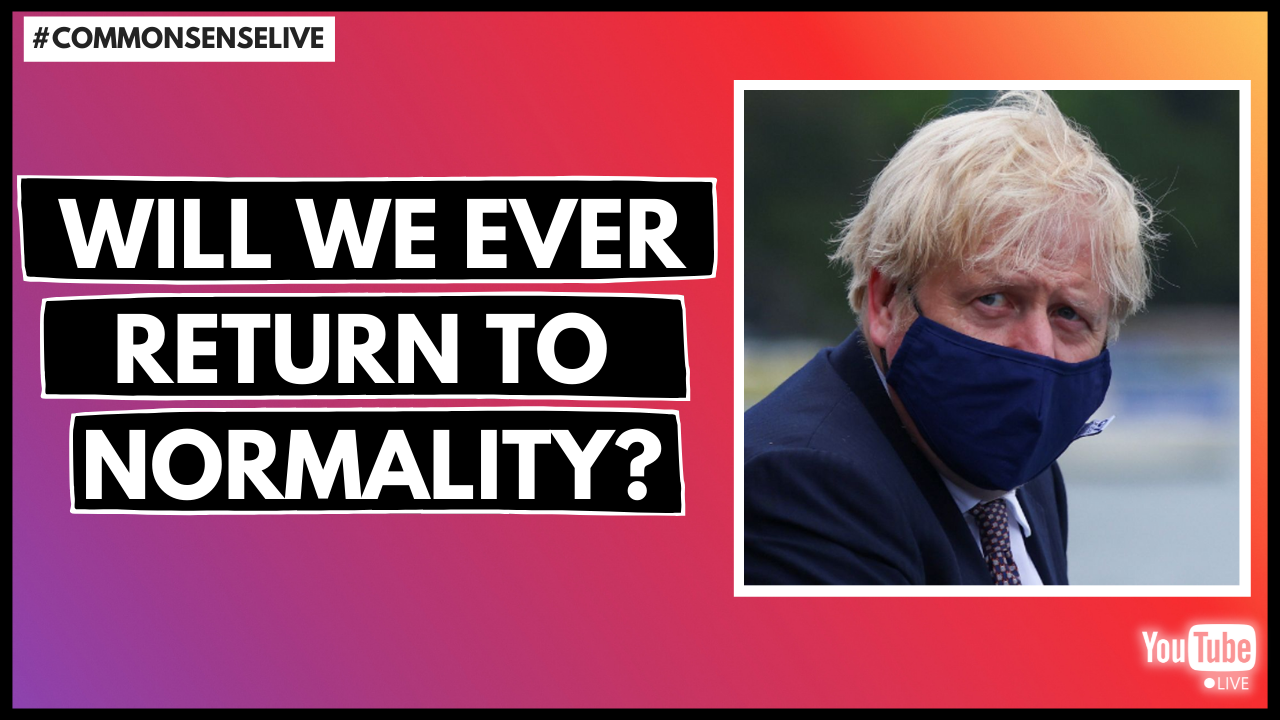
Since they were first imposed in the spring of last year, the question of when coronavirus restrictions would finally be lifted has been ever-present. Following recent announcements, England is set to lift all COVID19 restrictions from the 19th of July 2021.
But why was the government wrong in its predictions before, and why is the prime minister indicating much greater confidence that this time things will be different?
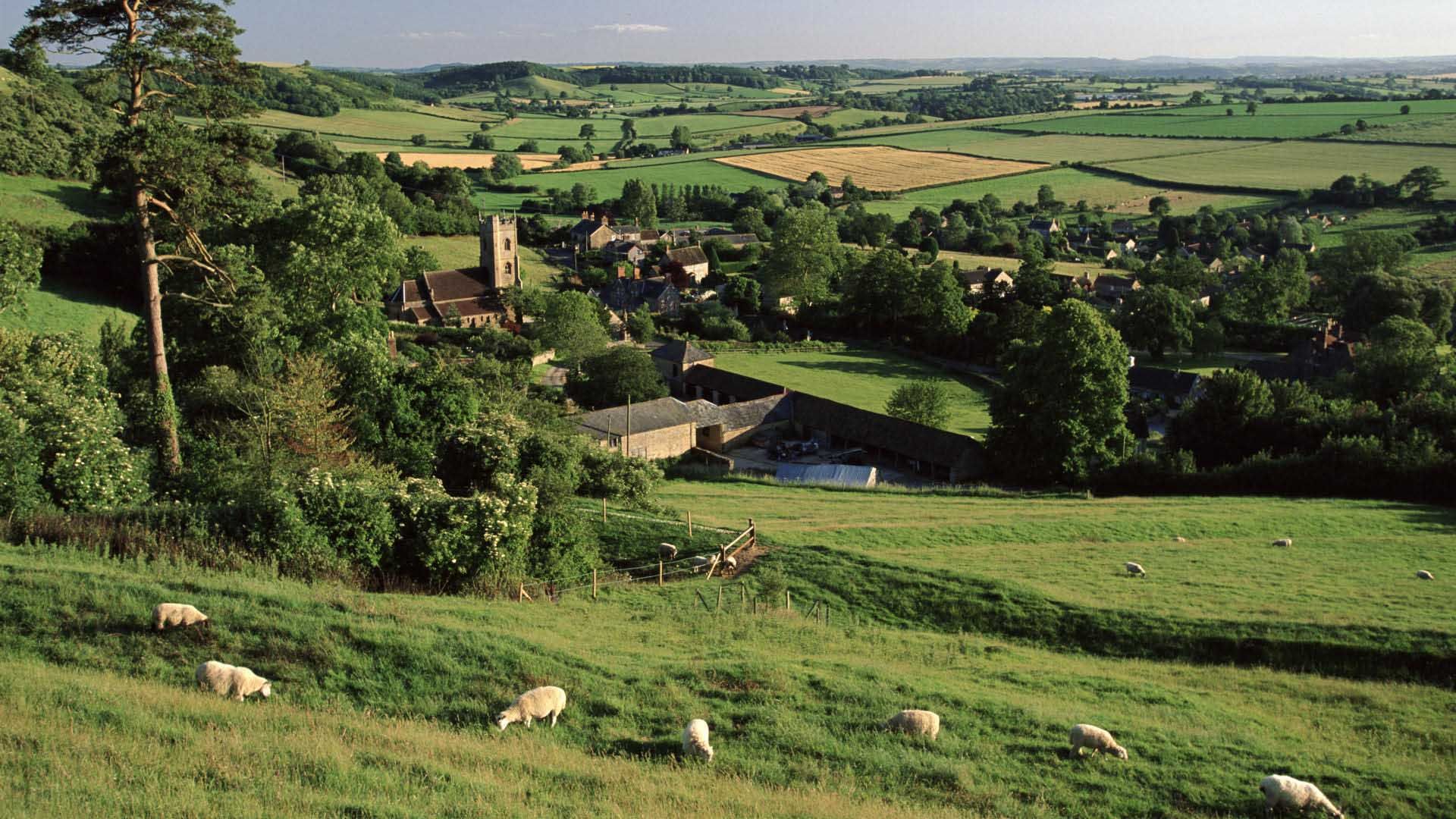
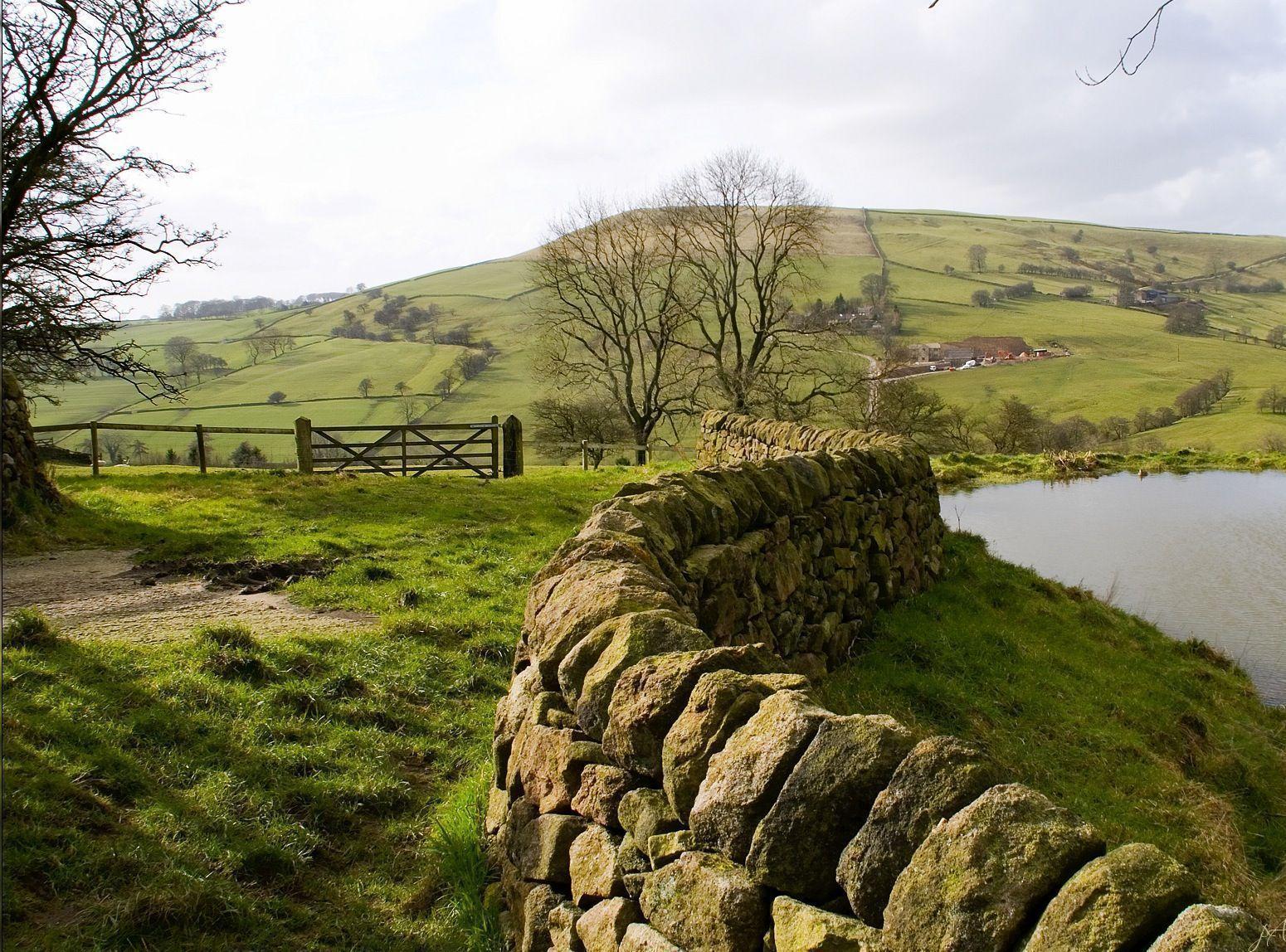
It has been announced by the CPRE that 400,000 houses need to be built in the South of England over the next five years. This could mean huge parts of the countryside are lost forever. Some 12.4% of England’s land comes under the ‘Greenbelt’ scheme. Greenbelts were first introduced in 1955, as part of post-war planning reforms and were a response to increased anxiety over the urban sprawl. Not only were they a response to urban sprawl but they have been used as a tool to maintain habitats for animals and keep some of Britain’s most beautiful cities from being encroached on.
In short, Greenbelts are land that cannot be developed on unless you meet criteria that either ‘creates or enhances green infrastructure’ (bike/walking paths, tree planting initiatives, etc.). Aside from urban sprawl, the government website lists four reasons for Greenbelts: preventing towns merging together; assisting the countryside from encroachment; preservation of historic towns and their character; and finally, to encourage more urban regeneration and use of brownfield sites instead of more countryside. Brownfield sites are areas of land that have previously been built upon but the land or building is no longer in use.
Greenbelts must be a mainstay of the twenty-first century so we do not end up with smaller communities losing their villages to sprawling towns, they are also a key tool in stopping London growing more than it already has in size. While many say this pushes up house prices and stops young people reaching the housing ladder, the housing market is the way it is because of the lack of them being built and the huge reforms that Margret Thatcher enabled in the 1980’s. In fact, greenbelts were here long before the housing market grew to the size that it has, and the size of our housing market should be nothing to be sneered at.
Having greenbelts also means that those living in cities also don’t live too far from the countryside, making it accessible to all. This is important as it is a great place to spend time with friends and just take a moment from the constant buzz of the city. It also allows towns and cities such as: Bath, Oxford and Cambridge to maintain their historic look and status in our history. This is important because these towns and cities have played a huge role in our nation’s history and have such an iconic look and feel to them, this shouldn’t be ruined by huge sprawl and urbanisation.
Moreover, it is clear that we must immediately expand the greenbelt programme to reach across more of England and encompass more towns. It is an important tool to use and one that can be utilised more in different parts of the country. It will be one of the most important tools in stopping urban sprawl for our generation and one that we must use for preservation of our countryside for generations to come.
Alex Game is a Policy Researcher and Campus Coordinator for the British Conservation Alliance.
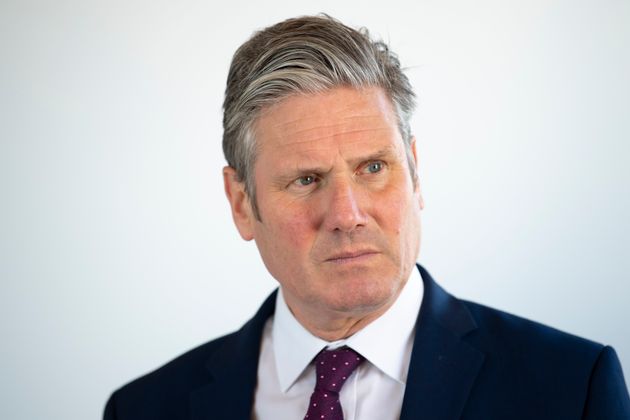
Sir Keir Starmer took over the leadership of the Labour Party in April 2020 – weeks after the Covid pandemic had taken hold in the UK.
Most of his appearances since then have been limited to Zoom or the dispatch box in the House of Commons, with the odd campaigning visit. On ITV’s Piers Morgan’s Life Stories on Tuesday 1st of June, he made one of his first appearances in front of a live studio audience.
The latest YouGov polling has shown a bounce for the Labour Party. However, analysts disagree on just how persuasive the Labour leader was
It is hard to understand how Kier Starmer, as a public figure, justifies his appearance on such a programme. Previous guests include Trisha Goddard, Harry Redknapp, Lionel Richie and Sir Alan Sugar, to name but a few.
The difference between Kier Starmer and the aforementioned public figures are that these figures are actually relevant to the public eye, in the sense that people knew exactly who they were and what they represented.
Trisha was a TV host, Redknapp was a football manager, Lionel was a singer and Sugar was a businessman. To many people, aside from those who are heavily invested in the political world, Starmer was relatively unknown.
He was just one of those familiar faces that you recognised but had no clue who it was; neither did his face compel you to research him.
In fact, many would argue that, prior to becoming leader of the Labour Party (which in itself does elevate you to near-celebrity status), Starmer was irrelevant. The average person would not know who Kier was, prior to his appointment as Labour leader.
Highlights of Kier Starmer’s interview with Piers Morgan.
It’s also fair to assume that there is a heirachy of public figures, and politicians don’t seem to be as relevant or appealing compared to those in the entertainment sector, particularly actors, singers/musicians and sports figures.
Therefore, it is difficult to not speculate as to why Starmer was invited to be on Life Stories, as his life was relatively normal or uninteresting prior to Labour. He practised law at university, and worked behind the scenes as a barrister and other roles within the Labour Party.
Consequently, one would be forgiven for concluding that Starmer’s appearance on the programme was less to do with his unremarkable life being a subject of genuine interest from the public, and more to do with gaining public approval.
Make no mistake about it; this was a publicity stunt. By his own admission, Starmer agreed that the Labour Party ‘has lost trust of working people’, and that he would do ‘whatever is necessary’ to rebuild that trust.
A vital element of a party’s rebuild is public perception. The perception of a leader can have an impact on whether or not a person votes for a party. Therefore, it was necessary for Starmer to present himself in a humble manner, and to humanise himself as much as possible.
Starmer’s interview sparked debate about politicians’ private lives. Video credit: Good Morning Britain
Testament to this is that a majority of the programme was spent on the subject of his family. He was quizzed about the relationship with his father, the death of his mother and how he met his wife.
Of course, the programme does delve deep into the subject’s personal lives, but due to the fact that Starmer’s life wasn’t that exciting, it felt more of an obligation and something to pass the time, and less of a genuine interest.
Many people have mothers that have passed from illnesses, and don’t have good relationships with their fathers. So what? What makes that remarkable and distinct?
The format of Life Stories thrives by highlighting a distinct mixture of public visibility and unique experiences. Kier Starmer has had little of the former and, prior to being Labour leader, even less so of the latter.
Therefore, it’s hard to assume this was anything but an attempt to improve public perception of him and by extension, the Labour Party.
Some are reporting a bounce in Sir Kier Starmer’s polling following this interview. It may not have been the silver bullet his team was hoping for, but this interview was seen by many as a step in the right direction. A chance for us to get to know the man behind the zoom calls.
Unfortunately, this one interview, despite the highly emotional content, is not enough to solve Starmer’s deep popularity issues. In fact, just 3 days ago, Sir Keir Starmer’s ratings plunged to the same low level as Jeremy Corbyn’s at the same stage of his leadership
The Ipsos MORI research also revealed that Manchester mayor Andy Burnham is seen by the public and by Labour’s own supporters as a better potential Prime Minister than Sir Keir. London mayor Sadiq Khan also trails behind Burnham as a would-be PM.
The findings, which will set alarm bells ringing in Labour circles, show Sir Keir’s ratings have fallen sharply, including scores for being “a capable leader” and for “having sound judgment”.He must ensure this interview is not the only one. He must be seen in public, beyond zoom calls. People need to see a Prime Minister in waiting, interacting with people and winning support.
Content Warning: article contains physical, emotional and sexual abuse
The facts
Two hundred fifteen children have been found under Kamloops Indian residential school, one of the largest residential schools in Canada.
Chief Rosanne Casimir of the Tk’emlups te Secwépemc First Nation has said that there are more places to search in this residential school, meaning the figure could rise.
Following this, meetings have taken place across the country as Indigenous leaders investigate other grounds.
Since the discovery, there has been mass outrage and horror by many Canadians and across the world.
On May 29th, people gathered outside Vancouver Art Gallery, where 215 pairs of kids’ shoes were displayed to showcase the discovery at Kamloops Indian residential school.
Angela White, executive director of the Indian Residential School Survivors Society, talking on CityNews Toronto
Residential schools
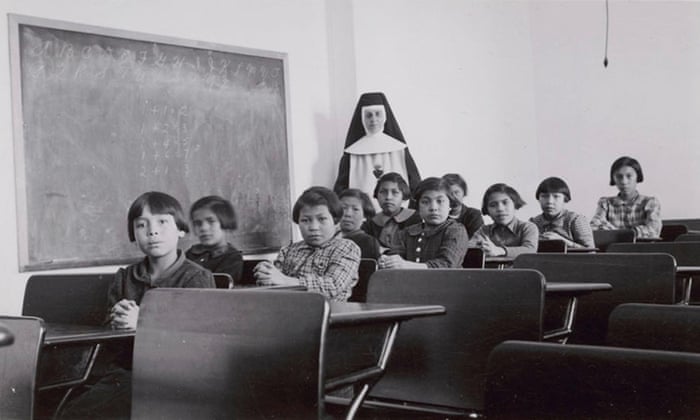
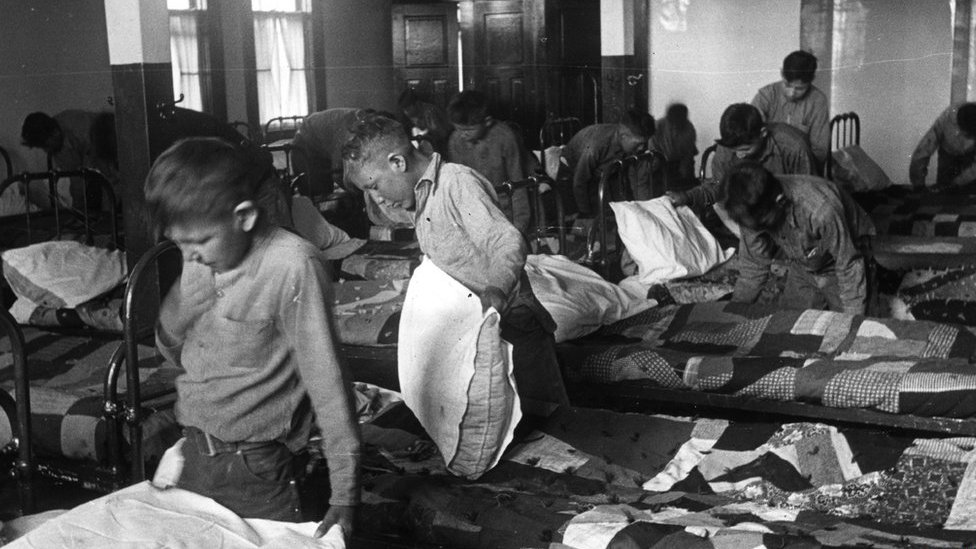
Between 1874 and 1996, 130 or more residential schools existed in Canada, and these schools took children from First Nations, Metis, and Inuit backgrounds. In the 1920s, it was mandatory for parents to send their children to these schools, and if they failed to comply, parents would be sent to prison. Children in these schools were forced to speak English and French and not their Indigenous languages. They were also forced to convert to Christianity, and the Roman Catholic Church were responsible for up to 70% of the residential schools, including the Kamloops Indian residential school.
According to the Truth and Reconciliation Commission (TRC) report in 2015, this school system was deemed cultural genocide. Children in these schools were subjected to physical, emotional, verbal and sexual abuse from staff. It has been reported that up to 6,000 children died in these schools, but the number could be even higher due to bodies being reported missing and never being found. As late as 1945, the death rate for children attending residential schools was nearly five times higher than those attending other schools in Canada. In the 1960s, the rate was still double that of other Canadian schoolchildren. These residential schools were poorly built, poorly heated and had poor sanitation.
Indigenous children at a residential school in 1950 taken from BBC
Reactions
Since the discovery at Kamloops Indian residential school, Canada’s prime minister Justin Trudeau has suggested that searching for more unmarked graves was “an important part of discovering the truth”. He has also called for the Pope to apologise for the Catholic Church’s role within these residential schools and “to step up” and take responsibility. There is growing pressure for the Catholic Church to apologise for its role in this school system, but it has refused to do so. This is despite Trudeau requesting the Church to issue an apology during a meeting, in 2017.
In 2019, the Canadian government committed 33.8m Canadian dollars over three years to develop and maintain a school student death register and set up an online registry of residential school cemeteries. So far, the National Centre for Truth and Reconciliation has only received a fraction of that money. From the TRC report in 2015, there were 94 calls for action and six recommendations, and according to CBC, 10 of the projects have been completed, 64 are in progress, and 20 have not begun.
Assembly of First Nations National Chief Perry Bellegarde has said that “the outrage and the surprise from the general public is welcome” regarding the findings at Kamloops Indian residential school. However, the chief continued and suggested that “the report is not surprising.” According to Terry Teegee, regional chief of the British Columbia Assembly of First Nations, survivors of these schools have been telling “horror” stories of these schools for decades.
There have also been protests in the country, including at Ryerson University in Toronto, demanding investigations into these schools and for the Pope to issue an apology.
Protestors at Ryerson University dismantled a statue of Egerton Ryerson, who was one of the many people responsible for Canada’s residential school system.
University president Mohamed Lachemi has said that the statue will “not be restored or replaced.”
Lawmakers and First Nations groups are now calling for all former residential schools to be examined.
A statue of Egerton Ryerson, one of the architects of the residential school system, lies on the grounds of the university that bears his name. @MrScarcehttps://t.co/5mSrmGr1hf
There is growing doubt over whether the prime minister will be able to keep to his 21 June date due to the Indian variant.
The full lifting of restrictions in England should be delayed by a month beyond 21 June due to the impact of the Indian variant of coronavirus, a leading scientist advising the government has told Sky News.
Stage four of Boris Johnson’s roadmap for easing coronavirus rules – when the prime minister aims to remove all legal limits on social contact – is scheduled to take place from 21 June.
But there is growing doubt over whether the prime minister will be able to keep to that date due to the spread of the Indian variant – now renamed as the Delta variant by the World Health Organisation – within the UK.
Professor Ravi Gupta, a member of the New and Emerging Respiratory Virus Threats Advisory Group (Nervtag), told Sky News that a further easing of measures on 21 June was “a bit early”.
“I think we need at least a few weeks – probably a month until schools have closed, when the risk of transmission within schools falls during summer holidays,” he said.
“It then gives us another four weeks’ worth of data to collect about how the [Indian variant of the] virus is growing in the population, what sort of rate it is growing at, how it is doing relative to the previous strain B117.
“And also how effective our vaccines are against this new virus.
“All of that information is coming in weekly and it will enable us to build up a better picture whilst staying safe and maintaining the gains we made through that really painful three of four months we had.”
Prof Gupta, a professor of clinical microbiology of the University of Cambridge, warned the Indian variant offered a “real risk now of generalised transmission in young people who are not vaccinated and, of course, school age children as well as those who are vulnerable and haven’t responded to the vaccine”
The June 21st freedom date should go ahead as planned.
Whilst coronavirus will be with us for the foreseeable future, and we should be cautious going forward, the date should not be pushed backwards any further.
As time goes on, we are seeing less and less legitimate reasons for further restrictions. The nation has been incredibly patient and has, for the most part, followed the guidelines to prevent the spread.
The vaccine has shown to be very effective against the new Indian strain of the virus, as well as the overall vaccine rollout being incredibly successful and effective.
Hospitalisations are down and the majority of the groups which coronavirus affected the most have been vaccinated.
The hospitality sector has been decimated due to coronavirus. Video credit: Sky News
The date will boost the morale for huge portions of the nation, who have made financial and personal sacrifices over the past eighteen months. To extend the lockdown would be a kick in the teeth to these people.
It’s also no surprise that the current state of the economy is unsustainable long term. Many have lost their jobs and industries such as hospitality have been devastated. Larger businesses and chains will survive but the independent business owner can no longer afford to live like this.
There are also concerns to do with civil liberties. To date, even with emergency powers, we have never seen the government act in such an authoritarian and draconian manner.
We have seen people threatened with huge fines and even prison sentences for not social distancing, police forces tracking people on coastal areas via drones and, in London, even attempting to stop the free press from doing its job. It simply must end.
Protestors were arrested for protesting against lockdown restrictions. Video credit: The Independent
Everybody has their own narrative. SAGE, as well as other health professionals and advisers, know that the longer they can extend lockdown, and convince the government to extend lockdown indefinitely, they benefit financially. It’s very easy for people who aren’t directly affected by lockdown to theorise about why the population should remain in it.
Consequently, the phrase ‘data, not dates’ seems less and less like legitimate safety concerns and more to do with SAGE protecting its financial interests and the indirect exercise of unchecked power. At this stage, it’s propaganda.
There can be no more excuses for extending lockdown.
Would you rather be alive and able to rebuild your life, or needlessly dead from a virus whose transmission you could have avoided?
Lockdowns, lockdowns, lockdowns. We’re all heartily sick at just the mention of the word. However, it’s been a necessary evil to combat the spread of one of the deadliest new viruses to hit the planet, and completely reshape our society as we know it. There’s been a multitude of statistics flying around since the COVID-19 pandemic started, the main one being: does it really affect young people? Can we endorse the heavy restrictions on the lives of those whom COVID hardly affects, crippling their financial prospects and careers in the process?
Conflicting theories aside, the data shows us that yes, it does cause death amongst the young. The Centre for Infectious Disease Research and Policy in the US found that 73,300 (79.5%) of excess deaths from March through August 2020 were COVID related, with 4,535 deaths occurring from March through July in younger adults ages 25 to 44, or 38% of all excess deaths in that group. That’s quite a large number of deaths in the supposedly ‘younger and more immune’ group.
On 27th May, a further 3,542 coronavirus cases and 10 deaths within 28 days of a positive test were reported in the UK. On 31st May, Professor Ravi Gupta, a member of the New and Emerging Respiratory Virus Threats Advisory Group (Nervtag), told BBC Radio 4 there was an “exponential growth” in new cases, primarily due to the spread of the Indian variant. He confirmed that a third wave had begun, cautioning that all waves start with low case numbers that gradually rise, which is what we are most likely seeing here. He stated that the vaccine’s uptake can lull us into a false sense of security, as it slows the spread of the virus among those who are vaccinated, masking the effects of a third wave until it may be too late to act. Vaccines can be great at preventing you from getting seriously ill, but can’t always stop you from being infected.
The increased spread of the Indian variant (particularly among the young and unvaccinated) has caused even that seasoned gambler of lives, Boris Johnson, to recommend ‘caution’ and to assure that, if it shows within the data, the lifting of restrictions on June 21 may be delayed.
At last! I hear you cry. Common sense has returned, belatedly, to our government. The UK hardly needs yet another injury to its reputation at the moment, particularly after the abhorrent and preventable loss of life that occurred at the start of the pandemic in March 2020, due to a late lockdown.
It’s valid to argue that the majority of groups whom COVID-19 affects the most seriously have been vaccinated. However, to state that in younger age groups the risk is ‘negligible’ unless there’s an underlying condition is not factually correct, according to the aforementioned data from the Centre for Infectious Disease Research and Policy.
It could even be likened to favourtism towards older people – so long as they’re vaccinated and safe, we can open up the world to those younger with a lower mortality risk, despite their group being the highest spreaders of new variants. More of an effort should have been made by the government to vaccine those who spread COVID the most, not just those who are the most likely to die from it.
Young people are not ‘cannon fodder’, to be used as an experimental tool as the UK opens up our society. We have to remember that any laws the government imposes on us can be viewed as draconian – having to attend work compulsorily while a deadly virus stalks the streets is just as brutal as ruling that everyone must stay at home to avoid said virus, losing their livelihoods in the process; indeed, it’s more so.
Ask yourself: Would you rather be alive and able to rebuild your life, or needlessly dead from a virus whose transmission you could have avoided? If anything, what COVID-19 has taught us to do is to adapt to a new world and a new situation. Many have successfully done so, and others who did not follow in their footsteps do not, therefore, gain the right to insist on the world’s reopening, potentially causing a third wave in the process. As the results of March 2020 taught us – when there’s doubt, stay inside.
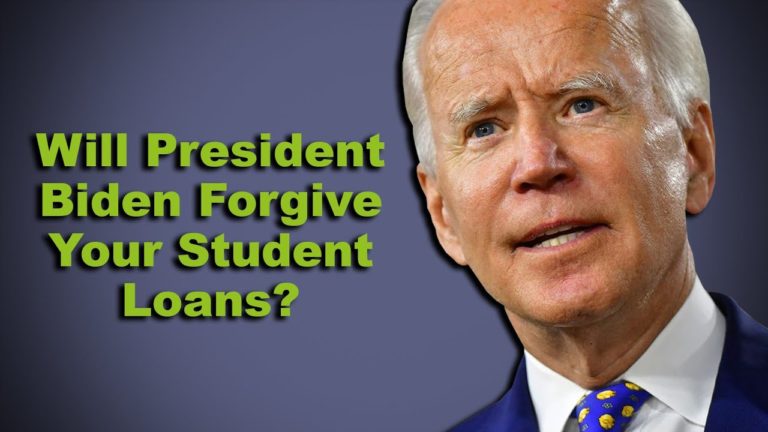
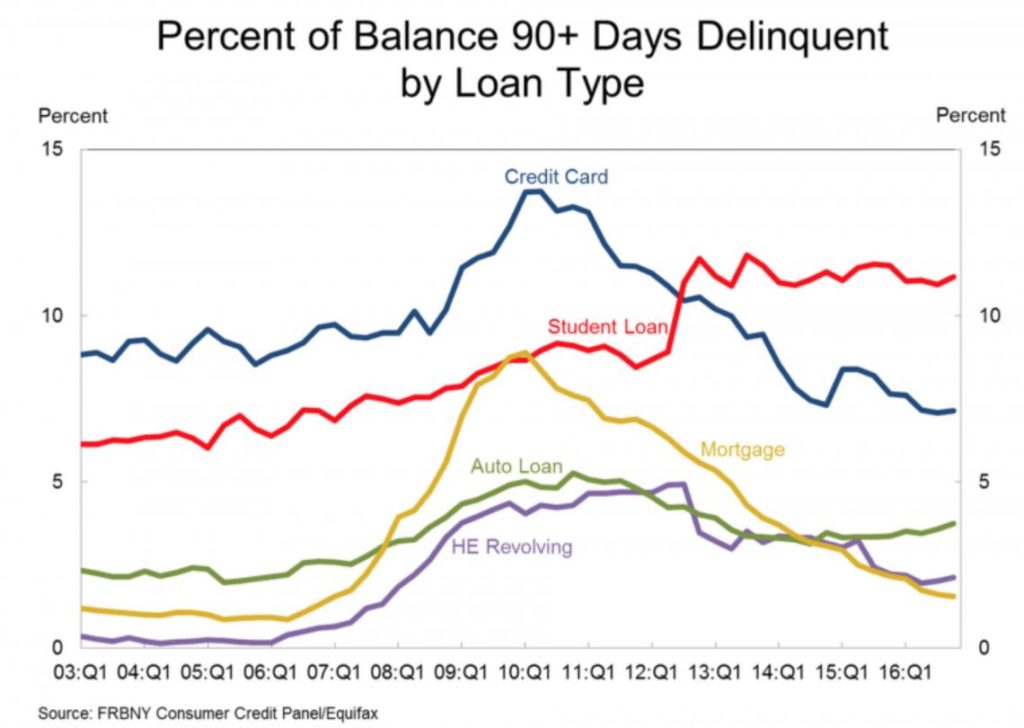
There was not much to fear with a Republican presidency forgiving debt, let alone student debt. This may all change with a Democratic Joe Biden presidency saying he would forgive $10,000 in student debt for all borrowers and the rest of the debt for public college attendees, historically Black colleges and $50,000 for those earning up to $125,000 a year. This would reduce the £1.7 trillion student loan bill by a third, according to higher-education analyst Mark Kantrowitz. This has raised questions about whether a Presidential Executive Order is even capable of such a move without going through approval by both houses of Congress. If America goes down this route, where does it stop? Credit card debt is the second-highest default rate, cancelling this would undoubtedly be more redistributive. But, as always, the true costs are hidden and often take time to reveal themselves.
Many of the politicians advocating student debt removal were simply candidates in the Presidential race, eager to curry favour in bribing their electorates. But here we have our new President who may be able to pass such a bill since the Constitution gave Congress the authority to control government property, which includes debts owed to it. Congress granted the Secretary of Education, who works for the President, “specific and unrestricted authority to create, cancel or modify debt owed under federal student loan programs.”
If Biden does choose that route on taking office, it may be met with lawsuits from Republicans or backlash from those who are punished for their previous financial responsibility. This includes those who took out loans and paid them off, those who didn’t take out loans and those who chose not to attend college. It may also block bipartisan collaboration within Congress as the Republicans feel betrayed by their new government. Beside these points, Noah Smith, Bloomberg analyst, believes that student debt forgiveness wouldn’t stimulate the economy because college graduates tend to be higher earners with a greater tendency to save rather than spend.
Delinquencies and defaults – student loans highest, followed by credit card debt // Equifax
Off the back of the U.S. Department of Education offering pausing student loan payments until January to help with the Pandemic, only 11% didn’t take this up, with a Pew Research study saying 58% would find it hard to resume payments after this hiatus.
The trouble with attempting to stimulate growth via this method is debt. The debt will still have to eventually be paid by taxpayers in some other sector of the economy. You can’t just print more money and make the problem disappear. The government already issued the debt to pay for these loans. Erasing them erodes a revenue stream for the government. This weakens the belief the world has in the US government and Federal Reserve to repay and make good on its debts. Because America has a strong history backed by a dynamic, open economy with lots of new growth and products it is able to protect this image. For now.
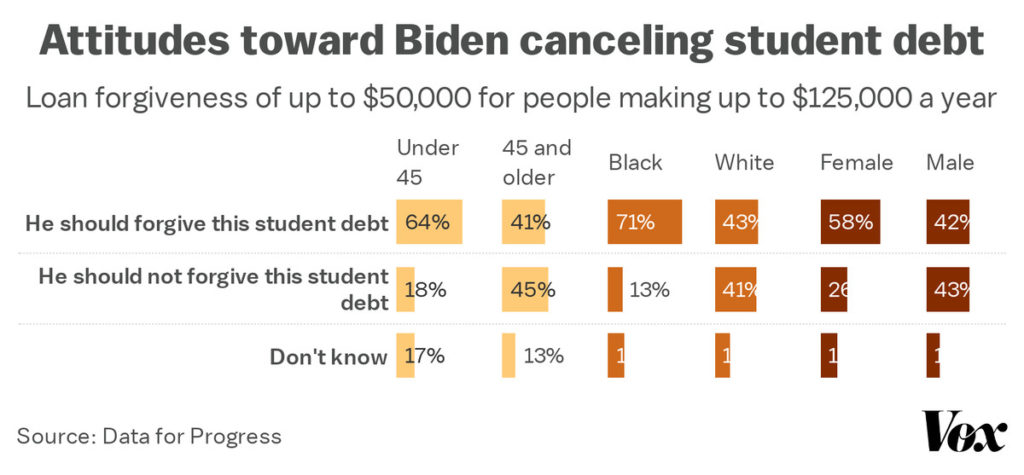
Demographic groups in favour of student loan forgiveness / Data for Progress / Alamy
At some point the debt burden becomes to much and there will be a reckoning. Then problems like Student Loan forgiveness will seem like child’s play.
The repayment of student loans plus interest is counted as a future asset earmarked for future expenditures when it is repaid. Forgiving the debt would require either cutting those items from the budget or finding a replacement funding source. Hence, more taxes.
One of the primary mechanisms for making student loans financially sustainable is the loan payments and interest paid today funds the loans of tomorrow. If most people paid, then the $1.7 trillion would be recycled to fund its own overhead. Forgiving a large chunk of today’s debt leaves what for tomorrow’s fund? Eventually, you run out of other people’s money. The funding must come from somewhere with the most likely outcome being either reduced future student lending or raising taxes.
For all the talk of redistribution, people go to university to access better jobs and improved life outcomes. College graduates have lower unemployment rates and higher earnings than non-graduates and trade workers. Those who never got that chance or decided to take that route are the ones who are set to be paying the bill for those who did. Only one in three American adults over age 25 actually have a bachelor’s degree. Yet college graduates typically make 85 percent more than those with only a high school diploma and earn roughly $1 million more over a lifetime. The University of Chicago and Penn Wharton School of Business have published a report stating, in fact, the richest 20% get 6x the benefit from student debt cancellation than the bottom 20%.
It is morally bankrupt to make the future descendants of fiscally responsible or truly poor non-collegiate Americans foot the bill for the 44 million Americans with some form of student debt. All of these people voluntarily signed onto the debt. All those voters acting in their immediate self-interest to vote for the politicians making ridiculous promises is effectively stealing from others.
People who go to universities ill-informed to schools they can’t afford, choosing unmarketable majors, borrowing too much money, when there are other more suitable jobs like becoming a mechanic, perhaps partying and freeriding instead of focusing on studying – want to blame someone else. The government is a convenient scapegoat.
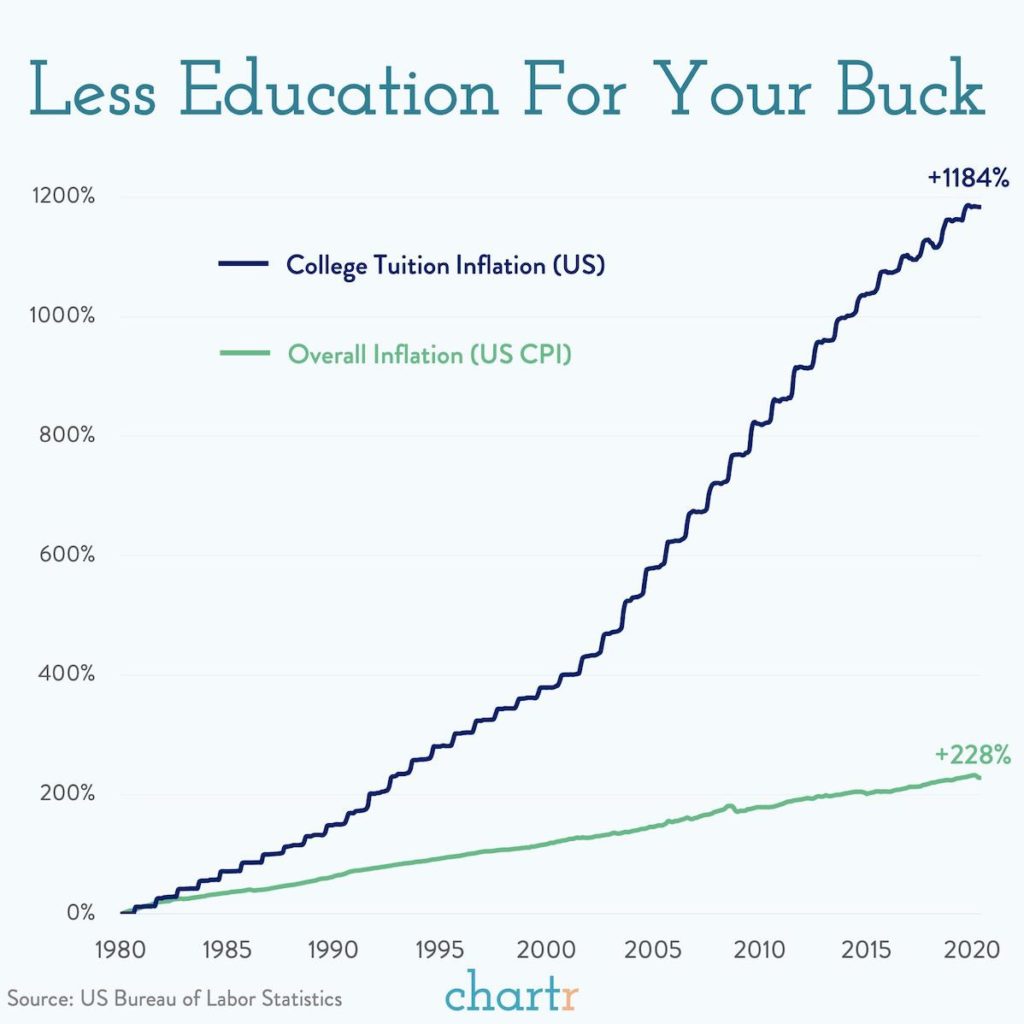
College Tuition risen at precipitous rates vs regular inflation // US Bureau of Labour Statistics
Having said that, no school is affordable. Tuition costs have outpaced real earnings exponentially beyond any other comparable individual cost.
The problem is one of the government intervening in the funding scheme providing limitless, guaranteed loans for the universities to receive. The only way to get the cost of education down is to decrease the university’s need to have skin in the game. The government is loaning huge sums to students that never complete their education and cannot afford to pay the funds back. It is a debt transfer from students with degrees to hard-working, thrifty citizens – the ultimate insult to the US Constitution.
This will continue so long as politicians keep throwing more money at problems. Without delving into progressive politicians appearing to reduce inequality, while simultaneously known or unknown to them, ensuring disenfranchisement so they can later bribe voters is a distortion to a system that was not designed to survive such an ignorant electorate.
Big changes do not happen overnight. This works both ways, hopefully, what made student loans untenable will also prevent their overnight Presidential forgiveness. The US government was designed to prevent knee jerks and mob mentality legislation. And we should all be thankful for that.
In this interview we catch up with Ore Ogungbayi Ore Ogungbayi is a Speaker, Trainer & Master of Ceremonies who has a passion for enabling others, especially young people. Her focus is on helping young people thrive and excel in their day-to-day activities and in lives.
She also just wrote a book called Knocked 4 Six! – Going from Hopeless to Hopeful is a dramatic account of the early years of the author, Ore. It captures the knocks and the trauma experienced by a young person who suddenly finds herself vulnerable and exposed to a world where she has to look from the outside in. Rejection and Dejection become the side effects of One Major Traumatic Event Like what you watched?
We are an Independent news outlet. We were founded by 500+ ordinary people who saw a problem with the mainstream media and did something about it. This means we are not solely driven by profit margins or vested interests. We are a platform kept alive by our community who we exist to serve. In a digital age, where the news cycles moves at dizzying speeds, news has become noise. The Common Sense Network is a platform our readers visit to discover stories that matter. To discover stories from across the political spectrum, local stories, stories that hold power to account, that uncover wrongdoing, that empower the forgotten and the unheard. We are on a mission to build the broadest coalition of diverse commentators in the UK. Our articles are well researched, well written and straight-talking. We remain committed to providing multiple perspectives on issues because we believe, there are two sides to every story….
In this excerpt taken from #CommonSensePodcast M.T. and Calvin Robison why people may express conservative thoughts behind closed doors but present as left-wing publicly Full episode: https://youtu.be/Ro-h6Kw2M0Y Like what you watched? Click here to join our community for free – https://csnetwork.substack.com/ _____________
We are an Independent news outlet. We were founded by 500+ ordinary people who saw a problem with the mainstream media and did something about it. This means we are not solely driven by profit margins or vested interests. We are a platform kept alive by our community who we exist to serve. In a digital age, where the news cycles moves at dizzying speeds, news has become noise. The Common Sense Network is a platform our readers visit to discover stories that matter. To discover stories from across the political spectrum, local stories, stories that hold power to account, that uncover wrongdoing, that empower the forgotten and the unheard. We are on a mission to build the broadest coalition of diverse commentators in the UK. Our articles are well researched, well written and straight-talking. We remain committed to providing multiple perspectives on issues because we believe, there are two sides to every story….
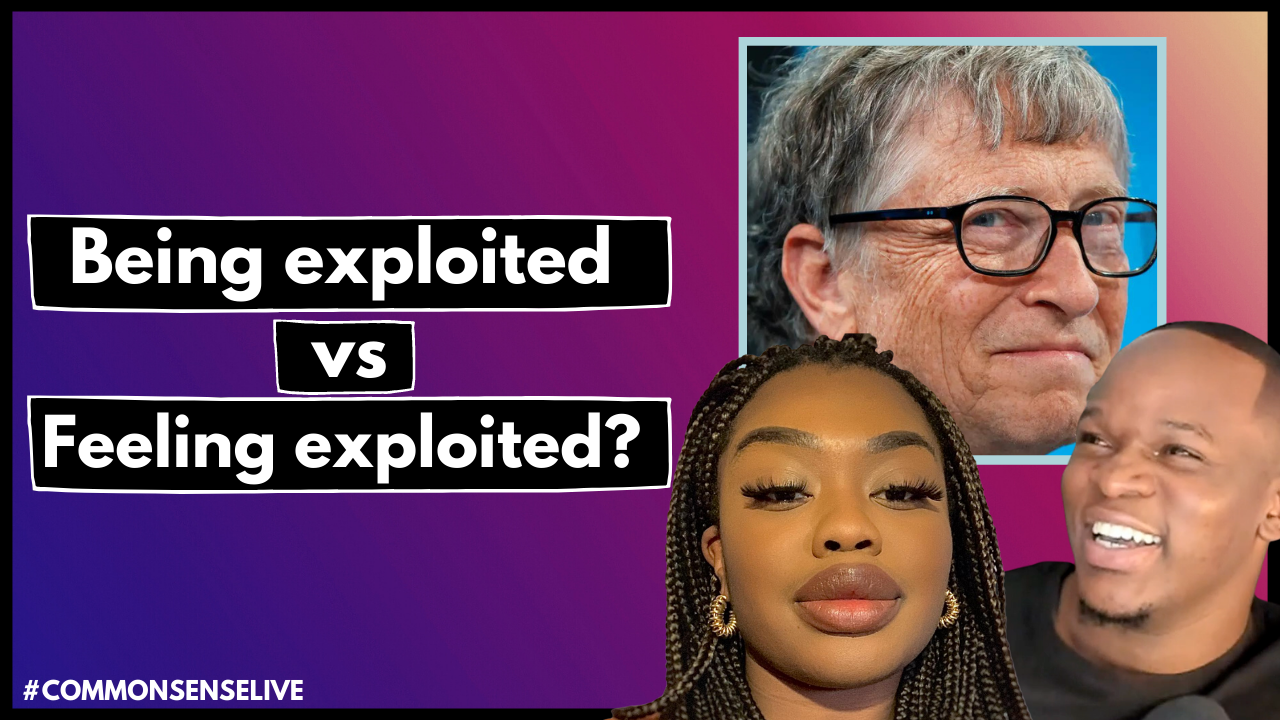
In our latest episode of Common Sense Live we discussed whether you can be a billionaire without exploiting those that work for you. Many people go about their lives working for corporate giants feeling exploited on the day to day so the question in the clip being asked is whether there is a difference between being exploited and feeling exploited. What do you think? Comment down below and get involved Like what you watched?
We are an Independent news outlet. We were founded by 500+ ordinary people who saw a problem with the mainstream media and did something about it. This means we are not solely driven by profit margins or vested interests. We are a platform kept alive by our community who we exist to serve. In a digital age, where the news cycles moves at dizzying speeds, news has become noise. The Common Sense Network is a platform our readers visit to discover stories that matter. To discover stories from across the political spectrum, local stories, stories that hold power to account, that uncover wrongdoing, that empower the forgotten and the unheard. We are on a mission to build the broadest coalition of diverse commentators in the UK. Our articles are well researched, well written and straight-talking. We remain committed to providing multiple perspectives on issues because we believe, there are two sides to every story….
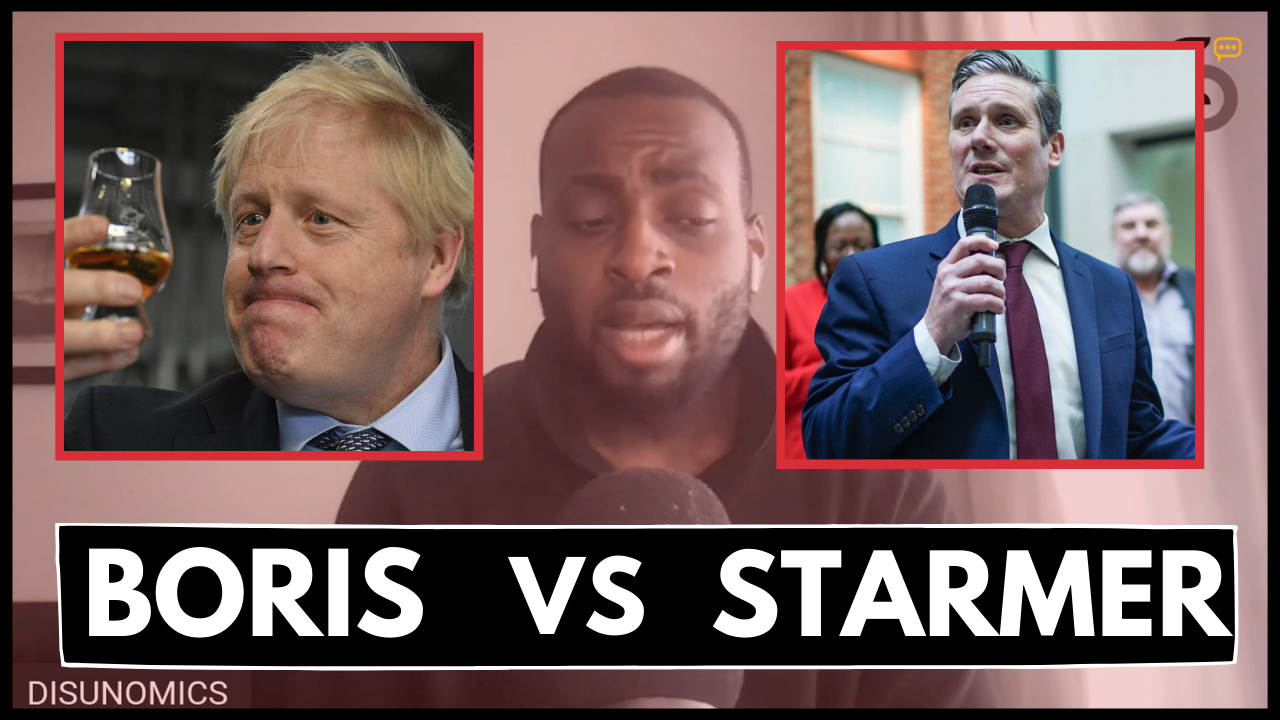
In this excerpt taking from #CommonSensePodcast M.T. and DISCUNOMICS talk about the difference between how Boris Johnson and Kier Starmer navigate the media.
We are an Independent news outlet. We were founded by 500+ ordinary people who saw a problem with the mainstream media and did something about it. This means we are not solely driven by profit margins or vested interests. We are a platform kept alive by our community who we exist to serve. In a digital age, where the news cycles moves at dizzying speeds, news has become noise. The Common Sense Network is a platform our readers visit to discover stories that matter. To discover stories from across the political spectrum, local stories, stories that hold power to account, that uncover wrongdoing, that empower the forgotten and the unheard. We are on a mission to build the broadest coalition of diverse commentators in the UK. Our articles are well researched, well written and straight-talking. We remain committed to providing multiple perspectives on issues because we believe, there are two sides to every story….
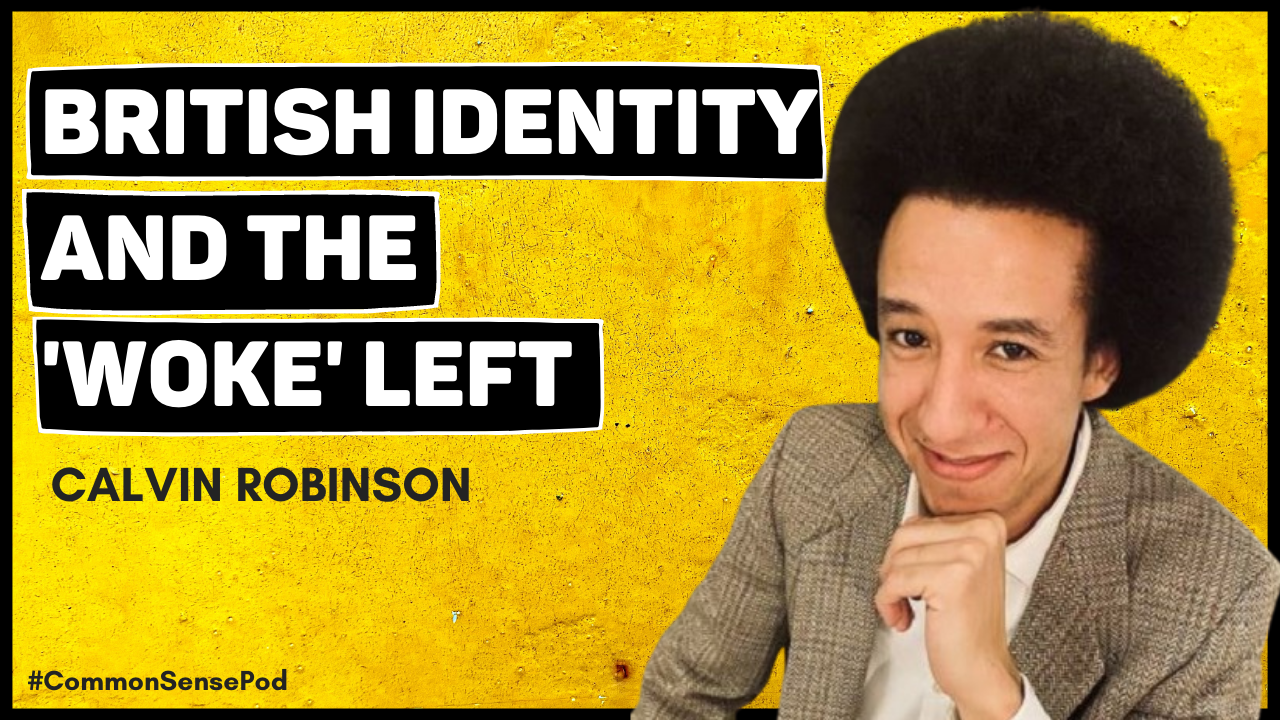
Is the Left trying to control people? In this episode M.T. is joined by Political Adviser, Broadcaster and commentator Calvin Robinson as they discuss Structural and institutional racism, the future of culture wars and so much more! Join the conversation online using the hashtag #CommonSensePod Like what you watched? Click here to join our community for free – https://csnetwork.substack.com/
_____________
We are an Independent news outlet. We were founded by 500+ ordinary people who saw a problem with the mainstream media and did something about it. This means we are not solely driven by profit margins or vested interests. We are a platform kept alive by our community who we exist to serve. In a digital age, where the news cycles moves at dizzying speeds, news has become noise. The Common Sense Network is a platform our readers visit to discover stories that matter. To discover stories from across the political spectrum, local stories, stories that hold power to account, that uncover wrongdoing, that empower the forgotten and the unheard. We are on a mission to build the broadest coalition of diverse commentators in the UK. Our articles are well researched, well written and straight-talking. We remain committed to providing multiple perspectives on issues because we believe, there are two sides to every story….
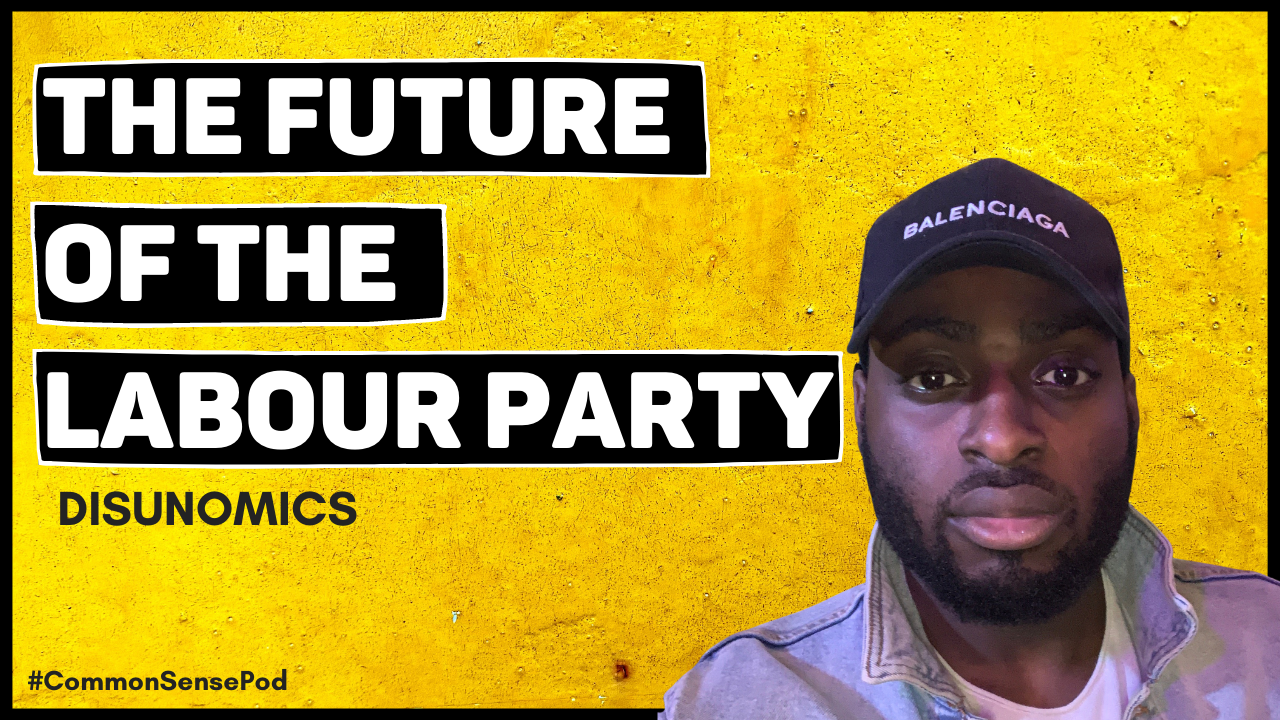
Last week saw the Labour party in crisis. The party lost control of several councils and suffered defeat to the Tories in the Hartlepool by-election. Many are calling for the Labour party to begin a search for its soul. On This episode, M.T. is joined my commentator and podcaster DISUNOMICS as they try to make sense of what the next steps may be for The Labour Party. Join the conversation online using the hashtag #CommonSensePod The
Conservatives have made significant gains of councils across England, adding 12 councils and an extra 239 councillors to their overall tally by the end of Saturday. Labour lost overall control of 8 councils, including Durham County Council. The party fared better in the mayoral races, however, as Sadiq Khan was re-elected as London mayor with 55.2% of the vote, and Andy Burnham won a second term as Mayor of Greater Manchester in a landslide victory. Labour also won mayoral elections in Cambridgeshire & Peterborough, Liverpool City Region, and West of England. Elsewhere, on Friday, the Conservatives also won the Hartlepool by-election. Like what you watched? Click here to join our community for free – https://csnetwork.substack.com/
_____________
We are an Independent news outlet. We were founded by 500+ ordinary people who saw a problem with the mainstream media and did something about it. This means we are not solely driven by profit margins or vested interests. We are a platform kept alive by our community who we exist to serve. In a digital age, where the news cycles moves at dizzying speeds, news has become noise. The Common Sense Network is a platform our readers visit to discover stories that matter. To discover stories from across the political spectrum, local stories, stories that hold power to account, that uncover wrongdoing, that empower the forgotten and the unheard. We are on a mission to build the broadest coalition of diverse commentators in the UK. Our articles are well researched, well written and straight-talking. We remain committed to providing multiple perspectives on issues because we believe, there are two sides to every story….