
This Tuesday 13th November, the Common-Sense Network attended the Politics Summit 2018 in London.
The event was organised by The Fourth Group, led by CEO and founder Alvin Carpio. The day took a focus on our fast-changing role as citizens in the digital age, featuring speakers, panellists, and group discussions.
The event comes as part of the ‘We are #UnitedCitizens‘ campaign. A global coalition of companies and volunteers, with the long term objective of mobilising international citizens to take collective action, to ensure technology is a force for good.
At two years old, The Fourth Group, a crowdfunded initiative, delivered the Politics Summit, grouping new leaders together to raise awareness of the key issues that technology brings to our political processes.
The Summit featured guests and panelists ranged from tech leaders, CEOs, politicians, data experts, editors, and academics, racking heads together on topics such as fake news, data protection, and social media echo chambers.
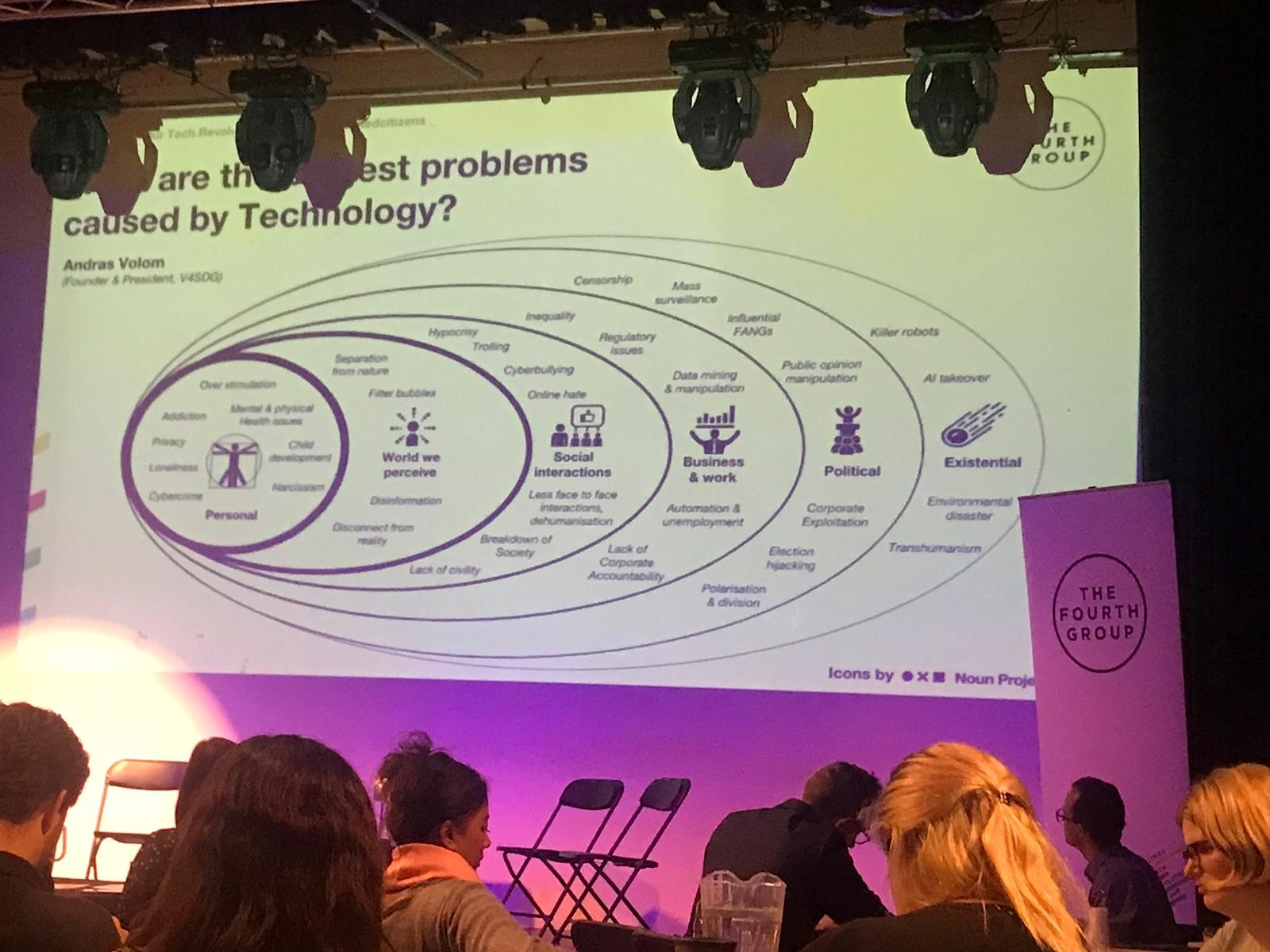
The day started with a collection of speakers introducing the key issues that we are now faced by us as citizens in the technological era. Andras Volom, President of V4SDG, broke these down to a broad range of concerns across our social, business, political lives and our existential future.
Throughout the afternoon, myself and our other representatives from the Common Sense Network took a lead in debates over the causes and effects of social media echo chambers. Our contributions led panelists to consider the importance of not just tackling strong algorithms online, but also taking political discussions offline.
Democracy certainly requires accountability, collective action, and equal participation, which can become lost in the suffocating whirlpool of purposely controversial one line statements, endlessly piling on top of each other on our news feeds.
Many other speakers urged the audience not just to highlight the issues, but investigate measures we can take to solve them.
Malini Mehra for example, argued that alternatives to Facebook do exist, which can protect us having our data being used in ways we don’t want it to be (see Cambridge Analytica debate). The CEO of GLOBE Lesgislators enforced the point that an overuse of one platform leads to a frightening level of data knowledge and power given to one company.
A series of fascinating panel discussion that followed featured more radical proposals. Areeq Chowdury, CEO of WebRoots Democracy, shared his teams work on introducing a tax to be paid by the social media giants per user on their platform, which would then be redistributed back into the education and raising awareness of children/young people understanding their data.
Later speakers encouraged us to gaze further into the future.
Speaker Jamie Bartlett focused on the Cambridge Analytica scandal. The author highlighted that what is remarkable is not the scandal in itself but the speed at which the tools politicians can use to win votes are developing.
Bartlett urged us to use our imagination and think about what tech in politics might look like in decades to come. Raising the somewhat comic possibility that data collecting fridges could present us with holograms of Donald Trump when we open them most at our most hungriest, and therefore most vulnerable to the messages of authoritarian leaders.
In summary, this hugely stimulating occasion recognised not only the biggest issues that tech presents to us today, but the signs of far broader impacts we must prepare for in the decades to come.
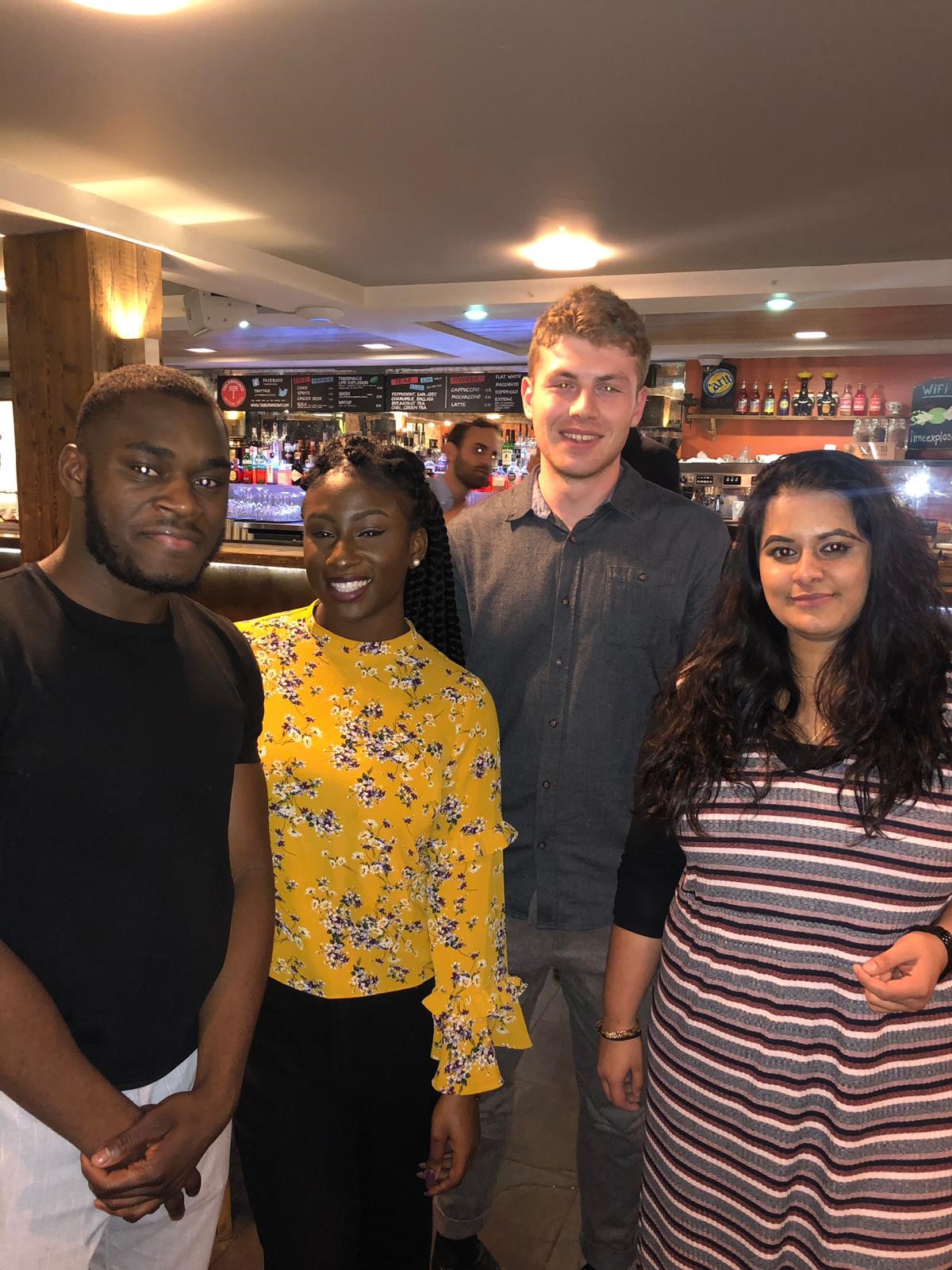
It was a pleasure to meet so many others with similar objectives to the Common Sense Network, devoted keep our democractic systems alive and well in the ever changing world of technology. Thanks for having us! We look forward to next year.