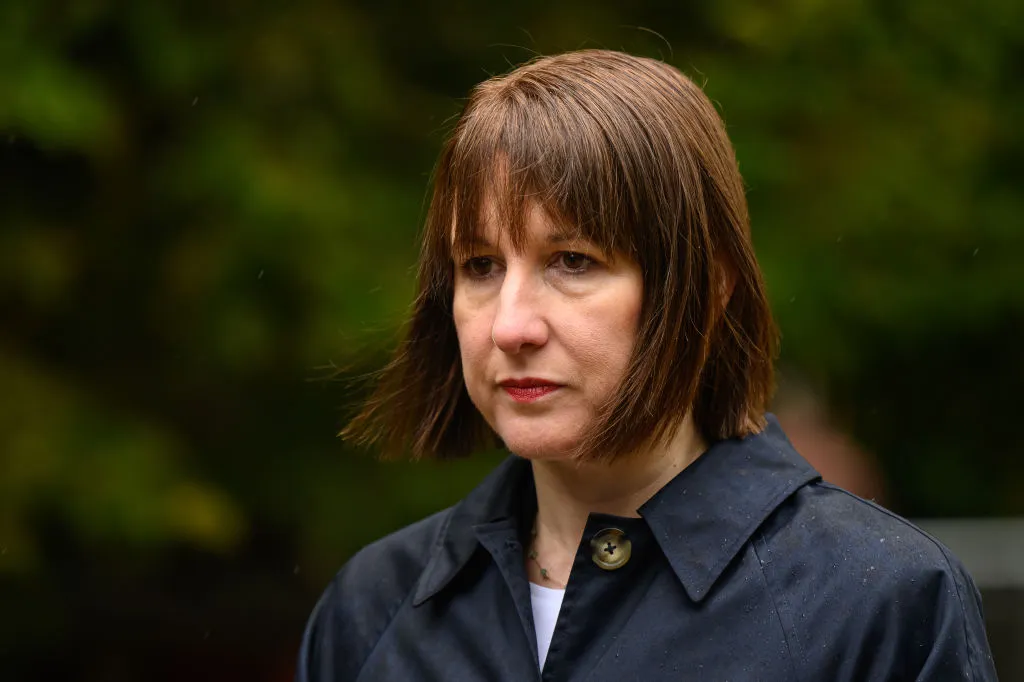

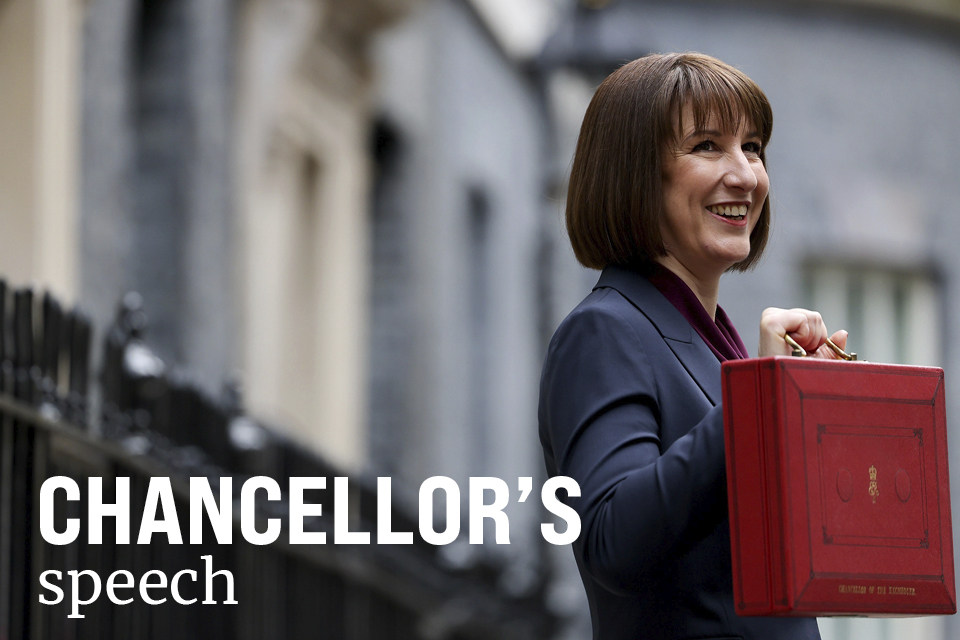
On 26 November 2025, Rachel Reeves presented her first full Autumn Budget as Chancellor. It lands during a period of high public debt, stretched public services and persistent pressure on household finances. The Budget attempts to raise revenue for the state while offering limited relief to people struggling with the cost of living. The real test of this Budget is simple. Will ordinary people feel richer or poorer when the dust settles? For many, the effects may be mixed, but the direction of travel leans toward tighter household budgets rather than looser ones.
Frozen Income Tax Thresholds
The headline change is the decision to freeze income tax thresholds for at least three more years. It sounds technical, but its effect is very real. If your salary increases over time, more of your earnings will be caught in the taxable net. Some workers will drift into higher tax bands without ever feeling meaningfully wealthier. This phenomenon is known as fiscal drag. It increases revenue for the government quietly, not by raising tax rates directly but by letting inflation and pay growth do the work.
In plain English, you might take home less even as your salary grows. That subtle pinch is how many households will experience this Budget.
Savings, Property and Investment Hit Harder
Alongside the threshold freeze, taxes on savings, dividends, rental income and investment are set to rise. The annual ISA allowance will fall, reducing the amount people can protect from tax. For landlords, investors and those who rely on dividends or interest for supplementary income, returns will shrink. This shifts more of the tax load toward people with financial assets rather than those paid through wages alone.
There is also the introduction of a new surcharge on properties valued above two million pounds. It applies to a relatively small share of homeowners, yet it signals a broader move towards taxing accumulated wealth rather than only labour.
Limited Support to Ease Daily Costs
The Budget does offer some help with day to day spending. The average household energy bill is expected to fall by around one hundred and fifty pounds next year through the removal of several levies, replaced instead by general taxation. Prescription charges and certain public transport costs are frozen, bringing short term stability to common spending points.
Minimum wage rates will rise. State pensions will increase by 4.8 percent. Those changes matter, especially for lower income households who feel cost pressures most sharply. Even so, wage growth is unlikely to fully counterbalance the creeping effect of frozen tax bands.
The Overall Impact
In the end, this Budget asks the public to absorb higher taxation in exchange for modest relief in daily expenses. Most people may not feel the impact immediately, but month by month the cumulative effect will be clearer. Higher effective taxation narrows disposable income. Rising bills continue to demand attention. The pound in your pocket is likely to travel a shorter distance than it did a year ago.
Reeves has positioned this Budget as one of responsibility, investment and realism. Whether it feels fair or heavy will depend on your income source, your home, your savings and your stage of life. For millions, it marks the beginning of a slow tightening rather than a loosening.