
If you have been watching events in the Middle East over the past few days, it has felt like the Donald Trump show. His visits, statements, and sudden diplomacy have dominated headlines. Yet beneath all the noise lies a simple truth: Trump does deserve some credit. He is one of the few leaders who has managed to drag the region toward this uneasy pause in violence.
Part of this comes from his willingness to break convention. Trump does not play by the rules of the international order. His unpredictability, combined with a readiness to use force, has unsettled opponents and created occasional diplomatic openings. The recent United States strikes on Iranian nuclear facilities, which Reuters reported as a direct order from Trump, weakened Tehran’s regional influence and helped accelerate talks that pushed both sides toward a ceasefire. His instinct for confrontation can be destructive, but in this case it forced a recalibration of power across the region.
Still, watching the scenes in the Knesset two days ago left me wondering what long-term peace might actually look like. The air is thick with celebration, but the foundation of real stability is still missing.
Trump’s Rough Credit and Its Limits
Trump’s willingness to show American strength has been effective in the short term. Deterrence can buy peace, but it cannot sustain it. True peace relies on trust, institutions, and the daily work of politics. Israel remains deeply wounded, searching for assurance that Hamas or any militant group will not rise again. Palestinians remain displaced and humiliated, still stripped of self-determination. Both sides want safety, dignity, and security. None of that can be imposed by force.
Unpredictability might win leverage in negotiations, but it does not build lasting architecture. The international order exists, however imperfectly, to manage that balance. When a superpower rejects it, everyone else is left guessing what comes next.
The Board of Peace Question
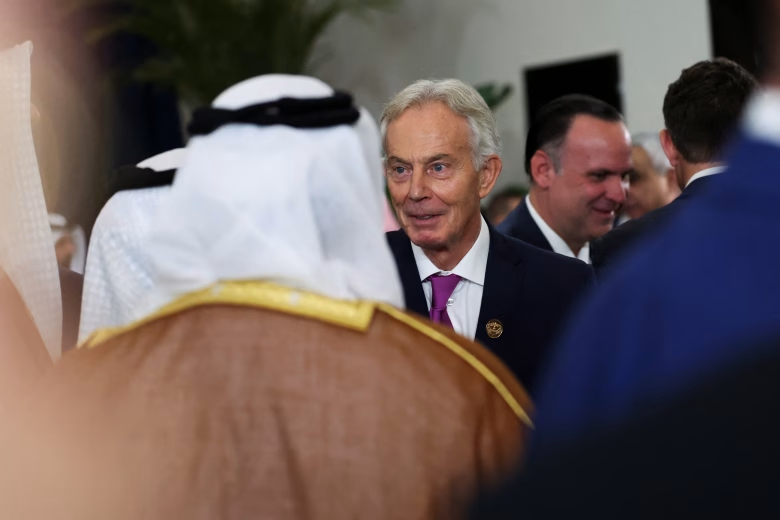
Trump and other world leaders have begun floating the idea of a Board of Peace to oversee Gaza’s recovery and maintain the ceasefire. On paper, it sounds promising: an impartial committee to guide reconstruction, mediate conflict, and supervise demilitarisation. In practice, it is fraught with risk. Not least because both sides have not formally agreed to it.
Israel may see it as a proxy for Hamas, while Hamas will almost certainly see it as a proxy for Israel. For such a board to function, it would need to be made up of regional actors trusted by both sides such as Egypt and Jordan, with international partners like the United Nations and the European Union providing oversight. It would also need a clear mandate: monitoring ceasefire violations, ensuring humanitarian access, and coordinating reconstruction.
Security remains the central question. Both Israel and Gaza need to feel safe, not just from each other but from internal threats. Some analysts have suggested joint security patrols under UN observation or a multinational rapid response unit capable of handling violations. Others argue for a demilitarised buffer zone. Each option carries political costs, but without a shared security mechanism, any peace will be temporary.
Rebuilding Gaza
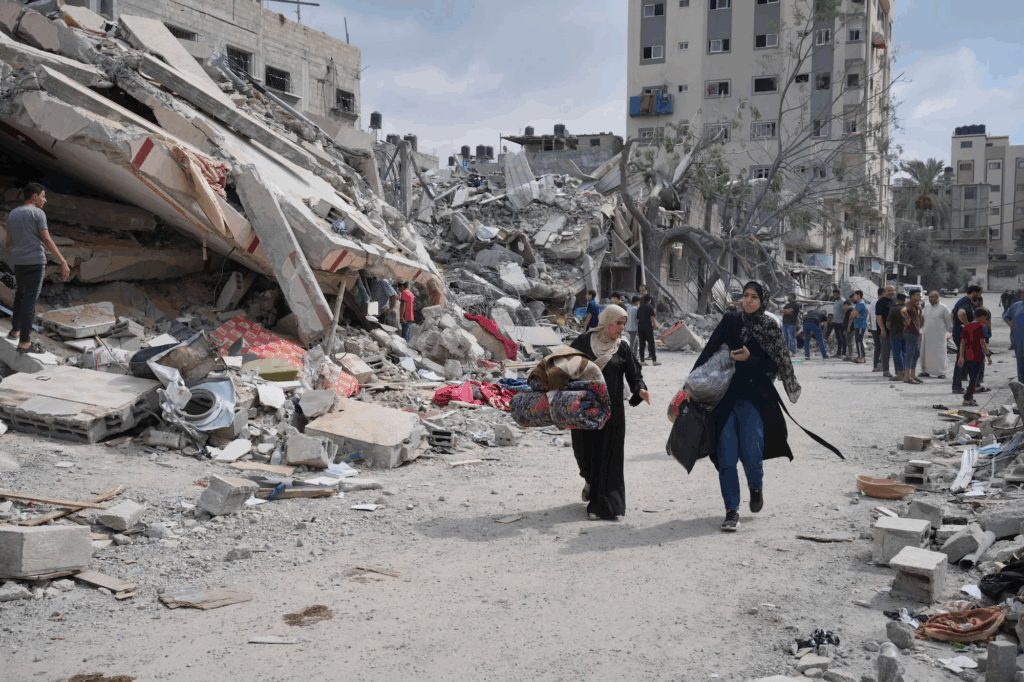
Then comes the physical reality. Gaza is in ruins. Reports from both Reuters and Al Jazeera confirm that basic infrastructure such as roads, hospitals, power lines, and water networks has collapsed. Rebuilding will take billions, and the politics of aid will be as complicated as the war itself.
However, reconstruction is not only about money. It is about who governs, who decides where to rebuild first, and how to prevent corruption. If Hamas returns to power, everything collapses back into the same cycle of repression and retaliation. Already, reports from Arab News suggest that Hamas has executed individuals accused of collaborating with Israel or criticising the movement’s rule. Whether those reports are fully verified or not, they paint a grim picture of a group still governed by fear and revenge.
The people of Gaza deserve a transitional government that focuses on governance rather than ideology. That could mean a technocratic administration with local representation, supervised by an international body for a fixed period. It is not a perfect solution, but it could prevent Gaza from falling back under militant control while giving civilians a voice in rebuilding their future.
The Danger of Forgetting
Perhaps the biggest threat to peace right now is distraction. The world is already moving on. Some in the Western media have shifted to other stories, and international attention can quickly fade. Yet peace is not a moment; it is maintenance. It requires patient, coordinated effort. If the global community disengages, the space left behind will be filled by corruption, warlords, and extremists.
Israel and Gaza both need accountability, transparency, and sustained engagement from the international community. Without it, the ceasefire will simply become an interval between wars.
Trump’s style is brash, forceful, and impulsive, and it has shaken the region out of paralysis. However that kind of leadership can only open doors; it cannot build rooms. The Middle East’s future will depend on who walks through those doors and what they do once inside. Real peace will not come from photo opportunities or quick victories. It will come from reconstruction that values people over politics, from security that protects both sides, and from leaders willing to risk compromise instead of applause.
The ceasefire is not the end of the story. It is the first page of a new one that still waits to be written.